Post Contents
- Exploring Kagoshima in Kyushu: warm arrivals, first impressions, and a relaxed Kagoshima City, Japan, travel guide
- Sakurajima day trip: active volcano hikes, eruption awareness, and the lava trail from Kagoshima
- Sengan-en Garden and Satsuma heritage: Shimazu clan elegance, samurai history, and classic Kagoshima
- Waterfront wonders in Kagoshima: aquarium time, art breaks, and hillside city views
- Ibusuki day trip: hot spring rituals, volcanic sand baths, and easy add-on adventures
- Tenmonkan nights: kurobuta shabu-shabu, shochu, and crafted local finds in Kagoshima
- FAQs: Kagoshima City, Japan
- What stays with you after Kagoshima: quiet reflections on Kyushu’s south and Sakurajima
Exploring Kagoshima in Kyushu: warm arrivals, first impressions, and a relaxed Kagoshima City, Japan, travel guide
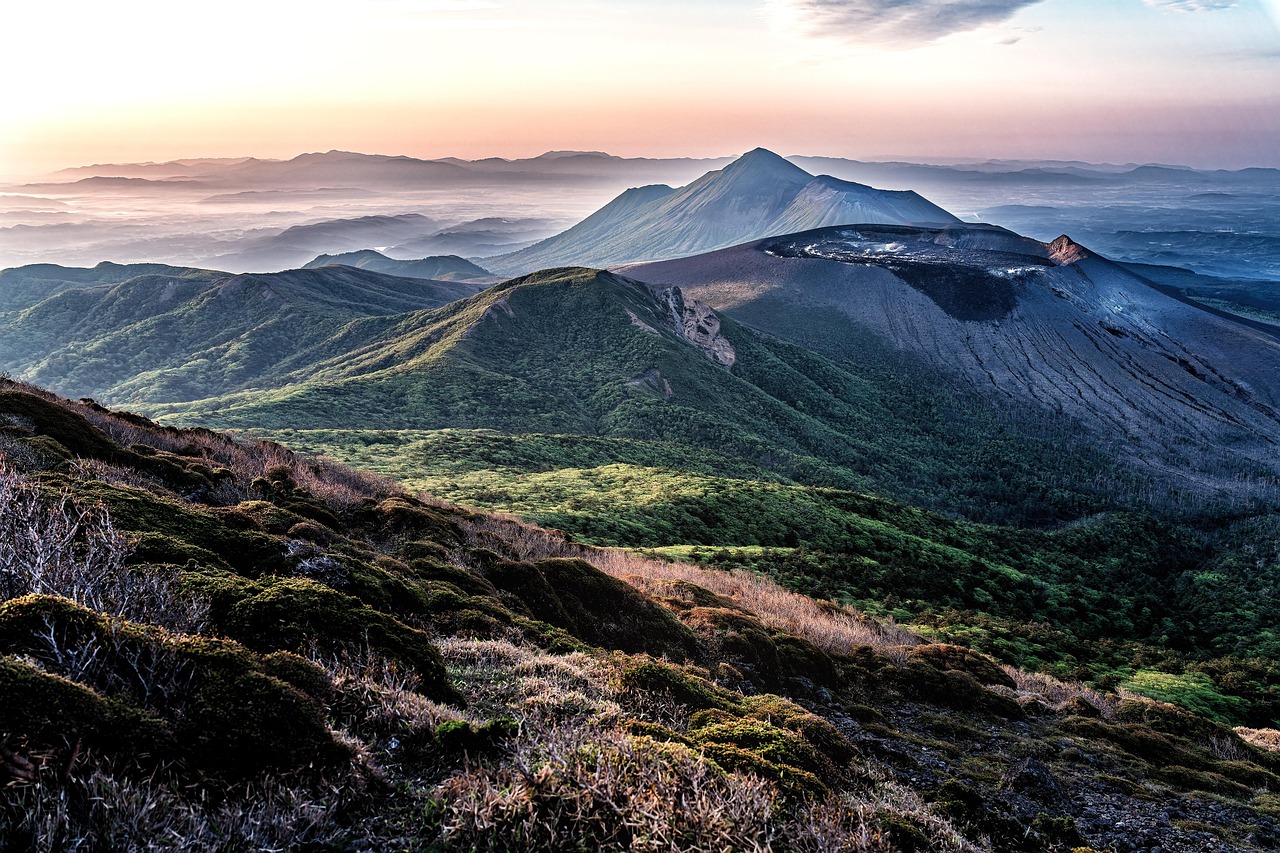
Arriving in Kagoshima: first impressions in Kyushu’s south
Think of the city of Kagoshima as a confident gateway to southern Japan—modern, walkable, and always in conversation with the sea and mountains. This is a major city that still feels intimate, and it’s an ideal base for exploring Kagoshima at an unhurried pace. Kagoshima is the capital of Kagoshima Prefecture, and it offers a vivid blend of history and culture beside open water and ash-toned horizons—often earning it the nickname “the Naples of Japan”.
Arriving is straightforward, and that early ease builds trust for the whole trip. Many travelers arrive at Kagoshima-Chuo Station by shinkansen, with onward connections to Kagoshima Station for local routes. If you’re flying, Kagoshima Airport is the main air hub; from there, an airport limousine bus takes you into the center in about an hour, with clear signage and plenty of luggage space—supportive even after a long journey.
From Kagoshima Airport to downtown: simple buses, stations, and first-night orientation
A simple transfer plan: land, follow signs for the airport bus, and choose a stop near your hotel (Kagoshima-Chuo is the most common anchor). If you’re arriving by rail, start at Kagoshima-Chuo, drop bags, and take a short walk to orient yourself with the grid and waterfront. The feeling you’re aiming for is calm competence—because Kagoshima is refreshingly easy to read.
Local transport is equally friendly. Buses cover the centre well, and boat crossings are part of everyday life, not a “tourist-only” service. The Kagoshima Port area is a lovely first-afternoon stroll: sea breeze, working harbour energy, and the subtle excitement of seeing routes and timetables that open up the prefecture. If you like to browse inspiration before you arrive, our Trip gallery can help you imagine a crafted arrival and a smoother first night.
Kinko Bay at the waterfront: Sakurajima across the bay and easy observation points
From the waterfront, you’ll understand the geography that shapes everything here: the relationship between the bay and Sakurajima is the city’s daily backdrop. Even if you do nothing else on day one, pause at the water’s edge and mark a few observation points for later—places where you can return at different hours to watch light, cloud, and drifting ash shift the mood. Early mornings are often clearest; evenings are made for food streets and warm conversation.
Designer Journeys’ gentle suggestion is to create a personal pace. Let Kagoshima support you: a slow first walk, a confident transport plan, and a promise to yourself that you’ll explore with care rather than rush. Kagoshima rewards travelers who stay present.


Sakurajima day trip: active volcano hikes, eruption awareness, and the lava trail from Kagoshima
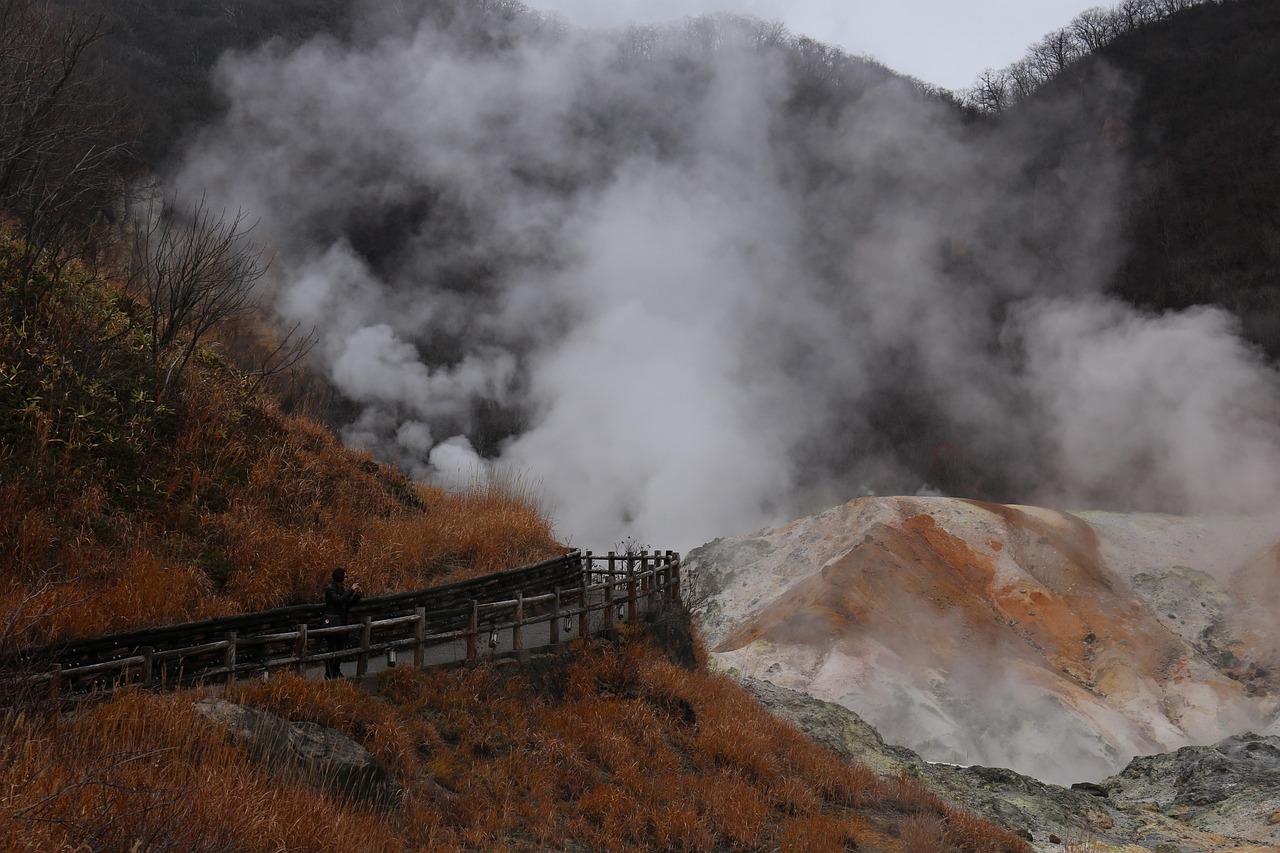
Sakurajima: hiking days and rugged coastal paths from Kagoshima
For adventure seekers, a few days’ land is as powerful as a Sakurajima hike from Kagoshima City, Japan. The moment you commit to the crossing, you feel the trip shift into something more visceral—salt air, open deck space, and that unmistakable profile ahead. This is a living landscape you experience with respect and a little awe, where black-sand edges and wind-shaped greenery make every viewpoint feel earned.
Sakurajima ferry crossing: a quick local ride that’s an attraction on its own
Start with the Sakurajima ferry route from the city side: it’s quick, inexpensive, and wonderfully ordinary in the best way. The service runs frequently, so you can travel with confidence rather than anxiety over a single departure time. On board, locals commute, students chat, and travelers lean into the railings to photograph the changing water texture of the bay.
Arriving on the island, you’ll find buses and taxis if you want to conserve energy, but walking is where the atmosphere settles into your body. The terrain can look visually striking even before you reach any formal trail: dark grit underfoot, rugged stone, and plant life shaped by ash and weather.
Lava trail walks and viewpoints near the Sakurajima volcano: safe routes and ash forecasts
A classic day blends short hikes with well-placed viewpoints. Choose a walking route that includes a designated lava trail section, where the cooled flow has formed a dramatic, textured path that makes you slow down and notice detail. Conditions change with weather and ash, so it’s worth checking the day’s eruption and ash updates (your hotel front desk can help, and signage is clear).
Hiking with expert care means packing lightly but wisely: water, a light shell, sun protection, and a simple face covering if ash is drifting. This is an active volcano, Sakurajima, and activity might look like a distant plume rather than fireworks; still, the sensation of being nearby is real. Stick to open areas and marked routes, follow local advice, and allow extra time so your day runs smoothly.
One traveller we spoke to described the thrill of an early viewpoint stop: a low rumble in the distance, a faint column rising, and the realisation that the landscape was quietly alive. Another recalled how the best photos came not from chasing the “big moment” but from waiting—wide frames that held sea, sky, and the Sakurajima volcano’s dark slope in one calm composition.
Before you head back, design recovery time at Nagisa Park. The footbath there is simple, free, and surprisingly restorative—warm water, open views, and a feeling of being looked after by the place itself. By the time you return, you’ll carry both adrenaline and calm together.
Sengan-en Garden and Satsuma heritage: Shimazu clan elegance, samurai history, and classic Kagoshima
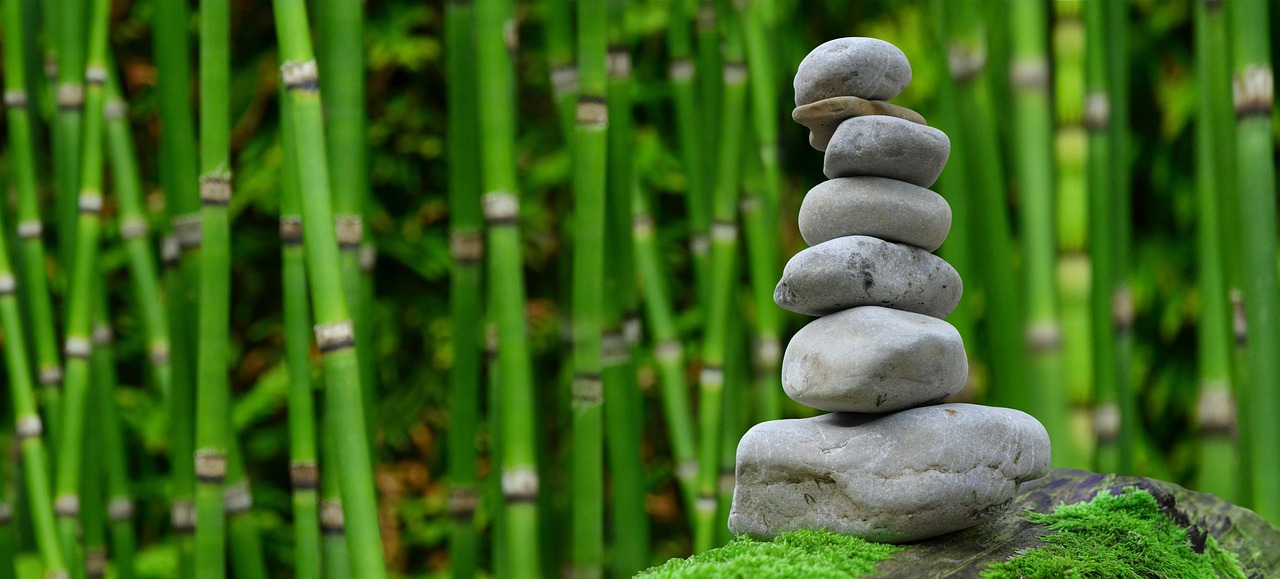
Sengan-en: refined gardens and Satsuma stories in Kagoshima
After the island’s intensity, slow down with Sengan-en—one of the most grounding ways to uncover Kagoshima’s refined side. Sengan-en (you’ll also see it written as Senganenen) was shaped by the Shimazu clan, and the estate feels like a window into Satsuma power, taste, and a way of living that treated beauty as a form of strength. Walk slowly through pines, ponds, and carefully framed sightlines, and you’ll feel the place guiding your attention rather than demanding it.
Sengan-en in the morning: garden calm with Sakurajima in the distance
Arrive in the morning if you can. Light is softer, paths are quieter, and the mountain often appears more clearly beyond the garden lines. One visitor told us the tranquil atmosphere of Sengan-en felt like a personal retreat—especially after the city’s vibrant energy the night before. That contrast is part of Kagoshima’s charm: it lets you reset without ever feeling bored.
Visiting etiquette here is simple, and it’s part of what makes the experience feel cared for. Follow the site rules—no touching plants, keep voices low, and move with quiet respect. If you’re traveling with family or friends, it’s a lovely place to practice a slower, more attentive kind of togetherness.
Meiji-era context in Kagoshima: museums, reform stories, and deeper understanding
To add historical depth, connect the garden day to the city’s wider story in Japan’s modern transformation. The Museum of the Meiji Restoration offers crisp context without overwhelming you, and it helps explain Kagoshima’s role in the Meiji Restoration and the tensions that later fuelled the Satsuma Rebellion. If you have time, the Reimeikan Museum is another strong stop for regional history, with exhibits that help you place what you’ve seen in streets, portraits, and landscapes.
Close the day with something Tactile: Satsuma Kiriko glass is a beautiful local craft tradition, often cut in jewel tones that catch the light. Even a small purchase—thoughtful rather than flashy—can support local makers and keep your memories anchored in something you can hold. It’s the kind of crafted souvenir that feels aligned with the spirit of the city’s heritage.
Waterfront wonders in Kagoshima: aquarium time, art breaks, and hillside city views
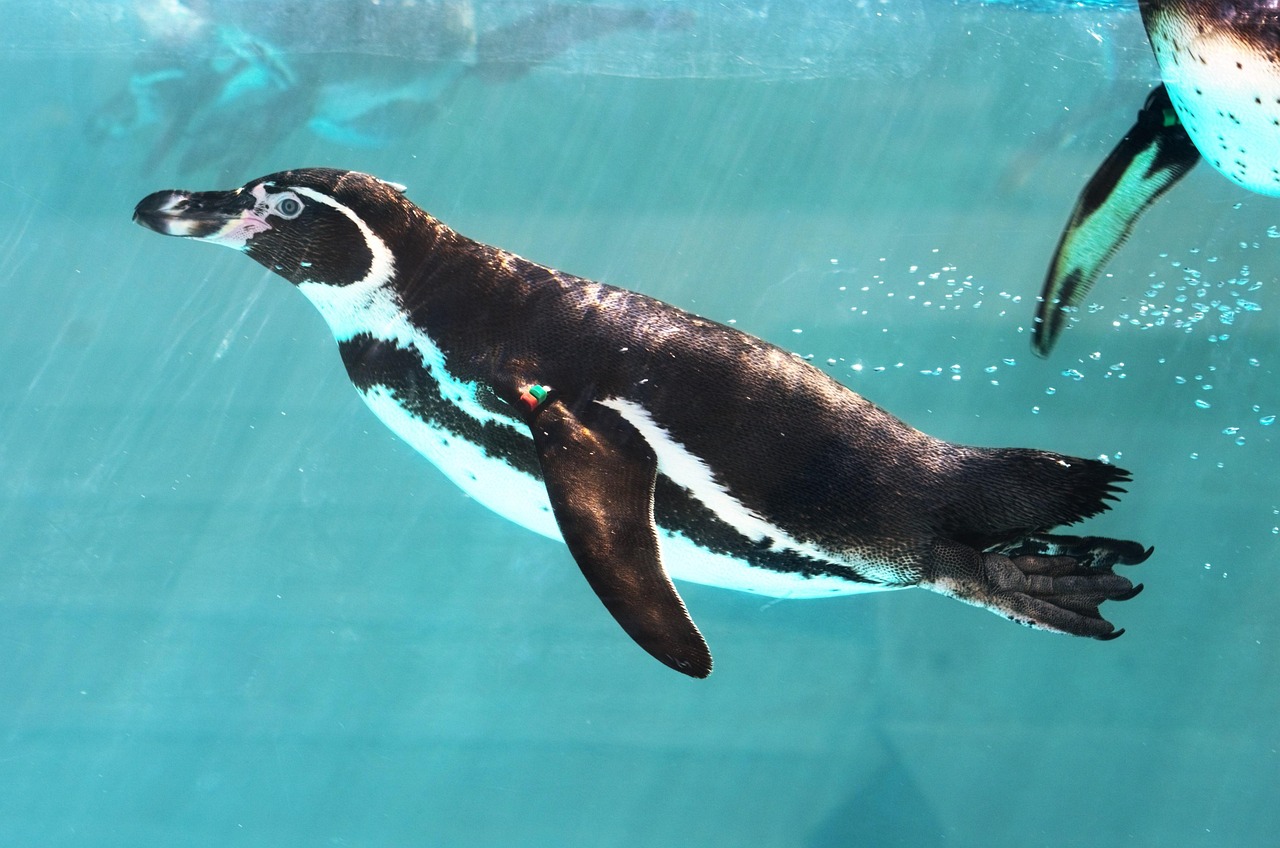
Waterfront stops and elevated views in Kagoshima
If you’d like a half-day that feels easy yet layered, plan a waterfront-to-hillside loop that mixes nature, culture, and simple transport. Begin at the harbor where the family-friendly exhibits sit close to the water, then let the afternoon lift you into city views. It’s a gentle way to sightsee without turning the day into a checklist.
Kagoshima Aquarium on Kagoshima Bay: marine life, harbor walks, and the coastline breeze
Kagoshima Aquarium is a bright, well-designed space that still delights design-minded travelers—with clean lines, well-lit tanks, and a clear narrative about local waters. You’ll see marine life from the region and interactive exhibits that make learning feel playful rather than didactic. Step outside afterward and breathe in Kagoshima Bay as boats and commuter routes glide past the promenade.
To balance the outdoor energy, add a calm cultural pause at the Kagoshima City Museum of Art. It’s air-conditioned, unhurried, and thoughtfully curated—ideal for travelers who appreciate creativity as much as terrain. Even a short visit can bring new insight into regional aesthetics and the city’s artistic confidence.
Shiroyama Park to Shiroyama Observatory: panoramic, scenic views of the volcano at sunset
Time your final stop for golden hour. The hillside is minutes from Kagoshima by bus or taxi, simple even if you’re traveling in smart shoes. Crowd patterns are manageable: arrive a little before sunset for breathing room, then stay as the light fades and the city softens.
From the lookout, the scene feels effortlessly complete—water, rooftops, and Sakurajima framed in fading light. Photo tip: take one wide shot for scale, then a tighter frame that includes foreground trees so the image feels lived-in, not just a viewpoint snapshot. If you still have energy, Iso Beach offers a quick shoreline moment before dinner; it’s not about swimming but about letting the day end with salt air and space.
Ibusuki day trip: hot spring rituals, volcanic sand baths, and easy add-on adventures
Ibusuki: sand bathing rituals and restorative day trips from Kagoshima
When your legs ask for kindness, take an Ibusuki day trip for a hot spring ritual built around volcanic sand. Ibusuki is known for natural sand baths where attendants gently cover you in warm sand heated by the earth beneath. It’s restorative and cultural without the pressure to “perform wellness”; you simply lie back, breathe slowly, and let the heat do its work.
Natural sand baths in Ibusuki: what to expect, costs, and calm etiquette
The flow is reassuringly simple. You’ll change into a bathing outfit, rinse off, then step onto the sand, where staff will guide you to a spot. Warm sand is piled over your body (usually up to the neck), and you’ll feel a deep, even heat that spreads through muscles—more enveloping than a standard bath. Keep your voice soft, follow instructions, and move carefully when standing up; the warmth can make you light-headed in a normal, manageable way.
Budget and packing are easy: sand baths are around 1000 yen. Bring swimwear and towels, though many places offer rentals if you prefer a seamless, carry-nothing day. A backpacker we met described arriving solo and leaving with unexpected friendships—chatting in the resting area afterwards, sharing snacks, and feeling genuinely supported by local hospitality.
Nearby attractions from Kagoshima Prefecture: Kirishima, Yakushima, and a wider Kyushu itinerary
If you’re extending beyond the city, nearby attractions can deepen the adventure. Kirishima offers forested hikes, soothing onsen towns, and a visit to Kirishima Shrine for a quiet cultural reset, while routes toward Yakushima open up a different kind of wilderness—ancient cedars, misty trails, and a slower relationship with weather. For island-hopping ambitions, Amami and Oshima bring subtropical color and beach rhythms, though they deserve proper time rather than a rushed dash.
For planners building a broader itinerary, Kagoshima is located at the southernmost tip of Kyushu’s main island, where the Satsuma Peninsula reaches the sea. Still, it connects neatly into routes via Fukuoka, Kumamoto, and Miyazaki—each with its own personality. Give yourself margins for travel time, especially if seas are lively or seasons bring rain; the reward is the sense that this southernmost corner has its own tempo, confidently its own.
Tenmonkan nights: kurobuta shabu-shabu, shochu, and crafted local finds in Kagoshima
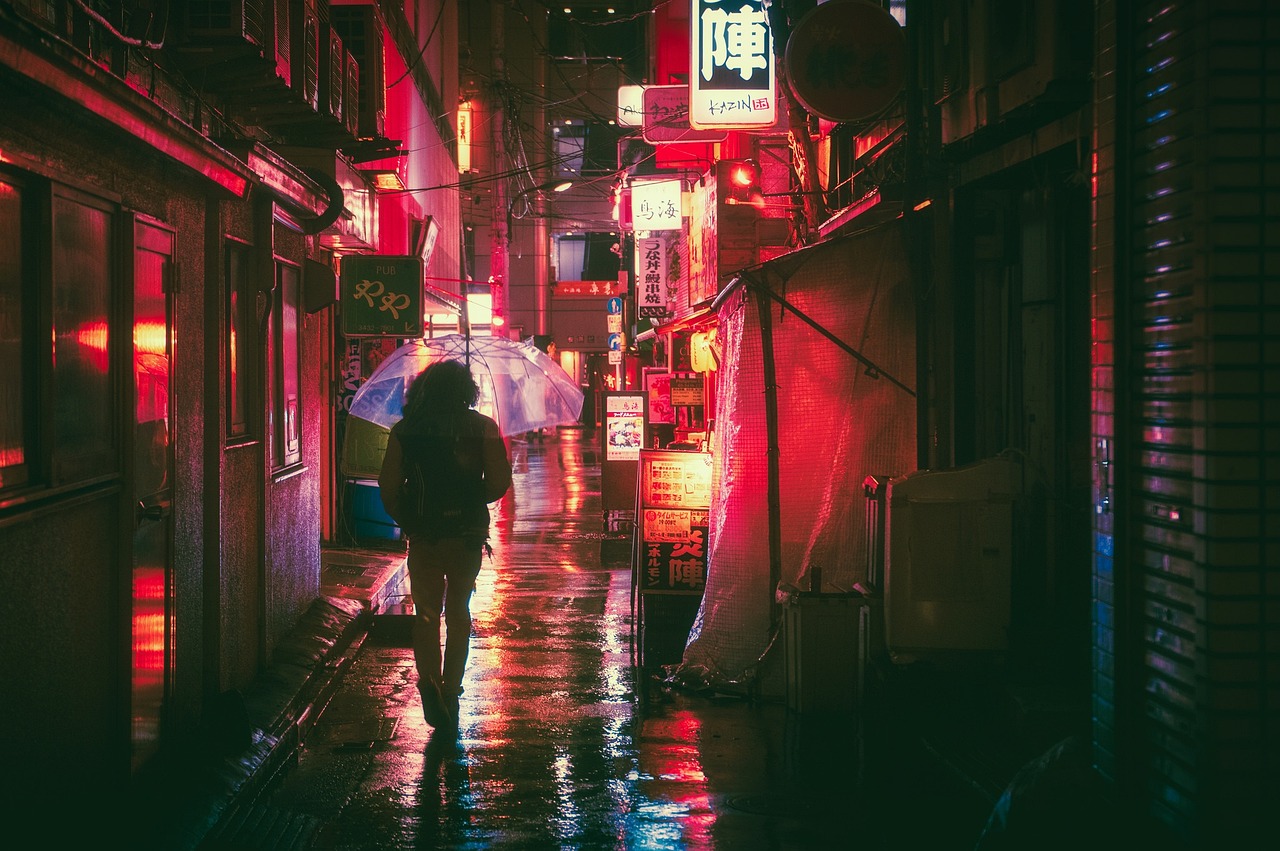
Evening food and shopping in central Kagoshima
When the sun drops, the downtown arcades become your warm, lively finish line. The area is bright, walkable, and easy to navigate—ideal for travelers who want atmosphere without feeling overwhelmed. Kagoshima is generally safe, but keep a gentle awareness in crowded streets: hold bags close, choose well-lit lanes, and you’ll feel relaxed rather than on guard.
Kurobuta shabu-shabu: how to savor Kagoshima Black pork like a local
For an adventurous appetite, start with kurobuta in shabu-shabu. The experience is interactive but not complicated: swish thin pork slices through bubbling broth, then dip into sauces that highlight sweetness and depth. On men, you may see “Kagoshima Black” as a flavor cue—pointing to prized local breeds and a richer mouthfeel. Between restaurants, keep the evening light with a few street snacks; small bites make it easier to sample more of the city.
Shochu tasting with care: bars, bottle shops, and a memorable late-night stroll
Shochu is part of the region’s culinary identity, but the best way to enjoy it is with care. Ask for small pours, sip slowly, and pair it with food so you stay steady and present. A couple once told us their favorite memory wasn’t a single “best bar”, but a late-night stroll—sharing a gentle drink, tasting regional bites, and letting the city’s pace bring them closer together.
For shopping, think intention rather than volume. Look for crafts, small studio ceramics, and regional food gifts that travel well. If you’re unsure what’s authentic, ask shopkeepers—local pride often comes with generous, reassuring advice. Done well, a Kagoshima night out feels crafted: delicious, personal, and seamless enough that you still wake up ready for the next day’s discoveries.
FAQs: Kagoshima City, Japan
Is Kagoshima, Japan, worth visiting?
Yes—Kagoshima is worth visiting if you love places where nature and culture sit side by side. The city offers easy access to Sakurajima, a strong food scene, and calming heritage spaces like Sengan-en, all with a relaxed pace. It’s also straightforward to navigate, which makes it ideal for adventurous travelers who still value comfort and confidence.
What is Kagoshima, Japan, famous for?
Kagoshima is famous for views of Sakurajima, its distinctive ash-and-sea character, and regional specialties like shochu and kurobuta pork. It’s also known for cultural sites tied to Satsuma history, waterfront experiences like the aquarium, and nearby wellness rituals such as Ibusuki’s hot sand baths. The mix feels distinctive within Japan.
Is Kagoshima foreigner-friendly?
Kagoshima is generally foreigner-friendly, with clear transport systems, helpful staff at major stations and attractions, and a welcoming local atmosphere. English isn’t universal, but signage is improving, and people often go out of their way to support visitors. Simple greetings and respectful manners go a long way, especially in gardens and quiet cultural spaces.
Is Kagoshima close to Kyoto?
Kagoshima isn’t close to Kyoto in a “day trip” sense; it’s far to the south in the same prefecture belt as other Kyushu cities rather than central Honshu. You can travel between them by Shinkansen and connecting services, but it takes several hours. Travelers treat Kagoshima as a Kyushu-focused destination and then link it to other regions as part of a longer Japan journey rather than a quick add-on.
What stays with you after Kagoshima: quiet reflections on Kyushu’s south and Sakurajima
Long after you leave, Kagoshima doesn’t stay with you as a list of places—it returns as a feeling. There’s a particular calm confidence that comes from learning a city’s rhythms quickly: the way streets open toward water, the ease of a short crossing, and the quiet competence of locals who live with big nature as a neighbor. In the capital of Kagoshima, even practical moments—finding your platform and choosing a bus stop—feel unusually smooth.
Sakurajima becomes part of your inner landscape. Not an alarm bell, not a spectacle—more like a steady presence that reminds you to respect what you cannot control. You remember the hush of a garden path at Sengan-en; the way the active Sakurajima volcano’s breath sometimes appears as a distant plume; and the gentle warmth of everyday interactions: a driver’s clear directions, a shopkeeper’s patient explanation, and a shared smile after a sand bath.
The contrasts settle together: bright harbor air and shaded pines, streetlight reflections and morning light on water. Kagoshima leaves you with a tender awareness of scale—how human life can feel both small and richly held when a mountain is alive. And perhaps that’s the real gift of Southern Kyushu: it invites you to return not to repeat, but to rediscover what your own curiosity notices next time.