Baia, Italy and Baiae: where Campi Flegrei meets Ancient Rome on the Tyrrhenian Sea
Baia, Italy and Baiae on the Tyrrhenian Sea: Campi Flegrei coastline, ancient ruins, and a story shaped by volcanic forces
Set on the northern edge of the Bay of Naples, between lively Naples and the port of Pozzuoli, this corner of Campania feels like an open-air time capsule. Baiae (the ancient city) once lined this coastline with elegant villa estates, gardens, and waterfront pleasure palaces—an easy day trip that stays blissfully uncrowded compared with Italy’s headline cities. Legend and history blur here in the best way. In its prime, the resort was a spa for the rich and powerful, famously dubbed the Las Vegas of the Roman Empire—the true Vegas of the Roman Empire—where politics, leisure, and spectacle mixed as naturally as sea air and sulphur. Even now, you can sense the ancient world in the stones and in the calm, shallow waters that hide whole rooms just offshore. The drama, however, is geological as much as historical. Over centuries, the sea began to submerge parts of the Roman city as the ground slowly shifted due to ongoing volcanic activity in the Campi Flegrei, leaving a remarkably preserved landscape of ancient ruins on land and beneath the surface.




Archaeological Park of Baia (Parco Archeologico di Baia) – Terme di Baia baths, domes, and sea-view terraces
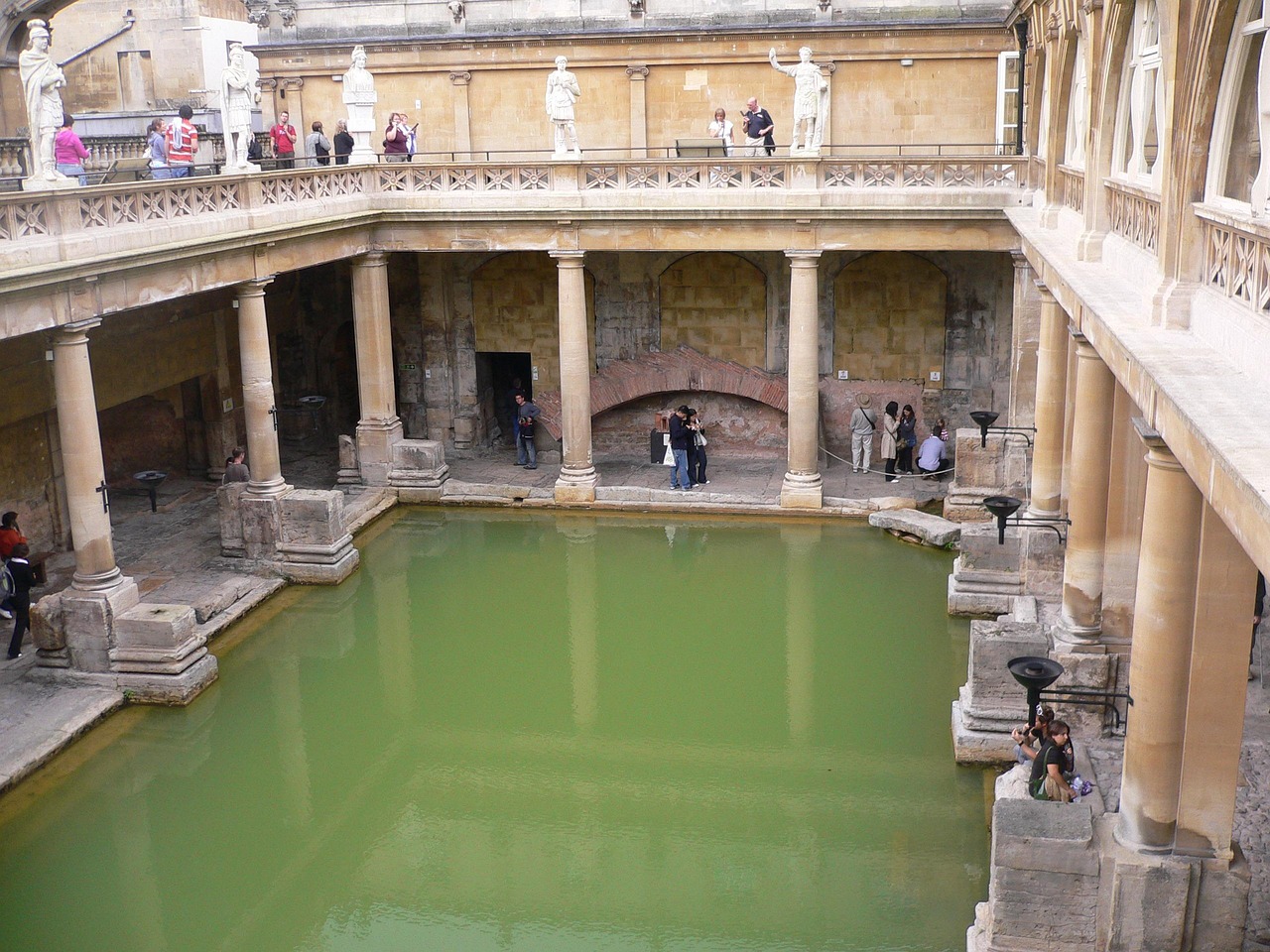
Archaeological Park of Baia on land: terraces, a vast bath complex, and iconic domes overlooking the bay
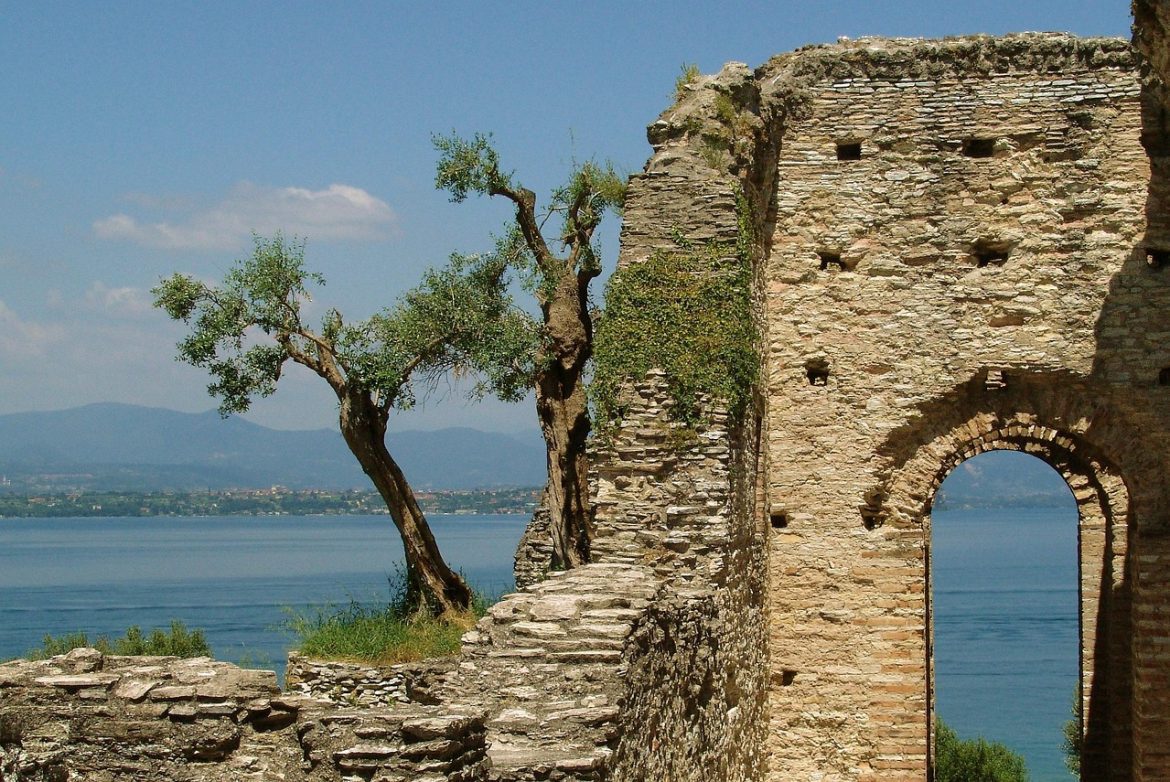
Start on land at the archaeological park of Baia, an impressive archaeological complex spread across a sea-facing terrace. As you follow a self-guided itinerary through quiet corridors and stepped viewpoints, you’ll see how the Park of Baia was designed to impress—layered architecture, surprising sightlines, and that constant backdrop of steam-tinged horizons. The Terme di Baia (thermal baths) are the showstopper: a monumental bath circuit fed by hot springs and shaped by Roman engineering genius. Walk beneath a soaring dome, then another, and picture the rhythm of the bath ritual as rooms shifted from cool to warm, with coloured plaster and fragments of mosaic still catching the light. Look out for details that hint at daily life and divine symbolism, such as niches, courtyards, and references to the Temple of Venus that echo the site’s sensual reputation. Augustus is often linked to the area’s golden age, when the republican era was giving way to imperial power—and the shoreline’s most exclusive addresses felt like the centre of the Mediterranean. For today’s cultural traveller, a few simple comforts make the experience easier: wear shoes with grip for uneven stone, carry water, and plan for sun—this stretch is blessed with a mild climate, but it can feel intense on open terraces.
Dive Baia underwater: the underwater archaeological park, submerged villas, and the underwater park routes
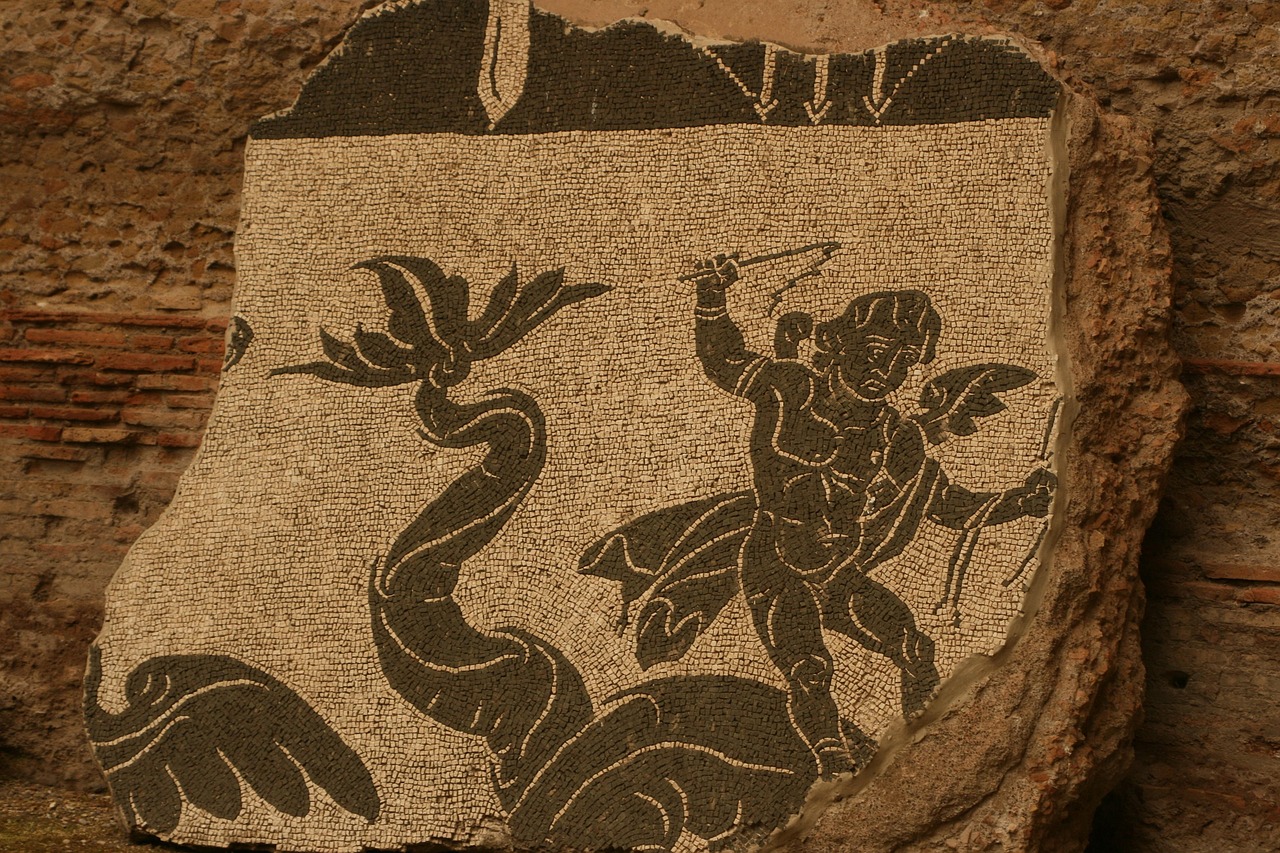
Underwater archaeological park of Baia: submerged rooms, sculpture fragments, and a famous Roman mosaic in clear water
Just offshore lies the sunken city of Baia, protected today as an underwater archaeological park and a carefully managed underwater park. In these shallow waters, streets and courtyards sit beneath ripples of light: a villa façade here, a threshold there, and a nymphaeum that still feels staged for an arrival. One of the most memorable details is the mosaic under your mask—sharp lines and patterns that read as clearly as yesterday’s floor plans. Guides from Centro Sub Campi help visitors snorkel with confidence along marked routes, and every responsible diver is reminded to observe, not touch, as you unearth a world kept intact by water and time. Choose the style of visit that matches your comfort level: a glass-bottomed boat for an easy overview, a guided snorkel for a close look without certification, or a single scuba session if you’re qualified and want a slower, deeper drift. Prices typically run €50–100 depending on the experience and equipment, and booking ahead is wise in summer when Baia Underwater is at its clearest. What stays with many travellers is the calm: floating above rooms that once hosted banquets, then resurfacing to sunshine and seabirds, as if the past simply stepped aside for a moment.
Phlegraean Fields hikes near Baia – Solfatara viewpoints and volcanic activity in the caldera
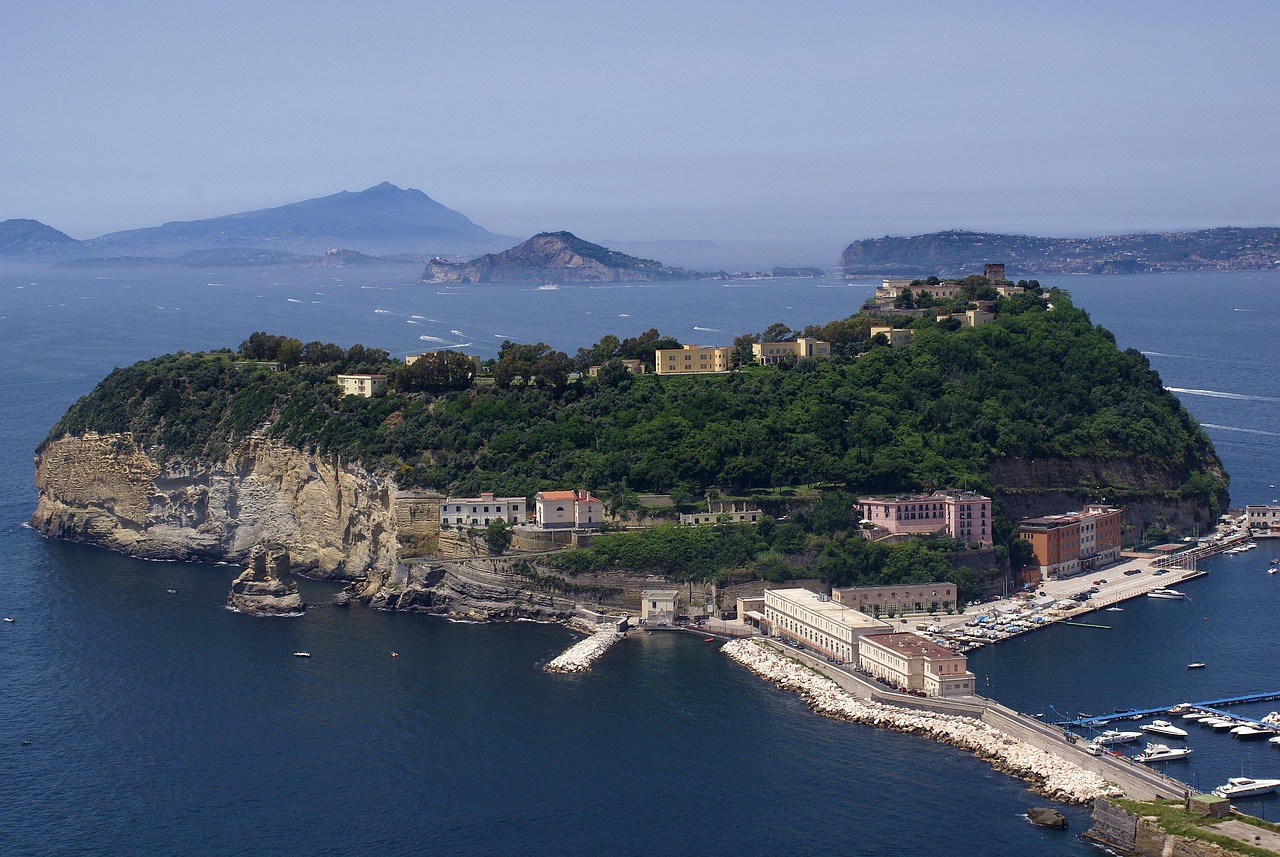
Phlegraean Fields landscapes: Solfatara crater scenes and the living geology around the Campi Flegrei
Set aside half a day for the Phlegraean Fields, where the Campi Flegrei reveals its restless, volcanic personality. A crafted loop of viewpoints and paths around Solfatara brings you close to steaming vents and mineral-stained earth—an immediate, sensory reminder that this is an active caldera. Keep a respectful distance and stick to marked routes, especially where fumes gather; this is one area where guided tours add real value. The same slow ground movement that altered the shoreline is still part of local life, and seeing the landscape in person makes the region’s story feel tangible rather than theoretical. Capture the contrasts: rugged rock and sulphur one moment, lush green slopes the next—a perfect companion experience to the archaeological sites.
Museo Archeologico dei Campi Flegrei – Julius Caesar, Cicero, Hadrian, and Baiae’s imperial stories
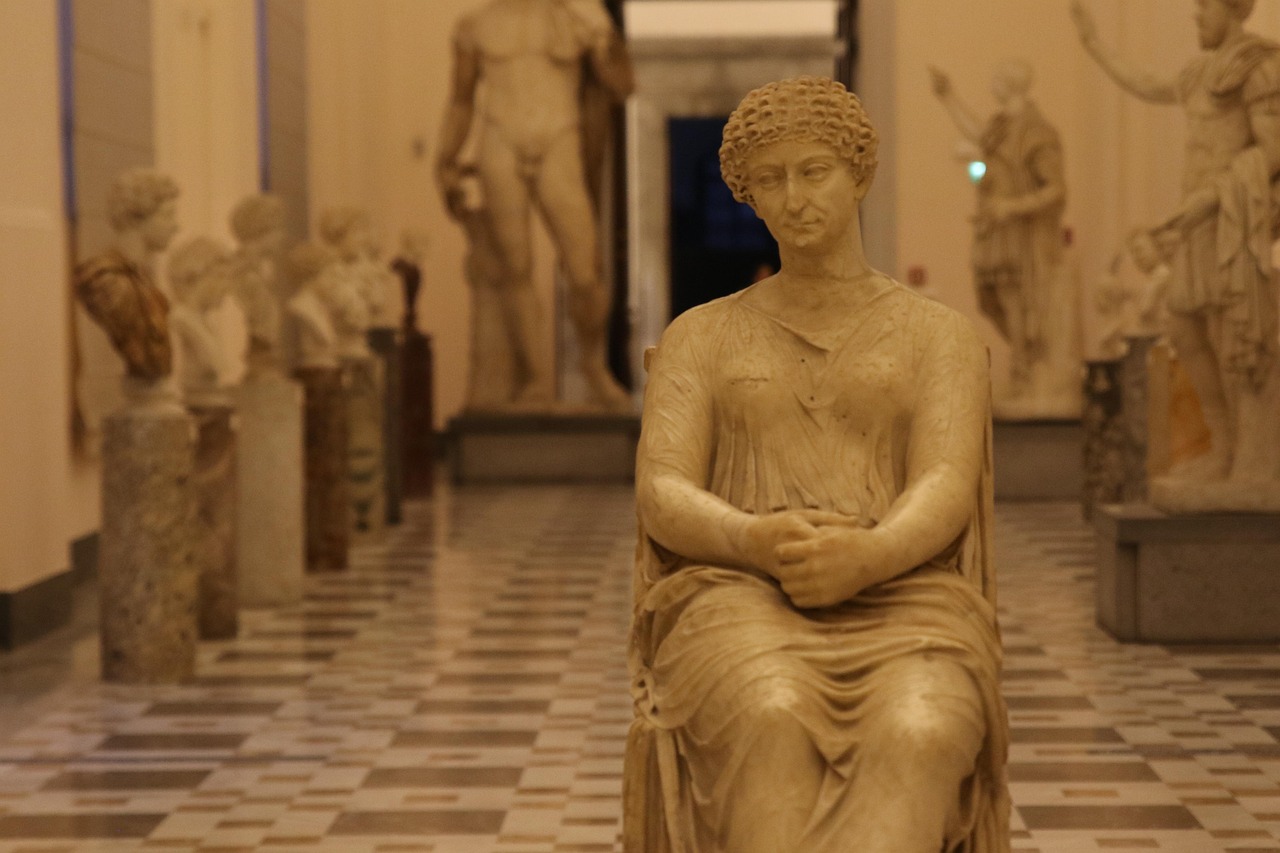
Museo Archeologico dei Campi Flegrei: marble statues, inscriptions, and finds that explain the coast on land and underwater
The Museo Archeologico dei Campi Flegrei is the best place to connect what you’ve seen outside with the people who shaped it. Displays from the Parco Archeologico dei Campi Flegrei (often simply labelled ‘archeologico’) bring archaeology to life through everyday objects, inscriptions, and marble statues that once adorned waterfront halls. These galleries also make the cast of characters feel human. Julius Caesar, Cicero, Hadrian, and Augustus are more than names here; their politics and rivalries map directly onto the region’s villas and ports, and you start to understand why elite families repeatedly visited the city. The military port and the port of Miseno supported the wider military fleet that guarded this coast, tying leisure and strategy together in one landscape. From its growth in the 2nd century BC to later instability—when the city was sacked, and the shoreline’s glamour faded into memory—the narrative is unvarnished, rich, and surprisingly moving.
Coast boat tour itinerary – views of the underwater park plus day trips to Ischia and Procida
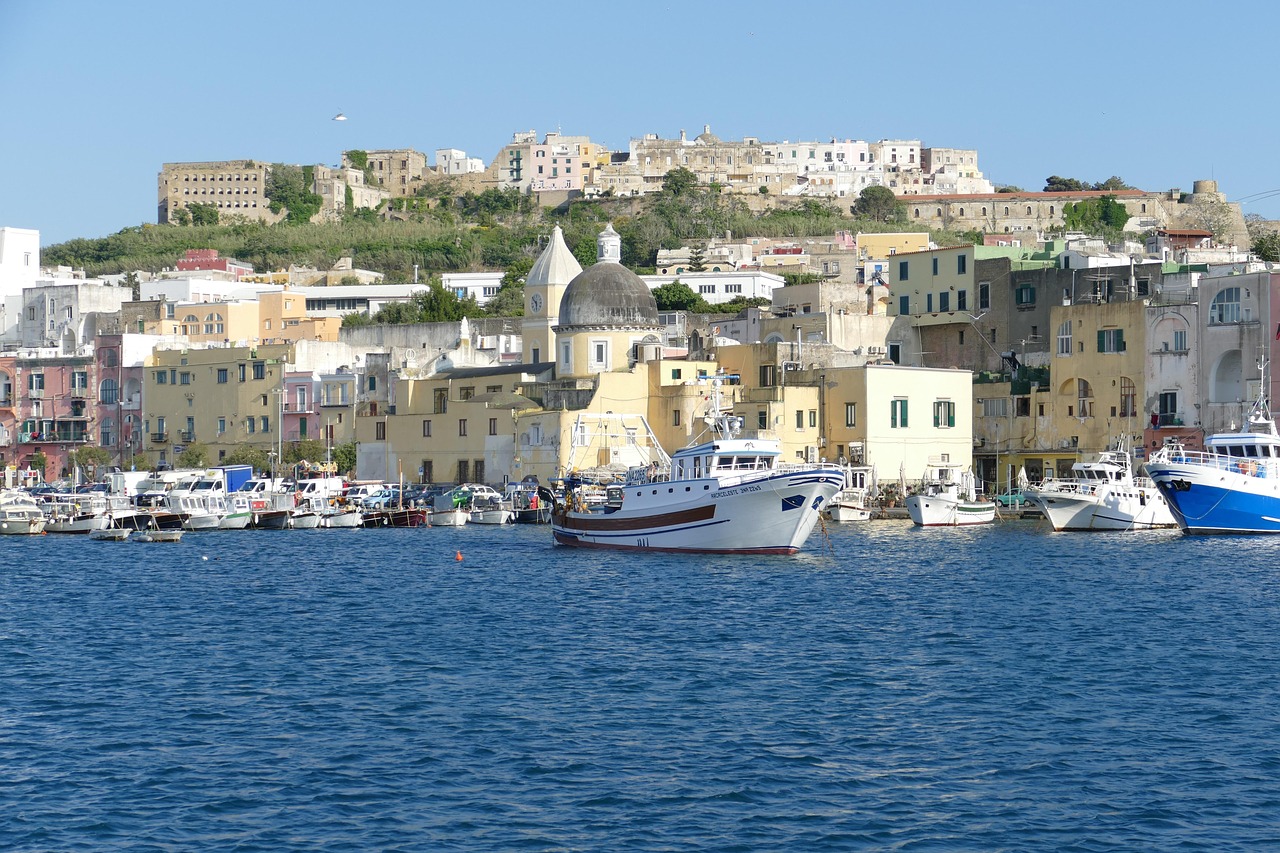
Boat tours along the Tyrrhenian Sea: sea views over submerged ruins, plus easy connections to Procida and Ischia
For a panoramic perspective, a boat tour is hard to beat—especially if you want to appreciate the underwater archaeological park without getting wet. From the deck, you can trace outlines below the surface and hear local context that turns shapes in the water into recognisable rooms and sea walls. With calm conditions, skippers often pause over key areas so you can look straight down into the clear blue, keeping marine life undisturbed. Many captains are proudly Neapolitan storytellers too, weaving in mythic references from nearby Cuma—including the tales of Ulysses and a coastal grotto—so the day feels like culture and nature in one flowing experience. To extend the adventure, ferry links make it easy to add Ischia or Procida for harbour walks, swimming coves, and a slower island pace.
Getting to Baia, Italy, from Naples and Pozzuoli – transport options, prices, and safety tips
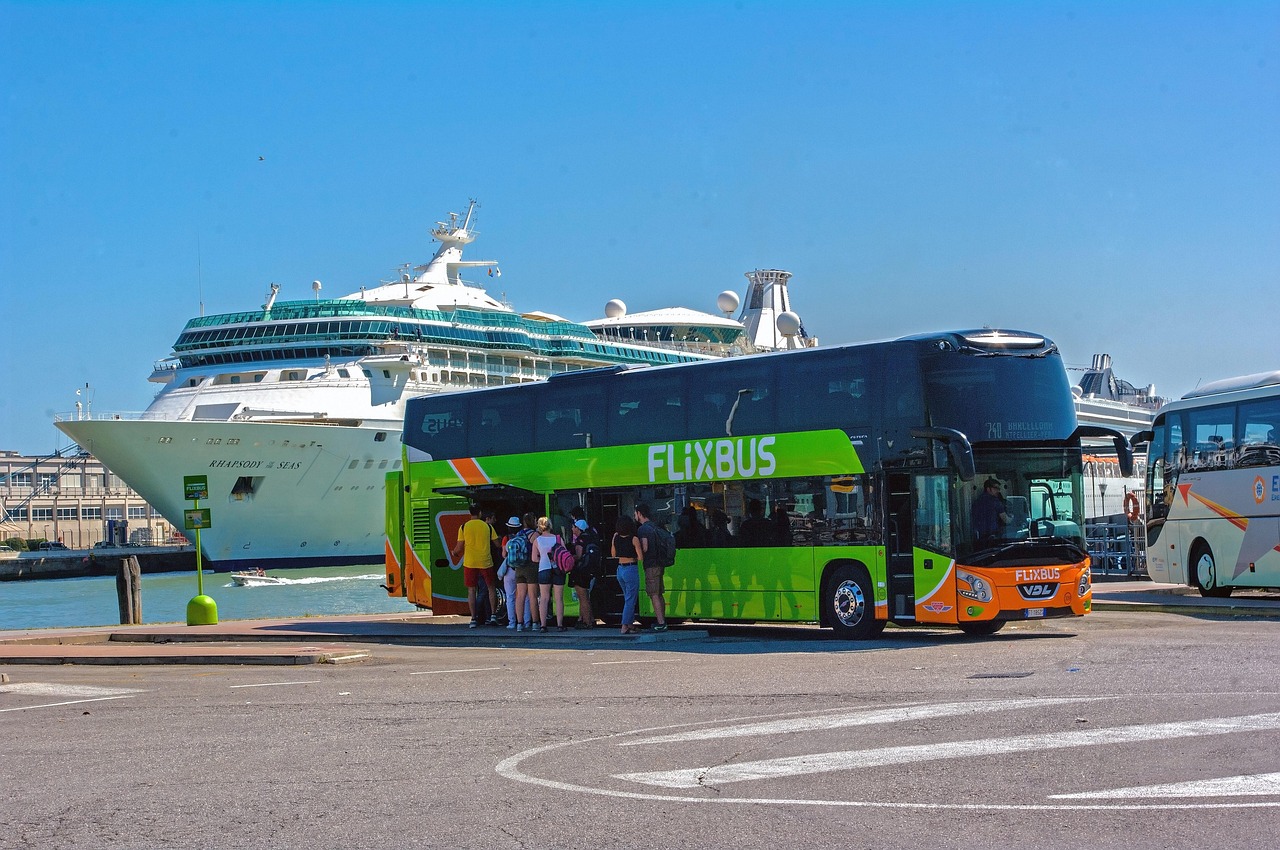
Getting to Baia, Italy: simple connections from Naples via Pozzuoli (ancient Puteoli) and local transport
Reaching Baia, Italy, is straightforward, and it’s easy to plan a smooth day trip. From Naples, take the train to Pozzuoli (ancient Puteoli), then hop on a local bus or taxi toward the archaeological park entrance; seasonal ferries can add a scenic arrival. Key travel tips:
- Best visiting period: Late spring to early autumn for pleasant weather and clear water for boat trips.
- Go early: Morning light is kinder for walking the ruins and for photos before the heat builds.
- Excursion costs: Many underwater experiences range from €50–100, and confirmed times help you lock in your itinerary.
- Safety: The area is generally relaxed; take extra care near geothermal zones and always follow park rules on land and at sea.
- Local support: Guided tours can simplify logistics, bring history to life, and keep your day running smoothly.
With a little planning, the experience feels effortless from start to finish. For curated itineraries and local-guided journeys, discover our Trip gallery for Italy.
F.A.Qs: Baia, Italy travel questions
What caused parts of Baia to sink beneath the sea?
Bradyseism—gradual ground uplift and subsidence caused by volcanic and seismic forces in the Campi Flegrei—lowered sections of the coast over time, leaving major ruins underwater.
What happened to Baia, Italy, over the centuries?
Once a fashionable Roman resort, the town declined as the shoreline shifted and elite life moved elsewhere. Today, its remains are protected on land and offshore within an archaeological park.
Is Baia a city or a town today?
Today, it’s a small town, but in antiquity it served as a bustling Roman hub with villas, baths, and seaside leisure complexes.
Is Baia worth visiting for non-divers?
Yes. You can explore the Terme di Baia on land, visit the museum for context, and take a boat trip to view the underwater sites without diving.
After Baia: what stays with you when you leave
The experience lingers like light over stone, or the soft hush of waves against forgotten marble. It’s a destination of layers—archaeological, underwater, and volcanic—where wonder comes from contrasts as much as from monuments. For many, the lasting image is quiet immersion: a slow pass above submerged thresholds, the curve of a bath entrance on land, and the sense of grandeur that somehow survives every shift of sea and earth. It’s not a checklist, but an invitation to return with deeper curiosity.