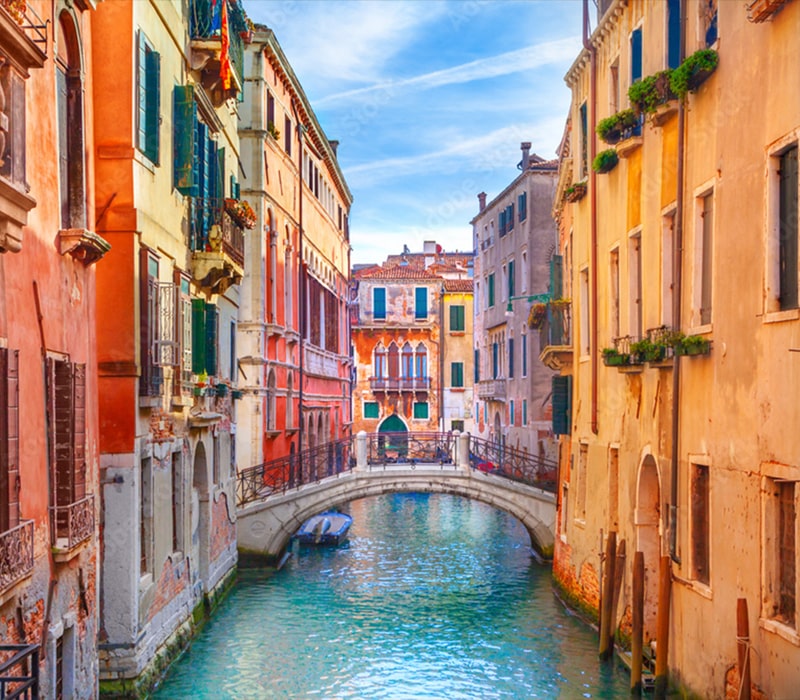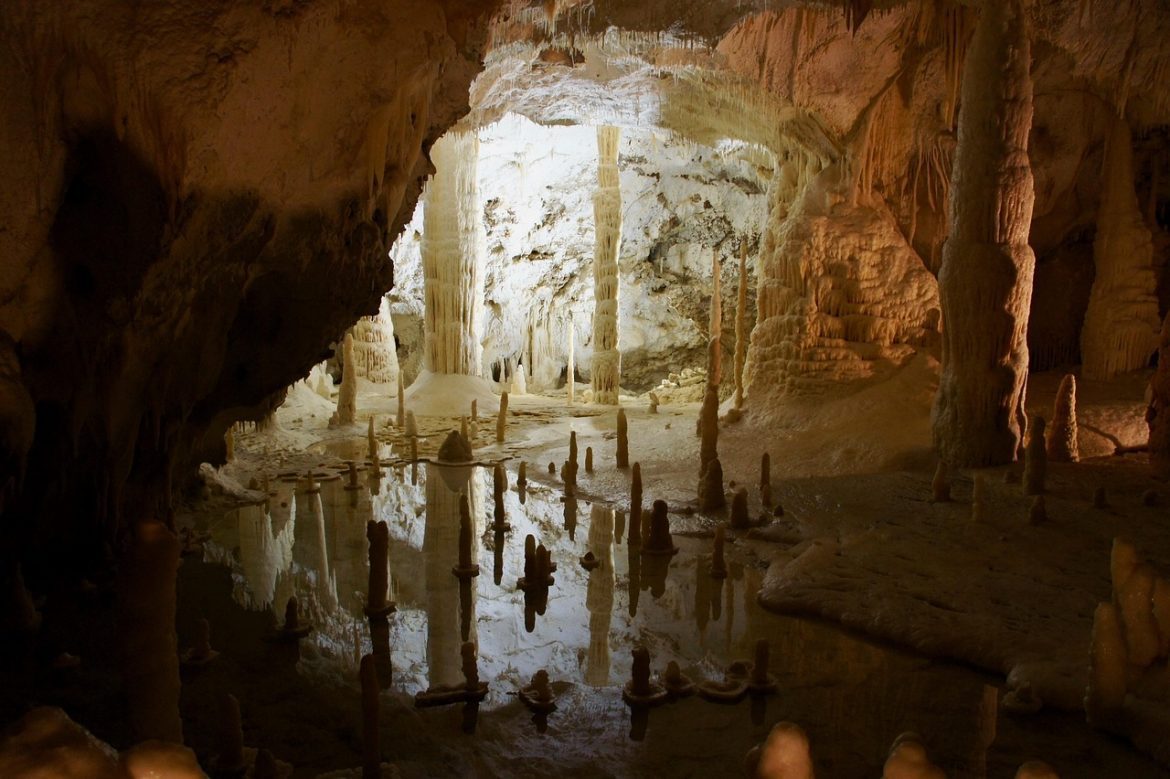
Blue Grotto Capri, first glimpse of a glowing sea cave
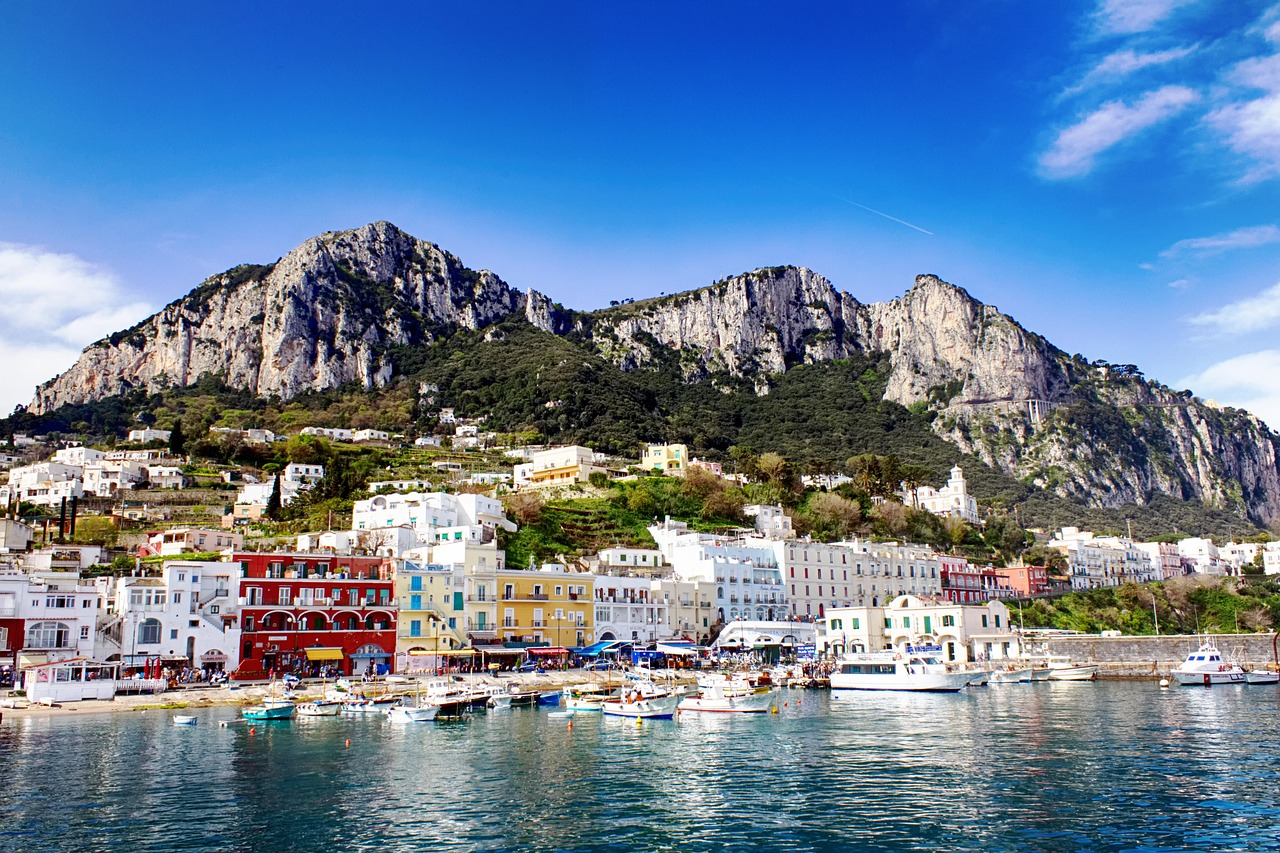
Blue Grotto Capri, first glimpse of a glowing sea cave
The blue grotto, Capri, Italy, cave experience begins before you ever enter the cave—at the waterline where the limestone darkens, and the cave mouth looks almost too small to matter. Then the first shimmer appears, a clean electric thread across the sea, and you understand why people fall quiet as they reach the Blue Grotto. It’s not hype; it’s that rare, immediate sense that nature has designed something just for those who show up.
On Capri, the Blue Grotto is a famous sight on Capri precisely because it feels like passing into a private room of the island. Imagine the world outside—sun, salt, engine hum—then a small threshold, and suddenly another atmosphere entirely. Many travellers describe it as “entering another world”, not because it’s theatrical, but because the colour seems to rewrite what you thought water could be.
A gentle reality-check helps you enjoy it more. The Blue Grotto is a natural sea cave, and the sea decides the mood: swells rise, winds shift, and sea conditions can change quickly. Some days the queue moves smoothly; other days require patience, a buffer in your schedule, and the trust to let the moment arrive in its own time.
This is where the local people shape the memory. The boatmen and your skipper are part storyteller, part steady hand—offering quiet reassurance, a little humour, and expert judgement at the mouth of the cave. For high-end travellers, that human touch matters: support that feels warm, personal, and unhurried, so you can explore with confidence rather than tension.




Best time to visit the Blue Grotto on Capri
Best time to visit the Blue Grotto on Capri and when it is open
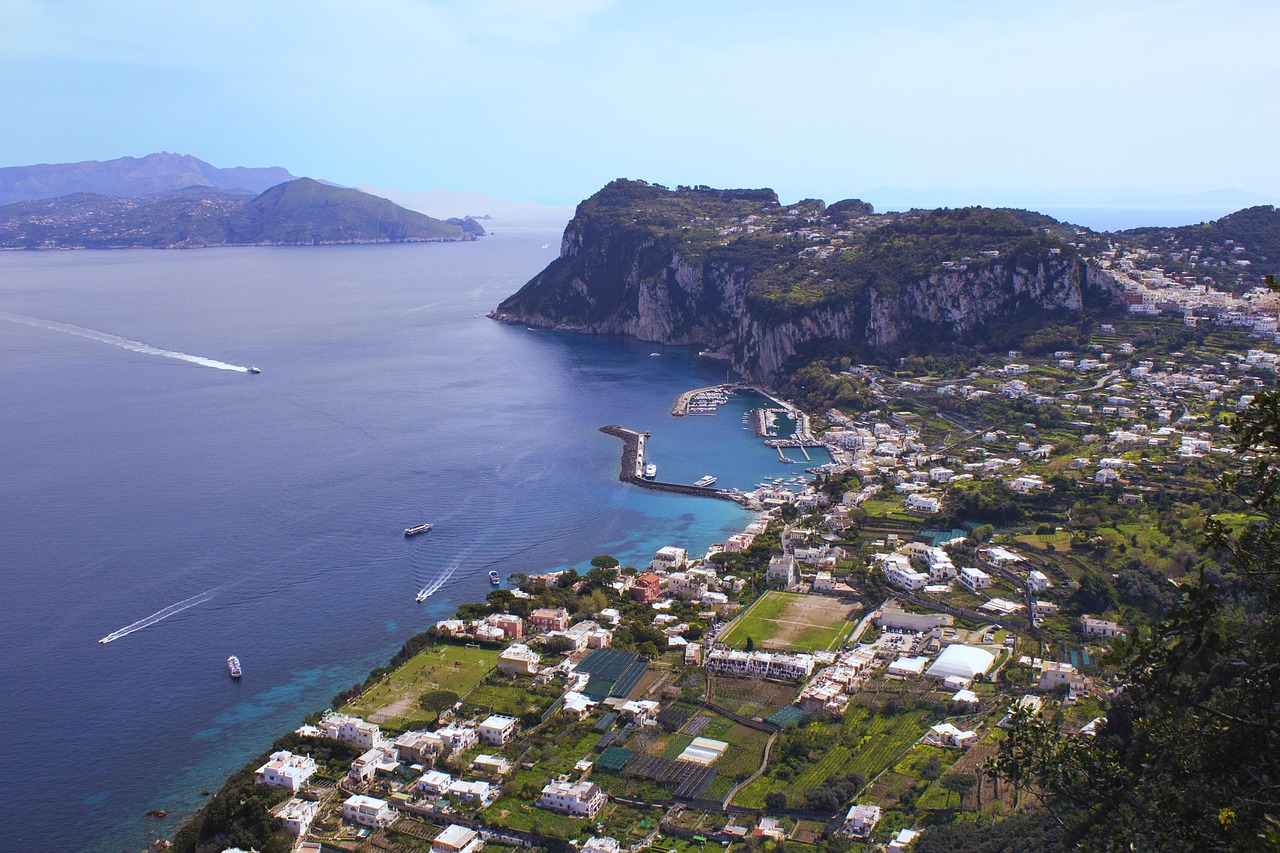
The best time to visit the Blue Grotto on Capri Island, Italy, is typically from April to October, when the weather is kinder, and the sea is more predictable. Even then, the question isn’t simply the calendar—it’s whether the grotto will be open on the day. A beautifully planned day on Capri becomes more seamless when you treat the Blue Grotto as a highlight that needs a little flexibility.
The open or closed decision-making is practical and safety-led. If there are rough seas or high winds, the grotto is closed; if the swell rises suddenly, it can be closed to visitors at short notice. Think of it as local expertise in real time—boatmen and staff watching the water, measuring risk, and choosing care over bravado.
For winter planning, it’s commonly noted as closed on December 25th, and you’ll often see it referenced as closed on December 25th and January 1st. If you’re visiting Capri in the shoulder or winter season, double-check locally the day before and again that morning; weather closures are part of the reality.
Time to visit with calm in high season on Capri Island
In high season, early starts are your friend. Arriving earlier can reduce wait times, and it often feels more intimate before the midday rush. If you can, design your schedule so the cave is your first stop, and keep the afternoon for viewpoints, a long lunch, and slow wandering.
- High season strategy: aim for early morning, then build your day outward from there.
- Ask your hotel concierge or captain whether the Blue Grotto is open before you commit to transfers.
- Carry light layers—breezes near the entrance can feel cooler than you expect on the sea.
- Hold your plan gently: even an “open” sign can change when wind lines shift around the cliffs.
How to get to the Blue Grotto from Capri town and Marina Grande
How to get to the Blue Grotto from Capri town and Marina Grande
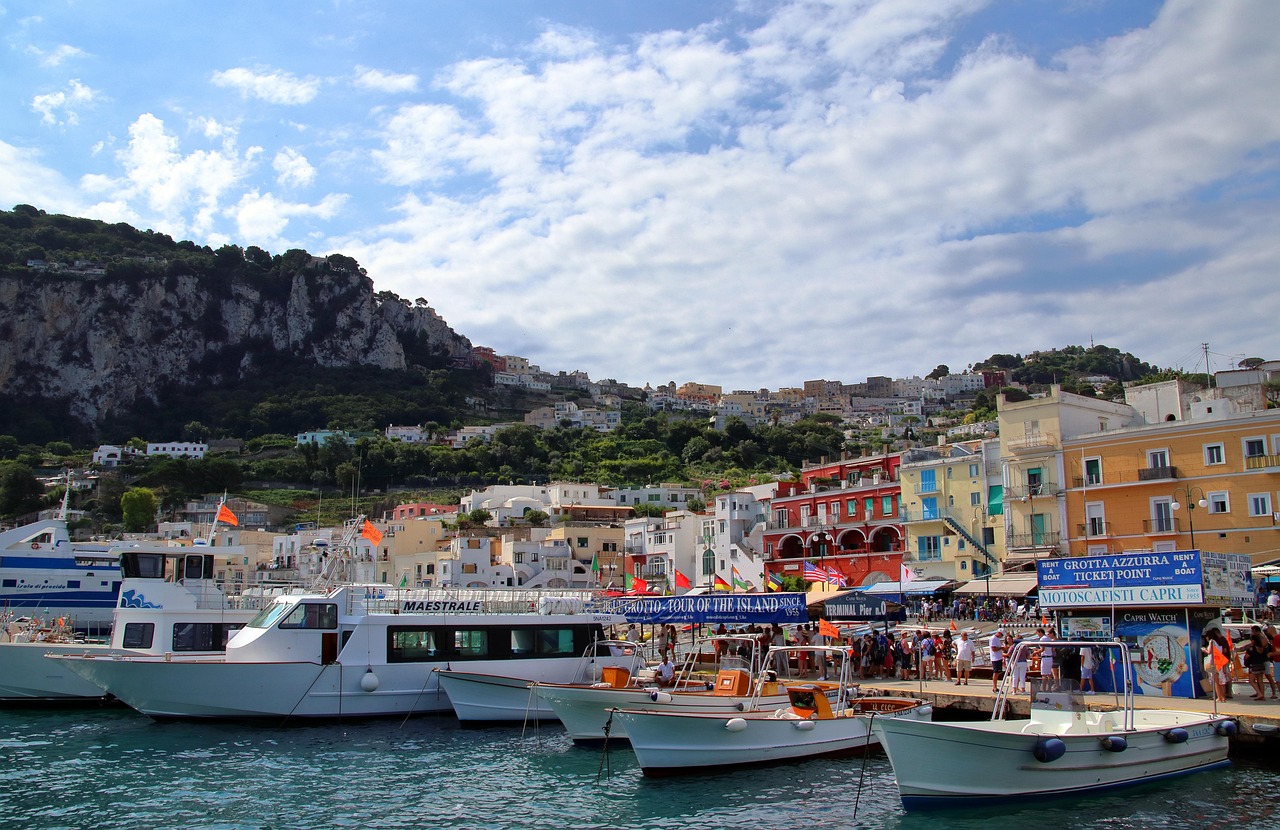
To get to the Blue Grotto, Capri Marina Grande, Anacapri, Italy, you have a few easy routes—each with a slightly different rhythm, depending on how adventurous or supported you want to feel. The simplest land option is the bus to the Blue Grotto (often via Anacapri), or you can take a taxi for a more private, crafted transfer. Either way, you’ll arrive near the grotto area where smaller boats handle the final approach.
Marina Grande is the main port and a reference point for many plans. Some travellers take a boat from Marina Grande as part of a wider day on the water, while others prefer to drive across the island first and then meet the rowboats at the entrance. If you’re travelling in a small group and value ease, arranging a driver can create a seamless flow—especially when the queue is unpredictable.
Choose your style to explore Capri with confidence
Here’s the decision that helps most: do you want privacy, a shared atmosphere, or a full narrative of the coastline? A private boat can feel like the most luxurious way to explore, while a shared boat tour offers a friendly, social pace. If you’re keen to see more, a tour of the island by water can include playful glimpses of the White Grotto and Green Grotto, plus cliff formations that make Capri feel sculpted by myth.
If you’re considering a private boat tour, ask whether it includes a boat tour around Capri before or after the stop. Some captains will guide you to calmer coves first, then time the approach to the Blue Grotto once the line has eased. That kind of expert insight can make the day feel designed rather than rushed.
A practical local note for planning your visit: arrive early, keep cash for paid expenses in mind, and build a buffer in case the cave is open one hour and closed the next. Capri rewards travellers who hold plans lightly—together with a little strategy.
Entering the cave by rowboat, the Blue Grotto ritual
Entering the cave by rowboat the Blue Grotto ritual
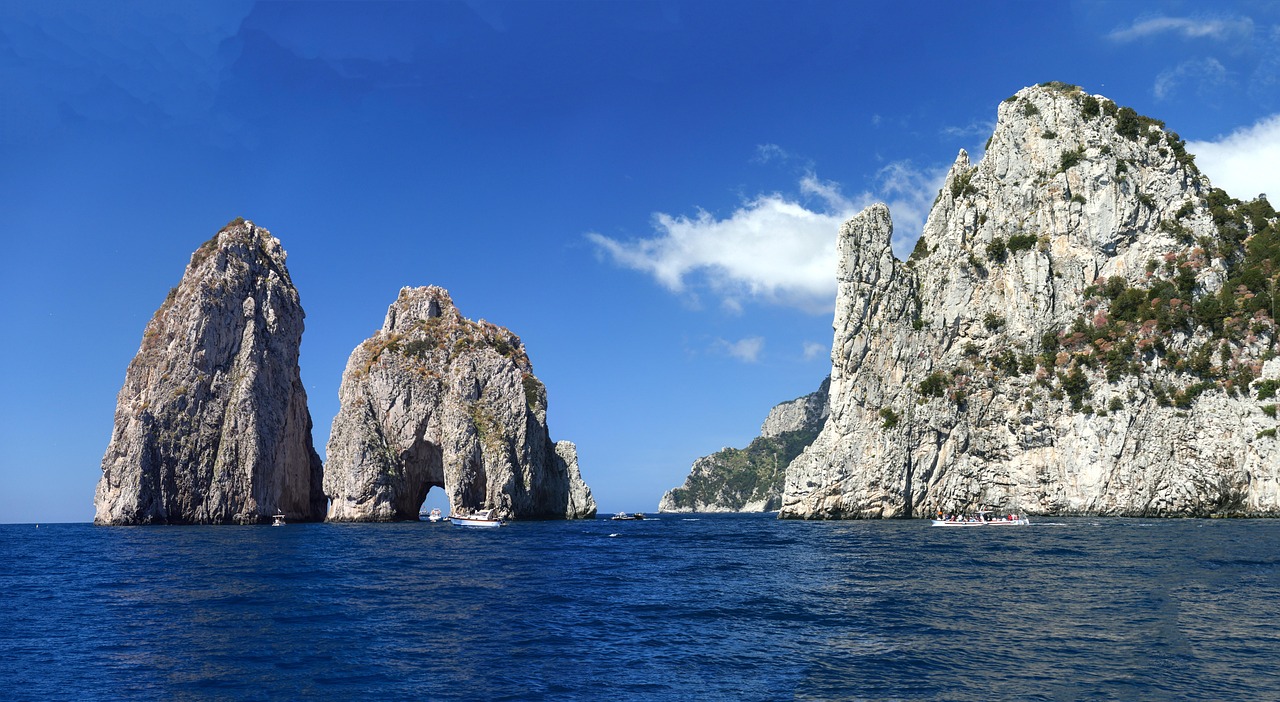
The Blue Grotto Capri rowboat cave entrance fee in Italy is where anticipation turns into a small, real thrill. At the grotto entrance, you transfer into a rowboat, and the boatman lines up with the cave entrance, which can look less than one meter high depending on the swell. This is the classic ritual: visitors must board small rowboats, then lie back so low that you can almost feel the bottom of the boat beneath your shoulders as you enter the cave.
It’s an adrenaline spark, but it shouldn’t feel reckless. Your boatman uses a chain attached to the cave, sometimes attached to the cave walls, to manoeuvre safely through the narrow mouth of the cave. The small rowboat typically carries four passengers—in fact, there’s usually a maximum of four passengers—which keeps the crossing controlled and personal.
Entrance fee, tickets to enter the Blue Grotto, and what to expect
Logistics are simple when you know them. Tickets to enter the Blue are handled at the entry point, and you buy tickets with the expectation that they’re cash at the entrance. The ticket price is often quoted at 14–20 euros, depending on current rules and season; the entrance fee may be charged separately from transport. In many cases, entering the blue grotto must include a local custom: an addition to the ticket price in the form of a tip—being asked to tip, or to ask for a tip, is common and best met with warmth.
- Wear comfortable clothing and be ready to lie flat at the low cave mouth.
- Keep noise low once you’re inside—others are trying to take in the light.
- Follow your skipper’s timing; a calm pause is often the safest choice.
- Swimming or jumping here can be illegal and dangerous, depending on conditions and local rules.
Inside the Blue Grotto, the light, the history, the insight
Inside the Blue Grotto the light, the history, the insight
Inside the Blue Grotto Capri Grotta Azzurra Emperor Tiberius Italy, the shift is immediate: you pass from complete darkness into azure blue light that seems to rise from the water itself. The phenomenon is surprisingly simple in explanation—sunlight enters through an underwater cavity, refracts, and the cave walls reflect that glow back into the space. Yet the feeling is far from simple: it can be as if you’re floating through colour, suspended in the heavens, while the sea quietly breathes beneath you.
For fact texture, the Blue Grotto is often described as roughly 60 meters long, and in many guides you’ll see it noted as about 60 metres long and 25 metres wide. Those numbers matter less than the intimacy of the chamber—your rowboat turns gently, voices soften, and every small movement sends ripples of light across the stone.
Grotta Azzurra culture and Roman echoes near the entrance
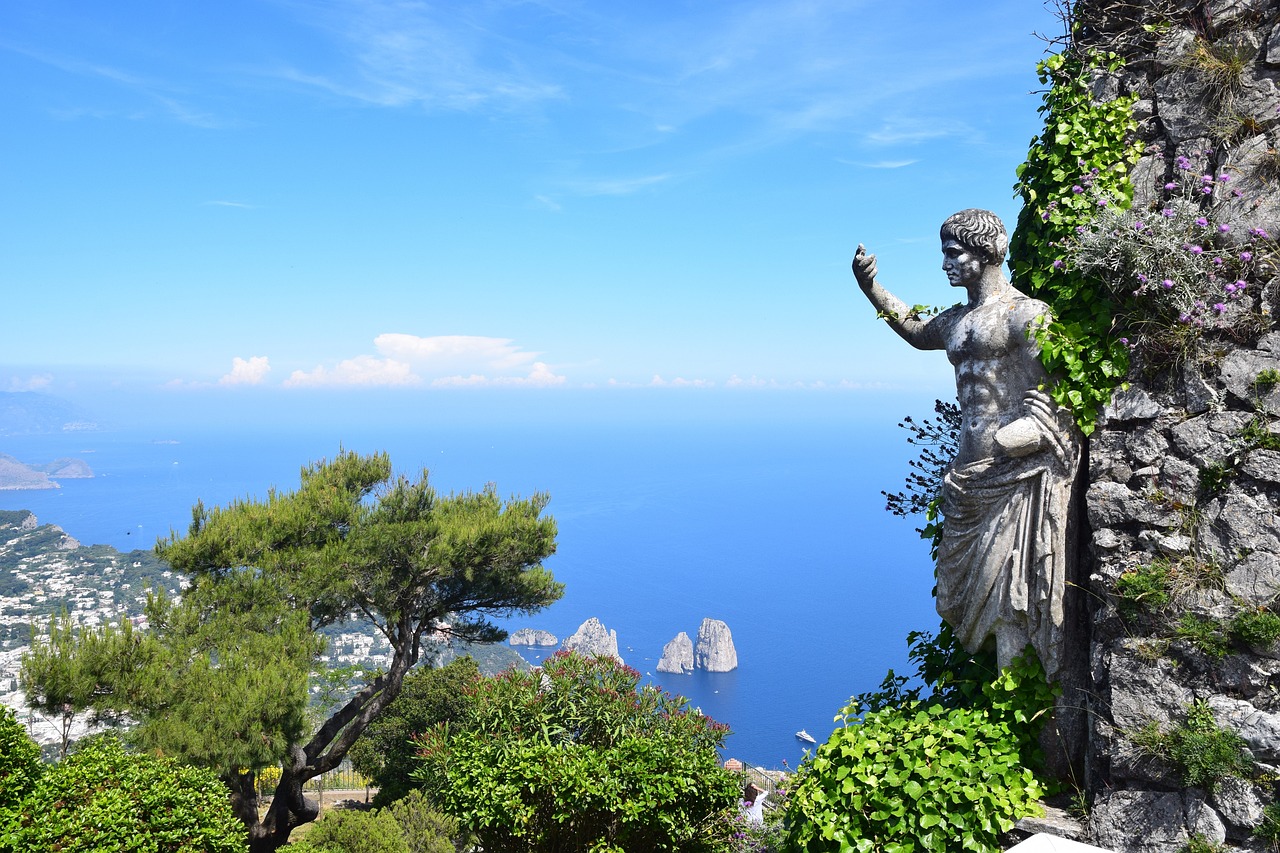
The cultural layer is what elevates the visit from “beautiful” to quietly profound. This is the Grotta Azzurra of Capri, long associated with Emperor Tiberius, who is said to have used it as a private bathing spot. Look near the entrance, and you’ll find references to Roman remains in the area, a reminder that this coastline has been watched, loved, and mythologised for centuries.
There’s also a modern rediscovery story often shared by local guides: August Kopisch and Ernst Fries are associated with bringing wider attention to the grotto in the 19th century, when stories of the blue light began to travel beyond the island. Today, boatmen still narrate the moment with pride—local voices that keep the wonder grounded in lived tradition.
If you want to design a seamless day on Capri Island, consider a rhythm that balances water, culture, and time on the trails. A thoughtful route might stop at the blue first, then wander viewpoints above the cliffs, and later explore Capri town’s lanes and terraces. If you’re in the mood to move, add a coastal walk for that satisfying blend of adrenaline and insight—an adventure that feels crafted rather than crammed.
For visual planning inspiration, explore our Trip gallery and imagine how you’d like to create your own Capri chapter, with the right local support.
F.A.Qs: Blue Grotto Capri, Italy
Where is the famous Blue Grotto in Italy?
The famous Blue Grotto is on the island of Capri, off the coast of the Bay of Naples in southern Italy. It sits along Capri’s coastline and is usually reached by boat or by travelling across the island to the entrance area, then transferring into a small rowboat for the final approach.
What is so special about the Blue Grotto?
The Blue Grotto is special for its glowing, electric-blue water, created when sunlight passes through an underwater opening and lights the cave from below. The experience also feels adventurous: you enter by rowboat through a low opening, then drift inside a chamber that seems illuminated by pure colour.
Why is the Blue Grotto closed?
The Blue Grotto closes for safety when sea conditions are rough, winds are strong, or waves make the entrance too dangerous for small boats. It can also close at short notice if the water changes quickly. Seasonal closures and specific holiday dates may apply, so it’s wise to check locally.
Can you swim inside the Blue Grotto?
Swimming inside the Blue Grotto is generally not allowed and may be illegal, depending on local regulations and conditions. Even when rules vary, it can be dangerous because of boat traffic, narrow space, and changing water movement at the entrance. It’s best to follow local guidance and safety instructions.
What stayed with me after the Blue Grotto on Capri
The Blue Grotto, Capri, reflection, Italy travel memories aren’t loud; they arrive later, in the calm. What stayed with me most was the hush inside the grotto—how quickly a group of strangers can become gently attentive, united by a colour that makes conversation feel unnecessary. It’s rare, on a celebrated island, to find a moment that feels both shared and private.
I keep returning to the small act of bravery that almost everyone performs without drama: lying back in the rowboat as the boatman guides you through the mouth of the cave. You trust the timing, you let go of the instinct to sit up, and you allow someone else’s expert care to support you into the dark for a second—so the light can meet you on the other side. That surrender can feel strangely personal, like practising confidence in miniature.
And then there are the local voices—the rhythm of the oars, the easy jokes, the stories that turn limestone and water into a living archive. On Capri, it’s possible to feel you’re moving through time as well as sea, held between Roman echoes and today’s gentle rituals.
Long after you’ve left the island, the blue returns at unexpected moments: in a shadowed pool, in a late-afternoon reflection, in the pause before you step into something unknown. It’s a quiet reminder that wonder doesn’t always demand more from us—sometimes it simply asks us to notice what is already there, and to stay curious about what other corners of Italy might reveal, when you’re ready.