Why Visit the Boboli Garden Behind Palazzo Pitti in Florence, Italy

Why visit the Boboli Gardens behind Palazzo Pitti in Florence Italy
If you’re deciding whether to visit the Boboli Gardens behind Palazzo Pitti in Florence, Italy, picture an outdoor museum where landscape design, sculpture, and perspective work together like a curated exhibition. This Boboli Gardens, Italy experience was shaped by the Medici and has evolved from 1550 onward into an iconic Italian garden of symmetry, axes, and theatrical surprise—often described as the largest and most elegant Italian garden walk in the city.
Today, Boboli Gardens are located behind the Pitti Palace and right next to it, adjoined to the hill behind the palace, with viewpoints that make the city feel suddenly spacious. Its geometry would become a model for many European visitors to admire, then for many designers to copy: a model for many European courts and, later, a reference point for many European royal gardens—a Florentine statement that travelled far beyond Tuscany.
Medici origins, Cosimo’s vision, and the garden as a living museum
There’s history in the names. Luca Pitti began the story with ambition; Cosimo and his wife, Eleonora di Toledo, turned it into a courtly world, guided by Bartolomeo Ammannati and influenced by Vasari’s era of big, stage-like urban ideas. The Medici family treated the grounds as both a place of pleasure and display, an ordered wilderness where visitors could protect themselves from wild animals while still feeling close to nature.
Even without a historian’s eye, you’ll feel how the paths are decorated with statues based on stories: statues based on Roman myths and classical statue groupings that add drama to the greenery. One traveller told me they wandered at dawn; the quiet soothed the senses before the day began, and a single fountain beside a weathered statue made the whole garden feel like it was holding Florence at arm’s length—just long enough to breathe.
Adventure within elegance: paths, shade, and self-paced discovery
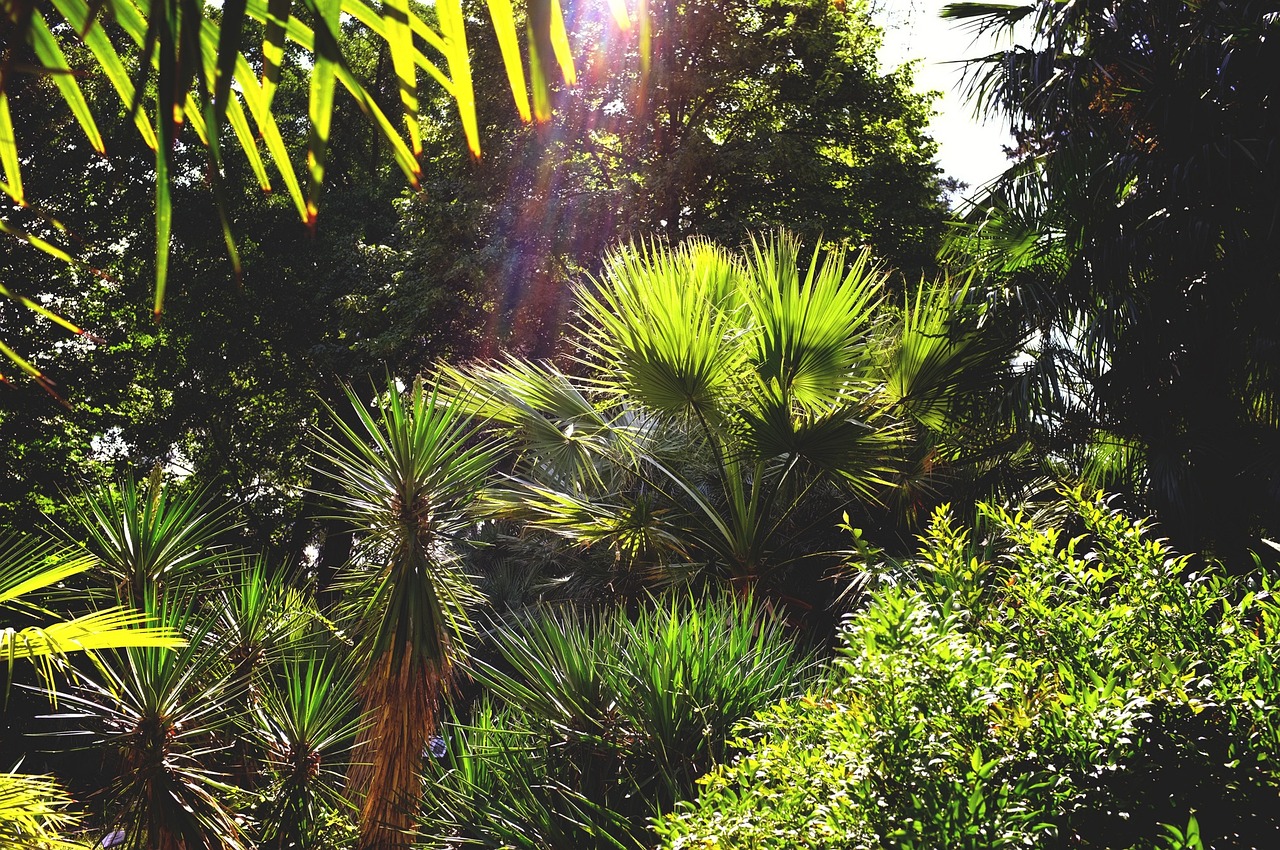
For adventure seekers, the pleasure is in the gentle climbs, long sightlines, and the feeling that you can explore without needing to “do it all.” The paths invite you to drift between clipped hedges and woodland shade, where sculpture appears almost as if you uncover it between trees. It’s a surprisingly confident place to travel solo or together, because the layout of the gardens keeps pulling you back to clear reference points.




Boboli Garden Tickets, Entrances, and Best Time to Visit for Travellers
Boboli Garden basics for Florence travellers and first-time planning
For Boboli Garden, Florence, Italy, ticket entrances, best time planning, start with light and pace. Spring and early autumn are ideal, and arriving early morning or late afternoon brings calmer paths and softer photography—an easy way to make the garden feel high-end and unhurried for first-time visitors to Boboli Gardens in Florence.
Tickets are typically around 10–15 euros, with discounts often available for EU citizens under 26. There’s also a beloved local tradition of free entry on the first Sunday of each month; still, do double-check official notices because sites can be closed on the first due to exceptional events, capacity limits, or maintenance.
How to reach Pitti Square and choose the best entrance
From the historic centre, the walk to Pitti Square is straightforward, and it pairs beautifully with culture nearby—especially if you’re coming from the Uffizi Gallery or crossing the river near the Vasari Corridor route. This kind of pairing makes the day feel balanced: indoor masterpieces first, then open air and trees when your mind wants space.
For orientation, it helps to know two reference points: approach from Pitti Square for the classic entrance, or plan a loop that nods to the Porta Romana side for a different perspective on the grounds. Either way, the shift from city bustle to shaded avenues is quick—and the first fountain you hear often feels like the moment the city finally drops away.
Rules, etiquette, and small details that protect the experience
No drones are allowed, and large backpacks are restricted, so pack light and keep the day seamless. Photography is permitted, but the local way is to keep noise low, avoid climbing monuments, and treat every statue, hedge line, and flower bed with care—this is a historic garden, not a playground.
- Wear: comfortable walking shoes for gravel paths and gentle slopes.
- Carry: a small bottle of water and a light layer for shaded sections.
- Plan: a calm two-part day—garden first, museum later—so it feels crafted, not crammed (and easy to fit in from Prato as a day trip).
If you’d like to browse a few tailored itineraries before you commit, here’s a curated Trip gallery for Italy that blends culture with breathing space.
Explore Boboli Garden, Viottolone Terrace, and Florence views
Explore the Viottolone and Florence viewpoints in the Boboli Garden
To explore the Boboli Garden Viottolone terrace views in Florence, Italy, without feeling overwhelmed, I suggest a simple first-visit route that respects the gardens’ layout. Start with broad avenues to get your bearings, then allow yourself to drift into quieter lanes where details reveal themselves—small sculpture moments, shifting shade, and unexpected sound from water.
Think of it as a designed narrative: open spaces, then enclosure, then a viewpoint that restores your sense of direction. You’re not racing between highlights; you’re letting the garden do what it was built to do—slow you down.
The Viottolone: cypress shade, statuettes, and long perspectives
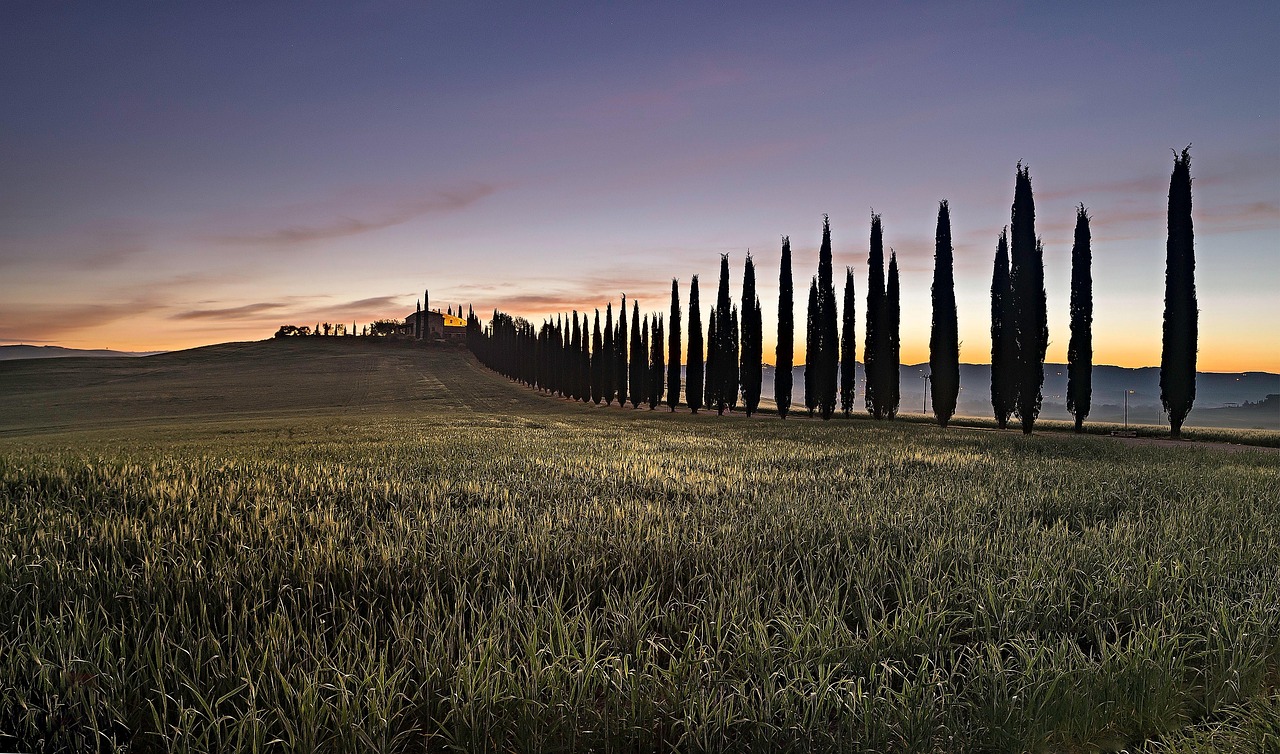
The Viottolone is the kind of place that slows your breathing. This cypress-lined avenue is flanked by cypresses and statuettes, offering a tranquil, almost cinematic walk—ideal for reflective photos and quiet conversation.
One adventure seeker I met described their joy as they moved along the expansive paths, feeling immersed in a living museum. Motion changes scale: hedges become corridors, and the occasional statue appears like a punctuation mark in green, guiding you gently forward.
Hilltop viewpoints that feel genuinely worth it
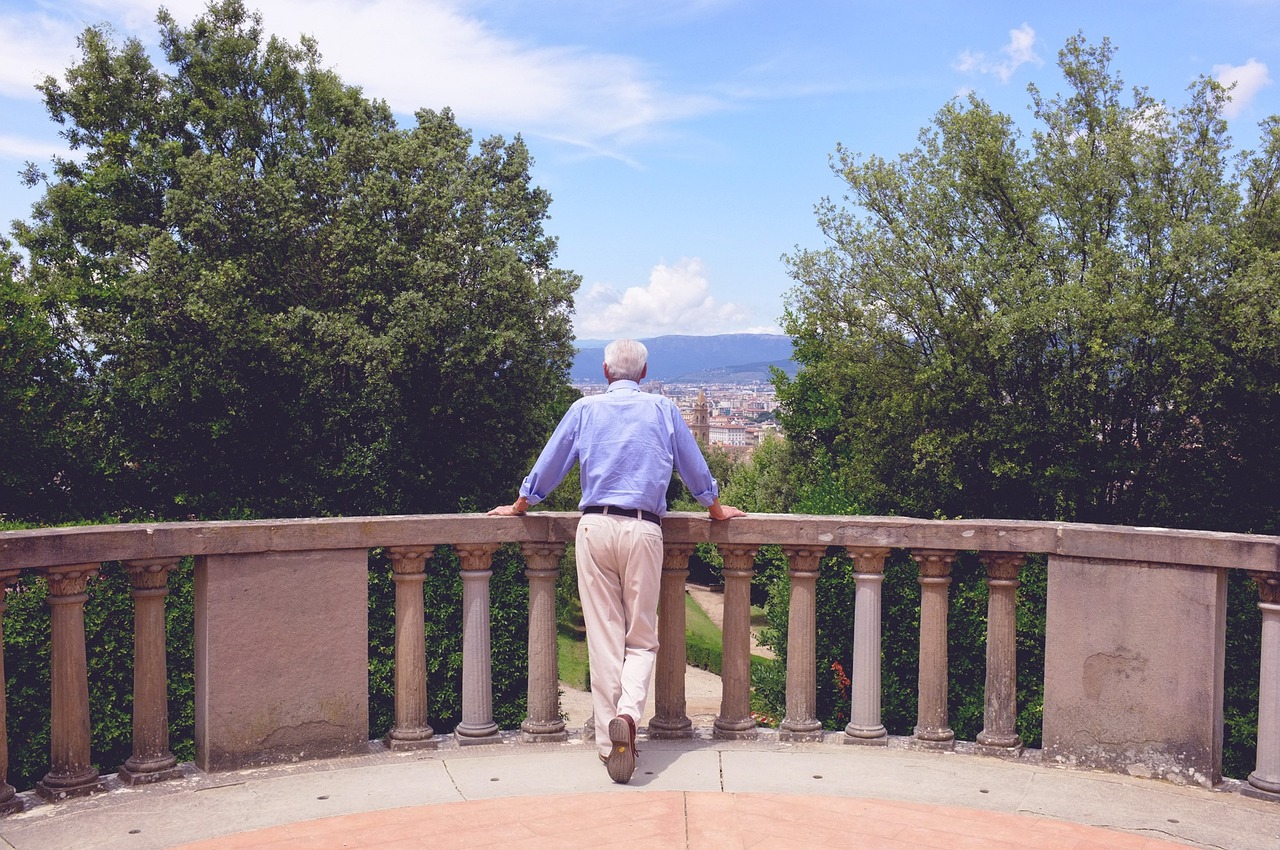
Choose one viewpoint and give it time. The climb is gentle, and at the top of the hill, the city reads like a miniature: domes, rooftops, and distant ridges. This is where Florence feels both close and far away, and you understand why travellers come back to this garden when they want perspective.
As you pause, look for the Renaissance tricks: symmetry, sightlines, and the way nature is framed like a gallery wall. It’s subtle, but once you see it, you start noticing the same ideas in villa grounds, street axes, and the occasional courtyard across the region.
Boboli Garden Fountains and Statues: Fountain of Neptune, Isolotto, and Sculptures

Fountains, sculptures and the Isolotto trail in the Boboli Garden
For an “art-on-the-move” day, the Boboli Garden fountain of Neptune, Isolotto, Florence, Italy, is the thread that ties everything together. Rather than hopping between points, link the water features into a loop so the experience feels curated—like chapters in a well-edited story you can walk through.
Water is the garden’s pulse, and each fountain changes the mood: sudden drama, then soft trickle, then a wide basin catching the sky. This is the logic of elegant Italian-style gardens, where myth, stone, and hydraulics create a theatre without noise.
Neptune: myth, movement, and the Fountain of Neptune
Make time for the Fountain of Neptune (fountain of Neptune), where Neptune anchors a bold, unapologetic scene. The figures echo classical storytelling, and the atmosphere shifts with the day: bright at midday, almost intimate when late light softens the edges. It’s one of those moments where a fountain becomes a stage set.
Nearby, you may also hear guides mention the ocean fountain as part of the wider water story. You don’t need to chase every name; it’s enough to notice how each basin frames a different kind of pause in the garden.
The Isolotto, Egyptian obelisk, and Giambologna’s sculptural thread
The Isolotto is pure enchantment: water, grotto-like corners, and the pleasure of circling slowly to discover new angles. This area is surrounded by three sculptures, with three sculptures that feel monumental up close and strangely light from a distance—some emerging from the water in ways that feel both ancient and Renaissance.
If you enjoy details you can fact-check later, follow Giambologna as a sculptural thread, and keep an eye out for the Egyptian obelisk as a landmark that helps you re-orient. These moments give you confidence, because you start navigating by memory rather than by a map through the Boboli paths.
Terrain is friendly but varied—gravel underfoot, gentle slopes, occasional steps. Comfortable shoes and an unhurried pace keep the day joyful, and they help you trust your own timing instead of the crowd’s.
- Best pacing tip: alternate one major fountain stop with a quieter, shaded stretch.
- Photo tip: step to the side and let others pass; the mood stays local and respectful.
- Comfort tip: Schedule a seated break before you feel you need it.
Boboli Garden, Buontalenti Grotto, Kaffeehaus, and Museums at Palazzo Pitti
Grotta secrets, Kaffeehaus and culture within the Boboli Garden
If your wish list includes Boboli Garden, Buontalenti Grotto, Kaffeehaus, Palatine Gallery, and Porcelain Museum in Italy, you can absolutely weave them into one crafted day. The secret is sequencing: choose one “imagination” stop, one cultural interior, and one long outdoor wander—then let everything else be a bonus.
Buontalenti Grotto: grotta illusions, frescoes, and playful detail
The Buontalenti Grotto is a highlight for travellers who love texture and surprise. Designed by Bernardo Buontalenti (and, in the wider project, Ammannati), it’s a masterclass in artifice: decorated internally and externally with shells, stone, and fantasy details. In the first chamber, the first one was frescoed to create the sense of depth, literally frescoed to create the illusion and complete the illusion of a natural grotto, with scenes including groups of children playing that reward a slow, curious look.
Historically, this is where the layers of power show. Bernardo Buontalenti under the reign of Francesco I de’ Medici helped define the theatrical tone of the Boboli experience, and later medici and the lorraine families added new details over time. Through additions in the 18th century—notably 1777 and 1778—and the 18th and 19th centuries, the Lorraine court kept refining the grounds; lorraine families continued to enrich what came before and continued to enrich and enlarge the visitor route to enrich and enlarge the garden without losing its Renaissance backbone.
Some visitors come specifically for the cool shift in temperature and mood—the full grotta effect—especially on warmer afternoons. You may also hear mentions of the grotto of adam and eve; even if you only glimpse references in passing, it adds to the sense that the garden contains hidden rooms and stories. In practical terms, it’s also one of the best places to experience the theme of grottos without needing to hunt for every single corner.
Kaffeehaus breaks, amphitheatre atmosphere, and the Palazzo Pitti museums
The Kaffeehaus is a distinctive stop when you want a local-feeling pause without leaving the grounds. It’s the kind of interlude that keeps the day seamless for couples or families—everyone resets, drinks something simple, and the next stretch through the garden feels easier.
For culture layered into nature, pair your walk with the Palatine Gallery and the Porcelain Museum in the Palazzo Pitti complex. Here, the garden is part of a broader world of art and rooms—painted ceilings, quiet corridors, and a courtyard that works as a transition space between city and greenery, including the Palazzina della Meridiana and the “Madama” apartment tradition. If you’re comparing viewpoints, you can even contrast this with Bardini Gardens (the Bardini hillside) for another angle on the city.
In the amphitheatre, one visitor reminisced about an open-air concert: music rising into dusk, stone seats warm from the sun, and the sense that time had folded in on itself. It’s a beautiful reminder that the Boboli grounds were designed not only to be seen, but to be lived in—together.
If you’re short on time: prioritise the grotto, one major fountain, and either the Palatine Gallery or the Porcelain Museum. If you have a full day, add the lemon house (Limonaia), built by Zanobi del Rosso, and give yourself permission to linger—this is where travel becomes personal rather than performative.
F.A.Qs: Visiting Boboli Gardens, Italy
How long does it take to walk through the Boboli Gardens?
Most travellers spend around 2–3 hours walking the main paths at an unhurried pace, including a few stops for viewpoints and photos. If you want to include the grotto, major fountains, and a museum visit at Palazzo Pitti, plan closer to half a day so it stays relaxed.
Are the Boboli Gardens worth seeing?
Yes—especially if you enjoy places where art, history, and landscape design come together. The garden feels like an outdoor museum, with long avenues, sculptures, and peaceful corners that offer a genuine break from Florence’s busiest streets, while still delivering grand, iconic moments.
What’s special about the Boboli Gardens?
What’s special is the Renaissance vision made physical: symmetry, sightlines, and carefully placed statues and fountains that turn a walk into a crafted experience. Highlights like the Fountain of Neptune, the Isolotto loop, and the Buontalenti Grotto bring variety—open skies one minute, cool shadow and texture the next.
How much does it cost to visit the Boboli Gardens?
Tickets typically cost around 10–15 euros, and discounts are often available for EU citizens under 26. You may also find free entry on the first Sunday of each month, although it’s wise to check official updates in case of special closures or changes.
What Stayed With Me After Boboli Gardens, Italy
For Boboli Garden, Florence, Italy, reflections, what remains isn’t a checklist of statue sightings or the exact turn where the path widened. It’s the feeling of moving more slowly, and realising that patience is part of the design: proportion teaches you to look twice, and quiet teaches you to listen.
I still carry one dawn memory with me. Soft light settled on water and stone, and for a moment, the city felt far away, even though I was in its heart. There was a gentle reassurance in that—proof that beauty can be spacious, not demanding, and that some of the best gardens in the world are the ones that let you breathe.
Long after you leave, you may notice you’re walking differently in ordinary places: pausing at a corner, noticing an axis, trusting your own rhythm instead of hurrying to the next sight. That, to me, is the real gift of the Boboli experience—care made visible in a historic garden.
And perhaps that’s why it lingers: not as a must-do, but as a quiet invitation to return to Italy with curiosity, and to let a little more stillness in.