Post Contents
- Mui Ne Vietnam travel snapshot for first time visitors and visit Mui Ne Vietnam guide from Ho Chi Minh City
- Things to do in Mui Ne red sand dunes sunrise sandboarding and things to do in Mui for first light
- White sand dunes Mui Ne jeep tour quad biking Vietnam for a must-do rush
- Fairy Stream Mui Ne Vietnam shallow water walk through colour and calm
- Mui Ne fishing village local fishermen basket boats and coastline culture
- Mui Ne beach kitesurfing kite surfing kiteboarding Vietnam with high winds
- Mui Ne accommodation best restaurants bus motorbike Vietnam for seamless days
- What stayed with me after Mui Ne and Mui Ne Vietnam personal reflection on travel
- F.A.Qs: Mui Ne Vietnam
Mui Ne Vietnam travel snapshot for first time visitors and visit Mui Ne Vietnam guide from Ho Chi Minh City
Mui Ne Vietnam travel snapshot for first time visitors and visit Mui Ne Vietnam guide from Ho Chi Minh City
A visit Mui Ne Vietnam guide from Ho Chi Minh City begins with the simple truth that Mui Ne is one of the easiest beach breaks to weave into wider Vietnam travel. Set near Phan Thiet, this long ribbon of sand is built around high winds, water sports, and a main coastal road lined with cafés, spas, and resorts. It’s a place designed by nature for contrast: dunes that feel almost Saharan, then a calm fishing rhythm just minutes away.
The energy is relaxed rather than flashy. You can explore hard in the morning, then retreat to a beach resort afternoon without feeling like you’re missing anything. For Adventure Seekers, Mui Ne delivers thrill with support; for cultural enthusiasts, it offers local life that still feels real and unperformed.
Arriving from Ho Chi Minh City and hcmc with seamless confidence
Most travellers come from Ho Chi Minh City (often written as hcmc), typically in 4–5 hours depending on traffic and stops. A comfortable bus is the classic choice: tour buses run frequent schedules, and many will drop you close to your hotel along the strip. If you’re travelling high-end or simply want a more crafted start, a private transfer from Ho Chi Minh is the most seamless way to arrive feeling fresh, especially if you’re carrying kitesurfing gear or camera kit.
DIY travellers often enjoy the independence of booking their own bus and choosing stops en route; others prefer the ease of pre-arranged transport, where timing, water, and comfort are quietly handled for you. Either way, plan to arrive before dusk if it’s your first time—Mui Ne is straightforward, but first impressions are gentler in daylight.
Quick orientation around Mui Ne along the beach and along the road
Mui Ne stretches rather than clusters. You’ll notice life unfolding along the main road, with pockets that feel within walking distance once you’ve chosen your base. The central strip is lively with restaurants and hotels, while the end of Mui Ne becomes quieter and more spacious—often a better fit if you want deeper sleep, fewer horns, and a calmer private beach feeling.
To create an easy mental map, imagine three moods: central convenience, mid-strip kite energy, and a quieter far end for retreat. When choosing between the “best places” to stay, let your mornings decide: do you want to roll straight into cafés, or wake to sea views with only wind and palms for company?
- Best time to visit: the dry season from November to April brings sunshine that suits dunes and beach days.
- Pack for strong sun: sunscreen, hat, and plenty of water—dunes can feel desert-hot even when the sea breeze is cool.
- Expect a small fee or entrance fee at key sights; carry cash in vnd to keep it effortless.
If you’d like inspiration for how Mui Ne can sit inside a wider journey, you can browse our Trip gallery and imagine what you’d like to uncover next.


Things to do in Mui Ne red sand dunes sunrise sandboarding and things to do in Mui for first light
Things to do in Mui Ne for sunrise at the Red Sand Dunes
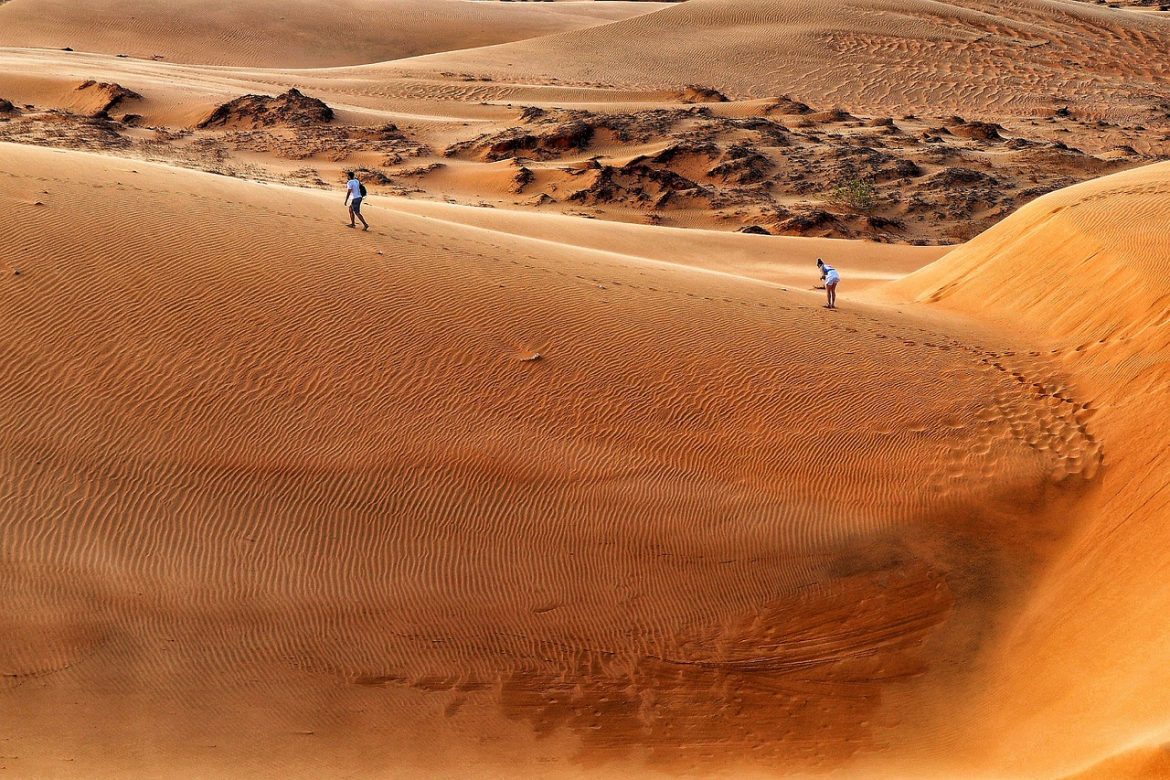
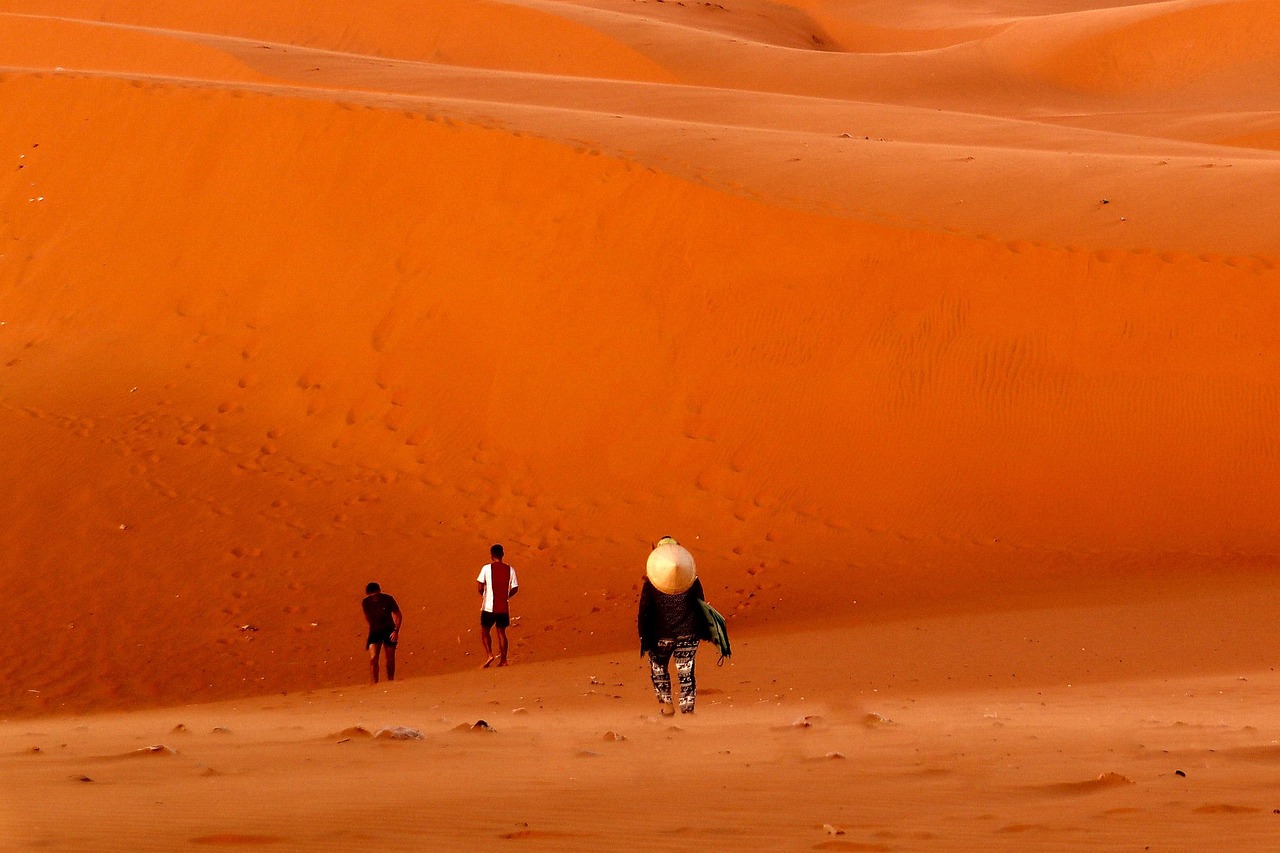
When people search things to do in Mui Ne red sand dunes sunrise sandboarding, they’re usually hoping for that one cinematic moment where the landscape feels unreal. The Red Sand Dunes are closer to town than the white dunes, which makes them ideal for a quick dawn mission. You can go for sunrise or sunset, but sunrise has a softness that feels intimate—fewer voices, cooler air, and an almost private hush over the sand.
A simple design: set an early start, leave your hotel while it’s still dark, and arrive before the sky turns. If you’re new to Vietnam driving, a sunrise tour can remove all the friction; if you’re confident and already know the roads, going independently can feel wonderfully free.
Pre-dawn plan for sunrise tour or jeep tour
For first-timers, a driver-led sunrise trip is often worth it—especially if your priority is comfort and timing. Some providers package the dunes into a wider jeep tour loop with the Fairy Stream or fishing coast, which can be a smart way to explore without constantly negotiating taxis. If you prefer control, arrange a taxi the night before and agree the price clearly in vnd so you’re not bartering half-asleep.
One traveller told us they woke early in the morning, stepped onto the first ridge, and heard only shifting sand beneath their feet. As the orange sand caught the first light, the silence felt surreal—like the world had paused long enough for a personal reset.
How to try sandboarding with care and confidence
You’ll see boards for hire at the dunes. If you want to try sandboarding, keep it playful rather than competitive; the sand is soft but the slopes can be uneven. Wear closed footwear, keep water close, and take breaks—Mui Ne sun can be stronger than it looks.
- Start on smaller slopes first; the sand can grab your feet when you least expect it.
- Hydrate often and reapply sun protection—wind can hide how quickly you’re burning.
- Enjoy the red and white contrasts as the light changes; it’s a photographer’s dream when you don’t rush.
A small note on etiquette: keep the dunes clean, don’t leave bottles or wrappers, and build trust with local vendors by agreeing the price up-front. That gentle respect is part of what makes Mui Ne feel welcoming.
White sand dunes Mui Ne jeep tour quad biking Vietnam for a must-do rush
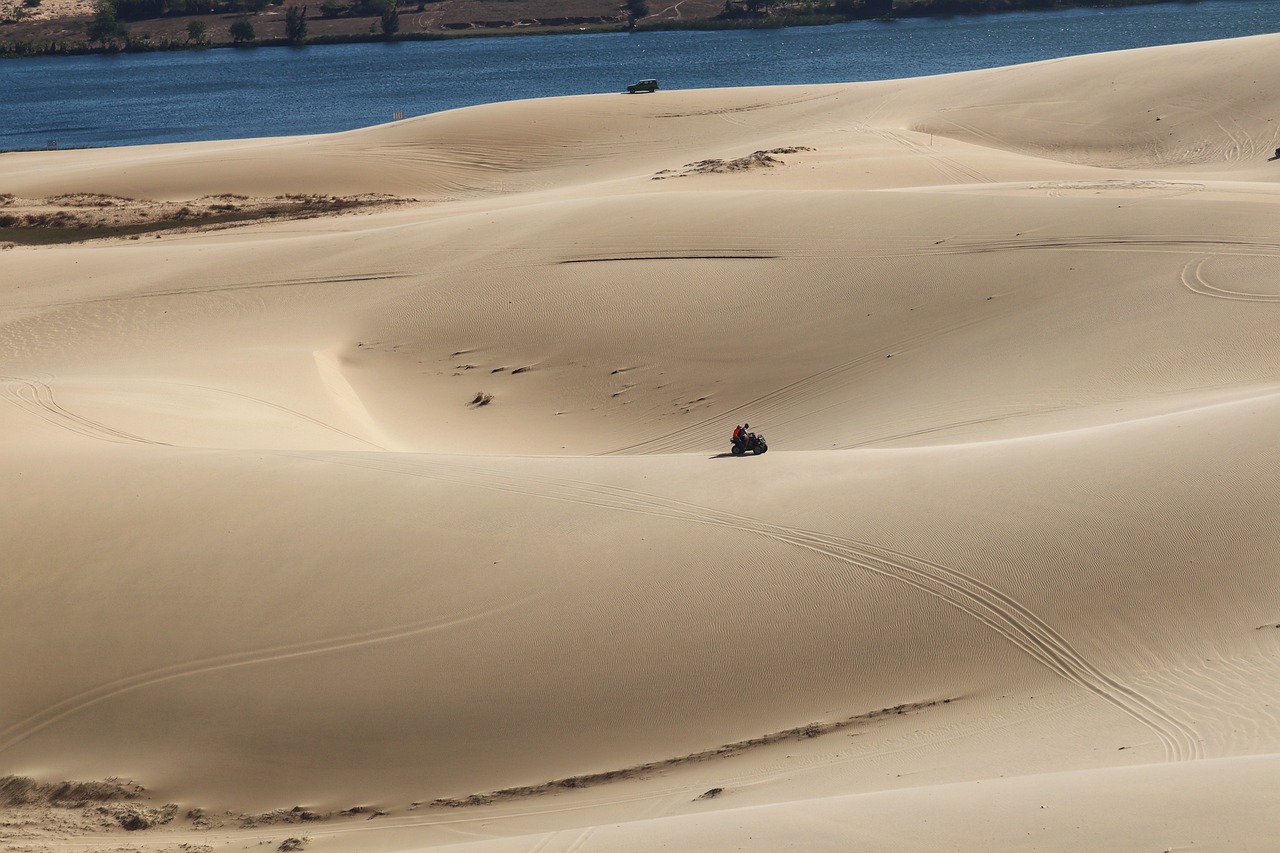
White Sand Dunes adventure with jeep tour and quad biking
If you’re comparing experiences, white sand dunes Mui Ne jeep tour quad biking Vietnam is the search phrase that usually signals you want scale. The white sand dunes feel vast and clean-lined, like someone pressed “reset” on the horizon. Nearby, a lotus lake adds an unexpectedly gentle note—especially in the right season—so the morning can hold both adrenaline and calm.
Timing matters here. Come early for nice views and softer temperatures, or late afternoon when the shadows lengthen and the sand becomes sculptural. The dunes can be bright enough to make you squint; sunglasses and a scarf for windblown sand are small luxuries that feel like expert planning.
Quad biking and quad power for Adventure Seekers
For Adventure Seekers, quad biking is the signature thrill: fast, loud, and unexpectedly physical as you brace through dips and ridges. An adventurer once described riding a quad across the dunes as an unforgettable rush—less about speed for its own sake, more about feeling connected to raw natural beauty. It’s the kind of moment you remember in your body, not just in photos.
Choose reputable operators, listen closely to the safety briefing, and don’t push beyond your comfort. Confidence is magnetic, but care is what keeps the day joyful.
Self-drive motorbike vs jeep tour logistics
You can reach the dunes independently by motorbike or taxi, but riding on sand is different from riding on road. If your licence confidence is low or you’d rather not troubleshoot directions, a jeep tour is a supportive option. Many tours include pick-up, a driver who knows the best angles, and add-ons like a sunset tour if you’d rather sleep in and chase golden light later.
- Jeep tour: easy timing, minimal hassle, great if you’re short on days.
- Self-drive: more freedom, but heat and sand can be tiring—plan water and fuel.
- Either way, protect camera gear from fine sand; it gets everywhere.
The best version of this morning is the one you design around your energy. Mui Ne rewards people who stay present, not people who sprint through checklists.
Fairy Stream Mui Ne Vietnam shallow water walk through colour and calm

Fairy Stream walk through ochre cliffs and greenery
The phrase Fairy Stream Mui Ne Vietnam shallow water walk doesn’t quite capture how soothing the reality is. The Fairy Stream is a gentle, shallow brook where you walk along cool water, passing rock formations, vivid ochre cliffs, and pockets of greenery. It’s less “hike” and more meditative wander—ideal after a dunes sunrise or between beach sessions.
As you step in, the temperature drops a little, and the sand underfoot feels soft and forgiving. It’s a beautiful counterpoint to the windier parts of Mui Ne, and it invites you to slow down in a way that feels surprisingly restorative.
A meditative walk along the Fairy Stream
A cultural enthusiast once told us they felt amazed by the vibrant cliff colours, as if nature had painted with ochre and rust. With the water cooling their feet, they found themselves quietly observing details: tiny ripples, shifting light, and the way the stream reveals artistry step by step. It’s a personal kind of discovery—unhurried, and quietly uplifting.
Give yourself time to pause, not just pass through. The most memorable moments often arrive when you stop trying to capture everything.
Practicalities and entrance fee expectations
Bring footwear you don’t mind getting wet, plus a small towel. Keep cameras in a sealed bag—fine sand can damage lenses faster than you think. At access points you may be asked for a modest entrance fee or donation; it’s usually small, and paying politely helps keep the experience maintained.
- Go earlier for cooler air and clearer photos.
- Carry bottled water and drink regularly, even if the walk feels easy.
- Pair it with dunes on the same day; many day tours from Mui Ne link them naturally.
If you’re curating your own half-day, Fairy Stream plus the red dunes is a classic combination—soft, colourful, and low-stress.
Mui Ne fishing village local fishermen basket boats and coastline culture

Mui Ne fishing village culture and the local coast
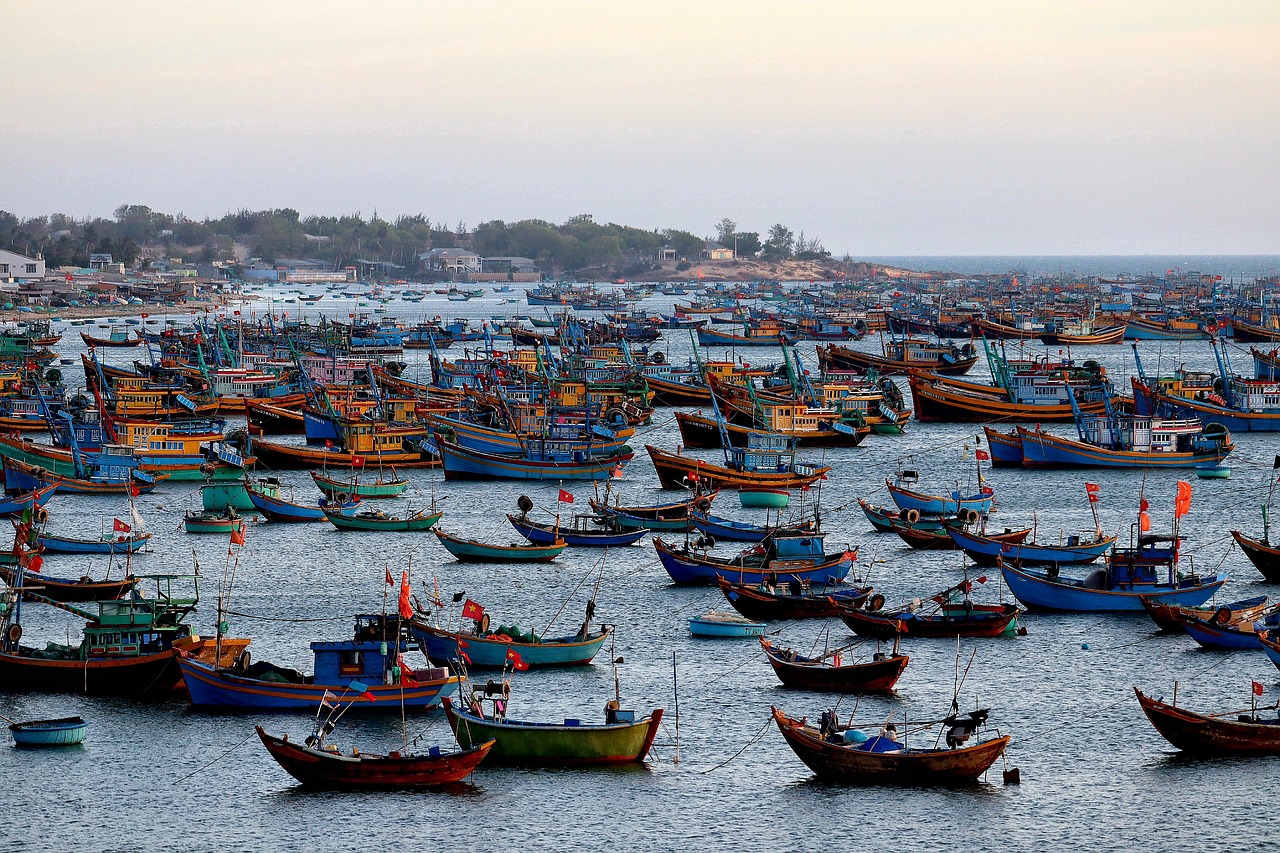
Search Mui Ne fishing village local fishermen basket boats and you’ll find images—but the real insight comes from being there at the right time. Visit early and you’ll witness a working shore: nets being sorted, engines sputtering to life, and a steady choreography around basket boats. There are fishing boats pulled up on sand and, on many mornings, hundreds of colorful fishing boats floating just offshore.
This is a small fishing village atmosphere, even as Mui Ne grows around it. The mood is industrious but not unfriendly; it’s a place where the day starts with purpose, and visitors are welcome when they arrive with care.
Meeting local fishermen with trust and respect
A visitor once shared that they met local fishermen who invited them aboard their boats. Over gestures and smiles, the fishermen explained the routine and the importance of the sea to the community—an honest reminder that holiday coastlines are also livelihoods. Seeing the fresh catch come in reframes the luxury of dinner later; it becomes gratitude rather than consumption.
If you’re fortunate enough to be invited closer, keep your presence light. A quiet conversation, a few appreciative words, and a respectful distance go a long way.
Cham heritage and cultural meaning around Mui Ne
For travellers who want deeper cultural context, look for Cham influences around Mui Ne and the wider Phan Thiet area. You don’t need a long lecture to feel it—small details in regional history and local storytelling add texture to the coast. Asking a guide about Cham heritage can uncover a richer sense of Vietnam beyond the postcard.
- Ask permission before photographing people, homes, or work in progress.
- Dress simply and comfortably; practical respect fits better than flashy beachwear here.
- Arrive quietly, observe first, and let the place reveal itself.
Mui Ne fishing isn’t a performance; it’s daily life. When you meet it with gentleness, the experience can become one of the most meaningful parts of your trip.
Mui Ne beach kitesurfing kite surfing kiteboarding Vietnam with high winds
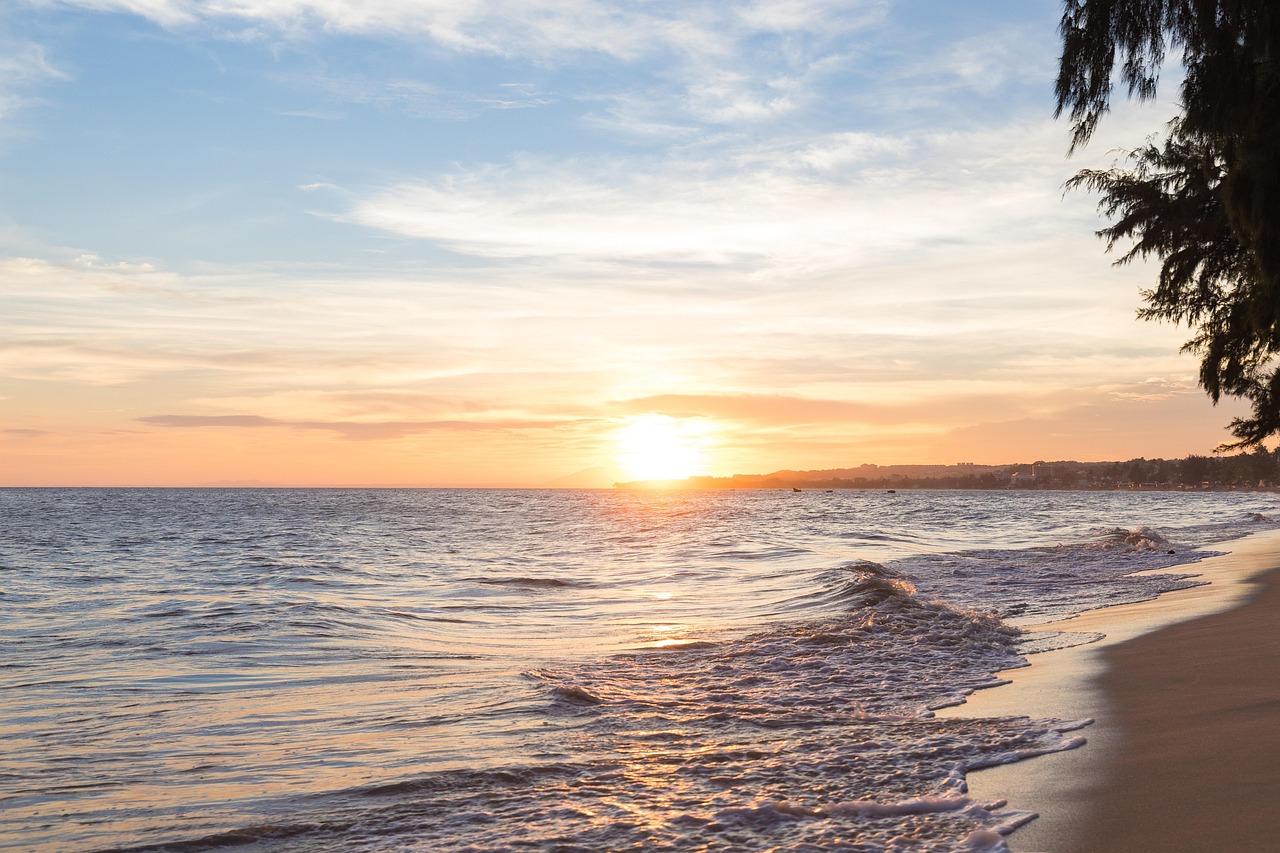
Beach days with kitesurfing kite surfing and beachside cafés
Type Mui Ne beach kitesurfing kite surfing kiteboarding Vietnam into any search bar and you’ll quickly see why the town has become a global wind magnet. Mui Ne is known for high winds and long sandy launch zones, attracting kite surfers and beginners alike. Even if you never touch a kite, watching the sky fill with colour while you sip something cold can feel like the perfect beach theatre.
This stretch of beach is about balance: active mornings, long lunches, then slow afternoons where the sea breeze does half the work of unwinding your thoughts. It’s a setting that invites you to explore, then rest—together, in one easy rhythm.
Surfing and kite surfing basics and how to learn with support
If you’re curious, start with a lesson at a reputable school. Kitesurfing schools operate year-round, but the best time to visit for steadier winds is typically November to March. A good instructor will walk you through wind theory, launch etiquette, and body positioning with calm reassurance—so you build real confidence rather than bravado.
Ask about instructor-to-student ratios, radio helmets, and rescue support. With the right team, surfing and kite surfing becomes far less intimidating and far more joyful.
Beachside cafés, sea views, and a swimming pool reset
Not every day needs a harness and board. Spend a lazy afternoon café-hopping along the main beach, choosing spots with shaded terraces and unbroken sea views. If you’re staying at a property with a swimming pool, that late-afternoon dip—salt washed off, shoulders softened—can feel like a small, crafted luxury.
- Check wind conditions before lessons; strong gusts can tire beginners quickly.
- Use serious sun protection and hydrate—wind can mask dehydration.
- Choose areas with clear launch zones; avoid crowded sections at peak hours.
Mui Ne isn’t only for adrenaline. It’s equally good for taking a breath, letting the wind move through you, and feeling quietly looked after by the coast.
Mui Ne accommodation best restaurants bus motorbike Vietnam for seamless days
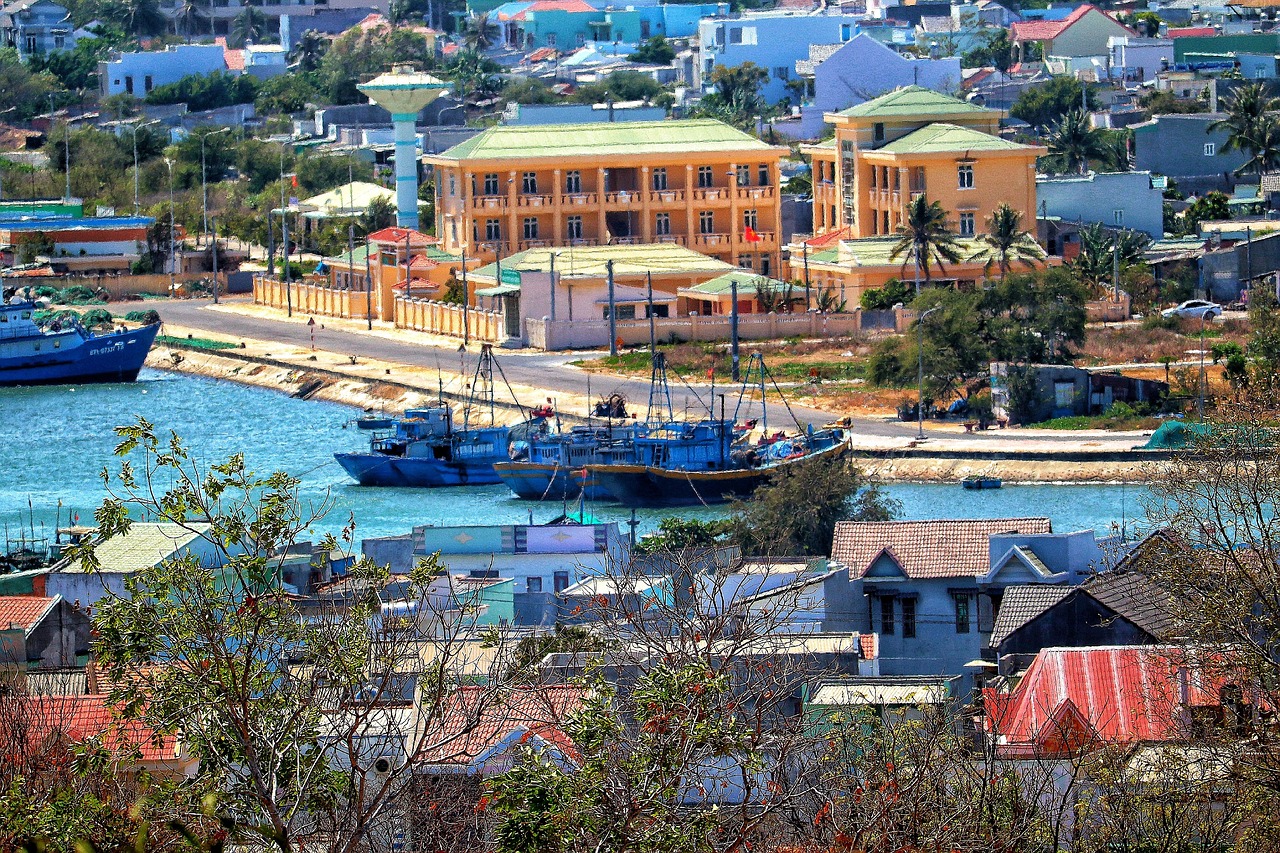
Where to stay eat and get around Mui Ne seamlessly
If you’re planning logistics, Mui Ne accommodation best restaurants bus motorbike Vietnam is the practical bundle that makes everything easier. Mui Ne has a wide range: a social hostel scene, boutique stays, and many resorts along the shore that lean into comfort. A well-chosen base turns the town from “spread out” into effortless—especially when you want both dunes and beach time without constant backtracking.
For a classic high-comfort option, consider Hoang Ngoc Beach Resort. The experience is what you hope a coastal stay will be: palm-shaded paths, breakfast that doesn’t rush you, and that gentle privilege of stepping onto a private beach when the day feels busy.
Getting around by bus, motorbike and short rides
Getting around is simple once you accept the town’s linear shape. A rental motorbike gives freedom, but always wear a helmet and drive cautiously—sand on the road can surprise you. For evenings or smarter outfits, taxis are easy and inexpensive for short hops.
Longer connections matter too: the bus links Mui Ne, Phan Thiet, and Ho Chi Minh City regularly, making this coast a smooth add-on to a southern Vietnam itinerary. If you’re returning to hcmc for a flight, build in a buffer for traffic.
Mui Ne Market, fresh seafood and best restaurants without worry
For flavour and local atmosphere, head to Mui Ne Market. It’s a lively place to sample snacks and see the day’s ingredients in motion, including fresh seafood displayed with pride. When choosing street food, keep it simple: drink bottled water, eat freshly cooked dishes, and follow busy stalls where turnover is high.
If you’re looking for the best restaurants, ask your hotel what’s consistently good right now. Quality shifts with seasons and chefs, and local recommendations often beat any listicle—especially for seafood and Vietnamese staples.
- Prices are reasonable overall, but note what can feel expensive in Mui Ne: imported drinks, beachfront dining, and private tours.
- Carry cash and confirm costs clearly; paying in vnd keeps transactions smooth.
- Families can enjoy it too—family travel works well with resorts and calmer beach stretches.
To keep your planning low-stress, here’s a crafted 2–3 day vietnam itinerary module that threads the highlights together without rushing.
Day 1: Settle in, sunset on the beach, early night.
Day 2: White dunes by morning (jeep or driver), lunch and pool time, evening seafood.
Day 3: Fairy Stream stroll, then the fishing village at dawn if you’re up early, before travelling back to Ho Chi Minh.
What stayed with me after Mui Ne and Mui Ne Vietnam personal reflection on travel
In the days after, I noticed what my body remembered first: wind on skin, sand in trainers, and that bright coastal light that makes even simple moments feel newly designed. Mui Ne Vietnam personal reflection on travel isn’t really about ticking off sights; it’s about how quickly the place teaches you to move between thrill and stillness without apology. A dunes sunrise can feel like a private ceremony, while a slow stream walk brings you back to yourself in the most ordinary, human way.
What lingered most was the dignity of local life along the shore. Watching work unfold at the fishing edge of town—quietly, skilfully—made the coastline feel shared rather than consumed. It reminded me that good travel isn’t a performance; it’s a relationship built on trust, attention, and care.
And if you didn’t do everything, that’s not a flaw. Mui Ne gives you permission to choose your own pace, to create space for rest, and to let meaning arrive when it’s ready. The best journeys don’t shout; they stay with you softly, like salt in your hair days later.
Somewhere in the back of your mind, you may find yourself imagining Vietnam again—not as a rush to return, but as a calm curiosity about what you might uncover next time, when the wind is right.
F.A.Qs: Mui Ne Vietnam
What is special about Mui Ne?
Mui Ne is special for its rare mix of desert-like sand dunes, reliable winds for watersports, and everyday coastal culture. You can watch sunrise over the Red Sand Dunes, wander the Fairy Stream’s colourful cliffs, then end the day on the beach with café life and a calm, resort-friendly atmosphere.
Is it safe to swim in Mui Ne?
Swimming can be safe, but conditions vary with wind, waves, and currents. Choose sections of beach with clearer swimming areas, ask your hotel about the day’s conditions, and avoid going far out in strong winds. If you’re unsure, opt for a pool swim and save the ocean for calmer moments.
Is Mui Ne crowded with tourists?
Mui Ne can feel busy in peak dry-season weeks and weekends, yet it rarely feels packed everywhere because the town is spread out. If you prefer quiet, stay towards the end of Mui Ne or choose a resort with a private stretch of sand, and schedule dunes and markets early in the day.