Post Contents
- The history and UNESCO legacy of the Great Wall of China are felt when visiting.
- Visit the Great Wall near Beijing and choose between Badaling, Mutianyu, Jinshanling, Simatai, Gubeikou and Jiankou
- Jiankou Great Wall hike with unrestored watchtowers and expert safety guide support
- Great Wall of China from Beijing: best visiting times, tips, costs, and sunrise experiences.
- F.A.Qs: The Great Wall of China
- What stayed with me after the Great Wall of China reflection and personal travel experience in China
The history and UNESCO legacy of the Great Wall of China are felt when visiting.
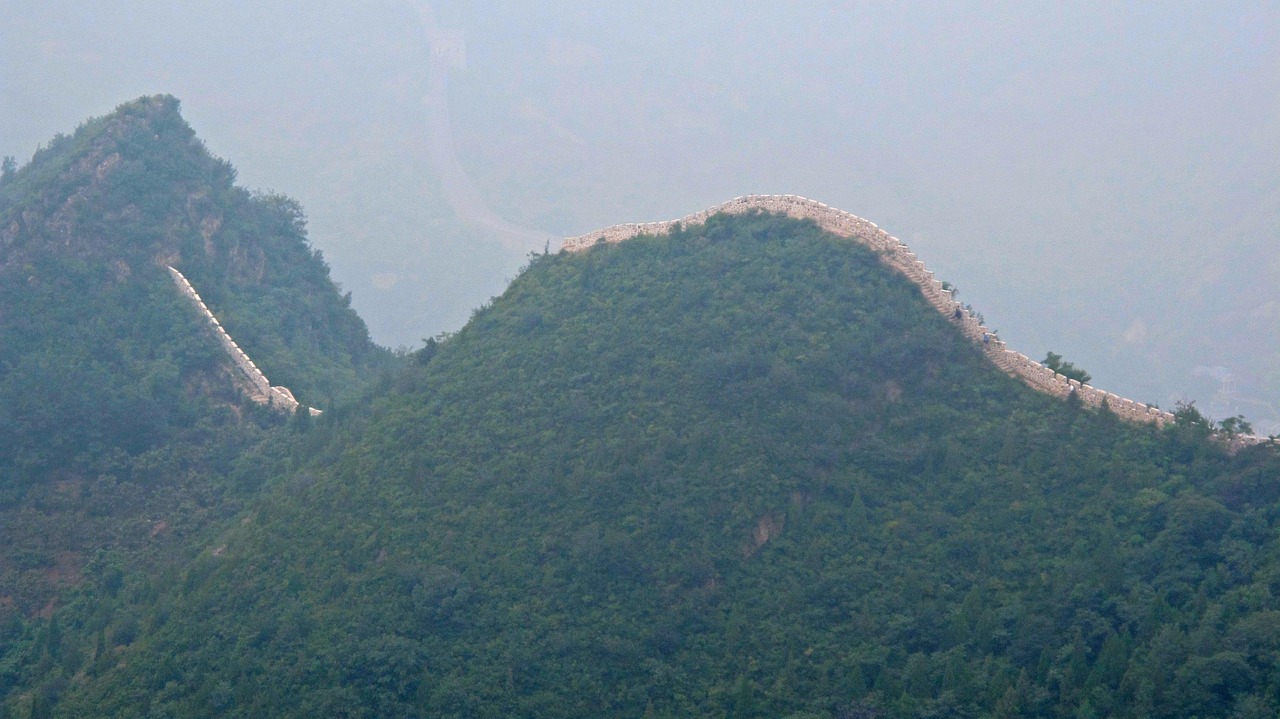
The Great Wall of China story you can feel underfoot across mountain ridges
The history of the Great Wall of China is easiest to understand once you’re actually there, and UNESCO recognition helps frame it as an architectural wonder rather than a single photo stop. What you’re visiting is a vast fortification network—many walls, trenches, and strongpoints—rather than one continuous wall. Seen up close, it’s an absolute masterpiece of landscape design and human endurance, built and rebuilt as frontiers shifted across northern China.
To uncover the big picture without getting lost in dates, imagine the Wall as a long conversation between mountains and the Chinese empire: sometimes tense, sometimes cooperative, always changing. It was built to protect the northern border, but it also shaped trade routes, signalling systems, and everyday life for soldiers and villagers living alongside it.
See the Great Wall through a clear timeline from the Warring States to the Ming dynasty
The earliest defences began in the Warring States period, with origins reaching back to the 4th century as states such as Qi built regional barriers. In the century BC push to unify, defences were linked under Qin; in 220 B.C, Qin Shi Huang became the first emperor and ordered a vast connecting effort that later histories remember as the moment the Wall became a single idea.
Construction continued through later eras, including the Yuan Dynasty, but much of what travellers recognise today was largely built during the Ming Dynasty. In particular, it was built during the Ming dynasty (1368–1644), when brick-and-stone engineering replaced earlier earthworks in many areas around Beijing and beyond.
What you’ll actually see underfoot as you walk the Great Wall
On the ground, the romance is wonderfully practical: watchtowers for lines of sight, beacon towers to relay smoke and fire signals, and passes of the Great Wall that served as controlled gateways. You’ll notice how steep steps can be, how battlements frame the valleys, and how each fortress-like node once supported a small garrison with supplies, horses, and routines that made the Wall feel lived-in.
It helps to map it in human terms. The Wall touches landscapes and province after province—Hebei province, Liaoning province, Inner Mongolia, and Gansu province, among them. At Shanhaiguan (the Shanhai Pass) the Wall meets the Bohai Sea; at Jiayuguan (near the Jiayu Pass) it reaches toward the Gobi Desert, inviting dreams of a complete route across distant terrain.
China’s official survey puts the total length at over 21,000 km; if you think in kilometre measures, that scale becomes part of the emotional impact. And one quick myth-bust for your dinner-table story: it’s not reliably seen from the moon.
One of my favourite moments came from a local guide who spoke softly about collision and exchanges with nomadic civilisations—how “border” meant both conflict and contact. In that instant, history stopped being a plaque and became something you could hear, trust, and carry with you.


Visit the Great Wall near Beijing and choose between Badaling, Mutianyu, Jinshanling, Simatai, Gubeikou and Jiankou
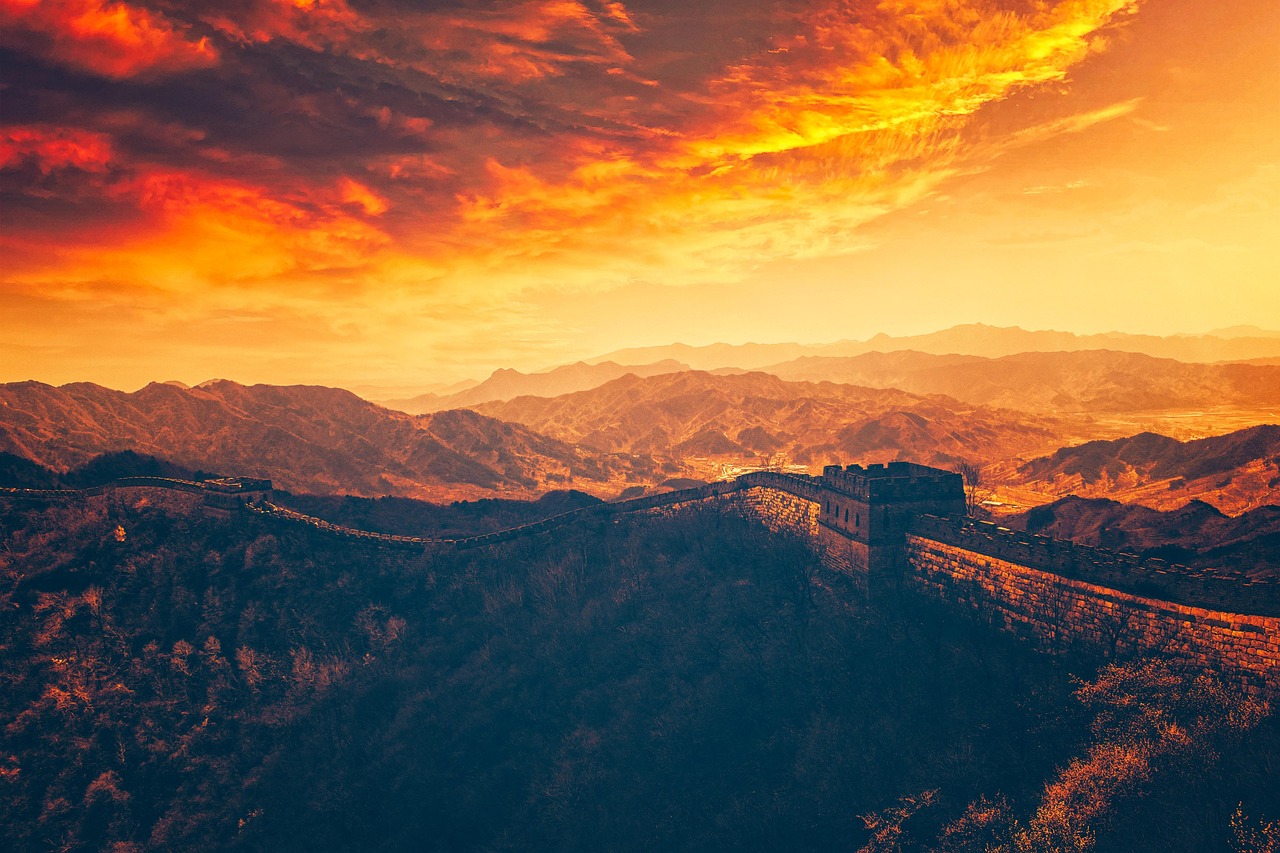
Where to visit the Great Wall near Beijing and what each section feels like
If you’re deciding where to visit the Great Wall near Beijing, the best choice is the one that matches your time, comfort, and crowd tolerance—so you can see the Great Wall without feeling rushed. The keyword set you’ll hear most often—visit the Great Wall near Beijing Badaling Mutianyu Jinshanling Simatai Gubeikou Jiankou—really is the core menu, with each section of the wall offering a different emotional texture.
Think of your day as something you get to design. Some travellers want a restored section with smooth logistics and reassurance; others want an earned ascent on an unrestored ridgeline where silence does the storytelling.
See the Great Wall by matching the section of the Great Wall to your travel style
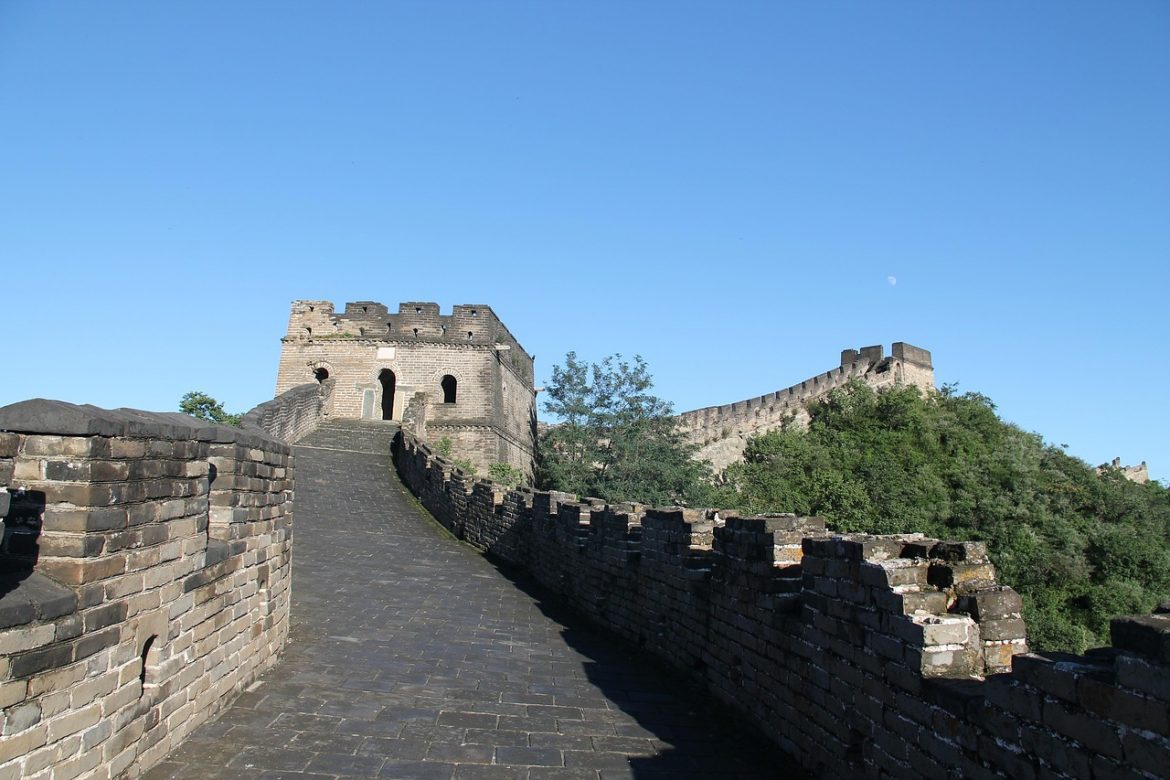
Badaling is famous for a reason: it’s well-preserved, confidently restored, and delivers panoramic views that feel instantly cinematic. Arrive early—truly early—and the experience changes; the stone feels calmer, and Beijing feels pleasantly far away despite the easy access.
Mutianyu is beautifully restored with greener, forested scenery that many high-end travellers find more soothing. There’s a cable car for a seamless start, and the toboggan ride back down adds a burst of childlike joy that somehow fits perfectly with the grandeur.
Jinshanling and Simatai lean into spectacle: longer walks, dramatic angles, and spectacular views that reward photographers and day-hikers alike. Many guests link two sections in spirit—lingering on one ridgeline, then continuing into a slightly different rhythm—without treating it as a hardcore hike.
Gubeikou and Jiankou feel farther from Beijing, even though the drive time is manageable. These routes can be steeper and more raw; parts are unrestored, and you’ll want sure footing, steady nerves, and ideally local support. Adventure seekers often describe the thrill of reaching quieter towers—like being let into a private chapter of ancient China.
Design your day near Beijing with a quick chooser
| Section | Time needed | Difficulty | Crowd level | Best for |
|---|---|---|---|---|
| Badaling | 4–6 hours | Easy–Moderate | High | First-time confidence, convenience, classic viewpoints |
| Mutianyu | 5–7 hours | Easy–Moderate | Medium | Culture with comfort, families, cable car and toboggan |
| Jinshanling | 8–10 hours | Moderate | Low–Medium | Long scenic walks, photography, calmer atmosphere |
| Simatai | 7–10 hours | Moderate | Low–Medium | Iconic ridgelines, dramatic tower silhouettes |
| Gubeikou | 8–11 hours | Moderate–Hard | Low | History-forward atmosphere, quieter paths |
| Jiankou | 10–12 hours | Hard | Low | Experienced hikers seeking authenticity and raw terrain |
If you only have half a day, choose one part of the wall and give it your full attention. With a full day, you can create a more spacious experience that includes a village lunch and a slower return to Beijing.
Jiankou Great Wall hike with unrestored watchtowers and expert safety guide support
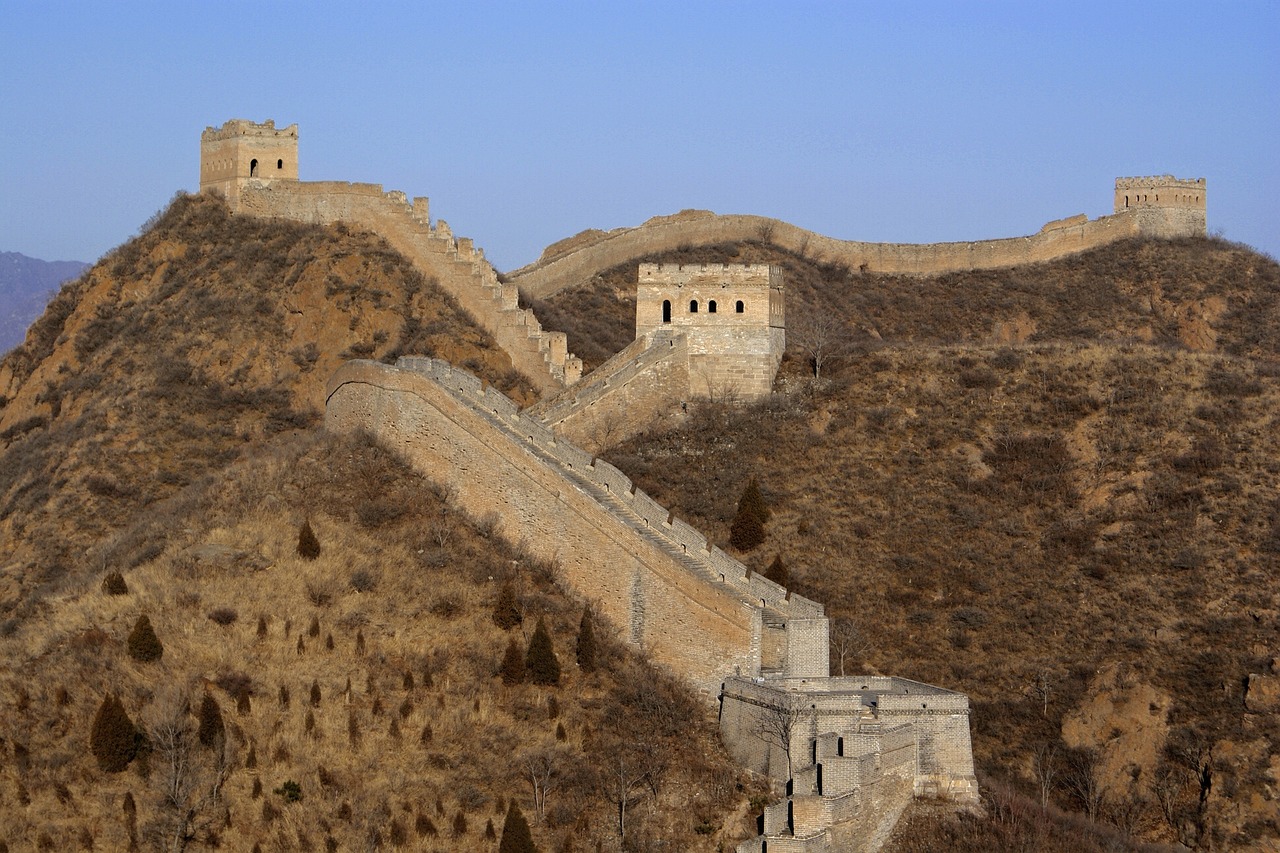
Jiankou on foot, the adventure seekers’ route with expert safety support
The phrase you’ll hear attached to this route—Jiankou Great Wall hike unrestored watchtowers safety guide China—is accurate, and it’s worth taking seriously. Jiankou can be steep, rugged, and sometimes described as impassable in parts, which is exactly why certain adventure seekers love it: raw stone, dramatic ridgelines, and long, quiet minutes where you feel the Wall as a man-made line drawn across mountains rather than a tidy monument.
This is the section of the Great Wall where bravado isn’t helpful. Confidence here is calm: knowing when to pause, when to turn back, and when to choose a different section of the wall entirely.
Visit the Great Wall on a Jiankou to Mutianyu route that feels earned
A classic concept is a Jiankou-to-Mutianyu day: you begin on the unrestored side, where the path is uneven, and the steps can feel more like rock than architecture, then gradually emerge onto a restored section with clearer stairways. The psychological shift is striking—your body relaxes, the views open, and suddenly you understand why Mutianyu is beloved for combining culture with comfort.
If you prefer more control, an out-and-back from a safer access point can still deliver that “untouched tower” feeling. Either way, design your route around daylight and pacing rather than distance; in the mountains, a short kilometre can take longer than you expect.
Safety and care checklist for unrestored terrain in changing weather
Weather conditions can quickly transform the Wall. Fog can erase landmarks, rain can turn stone into glass, and high winds can make exposed ridges feel confrontational—especially during winter months when daylight is shorter, and surfaces can ice over.
- Footwear and grip: sturdy shoes with traction; consider gloves for scrambles.
- Carry essentials: water, snacks, sun protection, and layers for shifting temperatures.
- Make wise calls: if visibility drops or wind rises, slow down, regroup, and be willing to turn back.
Local support matters. Choose reputable guiding services and ask about group size, pacing, and an emergency plan; an expert guide doesn’t just keep you safe, they add insight through place-names and stories you’d never find on a signboard.
One hiker told me the most powerful moment wasn’t the hardest climb—it was standing in awe atop untouched watchtowers, then sharing a quiet laugh with the guide who pointed out faint horse tracks on an old approach path. That’s the kind of trust that turns a demanding day into something deeply personal.
Great Wall of China from Beijing: best visiting times, tips, costs, and sunrise experiences.
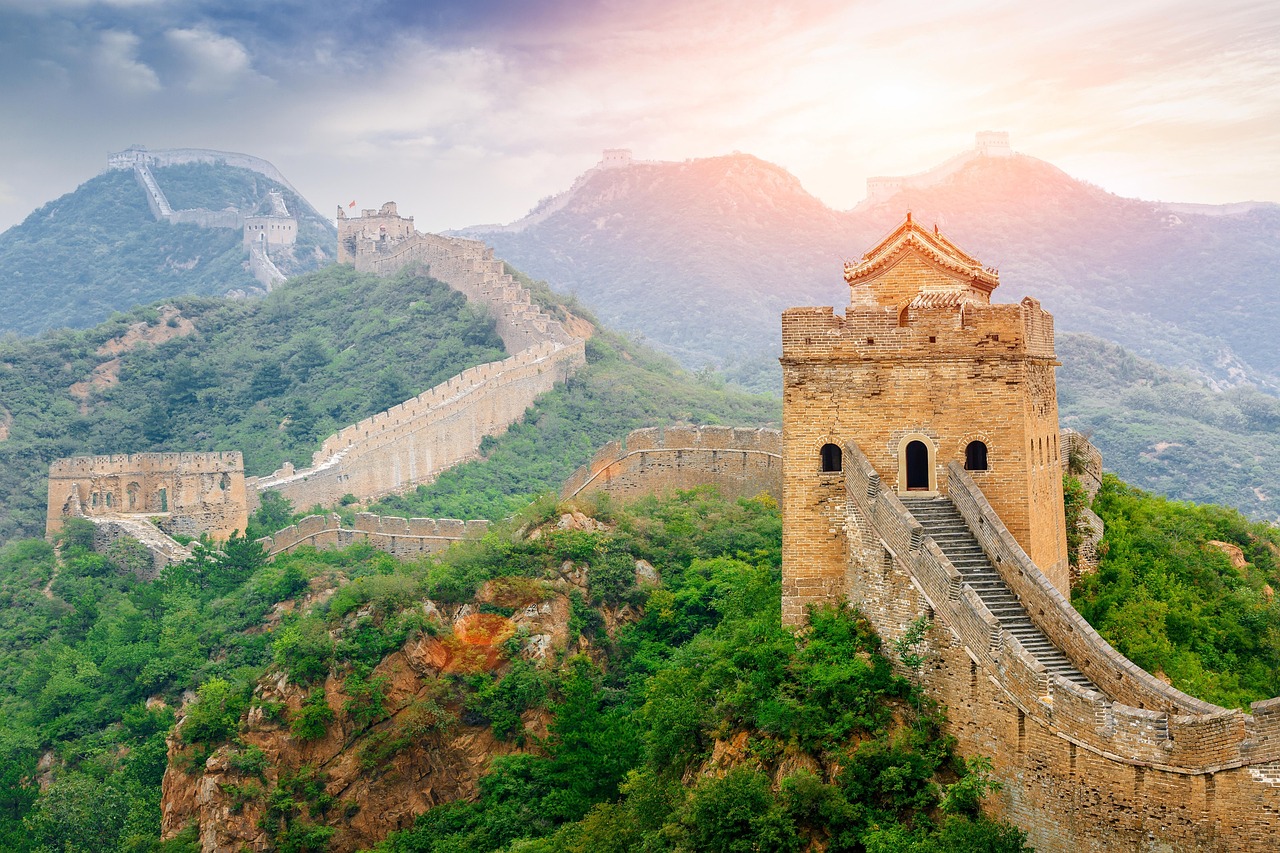
A crafted Great Wall itinerary from Beijing, plus cultural costs and sunrise magic
If you’re planning a Great Wall of China itinerary from Beijing, the biggest luxury is a seamless start: reliable transport, an unhurried schedule, and a clear plan for tickets and timing. This is where “best time to visit tickets sunrise sunset Badaling Mutianyu” stops being a search term and becomes a crafted day that protects your energy for the climbs and the views.
From Beijing, you can use public transport for popular routes, but many travellers prefer reputable tours or private transfers for calm logistics and on-the-ground support. A typical high-comfort departure is just after dawn, so you arrive before the busiest wave and can explore with space around you.
Best time to visit and how sunrise changes the whole experience
The best time to visit is spring (April–May) or autumn (September–October), when the air is mild, and the light is kind. Sunrise and sunset visits can feel unusually intimate—fewer tourists, softer shadows on the stone, and a sense that the Wall is briefly yours to uncover.
One traveller described watching dawn break over the ridgeline as “the moment the Wall stopped being famous and became human”. That serenity is real, and it’s worth designing your morning around it.
Costs and logistics with a confident, simple budget picture
Entry fees vary by site and season: Badaling is around 40 CNY, while Mutianyu is around 60 CNY; extras like the cable car are additional. Bring a little cash and be ready for QR payments, and check official websites for real-time updates—especially after storms or during peak holiday weeks.
- Arrive early: it’s the easiest way to protect your experience at popular sections.
- Pack smart: water, snacks, suncream, and a light layer even in warmer months.
- Respect the site: maintain cleanliness, avoid graffiti, and be considerate at viewpoints.
Three one-day options from Beijing, you can tailor
Option 1: Mutianyu morning, then a leisurely lunch and a toboggan run in the afternoon—culture and play, together.
Option 2: Badaling early, then return to Beijing for an evening cultural show when your legs are pleasantly tired.
Option 3: Jinshanling or Simatai for a longer scenic walk, with more time for photos and fewer interruptions.
Whatever you choose, plan rest breaks for steep climbs and allow time to simply sit and look. If you’d like inspiration for a wider journey, you can explore our Trip gallery and imagine pairing the Wall with other icons, from Beijing’s palaces to Xi’an’s terracotta legacy.
Culture beyond the stones in villages and seasonal heritage events
Some of the richest moments happen off the battlements. Look for local villages for simple lunches, seasonal festivals, and heritage events that celebrate engineering, music, and regional crafts near the Wall. Road trip enthusiasts often recall the joy of stumbling into quiet rural lanes where grandparents sit outside sorting vegetables—an everyday scene that makes the monumental feel grounded.
And if your curiosity stretches further, keep two far-flung anchors in mind for a future chapter: Shanhaiguan, where the Wall meets the Bohai Sea, and Jiayuguan in Gansu province near the Gobi Desert. They hint at the Wall’s scale across provinces and autonomous regions, and they leave you with a sense that there is always more to explore.
F.A.Qs: The Great Wall of China
How long is China’s Great Wall, and why was it built?
China’s official surveys put the total length at over 21,000 km, spanning mountains, deserts, and multiple provinces. The Wall of China was built in phases to strengthen frontier defence, control key passes, and support signalling and supply routes. Different dynasties expanded and rebuilt it as borders shifted and security needs changed.
What was the main purpose of building the Great Wall of China?
The main purpose was defence: to deter raids, manage movement across the frontier, and protect settlements and strategic routes. It also helped organise garrisons, communication, and border controls, especially in regions under pressure from northern groups. Over time, it became a symbol of state power and engineering ambition.
What are 5 facts about the Great Wall of China?
It’s a network, not one continuous wall; much of what you see near Beijing dates to the Ming era; it includes watchtowers, beacon systems, and major passes; it crosses varied landscapes from sea to desert; and it isn’t reliably visible from the moon. Its story is as much about daily life and logistics as it is about battles.
Why did China put up the Great Wall?
China built the Wall to strengthen frontier security and manage the realities of a vast northern boundary. Rulers used it to protect key agricultural zones, oversee trade routes, and build a framework for communication and military support. It evolved over centuries as dynasties responded to changing threats and political dynamics.
What stayed with me after the Great Wall of China reflection and personal travel experience in China
Long after I left Beijing behind, what returned most clearly was not a checklist of towers, but the feeling of dawn settling on stone. The hills held the light quietly, and for a moment, the Great Wall of China felt less like an attraction and more like a place where ordinary lives once took turns keeping watch.
I think about how gentle confidence changes everything. Trusting your own pace—pausing when your breath asks for it, accepting a hand from a guide, sharing water with someone who looks a touch unsteady on steep steps—becomes its own kind of cultural understanding. The real souvenir is often a small act of care, offered without ceremony.
The contrasts remain with you, too: restored steps that welcome you in, and unrestored edges that ask you to pay attention. Busy viewpoints can feel like theatre, while solitary towers feel like prayer, and both can be true parts of the same story.
When I picture the last glance back, I don’t see a monument so much as a line of watchtowers dissolving into distance. It leaves a quiet thought that creativity and endurance can be crafted together across centuries—and it makes you wonder what other man-made dreams are waiting, just beyond the next ridge.