Post Contents
- Designing your Beijing itinerary: luxury days in Beijing with breathing space
- Forbidden City, Tiananmen Square and Jingshan Park: a guided tour with the best view
- Great Wall of China day trip from Beijing: Mutianyu section, cable car and mountain views
- Hutong rickshaw tour: old Beijing hutongs, drum and bell towers, and courtyard life
- Beijing temple visits: Lama Temple, Temple of Heaven and Summer Palace gardens
- Beijing food guide: Peking duck, a visit to Wangfujing, and hot pot for fun things
- Stay in Beijing: luxury hotels in Dongcheng and Chaoyang, plus transport tips
- F.A.Qs: Beijing planning essentials for first-timers
- Beijing reflections after a trip to Beijing: what this city leaves with you
Designing your Beijing itinerary: luxury days in Beijing with breathing space
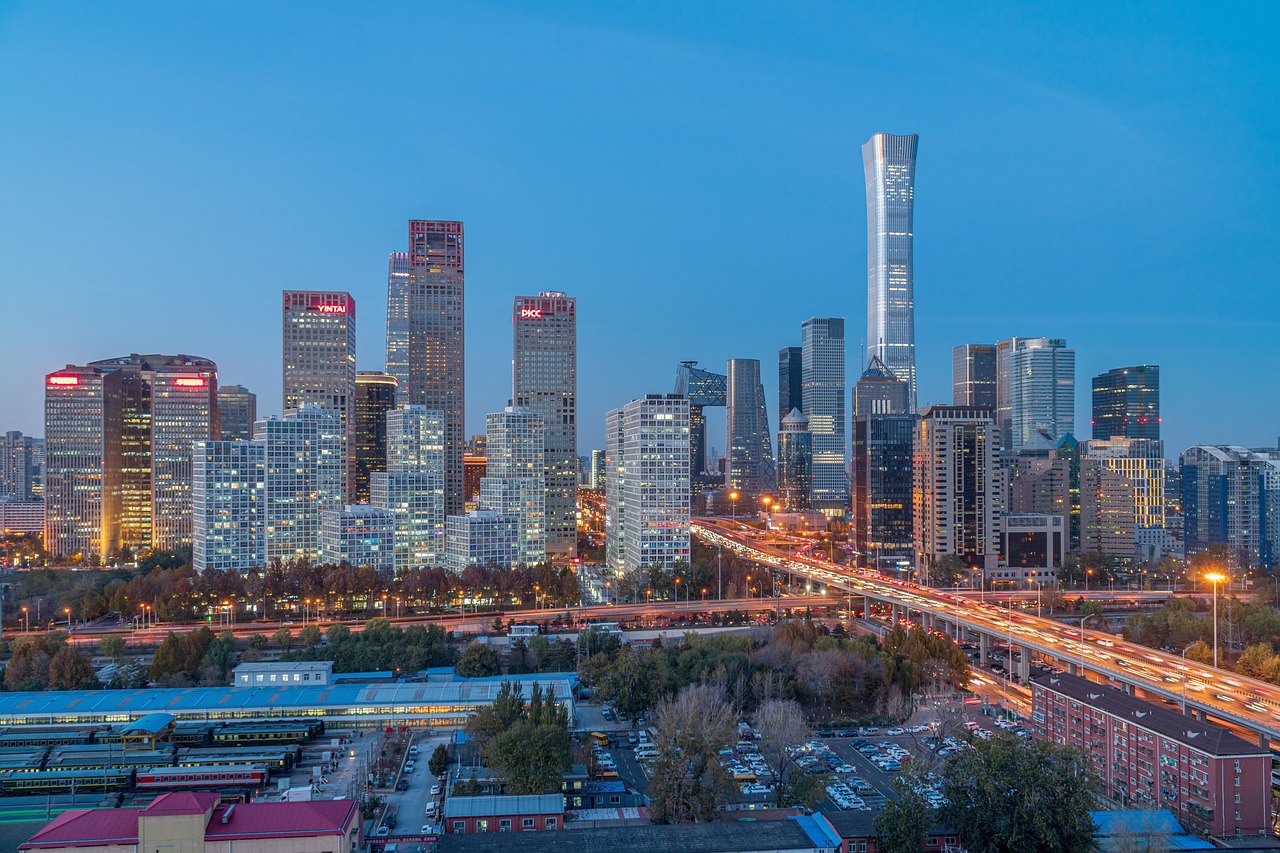
Designing your Beijing itinerary and days in Beijing with heritage lanes and skyline views
If you’re planning a trip and searching for China attractions in Beijing, the best luxury itineraries are built for depth, not speed. The most rewarding things to do in Beijing often happen between the obvious highlights: an extra courtyard in a historic lane, a longer pause inside a temple, or an unhurried lunch that resets the whole afternoon. The goal isn’t to do everything; it’s to experience Beijing with calm confidence, especially at the city’s most meaningful tourist attractions and landmark sites.
Below are two pace options we often design together, depending on how you like to travel, whether you’re joining a group for part of the journey, and how much breathing space you want between major stops.
Two pace options for days in Beijing that feel curated and unhurried
- 3 nights: Focus on top things—the Forbidden City and Tiananmen Square, one temple pairing, and a day trip to Mutianyu.
- 4 nights: Add a hutong rickshaw afternoon and a slower Summer Palace stroll, with time for a refined dining evening.
- 5 nights: For travellers who want deeper insight—extra museum time, a second temple visit, and gentler starts after big walking days.
For first-time visitors to Beijing, it helps to understand the city’s natural “logic”. Central Beijing is anchored by the imperial axis: Tiananmen Square, the Forbidden City, and then the older lanes that fan out into hutongs. From there, most day trips (including the Great Wall) head into the city’s outskirts, where mountains and airier landscapes change the tone completely.
Where to stay in Beijing: Dongcheng vs Chaoyang and the centre of Beijing
Dongcheng is often the best base for heritage and walkability: you’re close to courtyards, classic streets, and many of Beijing’s defining monuments—often near the Forbidden City. Chaoyang suits travellers who prefer contemporary luxury—international dining, sleek hotel design, and a more modern rhythm—while still being an easy drive to the centre of Beijing and, importantly, to its transport arteries. Many high-end stays balance both by sleeping in one district and spending evenings in the other, so each part of the city feels intentional rather than accidental.
Timing shapes everything. The great time to visit Beijing is spring (April–May) and autumn (September–October), when the light feels kinder, and temperatures are easier for long walks. If you can, avoid peak holidays such as the Chinese New Year; crowds surge, and the number of visitors can change the atmosphere at even the most majestic places.
A private guide or discreet concierge is not about fanfare. It’s about support: someone to manage tickets, create calm transitions, and uncover details you’d otherwise walk past—symbolism, stories, and small human moments. Think of it as trusted care that helps you visit Beijing with ease, even when the city is busy.


Forbidden City, Tiananmen Square and Jingshan Park: a guided tour with the best view
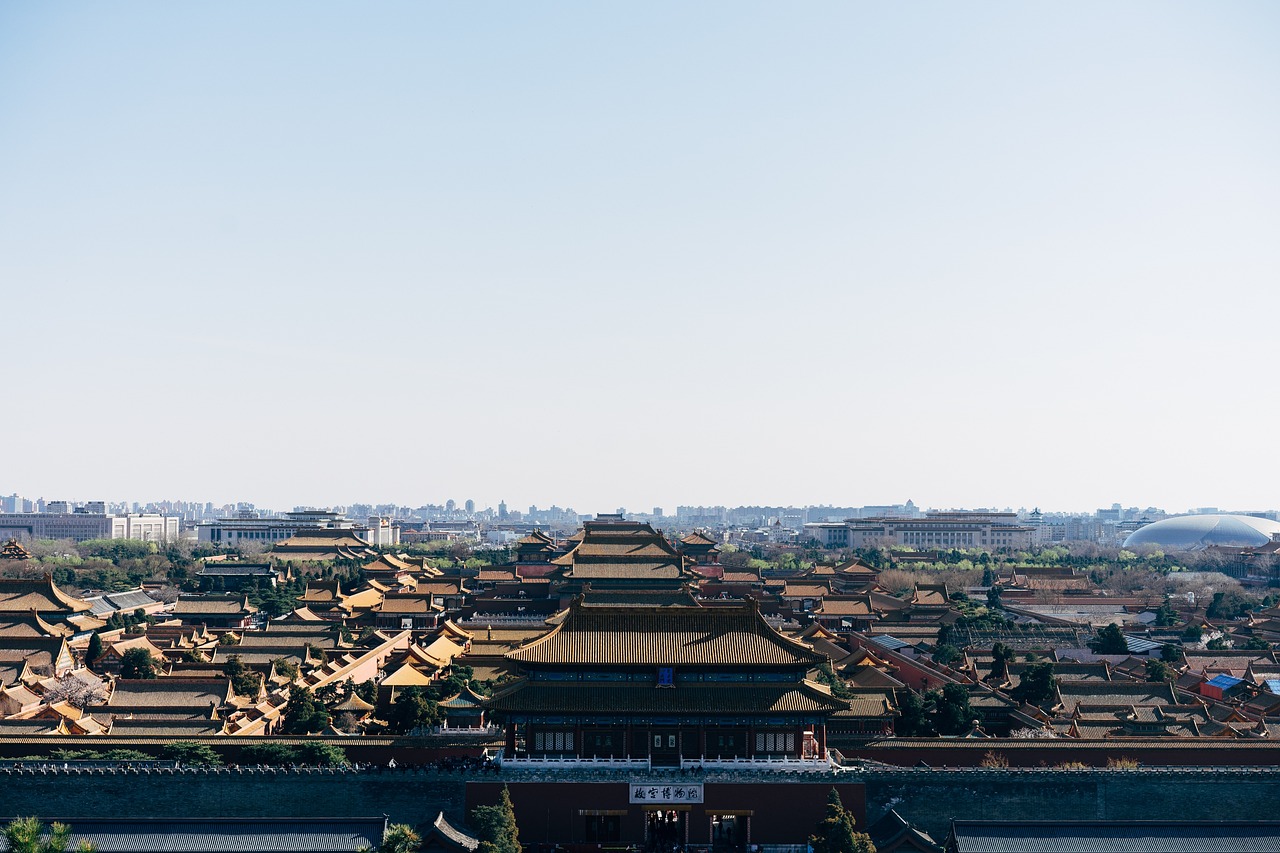
The Forbidden City and Tiananmen Square with a view from Jingshan Park
For many travellers, the heart of things to do in Beijing is a morning that begins at Tiananmen Square, flows through the Forbidden City, and ends at Jingshan Park. This route offers narrative and beauty: a ceremonial entry, an imperial world at full scale, and a final perspective that helps you understand what you’ve just walked through. It’s a classic Beijing day, but with the right timing, it can still feel personal rather than processed.
Tiananmen Square → Forbidden City → Jingshan Park: a calm route through central Beijing
Start early at Tiananmen Square, when the open space feels more architectural than crowded. From there, entering the Forbidden City soon after opening means you’re moving through the first courtyards before the day’s momentum builds. When you finish, climb Jingshan Park for a single, clarifying view of the Forbidden City and a wider view of the city—an elevated panorama that turns a vast complex into a coherent story.
Inside the Forbidden City, an expert-guided tour changes what you notice. You begin to read courtyards and ceremonial halls as a language: symmetry, thresholds, the colour palette, and the way ancient design communicates status and order. It’s also the largest palace complex most travellers will ever see, and it’s often described as the one that defined an era rather than merely housed it.
Qing Dynasty insight and a quieter tour of the Forbidden City after the crowds
One luxury traveller told us their private evening tour of the Forbidden City felt almost unreal. As the corridors quietened, their guide shared untold Qing Dynasty narratives—emperor routines, hidden protocols, and the emotional stakes behind public ceremony. Instead of simply “seeing” the palace, they felt connected to the people who once moved through it, which is exactly what a well-paced visit to the Forbidden City can offer.
To make your visit to the Forbidden City seamless, plan transport and tickets carefully. To get to from Beijing’s Metro Line 1, take Tiananmen East or Tiananmen West, then walk in with your documents ready; standard entry tickets are around 60 CNY, but booking ahead is recommended in peak seasons. If you want to visit Beijing with less friction, choose a pre-booked time slot, arrive early, and keep your entry plan simple.
Comfort details matter in Beijing. Build in shaded rest stops, carry water, and dress in layers—the weather can shift faster than you expect. Keep an eye on closing time so you’re not rushing through the final halls; leaving calmly is part of what makes the Forbidden City experience feel crafted rather than crowded.
Great Wall of China day trip from Beijing: Mutianyu section, cable car and mountain views
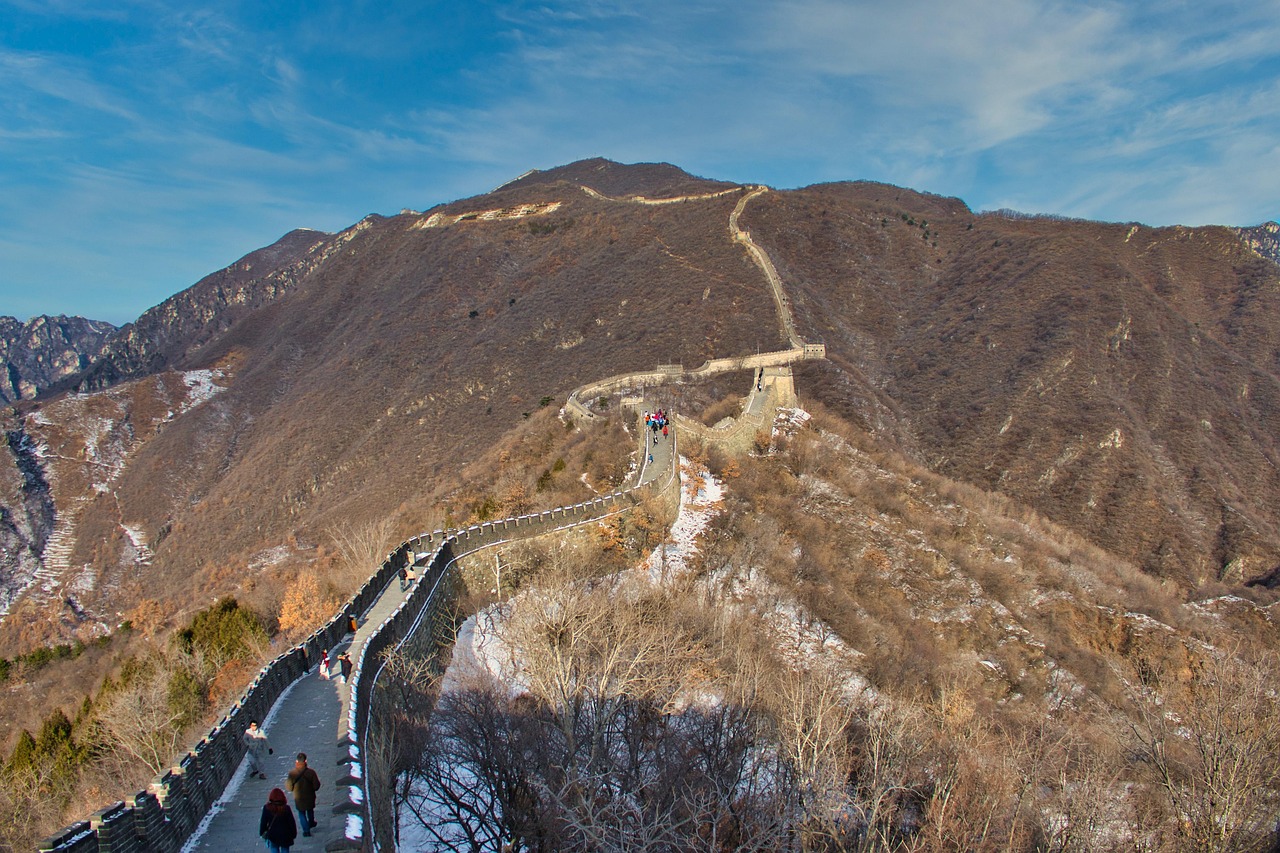
Great Wall of China day trip to the Mutianyu section from Beijing
Among the most enduring things to do in Beijing, a Great Wall of China day trip is a Beijing must-do that genuinely lives up to the imagination. For high-end travellers who value space and scenery, the Mutianyu Great Wall day trip from Beijing is often preferred: the Mutianyu section of the Great Wall is beautifully restored, set against a backdrop of mountains, and typically feels calmer than more central choices. It’s where Beijing’s imperial story meets its wilder edge, just beyond the city.
Mutianyu day trip logistics: private car vs shuttle bus (and what to expect)
Mutianyu is reachable by private car or a shuttle bus from central Beijing, and the difference is mostly about ease and timing. A private driver creates a seamless rhythm—hotel pickup, a quiet coffee stop if you like, and flexible return timing—while the shuttle can be excellent if you enjoy structure, fixed schedules, and the simplicity of joining a group. Admission and a round-trip cable car ticket often cost around 200 CNY, depending on options and season.
Expect a half-day to full-day outing, depending on how long you want to linger and whether you include a longer hike. It’s worth starting earlier for cleaner light and gentler temperatures, especially in warmer months. Comfortable shoes matter more here than almost anywhere else in Beijing; the steps can be uneven and surprisingly steep.
Choosing a section of the Great Wall to stroll, pause and breathe
Once you arrive, choose a section of the Great Wall that matches your energy. Some stretches invite a slow stroll with frequent photo pauses; others reward you with dramatic watchtowers and stronger climbs. The best experiences are paced: climb gently, pause often, and let the landscape do the work.
It helps to understand how sections of the wall differ. Badaling is famous and convenient, but it’s often busier, and that can dilute the sense of discovery. Mutianyu gives you more room to absorb scale and silence, especially if you avoid mid-day peaks and move a little beyond the first viewpoints for a calmer section of the Great Wall.
One visitor described their day at Mutianyu as exhilarating: a brisk hike followed by a cable-car ride that felt like floating above the treeline. Compared with Badaling, they loved the tranquillity—moments where they could hear wind and footsteps, and feel the Great Wall as a living thing made of stone. They returned to Beijing that evening with a quiet glow, as if they’d discovered a different side of the capital in the mountains.
Hutong rickshaw tour: old Beijing hutongs, drum and bell towers, and courtyard life
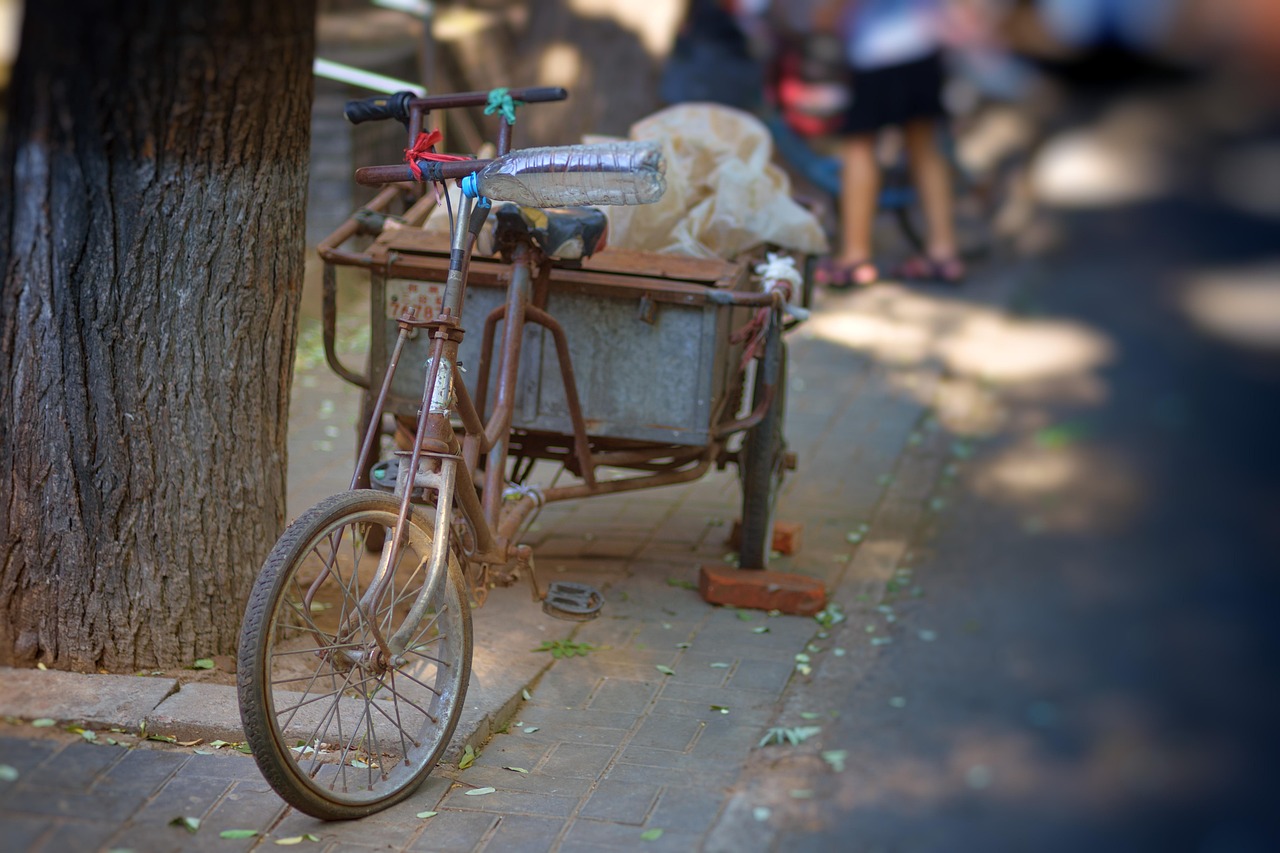
Hutong rickshaw tours and old Beijing courtyard life
After Beijing’s monumental spaces, a hutong rickshaw tour, which Beijing travellers love, offers something gentler: living heritage at a human scale. A hutong isn’t a museum corridor; it’s a neighbourhood where life continues in courtyards, doorways, and small shops. Exploring the hutongs with a local guide helps you uncover stories that sit beyond headline attractions, with care for the people who live there.
A thoughtfully crafted route often begins near the drum and bell towers, then threads through lanes where traditional craft still exists in small workshops. You might pause to meet artisans, watch a technique being practised, and understand how old Beijing remains present in everyday work. Including the bell and drum towers adds a sense of orientation—these were once the timekeepers of Beijing, and they still anchor the area emotionally.
Because hutongs are intimate, the quality of the guide matters. The best hosts don’t perform; they translate gently—explaining a doorway detail, a shared water point, or the history of a courtyard layout—so you can see this part of the city with more insight and confidence.
Hutong etiquette: how to visit respectfully and protect community life
- Ask permission before photographing residents, especially around homes and courtyards.
- Keep voices low, and remember these lanes carry sound easily.
- Choose local guides whenever possible to support the community.
A cultural enthusiast once shared the moment that stayed with them most: during their rickshaw ride, a local family invited them in for tea. Sitting in a courtyard, they talked through gestures and smiles, and the traveller felt a rare sense of welcome amid the pace of modern Beijing. It was a reminder that Beijing’s grand story is also made of small, human generosity.
For the best light and a calmer feel, aim for late afternoon on a weekday. Weekends can bring congestion, and the lanes lose some of their softness. If you tip, do it quietly and respectfully—enough to show care, not so much that it becomes transactional.
Beijing temple visits: Lama Temple, Temple of Heaven and Summer Palace gardens
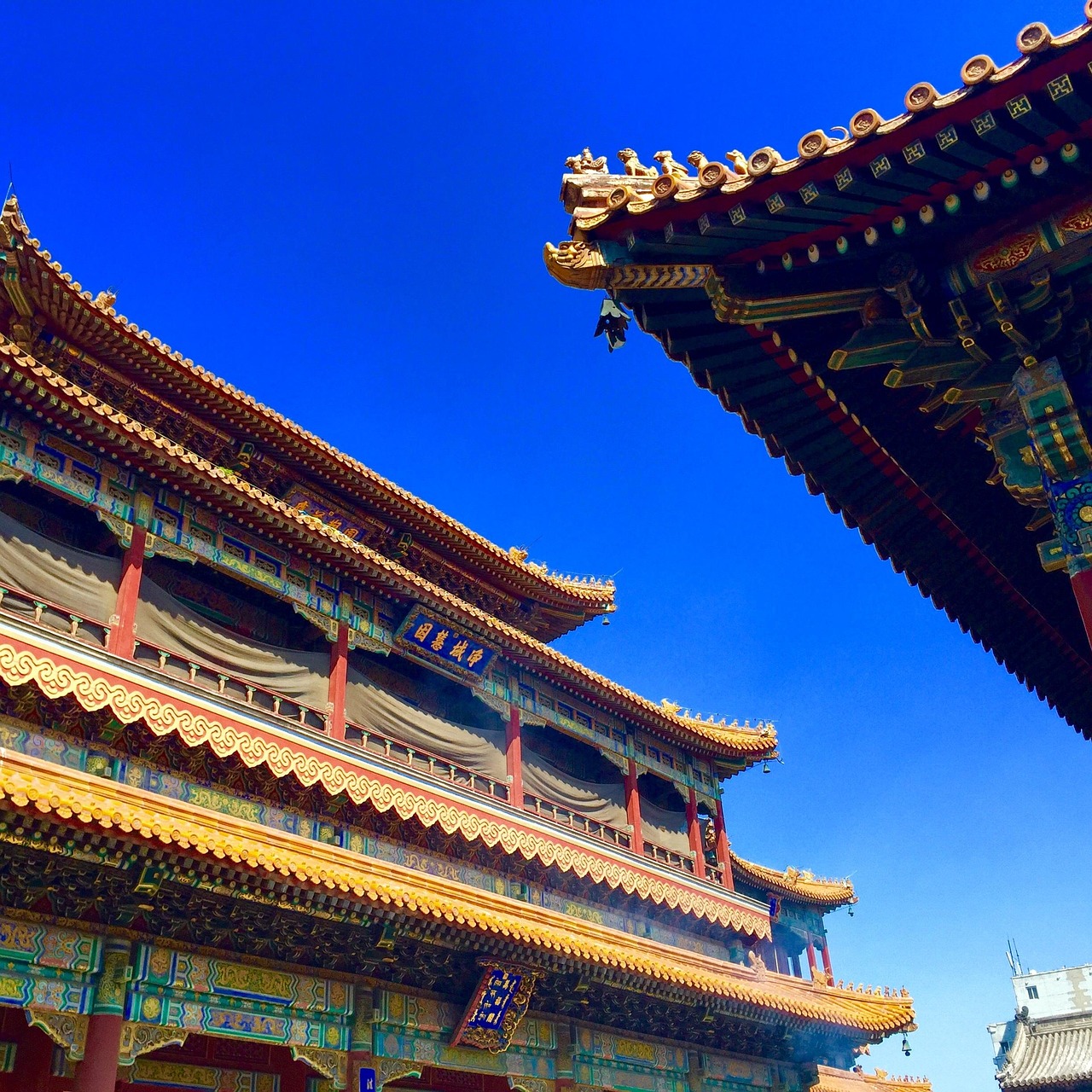
Temples and tranquil gardens for spiritual insight in Beijing
For travellers balancing big-ticket things to do in Beijing with quieter, more meaningful experiences, a day of temple visits in Beijing can feel like exhaling. A temple morning isn’t about ticking boxes; it’s about atmosphere, artistry, and the kind of insight that comes when you move slowly. Beijing is also a city where spiritual spaces exist amid busy streets, and that contrast can be surprisingly moving.
Temple of Heaven early: architecture, ritual and space before the city rushes
The Temple of Heaven is at its best early, when the grounds feel contemplative, and the geometry becomes more visible. Look for how ritual spaces are set apart by gates and circular forms, and notice how materials and proportions guide attention upwards. Even if you’re not religious, this temple visit can feel like stepping into a different tempo—one that encourages quiet observation.
If you can, build in time to sit rather than constantly walk. It’s a simple form of care, and it changes how you remember Beijing: not just as scale, but as stillness.
Lama Temple is one of Beijing’s most resonant Buddhist temples
Lama Temple is one of the most resonant places in the city, and for many visitors to Beijing, it’s their first close encounter with living Buddhist practice. Lama Temple is one of the key spiritual sites in the capital, and while its broader traditions extend beyond Beijing, it’s helpful to understand that some context lies outside Tibet. When you enter prayer halls, move gently and follow the flow of worshippers rather than trying to “get the best photo”.
Incense etiquette matters here: if you choose to participate, do so respectfully and sparingly, and avoid waving smoke towards others. If you prefer simply to observe, that’s equally welcome; the most meaningful moments often come from quiet attention rather than action.
Later, shift from the temple to the garden at the Summer Palace. A slow stroll along lakeside paths and pavilions suits travellers who value space and beauty, especially late in the afternoon when the light softens. If you want deeper historical context between landmark visits, the Museum of China can be an optional pairing on another day—best approached when you have the energy to linger and read.
Beijing food guide: Peking duck, a visit to Wangfujing, and hot pot for fun things
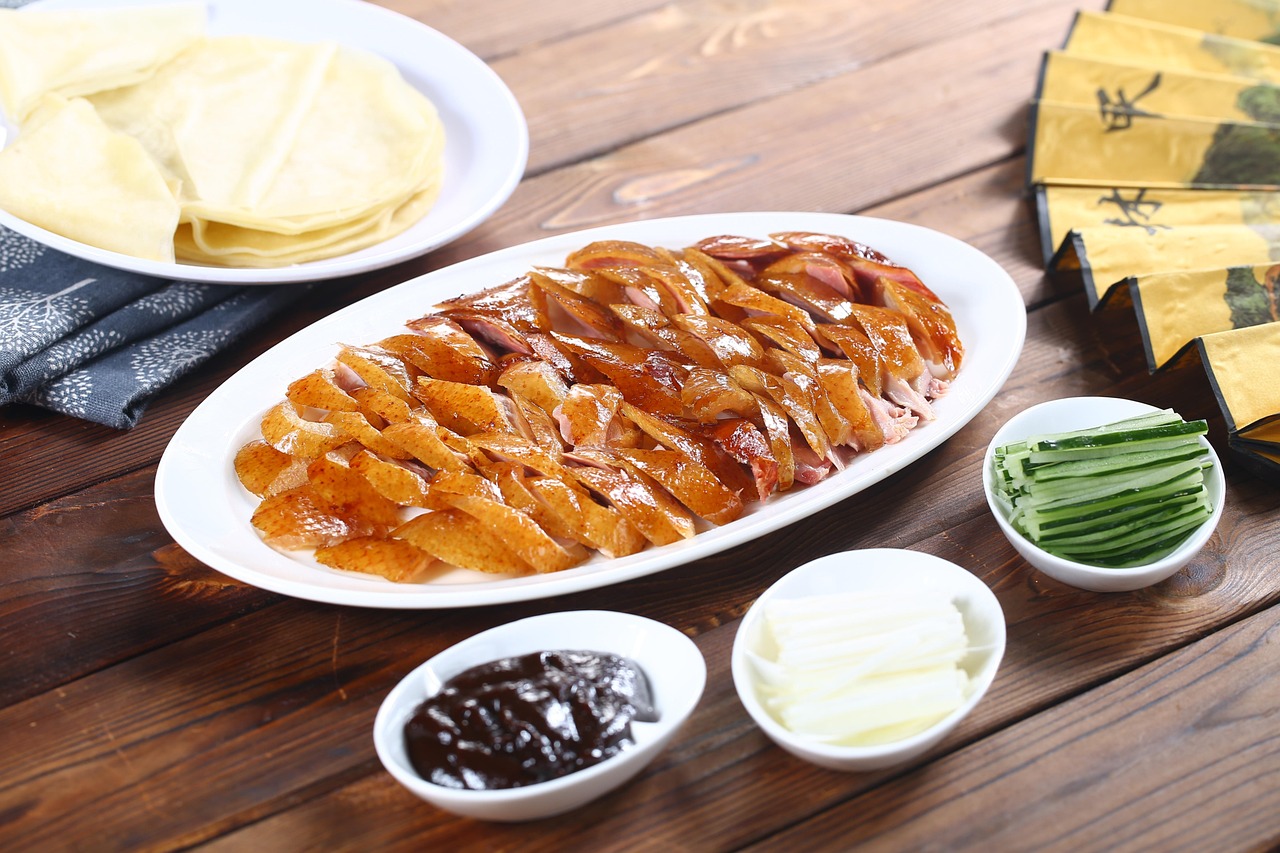
Beijing flavours and fun things from Peking duck to hot pot
A Beijing food guide is more than a list—done well, it’s part of how you experience Beijing with confidence after long sightseeing days. For high-end travellers, the secret is a curated approach: iconic dishes in trusted rooms, balanced with quieter local favourites so your evenings feel restorative. This is Beijing at its most convivial, and Beijing’s dining culture is often where the day’s impressions finally settle.
Peking duck in Beijing: a ritual, not a rush
Start with Peking duck, the dish that becomes a rite of passage in the capital. Book a reputable dining room, ask for the classic preparations, and let the pacing be unhurried—crispy skin first, then the rest in comforting follow-up dishes. For many travellers, duck in Beijing isn’t just a meal; it’s a small ceremony that mirrors the city’s love of tradition.
If you’re travelling with an expert concierge, ask them to design reservations that feel personal and unforced. The difference is subtle: quieter tables, the right timing, and service that feels attentive without being intrusive.
An easy evening: a short visit to Wangfujing, then a relaxed hot pot meal
For a quick sensory stop, consider a short visit to Wangfujing for snacks and people-watching—then leave before it turns into a crowded endurance test. Keep it light, pick one or two tastes, and treat it as a glimpse rather than a mission. A visit to Wangfujing works best when it’s brief and well-timed.
Later, choose one relaxed group meal that feels celebratory; for many, that’s hot pot shared at an easy pace, with gentle spice choices that suit everyone at the table. It’s one of those fun things that turns an evening into a memory, and it’s a warm way to end a day filled with palaces, parks, and temples. If you want a more typical Chinese comfort meal on another night, ask for handmade noodles or simple dumplings in a quieter neighbourhood setting.
Practicalities are simple but important in Beijing. Always carry cash for small vendors, keep hydrated, and don’t underestimate how much walking you’ll do between meals. Beijing without eating well can feel oddly incomplete, and a little planning ensures each day ends on a warm note.
Stay in Beijing: luxury hotels in Dongcheng and Chaoyang, plus transport tips
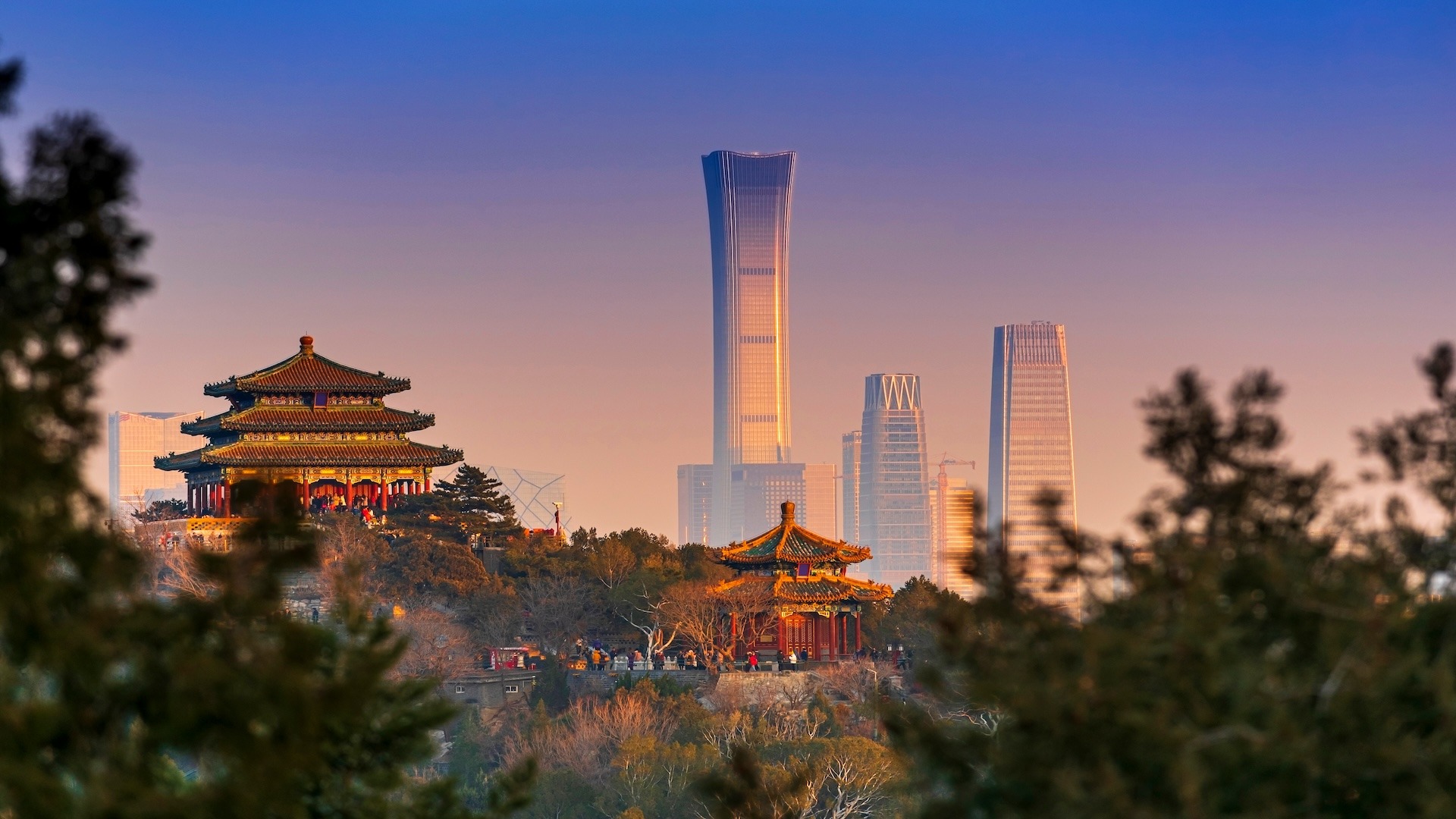
Where to stay in Beijing and move around with seamless ease.
Deciding where to stay in Beijing shapes your entire experience, and it’s one of the most valuable choices to get right early. If you’re searching stay in Beijing luxury hotels, begin by matching neighbourhood to travel style: Dongcheng offers heritage charm and walkability, while Chaoyang brings international polish and modern dining. Many travellers find the best fit is whichever reduces daily friction, because seamless movement creates more room for discovery.
Dongcheng vs Chaoyang: choosing the right base for Beijing attractions
Dongcheng is ideal if you want to stay near historic lanes and reach many sites quickly on foot or by short drives. It places you closer to the old heart of Beijing, and for some travellers, it makes the city feel more intimate, even when you’re visiting major sites like the Forbidden City and nearby temples. Chaoyang is a different pleasure: newer architecture, gallery pockets, and hotels that feel like calm sanctuaries after busy days—particularly if your schedule includes meetings, shopping, or evening dining.
Wherever you choose, plan each day with realistic travel time in mind. The centre of Beijing can be deceptively slow at peak hours, and even a short distance may take longer than expected.
Transport, ticketing and comfort: how to book a tour and keep a smooth rhythm
Beijing’s Metro is excellent for certain routes, especially Line 1 for access to the Forbidden City via Tiananmen East or West. For early starts, evening returns, or multi-stop days, private drivers add comfort and time savings—particularly when you’re moving between a temple, a neighbourhood lunch, and an afternoon museum. Beijing, without taking a private car at least once, can still work beautifully, but you’ll want to plan around traffic and energy levels.
- What to pack: comfortable shoes, light layers, a compact umbrella, and a day bag with water and a small snack.
- Ticket strategy: book a tour for high-demand sites, keep digital confirmations handy, and plan exits before crowds surge.
- Daily flow: start earlier for the Forbidden City and temple visits, then keep afternoons flexible for rest or a slower stroll.
Support is what makes the difference between a good trip to Beijing and one that feels truly crafted. A vetted expert team can help with language, respectful access, and restaurant bookings that suit your preferences. If you’d like to imagine your wider trip to China beyond the capital, you can browse our Trip gallery and start shaping what comes next with clarity and trust—whether you want to visit China for the first time or you’re returning to go to China again.
F.A.Qs: Beijing planning essentials for first-timers
What are two famous tourist attractions in Beijing to prioritise?
Two famous tourist attractions in Beijing are the Forbidden City and the Great Wall near Beijing, with Mutianyu being a favourite for scenery and breathing space. Together they offer a powerful contrast: imperial history in the heart of the city, and mountain landscapes just beyond it.
What are the 4 wonders of China often mentioned by travellers?
Many travellers refer to China’s “wonders” as iconic highlights such as the Great Wall, the Terracotta Army, the Forbidden City, and the classical landscapes found across the country. The exact list varies, but these places are often chosen for their scale, craft, and historical impact.
What’s best to buy in China, including Beijing souvenirs?
The best buys in China depend on your style: quality tea, silk, contemporary design pieces, and well-made stationery can be lovely. In Beijing, artisan items found in hutong workshops often feel more personal than mass-produced souvenirs—choose pieces you’ll genuinely use or display.
Is $ 1,000 enough for a week in China, including a stop in Beijing?
$1000 can be enough for a week in China with mid-range choices, especially if you plan transport and tickets carefully. For high-end travellers, it’s usually not sufficient to include luxury hotels, private drivers, guided visits, and refined dining, as comfort and flexibility quickly raise costs.
Beijing reflections after a trip to Beijing: what this city leaves with you
Beijing stays with you in textures rather than headlines. It’s the hush of a courtyard at dusk, the cool weight of stone under an archway, and the way a temple doorway frames silence in the middle of a busy street. Long after you’ve left, you may remember the gentle care of small encounters: a guide who told a story at exactly the right moment, a vendor who offered change with a smile, a stranger who made room on a narrow lane.
There’s a particular feeling to the city’s scale—the way great gates and vast squares reshape your sense of time—yet Beijing also offers stillness if you’re willing to pause. The modern skyline doesn’t erase old Beijing; it simply stands beside it, and somehow the two can coexist without needing to be explained away. You begin to understand that Beijing is not a puzzle to solve, but a place to return to in your thoughts.
Perhaps that is the most lasting gift of Beijing: it invites you to look again, to uncover meaning in detail, and to trust the slower moments as much as the grand ones. And when you imagine going back—if you want to visit Beijing again as part of a longer trip to China—you may find yourself wondering what the capital will reveal when you arrive with even deeper curiosity, and no need to hurry.