Is Cinque Terre Italy Worth It? Plan Your Trip with This Guide
Is Cinque Terre Italy worth it? A designed adventure with coastal village views
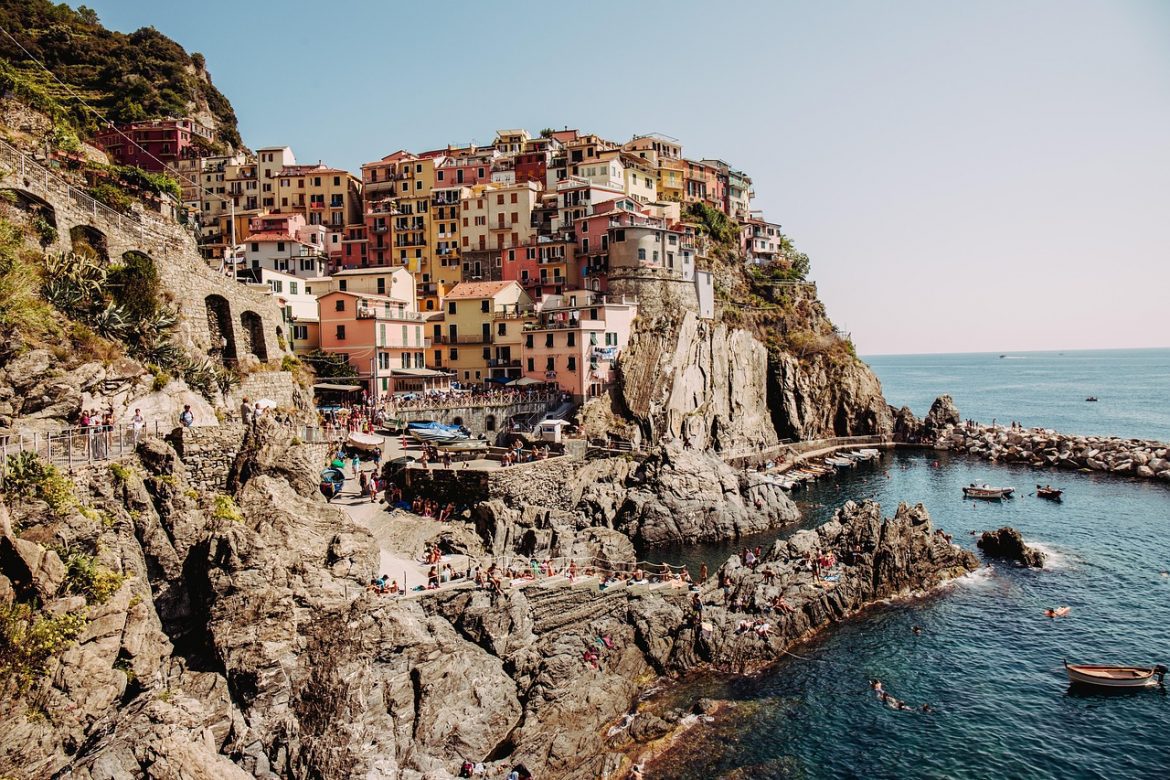
Let’s name the question directly: Is Cinque Terre worth it? For many high-end travellers who love culture and movement, it’s worth it—because Cinque Terre is one of those rare places where the sea, the stone, and the story sit together in a single glance. If you’ve heard of Cinque Terre, it’s usually because the five villages look as if they were stitched into a cliff above the water, linked by footpaths and a rhythm of boats and bells. This guide to cinque terre italy helps you plan an experience that feels intentional, not rushed, and still elegant and human.
That said, Cinque Terre has become intensely popular. Cinque Terre isn’t a secret, and it doesn’t pretend to be, which is why your best strategy is to design a rhythm: early starts for each hike, slower afternoons when the day-trip surge fades, and a sunset dip when the coastline quiets and you can breathe again. In other words, this isn’t about doing more—it’s about doing it better.
Cinque Terre is worth it when you travel with a slower rhythm (and avoid the middle of the day)
Cinque Terre is still deeply atmospheric if you treat it like a place, not a theme park. You’ll notice the fishing village roots in the boats pulled up on stone slips; you’ll feel the practical genius of dry-stacked walls holding slopes in place; and you’ll understand why this is a UNESCO World Heritage Site without feeling like you’re in a museum. It’s alive—laundry lines, basil scent, local greetings, and footsteps on steps polished by centuries, especially if you wander outside the busiest tourist corridors.
To keep things reassuringly smooth, build your day around “edges”: the first train of the morning, the last light before dinner, and the quiet pauses between. If you’re planning a special occasion, it’s worth choosing one beautiful room and one unhurried walk—those simple moments often become the highlight. For inspiration before you go, you can browse our Trip gallery and imagine what your own designer journey could look like as you experience Cinque Terre.
Heart of Cinque Terre culture: five villages of Cinque Terre, terraced vineyards, and Ligurian life
The heart of Cinque Terre is cultural: fishing villages perched along the Ligurian coast, with terraces cut into impossible slopes and a daily life shaped by sea conditions and vineyard seasons. Cinque Terre is an area where nature and tradition negotiate with each other, and Cinque Terre’s identity comes from working with the land rather than against it—something you can feel when you slow down and watch how locals move through their day.
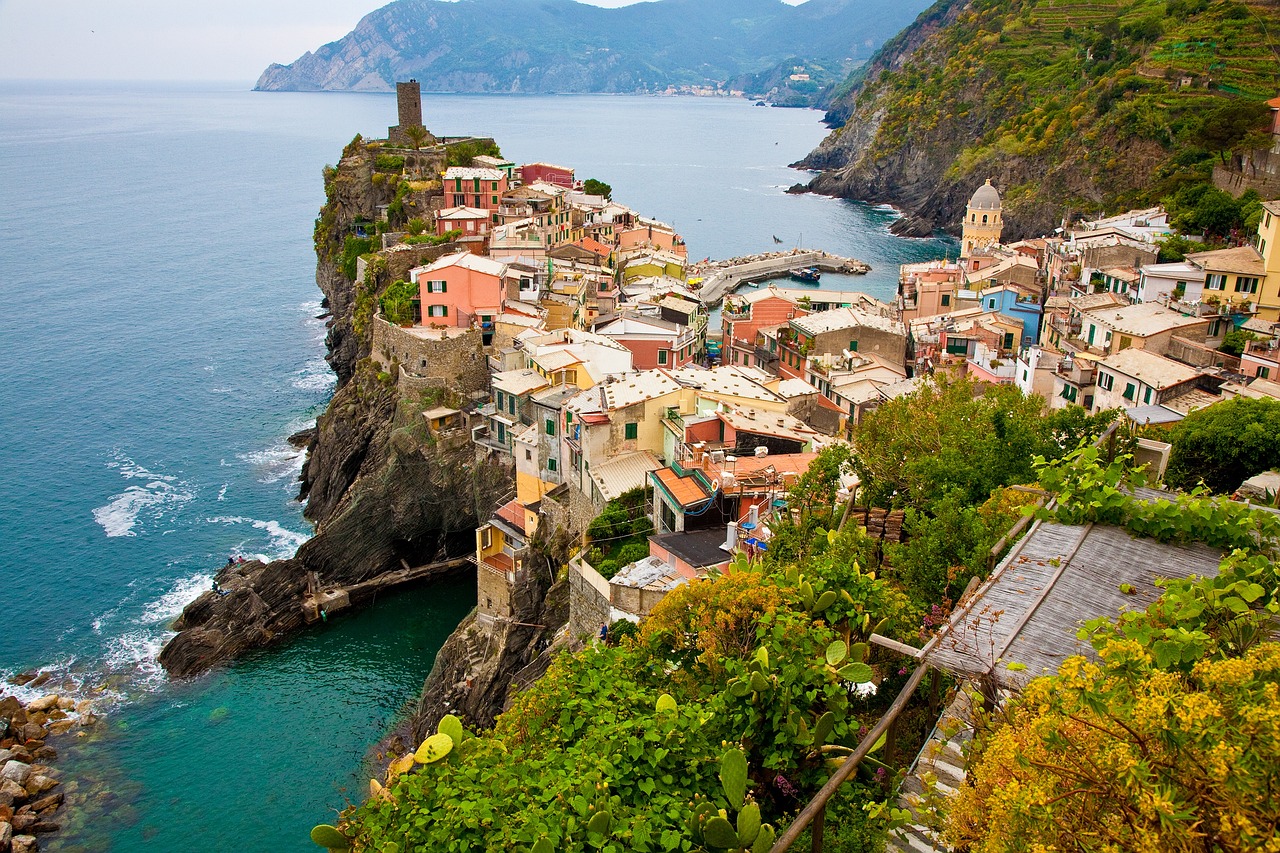
A traveller once described their first train ride into Vernazza: the tunnel opens, and suddenly there it is—the harbour framed like a stage, with colourful houses overlooking the sea. That first arrival doesn’t feel like “arriving at a tourist spot”; it feels like a small revelation, and it’s often the moment people start to understand the pull of these little towns.
High-level menu for a crafted adventure: hike sections of the Sentiero Azzurro, choose a beach afternoon, step into ancient churches, book tastings that uncover local methods, and take a boat out for a different perspective. The Cinque Terre villages reward a gentle plan—adventurous, but supported—where trust and comfort are part of the day, not an afterthought.




Go to Cinque Terre by Train: La Spezia, Genoa, Levanto—The Best Way to Get Around Cinque Terre
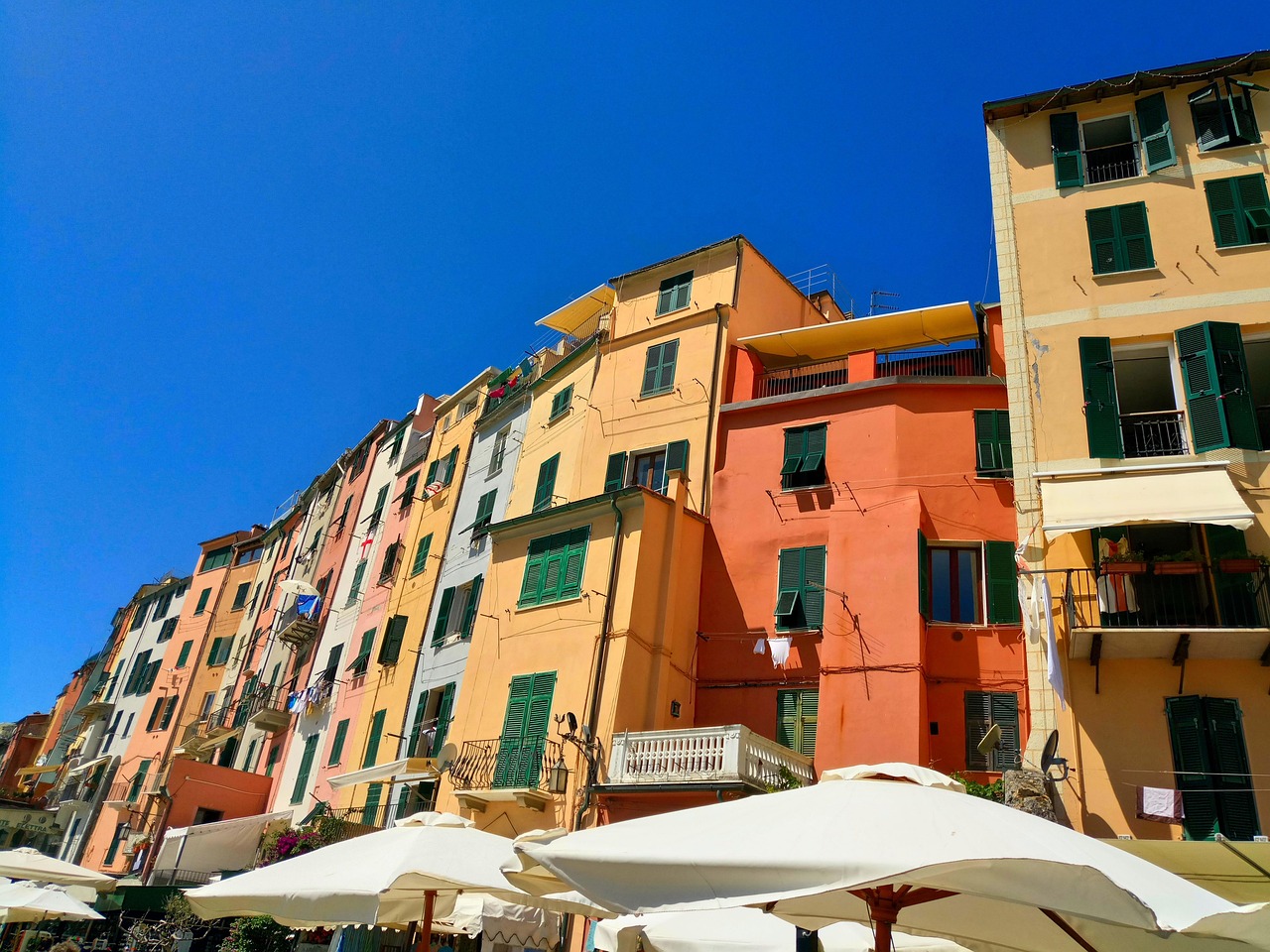
Go to Cinque Terre by train from La Spezia, Genoa, or Levanto on the Italian Riviera
The simplest way to go to Cinque Terre is to position yourself in La Spezia or Levanto, or come in via Genoa—all located in the Italian Riviera rail corridor. For most visitors, the smartest move is simple: take the train and save your energy for the paths, the sea, and the small cultural encounters that make the place sing. Driving is possible but rarely relaxing: tight roads, limited parking, and the constant feeling of being outside the experience.
Once you’re on the regional line, you can travel between the villages in minutes, with trains running throughout the day. The stations sit close to each centre, so your day becomes a gentle sequence: one village to the next, a swim or a hike, then back on the platform when you’re ready. It’s also the clearest way to get around Cinque efficiently, especially if you’re arriving on a trip to Cinque Terre with limited time.
Get around Cinque Terre with the Cinque Terre Card: trekking card, train card, and value
For most active travellers, the Cinque Terre card is the easiest “set it and forget it” tool for the day, especially during a day trip to Cinque Terre. Options vary by season, but you’ll typically see a trekking version and a combined trains-and-trails version; both are designed for travel in and around Cinque Terre with fewer small decisions.
- Cinque Terre trekking card: trail access inside the park, ideal if you’re walking more than you’re hopping by rail.
- Cinque Terre train card: designed for frequent hops plus trail entry, perfect when you want flexibility between a beach stop and a viewpoint.
- Look for official signage at stations and visitor points; staff are usually helpful if you ask with a friendly “buongiorno”.
If you see “Cinque Terre treno” on ticket machines or boards, that’s simply the language cue you’re in the right place for local rail information. Keep your ticket accessible, validate where required, and remember the railway is the backbone connecting all five villages.
Train station realities (including the Corniglia train station climb)
Plan for steps. From most train station exits, you’re a short walk from the heart of each village in Cinque Terre, but the surfaces can be uneven and busy with day-trip foot traffic. In Monterosso, you’ll find one of the easiest flows; in Vernazza and Riomaggiore, the lanes narrow quickly into that wonderful, lived-in maze.
The one exception you should mentally prepare for is the Corniglia train station. Corniglia sits on a headland, which means a climb (the famous stairs) or a shuttle or bus. It’s absolutely doable, and many travellers find that the effort becomes part of the charm—especially once you reach the calmer terrace viewpoints and feel slightly outside the Cinque Terre crowds, even though you’re still right in the region.
Where to base yourself: you can do a smooth day trip from La Spezia, or stay in Levanto for a calmer edge-of-the-action feel. But if you want sunrise lanes and late evenings after the last day-trippers leave, it’s worth considering that you can stay in Cinque Terre itself—just book well ahead in peak months. That’s not pressure, just care: the best rooms are few, and the villages are small by nature.
Sentiero Azzurro in Cinque Terre National Park: Coastal Hiking Trail Tips to Hike the Cinque Terre
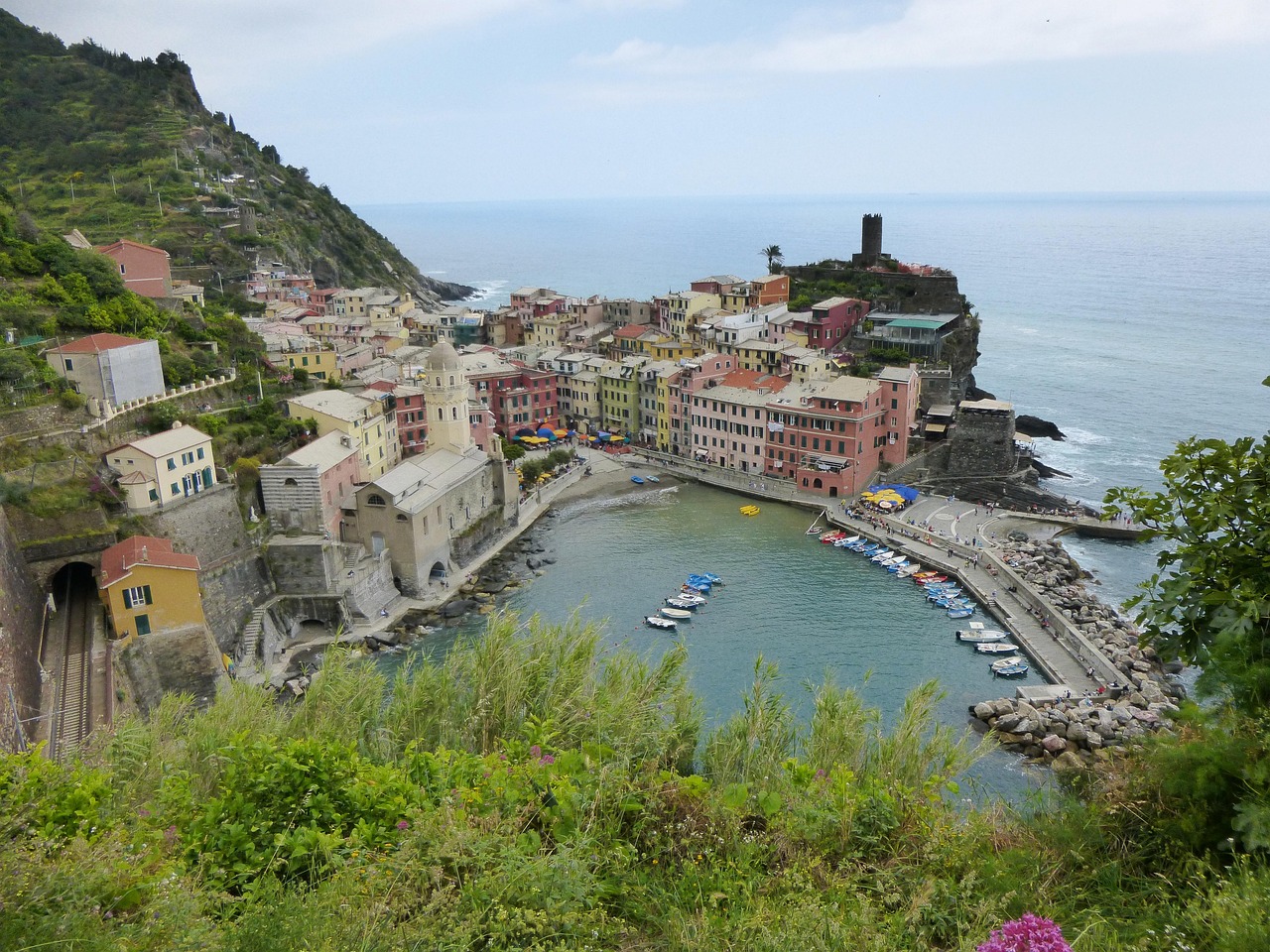
Sentiero Azzurro coastal hiking trail challenge and reward in Cinque Terre National Park
When people talk about the iconic route, they mean the Sentiero Azzurro coastal hiking trail in Cinque Terre National Park—an unforgettable way to hike the Cinque Terre with sea air in your lungs. “Coastal” here doesn’t mean a flat promenade; it means staircases cut into rock, exposed stretches near a cliff edge, and moments of shade where the path tucks behind terraces. Sturdy footwear isn’t optional if you want confidence on uneven stone.
Cinque terre is a landscape where trails connect the villages, but conditions change quickly. Sections can close after weather events or maintenance, so check locally the day you plan to hike. Throughout Cinque Terre, flexibility is part of travelling well: you don’t force the landscape; you move with it, together.
Visit Cinque Terre on the classic Vernazza to Monterosso hike (the signature views)
If you want one section that delivers both challenge and the “this is why I came” payoff, choose Vernazza to Monterosso. The climb out of Vernazza is steady and sometimes crowded, but then the views open: vines, stone walls, and the Ligurian Sea laid out like silk. Monterosso’s return feels triumphant—especially when you reward yourself with a swim, a shaded table, and a slower walk back through town.
For those watching trail status, the link between Manarola and Riomaggiore (the romantic connection many visitors hope to walk) may be open, closed, or managed depending on conditions. Ask locally, accept the answer with trust, and choose an alternate hiking trail if needed—there are other viewpoints that still give you that breathtaking scale of the coast.
Coastal hiking trail confidence: safety, timing, and what to pack
One adventure seeker told us they trained specifically for the Sentiero Azzurro: hill repeats at home, stair sessions, and long walks with a light daypack. They expected “a pretty stroll” and found a real workout—challenging climbs, then rewarding vistas over vineyard lines and sea. Their insight was simple: you don’t need to be extreme, just prepared. The best hike is the one you can enjoy without rushing.
For a supported day on the hiking trail, keep it practical. Start early to beat the heat and queues, carry water, and accept that the middle of the day feels busiest on popular segments. Pack an umbrella for sun shade or quick rain; it’s a small addition that can make you feel calm when the weather shifts. And please protect this fragile ecosystem: stay on marked paths, take your waste with you, and treat terraces and shrines as part of someone’s living culture, not a photo prop.
5 Towns of Cinque Terre: Monterosso, Corniglia, Vernazza—Things to Do in Cinque Terre Towns
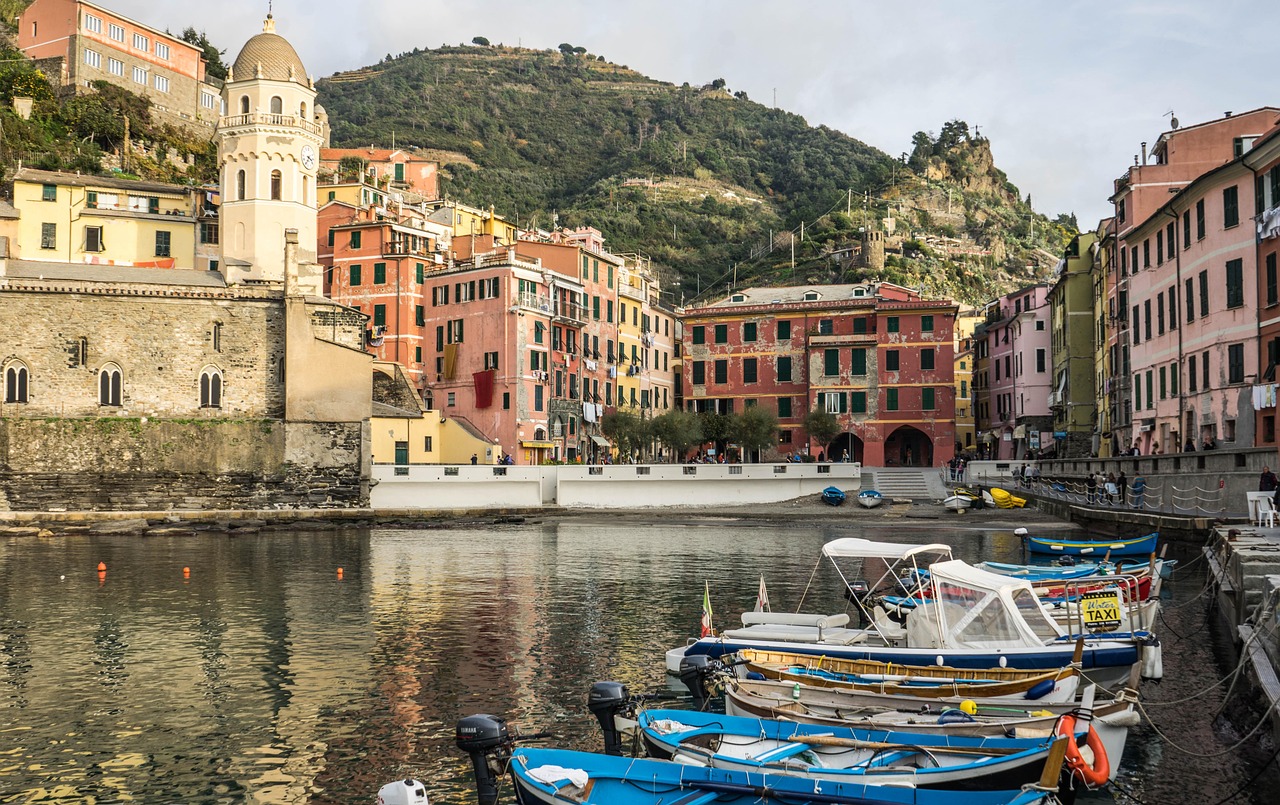
Monterosso, Corniglia, and Vernazza: three faces of the 5 towns of Cinque Terre
If you’re looking for a snapshot of culture and activity, start with Monterosso, Corniglia, and Vernazza—three very different faces of the region. Consider this your to-do list for Cinque Terre, a shortlist built around texture: sand, stone, steps, and the way each village holds the light. The Cinque Terre towns may be close on the map, but they feel distinct once you slow down enough to notice—and that’s exactly why a well-paced itinerary matters.
And yes, we’ll say it plainly once: these are the 5 towns of Cinque Terre, and you’ll often hear people casually refer to the five towns as if they’re a single place. They’re not. They’re five different personalities sharing one coastline—often called the five villages of cinque terre—and the joy is in comparing them, not racing through them. (You may also see “5 terre” on signage and souvenirs.)
Monterosso al Mare: the sandy beach, promenade, and easiest beach-and-train station base
Monterosso al mare is the largest of the Cinque Terre, and it’s the easiest pairing of beach and train station comfort. You step off, orient quickly, and you’re on a promenade with sea breeze in minutes. If you want a true sandy beach afternoon between hikes, Monterosso is where it feels simplest and most spacious—ideal for travellers who want water time without rock scrambling.
A relaxed plan: make the walk from the train station to the waterfront, drop your things, and claim a stretch of shoreline (an umbrella rental can be a welcome comfort on hot days). Then add a gelato stop and a fresh seafood lunch—something grilled, local, and unfussy. Monterosso is a wonderful village of Cinque Terre to start with, if you want your first day to feel easy.
Corniglia and Vernazza: terrace viewpoints, culture, and the iconic view of Vernazza
Corniglia is the quieter counterpoint: a terrace village above the sea, often calmer because it asks you to commit to the climb. If you time it well, Corniglia can feel like the space between breaths—still within Cinque Terre, but slightly removed from the busiest tourist flow. Take your time, sip something cold, and let the height do its work on your perspective.
Vernazza is the emotional centre for many travellers. Arriving by train, you spill into lanes that lead to the harbour, and suddenly you understand why the view of Vernazza has become iconic. If you can, hike a short section of trail above the village for the classic lookout, then return to the waterline for a slower wander and a quick beach break on the rocks.
- Ancient churches: step inside for cool air, quiet, and a moment of local history beyond the postcard.
- Small museums: a thoughtful backup when sea weather turns, especially for cultural enthusiasts.
- Local etiquette: greet shop owners, and ask permission before photographing locals or private properties—small gestures that build trust.
However you arrange your day, remember that these are charming villages with real daily life. Your experience becomes richer when you treat each doorway as someone’s home, not a backdrop.
Manarola and Riomaggiore: Boat Tour, Swimming, Vineyards—Visit Cinque Terre for Sunset Views
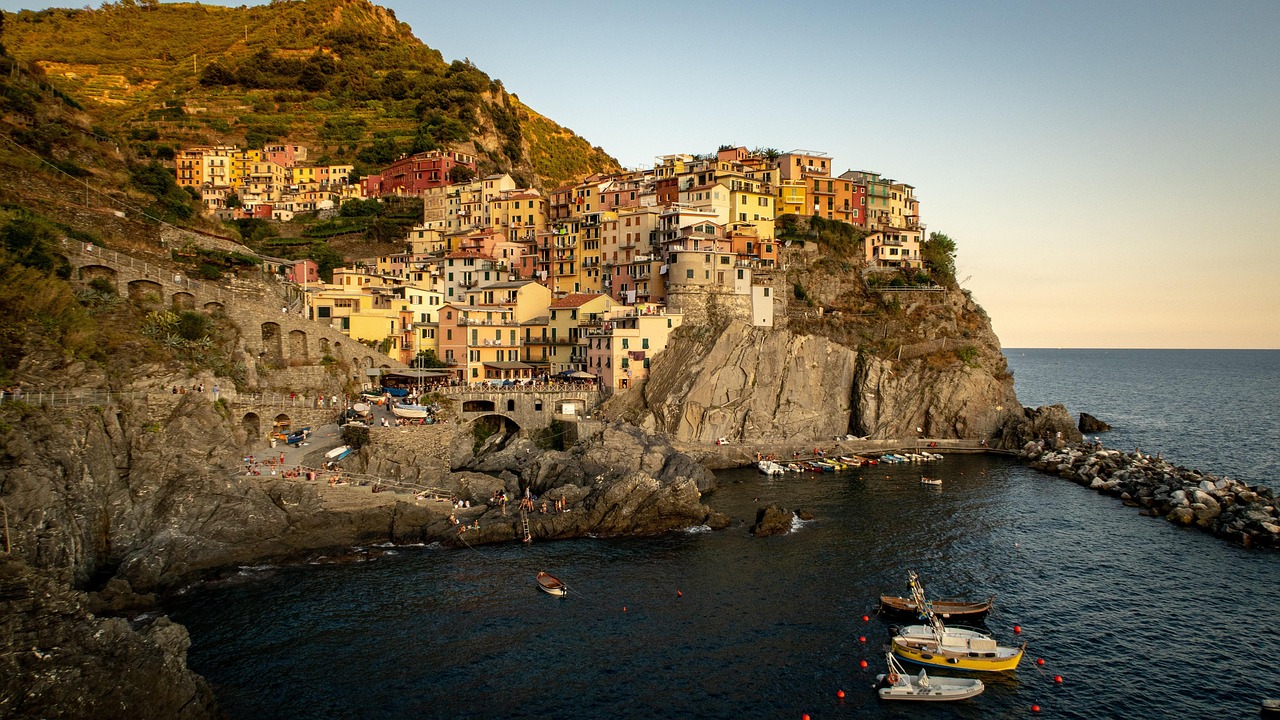
Manarola and Riomaggiore: boat views, vineyards, and sunset swims in Cinque Terre Italy
For a day that feels intentionally crafted, set your compass towards manarola and riomaggiore—two villages that invite you to move between sea level and hillside paths, between morning energy and evening softness. This is a perfect chapter in a guide to Cinque Terre because it balances water time, viewpoints, and local flavour without needing a car. The result can feel elevated but never fussy—equal parts freedom and reassurance.
Start early, while the lanes are still quiet and the light is gentle. In Manarola, the rocks by the water become a natural stage for brave dips; in Riomaggiore, the harbour has that intimate feel that makes even a short swim memorable. Choose the water when it looks calm, step back when it doesn’t, and remember that confidence includes knowing when to pause.
Manarola and Riomaggiore sunrise: the Riomaggiore and Manarola link and coastal path alternatives
A honeymooning couple once shared their favourite memory: a sunrise hike from Riomaggiore as the day opened over the sea, then drifting towards Manarola with hardly anyone around. The panorama didn’t feel “earned” by intensity, but by presence—breathing, walking, and letting the coastline lead.
When the Riomaggiore-Manarola connection is open, it can be a beautiful, simple way to weave into your morning. If it’s not open, don’t worry—Cinque Terre rewards flexibility. Ask about inland routes, viewpoint spurs, or a short segment of the coastal path elsewhere so you can still explore in a way that fits the day.
Boat tour perspective, snorkelling checks, and terraced vineyards above the villages
To see the villages as they were meant to be seen—stacked, vertical, and overlooking the sea—consider a boat tour. From the water, the cliff line makes sense, and you understand how the houses are built like a conversation with gravity. Choose operators with clear safety briefings, check sea conditions, and ask what’s included before you board. If snorkelling or swimming is offered, confirm where you’ll stop, and don’t be shy about asking for a life jacket if it helps you relax.
Above the waterline, the land tells another story. The terraced vineyards are not decoration; they’re labour, tradition, and identity, and many tastings include a short walk through a working vineyard. One traveller described the friendliness of local vintners who welcomed them to taste and learn about traditional wines, offering insight into how the terraces are repaired and why the harvest still matters.
- What to eat: pesto with trofie, warm focaccia, and simple seafood dishes that taste of the morning catch.
- How to ask: try “Cosa consiglia?” and let the local recommendation guide you—warmth opens doors.
- Small care: carry water, keep your footing on wet rocks, and bring an umbrella if the forecast feels uncertain.
This is the part of Cinque Terre where your day can slow down without losing its edge. Swim, taste, wander, and let sunset do what it does best: soften the world.
F.A.Qs: Cinque Terre, Italy travel questions
What is so special about Cinque Terre?
Cinque Terre is special because it combines five villages, dramatic cliff scenery, and a living culture shaped by the sea and terraced hillsides. You can hike between villages, swim from harbours, and step into local churches and wine traditions in the same day. It’s also uniquely easy to experience without a car, which helps the journey feel relaxed and seamless as you get around Cinque Terre.
Is Cinque Terre better than Amalfi?
It depends on your travel style. Cinque Terre feels more compact and train-friendly, with short hops between towns and a strong hiking culture. Amalfi has grand coastal roads, larger towns, and a different sense of glamour. If you want a walk-and-swim rhythm with easy logistics, Cinque Terre isn’t necessarily “better”—it’s simply different, and for many travellers it’s worth choosing for the trails and intimate villages.
How far apart are Florence and Cinque Terre?
Florence and Cinque Terre are close enough to pair easily. By train, you’ll typically connect via Pisa or La Spezia, and journey times commonly land around two to three hours depending on connections. It’s a comfortable add-on: a few days of art and dining in Florence, then sea air, hikes, and village evenings on the coast.
What are the 5 towns in Cinque Terre?
The five villages are Monterosso al Mare, Vernazza, Corniglia, Manarola, and Riomaggiore. Each has a different feel: Monterosso for the beach, Corniglia for quieter terrace views, Vernazza for the iconic harbour, and Manarola and Riomaggiore for sunset lanes, swims, and boat-level perspectives of the coastline. These are the towns in Cinque Terre that most visitors come to see, with a rail line linking all five villages together for quick day planning.
What Stays With You After Cinque Terre, Italy: Reflections on a Coastal Cultural Adventure
There’s a moment, often long after you’ve left Cinque Terre, when the memory returns without asking. Not the checklist of villages, but the sensation: salt on your skin, stone steps underfoot, and pastel façades along the Italian Riviera that seemed to catch the light and hold it. You remember how the coastline sounded at night, and how the air changed when you turned a corner, and the sea opened up again.
What stays with you is personal. Perhaps it’s the confidence you built by choosing the climb, even when the path felt steep. Perhaps it’s the calm you found by slowing down—by letting a coffee take as long as it needed, by watching swimmers from a rock ledge, by realising that beauty doesn’t require urgency. Cinque Terre is worth it when you let it change your pace in a gentle, lasting way.
And perhaps it’s the cultural insight: a brief conversation with a shopkeeper, a small kindness from a vintner, or the quiet respect you felt inside a church when the heat outside was relentless. Cinque Terre isn’t just a place you “do”. Together with the landscape, you create a memory shaped by care, attention, and the way you choose to move through a day.
Later, when you find yourself planning a return to part of Italy—maybe pairing the coast with a few days in Florence—you may realise you’re not longing to tick off the five Cinque Terre again. You’re longing to rediscover the version of yourself that walks a little more slowly when the sea is beside you, and notices what matters.