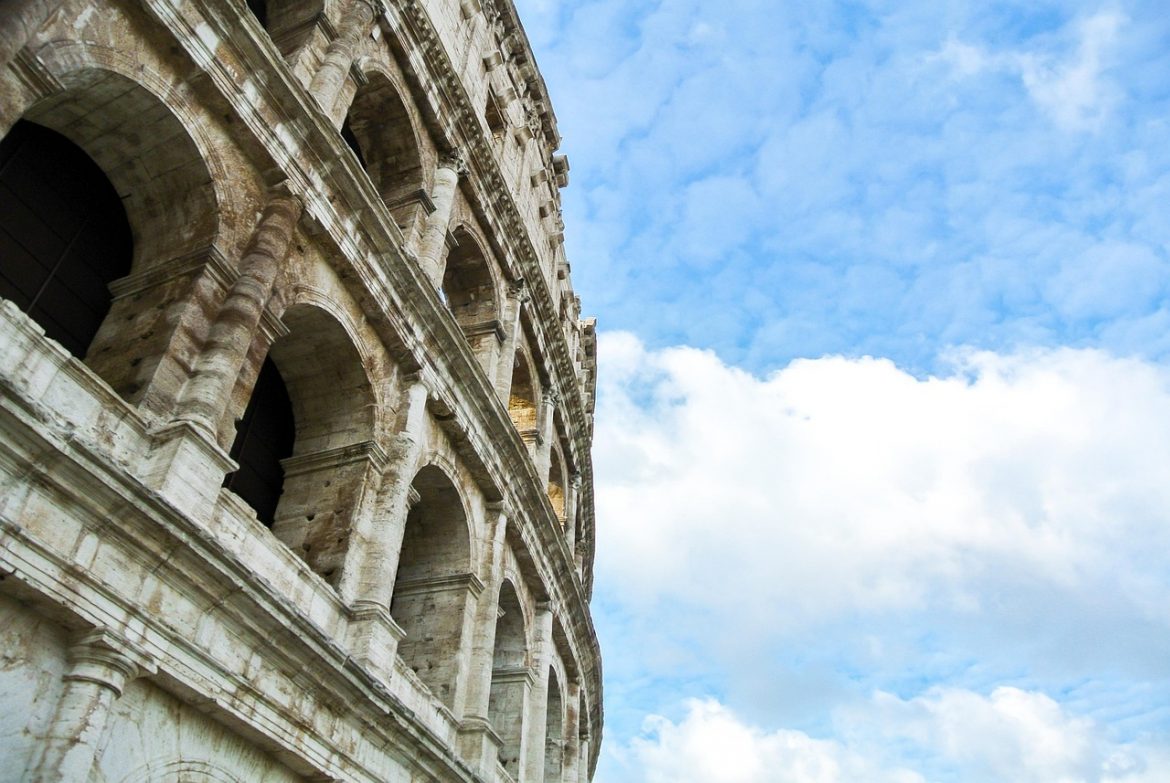
Colosseum in Rome: the first awe-filled step and a must-see monument in Italy
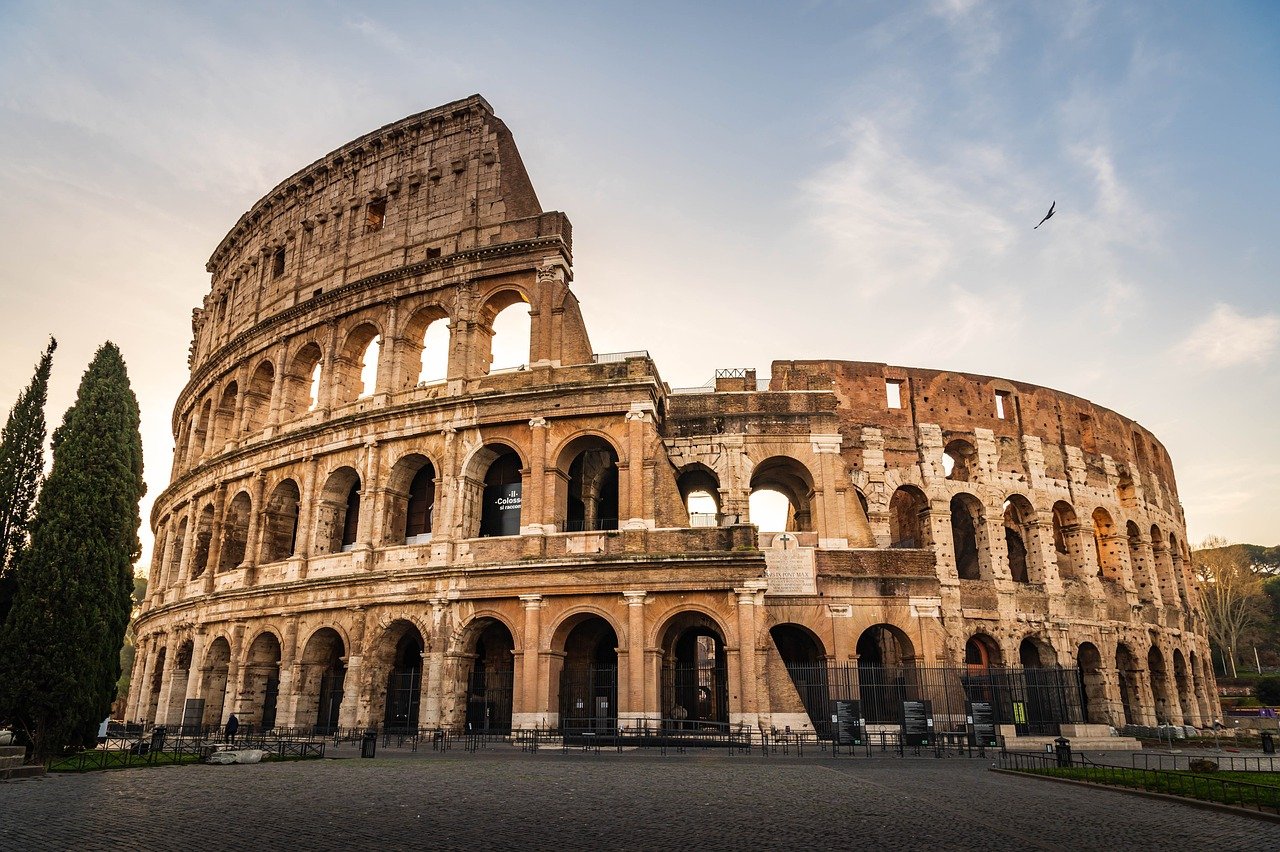
Colosseum in Rome at golden hour: your first awe-filled step and a must-see monument in Italy
If you’ve been searching for “coliseum rome italy”, know that this landmark is not just a checklist stop—it’s a sensory arrival. You pass through the outer arcade, the street noise fades, and the amphitheatre’s bowl suddenly opens wide enough to seem to hold the city in its curve. Even if you’ve seen countless photos, the first view lands differently in your body and stays there.
A little context makes every stone feel sharper: the Colosseum was built under Emperor Vespasian, founder of the Flavian dynasty, and completed under Titus. The Colosseum began as a public statement after Nero’s reign—land once tied to a private imperial pleasure ground and an artificial lake was returned to the people as a monumental venue. It’s why the Roman Empire still feels present here, not as myth but as tangible power and memory.
Gladiator history that feels personal inside the ancient amphitheatre
Many travellers describe a visceral jolt when they realise they’re standing where gladiatorial fights once took place. I felt it too: not excitement in a shallow sense, but a surprising tenderness—imagine the breath before a contest, the roar of the crowd, and the weight of what was at stake. History becomes less “past” and more “human”, moment by moment.
What you can access today: arena viewpoints, an exhibition, and easy-to-follow routes
Today’s visit is shaped around clear zones: viewpoints across the arena, corridors that reveal the building’s logic, and a modern exhibition and visitor centre that offers insight into gladiatorial life, animals, and the machinery of spectacle. With a steady plan, you can explore at a pace that feels elegant rather than frantic—sketch a simple route, then let the details find you. It remains a tourist attraction in Italy, yet it still rewards slow, curious attention.




Parco Archeologico del Colosseo: sito ufficiale ticket plan for Rome, Italy
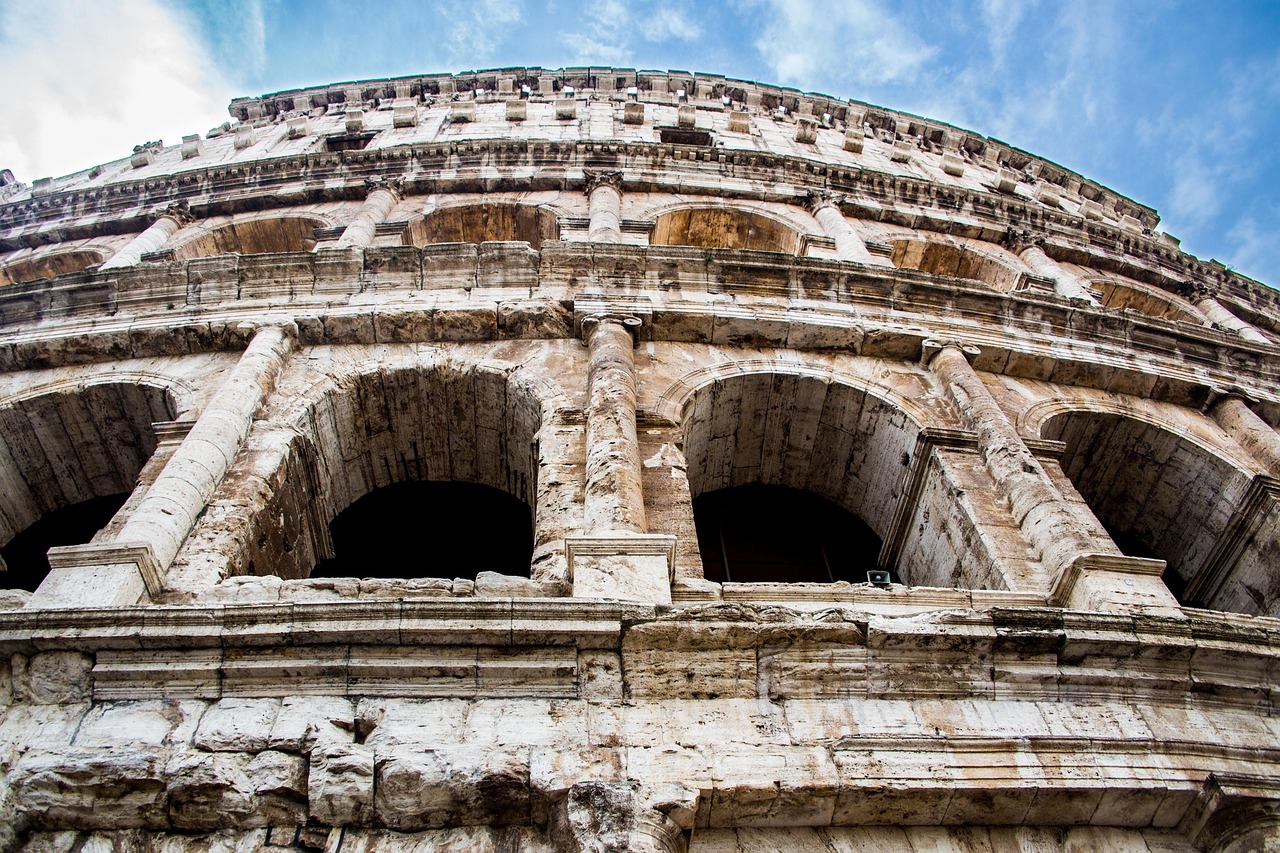
Plan your day around timed entry and the connected archaeological park in Rome, Italy
Planning matters because the experience is bigger than one building. The Colosseum sits within a connected archaeological park, and many options bundle access to the Roman Forum and the Palatine, so your day feels seamless rather than fragmented. For culturally minded, high-end travellers, this is the moment to choose calm structure over queue-based improvisation.
The simplest support I can offer: reserve online with a timed entry, then build the rest of your day around that anchor. A combined pass often fits adventure seekers best because it keeps momentum going—Colosseum first, then wander into the wider story of the city. Keep it simple: one timed slot, one clear meeting point, and an unhurried pace.
Timing and arrival in Rome for a smooth, minimal-stress visit
Early morning or late afternoon brings cooler light, fewer crowds, and a gentler relationship with the monument. It also helps with photography: the facade reads with more texture, and you’re not squinting into harsh midday sun. If you’re considering a guided approach, a local expert can turn the route into a narrative you walk through together.
Arriving is straightforward: Metro Line B to Colosseo is the easiest choice, and it’s also a pleasant walk from central Rome if you’re staying nearby. Expect bag checks, carry water, and keep belongings secure in busy areas—pickpocketing is rare but real anywhere crowds gather.
- Book ahead: choose a timed entry and keep your confirmation handy offline.
- Pack smart: sunscreen in warmer months, and a light layer for shoulder season.
- Wear proper shoes: the ancient stone can be uneven, and you’ll walk more than you expect.
- Plan your season: March–May or September–October usually offers the best balance of weather and space.
If you’d like inspiration for a wider itinerary in Italy, our Trip gallery is a beautiful place to start shaping your next crafted journey.
Roman Colosseum design: architecture, arena level, and amphitheatre engineering in Rome, Italy
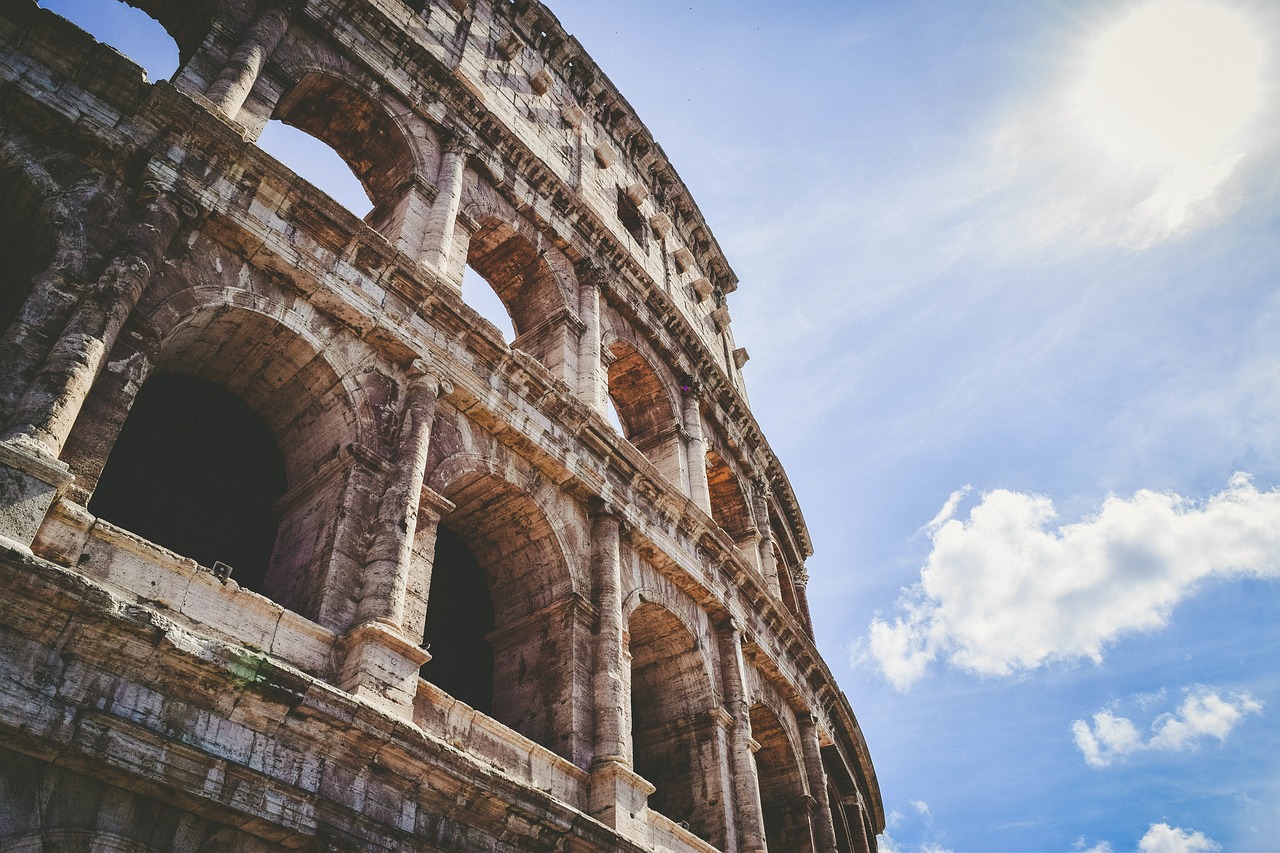
Read the Colosseum’s design from the arena level, with its disciplined classical orders
Roman Colosseum design is easiest to read when you slow down and let your eyes trace the geometry. The plan is elliptical, chosen for sightlines and crowd flow, and the stacked orders—doric at the base, then ionic, then corinthian—create an architectural rhythm that still feels modern. In antiquity, it was called the Flavian Amphitheatre, yet its singular presence made “the Colosseum” enough.
Engineering behind the facade: travertine, tufa, vaults, and the outer arcade
Look closely, and you’ll see how the building behaves like a fortress and a theatre at once. Travertine blocks, volcanic tufa, and a precise vault system form corridors that move huge numbers of people with surprising ease—one reason seven million visitors can pass through each year and the site still functions as a major monument. The outer arcade is not only beautiful; it’s also structural, distributing weight while guiding movement.
Above, a retractable velarium once helped shade spectators, a reminder that engineering here cared about comfort as well as control. Details like the attic level and the steady rhythm of archways are design discipline at its finest—strong, legible, and made to endure.
Standing at the arena edge: spectators, bread and circuses, and staged drama
From the arena perspective, the scale becomes emotional. Imagine being a contestant, staring up at tier after tier of spectator faces, and realising the event was part of “bread and circuses”—a social system designed to keep the city entertained and politically aligned. Some shows included a staged hunt, and there are early accounts of naval displays when flooding the floor was attempted before later underground works took over.
If you love heights, consider the upper tiers for panoramic views of Rome. Take it slowly, hold the handrail, and let confidence build step by step; the reward is a view that links ancient planning to today’s cityscape in one sweep.
The Colosseum has lived through an earthquake, centuries of reuse, and an ongoing restoration project. And still—fragments, shadows, and worn thresholds feel alive, as though the building is quietly teaching resilience.
Uncover the Colosseum hypogeum: the underground arena world in Rome, Italy
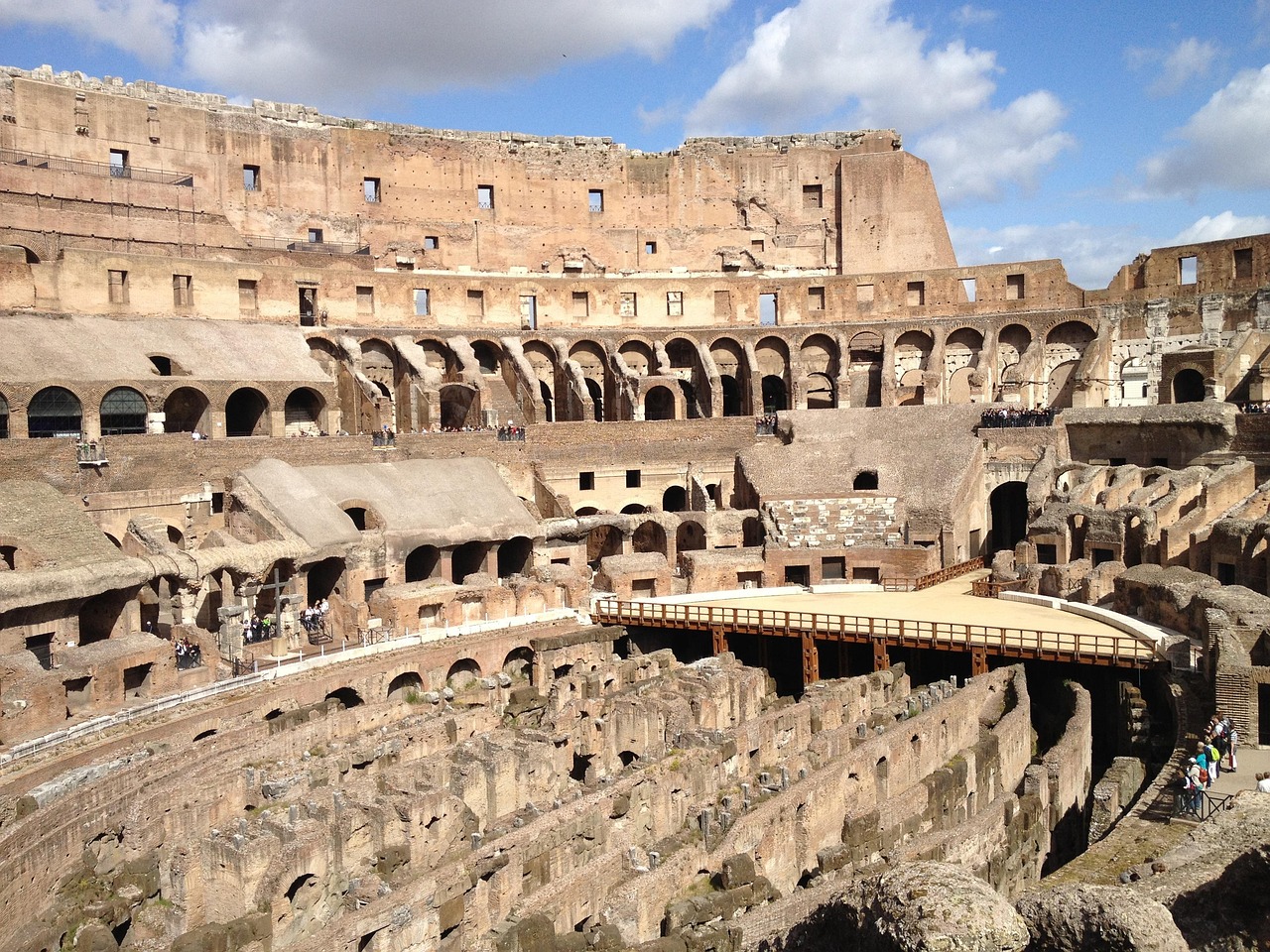
Step into the hypogeum where fighters and animals waited beneath the arena
The Colosseum hypogeum is the part of the visit that most often changes people’s understanding of the site. Beneath the arena is a network of chambers and passages where gladiator performers and animals waited, prepared, and listened for cues. It deserves quiet care: this is where the show was manufactured, but it was also where fear and bravery lived side by side before battle.
Domitian’s underground mechanics: lifts, trapdoors, and a hidden ceiling
Under Emperor Domitian, the hypogeum became a sophisticated machine. Lifts, trapdoors, and staging systems brought scenery and creatures up through the floor as if the arena had a hidden ceiling of moving parts beneath it. When you uncover this layer, you see that the Colosseum wasn’t only stone—it was choreography.
Walking the exposed undercroft, I felt an unexpected hush inside myself. Imagine the tight tension before an entrance, the moment of listening, and then the sudden surge of sound as the crowd reacted. It’s one of the most personal forms of time travel Rome can offer.
Small marks that make the Romans feel near the underground
Watch for ancient graffiti and scratched symbols—traces left by Romans that feel disarmingly intimate. They’re not grand inscriptions; they’re human marks, the kind that remind you history is made of ordinary hands. For adventure seekers, this can be the most grounding kind of thrill: not speed, but connection.
- Choose your pace: the space is narrow in places, so let faster groups move ahead.
- Stay present: pause at key points and picture the arena above you, like a living map.
- Bring water: Rome heat can linger even when you’re underground between stone walls.
If you can, leave room for a spontaneous night visit too. Under dramatic lighting, the monument becomes haunting and magical, and fewer crowds make it easier to listen rather than simply consume.
Roman Forum and Palatine Hill walk from the Colosseum in Rome, Italy
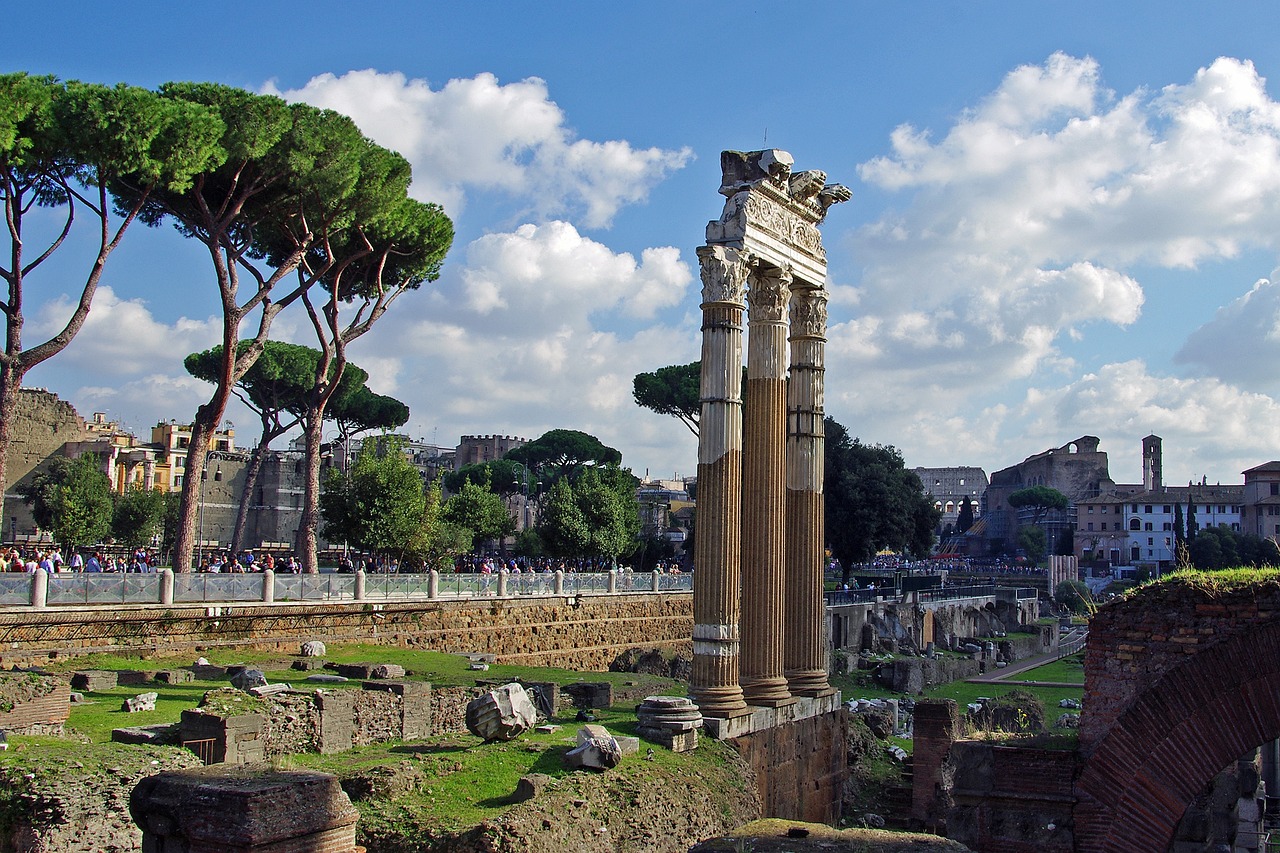
Continue from the Colosseum into the city’s ancient civic heart and hillside ruins
This walk is the natural next step when you want the wider story, not just the headline monument. The transition is easy: you move from the amphitheatre’s contained drama into an open landscape where daily power, politics, and religion unfolded. Keep the same calm momentum—explore without rushing, and let the ruins reveal themselves in layers.
How to read the forum area with purpose
This ancient civic zone is not a single “thing”; it’s a network of lines, foundations, and surviving column fragments that once framed public life. Look for the logic of pathways, the placement of platforms, and the way buildings face one another—Rome was designed to stage authority as much as entertainment. A guide or audio commentary can translate what you’re seeing into insight, so the stones begin to speak.
High-end travel is often about removing friction, and multilingual audio guides can be a simple, elegant solution if you prefer independence. An official tour is ideal if you want a local voice—friendly, passionate, and rich with detail that makes the past feel close.
Palatine Hill: domus views, the idea of a palace, and quieter paths
This hill changes the atmosphere: it’s higher, often breezier, and the routes feel more contemplative. This is where the idea of a palace took root, and you can still sense elite life in the remains of a domus—private spaces that once looked out over the city’s centre. Even the shade can feel like a luxury after the bright openness below.
For adventure seekers, the practical side matters. Wear comfortable shoes for uneven ground, hydrate, and take mindful pauses; confidence lasts longer when you treat your energy with care.
F.A.Qs: Visiting the Colosseum in Rome
What is the Colosseum in Rome famous for?
The Colosseum in Rome is famous as the largest ancient amphitheatre ever built and as a powerful symbol of Roman engineering. It hosted public events, including gladiatorial contests and staged hunts, and it still lets visitors explore arena viewpoints, underground areas, and a curated exhibition that brings the site’s story to life.
What are 5 fun facts about the Colosseum?
The Colosseum began under Vespasian and was completed under Titus, marking a new civic era after Nero. Its facade used stacked classical orders and a sophisticated corridor plan for crowd flow. A retractable velarium helped shade spectators. Later, the hypogeum added lifts and trapdoors for dramatic entrances. Some visitors can access the upper tiers for panoramic views across Rome.
Can you still go inside the Colosseum?
Yes—you can still enter the Colosseum with a timed-entry reservation. Many visits include access to the main levels and arena viewpoints, and some guided experiences include the hypogeum underground. Booking ahead helps you avoid queues and choose the areas that match your pace and interests.
Why is it called a Colosseum?
The name is commonly linked to a colossal statue that once stood nearby in ancient Rome, associated with the emperor Nero. Over time, the nickname stuck to the amphitheatre itself. Today, “Colosseum” is the name most travellers use, even though it originally had a different official name
What stayed with me after the Colosseum at night: a Rome, Italy tour reflection
A Colosseum night reflection is hard to explain until you’ve felt it: the way Rome seems to soften as you leave, your steps a little lighter, your thoughts slower. The city noise becomes a distant current, and the monument sits behind you like a held breath—ancient, steady, and strangely intimate.
At night, there are fewer voices competing for space. Shadows lengthen across stone, and the arches feel less like a backdrop and more like a presence. You find yourself listening—really listening—to what the place suggests, rather than trying to capture it all.
There’s a paradox I carry with me. A site built for public shows can still teach restraint, empathy, and the quiet discipline of seeing: that travel isn’t about collecting, but about noticing. Even the thought of early Christians and later centuries passing through these same corridors adds a sense of continuity, as if the building has watched humanity learn and unlearn the same lessons.
And then you step back into modern streets, where scooters pass, and conversations drift out of cafés, and you realise the past is not sealed away. The next time you hear distant city sounds, you might imagine ancient footsteps beside your own—and feel curiosity open again, gently, without needing to force it.