Why the Colosseum Still Feels Like Ancient Rome
Why the Colosseum Still Feels Like Ancient Rome
To understand the Colosseum in Rome, Italy, and its history, the Flavian amphitheatre, and Nero’s connections, start with how it still holds the city’s emotional centre. The Colosseum is a symbol of Rome, a famous monument, and one of the New Seven Wonders—often listed among the Seven Wonders of the World and the Wonders of the Modern World. Yet it never feels like a museum piece; it feels like a living landmark you can step inside and sense with your whole body.
The story begins when the empire wanted a new message. The Colosseum began in 72 under Emperor Vespasian, rising as a public statement after the private extravagance of past rule. In the year 80, Emperor Titus inaugurated the Colosseum with games that lasted 100 days, and later Emperor Domitian added layers that made the building even more complex and theatrical.
Colosseum in Rome and Nero’s place-memory
Even if you’re here for adventure, it’s worth pausing for a little insight into Nero’s shadow. Near this site once stood the colossus of Nero, a vast statue that helped give the Colosseum its name, and nearby you can still uncover traces of the Domus Aurea, Nero’s Golden House. It’s a reminder that Rome constantly reshaped itself—turning personal power into shared civic space, and turning a once-private landscape into a monumental stage.
Amphitheatre design, travertine strength, and an earthquake scar
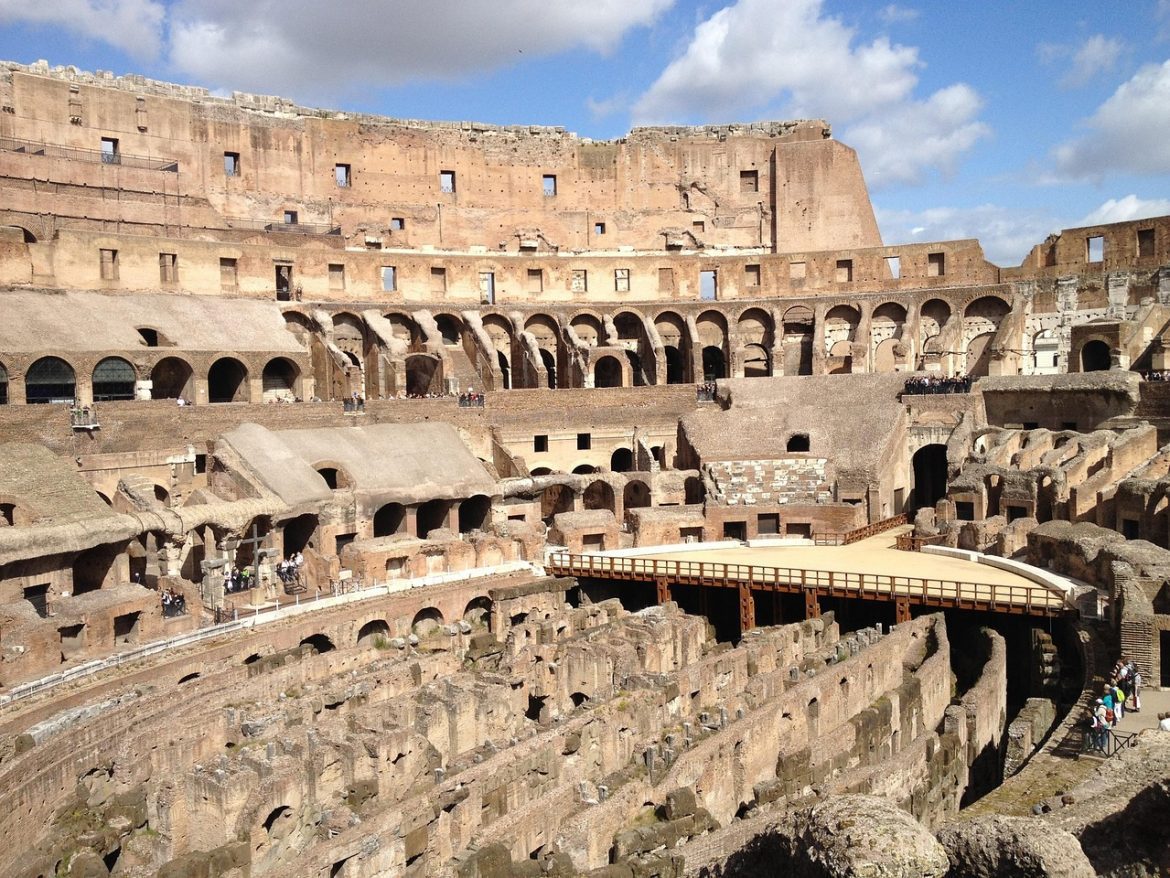
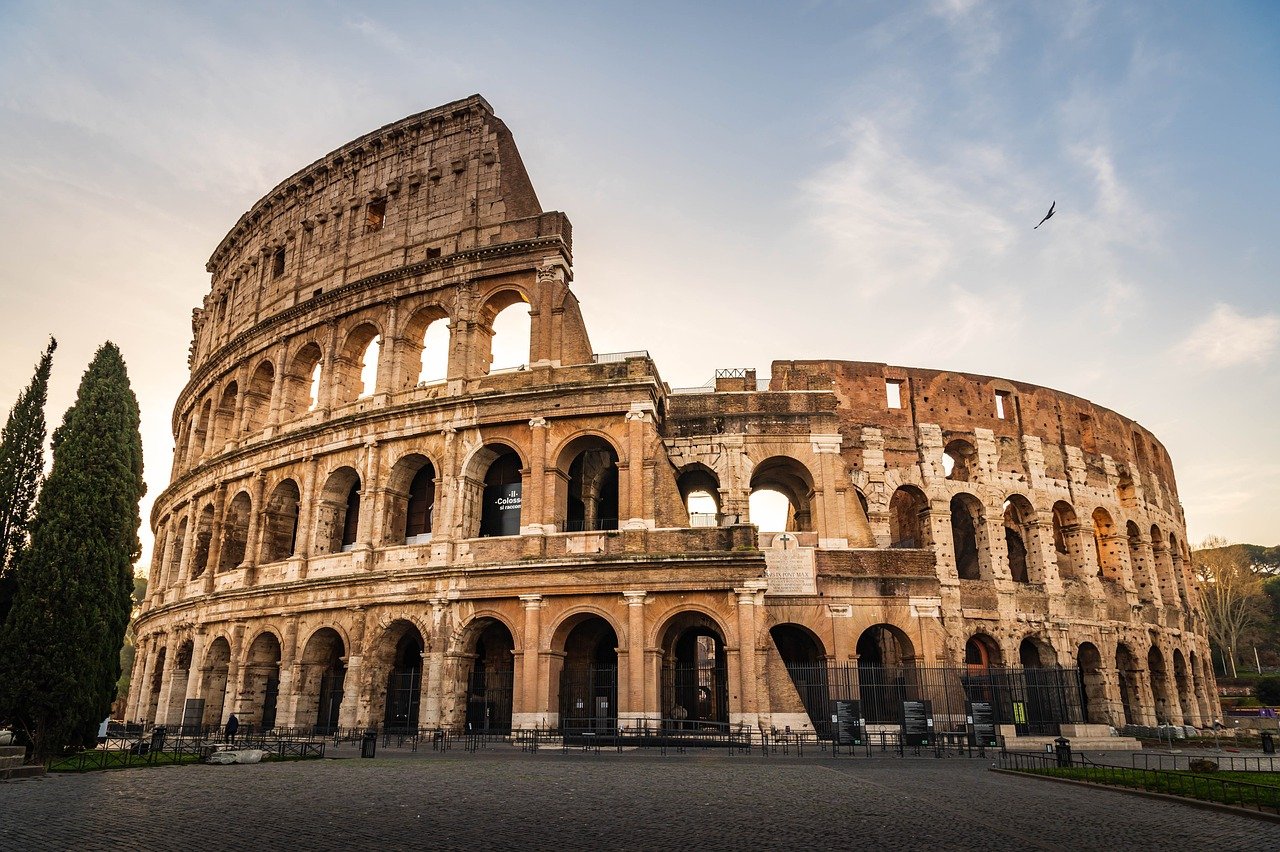
Architecturally, the Colosseum is an elliptical structure of astonishing confidence: 156 meters long, built from travertine blocks and clever concrete, with entrances designed to move crowds in a surprisingly seamless way. Over the years, damage from an earthquake and later stone reuse changed its silhouette, but the overall form still reads like the largest Roman arena ever crafted for spectacle. When you stand inside, you can imagine the roar of a spectator crowd—then notice how quiet the space becomes when you simply breathe and look up.
Many travellers tell us the same personal thing: chills, then a sudden softness. There’s an emotional impact in tracing the worn stones, knowing millions of visitors came before you, and sensing how the Roman Empire left beauty, brutality, and brilliance interwoven. It’s not about rushing; it’s about trusting the moment and letting the monument meet you where you are.




Visit the Colosseum: Tickets, Routes, Hours
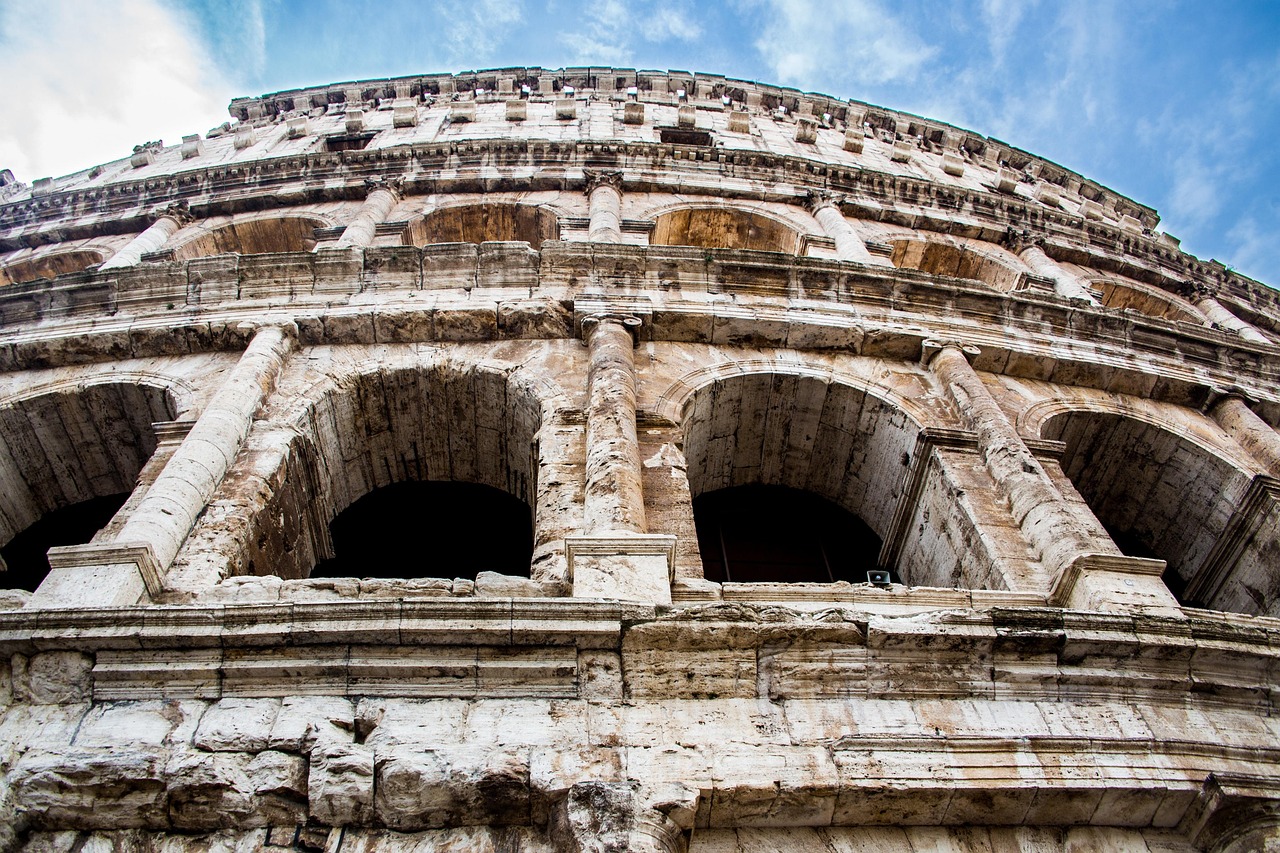
Visit the Colosseum With Confidence Tickets Routes Opening Hours
If your search looks like visit the colosseum opening hours, colosseum tickets, time slot, Italy, you’re already thinking the right way: plan first, then explore with freedom. The quickest path to calm is to book online in advance, choose a time slot, and arrive early morning or late afternoon—especially in summer—so long lines don’t set the tone for your day. For high-end travellers, that little bit of planning is what creates a more spacious, unhurried experience once you’re inside.
Costs are refreshingly straightforward for such an iconic site. The standard ticket is around 16 euros and is often sold as a combined ticket that includes the Roman Forum and Palatine Hill. The upgrade many adventure seekers want—underground access—can be limited and sells out, so it’s worth securing as soon as dates are firm.
Del Colosseo’s arrival and the Piazza meeting rhythm
Getting there is easy and reassuring, even if you’re travelling solo. Take Rome’s Metro Line B and get off at Colosseo station; you’ll surface right beside del Colosseo, where the piazza area naturally becomes the meeting point for many check-ins. If you’ve booked a guided tour, confirm your exact meeting details the day before and arrive 10–15 minutes early so you can settle in, adjust layers, and start with confidence.
Opening hours, etiquette, and comfort for the amphitheatre
Because opening hours shift seasonally (and occasionally due to events), check the official listing the day before your visit to the colosseum. Once inside the amphitheatre, a little care goes a long way: keep noise low, don’t use flash photography, stay within designated paths, and follow steward directions if areas are temporarily held. The site is an adventure in texture—uneven stone, steps, sun exposure—so wear comfortable shoes, carry water in hot months, and bring sun care that feels effortless.
- Best crowd strategy: early morning or late afternoon for gentler queue pressure.
- Best value: the combined entry with Forum and hill access can turn one ticket into a full day.
- Best peace of mind: keep your ID and booking confirmation handy for smooth entry support.
Underground Hypogeum Arena and Gladiator Life Up Close
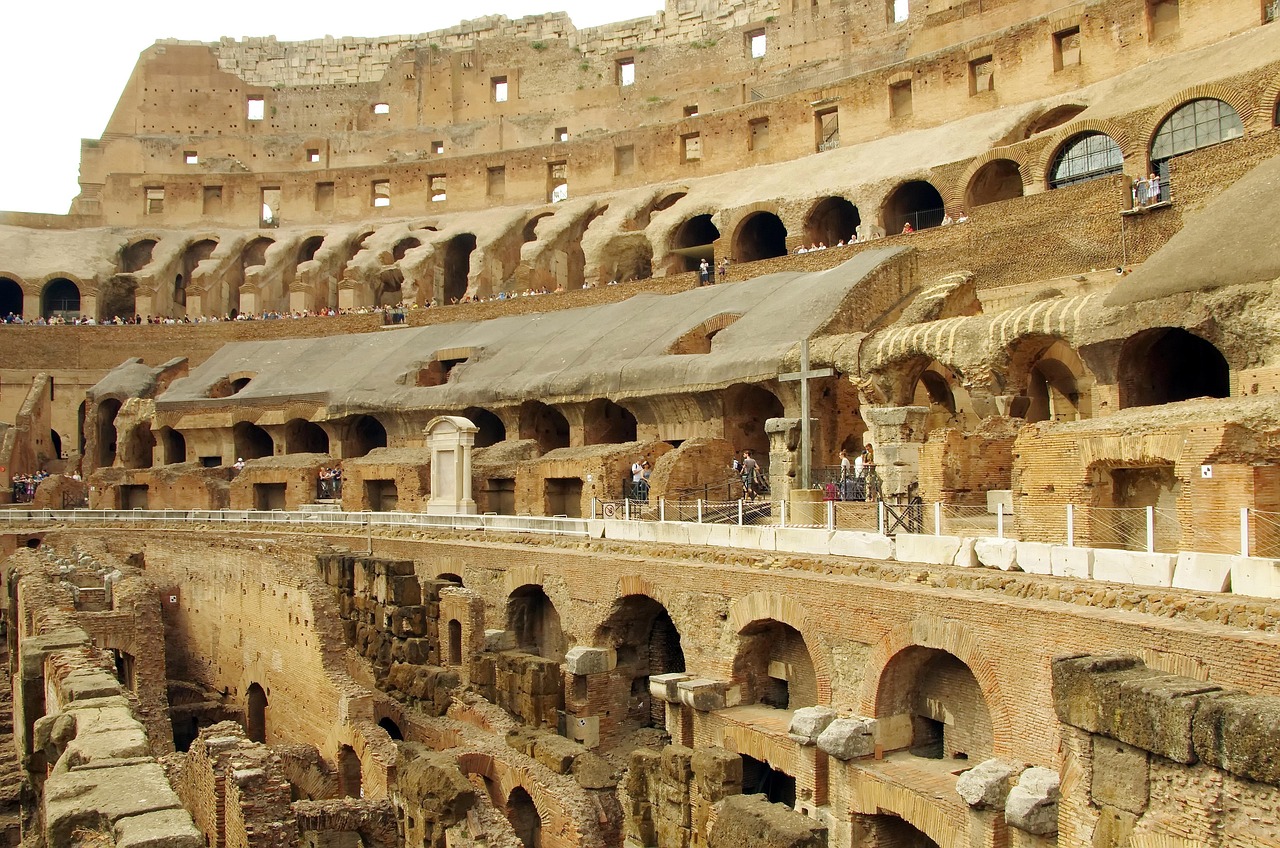
Underground Hypogeum Arena and Gladiator Life Up Close
For anyone searching for a Colosseum underground hypogeum guided tour, the gladiator arena of the Colosseum, this is the part that tends to become the trip’s core memory. Beneath the arena, the hypogeum is a network of corridors and chambers where wild animals and fighters waited, where stage sets were prepared, and where lifts once raised a cage, scenery, and surprise entrances into the light above. It’s a different kind of quiet down here—more intimate, more tactile, and strangely more human.
What makes the underground feel like a true adventure is how physically close you are to the building’s working heart. Expect tighter spaces, steeper stairs, and the thrill of being closer to the arena than standard routes allow. If you’re travelling with family, this is often the moment kids lock onto the story and start connecting it to what they’ve seen in films and books—only now it’s real stone under their feet.
Audio guide or local expert for the Colosseum
An audio guide provides a structured narrative you can pause and replay, ideal if you like to explore independently at your own pace. But if you want the amphitheatre to feel truly alive, a local, expert guide can translate details into vivid images—where a gladiator might have stood, how a spectator reacted, and how the crowd’s mood could turn. One solo adventurer told us their guide’s storytelling made the space feel less like a tourist attraction and more like a living theatre, and it gave them the trust to ask questions and linger where the light fell best.
Roman engineering and the construction of the Colosseum
It’s also a masterclass in design. The velarium—an enormous awning—was once managed by a mast system and rigging that shaded sections of the crowd, a surprisingly modern solution to comfort. Crowd flow was engineered through layered corridors and numbered entrances, and the mechanics below quickly transformed the arena’s surface for different events. Even today, the construction of the colosseum reads like ambitious problem-solving, crafted to stage emotion at scale while still supporting speed, safety, and control.
When people imagine gladiator fights, it’s easy to picture noise and chaos. Standing here, you can also sense the planning: timing, choreography, and the unsettling precision of entertainment as power.
Roman Forum and Palatine Hill: Your Next Step After the Colosseum
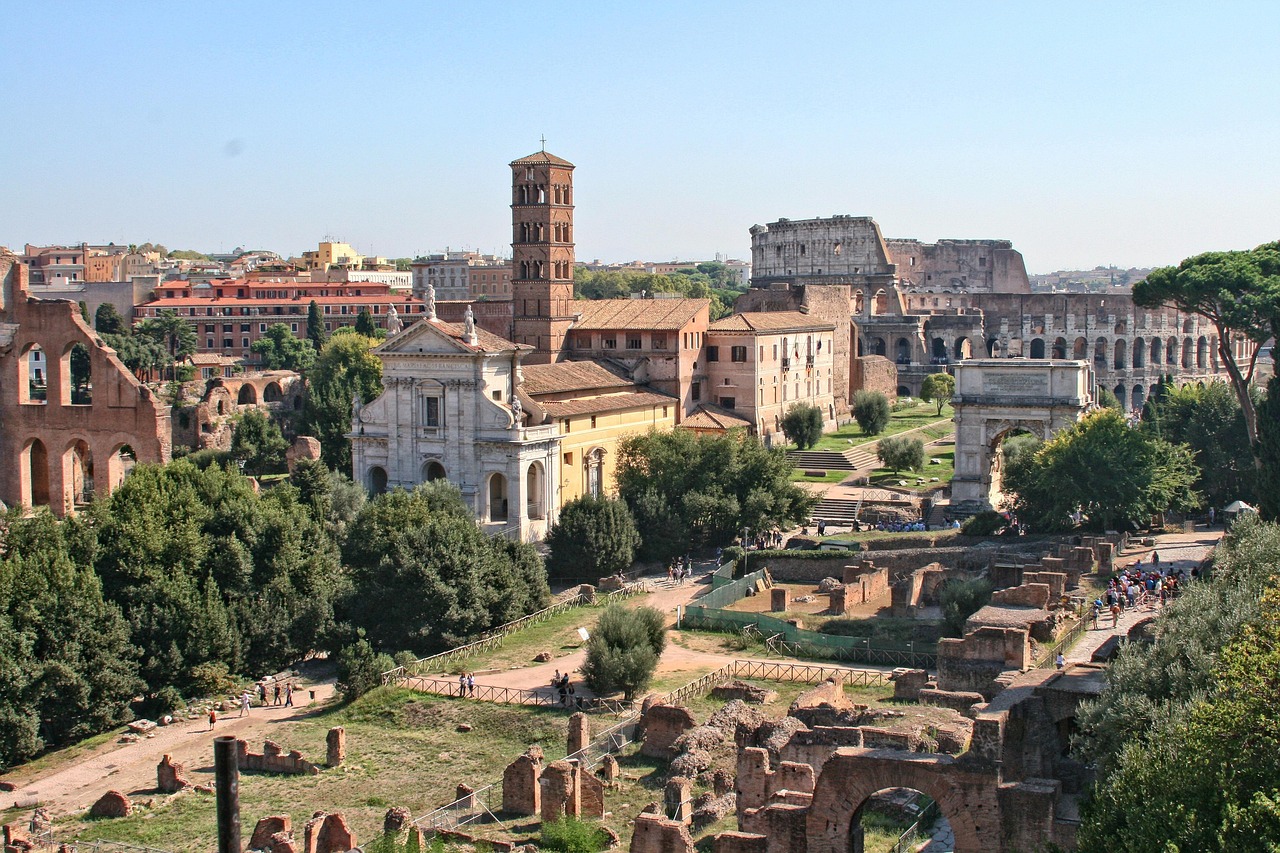
Roman Forum and Palatine Hill Your Next Step After the Colosseum
If you’ve searched Roman Forum and Palatine Hill walk after Colosseum, Italy, think of it as the most seamless next chapter—no costume change required. From the Colosseum, you can drift past the triumphal arch nearby (the Arch of Constantine) and enter the Roman Forum, then climb towards Palatine Hill for panoramas that let the whole story settle. The rhythm feels natural: arena intensity first, then open-air ruins where the city’s power once gathered.
For adventure seekers who like to keep moving, this link-up is energising rather than exhausting—especially if you design your pace with intention. You’re not just ticking off major tourist attractions; you’re exploring the bones of ancient Rome and uncovering how daily life, politics, and ceremony overlapped in one dense, extraordinary landscape.
Roman Forum route with an arch, shade, and panoramic pauses
A simple route is: Colosseum exterior viewpoints, the triumphal arch, then into the Roman Forum via the main access lanes, finishing with a climb to Palatine Hill. For photographers, late afternoon light creates long shadows and more depth in columns and stone textures. For those craving a quick loop, you can move briskly for a sunset finish; for a slower day, pause often for shade and water refills where available, letting the heat and crowds pass in waves.
Palatine Hill palace legends and Roman Empire power centres
In the Roman Forum, you’ll see layers of temples and basilicas that once anchored civic life—places where speeches, trials, and triumphs shaped the Roman Empire. Up on Palatine Hill, stories of emperors and origin myths mingle with the ruins of a palace complex; it’s a viewpoint that makes Rome feel vast and strangely intimate at once. Families often mention how, after the underground tour, children light up here because they can match the stories together: “That’s where they walked,” “That’s where they watched,” “That’s where it happened.”
If you’re building a longer itinerary, consider balancing this day with the Vatican Museums on another morning. It’s a beautiful contrast—ancient stone and imperial scale on one day, then Renaissance colour and detail the next—without overloading your senses together.
Night Tours and the Colosseum Museum After Dark
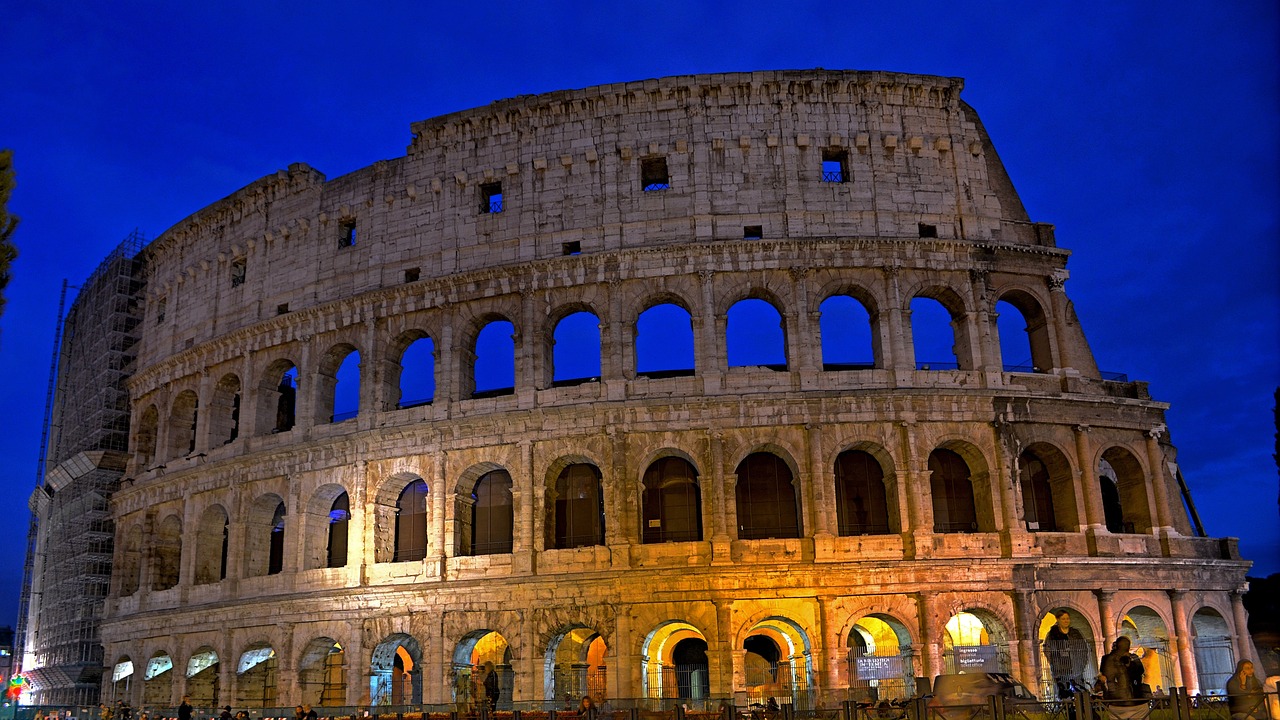
Night Tours and the Colosseum Museum After Dark
If you’re comparing options like the Colosseum night tour or the Colosseum Museum exhibition in Italy, here’s the honest appeal: night changes everything. A guided night tour can feel calmer and more atmospheric—fewer crowds, cooler air, and a softer pace that supports reflection rather than performance. For high-end travellers who value space, this is one of the best ways to explore the colosseum without feeling carried along by daytime momentum.
After dark, the arches and corridors read differently. Shadows reveal Corinthian details, light pools on stone, and sound carries in a way that makes the amphitheatre feel like a stage waiting for the next cue. It becomes easier to imagine how the building could hold spectacle, but also how it could hold silence.
Colosseum Museum exhibition insights you can’t see on stone alone
Make time for the Colosseum Museum when it’s included in your route. The interactive displays and curated objects add context to gladiator life and highlight engineering choices you might otherwise miss, from staging logistics to the scale of crowd management. The best exhibits don’t overwhelm; they give you a few precise details—then send you back to the stone with sharper eyes and more curiosity.
Del Colosseo evening logistics and feeling supported
Night access is limited, so book ahead and double-check meeting points around del Colosseo or the nearby piazza. For a safe, crafted evening, plan your return transport before you go: stick to well-lit routes, allow time after the tour, and avoid squeezing in too many late-night commitments. If you want to keep browsing options and design a wider Italian journey around Rome, you can explore our Trip gallery for inspiration that feels both creative and grounded.
Travellers often say their night visit held a quieter awe—less spectacle, more personal space. It’s a gentle reminder that you don’t need to rush a world wonder; you just need to meet it at the right hour for you.
F.A.Qs: Colosseum in Rome, Italy
What is the Colosseum in Rome famous for?
The Roman Colosseum is famous as the largest ancient amphitheatre in the city, built for public spectacles and imperial storytelling. Today, it’s considered one of the seven wonders of the modern era, and it remains a powerful monument where you can physically step into layered history—architecture, engineering, and emotion in one place.
Can you just walk into the Colosseum in Rome?
Sometimes same-day entry is possible, but it’s not the most reliable approach during peak seasons. The best plan is to book tickets online in advance with a set time slot, especially if you want underground access. This reduces queue time and helps your experience feel calmer and more seamless.
What was the most famous fight in the Colosseum?
There isn’t a single, confirmed “most famous” fight with reliable details, but the Colosseum is associated with staged gladiator contests, animal hunts, and dramatic public events designed to impress crowds. What’s most memorable for visitors today is imagining how those performances were orchestrated—and how the arena’s design amplified the experience.
How much does it cost to visit the Colosseum in Rome?
The standard entry price is around 16 euros and commonly includes access to the Roman Forum and Palatine Hill. Prices vary depending on options such as the underground areas, arena floor access, or a guided experience. Booking ahead helps you choose the level of access that matches your interests.
What Stayed With Us After the Colosseum
For those who seek Colosseum in Rome, Italy, personal reflection, what lingers is rarely just the size. It’s the intimate sensation of stone worn smooth by hands and footsteps—6 million stories at least, if you let yourself imagine the scale of human passage. The Colosseum became more than a landmark: it became a feeling you carry, like dust on your shoes that somehow turns into memory.
Later, in a quiet street, you may find the image returning without warning. A curve of an arch in a shopfront. A warm-coloured wall. The hush before a café opens. The mind quietly replays the moment you first stepped into the Roman Colosseum and noticed your own breath change, as if your body understood something your thoughts hadn’t yet translated.
It’s also normal to hold mixed feelings with care. The stories include spectacle and power, but also human cost—rumours of early Christians, narratives of martyrdom, and the uncomfortable edges of entertainment built on fear. You don’t have to force a conclusion; you can simply let the complexity sit beside the beauty, and trust your own response.
Ancient Rome is never fully finished in us. It waits, patiently, for the next return—when you’ll uncover a new detail in familiar stone, and recognise a new angle of yourself in its shadow.