Colosseum in Rome: first steps, orientation, and the present-day atmosphere
Colosseum and Rome first steps at the city’s most iconic ruins
For a first-timer, this guide to Colosseum Italy begins where the feeling begins: Colosseum stands at the edge of busy roads and cafés, with scooters humming past its ancient stone. That contrast is part of the magic—present-day Rome pressing up against a monument that has watched more than one century shift and settle. If you’re visiting Rome with an adventurous spirit, arrive with a calm plan and a little space to simply look up.
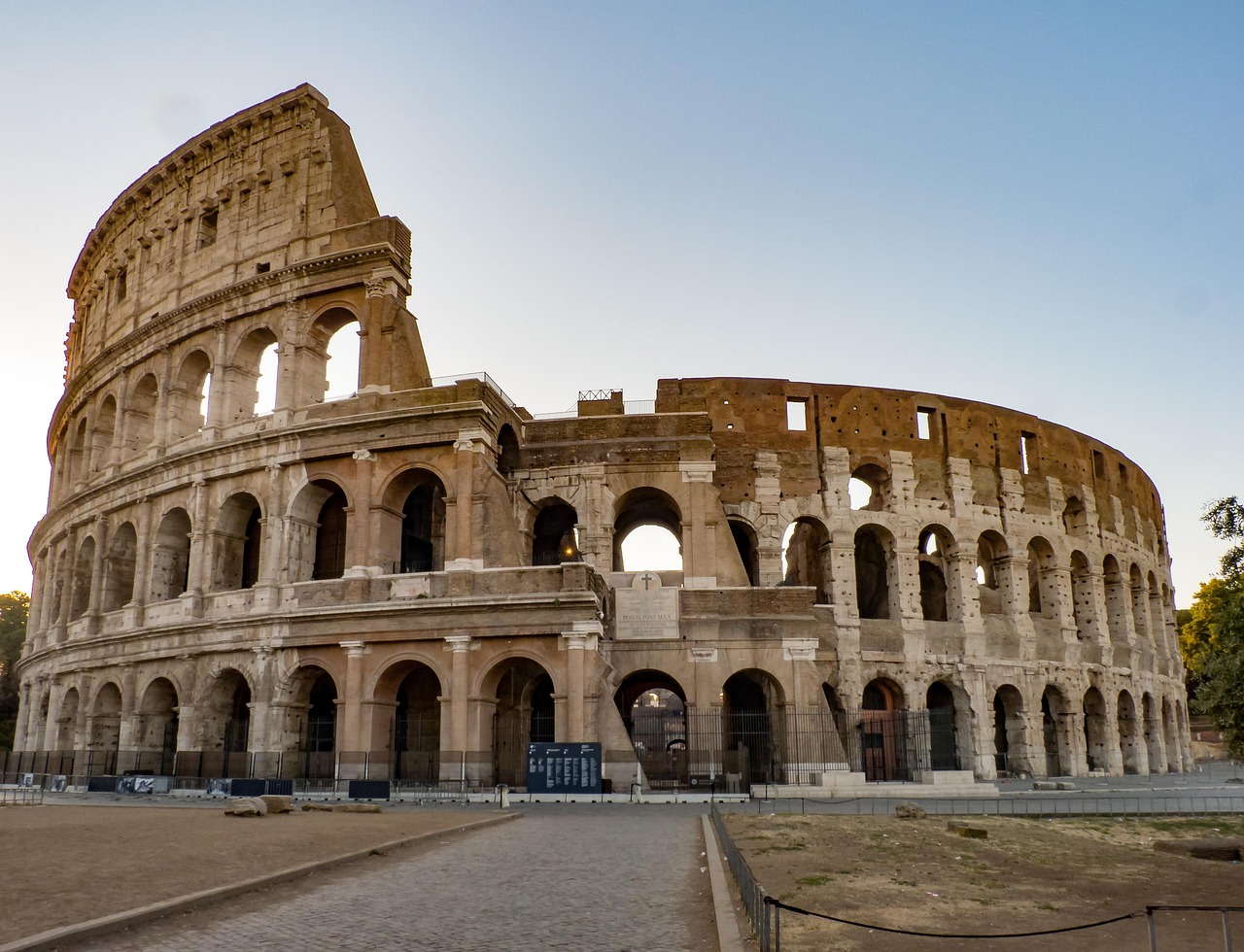
From the outside, the rhythm of arches is what catches the eye first: repeated curves, broken and rebuilt, still confident in their line. You’ll spot the main entrance areas and security lines, and you’ll quickly sense why this is both a world icon and a carefully managed attraction. If you’re solo or short on time, a thoughtful approach helps you slow down, notice more, and move through the site without stress.
Getting oriented around the Colosseum site with confidence
The wider area includes the amphitheatre itself and the nearby archaeological zone, and it can feel bigger than expected on your first pass. The Colosseum is the largest ancient amphitheatre of its kind, built to move huge crowds efficiently while maintaining a dramatic experience. As a visitor, design your timing around comfort rather than squeezing everything into the midday heat.
It’s a major tourist attraction in Italy, and on peak days it can feel like the entire world has arrived at once—often described as seven million visitors a year across the site. Arriving with a simple plan keeps the energy focused on what you came to feel, not just what you came to “do.”
- Arrive early or late: the light is softer, and the pace feels more personal.
- Know your entry: your timed slot will guide which gate and queue to use.
- Keep your first view simple: pause outside, then enter with intention rather than rushing.
Why the Flavian Amphitheatre was built in the heart of Rome
Known as the Colosseum, this Flavian amphitheatre was an imperial resort: it rose where Nero’s golden house once dominated, and where an artificial lake reflected private luxury back at the city. Building a public venue here was a statement about who Rome belonged to—at least in the story the emperor wanted told. Even before you step inside, you can feel how the place was designed to hold power and crowds in the same breath.
If you’d like to imagine the experience beyond the standard loop, browse our Trip gallery for crafted ideas that keep culture at the centre while still leaving room for discovery.




Colosseum architecture: a Roman amphitheatre engineered by the Flavian dynasty
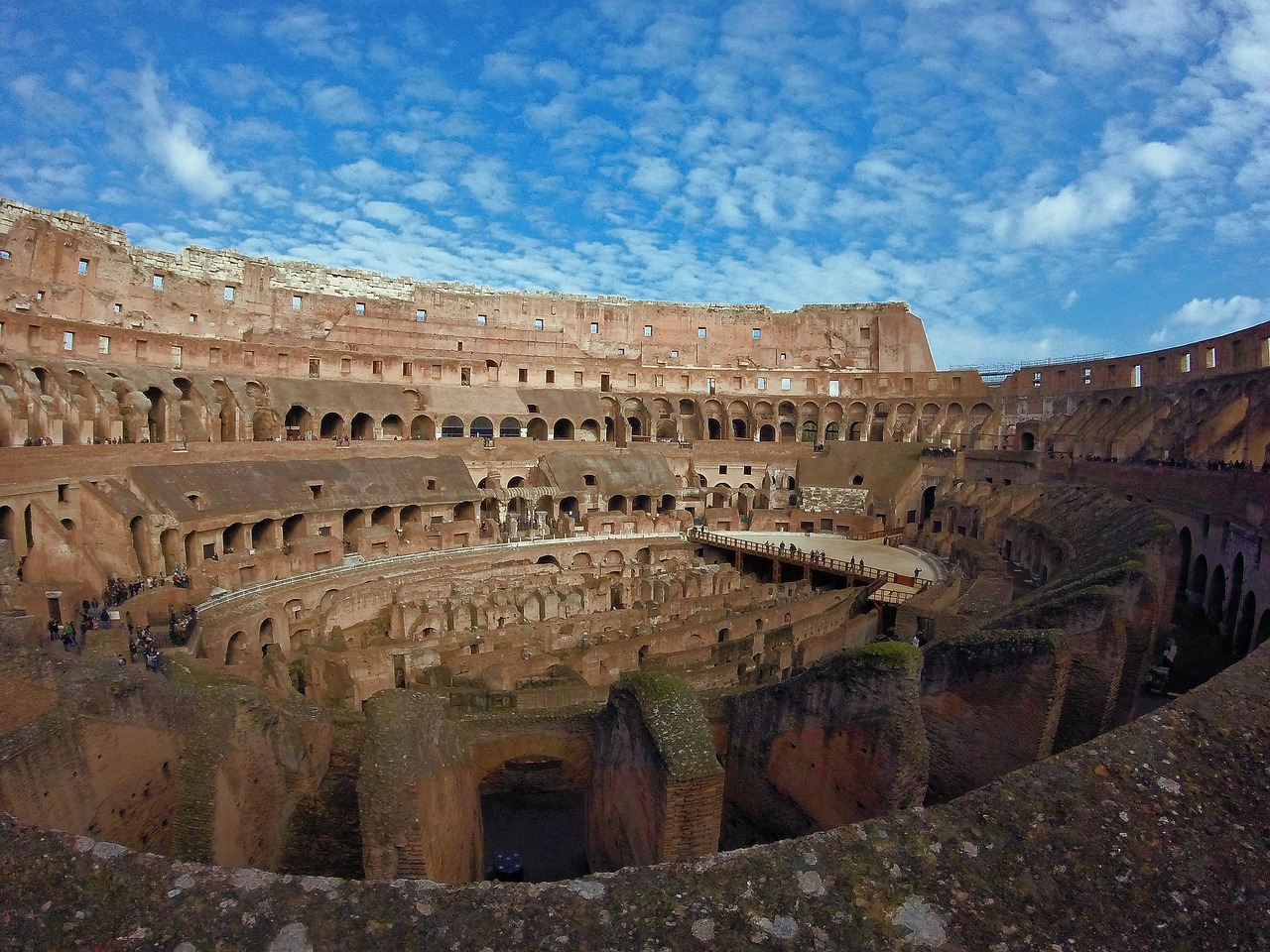
Colosseum design and engineering built to endure
To understand how the colosseum was built, start with the people behind the project rather than a timeline. Emperor Vespasian launched the work, and titus—vespasian’s son—opened it to the public, turning ambition into a working machine of entertainment. This is a 1st century story in stone: practical engineering made theatrical.
What feels especially rewarding is how readable the outer form remains. Even without a guidebook in hand, you can uncover the logic of movement, crowd control, and sightlines. The building doesn’t just sit there; it explains itself if you know what to look for.
Design details you can read on-site in this century-old giant
The stacked orders tell a clear visual story as you look up: Doric at the base, then Ionic, then Corinthian, each level shifting the mood from robust to refined. This famous architectural layering is more than decoration—it’s a kind of structural grammar, repeated around the oval to create balance. Notice how each column line helps guide your eye, and how the outer arcade keeps the curves feeling calm and controlled.
Materials, restoration, and what time tried to take away
Marble details once gleamed, while much of the core relied on tough stone and clever concrete. A vast quarry network fed the build, and later centuries tested it: earthquake damage, lightning strikes, neglect, and even vandalism each left its mark on the exterior. Modern restoration—especially work that intensified in the 1990s—has helped stabilise sections and reveal how carefully the venue was engineered for tens of thousands.
Pause on an upper level and imagine the sound: the city outside, and inside the surge of a crowd compressed into one oval. That design lens turns your walk into something more personal, as if the structure is asking you to build your own understanding rather than borrow someone else’s.
Gladiator history inside the Flavian amphitheatre: Roman spectacle and combat
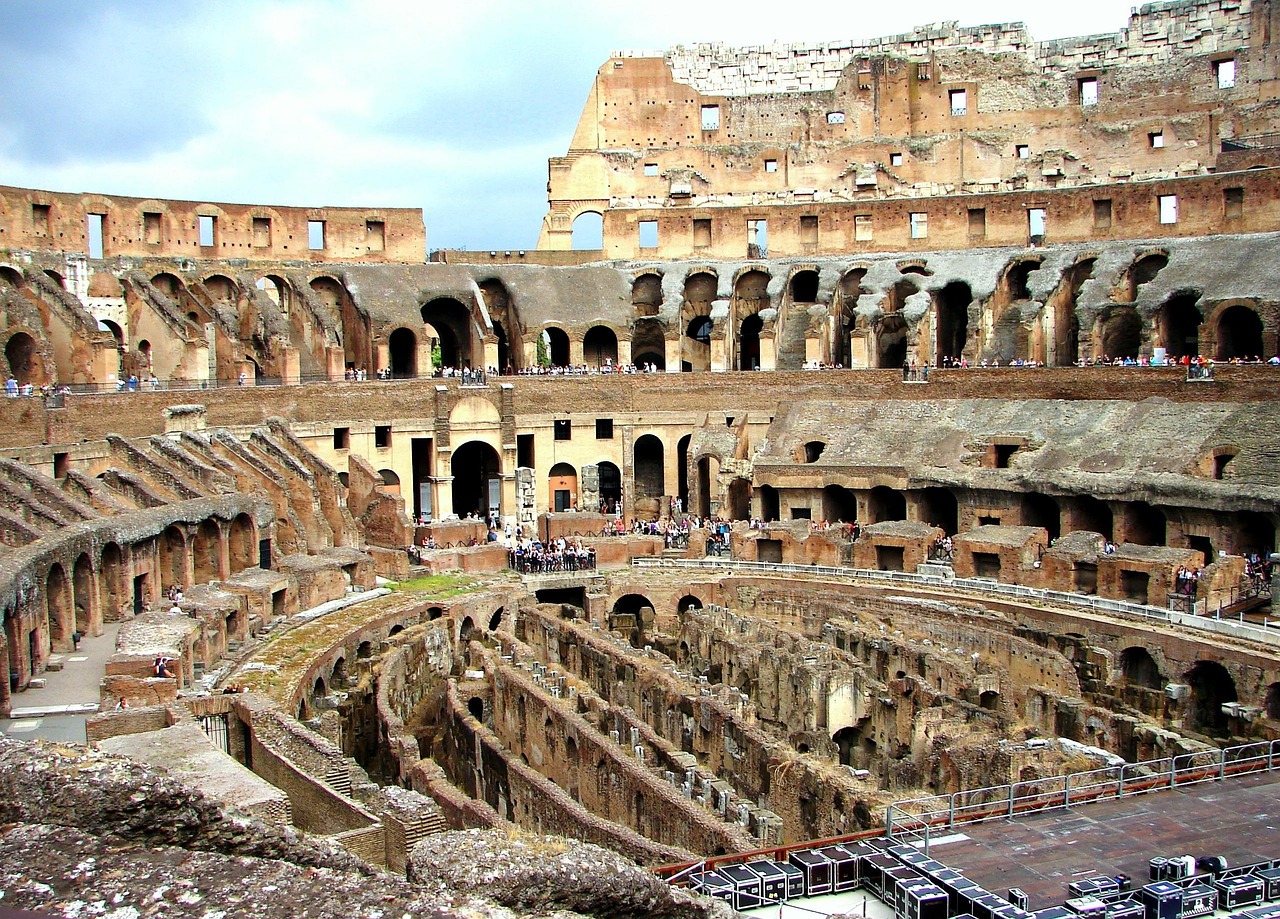
Gladiator legends and Roman spectacle inside the arena
When you lean into gladiator history at the colosseum, the experience shifts from impressive to intimate. Yes, there was gladiatorial combat, and yes, there were animal hunts and staged contest days—but films often exaggerate the “always-to-the-death” drama. The truth is more complex: trained fighters, strict rules, and a spectacle built to shape public mood.
In the Roman Empire, the amphitheatre also carried a message. An emperor could project control and generosity through games, using public entertainment as imperial theatre. It even staged occasional naval battle displays in its early years, proving how far engineering could be pushed when politics needed a show.
Gladiator stories that feel real, not cinematic
Many travellers still describe the awe of stepping inside and realising how close the seating pressed towards the arena. One backpacker told us an expert guide transformed the ruins with vivid details—gestures, routines, rivalries—that surpassed textbook history and made each archway feel inhabited. It’s a warm reminder that insight can be a form of care: it helps you explore without feeling lost.
What to linger on so your visit stays seamless
Today, you may encounter exhibition areas, models, or signage that clarifies what’s missing and why it matters. If you’re aiming for a smooth flow, choose just a few touchpoints and give them your full attention.
- Look for crowd design: the routes that funnelled Romans to their seats.
- Notice hierarchy: where status sat, and how close power wanted to be seen.
- Listen for quiet: even in a busy site, you can still find a hush in the stone.
This is also where grandeur collides with discomfort: it’s beautiful, and it asks honest questions about what a society applauds.
Hypogeum and arena floor tour: a wilder perspective inside the Colosseum
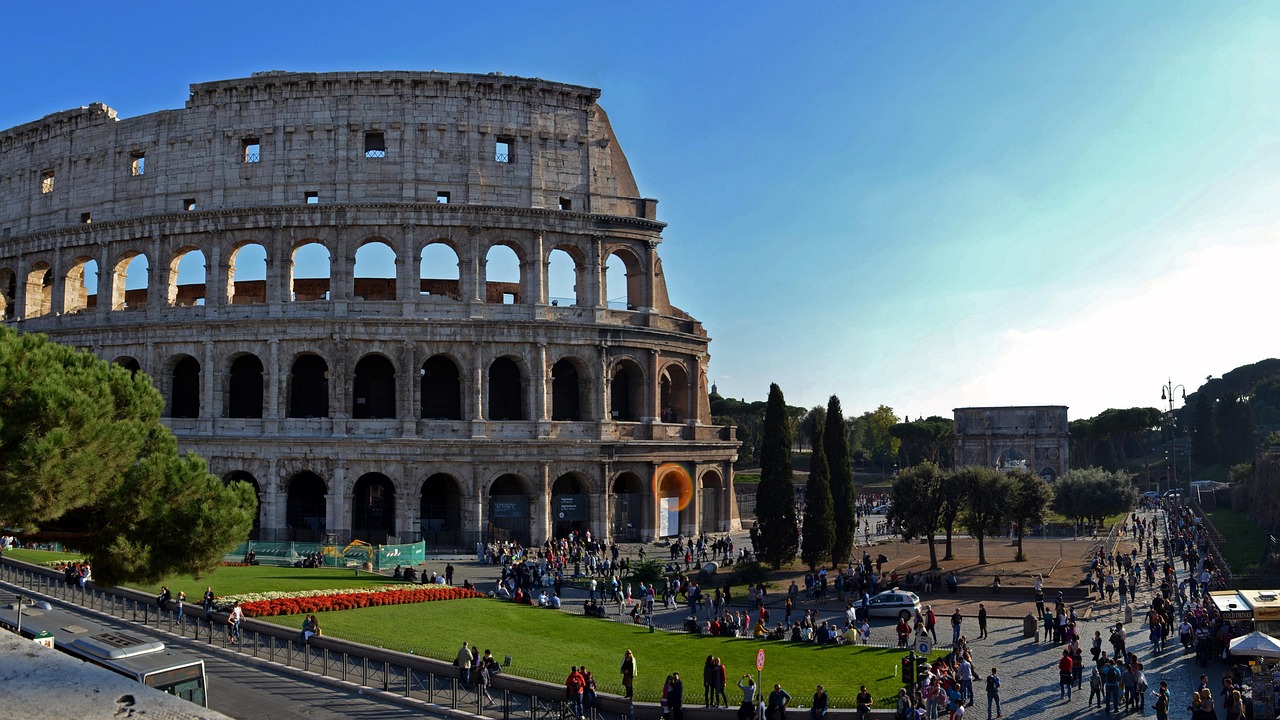
Hypogeum passages and the arena floor for a wilder perspective
This experience changes everything, because the story becomes mechanical and human at once. Underground here means the hypogeum: a network of corridors and chambers where staging happened away from the crowd’s gaze. From above, the arena can feel like a single space; from below, it becomes a working world of doors, lifts, and anticipation.
One visitor described a transformative moment descending into the passages—suddenly imagining the breath, the nerves, the rehearsed violence, and the labour that made it all possible. You begin to sense the slave workforce behind the scenes, the invisible hands that moved animals, scenery, and fighters into position. It’s a sobering kind of discovery, and it makes the monument feel more honest.
Ticket types and tours that include arena access
Not every ticket includes the hypogeum or arena floor, and availability is limited. For a high-end, crafted experience, booking in advance matters: it protects your time and keeps the day seamless. Look for a guided option that clearly states arena and hypogeum access, and that gives you space for questions rather than rushing you through.
Practical comfort on uneven ground and in tighter spaces
Expect worn surfaces and narrow turns, and move at a pace that feels safe for you. Wear comfortable shoes with grip, and keep your hands free—your balance matters more than a perfect photo. If you’re touring together, stay close, allow others to pass in pinch points, and respect barriers so this fragile place can endure.
Colosseum night tour in Rome: guided entry under the stars
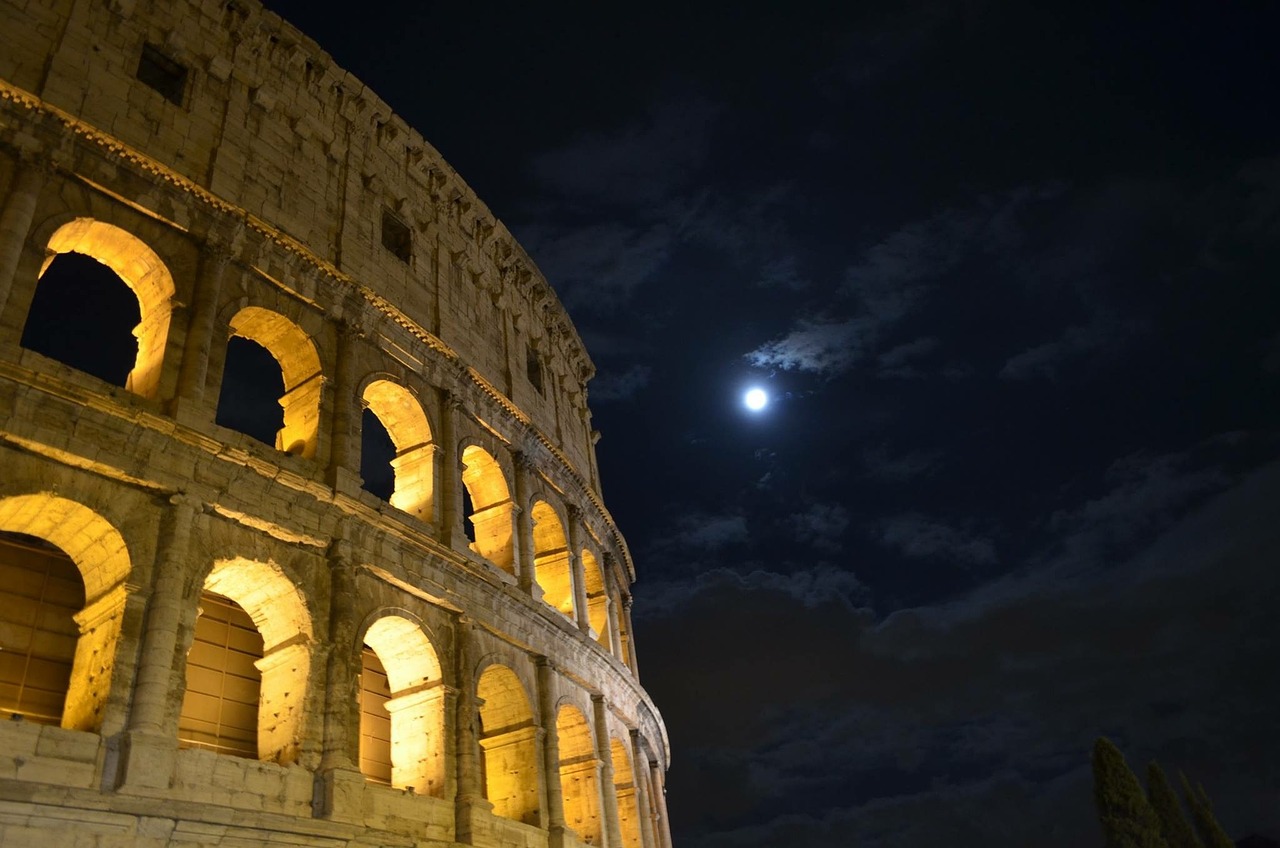
Night tour of the Colosseum in Rome under the stars
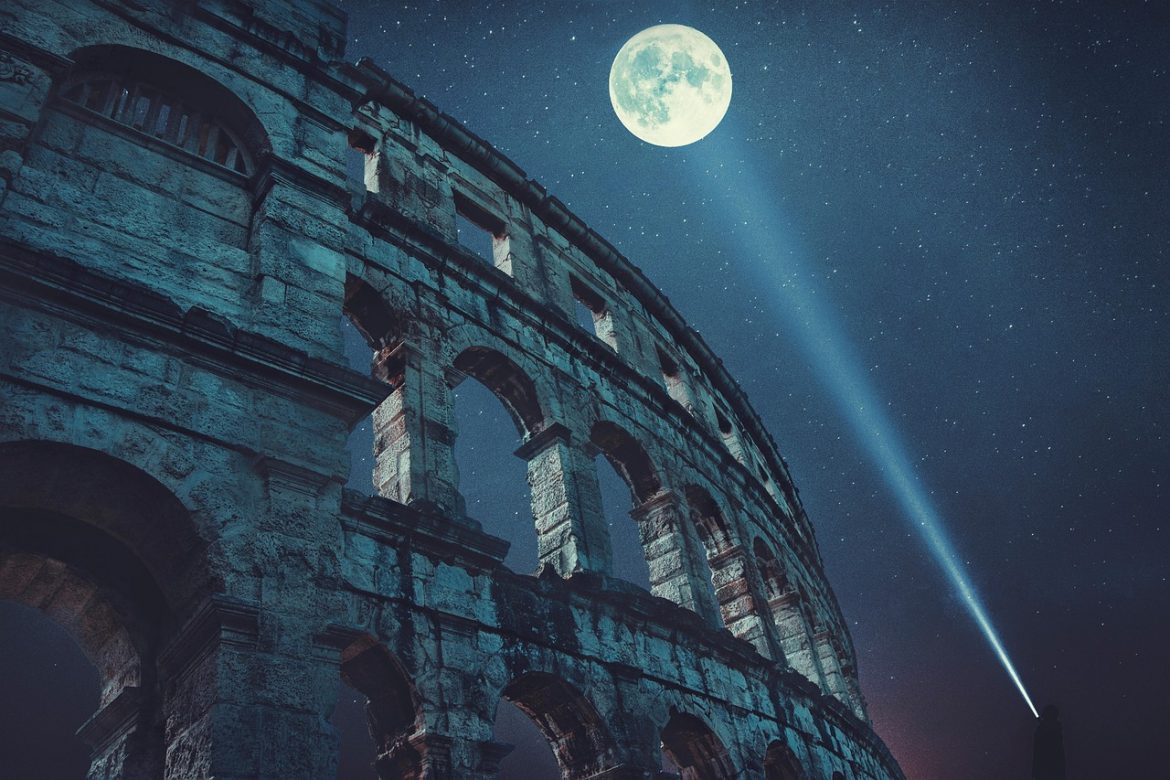
A night visit feels more intimate than daytime, as the stone catches softer light and the city’s edge noise fades. The illuminated arches look almost theatrical, and you can explore with a calmer kind of confidence. If you choose a guided option, check what your ticket includes so you’re not surprised by restricted areas.
This is also a beautiful way to avoid the heat in summer and to give the day a cinematic curve: late-afternoon wandering, then an evening entry that feels like a secret chapter. It’s not about doing more; it’s about designing the experience so it lands deeper.
Expert night-time insight and dramatic Roman layers
A skilled guide at night can uncover stories that daylight crowds often drown out: which emperor sought popularity, which reforms reshaped the games, and how public ritual kept the image polished. You’ll hear about the practical realities too—how the arena changed over time, and why some legends stuck. The point isn’t to sensationalise; it’s to offer insight with trust and warmth.
Logistics for a seamless evening in Rome
Check your meeting point carefully, and arrive a little early so you’re not navigating in a rush. After the tour, choose well-lit routes and keep your belongings secure in crowds—simple habits that let you relax. If you’re travelling solo, a reputable operator can feel like quiet support: you still have freedom, but you’re not on your own.
Roman Forum and Palatine Hill walk: connect the Colosseum to ancient Rome
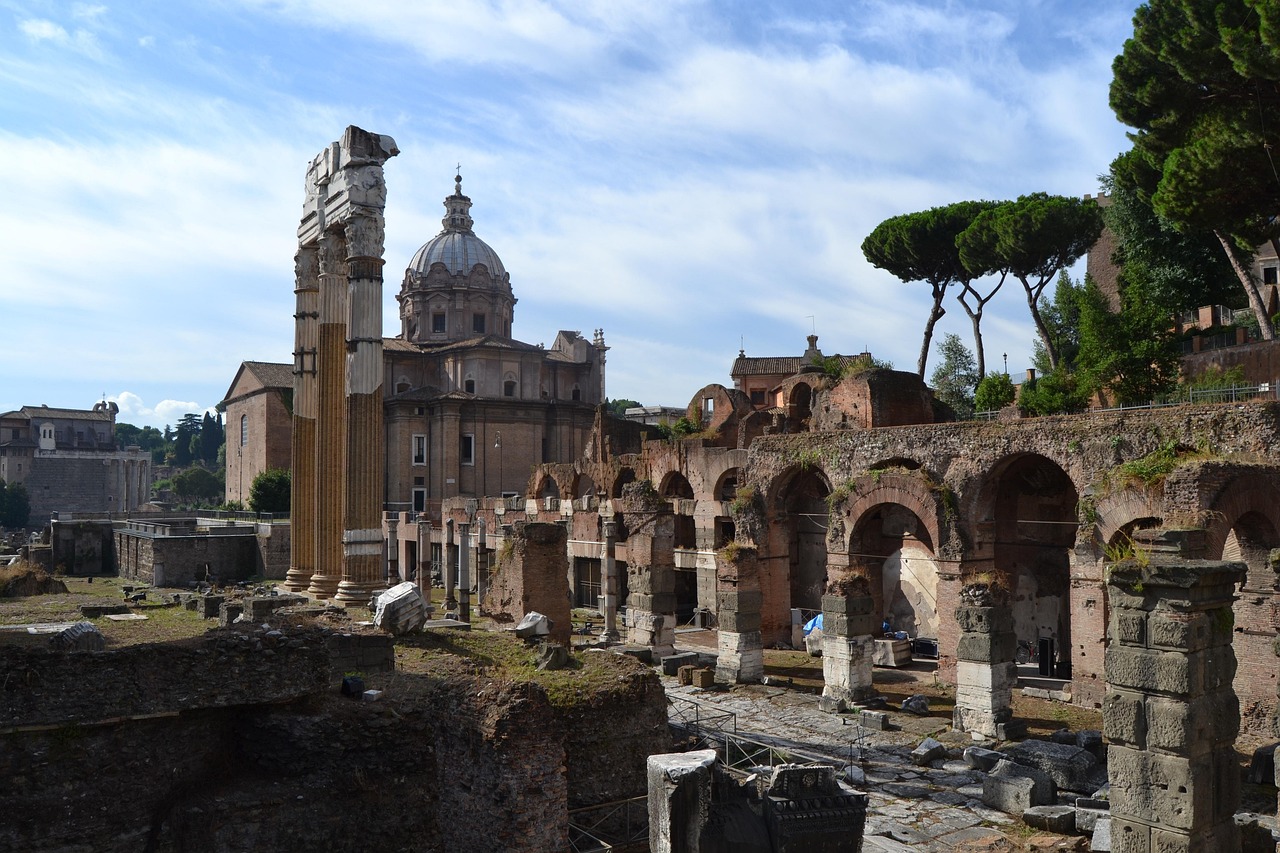
Roman Forum and Palatine Hill walk for the political heart of Rome
Plan a Roman Forum and Palatine Hill route, and you’ll feel ancient Rome expand beyond entertainment into governance, trade, and daily life. From the amphitheatre, the walk becomes a narrative: power on display, then power at work in the heart of Rome. For adventure seekers, it’s a satisfying continuation—more terrain underfoot, more layers to uncover.
The Forum is where speeches echoed, and decisions hardened into law; Palatine Hill brings you above it all, where myth and residence intertwine. Together, these sites help you explore Rome as a living system rather than a set of separate stops.
When a combined ticket makes sense
If you’re committed to the full story, a combined ticket is often the cleanest choice because it simplifies admission and keeps your day connected. Build in time buffers: the Forum rewards slow wandering, and Palatine’s viewpoints invite pauses. If you’re eligible, note that discounts are available for EU citizens under 25 and seniors, depending on current policy.
- Start at the Colosseum: timed entry anchors your schedule.
- Continue to the Forum: let curiosity guide which ruins you linger on.
- Finish on Palatine Hill: end with views that reset your sense of scale.
What to look for in the ruins, and how to keep it personal
Watch for the way stones overlap: older foundations repurposed, later additions stitched in, civic spaces turned into symbolic stages. The ambition is readable, even in fragments, including the slow shifts that followed the Western Roman Empire. Then take a mindful moment—perhaps overlooking rooftops and umbrella pines—and let the centuries sit beside each other without forcing meaning.
Colosseum tickets in Rome: booking online and planning your visit with confidence
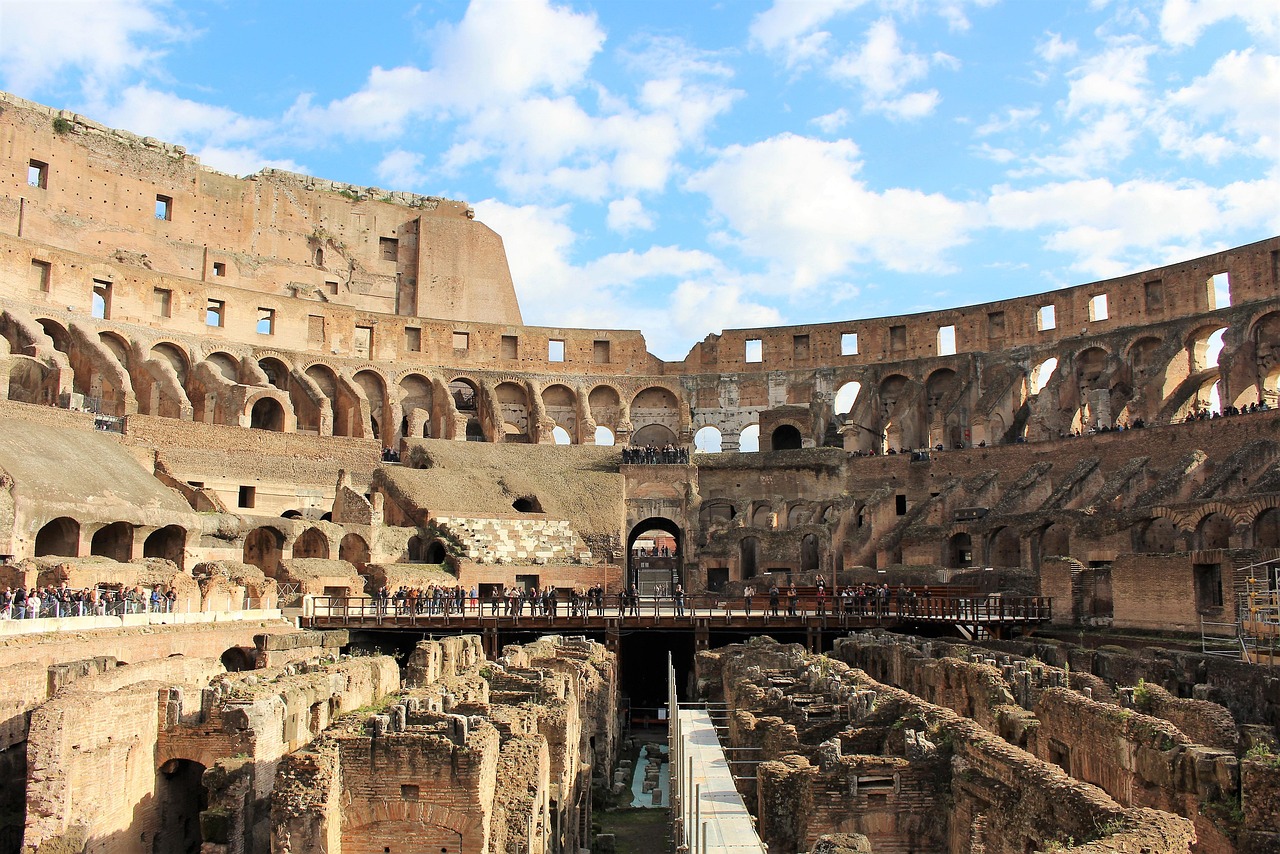
Planning your Colosseum entry online with confidence
For a calm visit, start with the Parco Archeologico del Colosseo sito ufficiale, choose your time slot, and book online to avoid long queues at the gate. That one step protects your energy for what matters: being present inside the amphitheatre. If you’re comparing options, confirm whether your ticket covers add-ons like the Forum, Palatine, or special-access routes.
Once your entry is secured, you can design the rest of the day around comfort and light. Early morning offers cooler air and clearer photos; late afternoon brings warmer tones and fewer large groups. Either way, you’re choosing a crafted rhythm instead of wrestling the crowd.
Timing, comfort, and what to carry
In summer, hydration and sun protection are not optional—stone holds heat, and shade can be limited. Wear comfortable shoes, as surfaces can be uneven, especially on the Forum and on hill walks. Give yourself permission to slow down; confidence often comes from pacing, not pushing.
- Water and a hat: small items that make the day feel seamless.
- Light layers: evenings can cool quickly after a warm day.
- Minimal bag: quicker security, less to manage in crowds.
Getting there like a local and showing care
Take the Metro line B to Colosseo station for the most direct arrival, then follow the signs towards the main entrance. Keep noise low, don’t touch ancient walls, and respect barriers—small acts of care that protect this monument and build trust with the local community. When you treat the site gently, you become part of its future as well as its past.
F.A.Qs: Colosseum essentials for travellers
What is the Colosseum in Italy famous for?
The Colosseum is famous as Rome’s iconic Roman amphitheatre, where public spectacles were staged, including gladiator fights and animal hunts. It’s also celebrated for its scale, engineering, and the way it still anchors the city’s history in the modern world.
What are 5 fun facts about the Colosseum?
It was built under the Flavian emperors; it could hold tens of thousands; its seating reflected strict social hierarchy; complex hypogeum systems powered staging; and it has survived earthquakes, stone removal, and centuries of change while remaining Rome’s most recognisable monument.
Why is the Colosseum a 7th wonder?
The Colosseum is widely linked with “new seven wonders” lists because of its extraordinary Roman engineering, enduring cultural impact, and powerful symbolism. It represents both human creativity and the complex history of entertainment and authority that shaped the city.
How old is the Colosseum in Italy?
The Colosseum dates to the 1st century AD, opening under Emperor Titus after construction began under Emperor Vespasian. That makes it nearly 2,000 years old, with much of its structure still standing despite extensive damage over the years.
What stays with you after the Colosseum
After you leave, it’s often the quiet that lingers—the way the air shifts once the arches fall behind you and the city sound returns. The colosseum can feel like pure grandeur while you’re inside, yet on the walk away, you notice its vulnerability too: gaps, scars, and repairs holding steady against time. In that space between wonder and wear, something personal can settle.
Perhaps you discovered a new understanding of courage, not as heroics but as endurance—of bodies, of stones, of stories told and retold across each century. Perhaps you felt the uneasy beauty of the system that ruled Rome, how easily a crowd can be swept into a shared mood, and how power learns to perform. It doesn’t demand a single interpretation; it simply offers layers until you find your own.
Travel feels richest when it’s made with care: choosing expert insight when it matters, trusting your instincts when you need a pause, and letting meaning arrive on its own schedule. If you carry anything forward, let it be that permission—to move at your pace, to look longer, to imagine more gently.
And when you’re ready, not urgently but naturally, you may find yourself wondering what other corners of Italy are waiting to be uncovered—quietly, beautifully, in their own time.