First Steps Into the Colosseum in Rome guide for adventure seekers in Italy
For many, a colosseum Rome guide for adventure seekers Italy begins with a pause at the threshold: a hush, a lift of the eyes, and the sudden realisation that you’re standing where gladiator fights once stirred a roaring spectator sea. Travellers often describe pure awe here—less like ticking off a tourist box, more like touching the edge of the Roman Empire with your own footsteps. It’s a famous monument, yes, but it also feels strangely intimate when you allow the first minute to simply arrive.
First Steps Into the Colosseum in Rome guide for adventure seekers Italy
From Flavian ambition to a living symbol of Rome
This amphitheater is formally the Flavian Amphitheater—and in older texts you’ll see it called the flavian amphitheatre. The construction of the Colosseum tells you a great deal about imperial confidence: the Colosseum began under Emperor Vespasian, and Emperor Titus inaugurated the Colosseum in the year 80. Ancient sources speak of 100 days of inaugural games, a public spectacle designed to bind the city to its rulers through sheer scale and theatre.
It’s also the enduring symbol of Rome that so many people recognise instantly—frequently cited as one of the new seven wonders. The phrase new seven wonders (and even “seven wonders of the modern” lists) gets used in travel conversations because it captures a simple truth: this place still astonishes, even when you’ve seen it a hundred times on screen.
A you-are-here map of the elliptical structure
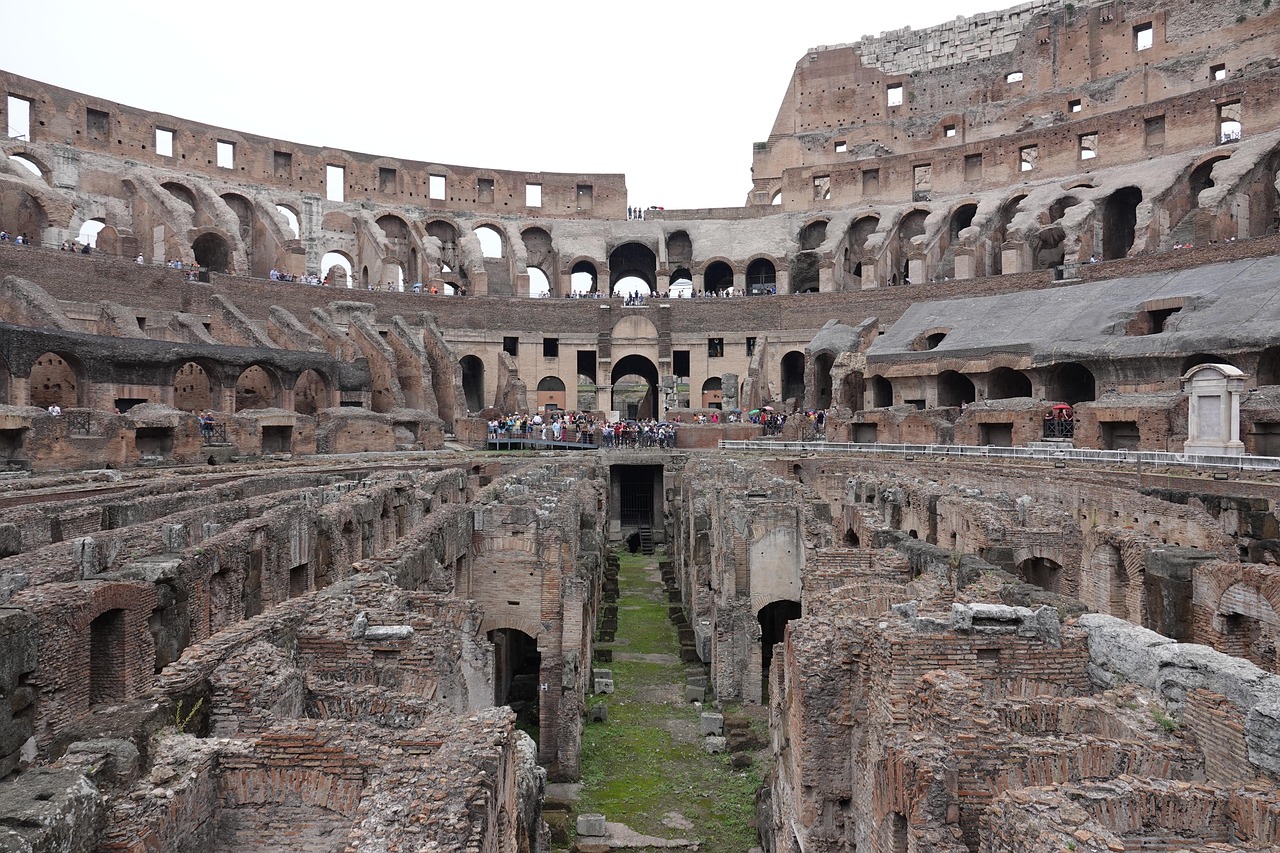
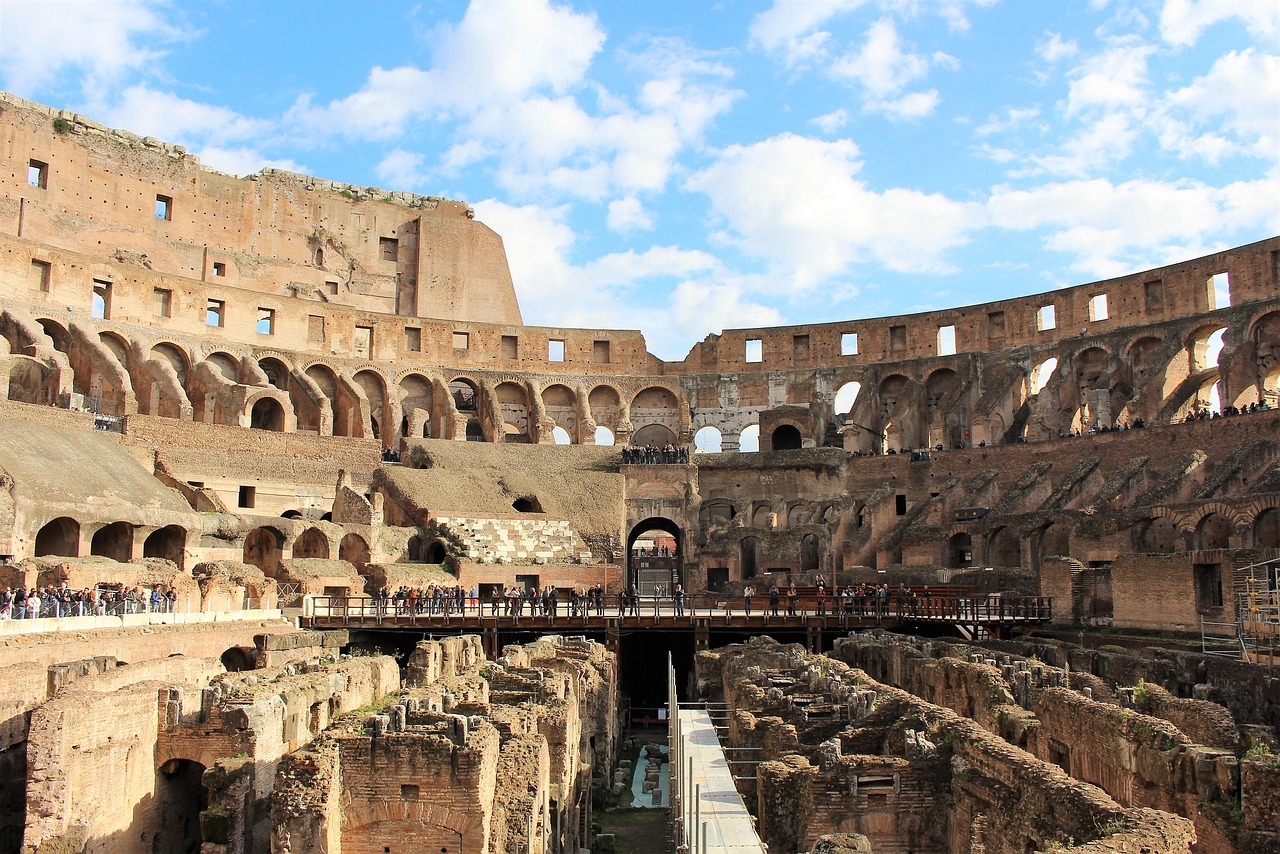
The first thing to hold in your mind is the elliptical structure: it’s what makes sightlines feel naturally balanced from almost any seat. The building measures roughly 188 by 156 meters, and that geometry helped direct attention to the centre—where the arena once lay, edged by protective barriers and tiers of stone. When people talk about what’s “beneath the arena”, they mean the hidden service world where animals, props, and people were managed out of view, ready to surge up through trapdoors like a staged miracle.
Set expectations kindly: this is among Europe’s major tourist attractions, and it can welcome millions of visitors each year—often described as “millions of visitors annually,” with figures commonly cited around 6 million or even 6 million, depending on the year. A crafted plan makes the experience calmer, even when the crowd is lively.
As you explore, a little care goes a long way. Keep voices soft in enclosed corridors, respect roped-off areas, and treat the stone like what it is: a precious ruin with modern safety needs. That gentle local etiquette helps you and everyone around you feel more present—and it builds quiet trust between travellers sharing the same wonder.




Parco Archeologico del Colosseo ticket opening hours sito ufficiale Rome Italy
If you’re planning around time, weather, and energy, start with a clear framework: Parco Archeologico del Colosseo ticket opening hours, sito ufficiale, Rome, Italy. In practice, that means choosing the right entry type, confirming time slots, and knowing exactly where your entrance is—so your day stays seamless rather than stressful.
Tickets Opening Hours and the Parco Archeologico del Colosseo
Tickets and what they actually include
Most visitors choose a standard option that bundles the Colosseum with the Roman Forum and Palatine Hill—a smart way to create one coherent story of ancient Rome. There are also upgrades that include the arena viewpoint or hypogeum access, typically on a timed basis. When you see the phrase colosseum tickets, read the fine print: “Colosseum only” is rare, and the best value usually sits in a combined entry.
For the most reliable rules, closures, and opening hours, go straight to the Parco Archeologico del Colosseo sito ufficiale. That’s the simplest way to keep your plans current—especially in shoulder seasons when hours can shift, and special routes may open or close.
Queue-busting and entrance logistics
The best useful information I can offer is also the simplest: buy online in advance to avoid long lines. If your preferred time slot sells out, a small-group guided entry can be a helpful option—not because you can’t do it alone, but because it protects your time and keeps the day flowing.
- Security checks are standard at the entrance—pack light, and expect airport-style screening.
- Bring photo ID if you have named tickets; staff may check details before you enter.
- Keep water accessible, but avoid bulky bottles and large bags to stay nimble.
Getting there is refreshingly straightforward: take Metro Line B to Colosseo station and walk out into the view that feels like a film set. For a gentler experience, arrive early morning or late afternoon; the crowd tends to soften, and the light becomes more forgiving for both photos and mood.
Guided tour Colosseum hypogeum arena floor guide Rome Italy
A guided tour of the Colosseum hypogeum arena floor guide in Rome, Italy, is where many adventure-minded travellers feel the story click into place. One visitor told me the thrill wasn’t the height of the tiers—it was descending below, imagining the hidden systems that made the games possible, and hearing the stone “explain itself” through a guide’s calm voice.
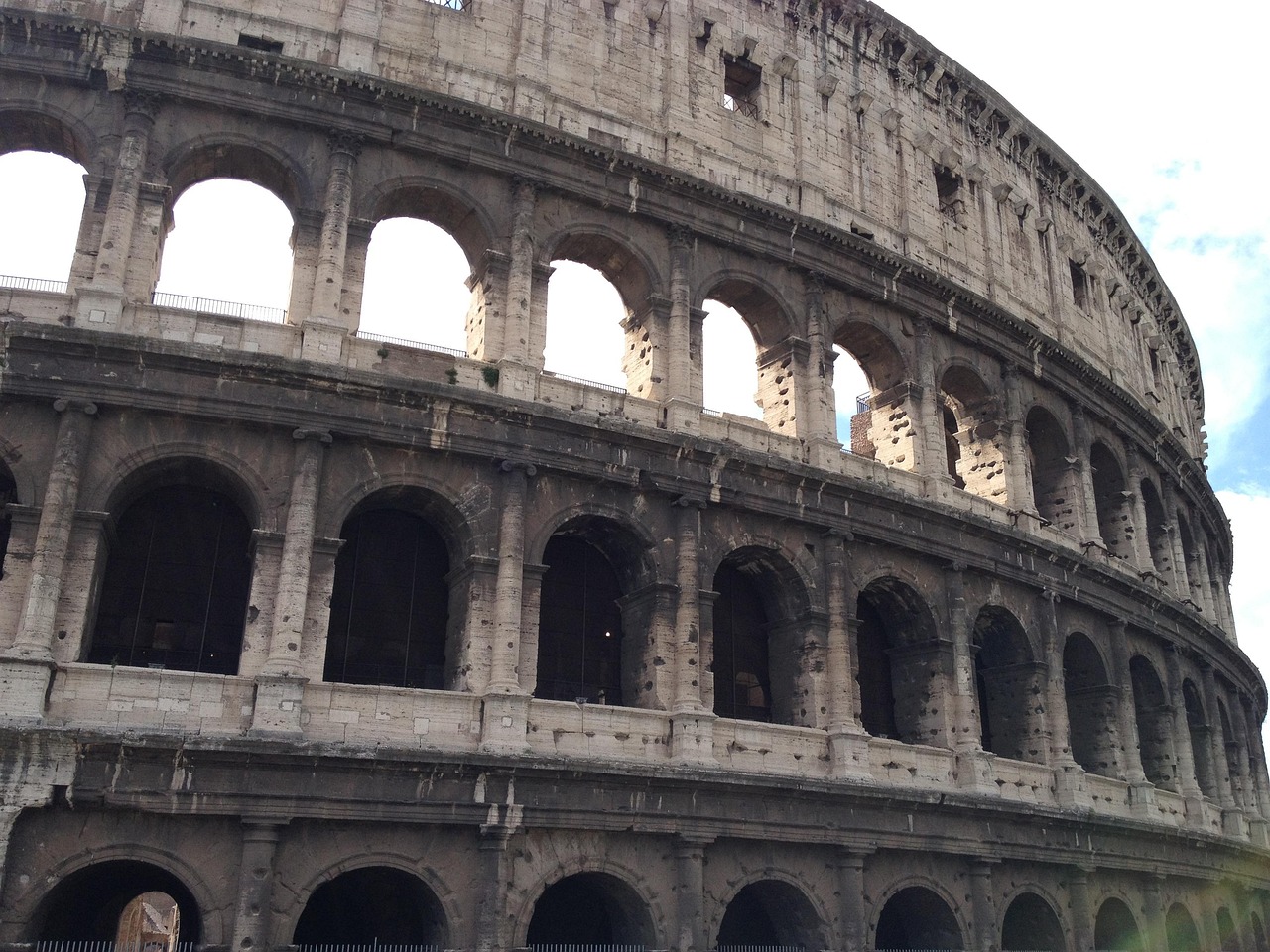
Uncover the Hypogeum and Arena on a Guided Tour
Imagine the hypogeum beneath the arena
Pause at the stairwell and imagine what it meant to work in the hypogeum: dim corridors, the scrape of wheels, the tension of timing. This underworld held animal cages and staging rooms, with lifts and pulleys engineered to raise scenery and creatures into daylight at precisely the right moment. For readers drawn to systems and mechanics, it’s an architectural marvel—proof that Roman entertainment was also Roman logistics.
It’s worth noting what historians believe is plausible. You’ll hear stories about flooded events and naval-style showpieces in the earliest period; while dramatic, the evidence suggests full-scale mock sea battles are more likely tied to earlier venues, with the Colosseum later optimised for dry events like animal hunts and staged battle scenes. A good guide keeps the wonder without tipping into sensationalism.
Standing in the arena and seeing with new eyes
The arena-floor viewpoint is a designed perspective shift. You’re suddenly at eye level with the surrounding tiers, and the building’s hierarchy becomes clear—where different classes sat, how movement was controlled, how a spectator might have read each entrance arch as part of an imperial message. It’s a profoundly personal moment, and guides often pace it well so you can breathe and take it in.
If you’re concerned about mobility or stamina, choose a tour that states clearly what it includes and how many stairs are involved. Most operators are thoughtful about pacing; the aim is confidence, not endurance theatre.
On any tour of the Colosseum, I like to include one resilience thread: an earthquake damaged sections, followed by periods of neglect, and later restoration introduced visible repairs. Look for the different tones of travertine and brickwork—quiet evidence that survival is an ongoing act. Over time, the Colosseum became many things: a quarry, a symbol, even a kind of civic mirror reflecting each era’s values.
Roman Forum Palatine Hill walk after Colosseum ticket, Rome, Italy
Once your time slot ends, the story widens: a Roman Forum Palatine Hill walk after Colosseum ticket in Rome, Italy, turns a single monument into a full day inside layered ancient Rome. The combined access feels like a curated narrative—public entertainment at the amphitheatre, public power in the Forum, and private ambition on the hilltops.

Roman Forum and Palatine Hill Walk Through Ancient Rome
From the Roman Forum to the Palatine Hill in one flow
The Roman Forum was the political and social heart: speeches, trials, trade, and ceremony weaving together in the open air. Then, rising above, Palatine Hill carries the origin story of Roma alongside the remains of elite living—palatial terraces and courtyards that once belonged to power. In places, you can sense where a palace complex would have dominated the skyline, watching the city’s theatre below.
To keep it enjoyable, choose a gentle route and accept the ground as it is—beautiful, uneven, and part of the authenticity. Wear comfortable shoes and plan small pauses. Adventure doesn’t need to mean rushing; sometimes it means giving yourself permission to linger.
- Start with broader Forum paths, then climb gradually towards Palatine viewpoints.
- Pause in shade, sip water, and read a few inscriptions rather than trying to read everything.
- Look back towards the Roman Colosseum for iconic alignment shots.
Key sights that anchor your imagination
Instead of chasing every ruin, choose a few anchors: a broken column against the sky, a triumphal arch framing the path, and a temple footprint that reveals how sacred space was laid out. These fragments are enough to spark your own inner reconstruction—and they make the experience feel designed rather than overwhelming.
If you have time and curiosity, connect the surrounding layers. The Domus Aurea offers context for Nero and the city’s constant reinvention, while Piazza Venezia shows how later eras layered their own statements atop older ground. And if your trip includes the Vatican, you’ll feel an intriguing contrast: imperial stone versus sacred art—two different kinds of permanence sharing one city.
Colosseum night tour best time to visit Rome, Italy crowd
For a different kind of intimacy, consider a Colosseum night tour, the best time to visit Rome, Italy, crowd strategy. In the cooler air, with illuminated arches and quieter corridors, the monument reads less like a headline and more like a story you can hear in your own thoughts.
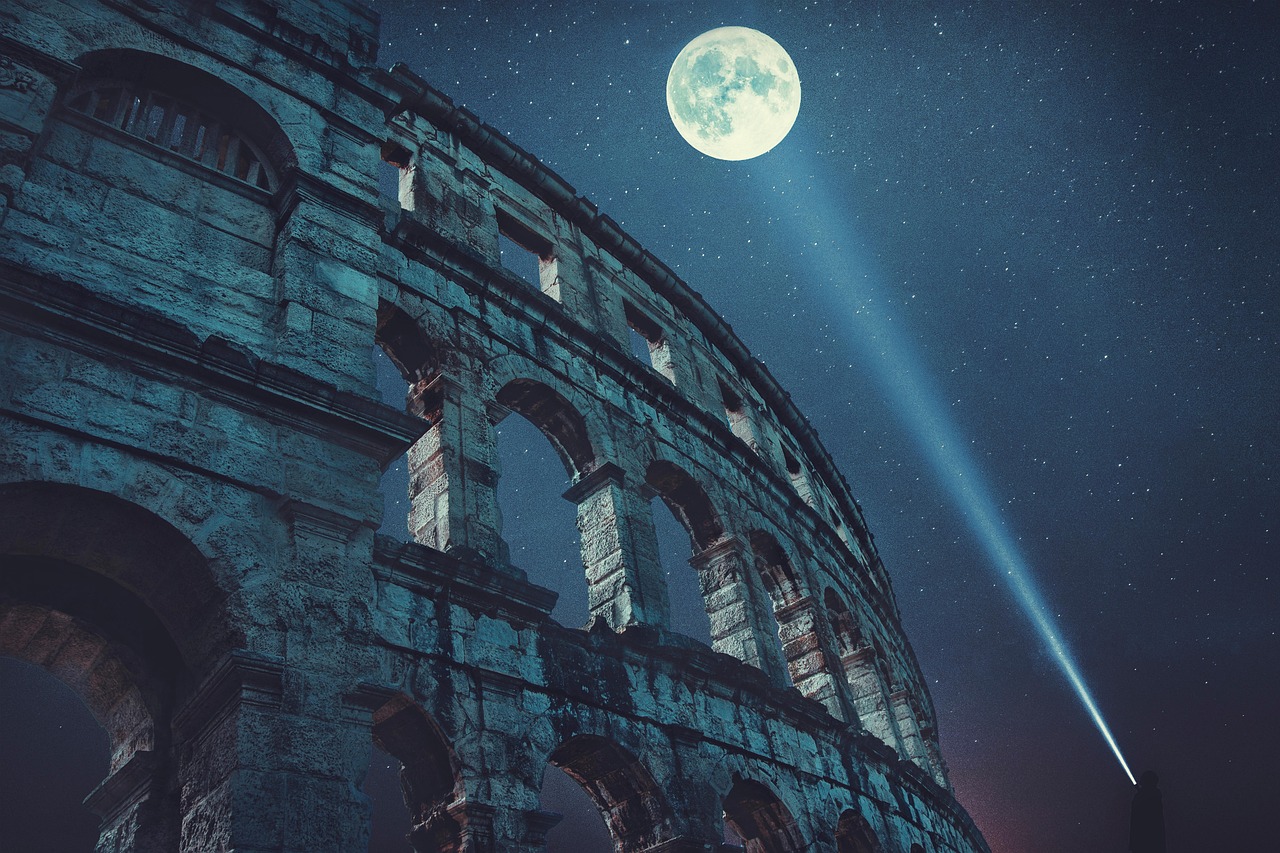
Night Tours Dawn Light and the Art of Beating the Crowd
Create your rhythm from dawn to starlight
A solo traveller once told me their favourite moment was a dawn entry—cool stone, near-silence, and the sense of having the building to themselves for a heartbeat. If dawn isn’t practical, late afternoon offers softer light and a calmer tempo as day-trippers drift away. Either way, you’re designing for atmosphere as much as access, and that choice changes everything.
Season matters. If you can, avoid peak summer when heat and density amplify fatigue; spring and autumn tend to bring pleasant temperatures and better photo opportunities. Bring water, sun protection, and a light layer for evenings—small comforts that make your confidence feel effortless.
Photography notes with care for restricted areas
Adventure seekers often love a visual mission, so here’s a simple shot list to keep your eye focused: repeating arches, worn stair edges, and Corinthian detail in the orders of the façade. Let shadows do some of the storytelling—especially on night tours where contrast becomes the mood. Keep an eye on signage, though: some corridors are protected, and respecting restricted areas is part of travelling with care.
- Frame through archways to emphasise scale, then step closer for texture.
- Photograph corridors as lines, not just objects—your images will feel more immersive.
- Look for restoration seams; they tell the building’s survival story.
And if plans shift—rain, delayed trains, sold-out slots—be gentle with the day. In Rome, flexibility is a form of luxury. When you want extra support, an expert-led option can protect your time and keep the experience feeling curated rather than compromised. If you’re dreaming beyond the city, you can explore our Trip gallery and imagine what a designed route across Italy might look like, shaped around your pace.
F.A.Qs: Colosseum, Rome, Italy ticket and entry basics
What is the Colosseum in Rome famous for?
The Colosseum is famous as Rome’s great ancient amphitheatre, built for public spectacles such as gladiatorial contests, animal hunts, and staged performances. Today, it’s a powerful symbol of imperial Rome and one of the world’s most recognisable monuments, admired for its engineering, scale, and enduring presence in the city.
How many gladiators were killed in the Colosseum?
No exact, reliable number is known. Ancient records are incomplete, and many events weren’t documented in a way that allows modern historians to calculate a total. What we can say with confidence is that the games involved significant violence over centuries, and deaths occurred—among gladiators, criminals, and animals—within a broader culture of spectacle.
Why is it called a Colosseum?
The name is commonly associated with the “colossal” scale of the building and with a nearby colossal statue of Nero that once stood in the area. Over time, popular usage settled on “Colosseum,” even though the formal ancient name was the Flavian Amphitheatre, tied to the emperors who commissioned it.
Can you still go inside the Colosseum?
Yes. You can still go inside the Colosseum by booking a timed entry ticket, and many options include access to the Roman Forum and Palatine Hill. Some experiences also offer special areas such as the arena viewpoint or underground sections on guided tours, which should be reserved in advance when possible.
What Stayed With Me After Rome
What stayed with me wasn’t a fact I could recite on command. It was the temperature of the stone when the sun dipped, and the way a guide’s voice softened as we stepped into a quieter corridor, like the building asked us to listen rather than look. In that moment, the Colosseum felt less like a landmark and more like a threshold into human scale: our ambitions, our entertainments, our contradictions.
There’s a layered history here—imperial pride, engineered spectacle, and the stories that gathered later. Some visitors speak of early Christians and martyrdom traditions; others notice how the structure served as a fortress in turbulent times, or how the Renaissance city repurposed ancient stone with casual practicality. None of it cancels the rest. It simply reminds you that places, like people, hold more than one truth.
And then there’s the small, private stillness. Standing near the arena edge at dusk, I found myself thinking not about grandeur, but about the ordinary labour that kept the machine moving—hands on ropes, footsteps in tunnels, breath held before a cue. Rome has a way of making you feel small in a good way, as though humility can be a gift rather than a loss.
Long after you’ve left, you may remember a single curve of shadow, a fragment of worn stair, or the sound of footsteps fading into starlight. It’s enough to make you wonder what other places might meet you the same way—quietly, patiently—when you’re ready to travel together with curiosity and care.