Duomo di Firenze e Piazza del Duomo: prime impressioni per una guida in Italia.
Duomo Florence and Piazza del Duomo First Impressions in Florence, Italy
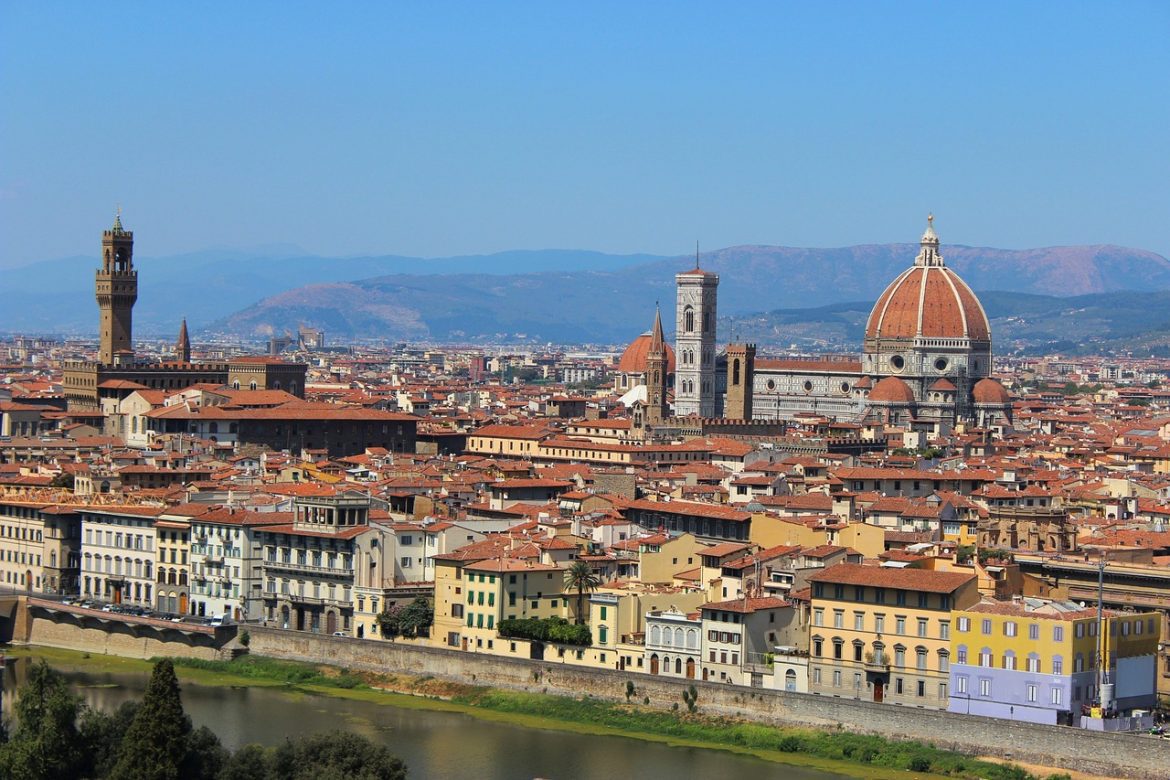
This Duomo Florence Piazza del Duomo Italy guide begins where Florence feels most alive: the square itself. Piazza del Duomo plays like a living stage—street performers finding their rhythm, artisans polishing leather, and that first full view of the Duomo as a symbol of Florence. Even high-end travellers who’ve seen “everything” tend to pause here, because the scale is emotional as much as architectural.
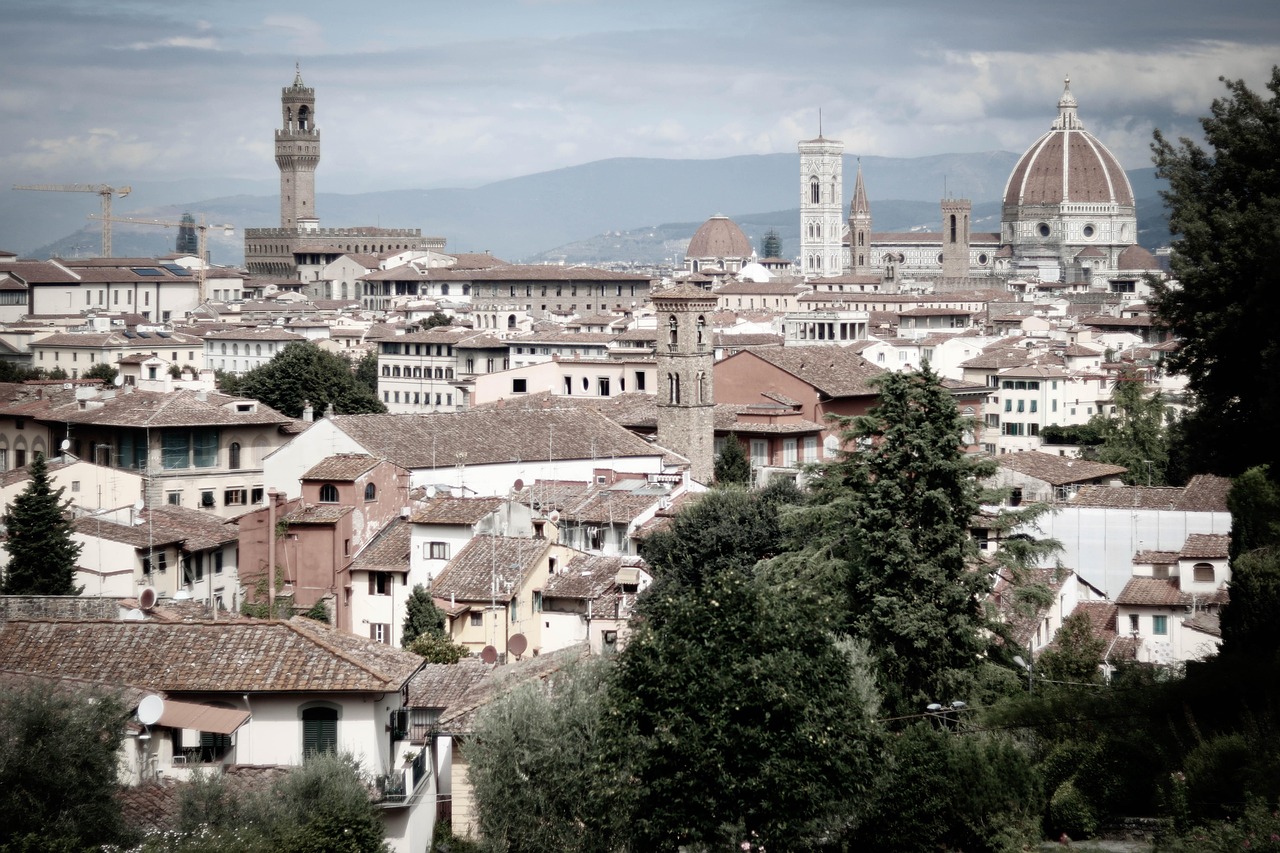
To orient yourself, picture the Duomo complex in Florence as a tight constellation. The Florence Cathedral (Santa Maria del Fiore) dominates the piazza; Brunelleschi’s dome rises above it; Giotto’s bell tower stands a few steps away; the Baptistery sits opposite like a jewel box; and the Opera del Duomo Museum waits nearby to add depth and context. When you know what sits where, you stop wandering and start exploring with intent.
Piazza duomo pacing for adventure seekers
I love arriving early, when the air is cooler, and the historic centre of Florence feels like it’s just waking up. The queues are shorter, your photos are cleaner, and you get that rare feeling of being invited—rather than rushed—into the city of Florence. It’s also the best time to create a calm baseline before you take on stairs and timed entries.
For photography, slow your pace and design your angles. The Duomo rewards a gentle walk around the perimeter—shifting shadows, different marble tones, and small carvings that only appear when you stop trying to “tick it off”. A crafted experience often comes from doing less, more deliberately.
- Best first photo: step back towards the Baptistery side for a full cathedral-and-dome frame.
- Best crowd-free moment: the first 30–45 minutes after opening times nearby, before tour groups settle in.
- Best energy management: treat the square as your hub; many of the city’s attractions radiate from here.
From this piazza, Florence becomes legible. The cathedral anchors your day, so the rest of the city’s art, markets and river walks feel connected—like you’re moving together through one long, seamless story.




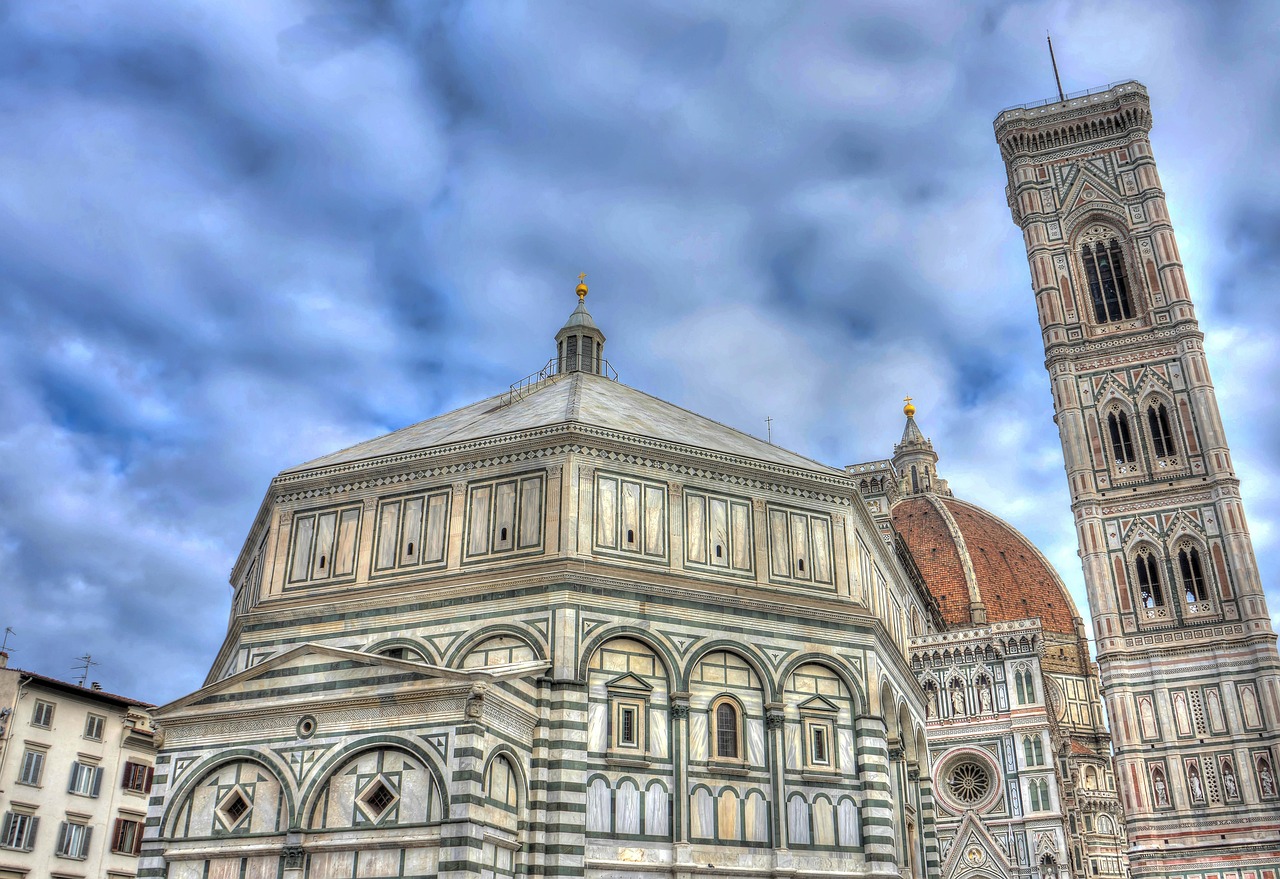
Florence Cathedral, Santa Maria del Fiore, and its Gothic Renaissance façade in Italy.
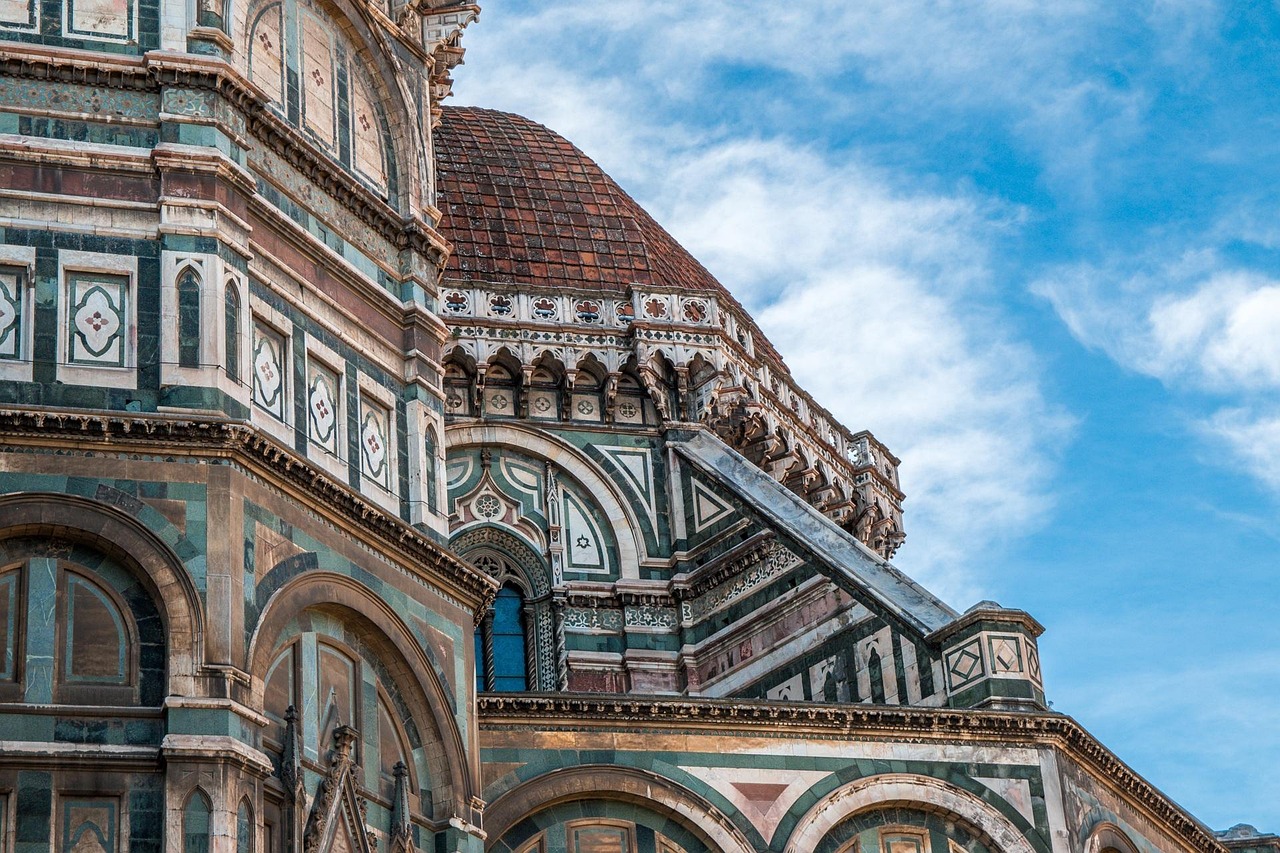
Florence Cathedral Santa Maria del Fiore and Its Façade in the heart of Florence
If you’ve searched “Florence cathedral Santa Maria del Fiore cathedral facade Gothic Renaissance Italy”, you’re not alone—names overlap. The Santa Maria del Fiore Cathedral, also known as the Duomo of Florence, is the Florence Duomo; locals may refer to it as Duomo di Firenze. And yes, people genuinely ask “Fiore Cathedral or Florence Cathedral” when planning—think of them as the same main cathedral, just different labels for the same masterpiece.
The cathedral’s origin story and the architect behind it
Construction began in 1296—more precisely, it began in 1296 under plans by Arnolfo di Cambio. When you read “designed by Arnolfo di Cambio”, it’s not a trivia fact; it’s the start of Florence’s civic ambition, turning into stone. The façade you see today came later, with a 19th-century completion associated with De Fabris, so what looks “ancient” is actually a confident conversation across centuries.
Stand close and let the marble do the talking. You’ll notice white panels, blush tones, and bands of green marble, laid in patterns that feel both Gothic and bold with early Renaissance confidence. The cathedral façade is precise yet exuberant—like a hymn made of geometry.
Inside the cathedral, calm and scale
Inside the cathedral, the atmosphere changes: cooler, quieter, and unexpectedly spacious. It’s one of the largest churches in the world, and the interior’s scale can feel almost minimalist compared to the exterior. That contrast is the point—the building is designed to hold a crowd, yet still offer a personal moment of hush.
Dress modestly, lower your voice, and leave flash photography behind. These aren’t restrictions; they’re part of travelling with trust and care in a sacred space. If you want the most flattering view of the façade, try the corners of the square—especially slightly off-centre—so the marble and the dome align without distortion.
Brunelleschi Dome and the Duomo Dome Climb for Brunelleschi dome climb Florence Duomo Italy 463 steps
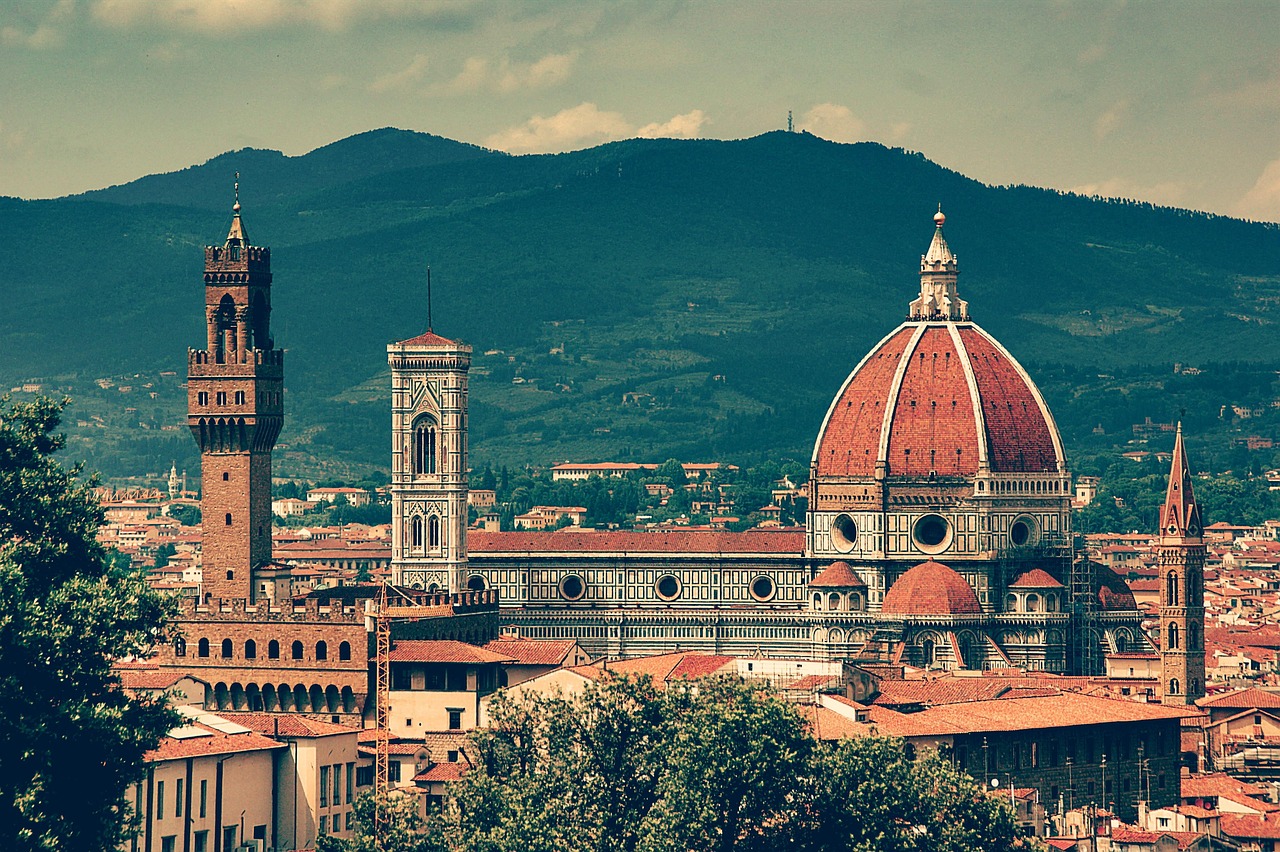
Brunelleschi Dome and the Duomo Dome Climb above Florence
The phrase “Brunelleschi dome climb Florence Duomo Italy 463 steps” sounds like a challenge because it is one—in the best way. The dome climb is narrow and steep, with moments where you’ll feel the walls close in and your breath quicken. Take it slowly, pause when you need, and remember: confidence is built step by step, not by rushing.
Why Brunelleschi matters and how the dome designed the city skyline
In the 15th century, Filippo Brunelleschi changed the history of engineering with a dome designed to stand without traditional wooden centring. This isn’t just “a big roof”; Brunelleschi’s brick dome solved a problem many thought impossible. When you hear “designed by Filippo Brunelleschi”, picture a mind that could imagine structuring the way others imagine art.
As you climb, you’ll pass close to frescoes by Vasari and Zuccari depicting The Last Judgment—faces, flames, and swirling movement that feel startling at this distance. It’s one of those rare moments where you uncover a detail most visitors only glimpse from far below.
Climb 463 and step onto the terraces of the Duomo
You’ll climb 463, and yes, it’s 463 steps—often via tight spiral staircases where you naturally match the rhythm of the person ahead. An adventure seeker once told me the best part was the sensation of being “inside the Renaissance”, brushing past stone and brick that have held steady for centuries. You’ll also feel how the dome of Santa Maria del Fiore hugs the city like a protective arc.
Then the reward arrives: the terraces of the duomo open out, and the view of Florence feels like a secret you’ve earned. Terracotta rooftops ripple to the Tuscan hills, and the Arno line becomes a quiet guide through the city’s shape. One couple I met spoke about catching sunset at the top of the dome—no performance, just a shared silence that became their most romantic memory.
- Footwear: trainers with grip; the stairs are worn and steep.
- Comfort: carry a small bottle of water and take micro-pauses.
- If you feel uneasy: let others pass, breathe slowly, and focus on the next landing.
This climb to the dome isn’t about proving anything. It’s about allowing yourself to explore with support, and to feel history not as a museum label, but as a lived space.
Inside the Cathedral Crypt and Santa Reparata Layers of Florence Cathedral, Italy.
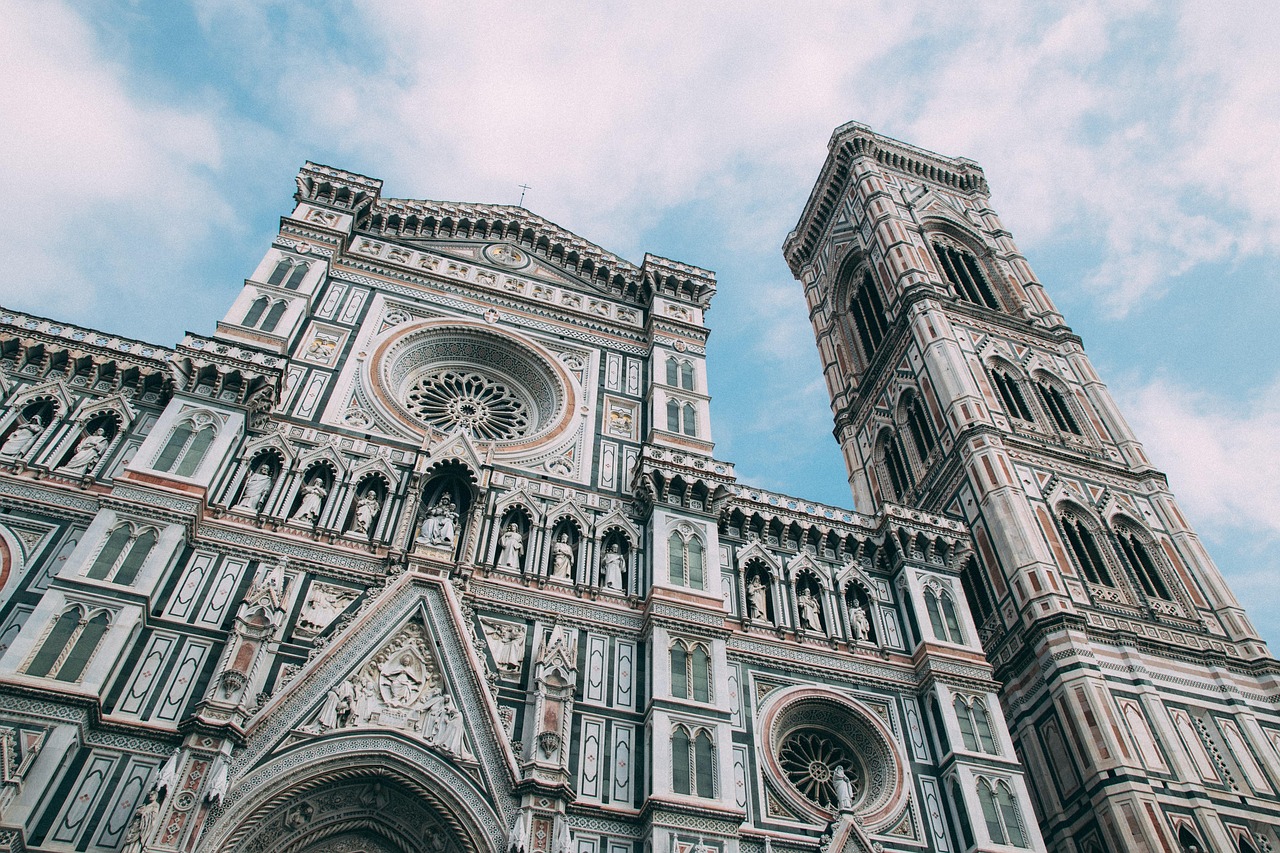
Inside the Cathedral Crypt and Santa Reparata Layers beneath the Duomo
For travellers searching “Santa Reparata crypt Florence cathedral del duomo Italy”, the magic is that it’s literally underneath your feet. Beneath the cathedral lies the crypt, including the crypt of Santa Reparata and the cathedral crypt, revealing the earlier church of Santa Reparata. The temperature drops, voices soften, and time feels layered rather than linear.
What to notice in the crypt of Santa Reparata
Look for remnants that feel almost intimate: columns that once held a smaller sanctuary, fragments of patterned floors, and the outlines of an older Florence. Santa Reparata isn’t about grandeur; it’s about continuity—faith, community, and the quiet persistence of place. Standing here, many visitors become reflective without trying, as if the city is gently teaching you to slow down.
This is also where the story aboveground makes more sense. The construction of Santa Maria del Fiore didn’t erase the past; the new cathedral grew from earlier foundations in both stone and spirit. You can almost feel the cathedral’s construction as a long conversation between generations, each adding their own courage and craft.
How the underground visit designs a better day
Pragmatically, the crypt visit is a brilliant reset between climbs and crowds. You emerge into daylight with fresh insight and steadier energy, ready to explore again. If you want deeper context, local guided interpretation here can be wonderfully concise—an expert voice can point out what to notice without drowning you in dates.
Consider it a pause that strengthens the whole itinerary: a small descent that makes the dome above feel even more astonishing.
Baptistery and the Gates of Paradise Beside the Duomo for Baptistery of San Giovanni Gates of Paradise Ghiberti Florence Italy
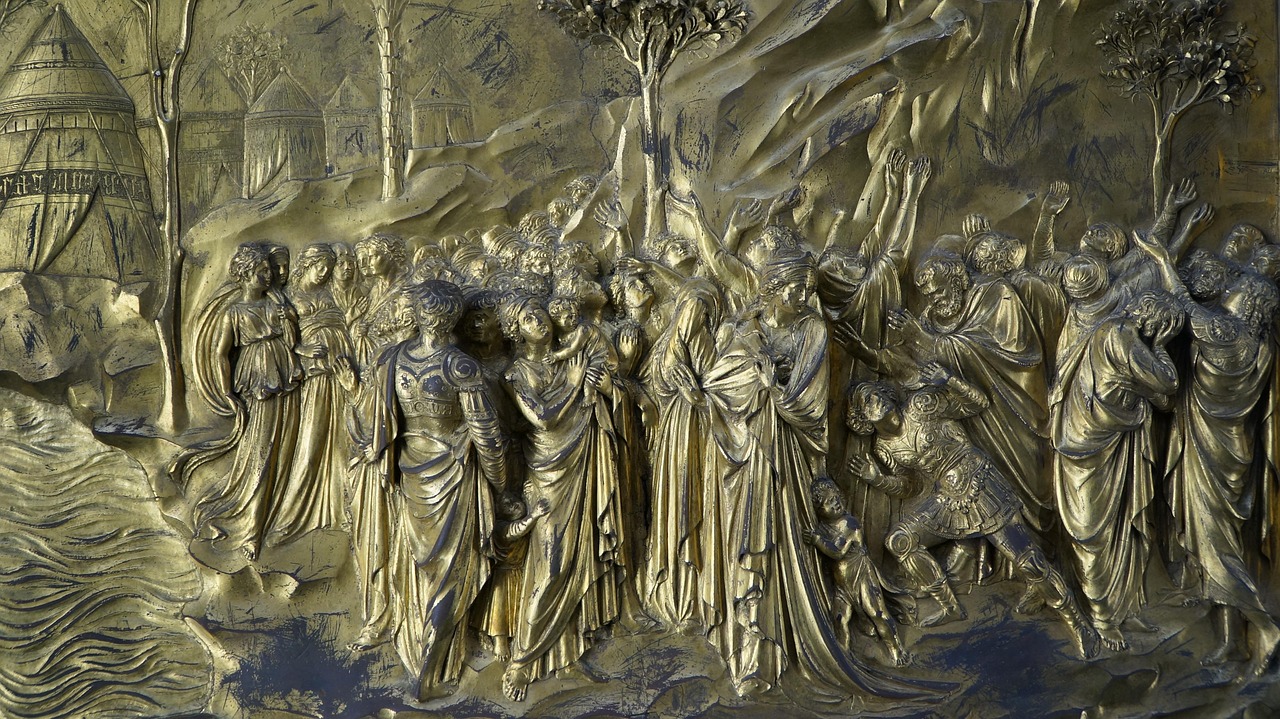
Baptistery and the Gates of Paradise Beside the Duomo in Florence
If “Baptistery of San Giovanni Gates of Paradise Ghiberti Florence Italy” is on your list, give it proper time. The baptistery of San Giovanni sits beside the Duomo like an older sibling—smaller in scale, but powerful in presence. Step inside and it feels intimate, even when the square outside is buzzing.
Ghiberti’s bronze doors and the Gates of Paradise
The famous bronze doors by Ghiberti are often called the Gates of Paradise, and once you look closely, you’ll understand why. Lorenzo Ghiberti designed panels that read like miniature worlds—architecture, bodies in motion, expressions that still feel human. One of the most famous details is how he uses perspective to create depth in a space barely thicker than your hand.
I once watched a local guide describe the casting process with such warmth that the crowd actually leaned in together. That’s the best kind of insight: not a lecture, but a story that helps you see what’s already there.
Mosaics of the vault and a slower rhythm
Before you leave, look up. The mosaics of the vault carry a warm gold glow that softens the busiest day, and it’s an easy place to breathe and recalibrate your pace. If you’re travelling in a high-end style, this is where you can create space—stand to one side, let others pass, and linger without apology.
- Best timing: visit after the dome climb, when you want calm without stopping the day.
- Best approach: circle the doors outside first, then go in for the mosaics.
- Best mindset: treat it as a sanctuary, not a photo sprint.
Placed beside the cathedral, the Baptistery is a reminder that Florence’s greatness is built from both vast ambition and small, perfected details.
Giotto Bell Tower and Opera del Duomo Museum essentials in Florence, Italy.
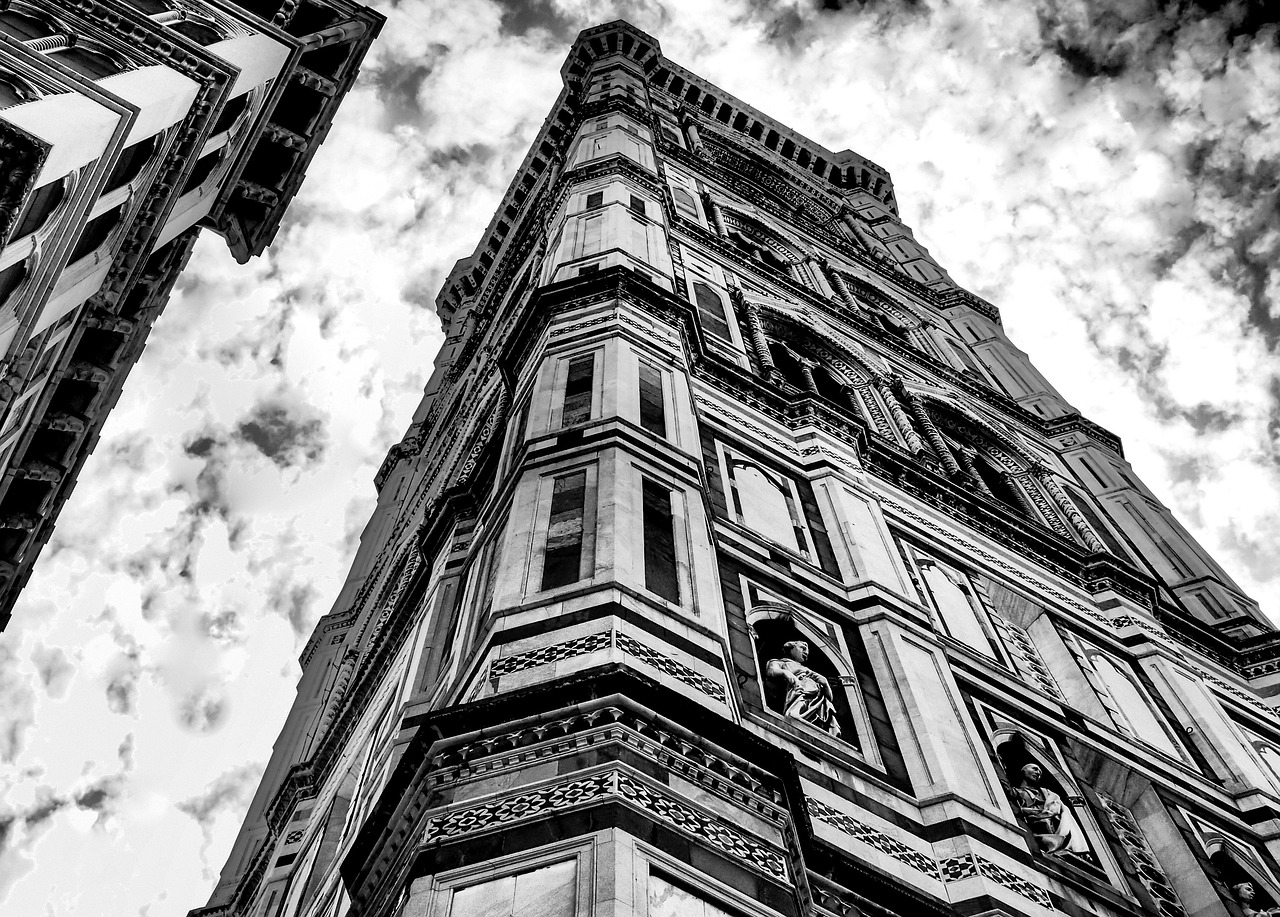
Giotto Bell Tower and Opera del Duomo Museum Essentials near the Florence cathedral
For “Giotto bell tower Opera del Duomo museum Florence Italy”, think of this chapter as your choose-your-own adventure. Giotto’s bell tower is a separate climb from the dome, offering different angles and, crucially, the chance to photograph the iconic dome itself. Meanwhile, the Opera del Duomo Museum offers depth—perfect if you want the story behind what you’re seeing.
Giotto’s bell tower and a different climb to the top
Giotto’s bell tower (also written as Giotto’s bell tower) feels airier than the dome route, with wider landings that allow a steadier rhythm. It’s still a climb to the top, but the experience is more about vistas than tight corridors. If you’re travelling with someone who’s unsure about enclosed stairwells, this bell tower can feel like a supportive alternative.
Opera del Duomo and why the museum matters
The Opera del Duomo is the institution that manages the complex’s monuments, and that stewardship shapes ticketing, entry rules, and conservation. The Opera del Duomo museum is where many travellers finally connect the dots: the museum houses original sculptures, models, and context that explain design decisions you might otherwise miss. Seeing the works of art up close can make the cathedral outside feel newly alive.
If you’re choosing, go to the tower for adrenaline and the museum for insight. If you have time, doing both is the most seamless way to explore: climb, then cool down indoors while your legs recover.
Mini-itinerary without backtracking: start at the bell tower, cross to the museum, then return to Piazza del Duomo for one last façade view before lunch.
Ticket opening hours and planning the Duomo Complex in Florence, Italy, including types of tickets.
Tickets Opening Hours and Planning the Duomo Complex in Florence
This section answers “Duomo complex tickets opening hours Florence Italy types of tickets” in plain, reassuring terms. The Duomo complex typically includes the cathedral, access to Brunelleschi’s dome, the bell tower, the baptistery, the museum, and sometimes the Santa Reparata area—often with a combined ticket valid for 72 hours. Book ahead for certainty, especially if you want to climb the dome at a specific time.
Types of tickets and what is included
There are a few types of tickets depending on the season and restoration work, but most visitors choose the option that includes the dome. As a guide for visiting, the dome climb requires a timed slot, while other sites can be more flexible within the validity window. For a high-end, crafted day, pre-booking streamlines logistics.
Pricing shifts, but the dome climb requires a ticket and is often around €20; always confirm on the official Opera del Duomo site before you commit. Factor in security checks, and plan for light queues even with reservations.
Opening hours, seasons, and the best time to go
Always verify opening hours close to your visit, as they can change for services, restorations, and special events. For adventure seekers, early morning or late afternoon is best—cooler temperatures and fewer crowds. Spring and early autumn in Italy are especially kind, with crisp light for photography and less midday heat on stairs.
- Time buffer: add 15–20 minutes for security and finding your entry point.
- Weather note: Avoid the hottest midday slot for the dome if you’re sensitive to heat.
- Route tip: do climbs first, then the museum and the Baptistery while you recover.
If you want to explore more Italian culture beyond Florence, browse our Trip gallery for designer-led routes that balance comfort with discovery.
Frequently asked questions about the Duomo and questions about duomo florence
Here are quick clarifications for frequently asked questions, including questions about the Duomo in Florence that come up at ticket desks and in queues.
- Bathrooms: Use facilities before timed entries; not every monument has convenient access.
- Bags: travel light; larger bags may be restricted during climbs and security checks.
- Accessibility: the dome involves many stairs; consider the museum and cathedral for a more accessible experience.
- Photos: follow posted rules; inside sacred areas, avoid flash and keep your presence respectful.
Guided Tours Dress Code and Local Etiquette for the Duomo in Florence: Dress code, safety tips, and etiquette for Italy.
Guided Tours Dress Code and Local Etiquette for the Duomo in Florence
When travellers search “guided tours Florence Duomo dress code safety tips Italy”, they usually want two things: better insight and less stress. Guided tours can be brilliant here—especially for understanding Brunelleschi engineering, iconography, and those hidden facts you’d never notice alone. If you prefer privacy and pacing, a private tour is a high-end upgrade that lets you linger where your curiosity pulls you.
Dress code and comfort that still feels stylish
The dress code is simple: modest clothing for sacred sites, with shoulders and knees covered. Comfort matters too—light layers help with temperature shifts between sun and stone interiors. And note that in some access contexts, sandals are not allowed, so opt for smart trainers or closed-toe walking shoes that still look polished.
Crowd-smart safety and an adventure-seeker mindset
Security is good, but crowded squares are prone to pickpockets. Keep belongings close, choose a clear meeting point if you’re travelling together, and avoid putting phones in back pockets. This isn’t about anxiety; it’s about quiet confidence built on simple habits.
Treat stairs like a route, not a rush. Pause to uncover details, drink water, and let your day feel seamless rather than strenuous. Respectful behaviour inside the cathedral is part of travelling with care—your voice, your posture, and your patience all signal trust in the place you’re visiting.
F.A.Qs: Florence Duomo practical questions for visitors
F.A.Qs: Florence Duomo practical questions for visitors in Piazza del Duomo
Why is the Duomo of Florence so famous?
The Duomo of Florence is famous for its scale, its marble-clad presence in Piazza del Duomo, and above all for Brunelleschi’s engineering. The dome transformed the city’s skyline and became a defining symbol of Florence, while the surrounding monuments offer a concentrated glimpse of Florentine art and ambition.
Can you go inside the Florence Duomo for free?
You can usually enter the main cathedral area without paying, though access rules can change for services or crowd control. However, sites within the wider Duomo complex—such as the dome climb, bell tower, Baptistery, museum, and crypt areas—generally require a ticket and sometimes timed entry.
Can you wear jeans in the Duomo in Florence?
Yes, jeans are generally fine in the Duomo in Florence as long as they meet modesty expectations. Aim to keep shoulders covered and avoid very short or overly ripped styles. If you’re visiting in summer, carry a light layer so you can adapt quickly and enter with ease.
Is the Duomo in Florence worth visiting?
Yes—especially if you love culture and want an active, memorable experience. The cathedral, the Baptistery, and the museum offer deep artistic insight, while the dome climb adds an element of adventure. Many travellers say the moment they step out onto the panorama is the highlight of their time in Florence.
What Stays With You After the Florence Duomo for Florence Duomo reflections Italy travel memories
If you came searching for “Florence Duomo reflections Italy travel memories”, it’s probably because you’ve sensed that this place is more than a landmark. Long after you leave Piazza del Duomo, the day lingers in the body: the echo of footsteps on stone, the cool hush inside the cathedral, and the way the light caught the dome when you least expected it.
There’s often an afterglow that surprises even seasoned travellers. You remember the terracotta rooftops and the soft roll of Tuscan hills, but you also remember smaller things—the kindness of a local voice giving directions, the calm you found in the Baptistery’s gold, the quiet triumph of taking one more step when the staircase narrowed.
Standing beneath Brunelleschi can shift your sense of time. The engineering feels bold, yet the atmosphere is gentle, as if Florence is reminding you that ambition and beauty can live together. You begin to look again—at craft, at patience, at what humans can create when they build with care.
And later, when the city’s noise fades, you may find the duomo returns not as a checklist item, but as a feeling: steady, warm, and quietly encouraging. Somewhere in that memory is a simple thought worth carrying—there are still places in the world that invite you to slow down, and to wonder what you’ll notice next.