Florence Italy Things to Do: a Luxury Florence Itinerary
Luxury things to do in Florence: golden panoramas, timeless design, and an unhurried pace
If you’re planning florence italy things to do with a luxury lens, the secret isn’t cramming in more—it’s protecting space to truly experience each place. For most high-end travellers, the sweet spot is 2–3 days in Florence: one day for the historic centre and the duomo, one for museum time with the Uffizi Gallery and Michelangelo, and one for Oltrarno textures plus a day trip into Tuscany. Florence is a city with so many layers that a calm pace feels like a privilege—and it’s also how you notice the small details that make this a true Florence bucket list destination. This Florence itinerary keeps the classics while protecting your time in the city and your energy.
Think of this as a list of things you can shape, not a rigid march. You’ll be able to see Florence’s headline art and architecture, and still have room for long lunches, discreet tastings, and that lingering gelato walk when the light turns honeyed—some of the best things are the unplanned moments. If it’s your trip to Florence for the first time, this slower structure also makes the city feel intuitive rather than overwhelming.
When to go to Florence: best seasons, fewer crowds, and a flexible daily rhythm
The best time to visit Florence is typically spring (April–June) or autumn (September–October). You’ll still feel the energy, but with fewer crowds, softer heat, and more freedom to build your days around timed entries. Reserve major museum visits for early morning, then keep afternoons for shaded streets, artisan studios, and aperitivo—this is one of the best places in Europe to practise unhurried luxury, giving you time to explore without feeling rushed.
A practical rhythm that works beautifully: duomo early, then a smaller museum or boutique shopping; a relaxed lunch; a short rest; then a gentle evening circuit. It gives you the kind of depth you want from things to do in Florence without fatigue, and it’s easier to stay present when you’re not hopping between popular places to visit just to tick boxes.
Arrivals and where to stay in Florence: transfers, walkability, and effortless movement
Arriving well sets the tone for everything that follows. Florence Airport (Peretola) is convenient for quick access, and the Santa Maria Novella train station places you right at the edge of the historic core—ideal if you’re arriving by rail from Rome, Milan, or other cities to visit on a wider visit to Italy journey. In either case, a private transfer is the most seamless way to reach your hotel with confidence, and it’s especially helpful if you’re navigating the train station with luggage and tight connections.
To stay in Florence with high-touch support, consider boutique palazzi with just a handful of suites, Arno-facing rooms, or heritage properties where the concierge team understands the city’s daily rhythm. That support matters: it helps you secure a coveted time slot, arrange private guides, and steer you towards quieter reservations for places to eat—think a true Florentine bistro classic rather than the loudest tourist tables.
Moving around is refreshingly easy. Most sightseeing in Florence happens on foot within the historic city centre; Florence’s city layout is compact and walkable, and private drivers are most valuable for evening returns, countryside tastings, or travelling with kids when you want comfort between stops.
- Elegant shoes that are truly comfortable: cobblestones are beautiful, but they ask for stable soles and support.
- Be aware of crowds: Florence is generally safe, yet pickpockets can work near major attraction entry lines.
- Balance tourist and local pockets: the most touristy corners are obvious—step a street away and the mood changes fast.
If you’d like a little visual inspiration before you go, you can browse our Trip gallery to imagine how a crafted Italian itinerary can feel—personal, supported, and quietly confident.




Duomo, Santa Maria del Fiore & Historic Centre Itinerary: top attractions, piazzas, and churches
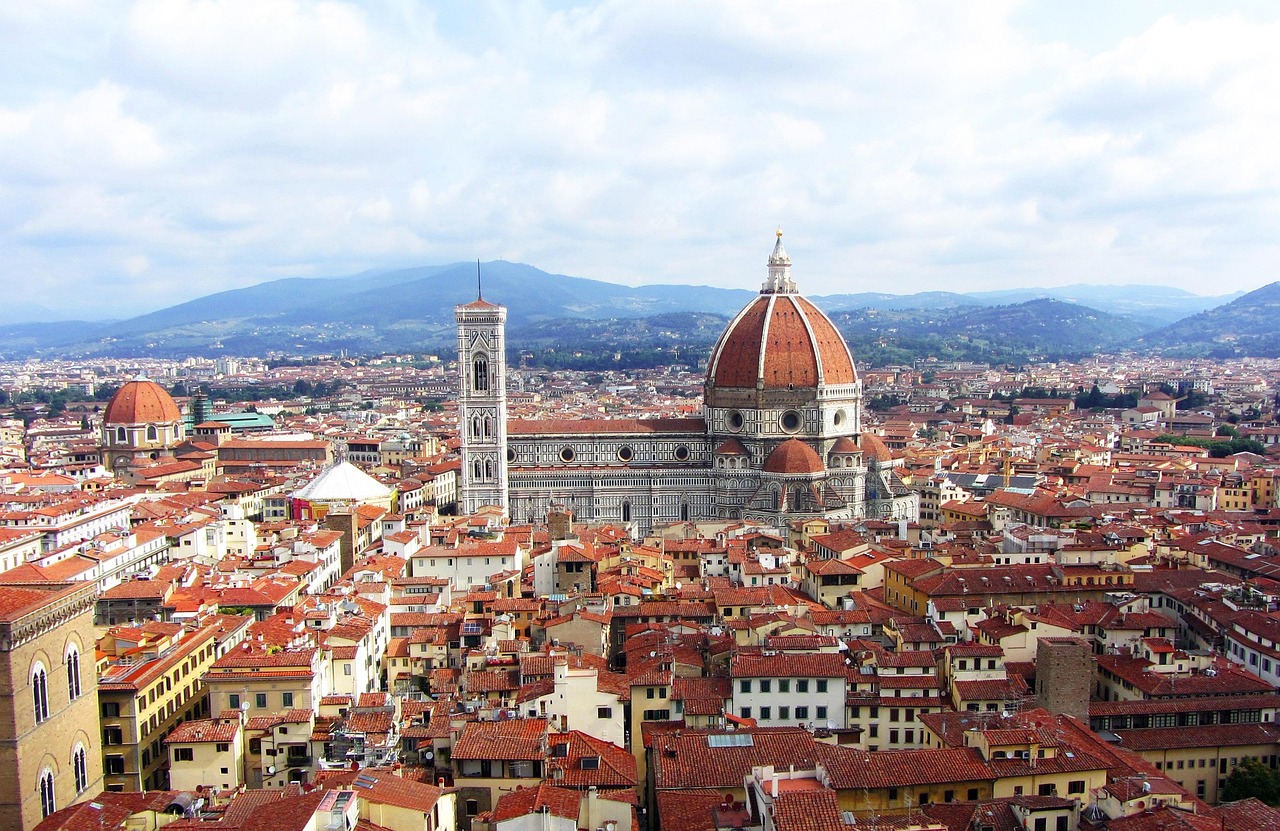
Duomo and the historic centre: piazzas, churches, and must-see sights for a relaxed first day
For a beautifully paced Duomo Florence Cathedral historic centre itinerary, begin with Santa Maria del Fiore—better known as the Duomo. It’s the kind of attraction that can feel chaotic if you arrive unprepared, but effortless when you’ve booked ahead and know where you’re going. The most reassuring upgrade is an expert guide who can uncover meaning beyond the marble façade, explain the Renaissance context, and help you avoid the worst bottlenecks around Duomo Square.
Dress codes are real in churches: cover shoulders and knees, and carry a light scarf if you’re visiting in warm weather. That small act of care changes your whole experience; you feel like a guest, not just a passerby, especially on a first visit to Florence.
Duomo complex highlights: Brunelleschi’s dome vs Giotto’s bell tower (and how to choose)
The Duomo complex is layered: cathedral interiors, baptistery, and the options to climb Brunelleschi’s dome or the bell tower. With limited time to see everything, choose one climb and do it well. Brunelleschi’s dome is the emotional choice—the engineering, the close-up frescoes, then the view from the top that makes the city feel like a living painting.
Book a morning time slot when temperatures are mild and energy is high. If you’re a photographer, plan one moment just after your ascent for the single best “view of the duomo” angle—step back, let the crowd drift, and compose with intention. You’ll also catch the Florence skyline in a gentler light, and the details of Giotto’s bell tower feel sharper when the day is still quiet.
Even if you skip a second climb, you can still appreciate how this sacred district shapes the city’s daily rhythm—from the cathedral square to Santa Maria Novella’s calm, a short walk away. It’s a reminder that Florence’s beauty is lived-in, not staged, and that the duomo is part of everyday life as much as it is a symbol.
Piazza della Signoria & Palazzo Vecchio: civic power, then Santa Croce and San Lorenzo
From the Duomo, let your walk unfold naturally towards Piazza della Signoria. Piazza della Signoria is one of those spaces that instantly explains Florence’s confidence: sculpture, politics, and theatre in the open air—take a moment to visit the piazza at dusk when the light is softer. Step inside palazzo vecchio—florence’s city hall—to feel power expressed through art, and to understand why this was never merely a museum city, but a working stage of ideas that still shapes the city of today.
Continue to Piazza della Repubblica for cafés and people-watching, where you can orient yourself in the city of Florence without needing a map every two minutes. There’s much to see, yet it’s easy to visit when you’ve designed a gentle route and allowed for pauses between landmarks, fountains, and shopfronts.
For a quieter counterpoint, include Santa Croce. The basilica holds a hush that’s different from the duomo’s spectacle—more reflective, less performative—and the atmosphere can feel like a private chapel moment even in a grand space. On your way, pass near San Lorenzo and the Basilica di San Lorenzo; even a brief look at San Lorenzo adds context before deeper Medici stories later, including the Medici family. If you’re hungry, a refined stop by Mercato Centrale can be a pleasure when chosen carefully—focus on quality produce, a glass of wine, and a calmer corner rather than the busiest counters.
Uffizi Gallery & museum itinerary: Michelangelo, Accademia, and Renaissance masterpieces
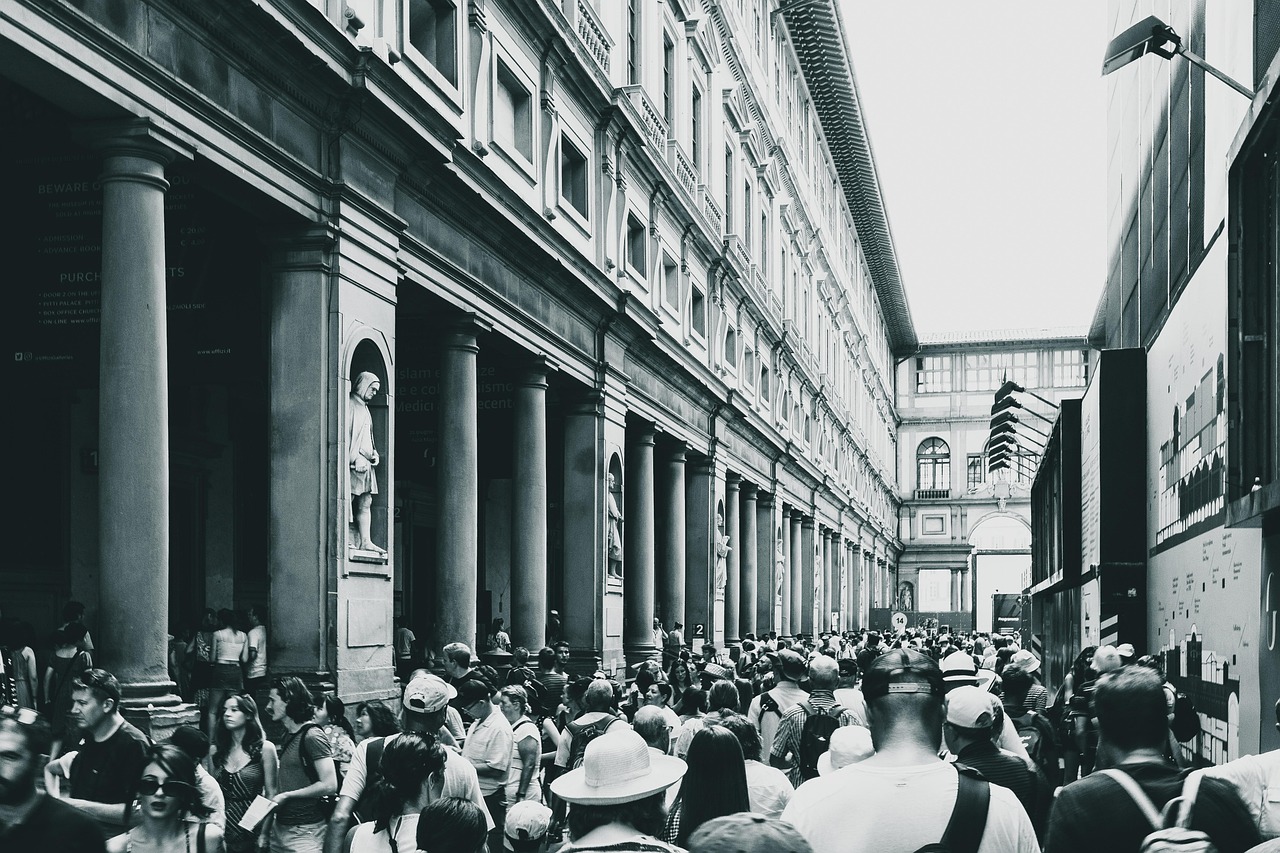
Museum days in Florence: Uffizi Gallery highlights, Michelangelo masterpieces, and a calm pace
When you’re building a Uffizi Gallery museum itinerary, Michelangelo Accademia Florence plan, treat your museum day like a curated performance: arrive calm, enter on time, and let the art meet you without hurry. Florence has many outstanding collections, but the real luxury is pacing—your own, not the crowd’s. With a private guide, a museum visit becomes insight rather than information overload, and you can follow the Renaissance story with clarity and confidence from room to room.
Uffizi Gallery: Renaissance highlights and the smartest route for first-time visitors
The uffizi gallery is the defining museum experience for many first time in florence visitors, and it rewards a strategy. Book timed entry well in advance, then choose a route that prioritises a handful of works you genuinely want to meet. Botticelli’s airy mythologies, Leonardo da Vinci’s restrained intelligence, and the evolving language of the Renaissance come to life more deeply when someone helps you connect the human stories—this is the gallery to see if you want to understand Florence quickly, without rushing.
A good guide will also read the room: if a gallery is crowded, they’ll redirect you to a quieter corridor and keep the emotional arc intact. That’s the difference between seeing art and feeling it, and it can make even a popular museum feel personal and surprisingly serene.
Michelangelo’s David, Bargello museum, and Medici Chapels without fatigue
At the Accademia, Michelangelo’s David can stop you in your tracks. One art enthusiast once told me their first encounter felt almost physical—the scale, the tension, the marble’s confidence. It wasn’t a checklist moment; it was a sudden stillness, as though the entire museum agreed to hold its breath. Give yourself permission to stand there longer than you planned, and let the details reveal themselves.
If you want “one of the very best” add-ons after the headline works, choose the bargello. This museum feels refined and slightly under the radar, with sculptural depth that helps you read Florence more intelligently—another lens on the Renaissance, but quieter than the main arteries and far less rushed.
To round out the Medici narrative, visit the Medici Chapels. The chapel atmosphere asks for softness: speak quietly, move slowly, and let the stone and light do their work. Because crowd fatigue is real, build in a café pause and a short walk between stops; it’s the simplest form of care you can offer yourself, and it keeps your museum day elegant rather than exhausting.
Practical museum note: opening hours vary by season and venue, so always check official opening times when you book; some key sites are not open every day. And if your dates coincide with the first Sunday of the month, weigh the trade-off: reduced ticket cost can mean heavier crowds, which may not suit a high-end rhythm.
- Best flow for a museum day: Uffizi Gallery in the morning, a long lunch, Accademia late afternoon.
- Protect your energy: one major museum plus one smaller museum beats three rushed visits.
- Book ahead: timed tickets and a private guide are the fastest route to a smooth visit.
Ponte Vecchio & Oltrarno day: Boboli Gardens, Pitti Palace, and a Tuscany day trip
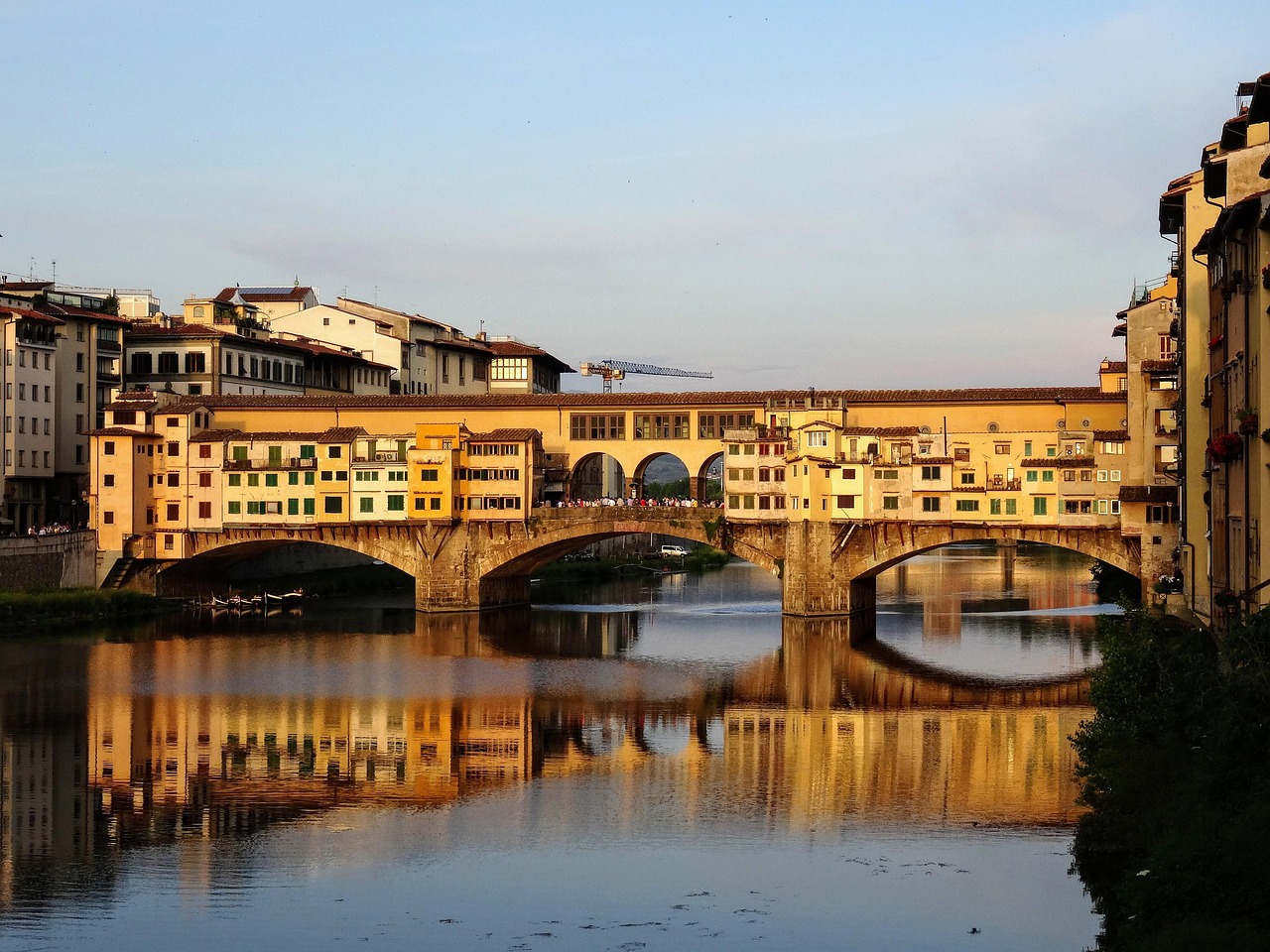
Ponte Vecchio, Oltrarno artisans, and a Tuscany day trip from Florence
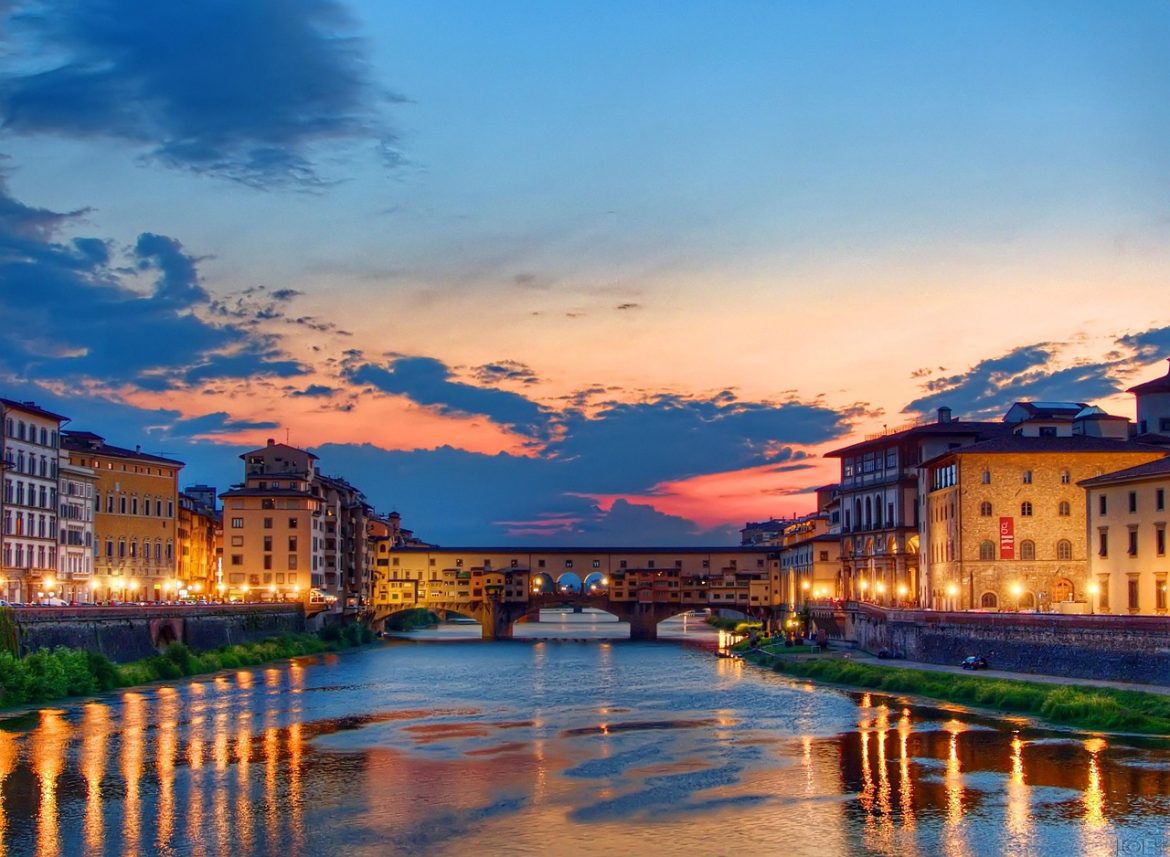
For a romantic, texture-rich day, build your plan around the Ponte Vecchio, Oltrarno, Boboli Gardens, Pitti Palace day trip in Tuscany. Start with the Ponte Vecchio, where gold glints in the shop windows and the Arno River below keeps everything moving. It’s one of those things to do in Florence that still feels cinematic, even after you’ve seen the photos, and it’s a simple way to hit the highlights without overpacking your schedule.
Then continue across the Arno into the Oltrarno—your cue to slow down and discover the city’s maker spirit. Here, local studios still shape leather, paper, and hand-blown glass, and a crafted souvenir can become a lifelong anchor to your trip to Florence. This is Florentine craft at its best: quiet, precise, and deeply human.
Ponte Vecchio to Oltrarno artisans, then Pitti Palace for Medici history and style
After you cross the Ponte Vecchio, wander the side streets where artisans work with their hands and their stories. Bespoke leather goods, discreet jewellery ateliers, and glass pieces that catch the light—this is Florence’s softer luxury, rooted in skill and pride. If you want the city to feel intimate rather than performative, this is where you create that connection, away from the busiest lines and loudest streets.
From here, step into pitti palace for a more intimate understanding of power and taste. One couple recounted their private, guided visit to Palazzo Pitti, where their guide revealed secret rooms and Medici family intrigues—details you’d never uncover on your own. It felt personal, like being trusted with a whispered history, and it became one of our favourite memories to hear retold over dinner.
Boboli Gardens, Piazzale Michelangelo, and an elegant evening return to Florence
Give yourself a generous stretch for the Boboli Gardens. Go later in the afternoon to avoid the hottest part of the day, and take a gentle route that favours shade and viewpoints. There’s a particular viewpoint in Florence feeling here—above the rooftops, with the city softened by greenery—and it’s an easy way to collect calm views of Florence between palaces and piazzas.
As golden hour approaches, head to Piazzale Michelangelo for the best view of Florence. If you’re able, continue to San Miniato, where the atmosphere can feel almost monastic in contrast to the busy streets below. The best views arrive when you linger: the dome, the river, the roofs, the views of the city turning rose and amber.
A traveller once shared how a sunset walk along the Arno River ended with a surprise violin performance—just a lone musician under the changing sky. No tickets, no stage, just a reminder that this city’s magic often appears between plans, with the Ponte Vecchio nearby like a bridge between centuries.
Now for the signature indulgence: design a private wine tasting day trip into Chianti. With a driver, the countryside becomes effortless—vineyards, stone villages, and cellars that welcome you with care. Add an optional cooking class with a local chef: one solo traveller told me it turned strangers into friends, together over handmade pasta and Chianti wine, the kind of Florence food memory you carry forever.
Back in the city, consider an exclusive opera or classical concert at Teatro del Maggio Musicale Fiorentino. It’s a graceful way to return to Florence at night: dressed well, unhurried, and quietly thrilled by how much beauty fits into a single day in Florence and Tuscany.
F.A.Qs: Florence, Italy things to do
What should you not miss in Florence?
Don’t miss the Duomo complex (including a dome or bell tower climb), a timed visit to the Uffizi gallery, and a moment with Michelangelo’s David at the Accademia. For atmosphere, cross Ponte Vecchio into Oltrarno for artisans, then end at Piazzale Michelangelo at golden hour for unforgettable city views.
What is Florence, Italy, best known for?
Florence is best known for Renaissance art and architecture: the Duomo’s engineering brilliance, world-leading museum collections like the Uffizi, and masterpieces by Michelangelo, Botticelli, and Leonardo da Vinci. It’s also celebrated for Florentine craftsmanship—from leather workshops to jewellery—and for the sense of history that still shapes daily life in the streets and piazzas.
Can you wear jeans in Florence?
Yes—jeans are perfectly acceptable in Florence, especially when styled neatly. For churches such as the Duomo and Santa Croce, the key is modesty: cover shoulders and knees. Choose comfortable, elegant footwear for cobblestones, and consider smarter layers for evenings, concerts, or fine dining.
What are the top five things to do in Florence, Italy?
A refined top five includes: visit the Duomo and climb Brunelleschi’s dome or the bell tower; explore the Uffizi Gallery (a must-do museum); see Michelangelo’s David at the Accademia; stroll across Ponte Vecchio into Oltrarno for artisan studios; and watch sunset from Piazzale Michelangelo for sweeping panoramas.
What Florence Leaves With You After You Go: meaning beyond the attractions
Long after your Florence visit, what stays isn’t a tally of attractions in Florence, or even the top things to see. It’s the feeling of stone underfoot and the soft hush inside a chapel; it’s the way the light leans into old walls as you visit Florence at your own pace. You remember the moments you didn’t schedule—those quiet edges where the city offers you space and, somehow, support.
There might be a private pause in a museum, when a face in a painting meets yours for a second too long. There might be the warmth of a craftsperson’s hands as they show you how leather is cut, or the ease of sitting at a shared table with people you’d never met before. Those experiences create confidence—not the loud kind, but the calm sense that you can trust yourself in a new place on your first visit to Florence.
Florence’s gift is how it makes you feel gently held by art, light, and history. The duomo remains somewhere behind you even when you can’t see it, like a compass you no longer need to check. And on some future evening—when you’d like to visit again—you may find yourself remembering a distant aria, the views of Florence at dusk, and the way the city waited for you to notice it.