Post Contents
- Great Wall of China from Beijing: choosing the best sections of the Great Wall of China from Beijing
- Badaling Great Wall day tour from Beijing and Juyongguan Great Wall for iconic views
- Mutianyu Great Wall sunrise from Beijing cable car toboggan adventure
- Jiankou hike and Jinshanling section of the Great Wall from Beijing for rugged scenery
- Simatai section night tour from Beijing and Gubei Water Town magic
- F.A.Qs: Great Wall of China, Beijing planning
- Final Thought
Great Wall of China from Beijing: choosing the best sections of the Great Wall of China from Beijing
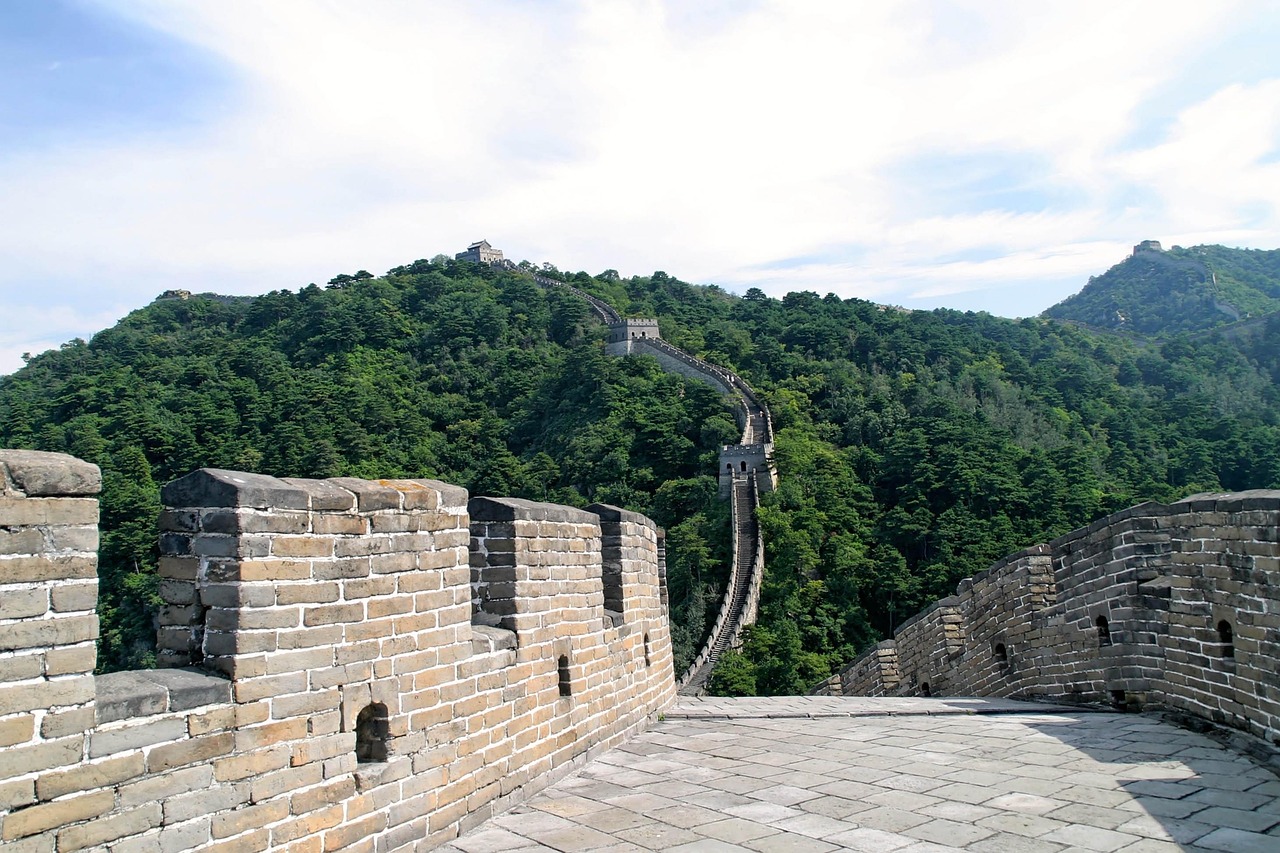
Great Wall of China from Beijing: Choosing the Best Sections for a Designer Journey
Choosing the best sections of the Great Wall of China from Beijing is less about ticking a box and more about designing the feeling you want to create. Do you imagine big, cinematic views, fewer tourists, or a tough hike along crumbling steps where the landscape does the talking? The Great Wall rewards all of it—especially when you travel with a little insight and a lot of care.
I like to frame it as a designer journey: you’re not just planning where to go, you’re shaping your day’s rhythm. Start by deciding whether you want a polished, accessible section of the wall or a wilder section where nature is slowly reclaiming the stone. When your intention is clear, the logistics become easier, and your confidence rises with it.
Best sections and how they feel compared to other sections
The famous sections each have distinct personalities, and knowing that upfront helps you find the right fit. Badaling is the classic postcard—wide paths and a well-preserved look—while Mutianyu balances restoration and mountain atmosphere in a way many guides quietly prefer. Jinshanling offers long-distance walking with space to breathe, and Simatai is renowned for the rare chance to experience the wall at night.
Beyond those, you’ll hear locals mention Juyongguan for its pass-like drama, and Huanghuacheng for water-laced scenery that feels unexpectedly soft. These various sections also differ in gradient, step height, and how “on-rails” the day feels—important if you’re travelling with mixed fitness levels or simply want the day to feel seamless.
Time to visit and best times from Beijing
Your time to visit matters almost as much as your chosen section. For most travellers, spring and autumn are the sweet spot: mild air, clearer light, and a calmer flow outside peak school travel. Weekends and holidays can be intensely busy, especially at the most popular sections, so a weekday can transform the mood from “tourist attraction” to quiet wonder.
Early mornings out of Beijing can change everything. Leaving before the city fully stirs often means cooler steps, cleaner photos, and a calmer pace—especially if you’re sensitive to crowds. It’s a small choice that builds trust in your plan and creates space for those intimate moments history tends to offer when you’re not being hurried.
Getting there from downtown Beijing is straightforward, but the experience varies. Public transport can be cost-effective and satisfying if you enjoy figuring things out, while public transportation in peak season can be packed and time-consuming. A driver service is often the most comfortable for high-end travellers who want flexibility and gentle support, particularly if your day includes a sunrise start or a late return.
A curated Great Wall tour can also make sense when you want a guide’s safety judgment on steep terrain, or when you want context as you walk. For some routes—especially the wilder hikes—tour groups aren’t about crowds, they’re about logistics, timing, and confidence on the trail.
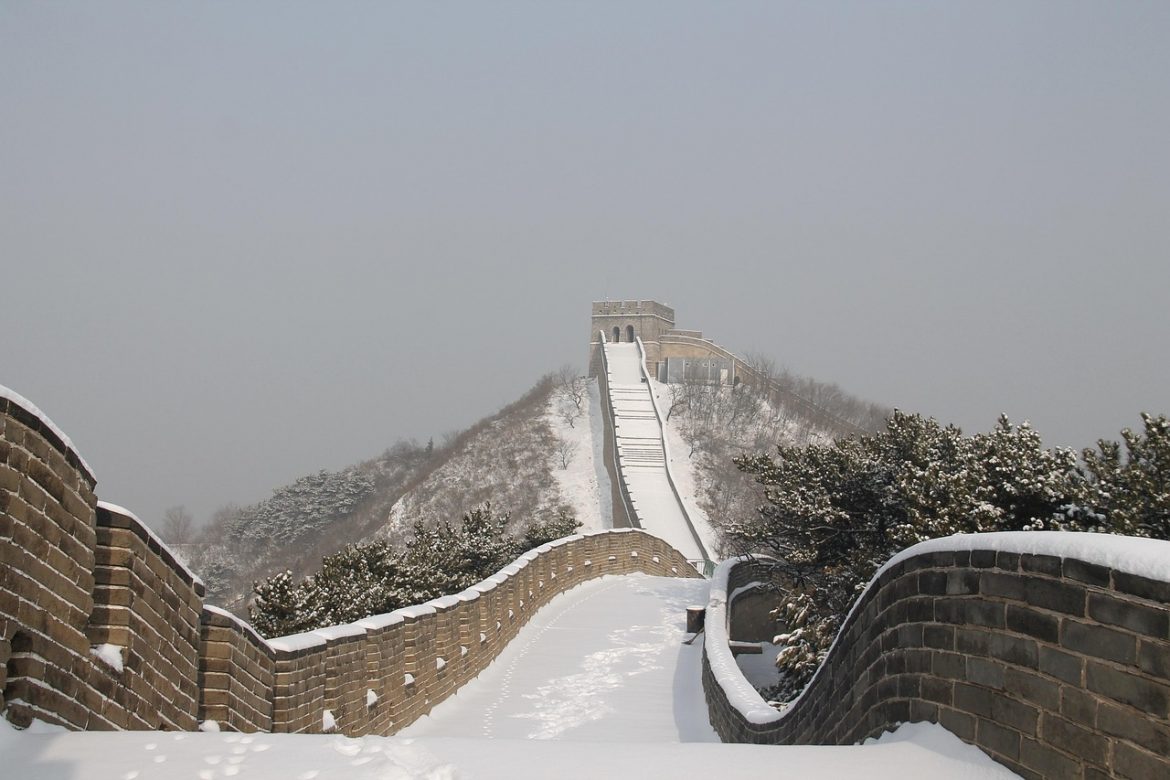
Before you go, a little history settles the mind. Much of what visitors walk on today was built during the Ming dynasty, which began in 1368, and was shaped for military defence with watchtowers, battlements, and strategic passes. It also helps to know that the wall is not a single, unbroken line; rather, different stretches and parts of the wall were built, rebuilt, and restored over centuries, often using local brick and stone.
That’s why the protection of the Great Wall matters so much today. Leave no litter, avoid graffiti, and tread with care on fragile sections—your respect keeps this living heritage meaningful for everyone who comes after. If you’d like to gather visual ideas for your itinerary while you plan, browse our Trip gallery for crafted routes across China.


Badaling Great Wall day tour from Beijing and Juyongguan Great Wall for iconic views
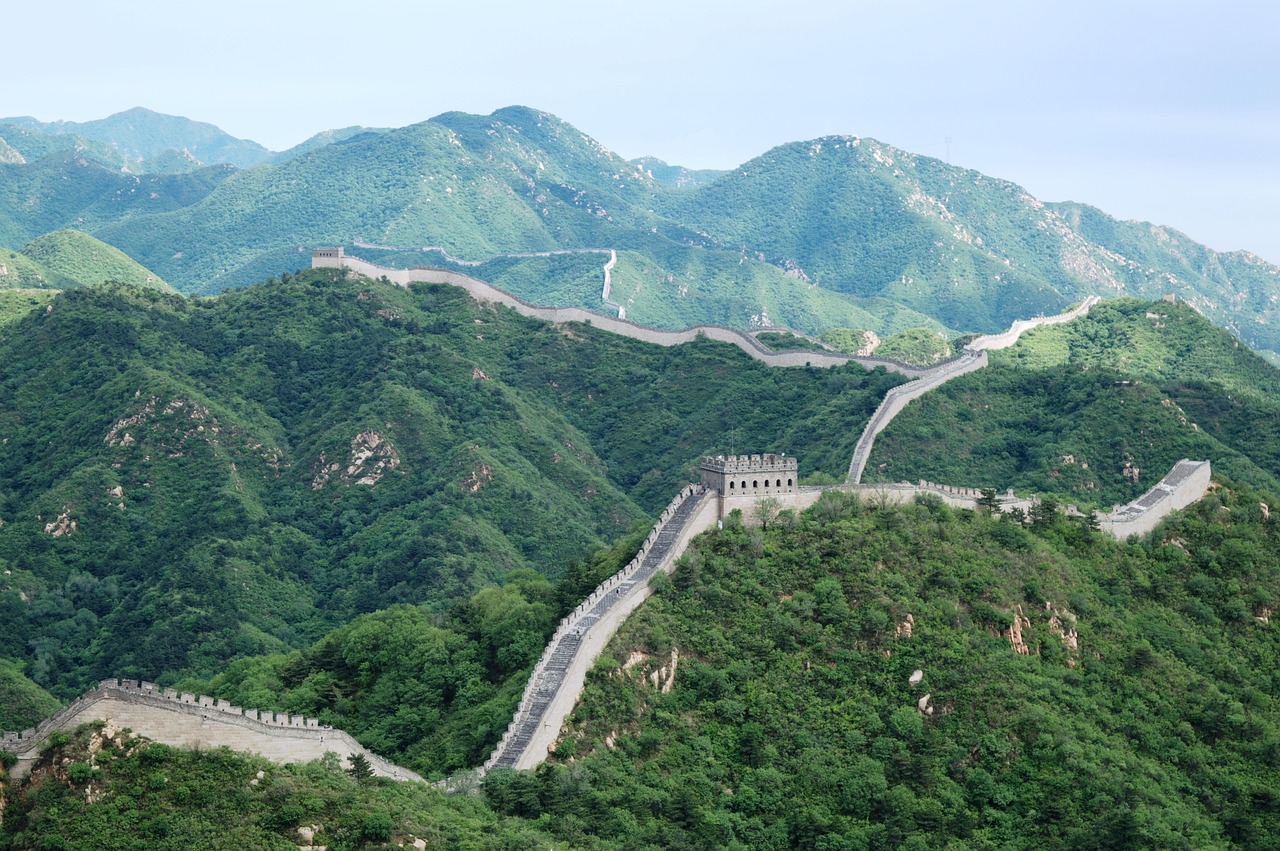
Badaling and Juyongguan Beijing Day Trips for Iconic Views
A Badaling Great Wall day tour from Beijing and a Juyongguan Great Wall visit are the classic choices when you want a big impact with minimal uncertainty. Badaling is one of the best-known sections of the Great Wall because it’s easy to reach, unmistakably grand, and impressively well-preserved. If you’re short on time in Beijing, it can be the most reassuring first encounter.
Badaling for a well-preserved walk and quieter angles
The badaling experience is wide paths, sturdy railings, and a sense of scale that hits fast. The Badaling Great Wall is often described as one of the best-preserved sections, and on the ground, you feel it: the steps are more even, the masonry is clearer, and there’s a “museum-quality” finish to the restoration. Even so, you can still uncover quieter photo moments by walking a little farther from the main entry flow and pausing near less-busy bends.
If you’re seeing the Great Wall primarily for iconic shots, plan your timing like a photographer. Arrive early, move purposefully for the first 20 minutes, then slow down—your best frames often appear when you stop chasing them. I’ve also found that standing slightly below a watchtower and shooting upward can make crowds vanish from view.
Juyongguan Great Wall near Beijing and its historical significance
For a different mood, Juyongguan is a dramatic mountain pass with real historical significance. The Juyongguan Great Wall setting feels enclosed and theatrical, as if the landscape itself were part of the architecture. It can be a wonderful “wall you can visit” when you want the grandeur but prefer a shorter walking loop and less leg intensity.
Practicalities are simple at both sites, and it helps to know what to expect. Entrance fees vary by season and add-ons, typically ranging from 40–60 RMB, and queues can form at the gates during peak hours. Bring your passport, keep your tickets handy, and build a little buffer for security checks if you’re travelling from central Beijing on a tight schedule.
One of my favourite Badaling memories came from going slowly near the entrance, where local vendors create an informal, human welcome. A visitor once shared how chatting with a seller led them to authentic snacks—warm, savoury bites you’d never find in a hotel lounge—and tiny stories about family recipes. Buy with respect, ask before taking photos, and treat every exchange as a cultural encounter rather than a transaction.
To stay comfortable, design a steady pace. Carry water, use sun protection, and take the steep steps in short bursts with pauses that feel intentional rather than rushed. If you’re travelling with friends, agree on simple regroup points—watchtowers make natural meeting places—and you’ll keep the day warm, supportive, and calm.
Mutianyu Great Wall sunrise from Beijing cable car toboggan adventure
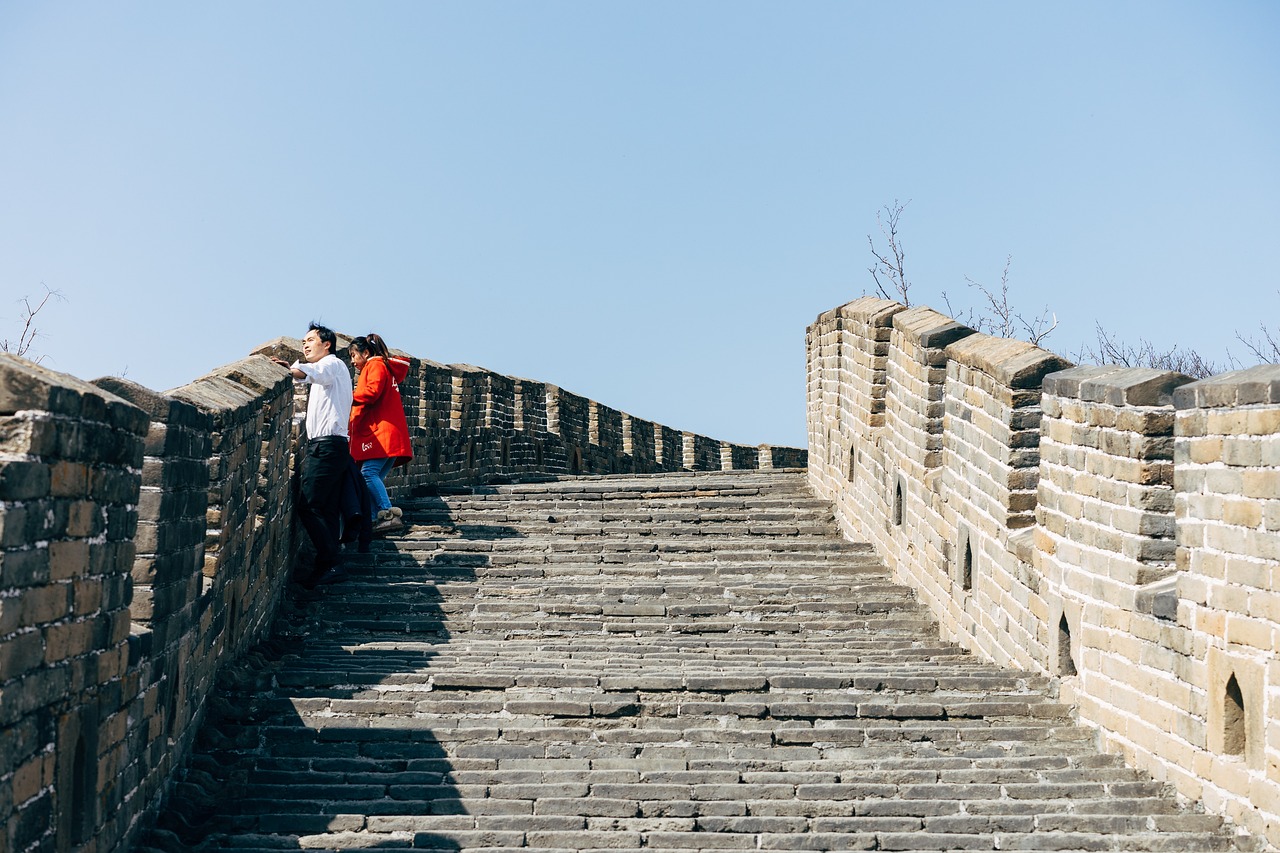
Mutianyu Great Wall Sunrise Adventure with Cable Car Options
For many travellers, Mutianyu Great Wall sunrise from the Beijing cable car toboggan is the perfect blend of adventure and ease. If you want a section of the Great Wall that feels immersive without being chaotic, I often recommend Mutianyu. The Mutianyu section has a polished arrival experience, yet once you’re on top, the ridgelines still feel raw and real.
Why Mutianyu balances renovation comfort with wild charm
What makes Mutianyu so loved is its balance: it’s been carefully restored—think renovate and repair for safer footing—while neighbouring hills still hold that untamed edge. It’s a rare mix where high-end travellers can enjoy comfort without losing the romance of remoteness. If you want a single great wall section that suits adventure seekers who also value a seamless day, Mutianyu is hard to beat.
Several hikers have told me their favourite moment here was a quiet sunrise. One group described stepping onto the wall while the mountains were still cool and blue, then watching light spill across the stone like a slow unveiling. In that hush, the Ming-era story feels less like history class and more like something intimate you’re allowed to witness.
Cable car, chairlift and toboggan ride options at Mutianyu
Mutianyu is also wonderfully adjustable. You can ascend by cable car or chairlift, then return on foot—or choose the famous toboggan for the descent. The toboggan ride is playful and surprisingly scenic, best for travellers who are comfortable with speed and can follow the braking rules; if you prefer a quieter glide, take the chairlift down instead.
On the wall itself, you’ll pass sturdy steps, occasional steep pitches, and a satisfying sequence of watchtowers that open and close the views like chapters. For photography enthusiasts, early light is flattering, but wind can be strong on the ridges—pack a layer and keep lens cloths handy. This is one of those places where the mountainous horizon makes you pause, even mid-conversation.
Logistics from Beijing are straightforward if you commit to the early start. Leave before traffic thickens, walk your main stretch while the air is still cool, then descend and return with energy to spare. Done well, you can still enjoy Beijing in the evening—wandering hutongs, sipping tea, or settling into a calm dinner that lets the day sink in rather than rush past.
Jiankou hike and Jinshanling section of the Great Wall from Beijing for rugged scenery
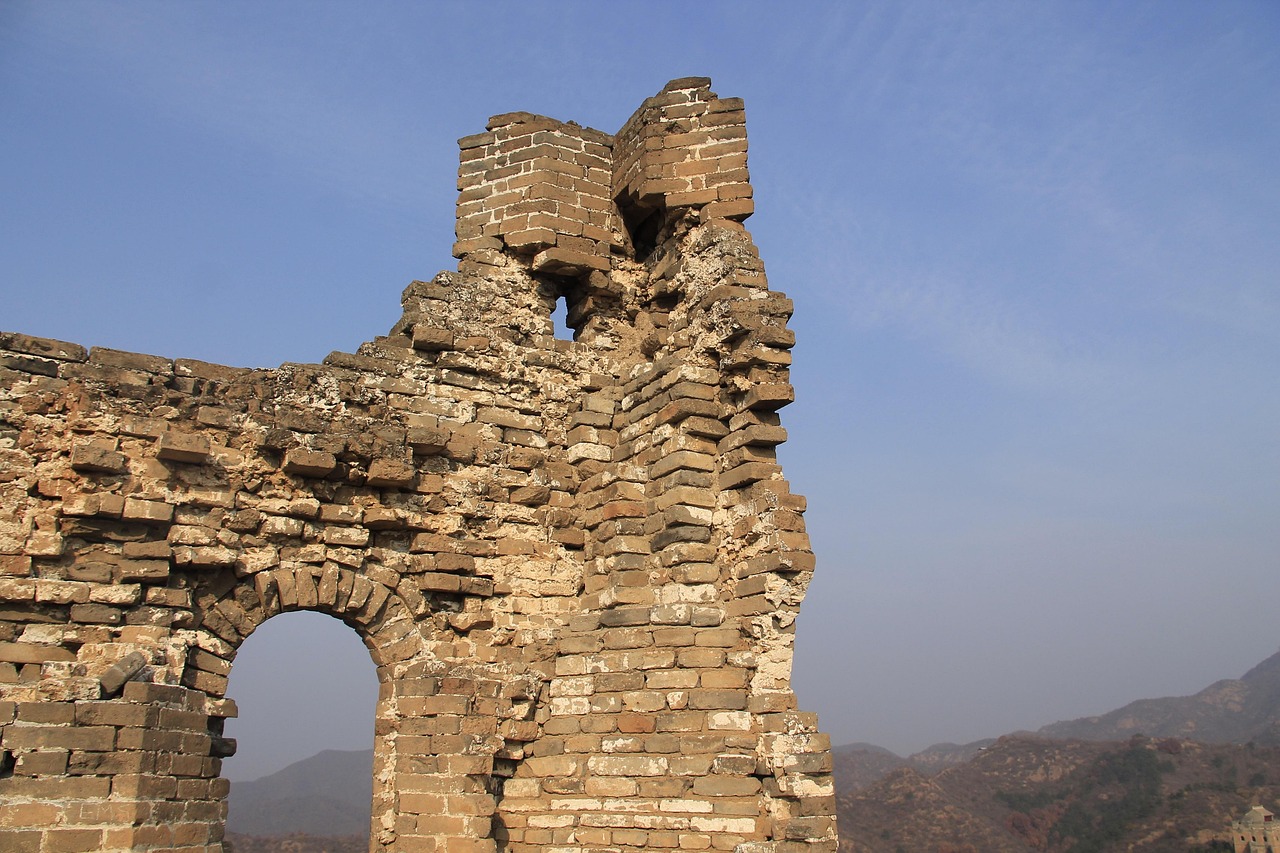
Jiankou and Jinshanling Section Hikes for Rugged Scenery
If your dream is pure adventure, the Jiankou hike and Jinshanling section of the Great Wall from Beijing delivers the kind of challenge that changes you a little. Here, the wall feels less curated and more like a living ruin—beautiful, demanding, and quietly humbling. This is where you go to explore, to test your endurance, and to earn your views.
Jiankou expectations and when a local guide supports confidence
Jiankou is steep, rugged, and not shy about it. One traveller told me the climb tested every part of their stamina, but the reward was unspoiled vistas and a sense of solitude that felt almost sacred. The steps can be uneven or broken, and some traverses are exposed, so a local guide can be the best form of support—especially if you’re unfamiliar with route-finding or weather shifts.
This is also where the phrase “design your risk” matters. You don’t need to prove anything to enjoy the day; you can choose a shorter out-and-back, or pair a wilder stretch with a safer exit. Adventure with care tends to feel deeper, and it builds trust in your own judgement.
Jinshanling section for a longer, well-maintained hike
Jinshanling offers a different kind of thrill: longer distances, fewer bottlenecks, and a mix of restored and unrestored segments that create a satisfying narrative underfoot. The Jinshanling section is often favoured by hikers who want fewer tourists than the busiest sites, but still appreciate clear paths and services. You’ll find stretches that are noticeably well-maintained, then sections where the wall turns wild again, creating a vivid contrast.
Use the name once and remember it: Jinshanling Great Wall. It’s a route where you can walk for hours, settling into a rhythm that becomes almost meditative. If you’re comparing options, think of Jiankou as raw intensity, and Jinshanling as endurance with structure—mutianyu and jinshanling together make a brilliant two-day story if you’re staying in Beijing.
Many hikers also mention the camaraderie that forms naturally here. When you’re sharing water, trading encouragement on steep sections, and laughing at the burn in your calves, strangers become teammates. The key is to explore together without forcing a single pace—agree on rest stops, keep checking in, and let the strongest hikers support the group rather than sprint ahead.
Safety and kit checklist for rugged sections matters more than any fancy gadget. The wall’s age shows in loose stone and crumbling brick, so your footwear and attention are your real luxury.
- Sturdy shoes with grip for uneven steps and dust
- Hydration and small snacks; the climb can be surprisingly draining
- Sun care and a cap; exposed ridges reflect heat
- Weather layers for wind and sudden temperature changes
- A small first-aid kit and blister care
Beyond the headline hikes, you can also consider Gubeikou for strong hikers, especially if the idea of camping near the wall appeals. And if you’re already thinking about future itineraries while travelling to China, note Shanhaiguan on the coast—a powerful “end of the wall” experience for another trip beyond Beijing.
Simatai section night tour from Beijing and Gubei Water Town magic
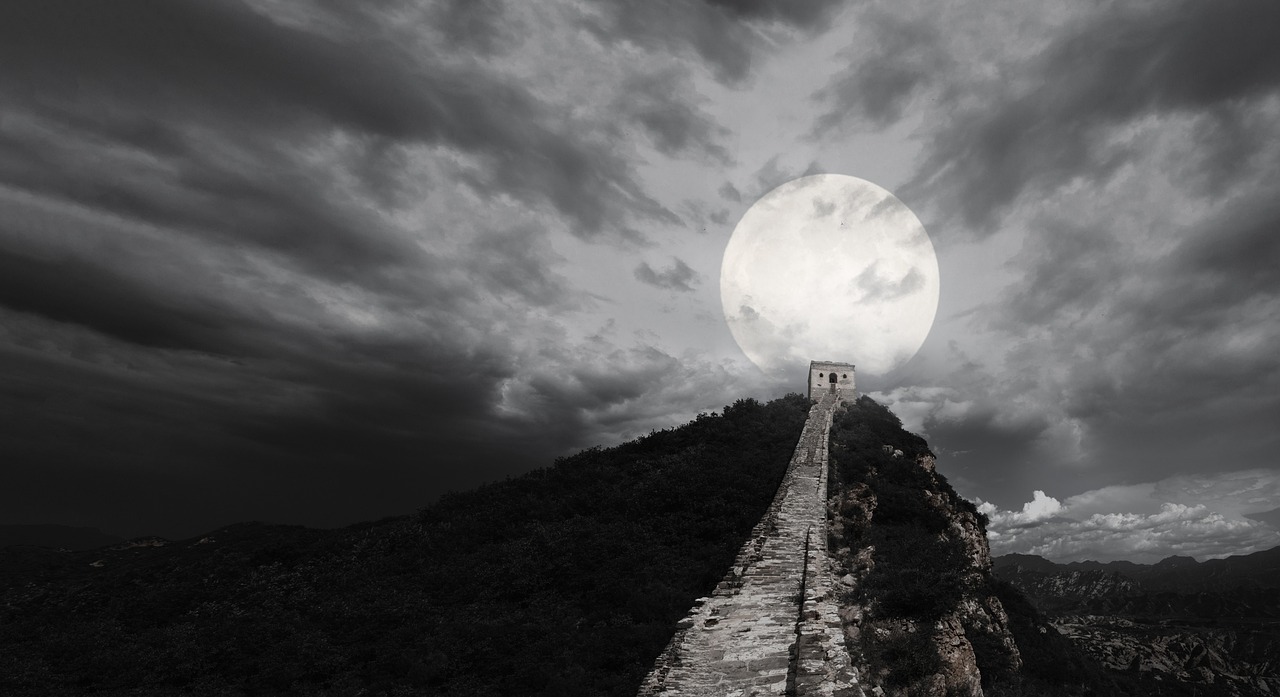
Simatai Section Night Tours and Gubei Water Town Magic
A Simatai section night tour from Beijing Gubei Water Town is for travellers who want as much mood as movement. The simatai section is one of the rare places where you can step onto the Wall after dark, when the crowds thin and the stones feel almost theatrical. With illuminated towers and deep shadows in the valleys, the Great Wall of China takes on a different emotional texture—quiet, cinematic, and unexpectedly tender.
The wall at night and the scale of Simatai
At night, your senses shift. The wall at night reveals scale in a new way: the ridgeline lights pull your eyes forward, tower by tower, and you begin to feel how the wall was built to communicate and defend across distance. It’s less about how far you walk and more about the atmosphere you carry back with you.
Pairing it with Gubei Water Town can make the evening feel crafted rather than rushed. Plan a gentle dinner, take a slow wander by the canals, then head up when your legs have softened from the day. This is an “unforgettable experience” when you let it unfold at a calm pace, rather than chasing a strict schedule.
130 kilometres from Beijing, and how to design the return
There’s a practical reason this trip feels different: Simatai is about 130 kilometres from Beijing. That distance invites better planning—either a late-day tour that returns after dark, or an overnight stay so you don’t have to rush the descent. If you’ve been living in Beijing for a while, it can feel like a luxurious escape; if you’re visiting, it’s a beautiful way to slow your itinerary down.
After sunset, temperatures drop quickly, even in mild seasons. Bring a warm layer, keep footwear secure for stone steps, and set clear safety boundaries if you’re taking photos near steep edges. A little caution doesn’t diminish the magic; it creates the confidence you need to actually enjoy it.
If you’re choosing between different sections of the wall for your one “special” moment, consider your mood. Badaling is classic and bold, Mutianyu is balanced and bright, Jinshanling is expansive and wild-leaning, and Simatai is intimate, shadowed, and romantic. Design your choice around the feeling you want to take home, not just the distance you cover.
F.A.Qs: Great Wall of China, Beijing planning
Can you see the Great Wall of China in Beijing?
Yes—while central Beijing is a city setting, several major sections are close enough for a comfortable day trip. Badaling, Mutianyu, and Juyongguan are popular choices, each offering a different balance of restoration, views, and crowd levels. You won’t typically see the wall from the city centre, but you can reach it from Beijing in a few hours with a driver, bus, or guided tour.
Which city in China is closest to the Great Wall?
Beijing is the most well-known gateway city because multiple accessible sections sit within day-trip distance. Other cities can also connect you to different parts of the wall depending on your route, but for first-time visitors, Beijing usually offers the simplest transport options and the widest choice of experiences—from restored walks to more rugged hiking terrain.
Is it hard for a US citizen to visit China?
It isn’t necessarily hard, but it does require planning. A US citizen typically needs a visa unless covered by a transit policy or special programme, and requirements can change, so it’s wise to check official guidance before booking. Once in Beijing, visiting the Great Wall is straightforward with pre-arranged transport or reputable tours, along with basic preparation such as comfortable shoes and weather layers.
What are 5 facts about the Great Wall of China?
1) It includes many separate sections built across different eras, not one continuous line. 2) Much work was strengthened during the Ming dynasty. 3) Watchtowers were used for signalling and defence. 4) Materials vary by region, including stone and brick. 5) Some areas are heavily restored for access, while others remain wild and require careful hiking.
Final Thought
After a day on the Great Wall of China, what stayed with me wasn’t the number of steps or the kilometres walked from Beijing. It was the feeling of smallness beside the battlements, and the gentle surprise of how quickly history becomes intimate when the noise falls away. In the quieter moments—when the wind moved through the stone gaps—you could almost imagine the lives that once watched these ridges with steady patience.
There’s a particular kind of comfort that comes from good planning. When transport, timing, and pacing are designed with care, your mind stops scanning for problems and starts noticing details: a softened edge of brick under your fingertips, a shared nod with another hiker, a local smile that turns a simple purchase into a story. Support—whether from friends, a guide, or a stranger who points you towards the right path—creates space for wonder.
I keep one image like a small lantern. It’s a quiet watchtower, briefly empty, where laughter drifted up from below after a hard climb, and everyone’s faces looked a little more open. The wall didn’t feel like a trophy; it felt like a lived place, and I felt grateful to have moved through it together, with trust and attention.
Long after Beijing fades behind you, the Wall remains—less as a monument, more as a gentle reminder that endurance can be beautiful. And when you return to China one day, you may find yourself looking at familiar streets with fresh eyes, quietly curious about what else the world can reveal when you meet it with time and care.