Post Contents
- Plan your trip to Hakone Japan from Tokyo with this travel guide
- Getting around Hakone Tozan line and the Hakone Tozan train itinerary
- Things to do in Hakone Lake Ashi pirate ship and Mount Fuji views
- Owakudani Valley Hakone Ropeway volcanic attraction
- Hakone hot spring onsen ryokan Open-Air Museum and Hakone Gora Park
- After Hakone what stayed with you in Japan
- F.A.Qs: Hakone Japan from Tokyo planning essentials
Plan your trip to Hakone Japan from Tokyo with this travel guide
Plan your trip to Hakone Japan from Tokyo with mountain scenery and calm lake light
If you’re searching for a Hakone Japan travel guide from Tokyo plan your trip that feels crafted for comfort and curiosity, start with the journey itself. The simplest way to get to Hakone is the Odakyu Romance Car from Shinjuku Station to Hakone-Yumoto Station, an easy 85-minute train ride where the city loosens its grip and the mountain air begins to take over.
For travellers who like options, a limited express train route via Odawara is a practical alternative, especially if you’re already exploring Tokyo and Kyoto on the same trip. We often suggest a brief pause for visiting Odawara if your timing suits—an elegant way to ease into the Hakone area without feeling rushed.
Tokyo to Hakone and where the Hakone Free Pass fits
For most adventure seekers, the Hakone Free Pass is where planning shifts from “logistics” to “freedom”. The pass covers key local transport—trains, buses, cable cars, boats—and includes a discount at selected attractions. If you’re doing the classic loop (lake, ropeway, mountain towns), it usually becomes both cost-effective and wonderfully seamless.
Designer Journeys travellers often browse inspiration first, then we design around your pace and preferences—if you’d like a visual sense of what’s possible, explore our Trip gallery for Japan.
Best time, booking, and what to pack for trails and baths
Late spring to early autumn tends to offer clearer fuji chances, though Hakone’s weather can change quickly in the surrounding highland. A warm layer and light rain protection will protect your confidence when cloud rolls in—because it sometimes does, and that’s part of the destination’s natural beauty.
Booking early matters in peak seasons, especially for a ryokan. Decide whether you want classic Japanese-style calm (tatami, quiet service, low lighting) or a contemporary hotel base with bigger rooms and a late-night lounge feel. Carry cash too: a few local shops still don’t accept cards.
- Pack for the trail: grippy shoes, thin gloves in cooler months, and water.
- Pack for the bath: a small towel, skincare for after your hot spring bath, and a respectful cover-up for shared spaces.
- Pack for comfort: a mask if you’re sensitive to geothermal smells later in the itinerary.
Safety is steady here: follow marked trails, keep an eye on ropeway updates, and behave with quiet respect in public spaces. That blend of trust and care is exactly what Hakone offers—and it’s what our expert planning supports, so you can explore together without second-guessing each step.


Getting around Hakone Tozan line and the Hakone Tozan train itinerary
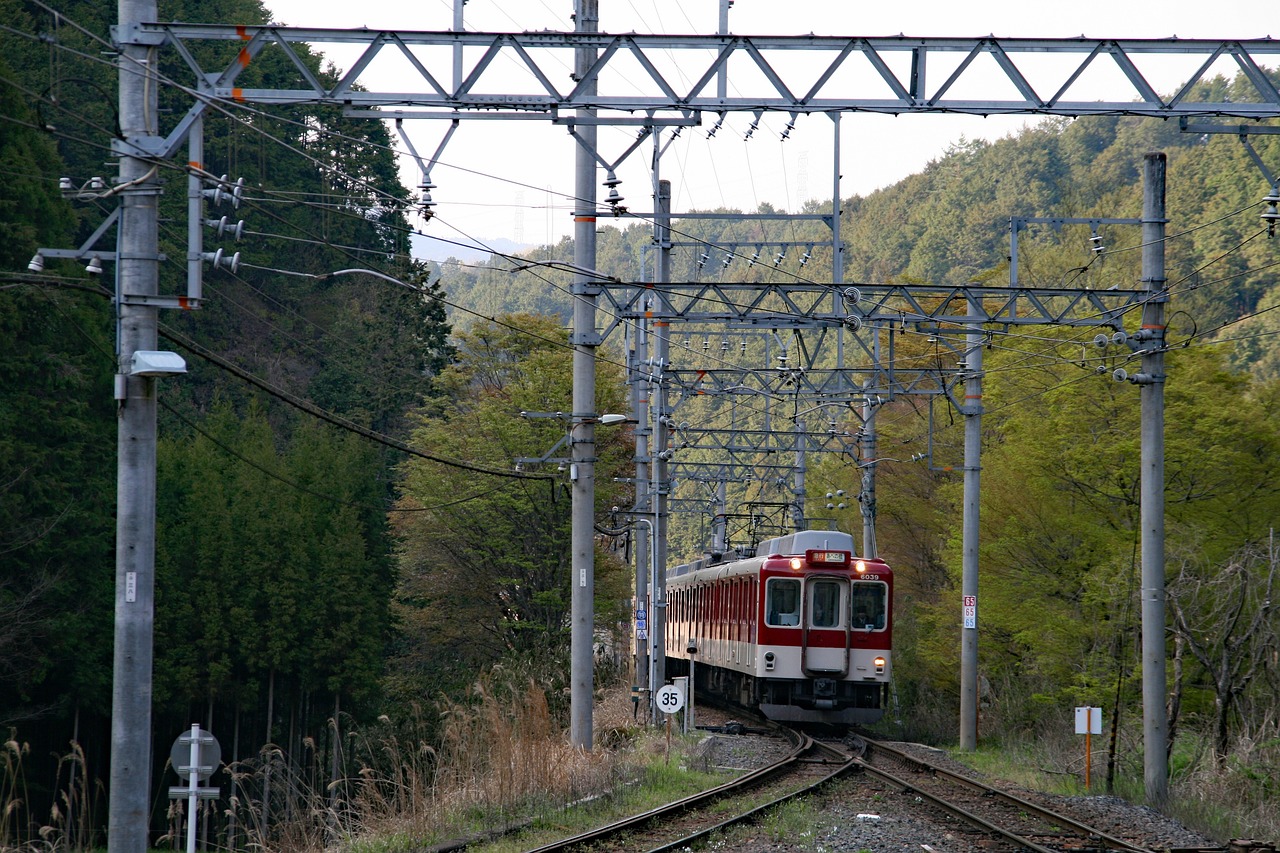
Getting around on Hakone Tozan and the mountain train through forested slopes
For anyone looking up getting around Hakone Tozan line Hakone Tozan train itinerary, the secret is to treat Hakone like a loop you can customise rather than a checklist. This is where the region’s transport becomes part of the adventure—quietly efficient, surprisingly scenic, and easy to stitch into a day that feels designed rather than dense.
The core circuit typically flows through the Hakone Tozan railway, a cable car, the ropeway, buses, and boats. With the right timing, you’ll move smoothly between attractions while still leaving space for a spontaneous photo stop or a lingering coffee.
Hakone Tozan train as your mountain train backbone
The Hakone Tozan line is the heritage spine of the area: switchbacks, hydrangea season, and windows that frame valleys like a slow film. Ride the Hakone Tozan train up towards Gora Station, where connections fan out to the cable car and onward into higher terrain.
For high-end travellers who value calm, an early start is a gentle power move. Carriages are quieter, platforms are easier, and you’ll arrive at viewpoints with that “we’re ahead of the day” feeling that makes every choice more personal.
Walk from Hakone and flexible timing when the day evolves
Buses are straightforward once you know what to look for: identify the correct bus stop number and check the destination name on the front display. Peak hours can be crowded, so keep your plans flexible—if an open-air viewpoint holds you longer than expected, let it. That’s the kind of insight that turns a trip into a story.
If you want an extra edge of adventure, add a short walk from Hakone—or, more specifically, a walk from hakone yumoto along quieter lanes that lead towards small shrines and trailheads. It’s a confidence builder: a little exertion, a little uncovering of local life, then back to the loop when you’re ready.
Things to do in Hakone Lake Ashi pirate ship and Mount Fuji views
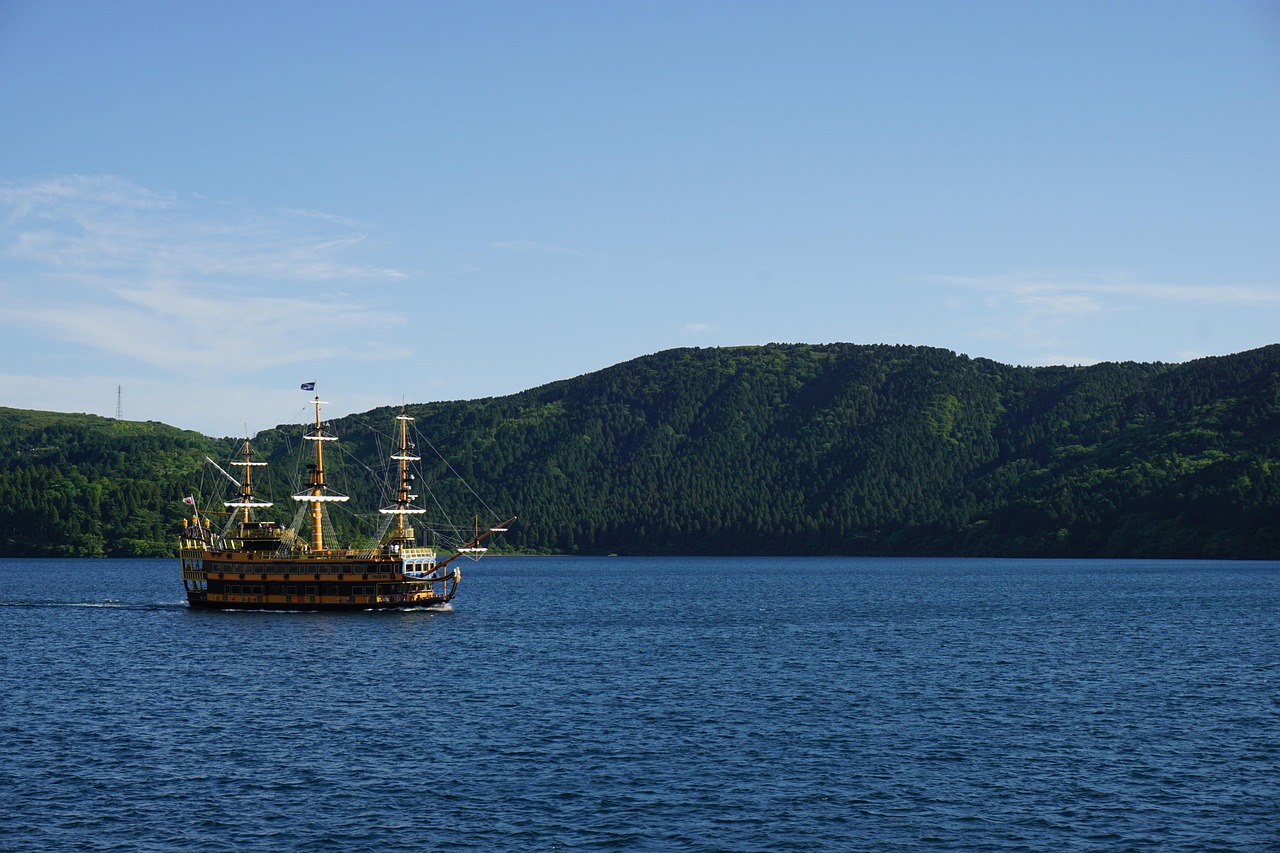
Things to do in Hakone at Lake Ashi with the pirate ship cruise and Fuji beyond
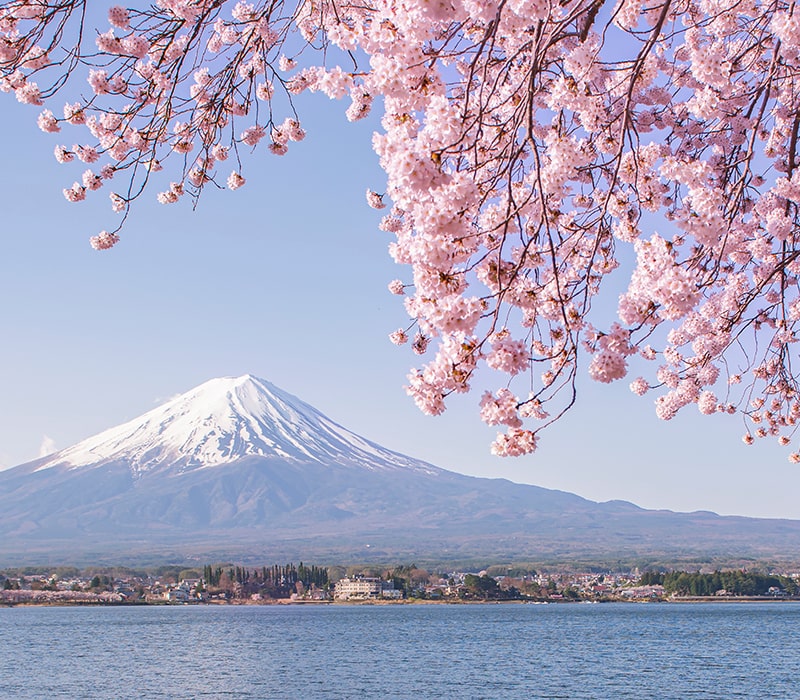
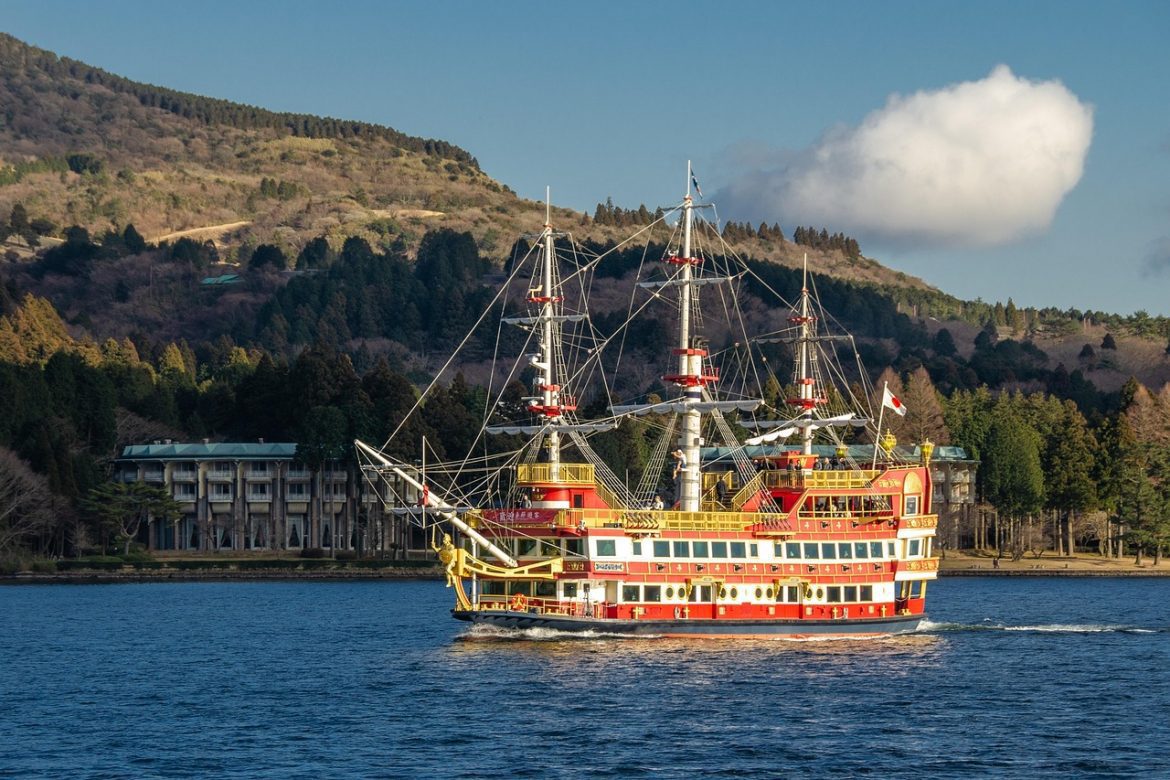
When people search things to do in Hakone Lake Ashi pirate ship Mount Fuji views, they’re usually chasing a particular kind of moment: still water, soft light, and the silhouette of Mount Fuji arriving like a quiet reveal. Start your morning at Lake Ashi (also known as Lake Ashinoko) and board the playful-but-iconic pirate ship for a sightseeing cruise that feels unexpectedly cinematic.
Many travellers describe the awe of standing on deck as the mountains open up, then seeing Fuji reflected in the lake when the surface is calm. Even if you’re an adventure seeker, there’s something reassuring about how effortless this feels—no big climb required, yet the payoff is immense.
Fuji-Hakone-Izu National Park and a calm plan B
Because Hakone sits within Fuji-Hakone-Izu National Park, weather can shift quickly. Cloudy days happen—especially as the air warms—so it helps to hold expectations lightly. If Fuji hides, you can still explore the shoreline, linger over a local lunch, or head towards a museum afternoon without feeling that you’ve “missed” anything.
- Choose one “best views” spot and give it time rather than racing between five.
- Bring a light layer; lake wind can cool you quickly even in summer.
- Let the landscape set the rhythm—this is where you sightsee with intention.
Old Tokaido Road detour for an Edo-era feel
For a more hands-on edge, add a short detour to the old tokaido road. The stone path and cedar shade create a vivid step into Edo, and the footing can be uneven after rain, so wear shoes you trust. Photograph mossy steps, lanterns, and the way the forest seems to soften sound.
From the lakeside, you’ll notice how Hakone Machi keeps its charm without trying too hard. A single viewpoint, a single trail section, and one quiet drink can be enough to make the day feel crafted.
Owakudani Valley Hakone Ropeway volcanic attraction
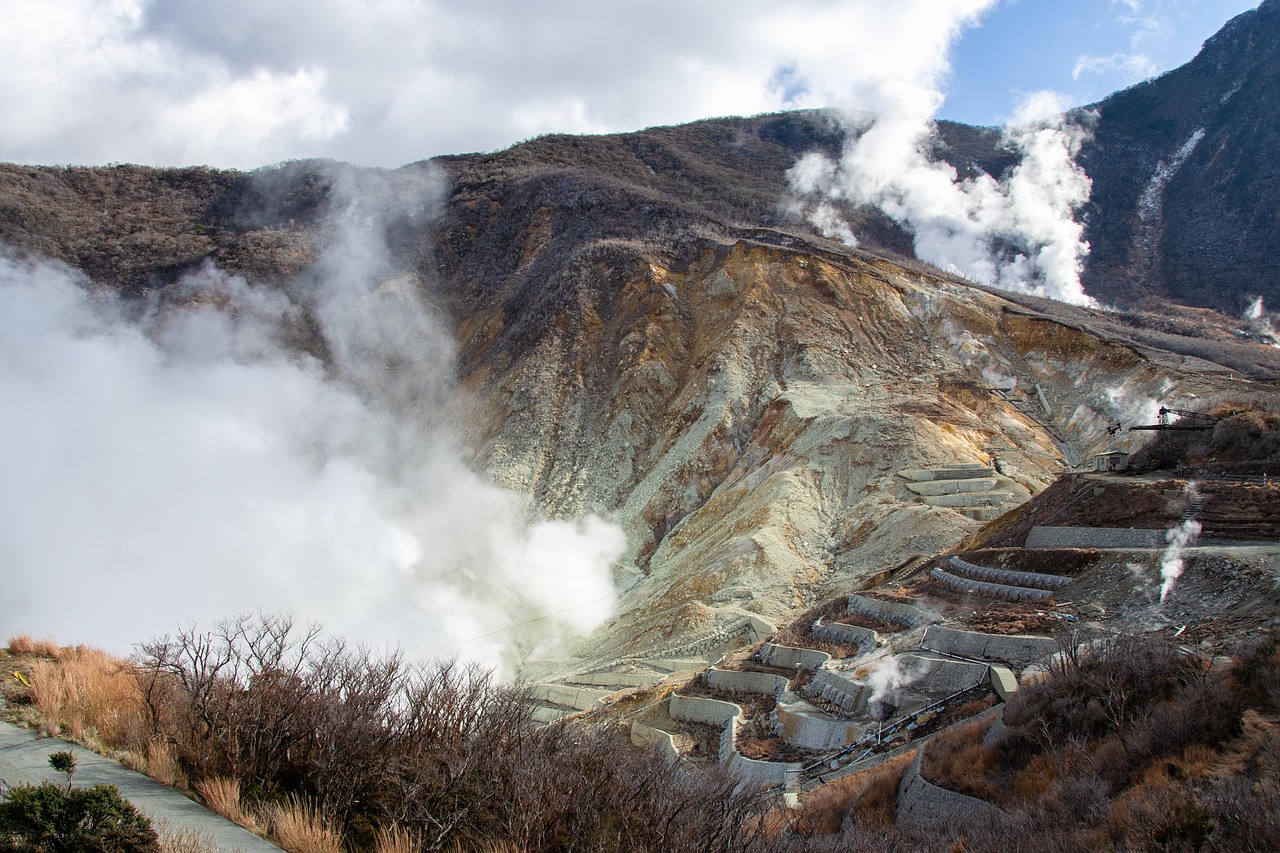
Owakudani Valley adventure on the Hakone Ropeway above steaming volcanic slopes
If your search reads Owakudani Valley Hakone Ropeway volcanic attraction, you’re in for the region’s most dramatic shift in mood. The Hakone Ropeway glides into Owakudani, where steam vents cut through the hills and the valley opens into wide panoramas that feel almost otherworldly.
This is the part of the itinerary where nature shows its power plainly—raw, active, and strangely beautiful. Adventure seekers love it because the thrill is real, yet the infrastructure keeps the experience accessible and safe.
Owakudani valley safety and comfort with care
The smell can be strongly sulfuric, so if you’re sensitive, consider a mask and keep hydrated. Follow marked trails and viewpoint barriers, and avoid stepping off path for photos. Wind and weather can affect ropeway operations; if it pauses, the area still offers plenty to explore at ground level, with staff guidance that feels reassuring.
Black eggs folklore and gentle mini-hikes
Do try the famous black eggs, boiled in sulphur springs and said to add years to your life. The taste is familiar—like a regular egg—yet the colour sparks that delighted, slightly disbelieving reaction travellers love to share afterwards.
For a mini-adventure, choose short, confidence-building walks between viewpoints rather than pushing for distance. In the afternoon, light can be warmer for photographs; in the morning, clarity can bring better mountain views if conditions align.
Hakone hot spring onsen ryokan Open-Air Museum and Hakone Gora Park
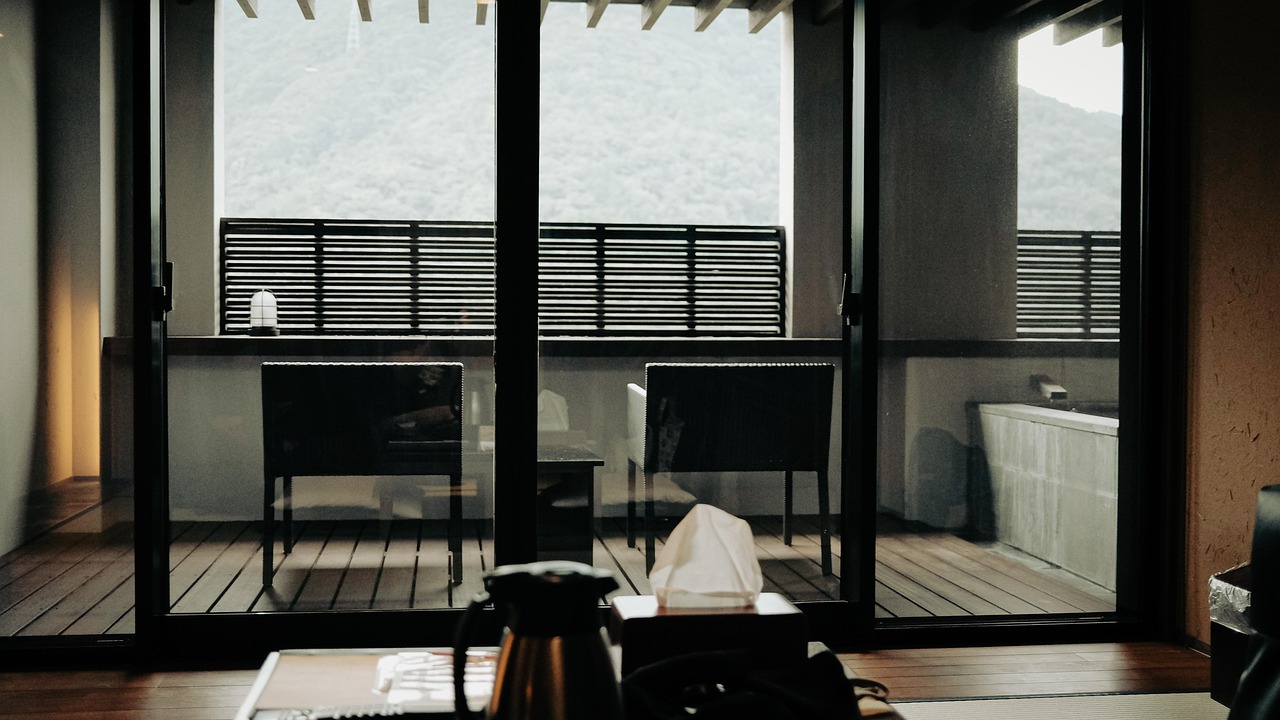
Hot spring onsen culture plus museum time and Hakone Gora Park artistry
For travellers seeking Hakone hot spring onsen ryokan Open-Air Museum Hakone Gora Park, this is where the trip becomes deeply personal. After hikes and ropeway drama, slipping into a hot spring is not just relaxation—it’s a reset that helps you feel grounded, calm, and quietly proud of what you’ve explored.
Plan this chapter as a rhythm: movement, art, then water. It’s the most seamless way to create a day that feels both adventurous and high-end.
Onsen bath etiquette, tattoos, and modern alternatives
In a traditional onsen, wash thoroughly before entering the bath, tie up long hair, and keep voices low. Towels stay out of the water, and phones stay away. Tattoos can be restricted in some places; if that’s you, modern facilities such as Yunessun can be a comfortable alternative while still offering authentic hot spring culture.
- Choose a quiet time (late afternoon or early evening) for a more private feel.
- Bring skincare; the minerals can leave skin wonderfully soft but thirsty.
- After the bath, rest slowly—this is where your body catches up with your mind.
Ryokan choices, kaiseki dinners, and art in the surrounding area
A great ryokan offers classic Japanese-style grace without stiffness: slippers at the door, attentive service, and japanese-style rooms that invite you to slow down. If you love food as culture, choose a stay with a traditional kaiseki dinner. It’s a layered, seasonal story on a plate—refined, local, and quietly celebratory.
For an art-and-nature afternoon, the open-air museum is a perfect match for adventure seekers: you’re walking through installations, not just observing them. The Hakone Open-Air Museum includes works connected to Picasso and outdoor installation pieces that change with the weather and the angle of your gaze.
Then move on to Hakone Gora Park (often simply called Gora Park) for manicured paths and a softer pace. If you’re curating extra culture, the Pola Museum is a strong addition, blending modern and traditional Japanese art—sometimes including nihonga—with forest views. For a small, cosy reward, add a walk from hakone open-air museum to a nearby cafe, or settle into a quiet lounge for tea.
If you have time for local attractions beyond the centre, consider the Hakone botanical garden of wetlands for a different kind of calm, or a glass museum showcasing venetian glass that catches the light like tiny pieces of water. This surrounding area makes it easy to explore without overfilling your day, and your accommodation can remain the anchor that keeps everything feeling effortless.
After Hakone what stayed with you in Japan
When your search becomes Hakone Japan reflection from Tokyo trip to Japan, it’s usually because Hakone doesn’t quite leave you when you leave it. It lingers in the body like warmth after a good soak, and in the mind like a scene you keep returning to without trying.
There’s a particular kind of morning at Hakone Shrine when mist threads between ancient cedars and the floating torii gate seems to hover, half in this world and half in another. Even if you arrived as an adventure seeker, you may find yourself standing still, feeling an unexpected steadiness settle in—something close to trust, and quietly earned.
Later, in Tokyo, you might notice you’re walking differently: more patient, more certain of your pace. That’s the subtle gift of a place that balances effort with ease—hiking, steam, art, water—without ever demanding that you perform your holiday for anyone else.
And it’s often the smallest local gesture that returns first: a nod from a staff member as you step into the heat, the mineral scent on your skin, or the way fuji appeared for just long enough to feel like a private message. If Japan teaches anything gently, it’s that discovery isn’t always loud. Sometimes it’s simply there, waiting in the quiet for your attention.
F.A.Qs: Hakone Japan from Tokyo planning essentials
Is Hakone worth visiting in Japan?
Yes—especially if you want a refined mix of nature, culture, and comfort without straying far from Tokyo. Hakone brings together lakeside calm, dramatic geothermal landscapes, museums, and restorative onsen time. It’s also a place where you can explore actively, then slow down properly, which is rare to find so close to a major city.
How many days do you need in Hakone, Japan?
One full day works if you keep your itinerary focused on the loop (lake, ropeway, and a soak). Two days is ideal for high-end travellers: you can add a museum afternoon, enjoy a ryokan dinner, and wake up to a quieter morning. The extra night makes the experience feel less like a day trip and more like a personal retreat.
Is MT Fuji in Hakone?
No—Mount Fuji is not in Hakone, but Hakone is one of the classic places to view it. On clear days, you may see Mt Fuji from Lake Ashi, open viewpoints, and parts of the ropeway route. Because visibility depends on weather, it helps to treat a Fuji sighting as a gift rather than a guarantee.
Is Hakone closer to Tokyo?
Yes. Hakone is a popular easy escape from Tokyo, with fast access by Odakyu trains from Shinjuku and connections through Odawara. Travel times can be around 85 minutes to Hakone-Yumoto on the Romancecar, making it realistic for a day trip—though staying overnight is a more relaxed way to experience the hot spring rhythm.