Post Contents
- Shanghai Must-See Sights in Style: Best Things to Do Without Rushing
- The Bund Waterfront: Promenade Views and a Huangpu River Sunset
- Yuyuan Garden and the Old City Bazaar: A Tranquil Classical Chinese Garden Oasis
- Lujiazui Skyscrapers: Observation Deck Views and the Oriental Pearl TV Tower
- Culture and Contemporary Art: Shanghai Museum, Museum of Contemporary Art, and M50
- French Concession Lanes and Nanjing Road: Premier Shopping Street Strategy
- Xintiandi Dining and Nightfall: Lane-House Heritage After Dark
- F.A.Qs: Shanghai sightseeing essentials
- What Stayed With Us After Sightseeing in Shanghai, China: Reflections
Shanghai Must-See Sights in Style: Best Things to Do Without Rushing
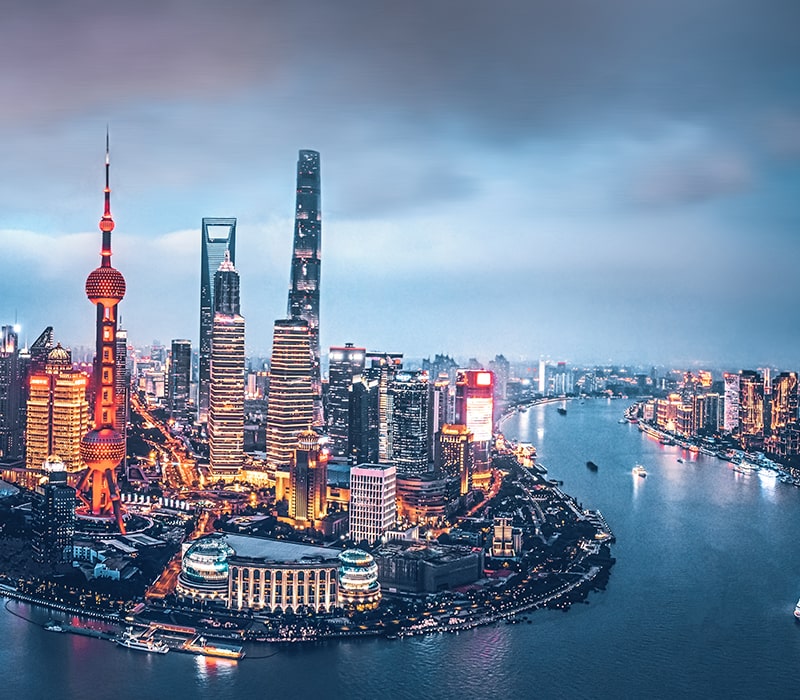
Shanghai’s must-see sights, designed for a calm, high-comfort pace with skyline views along the Bund
When you plan your days with a luxury mindset, things to do in Shanghai become less like a checklist and more like a story you get to inhabit. A thoughtful hotel team, a private concierge, and an expert guide can quietly handle tickets, timings, and transfers while you simply sightsee with confidence. In a metropolis with many sights, that kind of support turns intensity into ease.
It helps to understand the city’s two signature faces. Puxi carries the older rhythm—historic architecture, lane life, and low-rise neighbourhood texture—while the Pudong district holds the futuristic horizon of the financial center skyline, where glass and steel feel boldly modern. With that geography clear, you can build days that flow: heritage in the morning, a river interlude, then a skyline moment at night. This is the simplest way to enjoy shanghai tourist attractions at your own pace, focusing on top attractions that genuinely fit your taste.
Shanghai tourism: timing, weather, and crowd-smart planning
For most travellers, the best months are March to May and September to November, when temperatures are mild, and air quality is often more comfortable. July and August can be the hottest stretch, so plan shaded stops, keep water close, and let your driver handle short hops between landmarks. The city is very safe, yet good travel insurance that covers medical care brings extra peace of mind—especially during the summer heat.
Arrival that feels calm from the first hour
Arrive via Shanghai Pudong International Airport and choose a private transfer for a seamless start; many luxury hotels can arrange fast-track assistance and meet-and-greet support. A gentle first evening can be as simple as an early dinner and a short walk along the waterfront, saving museums and gardens for the next day. If you like to compare options before you land, scan reviews on Viator and then let your hotel refine the plan. If you like to plan visually, browse our Trip gallery and imagine what style of day suits you: architecture, heritage lanes, shopping, or gastronomy.
The most reassuring approach is to choose experiences that match your taste, not someone else’s pace. When the itinerary reflects you—art, gardens, towers, or food—Shanghai becomes personal, and the city’s scale feels beautifully manageable.


The Bund Waterfront: Promenade Views and a Huangpu River Sunset
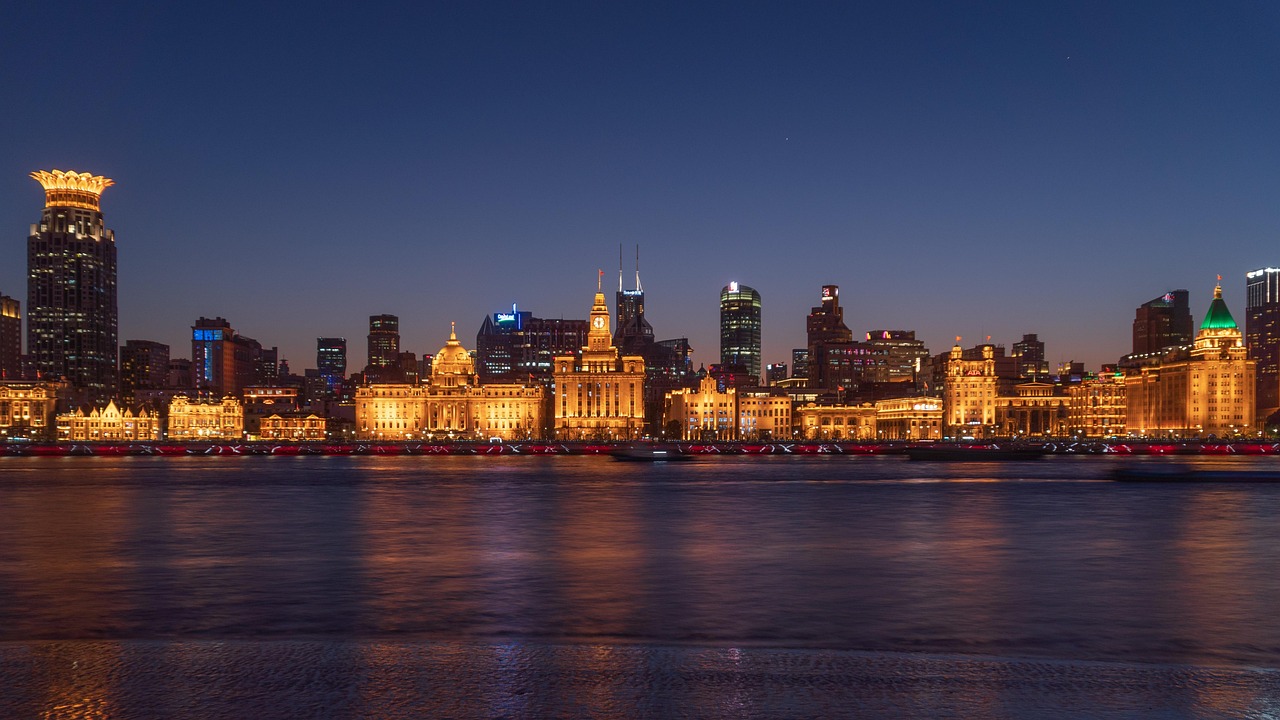
The Bund at sunset, when the Huangpu River reflects the city’s lights
For a classic Bund evening, timing is everything. Start with a relaxed stroll along the Bund promenade in late afternoon, when the light softens the stone façades and the waterfront begins to glow. This stretch is defined by elegant colonial buildings on one side and modern towers across the Huangpu River on the other—two eras meeting in one frame.
To uncover the most balanced photographs, look for angles where the historic frontage frames Lujiazui’s vertical lines. Step slightly back from the busiest pockets and let the skyline settle into view; it’s a small move that changes the whole feeling. If you’re travelling with a concierge, ask them to suggest a quiet starting point and a smooth pick-up location nearby for later.
Huangpu River: Shanghai’s moving theatre at dusk
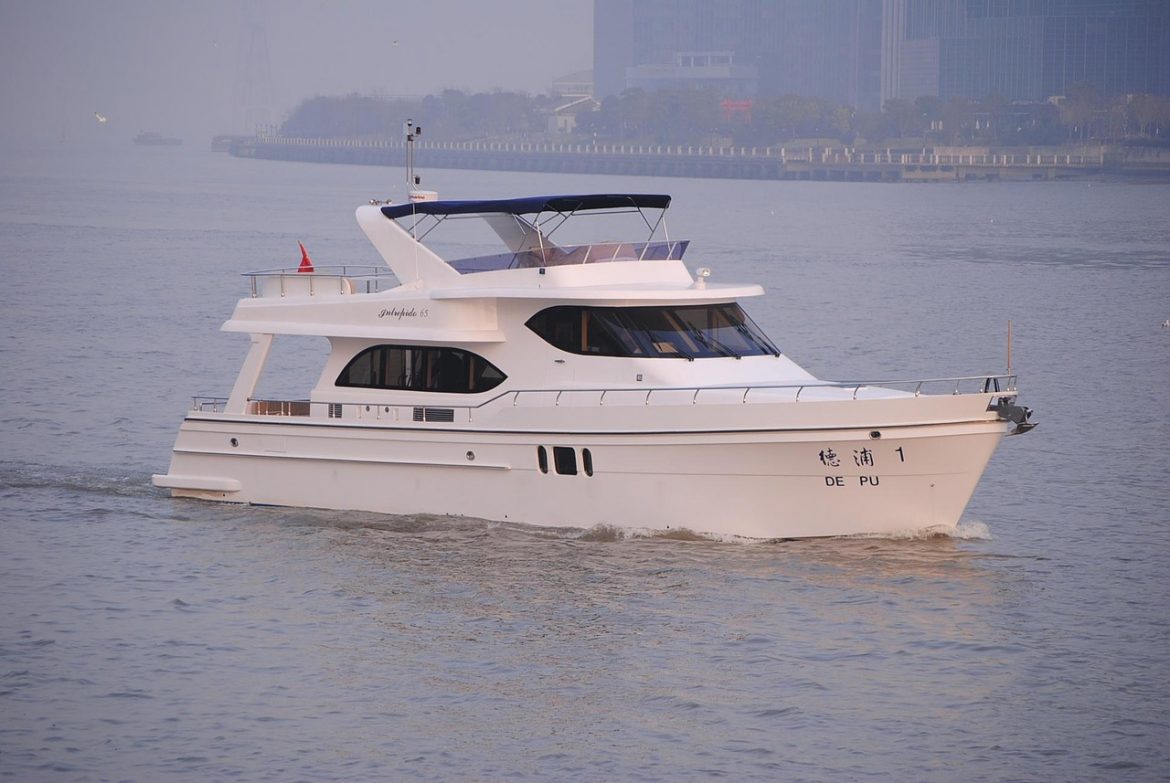
The Huangpu River becomes a slow, cinematic stage at sunset. A private cruise offers a calmer, more personal perspective—especially if you prefer to avoid the most crowded pavements. One luxury traveller told us her curated cruise felt “magical”: serene river views first, then a crescendo of vibrant city lights as bridges and towers came to life, one by one.
What to wear and how to keep the evening seamless
For a sunset sailing, dress in light layers; breezes on deck can feel cooler than expected. Choose a small vessel if you value space and quiet, or a premium shared option if you like atmosphere without fuss. The simplest way to keep it effortless is to have your car waiting a short walk away, so you glide from boat to hotel or dinner without negotiation.
If you’d like a reassuring start, add a pre-cruise aperitif in a heritage lounge facing the Bund. It sets a poised tone—together, celebratory, and unhurried.
Yuyuan Garden and the Old City Bazaar: A Tranquil Classical Chinese Garden Oasis
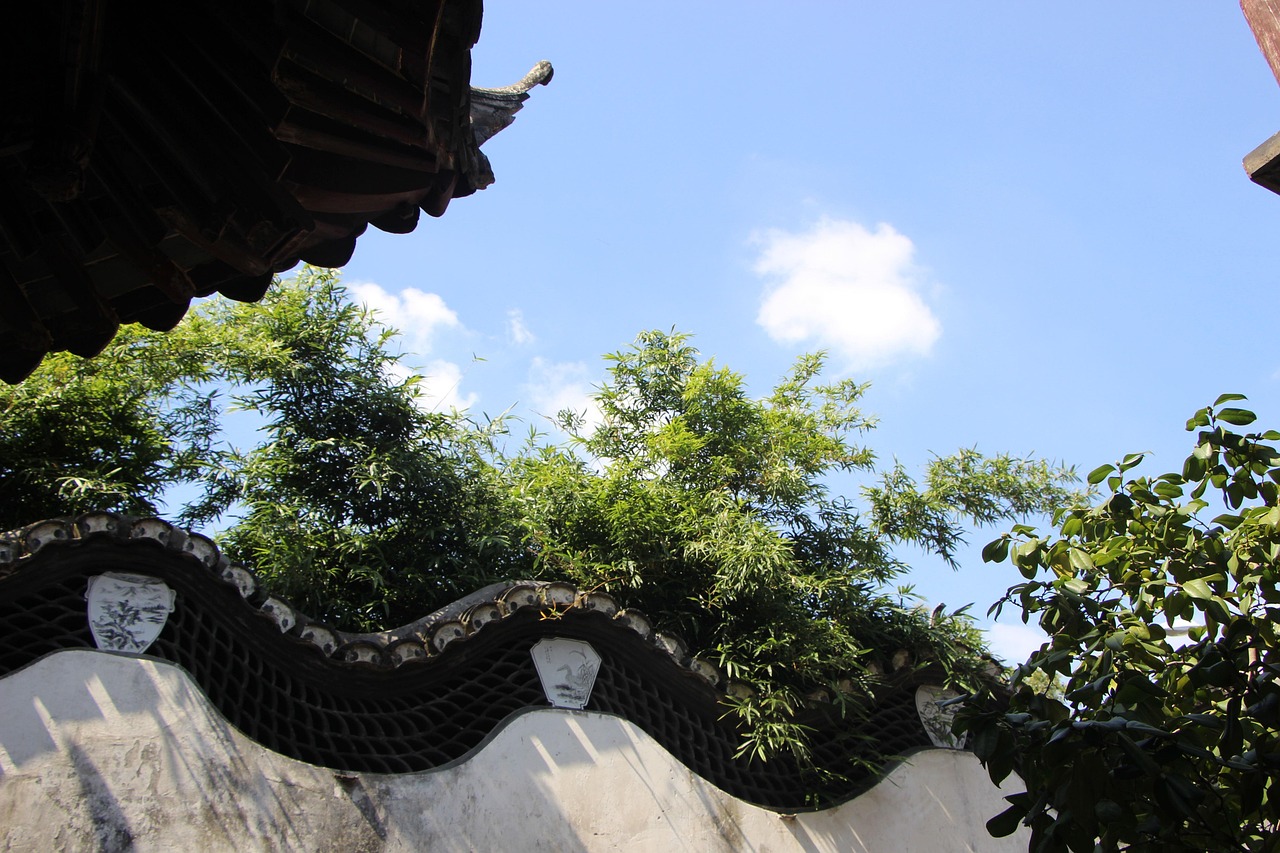
Yuyuan Garden’s elegant pavilions and paths, with the Old City bazaar nearby
For a graceful morning in the Yuyuan Garden, arrive early and let the city fall quiet. Yuyuan is a classical Chinese garden shaped by rockeries, a still pond, and an elegant pavilion with fine carving—an oasis that feels surprisingly intimate within the city. It’s a place that can attract you into stillness, even if your day is otherwise full.
With origins in the Ming dynasty, the garden’s layout creates a gentle sense of discovery: gates, courtyards, and framed views that reveal themselves in sequence. Look out for the famous Jade Rock and the pagoda-style rooflines that appear as you turn each corner. Even a short visit can feel meaningful when it’s unhurried and well supported.
A serene Yuyuan Garden morning with traditional Chinese tea
A couple once described their early walk here as the calmest hour of their trip. They paused for traditional Chinese tea and small snacks from a warm local vendor, then sat quietly and watched the light shift over stone and water. Their reassurance was simple: quiet moments are possible here, especially when you start early and choose stillness on purpose.
Old City bazaar shopping: jade, ceramics, and trusted stalls
The surrounding bazaar can feel lively, but it’s worth exploring for well-made souvenirs—think ceramics, silk pieces, and discreet gifts. If you’re browsing jade, ask where it comes from and don’t be pressured by hard selling; quality sellers will explain craftsmanship and allow time, while a reputable stall will happily show certification. A private guide helps you navigate, translate, and build trust, while gently steering you away from anything that feels rushed.
Comfort tip: avoid midday peak crowds and schedule a driver pickup a street or two away so you leave smoothly rather than wrestling with traffic at the gate.
Lujiazui Skyscrapers: Observation Deck Views and the Oriental Pearl TV Tower
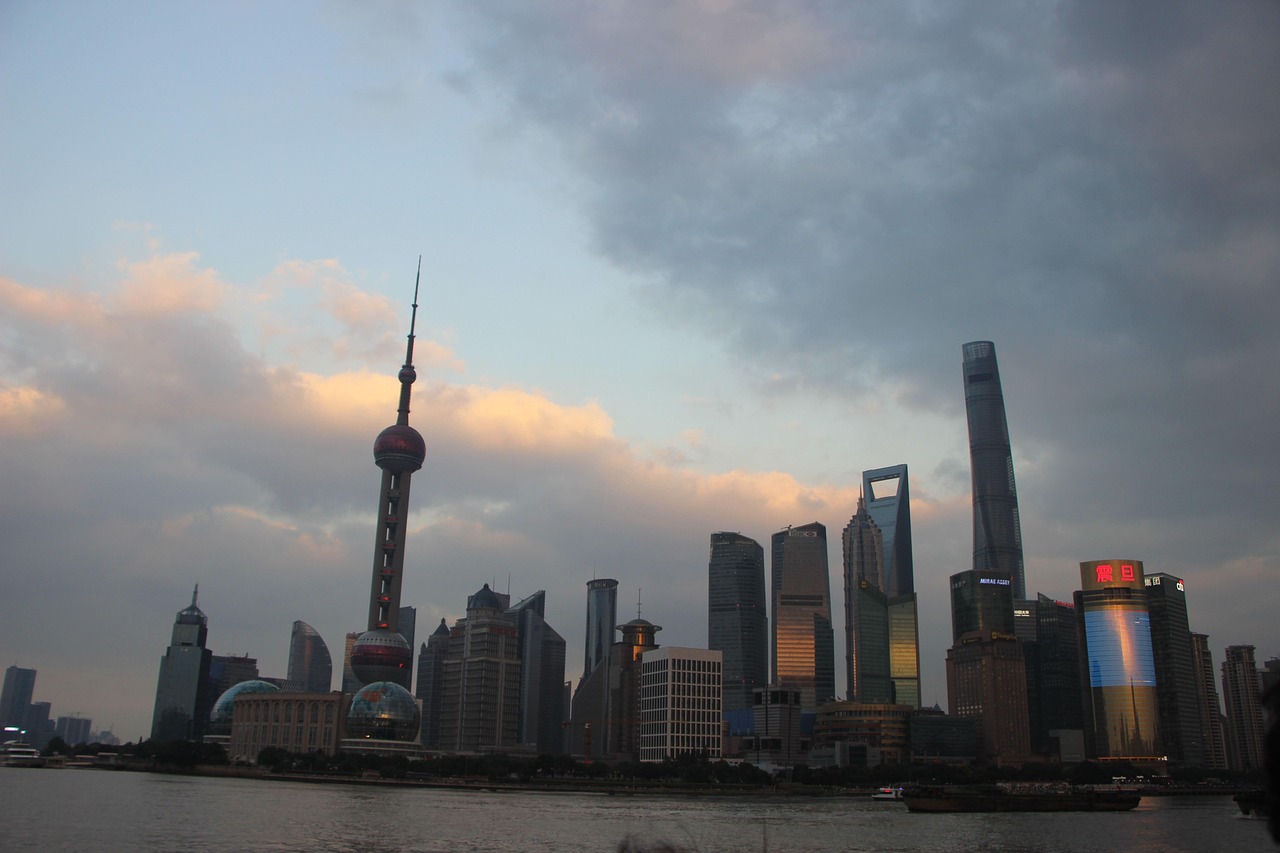
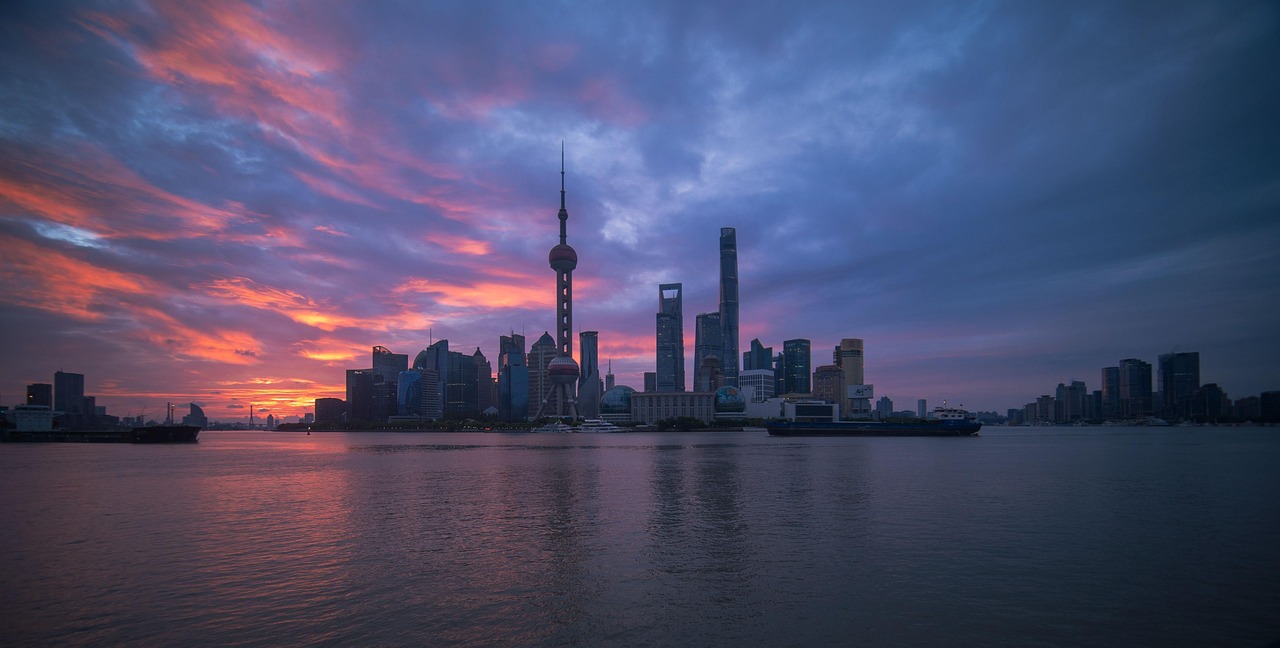
Lujiazui’s futuristic skyline of high-rises and the iconic Pearl Tower
If your skyline afternoon is designed well, it feels like an architectural gallery rather than a queue. Many of the skyscrapers in Pudong cluster tightly here, and each skyscraper has its own personality in glass and steel. The mood is unmistakably futuristic, yet the experience can still feel calm when timed thoughtfully.
Shanghai Tower observation deck at golden hour
This landmark is among the world’s tallest buildings, and its observation deck delivers a sweeping sense of scale that photographs can’t quite capture. High-end travellers often appreciate timed entry and lounge-style pacing: arrive just before golden hour, settle in, and watch the city change colour. If you’re sensitive to crowds, ask your hotel to secure the quietest time slot and organise a direct drop-off.
Oriental Pearl Tower (Pearl Tower) circuit and Shanghai World Financial Centre
Across the district, the city’s iconic spheres stand out as the Oriental Pearl Tower—often nicknamed the Pearl Tower—and the nearby Shanghai World Financial Centre. Some viewpoints feature a glass-bottomed section for thrill-seekers, while others reward travellers who love design details. Together, these landmarks help you feel the character of the financial centre, and they tend to attract architecture lovers who appreciate clean lines and big perspectives.
Routing tip: the Shanghai Metro is efficient for quick movement, but a private driver offers comfort and flexibility—especially if you’re changing outfits for dinner. Reserve in advance to avoid queues, and keep your evening seamless with pre-arranged pick-up points.
Culture and Contemporary Art: Shanghai Museum, Museum of Contemporary Art, and M50
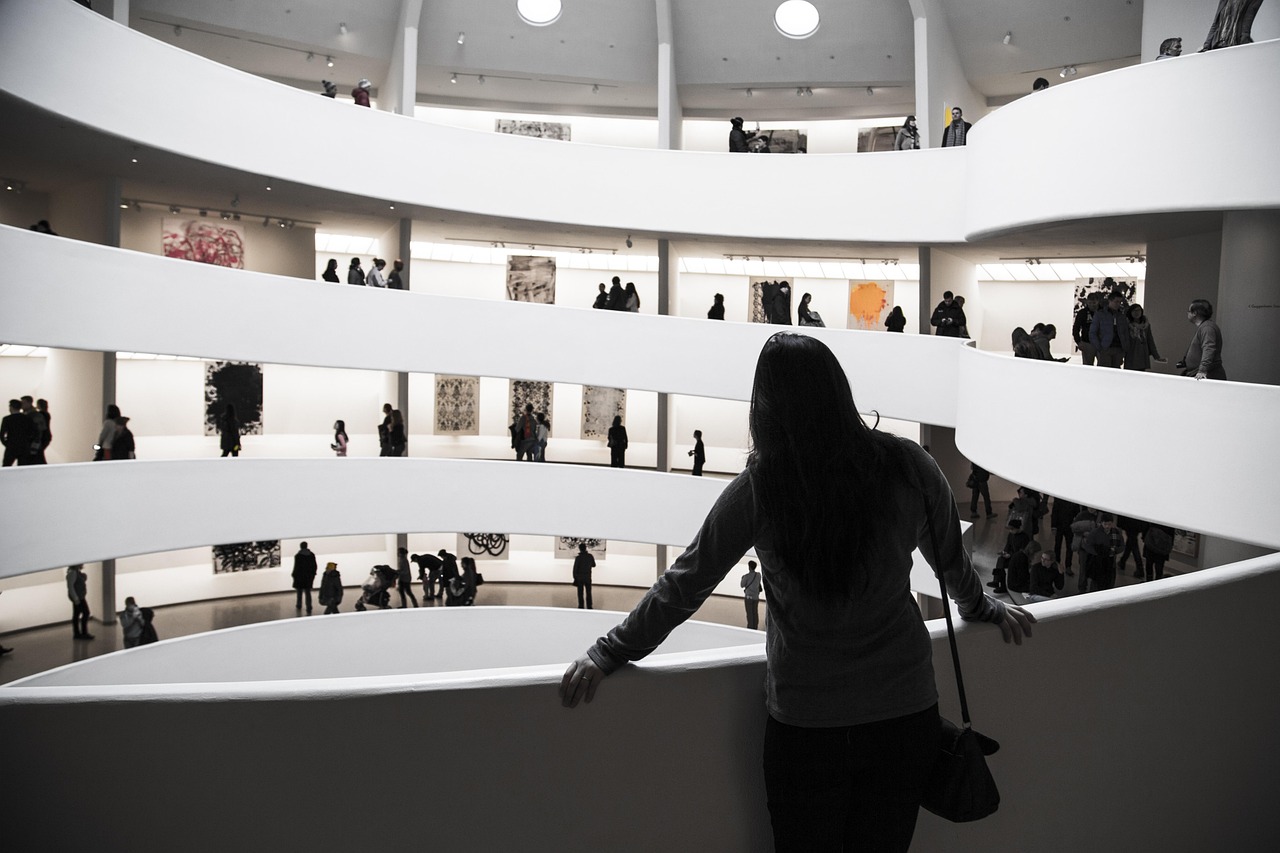
A culture day: museum highlights, contemporary spaces, and curated exhibitions
For a satisfying culture day, think in half-days so art feels enriching rather than exhausting. Start near People’s Square, where the Shanghai Museum offers a heritage context with beautifully presented collections—especially renowned jade works that reward slow looking. If you can, check whether a special exhibition is on; it’s often the easiest way to quickly connect with a theme.
People’s Square museum quarter: highlights worth prioritising
Give yourself a simple plan: one or two sections you’re genuinely curious about, then a break. Look for galleries that combine material mastery and storytelling—bronzes, calligraphy, and a thoughtful selection of sculpture can feel surprisingly contemporary. If you’re drawn to spiritual art, note that Shanghai’s broader Buddhist heritage can be experienced elsewhere, from Jing’an Temple to the Jade Buddha Temple, where the revered Jade Buddha is an enduring symbol of devotion. A private guide can add insight without overwhelming you with dates.
M50 art district: a confident way to visit a gallery or studio
For contemporary energy, head to M50, an area filled with studios and small creative spaces. An art enthusiast told us she spent an afternoon exploring ateliers, meeting local artists, and acquiring works that now anchor her home with memories of Shanghai. If you’re buying, ask for provenance, confirm whether a piece is editioned, and arrange professional packing; reputable operators can support shipping and customs paperwork so the experience remains seamless.
Between stops, take a calm detour into People’s Park. On weekends, you may notice the marriage market; it’s a sociocultural window best observed respectfully and quietly. For travellers who enjoy city systems, this area also hints at Shanghai urban planning—how public squares, museums, and green spaces shape everyday life.
French Concession Lanes and Nanjing Road: Premier Shopping Street Strategy
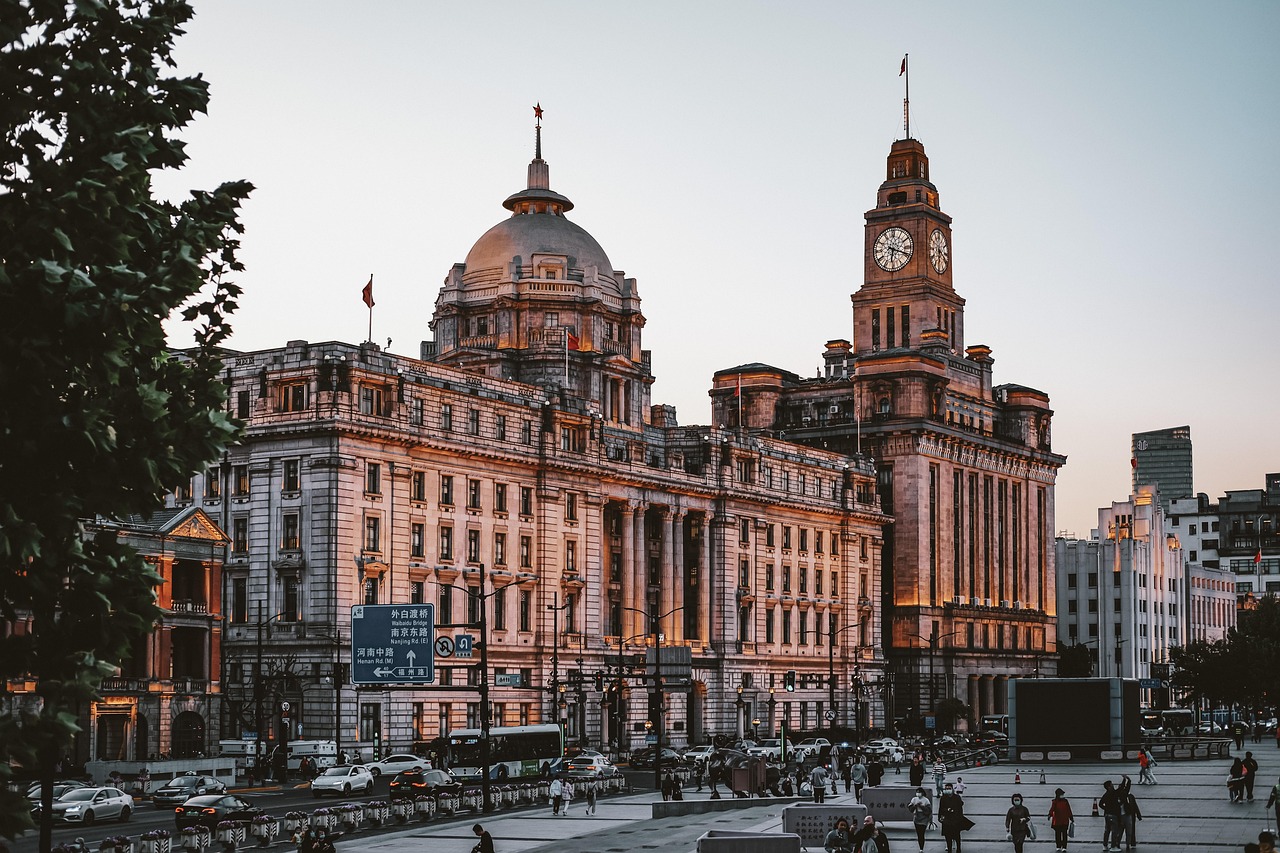
Leafy former-concession streets, then bright lights along Nanjing Road
For French Concession wandering, contrast is the pleasure. Leafy avenues and a quiet alley-by-alley rhythm invite you to slow down, browse bookshops, and linger over coffee. Start with a simple morning route your concierge can personalise, then wander past low-rise façades that feel worlds away from the river’s glitter.
When you’re ready for retail theatre, move towards Nanjing Road, Shanghai’s premier shopping street. This shopping district can be the busiest part of a day, so the secret is to design your visit around appointments and pauses—rather than trying to cover everything at once.
Nanjing Road shopping district: VIP pacing and smart stops
Choose one or two flagship stops, then add a curated browse through department stores where VIP lounges can make the experience calmer. If you want a quick edit of contemporary brands, your hotel can suggest a specific mall that matches your style, and help with tax paperwork or delivery back to your suite. This kind of support creates ease, especially during peak seasons.
Small ateliers with a story beyond logos
Balance big names with local craftsmanship: concept stores, tailoring, and accessories that feel unique to Shanghai and genuinely worth exploring. It’s often here that you uncover the most personal finds—pieces tied to place rather than trend. In crowded areas, keep valuables discreet and agree on a private driver pick-up point to avoid street-side congestion.
Xintiandi Dining and Nightfall: Lane-House Heritage After Dark
An evening district of lantern-lit lanes and beautifully restored stone houses
For Xin Tian Di evenings, the city turns intimate. This neighbourhood is where shikumen lane-house architecture has been reimagined into a stylish dining and cocktail district—ideal if you want atmosphere alongside modern gastronomy. After a day of skyline and museums, it’s a warm, reassuring place to linger.
An exclusive dining experience designed around you
Reserve ahead for the city’s best tables; high-end restaurants can fill quickly, just like top tours and tower entries. Consider a tasting menu with wine pairings, and request a quieter table if you value conversation. With the right planning, dinner feels crafted: the pacing, the lighting, and the gentle confidence of knowing everything is taken care of.
A calm evening that stays together
A beautiful rhythm is to begin with Bund views at dusk, take a short transfer, then settle into Xintiandi for a celebratory meal. Shanghai’s service culture is polished, and local customs are simple: polite greetings go a long way; tipping is not customary, though it may be appreciated for exceptional care, offered discreetly. End with an optional nightcap at a hidden cocktail bar inside a renovated lane house, with transport pre-booked to keep the night seamless.
F.A.Qs: Shanghai sightseeing essentials
What is worth seeing in Shanghai?
The Bund waterfront, Yuyuan Garden, and the landmark towers in the financial centre are worth seeing, with time for a half-day at a museum and an evening in Xintiandi. For a luxurious pace, add a Huangpu River sunset cruise and reserve timed entries to enjoy each attraction without rushing.
What is Shanghai best known for?
Shanghai is best known for its dramatic skyline, the historic Bund, and its blend of heritage lanes with modern design. Travellers often remember the contrast between peaceful gardens and the illuminated riverfront, plus an outstanding dining scene that feels truly international.
Where do foreigners go in Shanghai?
Foreign visitors commonly spend time around the Bund and Nanjing Road, with cultural stops at major museums and creative afternoons at M50. Many also explore leafy former-concession streets, then choose concierge-led dining in Xintiandi for an easy, stylish night out.
What is a must-buy from Shanghai?
A thoughtful must-buy is something small and local, like quality tea, well-made ceramics, or a carefully chosen jade piece from a reputable seller. If you’re shopping on Nanjing Road, consider contemporary design items or tailoring, and ask your hotel for trusted boutiques to ensure your purchases remain authentic.
What Stayed With Us After Sightseeing in Shanghai, China: Reflections
In the days after sightseeing in Shanghai, China, what returned to mind wasn’t a list of landmarks. It was the hush beside a garden pool, the way the river drifted as the city brightened, and how light rested differently on stone and glass. Shanghai has a talent for contrast—quiet, then luminous—and it subtly reshapes your sense of pace.
What felt most personal was the human layer: a tea vendor’s gentle care, a guide’s small nod of reassurance, the calm confidence that comes when someone is looking out for you. In a city so vast, those moments create trust, and trust lets you look closer—at a detail in stonework, at a doorway, at a fragment of conversation you only half understand but somehow remember.
There is creativity in travelling well. You discover it when you notice detail, when you allow space between experiences, and when you let a place change how you move through the day. Shanghai lingers like that—less as spectacle, more as a soft afterglow you carry home, and perhaps one day, quietly, feel curious to meet again.