Post Contents
- Unmissable places to visit in Japan – a luxury Japan itinerary, Japan map routing & travel tips
- Tokyo must visit glamour in Ginza and beyond for luxury shopping and gourmet dining
- Kyoto’s temples and shrines in Higashiyama: Fushimi Inari, Kinkaku-ji, and timeless craft
- Mount Fuji day trip from Tokyo and a ryokan hot spring stay overnight
- Hiroshima Peace Memorial Park private tour and Miyajima island floating torii gate
- After Japan: what stayed with you on a luxury trip to Japan
- F.A.Qs: Famous spots in Japan and planning notes
Unmissable places to visit in Japan – a luxury Japan itinerary, Japan map routing & travel tips
Unmissable places to visit in Japan with confidence, designed for a calm luxury journey
If you’re planning a trip to Japan and want famous spots in Japan without the stress of constant decisions, it helps to picture the flow before you book a single table. This Japan travel guide follows a classic route that works beautifully on a Japan map: begin in Tokyo, glide to Kyoto, and then extend to Fuji, Hiroshima, and Miyajima when you’re ready to deepen the story. It’s one of japan’s rare gifts as a destination—variety that still feels coherent, especially when the rhythm is designed with care for a first trip to Japan.
Tokyo and Kyoto on a Japan map: an easy route for first-trip confidence
Imagine landing, settling, and letting Tokyo show you its confident modernity—then shifting to Kyoto for temple lanes, shrines, gardens, and quiet craft. From there, Fuji gives you a breath of open space, and Hiroshima becomes your moment of reflection, best handled gently and with trust in a thoughtful pace. For many travellers, this “Tokyo and Kyoto” pairing is the backbone of a first Japan, while Hiroshima and Miyajima add depth without complicating the route.
A luxury Japan itinerary framework with cherry blossoms and smart pacing
For a high-end traveller, the goal isn’t to tick off a list of the top sights; it’s to create a journey where each place to visit feels earned and unhurried. Here’s a Japan itinerary framework that works beautifully, whether you’re looking to visit Japan for the first time or you’ve already seen a side of Japan and want to go deeper—while still leaving enough to visit later:
- Days in Tokyo: 4–5 nights to settle, shop, dine, and add a calm shrine visit between galleries and neighbourhood walks (it also helps if you plan where to stay in Tokyo early).
- Kyoto rhythm: 4–6 nights for Higashiyama lanes, a temple morning, and one beautifully arranged evening experience, such as a private guide or seasonal dinner.
- Hiroshima add-on: 1–2 nights (or a carefully planned day trip) for the peace memorial and Miyajima island, balancing context with breathing room.
- Fuji: a day trip out of Tokyo or—better—spend a night near Hakone for hot spring restoration and slower views.
If time allows, weeks in Japan opens quieter chapters: an artisan-focused detour to visit Kanazawa, a refined mountain pause to visit Takayama, or a slower loop through the Japan Alps where landscapes feel almost private. These are beautiful places in Japan, with many beautiful small moments for travellers who value atmosphere over crowds—and they also expand the range of Japan destinations beyond the headline icons.
Season matters. Spring and autumn are the best places to visit for comfort as well as beauty: cherry blossoms soften city streets, and autumn foliage sets temple gardens alight. Cherry blossom season usually peaks from late March to early April, but it varies by year; the best strategy is to design early starts and book the experiences that matter most—especially private guides—so you’re not battling queues at every attraction.
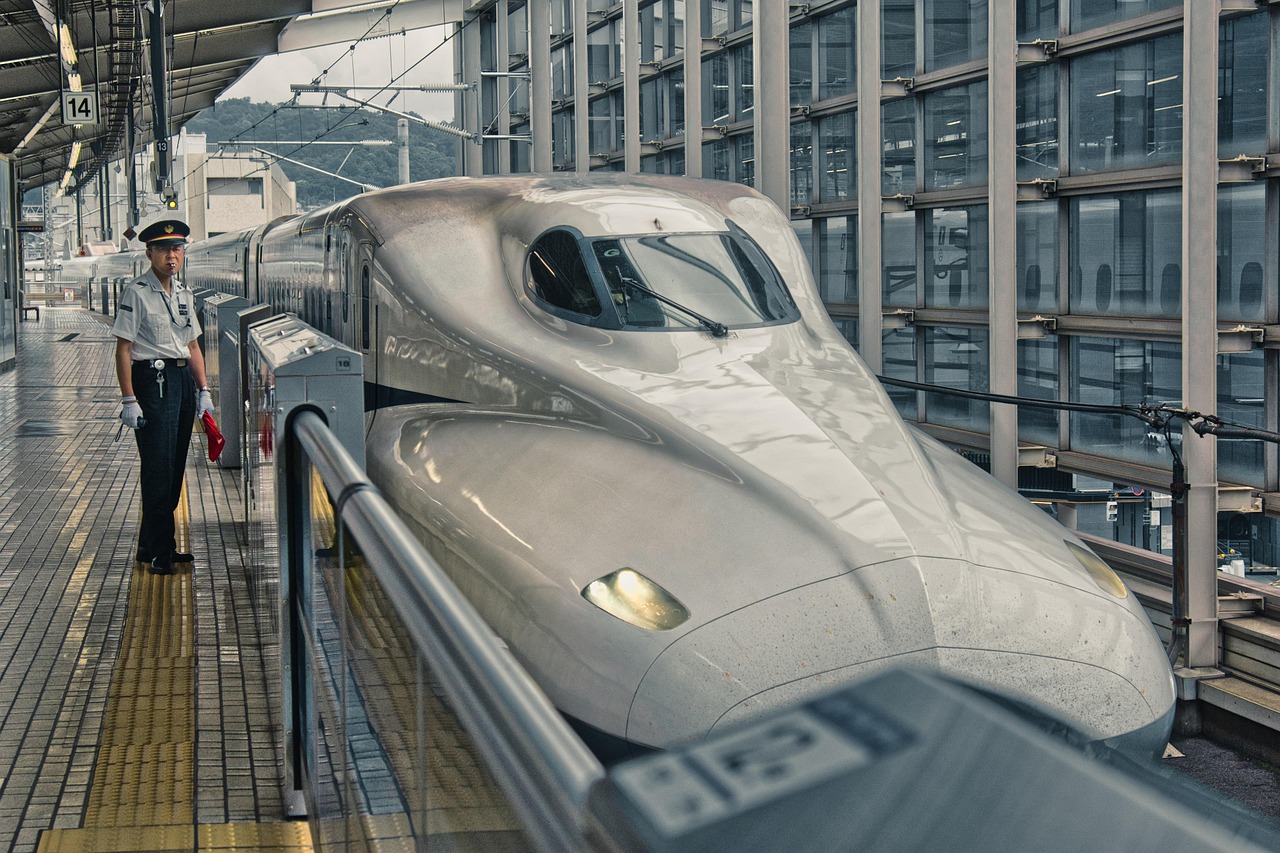
Transport can be seamless when you match the tool to the route, particularly when travelling in Japan with limited time. The Japan Rail Pass can be excellent value for fast, multi-city travel, but point-to-point tickets are sometimes smarter for shorter itineraries or premium green-car preferences. Travel tips: many high-end travellers layer private transfers for airport arrivals, late dinners, or ryokan check-ins, so your energy goes into discovery, not logistics. If you’d like to explore ideas visually, here is our Trip gallery for crafted routing and design inspiration.
Beyond headline icons, broaden your Japan bucket list with one elegant castle moment—Himeji Castle is a favourite for its refined silhouette, while Osaka Castle suits travellers comparing Tokyo and Osaka for urban contrasts. Add Nara for a shrine-forest stroll and a classic temple visit, and you’ll feel the old Japan without leaving comfort behind. These can’t-miss choices are also some of the most rewarding places to visit in Japan when you want history without overwhelm.


Tokyo must visit glamour in Ginza and beyond for luxury shopping and gourmet dining
Tokyo glamour in Ginza and beyond, curated for luxury shopping and gourmet dining
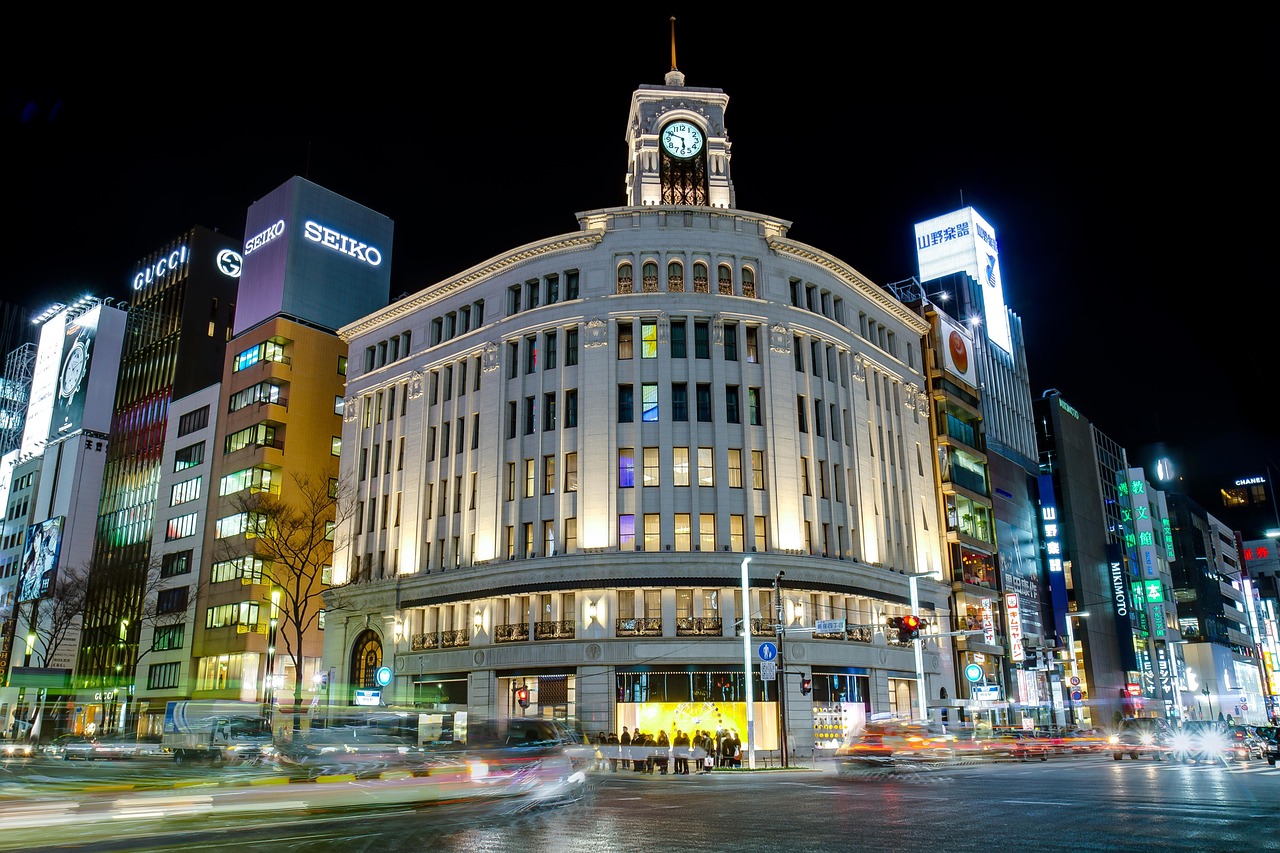
Tokyo’s Ginza is one of those places to visit in Japan where luxury feels effortless—at twilight, the district shifts from polished daytime retail to a softly lit evening stage. For a can’t-miss Tokyo day, the secret is not doing more, but doing it better: slower, with concierge support, and with a few “anchor” reservations that turn a busy neighbourhood into a personal experience. When you plan this well, Tokyo becomes less about rushing between attractions in Japan and more about savouring the city.
Ginza as a place to visit: flagship boutiques, depachika tastings, and crafted dining
Begin with flagship boutiques and department stores where service is almost ceremonial. In Tokyo, the food halls (depachika) are their own kind of museum—perfect for a curated tasting without committing to a full meal. High-end travellers often enjoy private shopping appointments, followed by a crafted dinner planned around a single ingredient or technique, rather than a long list of trend-driven stops. If you enjoy street food, this is where you can sample it in a refined form—beautifully presented, impeccably sourced, and easy to trust.
A discerning traveller once told us that their most vivid Tokyo memory wasn’t a landmark at all. It was watching the city lights from a Ginza rooftop bar—quietly, with a perfectly timed drink—then realising how modern Tokyo can still feel human. The contrast landed later in Kyoto, where lantern-lit lanes, a temple bell, and a small shrine felt like a different century. Tokyo and Kyoto, together, create that emotional range.
Tokyo icons at a calmer pace: museums, a shrine pause, and the best area to stay
To soften the pace, weave in Tokyo icons that offer space as well as beauty: design museums, private gallery viewings, and an early visit to a shrine where the city is still waking up. Even for a tourist who loves fashion and architecture, these pauses are where insight arrives—quietly, and often unexpectedly. If you’re deciding the best area to stay, a concierge can match neighbourhood style to your priorities, whether that’s dining, shopping, or easy transfers.
For families who want polish without pressure, Tokyo Disneyland can be a surprisingly seamless addition when planned with premium timing and reserved dining. And if you’re extending beyond the capital, Universal Studios Japan (and Universal Studios) is often paired with Osaka on longer routes—an optional attraction rather than a centrepiece, best handled with pre-booked passes and a calm exit plan.
Practical reassurance matters in Tokyo. Some high-end shops still prefer cash, so carry a modest amount even if you mostly tap-and-go. In any sacred space—whether it’s a temple courtyard or a small shrine—speak softly, follow local cues, and let queues guide you. In Japan, trust is built through tone, patience, and small gestures; these are the details that keep even busy tourist spots feeling graceful.
Kyoto’s temples and shrines in Higashiyama: Fushimi Inari, Kinkaku-ji, and timeless craft
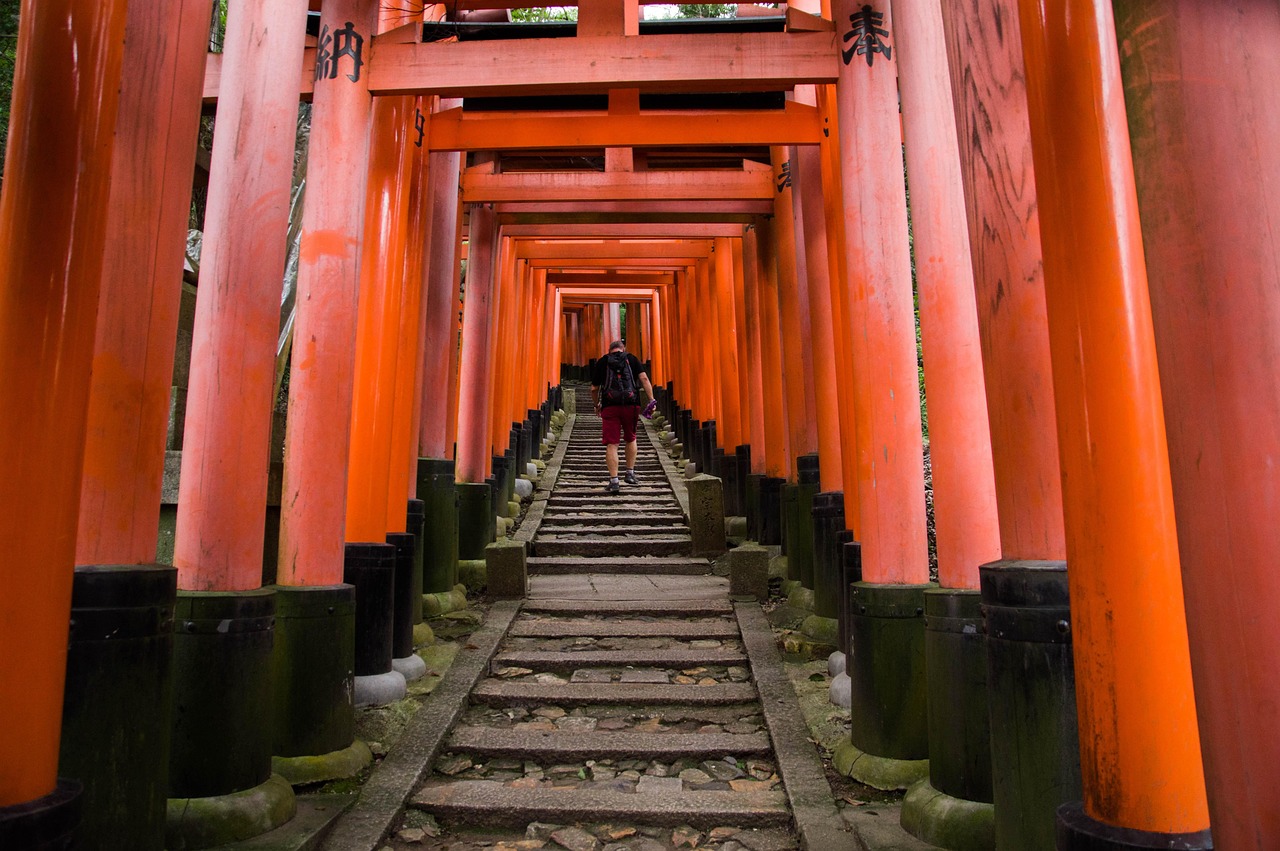
Kyoto temples and shrines to uncover in Higashiyama, including Fushimi Inari and Kinkaku-ji
Kyoto—Higashiyama lanes, temple gardens, shrine rituals, and tea ceremonies—truly is the heart of many famous spots in Japan, and it rewards those who arrive with patience. A refined Kyoto plan isn’t about squeezing in every temple; it’s about choosing a few temples and shrines and giving them space to work on you. If Tokyo is bright and fast, Kyoto is where the day slows into something almost tactile, especially when you alternate iconic stops with quiet neighbourhood streets.
Iconic Kyoto temple and shrine routes: Kinkaku-ji and Fushimi Inari’s torii gate paths
Start with Kinkaku-ji, the Golden Pavilion, where the temple’s reflection turns the pond into a painting. Then balance it with Fushimi Inari Taisha, the shrine famous for its torii gate corridor. The torii are one of the most famous images in the country, but the experience changes entirely with timing: arrive early, walk beyond the first dense stretch, and you’ll find a quieter rhythm that feels almost private.
For cherry blossoms, Kyoto can be breathtaking—and busy. The most reassuring strategy is simple: book a private guide for one morning, start early, and then spend the afternoon in neighbourhood lanes where the crowds thin. This is how you keep Kyoto’s beauty intact, especially during cherry blossom season, and still enjoy a second temple visit later in the day when the light softens.
Higashiyama and a bamboo forest contrast in Arashiyama
Higashiyama is where Kyoto becomes “one of the most beautiful” places to wander without a strict agenda. Elegant lanes, small gardens, and viewpoints invite you to explore at walking pace, with the confidence that you’re exactly where you should be. Later, add Arashiyama for a cinematic contrast through the bamboo grove—tall green hush, shifting light, and that distinct sense that you’ve stepped into a film set.
One discerning traveller shared how a private tea ceremony in a Kyoto machiya deepened their appreciation for Japanese culture and hospitality. Tea ceremonies aren’t performance; they’re an exchange. When you arrive with care—quiet voice, unhurried attention, and respectful curiosity—you’ll uncover a level of warmth that stays with you long after you’ve left Kyoto.
From Kyoto, a day trip to Nara adds a gentle forested shrine walk and a temple visit that feels both grand and kind. Nara is easy to reach, and worth a visit for travellers who want a softer pace; it’s also easy to visit on a day trip with families because the walking rhythm is naturally relaxed. If you’d like to broaden your castles in Japan chapter without turning it into a checklist, consider a refined castle garden visit nearby—where the geometry, stonework, and history nod to samurai eras without needing hours of interior exhibits.
- Kyoto comfort tip: plan one major temple before 9am, then keep the rest of the day deliberately light with one extra shrine stop only if you feel energised.
- Respect: remove shoes indoors, and avoid phone calls near shrine approaches and temple gates.
- Small language lift: learn a few beautiful Japanese phrases—simple greetings can soften interactions and open doors.
Mount Fuji day trip from Tokyo and a ryokan hot spring stay overnight
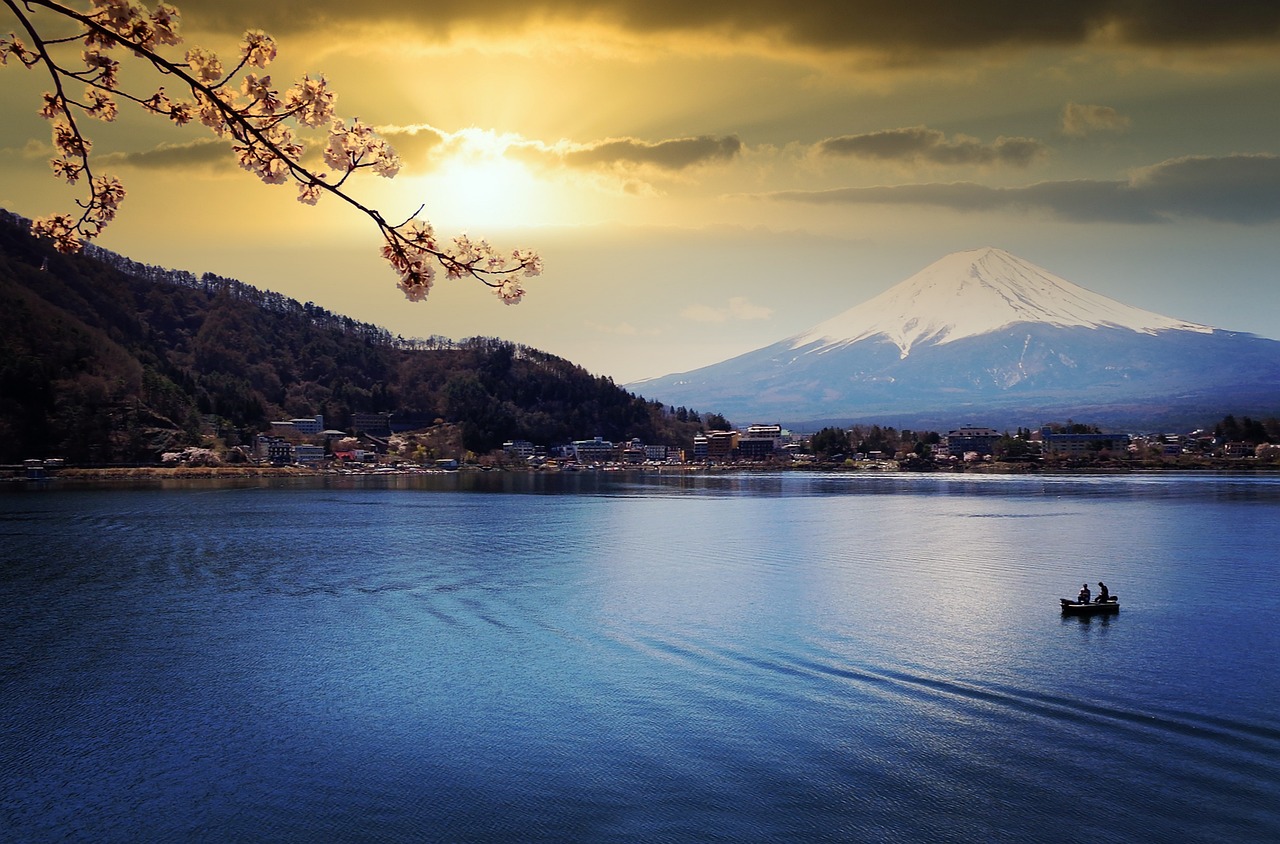
Fuji as a luxury reset: views, a ryokan stay, and hot spring calm
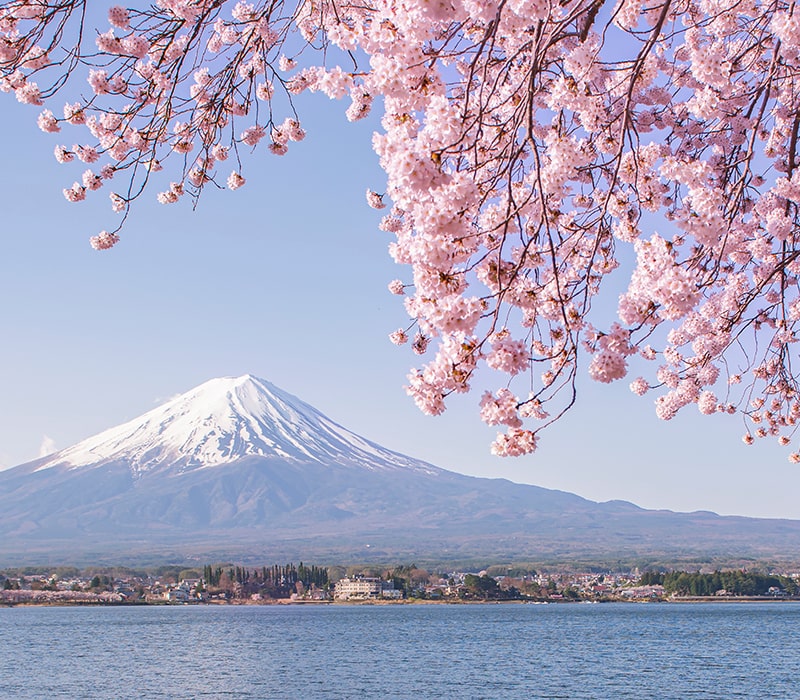
Fuji, a ryokan, and a hot spring stay overnight—this is the reset many high-end travellers crave after Tokyo’s energy and Kyoto’s detail. Fuji is not just a view; it’s a mood, and the mountain can appear and disappear behind cloud. The most luxurious plan is the one with flexibility built in, ideally with an expert driver-guide who can adapt the order on the day.
Fuji views with weather reality and a seamless day trip plan
For a classic day trip, aim for vantage points around lakes or elevated viewpoints where Fuji’s outline feels unmistakable. The honest truth: visibility is never guaranteed. Rather than forcing a fixed schedule, allow your guide to adjust the order—perhaps starting with a museum or a lakeside walk, then catching the clearest window for photographs. This is the difference between simply seeing Fuji and feeling supported by a plan that respects nature.
Spend a night near Fuji in a ryokan for restorative calm
If you can, spend a night rather than rushing back to Tokyo. A night or two near Hakone or the Fuji Five Lakes turns the experience from a glance into a memory you can inhabit. Choosing a ryokan with thoughtful service becomes a signature moment: slippers at the door, warm welcomes, and dinner that feels like a seasonal story. This is where “stay in a traditional ryokan” stops being a phrase and becomes a feeling.
At arrival, expect a gentle routine: shoes off, a calm check-in, and guidance on timings for your meal and bathing. Hot spring etiquette can feel intimidating on a first trip to Japan, but it’s straightforward when explained with warmth: wash before entering, keep voices low, and allow others their quiet. The same respect that belongs in a temple town belongs here too, and it’s part of what makes the atmosphere so restorative.
Optional add-ons are best kept curated. A private car loop can include a lakeside stroll, a small art museum, and a refined tasting—perhaps local produce or a carefully chosen drink—without turning the day into a checklist. The aim is to design a sense of spaciousness around Fuji, so the mountain becomes more than an attraction; it becomes a pause that holds the journey together.
Hiroshima Peace Memorial Park private tour and Miyajima island floating torii gate
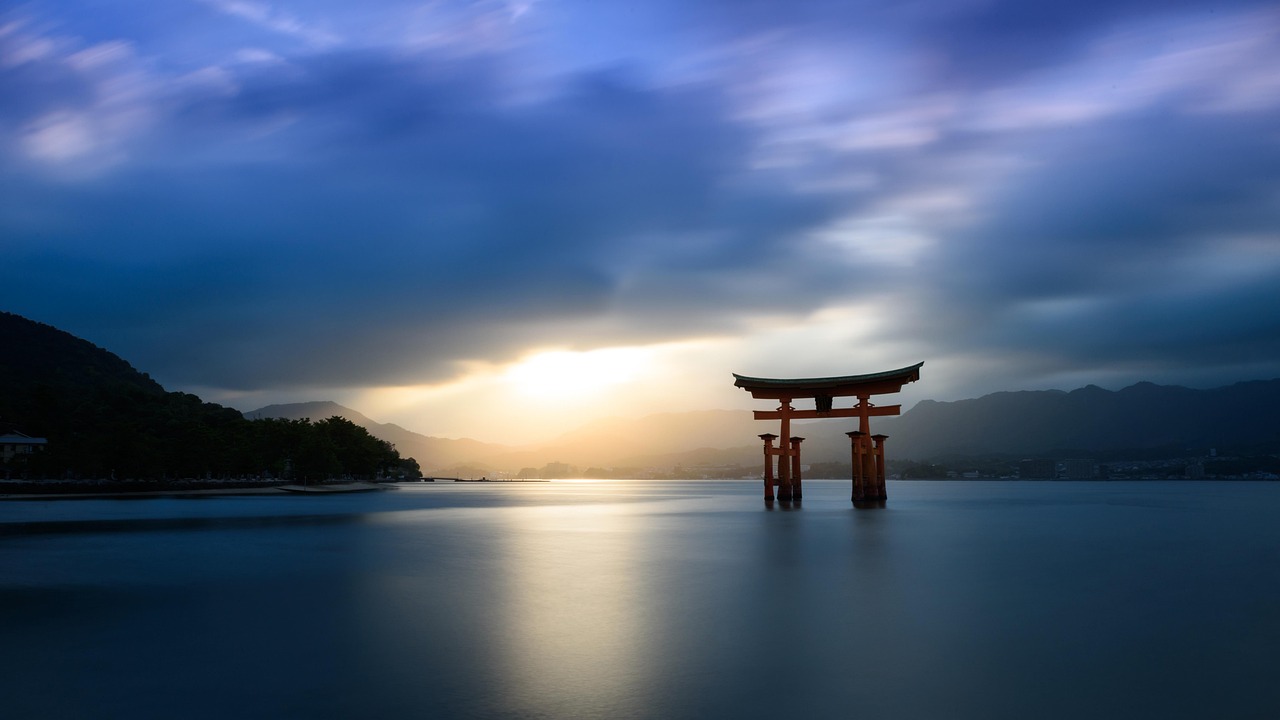
Hiroshima and Miyajima, approached with care: reflection, beauty, and cultural context
Hiroshima Peace Memorial Park and Miyajima—this pairing is one of the most meaningful places to see in Japan, and it deserves a gentler pace than many tourist itineraries. Hiroshima is best approached with emotional care: a private guided visit can support you with context, timing, and space to step away when needed. In a country that often communicates through quiet, this day speaks softly but stays with you.
Hiroshima Peace Memorial with supportive pacing and museum context
Begin at the Peace Memorial Park, allowing time to walk, read, and breathe. The museum context can be heavy; a private guide helps you move through it with clarity and respect, without feeling rushed or overwhelmed. This is a place where silence is part of the experience, and where speaking softly feels natural rather than instructed.
A family once described their visit in a way that felt both tender and honest: the serene setting inspired reflection, and the quiet order of the park helped them talk together about history without sensational detail. If you’re travelling with children or teenagers, this is where an expert guide can be invaluable—shaping the narrative to be truthful, age-appropriate, and humane. It’s also a rare moment on a Japan trip where the meaning matters more than the photograph.
Miyajima and the torii gate in the water as a UNESCO World Heritage Site highlight
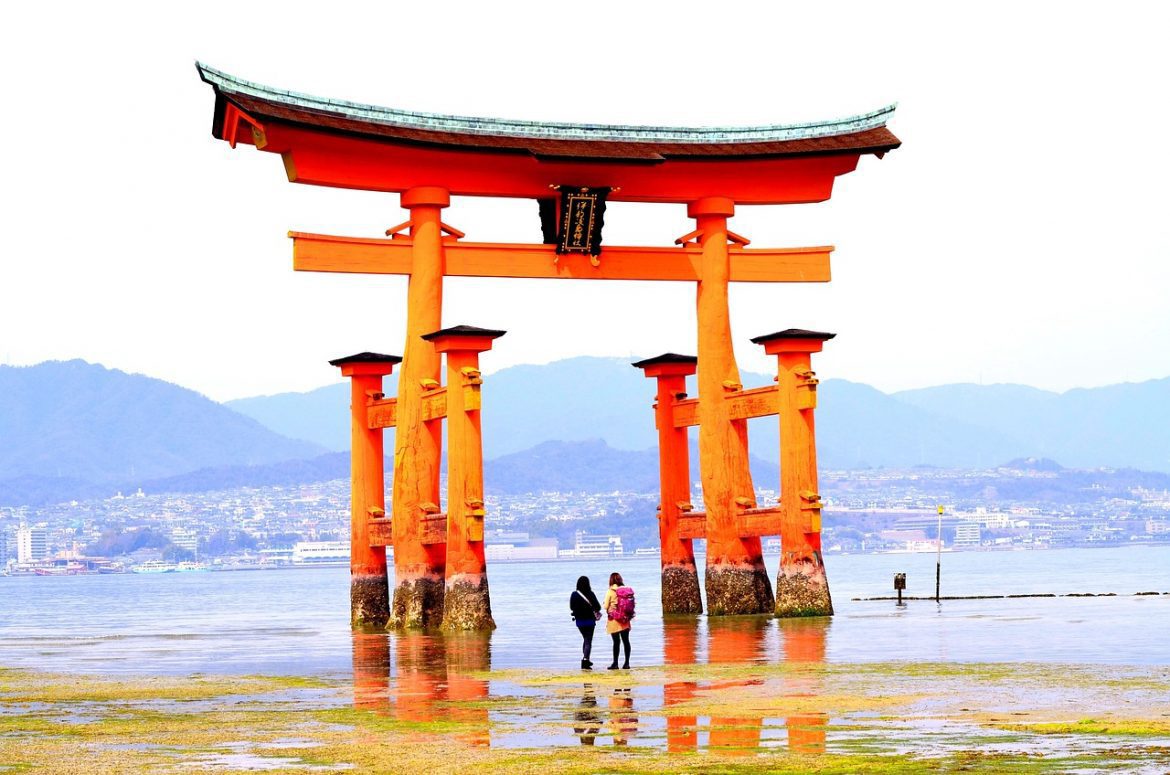
From Hiroshima, continue to Miyajima. Logistics are straightforward when designed well: train, then ferry, then a calm arrival that feels like a scene change. Miyajima island is celebrated for its scenery and the gate that appears to float at high tide; it’s also a UNESCO World Heritage Site, and understanding the cultural meaning of shrine approaches adds depth. The island is easy to reach with reserved seats and a well-timed connection, so you arrive unhurried.
For photography, late afternoon light can be especially flattering, but tides matter—your guide can time the visit so you’re not disappointed. If energy allows, a gentle walk to a viewpoint offers a final breath of sea air and forest before returning. Whether you visit as a day trip or choose to stay overnight depends on your pace; many high-end travellers prefer one night, so the ferry ride back feels unhurried.
- Seamless logistics: plan rail timing with reserved seats, and keep ferry tickets simple with a single point of support.
- High-end touch: choose a quiet local dining spot, then select one artisan keepsake rather than many souvenirs.
- Return: head back to Tokyo with confidence, or continue around Japan if your route allows.
Hiroshima and Miyajima sit slightly apart from the “headline” circuit, yet they often become the emotional centre of a trip. In a single day, you may feel both the weight of history and the relief of beauty—two truths held together with care.
After Japan: what stayed with you on a luxury trip to Japan
After Japan, personal reflections on a luxury trip to Japan often arrive quietly, days or even weeks later, when life has already restarted. You might find yourself remembering the hush of a temple corridor in Kyoto, the gentle order of a shrine path, or the way Tokyo looked from above—immense, yet strangely intimate. These aren’t the loudest moments, but they become the ones that last.
What stayed with one traveller wasn’t the most expensive dinner, but the warmth of a tea bowl during tea ceremonies in a Kyoto machiya—hands wrapped around something simple, while the host’s attention made time feel spacious. Another recalled the shared silence at the peace memorial in Hiroshima, where the air itself seemed to ask for softness. Someone else mentioned how they liked Tokyo more than expected, because even among glass towers the city still made room for courtesy.
Perhaps that is the true gift of Japan: the way it invites you to move at a different pace without ever demanding it. You can discover extraordinary design in a Ginza storefront, then uncover stillness a few days later in Kyoto’s early morning streets. You can move between temples and shrines, explore a castle courtyard, and still feel held by local kindness—small gestures, patient guidance, and the reassurance of doing things properly.
Long after you’ve packed away your photographs, you may realise that the journey changed how you notice detail: the sound of footsteps on stone, the pause before a greeting, and the seasonal light that made cherry blossoms glow for a moment and then fall. Japan next might not be a plan you rush into; it can be a thought you keep gently, like a page marked for later—ready for the day a memory returns and you find yourself thinking about what you saw in Japan, and the places i’ve yet to see.
F.A.Qs: Famous spots in Japan and planning notes
What is the most famous spot in Japan?
Mt Fuji is widely considered the most famous spot in Japan, thanks to its iconic shape and cultural significance. For many travellers, seeing Fuji on a clear day—either on a day trip or during a stay overnight near Hakone—becomes a defining memory of the destination.
What are the top 10 attractions in Japan?
Many travellers include Tokyo’s Ginza, Kyoto’s Kinkaku-ji, Fushimi Inari Shrine, Arashiyama bamboo forest, Nara’s shrine paths, a castle such as Himeji, Fuji viewpoints, Hiroshima Peace Memorial Park, Miyajima island, and a refined onsen ryokan stay. As a simple Japan itinerary starting point, this covers iconic places to visit in japan, but the best list is the one designed around your pace and interests.
What is the most famous in Japan?
Japan is famous for its blend of tradition and innovation: temple culture in Kyoto, shrine rituals and gate-lined paths, precise hospitality, and modern city life in Tokyo. Many visitors also associate Japan with cherry blossoms, thoughtful design, and cuisine that ranges from intimate kaiseki to elegant department-store food halls.
What are the 8 wonders of Japan?
There isn’t one official, universally agreed list of “8 wonders of Japan”, but travellers often nominate Fuji, Kyoto’s historic temples and shrines, iconic castles, Hiroshima’s peace memorial, Miyajima’s floating torii gate, traditional gardens, seasonal cherry blossoms or autumn foliage, and the shinkansen network. A private guide can help you choose wonders that fit your values, your comfort with crowds, and the time you have for your trip to japan.