Designing an Italian city route for adventure and culture, focusing on itineraries for adventure seekers.
Designing a city in Italy route for adventure and culture
Start with an Italy itinerary for adventure seekers that respects your energy: a little intensity, a little beauty, and enough breathing room to let local life find you. Think of Italian cities by region and pace—Lazio for the classics, Tuscany for art, Veneto for waterborne wonder, Campania for volcanoes, and Lombardy for style—then design a route that feels personal rather than like a checklist.
A trusted rhythm for a trip to Italy is 3–4 nights in key hubs, then gentle day-tripping when you’re already well-fed and oriented. That structure builds confidence because you’re not moving luggage daily, and you can create a morning for museums and an evening for a stroll—two different versions of the same place. If you’re travelling together, it also gives you natural “meet back here” points, which is quiet support in a busy country.
Lazio, Tuscany, Veneto, Campania and Lombardy by pace
Begin in Rome (the capital of Italy) for imperial insight, then flow to Florence for Renaissance craft, and onwards to Venice, where the canal map becomes part of the adventure. Add Naples for street art and Mount Vesuvius, then consider Milan or a northern loop if you want design-led culture and a modern counterpoint. Italy is famous for its big names, but the magic often lives between them—in an early coffee, a backstreet church, or an unplanned detour.
Lesser-known add-ons and coastal surprises
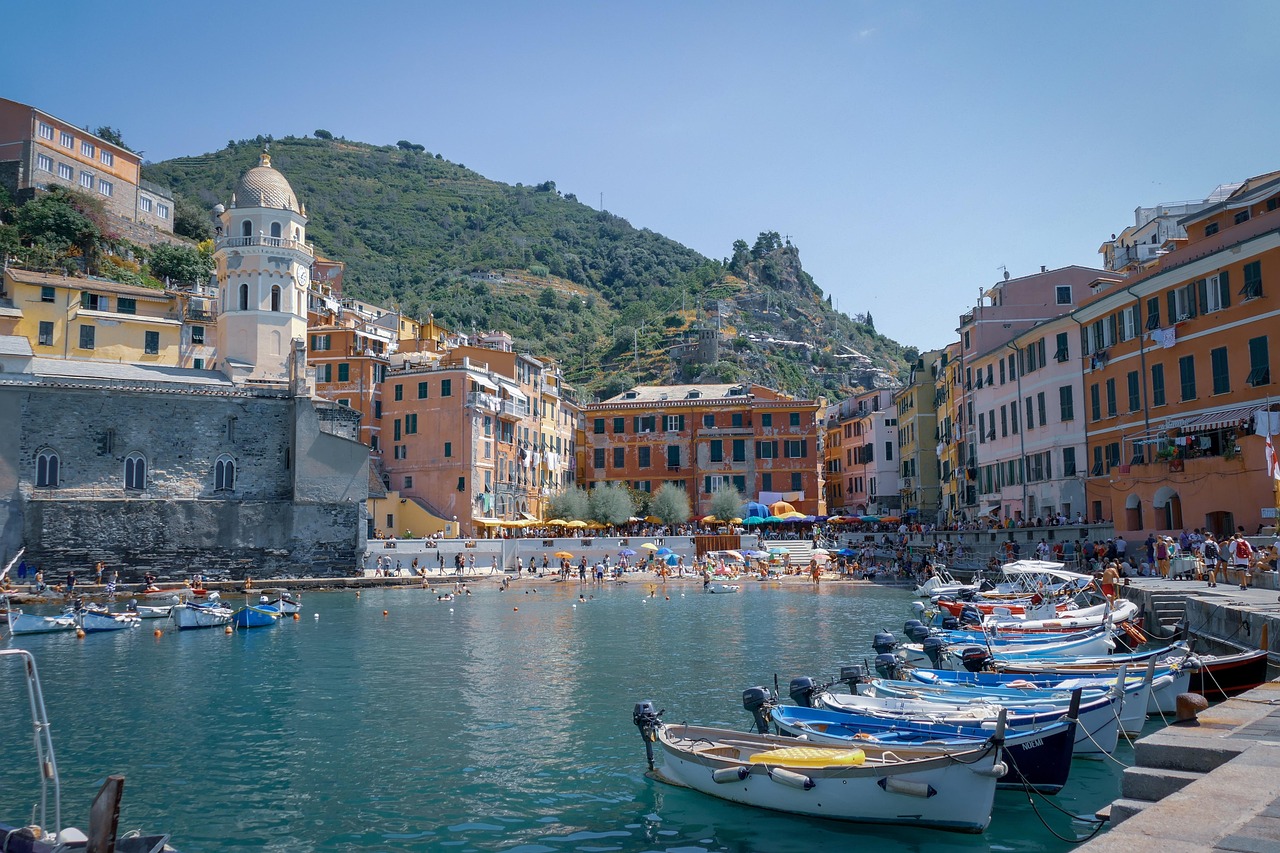
For variety, you can add Milan in the north, Cinque Terre on the coast, and one lesser-known detour that keeps the journey surprising (a smaller hill town, a lake edge, or a quiet artisan quarter). The aim is not to do more, but to do what you do with more presence and care.
- Best seasons: spring and autumn are your sweet spot for pleasant weather and fewer crowds.
- Budget mindset: spend on location and experiences (a private guide, a great room), save on transport with smart trains.
- Crowd strategy: the famous sites can feel touristy—counterbalance with early-morning walks and after-dinner strolls for calmer piazza moments.
If you’d like visual inspiration for a crafted route and hotel style, keep our Trip gallery open as you plan.




Rome in Lazio, the Eternal City, with imperial insight. Features include Rome, Lazio, Italy, Colosseum, Roman Forum, Vatican City.
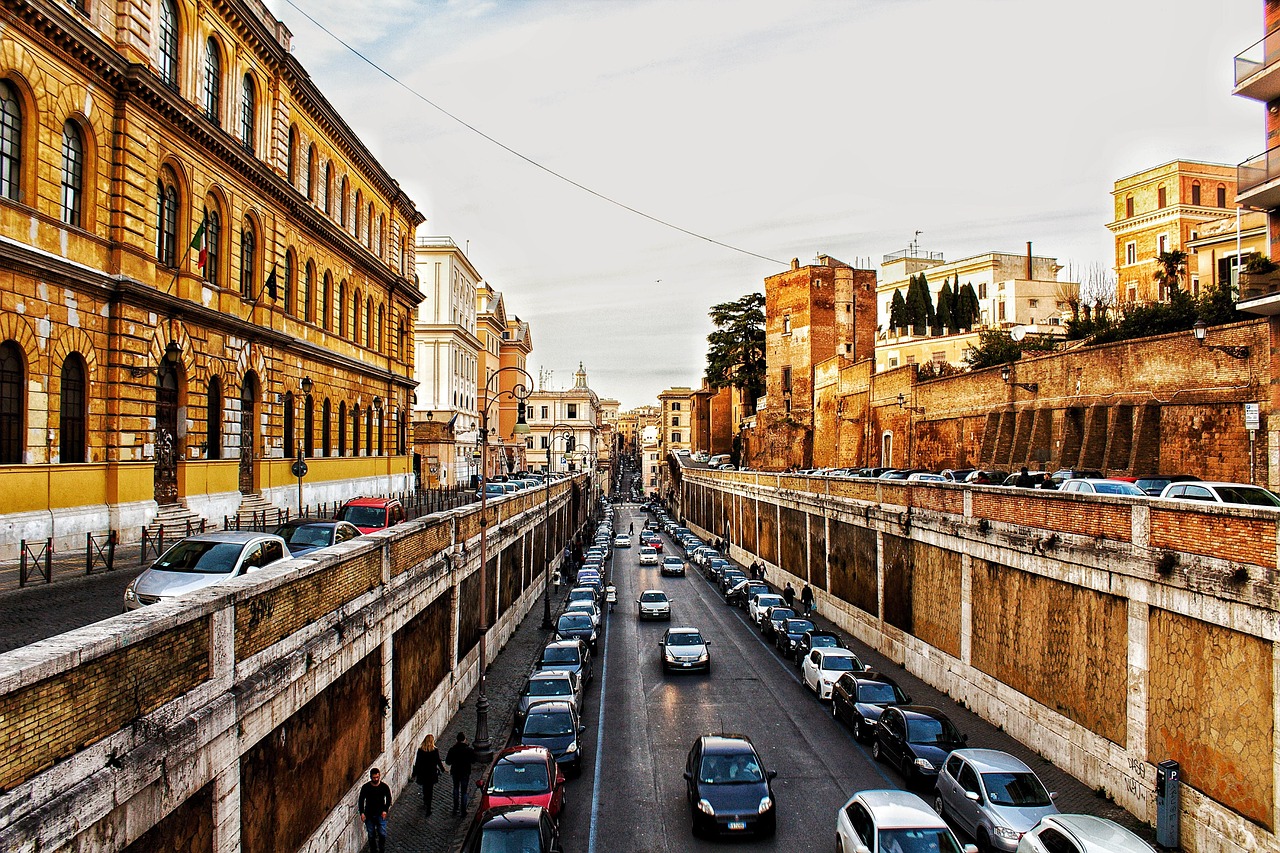
Rome in Lazio the Eternal City with imperial insight
Rome is the Eternal City, and the phrase “Rome, Lazio, Italy, Colosseum, Roman Forum, Vatican City” is essentially your map for a first, deeply satisfying stay. Begin with the Colosseum and the Roman Forum—centuries-old stones, big sky, and the feeling that history is not behind glass but under your feet. For comfort, aim for an early entry to avoid heat and to keep your pace graceful rather than hurried.
Colosseum and Roman Forum timing with comfort
Book a timed ticket and arrive a little before your slot so you can settle in and find your bearings. After the Colosseum, the Roman Forum rewards slow looking: step aside, listen for the city’s hum, then rejoin the main paths when you’re ready. A private or small-group guide can be an expert shortcut to meaning, turning ruins into stories without overwhelming you with dates.
Vatican City art, ritual, and dress codes
Then pivot to Vatican City for a contrasting experience of art and ritual, where dress codes matter—covered shoulders and knees make entry seamless and respectful. Book online in advance for calmer access, and consider a later slot so the morning remains yours. If you need a reset, step into a quieter side chapel and let your breathing slow; it’s a gentle form of support in a busy space.
One traveller told us their favourite Roman memory didn’t come from a headline sight. They wandered off the beaten path and, as evening cooled the cobbled streets, found a tiny trattoria where locals sang traditional songs—softly at first, then together, until the whole room felt like a shared story. Rome rewards curiosity when you trust it.
For flavour, explore Campo de’ Fiori in the morning for colour and ingredients, then keep a gelato stop in your back pocket for the mid-afternoon lull. A sunset walk over worn stone and golden façades can make even a busy day feel personal again.
Stay cautious in crowded lanes and on busy routes: pickpocket awareness is simply part of visiting popular Italian cities. Carry a copy of your passport, keep valuables close, and trust your instincts in narrow streets at night—choose well-lit routes, and you’ll feel confident without losing spontaneity.
Florence and Tuscany, where the Renaissance began, include Florence and other Italian cities like Uffizi and Duomo.
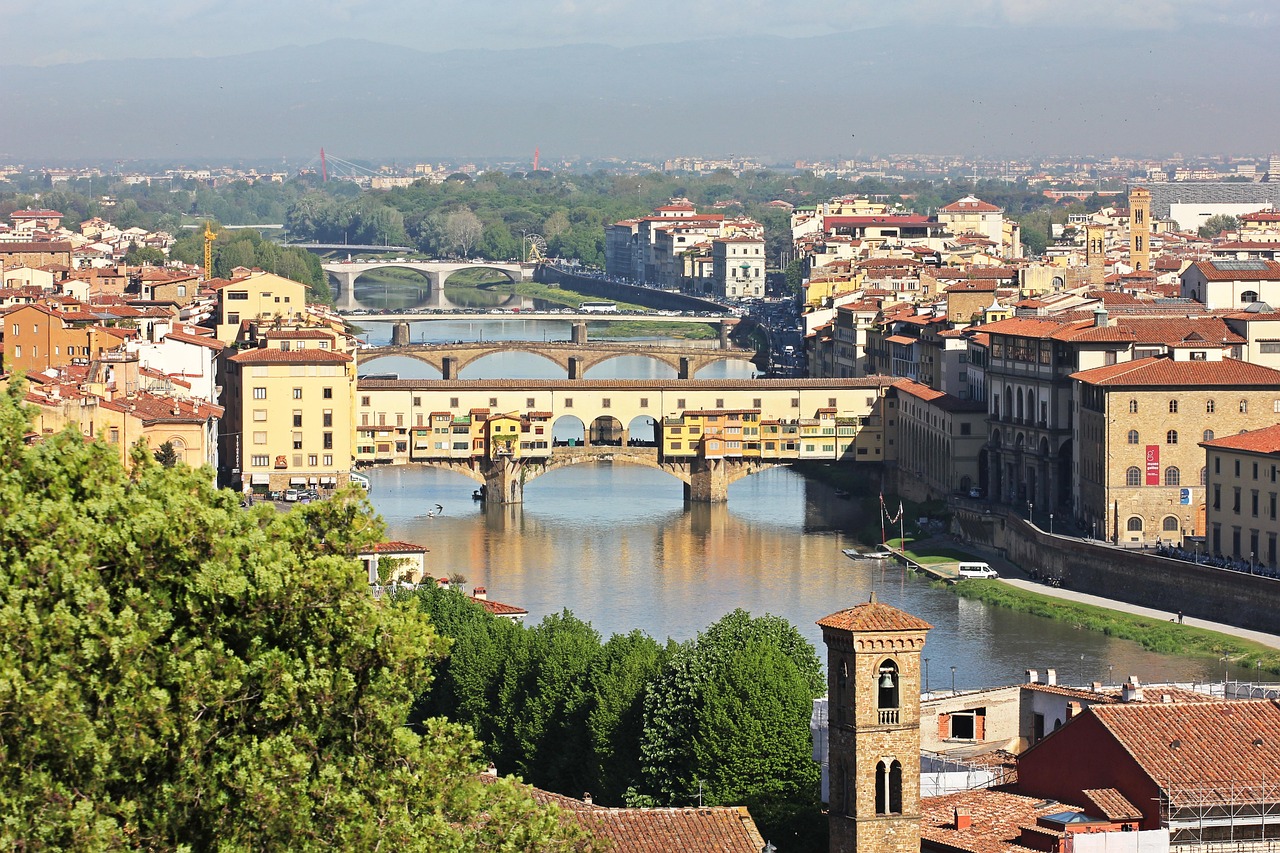
Florence and Tuscany where the Renaissance started
In Florence, the phrase Florence, Tuscany, Italian cities to visit, Uffizi, Duomo becomes a promise: art you’ve known for years suddenly looks alive, and architecture makes you lift your gaze. This is where the Renaissance started, and you can feel it in studios, stonework, and the way the city invites you to slow down. Florence is also wonderfully walkable, which means you can explore with confidence even on your first evening.
Uffizi highlights and the Duomo experience
At the Uffizi Gallery, decide in advance what you most want to see—choose a few rooms, not the whole museum. That single choice keeps your attention sharp and your day lighter. Then give the Duomo its moment: whether you climb, visit the interior, or simply admire the geometry from the piazza, it’s a northern Italian icon that changes with the light; you’ll notice other duomos across Italy after this, like familiar signatures.
Arno evenings and Piazzale Michelangelo panoramic views
For atmosphere, stroll along the Arno at dusk when the crowds thin and the water reflects the city’s softer side. End at Piazzale Michelangelo for a panoramic finish—one of those viewpoints that makes your whole day click into place, as if Florence is gently saying, “Yes, you’re here.”
Eat with the market as your guide. Mercato Centrale is ideal for tastings: look for seasonal specialities, ask what’s best today, and let the answer steer you. It’s a simple approach that feels local without pretending you live here.
- Order with ease: pick one “signature” dish, then add a small shared plate to create variety without over-ordering.
- Time your museums: early entry for art, later in the afternoon for streets and shops.
- Evening rhythm: a gentle aperitivo, then dinner—Florence is calmer once day-trippers leave.
From Florence, day-tripping becomes effortless. Pisa offers the leaning tower of Pisa and the leaning tower in a compact hit of wonder, while Siena delivers medieval city drama and piazza life that feels theatrical in the best way. Add San Gimignano for towers and Chianti through cypress trees for a Tuscan countryside interlude that’s as much about scent and silence as it is about scenery.
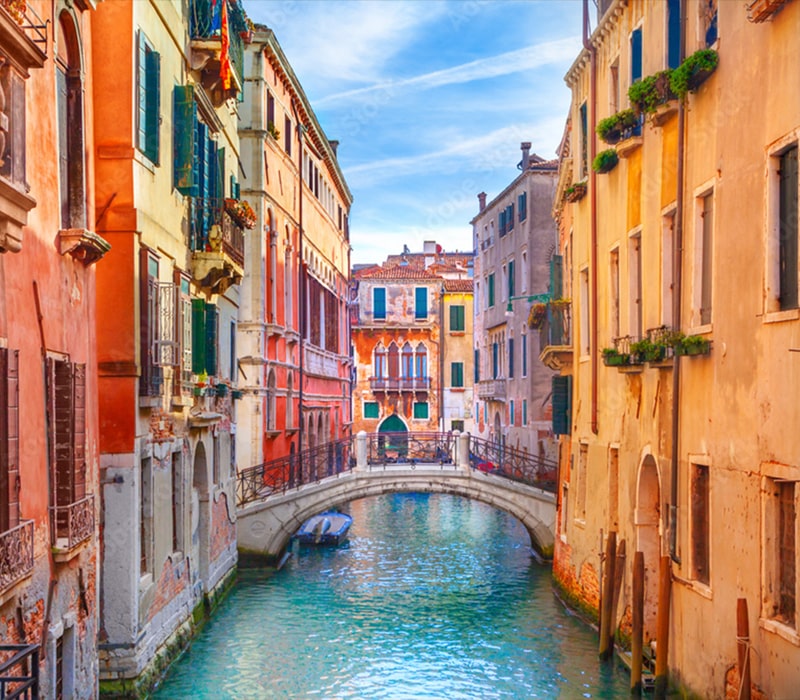
Venice in Veneto features canals, alleyways, quiet squares, the Grand Canal, gondolas, and St. Mark’s Basilica.
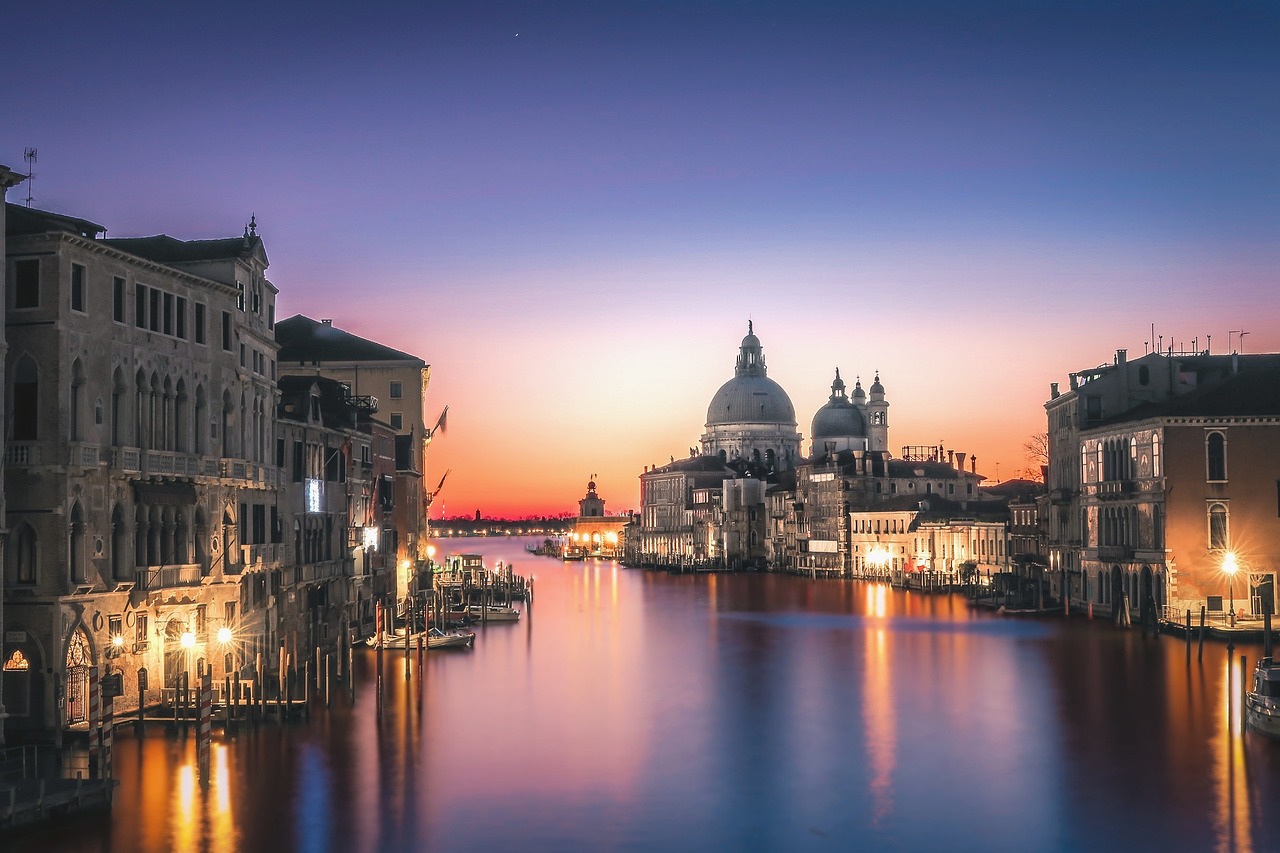
Venice in Veneto canals alleyways and quiet squares
Venice is a one-of-a-kind city in Italy, and the Venice Veneto canal, the Grand Canal, and St. Mark’s Basilica are your cultural compass. Built on water in Veneto, it asks you to move differently: slower, more observant, more willing to be gently surprised. Learn the vaporetto basics early, and suddenly the city feels coherent rather than confusing.
Canal navigation and choosing a gondola moment
Think of the canal system as your main road network: the vaporetto for distance, walking for detail. For a gondola, choose a moment without pressure—early evening can feel especially cinematic, when the city softens, and you can imagine centuries of arrivals and departures. Agree on a simple plan before you set out, then let yourselves drift.
St Mark’s Basilica mosaics and Grand Canal viewpoints
For culture, St. Mark’s Basilica is pure Byzantine sparkle, with mosaics that seem to hold their own light. Then take a Grand Canal viewpoint walk—cross, look back, and keep doing it—until Venice becomes a series of beautiful connections rather than a maze.
One adventurer told us they “got lost on purpose” in Venetian alleyways, following turns that felt interesting rather than efficient. They discovered hidden artisan shops, quiet squares, and small workshops where craft is still a living language. In Venice, being slightly unplanned can be the most designed choice you make.
For an island add-on, Burano brings colour and lace craft in a bright, joyful shift of mood. Time it so you return before you’re tired—Venice at night is special, and you’ll want energy left for it.
- Avoid tourist-menu traps: step two streets back from the main routes and choose places with short, seasonal menus.
- Night navigation: save your hotel on your map and walk with purpose; the city is calm, just unfamiliar.
- Bridge confidence rule: if you cross two bridges without seeing a sign you recognise, pause in the nearest square and re-orient rather than pushing on.
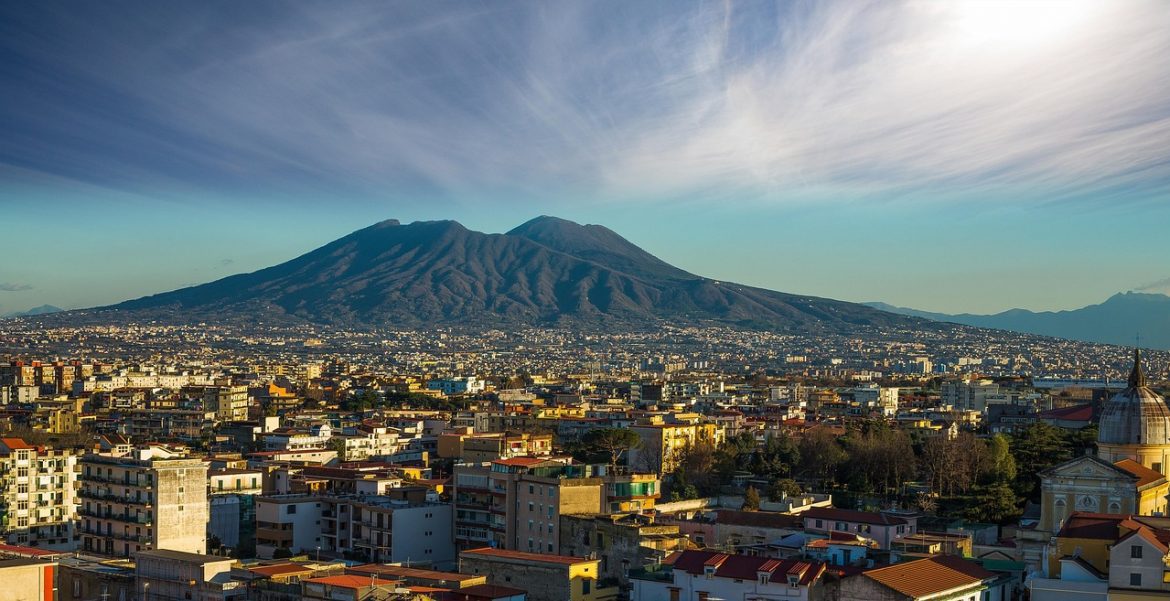
Naples in Campania features street art, pizza, Mount Vesuvius, Pompeii, and the Amalfi Coast.
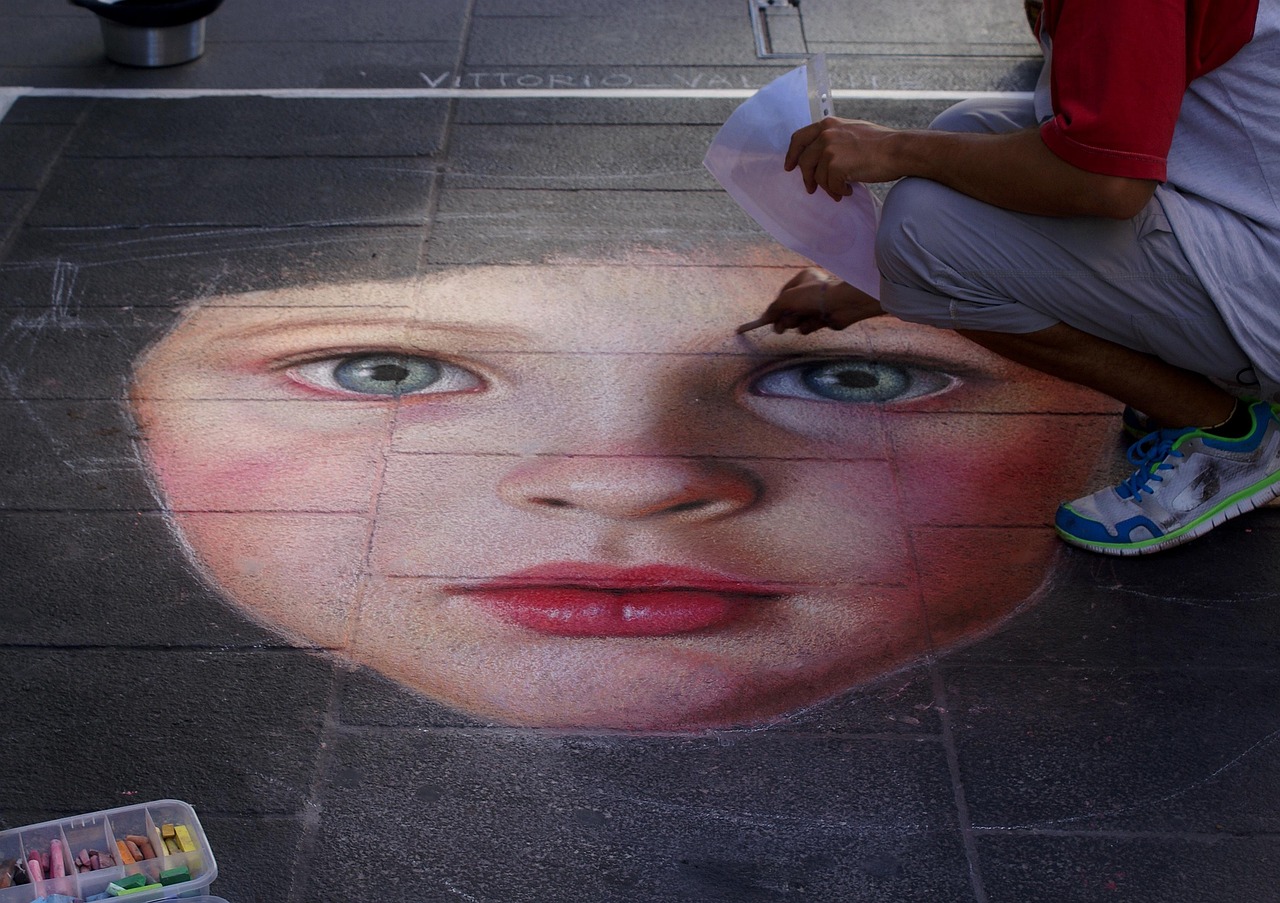
Naples in Campania street art pizza and Mount Vesuvius
Naples is bold, creative, and alive, and Naples, Campania, Mount Vesuvius, Pompeii, and the Amalfi Coast capture exactly why adventure seekers love it. In Campania, culture isn’t quiet—it’s on the walls, in the markets, in the way conversations move fast and warm. Start with a short street art walk, and you’ll immediately feel how neighbourhoods change the city’s tone, block by block.
Mount Vesuvius hike and Pompeii story choices
For adventure-culture pairing, hike Mount Vesuvius, then connect the story at Pompeii, where daily life was preserved in a way that still feels intimate. Choose half-day if you want a powerful overview with time to breathe afterwards; choose full-day if you want deeper insight and space to explore more slowly. Take water, good shoes, and allow extra time—your best moments often come when you’re not watching the clock.
Pizza craft and Neapolitan hospitality
Food here comes with heart. Make time for a pizzeria pilgrimage, but also consider a cooking class: one visitor described the warmth of Neapolitan hospitality after learning to make authentic pizza with a local chef, and how that hands-on ritual created a deeper cultural connection. It’s one of the most personal ways to uncover what a place values.
From Naples, design a coastal extension with clear logistics to keep it seamless. The Amalfi Coast is close enough to taste, but intense enough to plan: consider Sorrento as a base option for easier transport links, then give yourselves a postcard pause in Positano without trying to “do it all” in one day.
If you want a choose-your-own sea day, Capri offers views and swimming when timed well. Go early, keep an eye on sea conditions, and plan a simple return window so the day stays enjoyable rather than frazzled—care is part of luxury, and so is knowing when to stop.
Milan in Lombardy and northern city breaks to explore Italian cities like Bergamo, Verona, Trento, and Trieste.
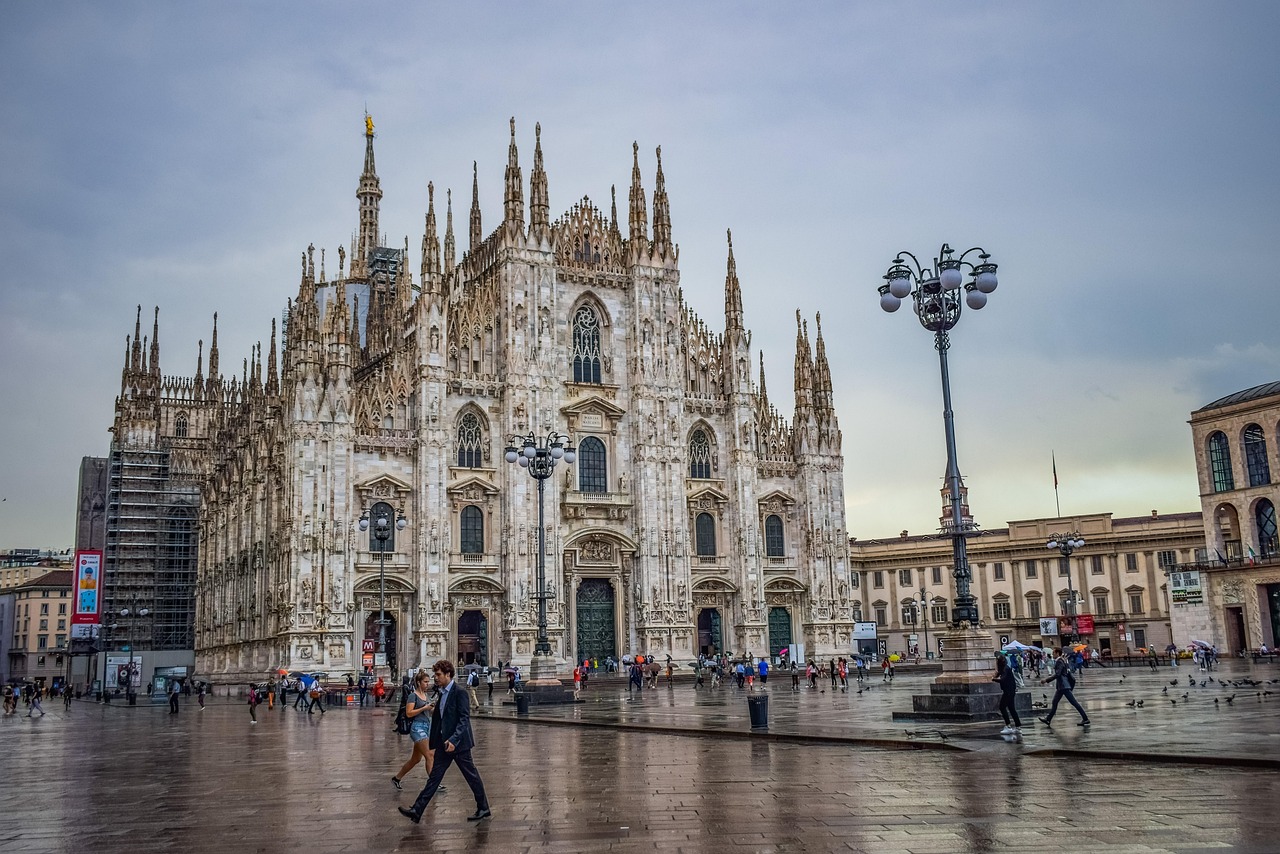
Milan in Lombardy and northern city breaks to uncover
If your route leans classic, Milan is the perfect twist, and Milan, Lombardy, Italian cities to visit, Bergamo, Verona, Trento, Trieste, hint at the variety waiting in the north. In Lombardy, Milano brings design energy, contemporary museums, and a Duomo experience that feels crisp and ambitious—an elegant counterpoint to Rome’s ancient layers.
Milano design culture and Duomo contrasts
Give Milan time for texture: a slow breakfast, a gallery visit, a well-chosen neighbourhood where you can browse without a plan. It’s a city that rewards those who like to create their own rhythm, and it can feel wonderfully grown-up after the intensity of more compact hubs.
Bergamo, Verona, Trento and Trieste in easy loops
For an easy add-on, Bergamo is a beautiful train hop with old-town viewpoints and stone textures that photograph like a dream. Verona offers a romantic, walkable centre and an evening atmosphere that feels made for lingering in the main piazza with a glass of something local. For mountain-edge flavour, Trento blends Alpine and Italian culture, while Trieste adds café heritage and a distinct border-city edge that feels quietly sophisticated.
If you’re travelling with appetite as a guiding star, consider a food-first detour in Emilia-Romagna—think Bologna or a Parma angle—then loop back efficiently. It’s a shorter northern circuit that still feels crafted, with the pleasure of tasting place as much as seeing it.
Practical support for your visit in Italy, including travel tips, train network safety, and customs guidance.
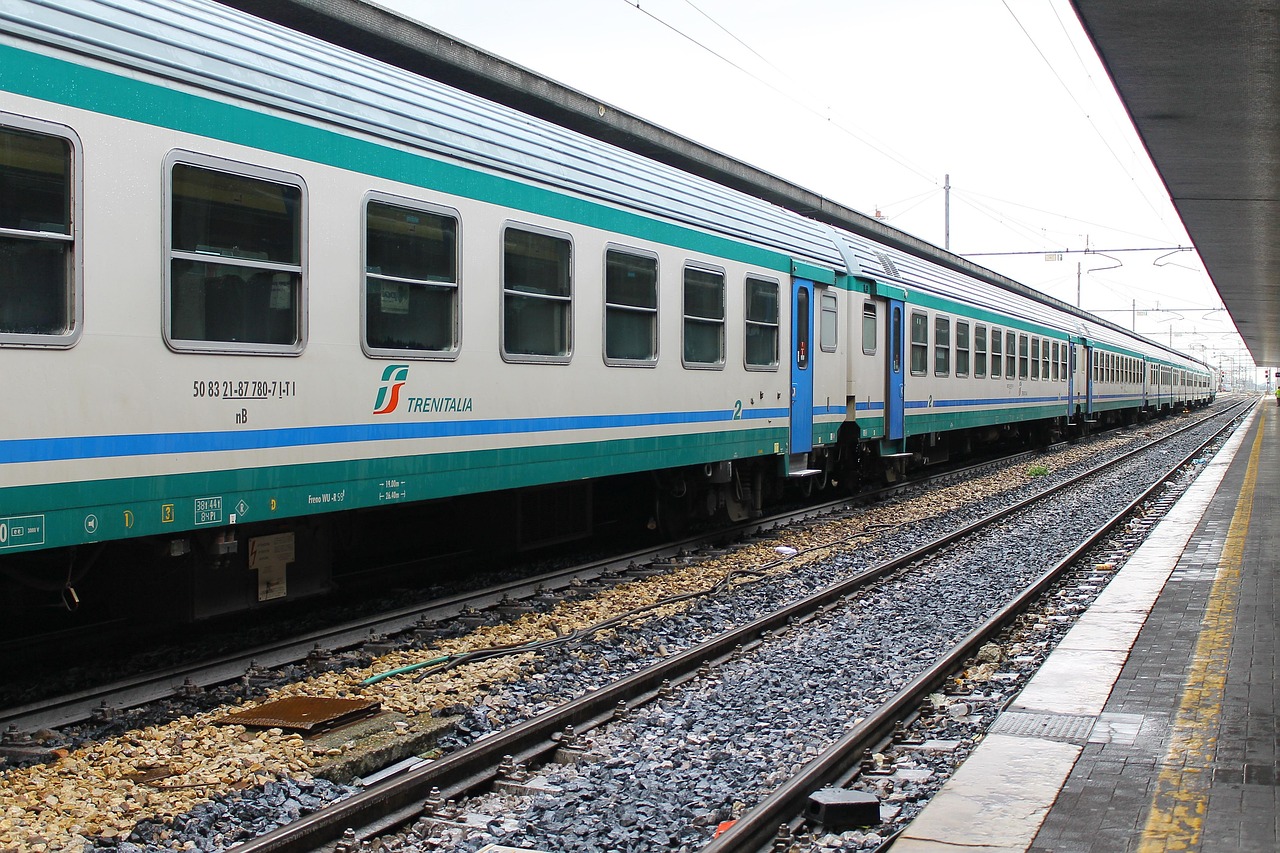
Practical support for your visit in Italy trains customs and safety
For a smooth visit in Italy, travel tips, train network, safety, customs approach, build your confidence around two things: trains and timing. Italy’s train network connects major hubs—Rome, Florence, Venice, Naples, and Milan—so you can explore without the friction of driving and parking. Your first train station might feel busy, but the system is straightforward once you know what to look for.
Train network basics and stress-free connections
Arrive a little early, confirm the platform on the departure boards, and keep your ticket accessible. If you have a connection, choose itineraries with a realistic buffer—ten minutes is possible, but twenty is kinder. Store heavier bags, keep essentials close, and you’ll move through stations with a calm, high-end ease.
Customs, safety and confident pacing
Book popular attractions online—like the Vatican Museums, the classic example—so you avoid long lines and keep your day feeling intentional. A gentle strategy is early entries for icons, then late afternoon slots for smaller museums, leaving the middle for long lunches or a rest.
Local customs are simple and humane. Greetings can include a cheek kiss among friends, but a warm “buongiorno” and eye contact go a long way; when in doubt, choose polite formality, and you’ll be welcomed. Dress codes matter in religious sites, and a light scarf or smart layer can be the difference between feeling flustered and feeling prepared.
- Pickpocket habits: zip bags, keep phones off café tables, and be extra alert on crowded transport.
- Group meeting points: pick a landmark (a column, a fountain) in each area so you can rejoin without stress.
- When plans go sideways: pause, hydrate, choose a calm back-up (a museum café, a quiet square), and reset together.
Finally, choose neighbourhoods that are walkable to reduce reliance on taxis at night and to help you feel grounded. Pacing is a luxury skill: one major sight, one small surprise, one unhurried meal is often the formula that keeps joy intact.
F.A.Qs: Italian cities to visit and Italy trip budgets
F.A.Qs: Italian cities to visit and Italy trip budgets
What are the top 5 cities in Italy?
Most travellers start with Rome, Florence, Venice, Milan, and Naples. Together they cover ancient history, Renaissance art, canal-side atmosphere, modern design culture, and bold southern energy—an ideal spread if you want both cultural depth and adventure.
What is the prettiest city in Italy?
“Prettiest” is personal, but Venice often feels the most visually unforgettable because water, light, and architecture combine in a way you won’t find elsewhere. Florence is a close second for harmonious streets, river views, and that golden evening glow.
What are the 10 major cities in Italy?
A practical list for planning is Rome, Milan, Naples, Turin, Palermo, Genoa, Bologna, Florence, Bari, and Catania. For travellers, it helps to choose a few hubs and add day trips rather than trying to cover all ten in one holiday.
Is $10,000 enough for a trip to Italy?
Yes—$10,000 can be enough for a high-end trip, depending on trip length, hotel style, and how many private experiences you include. Trains keep travel efficient, while booking key attractions in advance and choosing a few standout splurges (great rooms, guides, tasting menus) can make the whole journey feel luxurious.
After Italy, what stays with you
Long after you’ve left, Italy’s cities and towns return in fragments: the sound of a Roman song rising in a backstreet room, the hush of Venice at dawn when the water holds the sky, the warmth of Naples offered over flour-dusted hands. These are not souvenirs you pack, but moments that quietly reappear when you least expect them—on an ordinary evening, or in a shaft of light on your own street.
What lingers, too, is a certain confidence. You learn to trust your curiosity, to step away from the loudest route and uncover your own cadence—one that makes space for craft, for conversation, for the simple dignity of a place lived-in. You might remember a single piazza more clearly than a dozen monuments, because it’s where you felt present and unhurried, held by atmosphere rather than itinerary.
And perhaps that is Italy’s soft gift to the cultural enthusiast with an adventurous heart: it reminds you that discovery doesn’t always announce itself. Sometimes it arrives as kindness from a stranger, as the scent of coffee near an open door, as the steady pleasure of moving through history and still feeling entirely in the now. When you find yourself imagining your next return, let it be with the same gentle certainty—there will always be another corner of beauty waiting, and you will meet it when the time is right.