Designing an Italy landmarks route with confidence – luxury pacing for places to visit in Italy
Designing your Italy landmarks route with confidence
When it comes to planning Italy’s landmarks and places to visit, the secret isn’t squeezing in more—it’s creating an unhurried flow that lets each famous landmark land properly. Italy is one of the most famous destinations for history and art, and the list of famous sites can feel endless—almost like a bucket list you’ll never finish. The most rewarding journeys are the ones designed with confidence: enough time to explore, enough space to breathe, and just the right level of expert support around the world’s most photographed landmarks.
Think of famous landmarks in Italy as a series of moods as much as monuments: ancient stone and candlelit basilica interiors, a piazza at dusk, and the quiet satisfaction of arriving smoothly. This is where a crafted itinerary matters. It protects the feeling of ease—so you can discover, imagine, and uncover detail together, without being pulled along by a popular tourist circuit. It’s also how travellers experience famous Italian landmarks with more meaning and less noise.
Suggested first-timer itinerary: Rome → Florence → Venice (plus Tuscany and southern Italy)
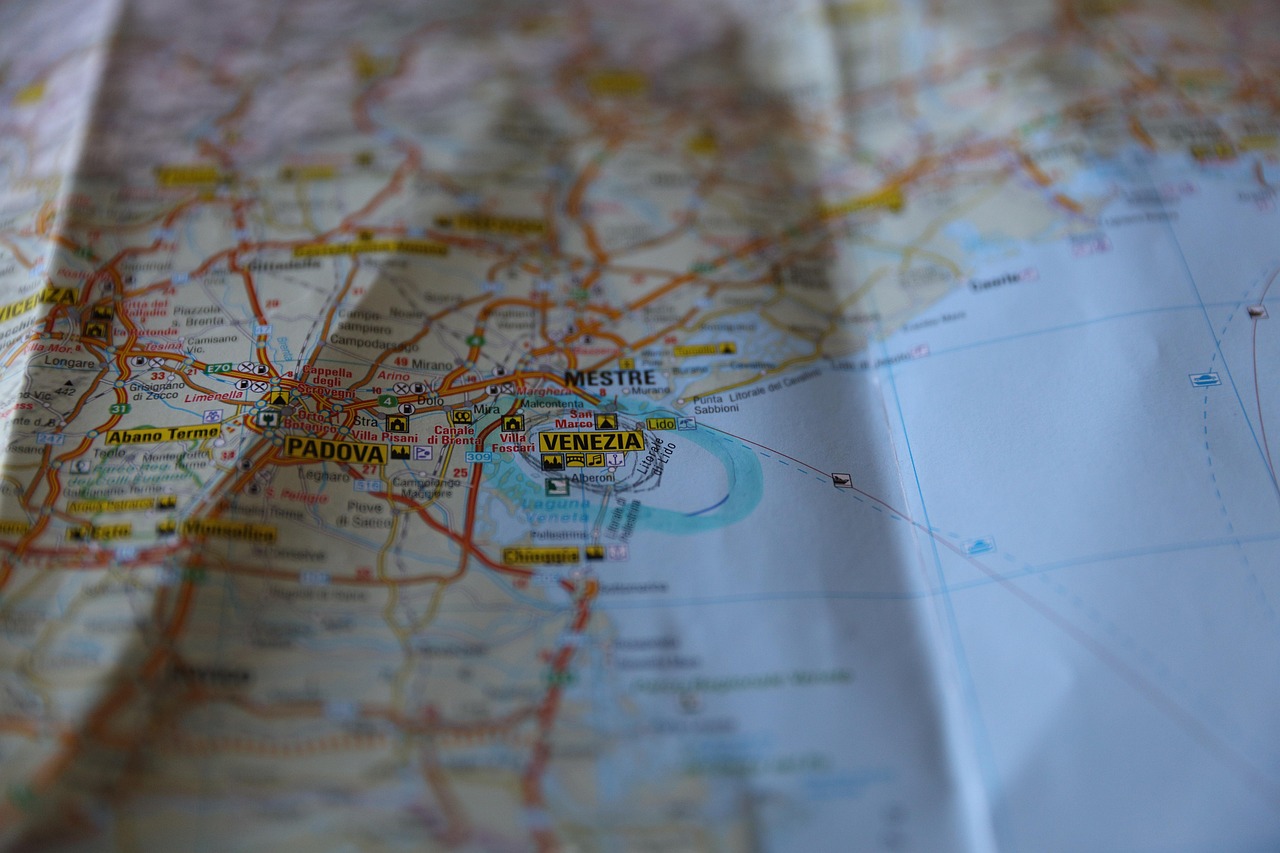
For first-time visitors, a classic high-end arc works beautifully: Rome to Florence to Venice, then into Tuscany and down to the Amalfi Coast in southern Italy. This sequence builds from ancient Rome to Renaissance brilliance, then into the watery theatre of Venice, before softening into vineyards and coastline. It’s a route with many famous moments, but also enough variety to feel fresh each day.
If you have extra days, add a northern Italy extension for Lake Como—serene villas, boat rides, and slow mornings that restore you. For food lovers who want something more intimate, a northwest Italy add-on to Alba can be pure joy, especially during truffle season when local hosts open doors you’d never find on your own.
Timing, bookings, and transport tips for seamless landmark days
Timing is your quiet advantage. Visit key Italian landmarks early in the morning or late in the afternoon for fewer crowds and more flattering light, especially around reflective water or pale stone. Also note that attractions in Italy can close on certain weekdays and holidays; checking schedules in advance is a small act of care that saves you from last-minute disappointment.
For top sites, book private tours, skip-the-line tickets, and timed museum slots well ahead. It isn’t about rushing; it’s about removing friction. A trusted guide adds depth without overload, and reserved entry protects your calm—particularly in Rome, Florence, and Venice, where queues can swell quickly.
For comfort, lean on Italy’s high-speed trains between major city centres. Day travel is efficient, with a sense of elegance as the countryside slips by. Choose private transfers for door-to-door ease—especially with luggage, early starts, or when heading into the Tuscan countryside or along the Amalfi Coast, where driving logistics can distract from the view.
- Plan for light: early and late hours flatter photos and make any landmark feel more intimate.
- Reserve entry: timed tickets and private guides keep a museum visit peaceful and efficient.
- Travel smart: high-speed rail for city-to-city; private drivers for countryside and coast.
- Stay central: a well-chosen boutique hotel in the centre gives you extra hours each day.
If you’d like to see how Designer Journeys shapes routes with warmth and precision, you can browse our Trip gallery and start imagining what your own crafted journey could feel like.




Rome’s historic sites and iconic Italian landmarks – from the Colosseum in Rome to Vatican City
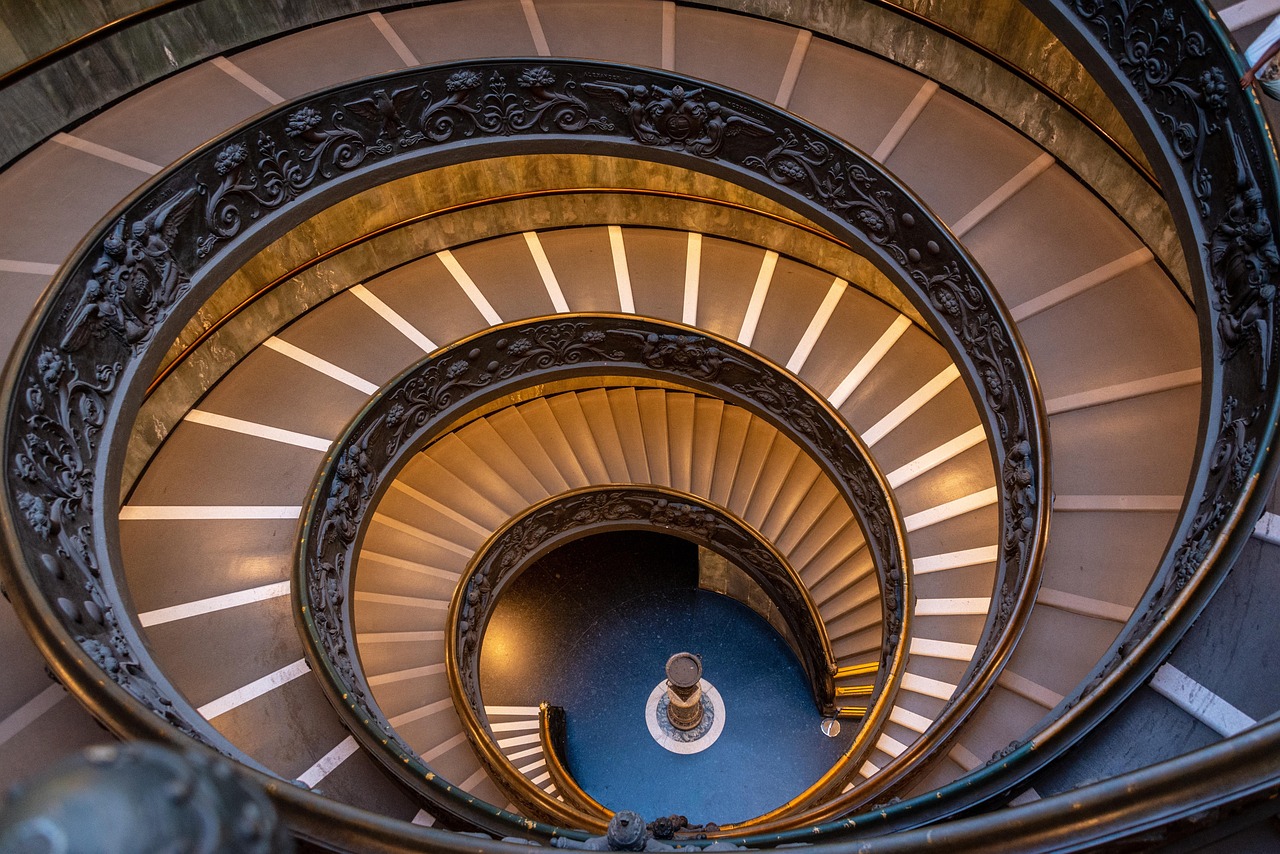
Rome historic sites from the Colosseum to Vatican City
Rome’s signature experiences begin with the Colosseum and the Vatican City, but the luxury lies in how you encounter them. In ancient Rome, scale was a language of power—and few structures speak it like the amphitheatre that still dominates the skyline. Allow time to pause, look up, and let the stonework and geometry do their quiet work on you.
A good private guide makes the Colosseum feel human rather than overwhelming. You’ll hear how the construction of the Colosseum reflected engineering ambition and imperial messaging, and why the Colosseum was started under the Flavian emperors. With the right pacing, you step away from the “must-do” noise and feel the site’s gravity—without losing your sense of comfort or personal space.
Colosseum and Roman Forum – ancient ruins, context, and quiet corners
Pair the Colosseum with the Roman Forum for context: the civic heart where politics, religion, and daily life intertwined. Walking here with an expert turns scattered stones into stories—temples, arches, and ancient ruins that once held the rhythm of an ancient Roman city. It’s also where you can avoid bottlenecks by taking a slightly different route and pausing in overlooked corners.
For high-end travellers, the best strategy is a guided morning visit, followed by a long, unhurried lunch. Rome rewards a slower tempo: you create space for conversation, for photographs you actually enjoy taking, and for that small moment of trust when you realise your day is unfolding exactly as planned.
Vatican City, Sistine Chapel, and Peter’s Basilica – world-famous art with smart timing
Vatican City is world-famous, a tiny enclave with outsized cultural weight. The Vatican Museums and the Sistine Chapel can feel intense at peak hours, so timed entry or a private visit can make all the difference. One traveller once shared how a private evening tour offered a peaceful, uncrowded encounter with famous works; without the press of crowds, their appreciation deepened, and the silence felt almost devotional.
After the museum, step into Peter’s Basilica, one of the largest church complexes in the world. Many visitors call it the largest church in Europe, and whether or not you track the superlatives, the feeling is unmistakable: vast, luminous, and strangely comforting. Dress modestly, keep bags to a minimum for security, and move slowly—this is a basilica where the echo seems to ask for gentleness.
Finish with a softer Rome ritual at the trevi fountain. As a fountain in Rome, it draws a crowd, but late afternoon or early morning offers calmer photographs and a more personal mood. If you choose to throw a coin, do it with quiet etiquette—step aside for others, and let the moment be simple rather than performative.
Florence landmark art and architecture – Duomo, Uffizi Gallery, and classic places to visit
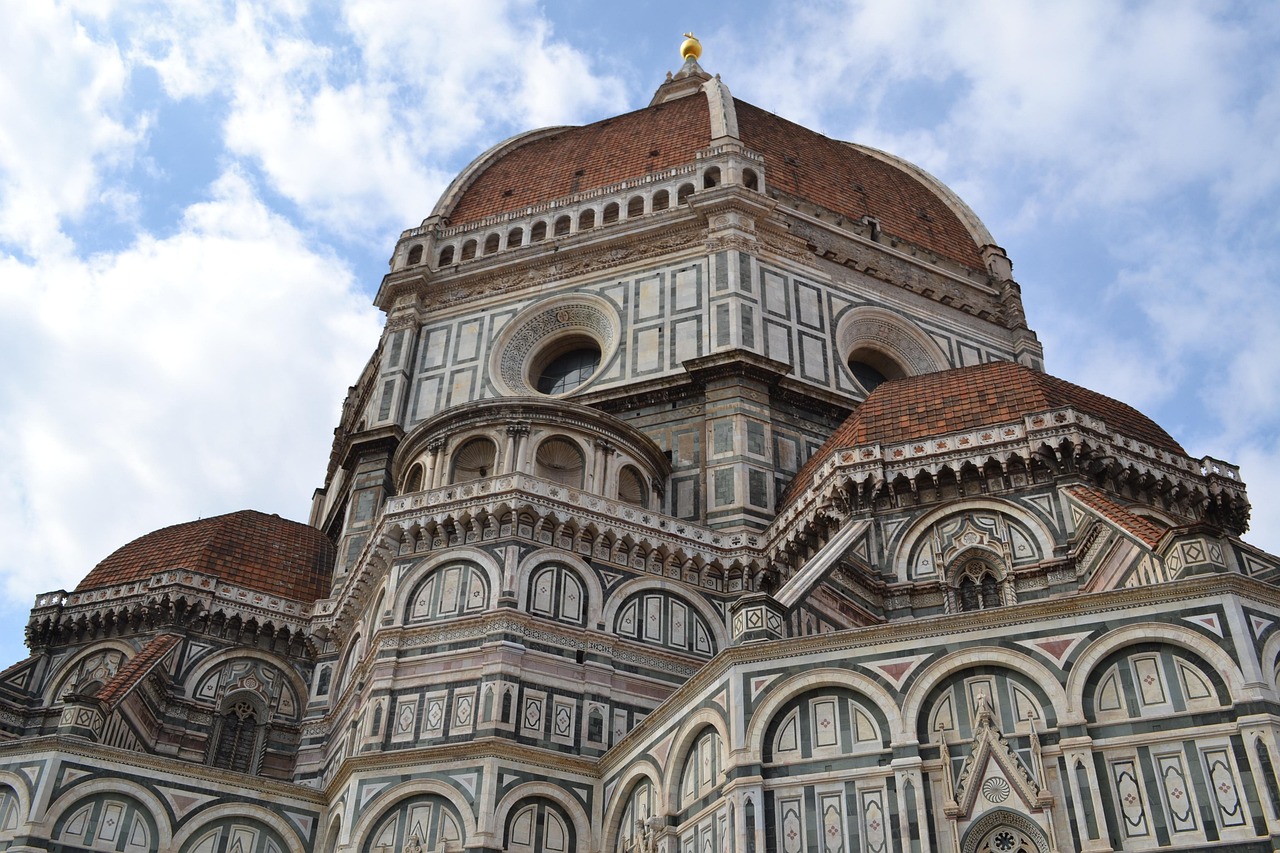
Florence landmark art and architecture at the Duomo
Florence days are at their best when the Duomo and Uffizi gallery are arranged with breathing space. Florence is one of the most famous cities for art lovers—often described as one of the great art museums in the world, with galleries that happen to be streets and churches, too. With a two-day luxury pace, you can explore the centre on foot, pause for espresso, and return to your hotel without feeling you’re constantly “on the go”.
Florence is also famous for its association with the Medici family; that association is written into chapels, palazzo façades, and carefully commissioned beauty. The city invites you to imagine what patronage looked like—how creativity, politics, and ambition shaped an entire aesthetic that still feels modern.
The Duomo complex in Florence – cathedral, dome, and bell tower highlights
Begin with the Duomo complex, home to the cathedral of Santa Maria del Fiore. Stand back to take in the marble patterning, then move closer to notice the stained glass windows that catch the light like jewelled water. Inside and out, it’s a cathedral designed to be read slowly.
Brunelleschi’s dome is the headline, and for good reason: it’s often described as the world’s largest unreinforced concrete dome, a feat of engineering and daring. If you choose to climb, do it early for cooler air and fewer people; if you prefer a calmer experience, enjoy the view from the piazza and let a guide explain how it changed architecture across Europe. Don’t miss Giotto’s bell tower either—its colour and proportion feel almost musical.
Uffizi planning in Florence – Michelangelo, masterpieces, and a curated museum rhythm
For museum planning, book timed entry for the Uffizi Gallery and consider a private, curator-style visit. It’s an elegant way to avoid queue anxiety while still gaining genuine insight into the collection. Add Michelangelo’s David via the Accademia, but keep the day balanced: one major museum in the morning, a long lunch, and then a gentler afternoon walk.
Florence can be overwhelming when you try to see everything at once. Instead, create “rests” between masterpieces—sit in a small piazza, step into a quiet church, or browse artisan ateliers where leatherwork and paper goods become personal keepsakes rather than generic souvenirs.
For city texture, walk past Palazzo Vecchio and linger in the surrounding piazza, where the energy shifts by the hour. Then cross Ponte Vecchio over the Arno River; in the last light, the water turns reflective, and the bridge feels like a corridor between centuries. Golden hour here is one of the most beautiful moments in Florence—simple, cinematic, and reassuringly unhurried.
- Footwear matters: Florence’s stone streets are charming, but supportive shoes keep the day feeling light.
- Start early: morning entry reduces queues at the Duomo and major museum sites.
- Pause on purpose: an espresso break in a calm piazza resets your pace and your attention.
Venice’s famous landmarks in Italy – Grand Canal views, gondola rides, and the Rialto Bridge
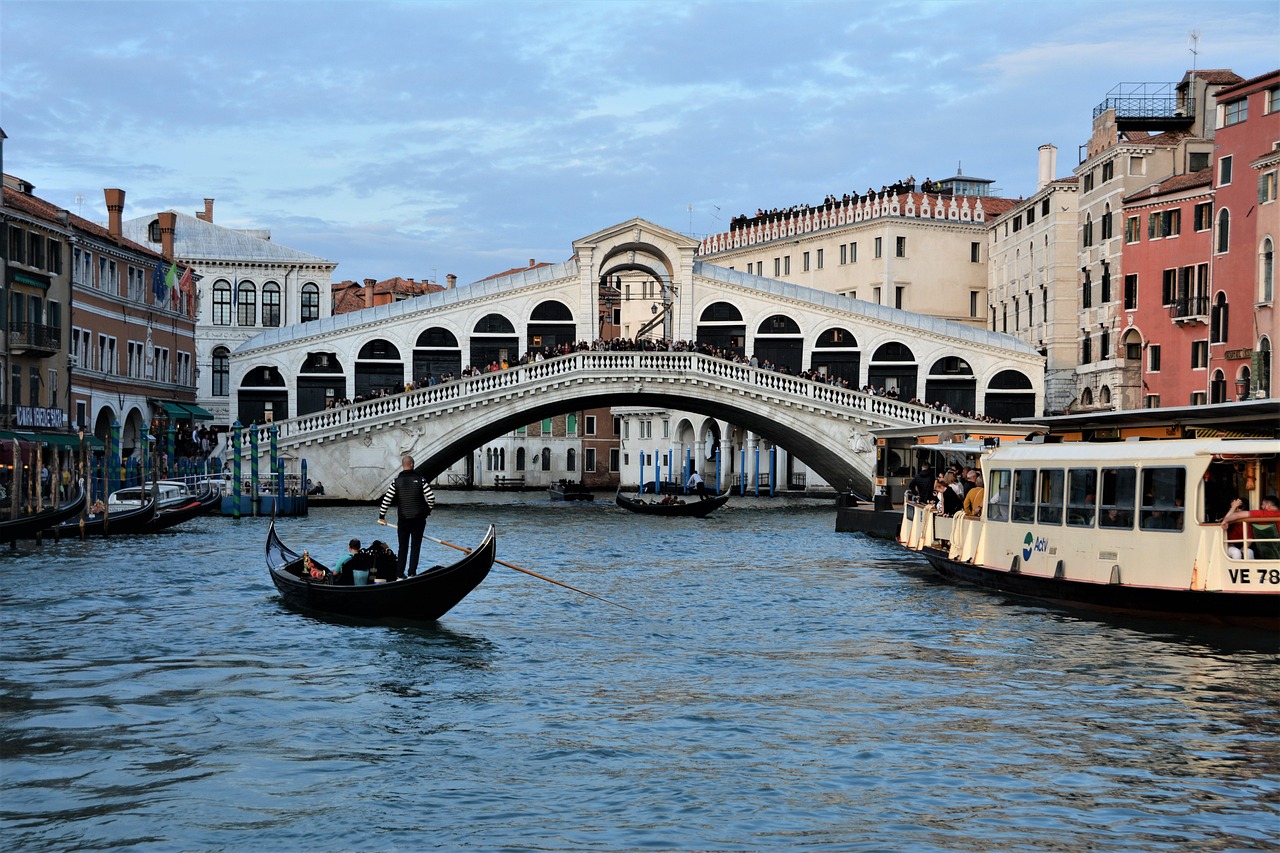
Venice famous landmarks in Italy beyond the Grand Canal
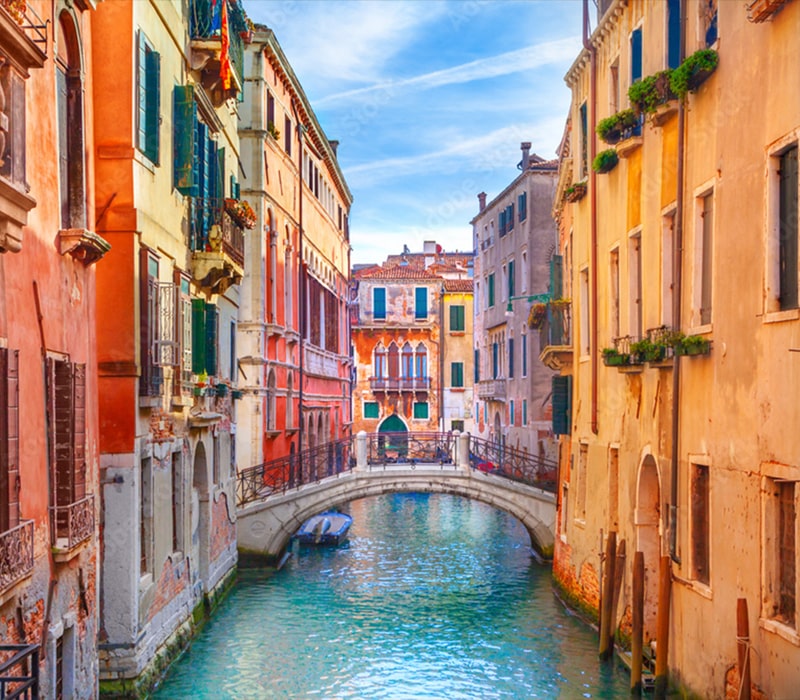
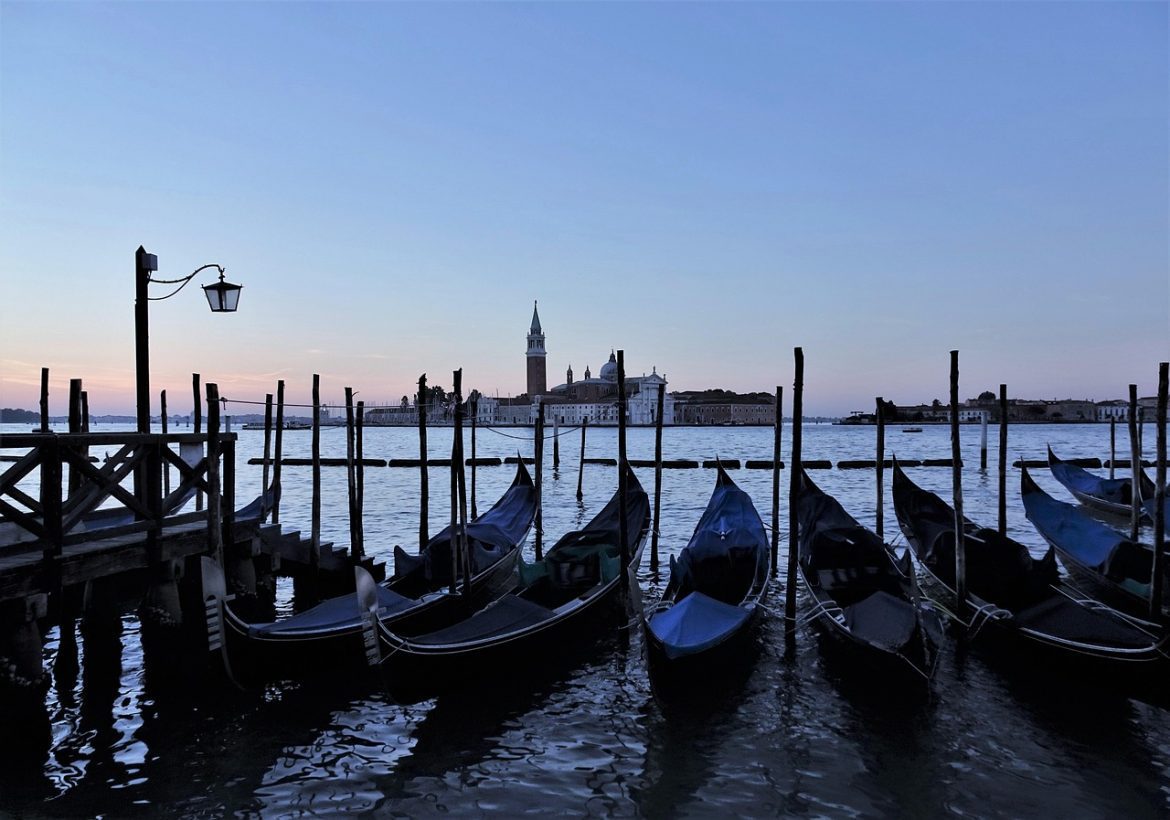
Venice feels like a dream you can walk through, and the Grand Canal, gondola, and Rialto Bridge are even better when you stay central. Venice was shaped by the Venetian Republic, and you can still sense that old maritime confidence in the way the city presents itself—proud, theatrical, and quietly intricate. Early mornings and late evenings are your window for intimacy, when the lanes soften, and the lagoon air feels like a private invitation.
Arrive by private water taxi for your first view along the Grand Canal. It’s a small upgrade that changes everything: less schlepping, more elegance, and that immediate feeling of being supported. From there, the best approach is simple—explore in short walks, then let Venice “come to you” in intervals.
Grand Canal views – a sunset gondola through quieter Venetian canals
A gondola ride at sunset is a classic for a reason, but it doesn’t have to be crowded or overly performed. Ask for a route through quieter canals where the reflections are glassy, and the stories feel closer. One traveller recounted their unforgettable journey guided by a local gondolier who shared centuries-old tales of merchants, masked balls, and hidden doorways. The right guide adds soul, and that kind of local storytelling builds trust in a city that can otherwise feel like one of the most beautiful mazes in Europe.
For couples, this is where Venice becomes personal. For families, it’s a gentle reset between major sites, with just enough wonder to keep everyone engaged without fatigue.
Piazza San Marco – Mark’s Basilica, Doge’s Palace, and timed entry
When you’re ready for the icons, begin at Mark’s Square and then step into Piazza San Marco with a plan. Mark’s Basilica is a basilica of shimmering mosaics and subdued light; modest dress is appreciated, and security can be slow at peak times. Pair it with Doge’s Palace for context—power, politics, and artistry in one place—then consider a crafted private entry to keep the experience seamless.
Finish with a bridge moment at the Rialto Bridge. Take your photograph, then turn it into a slower pleasure: browse the market stalls nearby and choose something small and edible to take back to your hotel. Later, stop for a refined aperitivo with lagoon views and local cicchetti, and let the evening arrive gently.
Beyond the icons: Italy landmarks in Tuscany, Amalfi Coast, Cinque Terre, and the Leaning Tower of Pisa
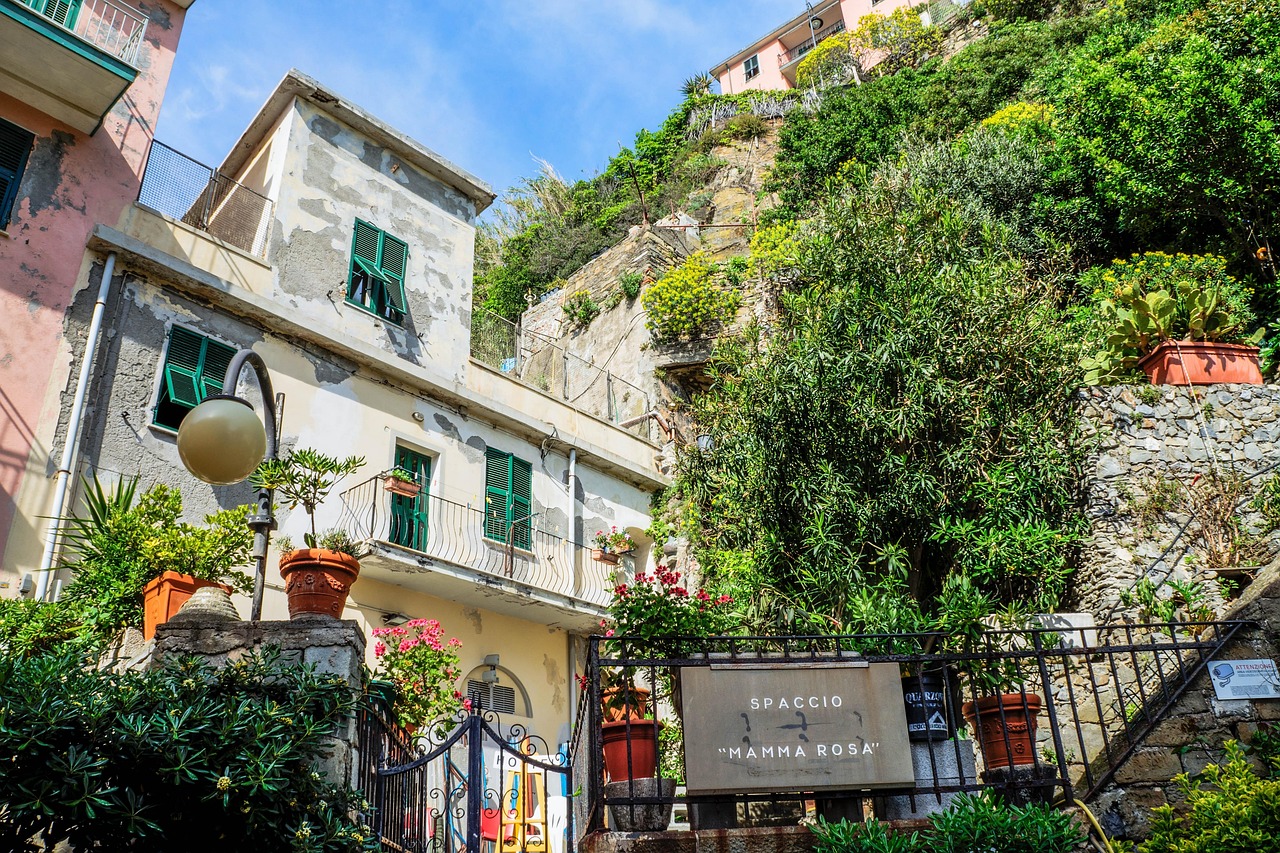
Beyond the icons Tuscany, Amalfi Coast, Cinque Terre and refined gems
If you’re searching for italy landmarks beyond a single city—Tuscany wine tasting, the Amalfi Coast, cinque terre, and the leaning tower of pisa—you’re already thinking the way seasoned travellers do. This is the chapter where you swap marble corridors for vineyard paths, boat decks, and cliffside views, without losing the polished ease high-end travellers value. Italy is one of the beautiful places in the world where “slow” and “special” can be the same thing.
Tuscany estate stays – private tastings, palazzo heritage, and a schedule that breathes
Tuscany is at its best when you choose an estate stay and let the days unfold. A couple once described their time at a historic vineyard estate, where hands-on winemaking and personalised tastings made the experience feel uniquely immersive. With a private driver, the logistics disappear: no navigating rural roads after tastings, no time lost to parking, and no need to rush a long lunch that deserves to linger.
In Tuscany, “exclusive” doesn’t have to mean flashy. Often it’s simply access: a cellar door opened just for you, a vertical tasting explained by someone who knows the vines by name, and the confidence that everything is taken care of with care—sometimes with the kind of discreet palazzo history you’d miss without local introductions.
Northern Italy, calm – Lake Como elegance and a Pisa interlude
For a northward interlude, Lake Como in northern Italy offers a softer register—serene waterfront villas, discreet service, and mornings that begin slowly. Hire a boat for a few hours, glide past gardens and historic façades, and let the landscape do the talking. It’s the kind of place where doing less feels like a luxury in itself.
For an iconic day trip, plan a visit to Pisa, between Florence and the coast. The leaning tower of Pisa is a compact, satisfying visit when timed well; a guide can explain how the tower began to tilt and why the engineering story is as interesting as the photo. Go early, keep it short, and let it complement—rather than dominate—your itinerary.
Amalfi Coast splendour – Cinque Terre choices and Alba truffle season
The Amalfi Coast is one of the most beautiful stretches of shoreline in Europe, best approached with a driver and a hotel that feels like a private sanctuary. Built-in boat days for swimming and small coves, and choose viewpoints in Positano and Ravello for late afternoon when the colours soften. One luxury traveller still talks about a Michelin-starred dinner overlooking the sea: exceptional food, a terrace of candlelight, and the feeling that the horizon had widened their week.
Cinque Terre, a UNESCO World Heritage Site, is best enjoyed with restraint. Pick one or two villages and explore them properly rather than racing through all five. Comfortable footwear is essential on steps and coastal paths, and crowd-avoidance timing matters here even more—arrive early, linger over lunch, and move again as day-trippers drift away.
To uncover a lesser-known gem, consider Alba in northwest Italy during truffle festivals. The high-end version isn’t about showy menus; it’s about regionally specific cuisine, trusted recommendations, and avoiding tourist-attraction menus that look tempting but disappoint. It’s intimate, delicious, and wonderfully grounded.
- Best light on the coast: late afternoon on the Amalfi Coast is one of the most beautiful times for photographs and quiet terrace views.
- Cinque Terre strategy: choose fewer villages, start early, and keep your pace gentle.
- Pisa timing: visit the Leaning Tower of Pisa in the morning, then move on before crowds peak.
- Local dining: ask your host for personal favourites to avoid obvious tourist traps and eat where locals actually go.
And if your route takes you near Naples, it’s hard not to think of the eruption of Mount Vesuvius—an echo of how quickly landscapes and lives can change in this part of Italy, and why the coast’s beauty feels so vivid.
F.A.Qs: Italy landmarks for luxury travellers – quick planning answers
What are Italy’s famous landmarks?
Italy’s famous landmarks include the Colosseum, the Vatican Museums and the Sistine Chapel in Vatican City, Florence’s Duomo and world-class galleries, Venice’s canals and Piazza San Marco, and coastal icons like the Amalfi Coast. Many travellers also love Tuscany’s vineyard landscapes, Lake Como in northern italy, and the leaning tower of pisa for an iconic photo and engineering story.
What is the Big 3 of Italy?
The “Big 3” typically refers to Rome, Florence, and Venice. Together, they offer a concentrated view of Italy’s most celebrated layers: Ancient Roman history in Rome, Renaissance art and architecture in Florence, and lagoon culture in Venice, shaped by the Venetian Republic. For high-end travellers, this trio works beautifully by train with well-timed private tours.
What are the top 10 landmarks?
A common top 10 includes the Colosseum, Roman Forum, trevi fountain, Vatican Museums, Sistine Chapel, Peter’s Basilica, Florence Duomo, Uffizi Gallery, Venice Grand Canal, and the Leaning Tower of Pisa. Your own top 10 may shift depending on interests—art, architecture, food and wine, or coastal beauty—so it helps to design your priorities around pace as well as places.
What is the #1 tourist attraction in Italy?
There isn’t one single answer, but the Colosseum is often cited as Italy’s most visited attraction, with Vatican City sites close behind. In practice, the “number one” experience depends on how you like to travel: some people feel most moved inside a cathedral or basilica, others in a museum, and others on the water in Venice at sunset. Timing and pre-booked entry make a huge difference.
After Italy: what stays with you from these Italian landmarks – personal journey reflection
After a journey through italy landmarks, the memories often arrive in unexpected fragments. Not the grand photo you planned, but the stone underfoot as you crossed a bridge at dawn; a quiet piazza where the chairs were still stacked; the way a basilica held the last notes of a hymn long after the voices stopped. These are the details that return to you later—soft, persistent, and strangely comforting.
What stays with you, too, is the confidence of a journey that felt designed rather than endured. When days are crafted with care—unhurried pacing, trusted guidance, seamless arrivals—you begin to notice more. You listen better. You see the small gestures: a doorman remembering your name, a guide stepping aside so you can have a private moment with a painting, a local sharing a story simply because you asked with warmth.
There is a creative thread running through Italy, from Rome’s ancient ambition to Florence’s disciplined beauty and Venice’s watery light. Somehow it invites you to create as well—to come home and cook differently, host friends more generously, look at your own city with kinder eyes. You may even find that you remember the quietest hours most clearly: an espresso taken slowly, a window opened to evening air, a sense of being held by history and light.
Italy is one of those places you don’t finish. You simply begin to know it, and you carry it with you until—one day—you feel ready to return.