Post Contents
- Why a Japan Guide Makes a Private Tour Feel Effortless for luxury private tour planning
- Tokyo Private Tour Ginza Indulgence and Sumida River Blossom Cruise for Tokyo private tour luxury Ginza Sumida River cruise
- Kyoto Japan Private Tour Temples Tea Houses and Gion Matsuri for Kyoto Japan private tour guide UNESCO temple tea ceremonies
- Osaka to Nara and Hakone Onsen Ryokan Nights for Osaka itinerary Nara day trip Hakone luxury onsen ryokan kaiseki
- Kanazawa Samurai Craft and Okinawa Overwater Calm for Kanazawa samurai workshop Okinawa luxury resort overwater villa Japan
- After Japan What Quietly Stays With You for Luxury Japan tour reflection with a private guide
- F.A.Qs:
Why a Japan Guide Makes a Private Tour Feel Effortless for luxury private tour planning
Why a Japan Guide Makes a Private Tour Feel Effortless
Choosing a Japan tour guide for luxury private tour planning is less about “being shown around” and more about feeling looked after with calm confidence. In Japan, the smallest details can shape your comfort: how to enter a restaurant, when to speak softly, where to stand, and how to receive an item with both hands. The right expert helps you uncover those details gently, so your trip feels designed rather than rushed.
At the high end, a private tour means time is treated as your most valuable luxury. Your days are paced discreetly, your reservations are secured without fuss, and your experiences feel curated to your taste—whether that’s contemporary art, refined shopping, or a quiet temple morning. The best tour guides also bring reassurance: they read the room, anticipate needs, and offer support without ever dominating the moment.
What “private” means in a Japan private tour
For discerning travellers, private guided tours in Japan often include an on-the-ground escort when helpful, plus a separate driver for smooth transfers. Your guide can arrange museum entry windows, hard-to-book dining, and discreet hotel-to-venue coordination. Just as importantly, they help you navigate Japanese culture with care—so you feel comfortable in places where silence, patience, and ritual matter.
This is where luxury travel becomes quietly transformative. Instead of watching a clock, you watch the light shift across a garden; instead of queueing, you step into a calm corner already prepared. It’s not about skipping Japan, but about seeing it more clearly.
How to choose licensed guides and check a license
When you’re investing in a refined itinerary, it’s reasonable to ask about credentials. Look for licensed guides and request to see their license details before you confirm. In Japan, a government licensed guide credential signals that the guide has met formal standards, and many will be familiar with expectations of visitors who are travelling abroad and want an elevated, respectful experience.
A professional planner will also verify who you’re meeting on the day, confirm language skills, and ensure your guide can communicate nuanced etiquette kindly. That matters in intimate settings—like a tea room or a chef’s counter—where reassurance and precision keep everything stress-free.
To keep this guide practical, we’ll reference a sample flow many travellers love: Tokyo–Kyoto–Osaka–Hakone–Kanazawa–Okinawa. It works beautifully for first timers, and it’s easy to customize for returning guests by adding slower stays or specialist interests. If you’d like a visual start point, browse our Trip gallery for inspiration.
One couple told us their biggest surprise was how supported they felt by a personal guide in Japan—especially around language and etiquette. They expected logistics; what they received was trust, warmth, and the feeling that the country was welcoming them in.


Tokyo Private Tour Ginza Indulgence and Sumida River Blossom Cruise for Tokyo private tour luxury Ginza Sumida River cruise
Tokyo Private Tour Ginza Indulgence and Sumida River Blossom Cruise
A Tokyo private tour luxury Ginza Sumida River cruise day works best when it respects Tokyo’s rhythm: calm mornings, a polished afternoon, and evening bustle when you’re ready for it. Tokyo can be exhilarating, but the most elegant way to explore is to design breathing space into the day. A knowledgeable guide will often suggest early entry times, quieter streets, and the right neighbourhood for your mood.
Think of Tokyo as a set of scenes you can switch between: minimalist galleries, department-store food halls, hidden cocktail bars, and serene shrines tucked between towers. This approach keeps the streets of tokyo feeling like a pleasure, not a challenge.
Ginza luxury shopping and fine dining with expert reservations
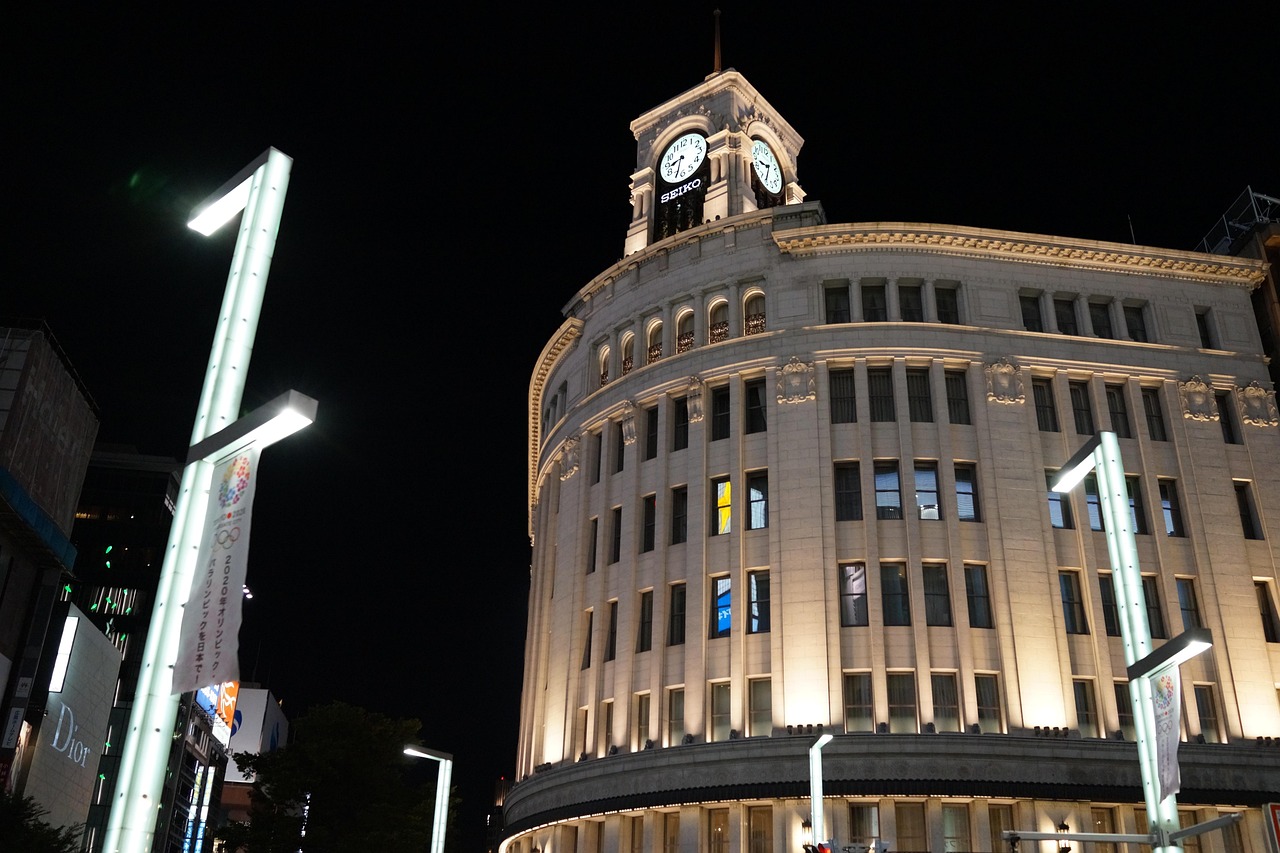
Ginza is where Tokyo’s polish turns into theatre: flagship boutiques, private salons, and galleries that feel like quiet museums. Your guide can tailor a route so you’re not zig-zagging, and can arrange appointments for personal shopping or limited-edition pieces. For dinner, reservations are everything—especially for exquisite counters and award-winning dining rooms where formality is part of the atmosphere.
It’s worth being prepared for dress expectations: a jacket is often a safe choice, and some venues prefer understated colours. A good guide will share these details in advance so you can simply enjoy the evening, confident you’re stepping into the room gracefully.
Spring cruise on the Sumida River and an Asakusa contrast
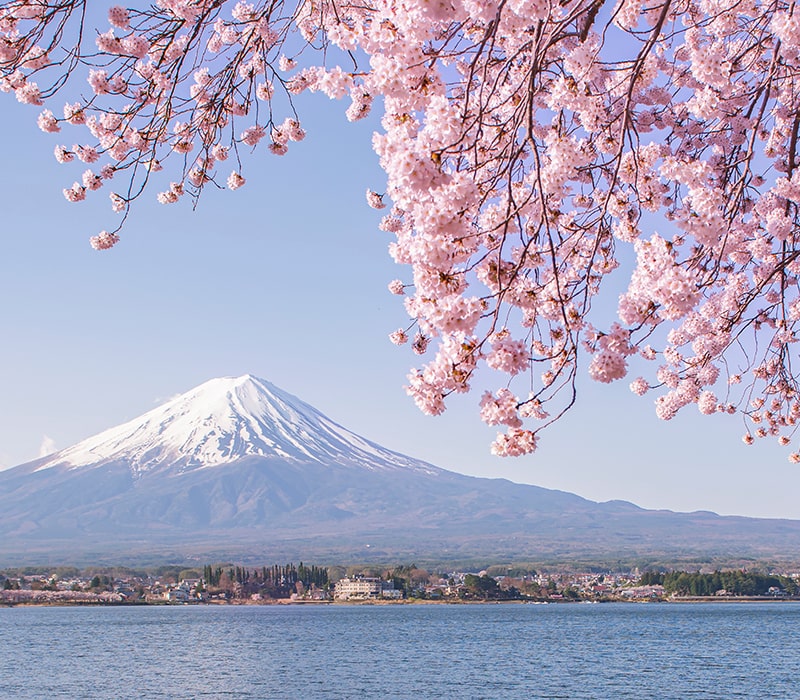
In spring, a bespoke cherry blossom viewing cruise on the Sumida River can feel like Tokyo exhaling. Timing matters: your planner can track bloom forecasts, choose a comfortable boarding point, and select the best viewpoints for photographs without jostling. For a family, this is one of the most gentle ways to share Japan across generations—seated together, wrapped in quiet, watching petals drift like soft snow.
Afterwards, your guide may suggest Asakusa for contrast: a temple visit that adds depth to the day. As a respectful visitor, you’ll be guided on quietness, where to pause, and how to move with patience even when the area is lively. The shift—from river hush to historic lantern light—feels crafted, not random.
A solo traveller once shared how a private sushi-making lesson changed everything she thought she knew about sushi. With a chef explaining rice temperature, knife angles, and seasonality, she didn’t just taste local cuisine—she understood the culinary discipline behind it, and Tokyo suddenly felt more human, more intimate.
Kyoto Japan Private Tour Temples Tea Houses and Gion Matsuri for Kyoto Japan private tour guide UNESCO temple tea ceremonies
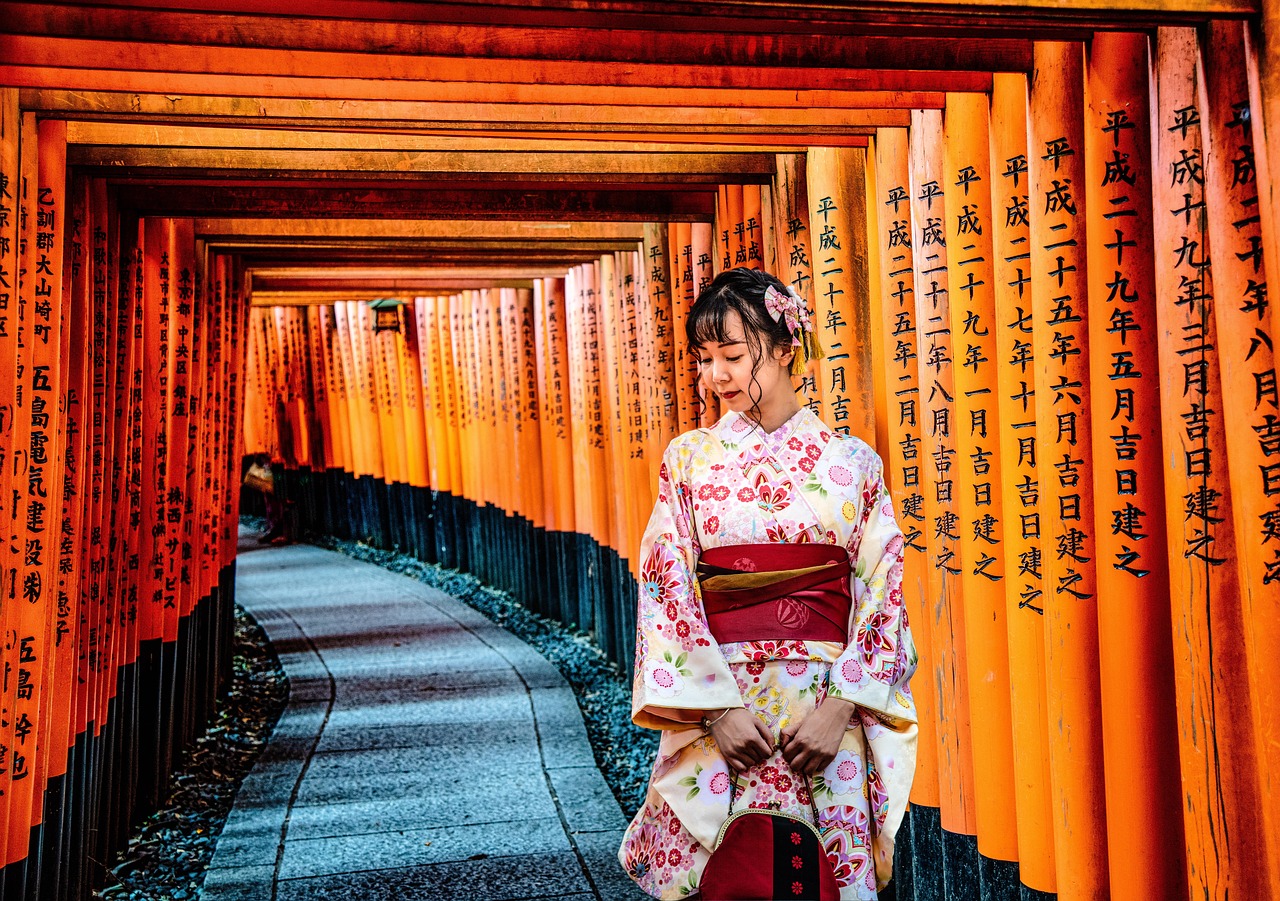
Kyoto Japan Private Tour Temples Tea Houses and Gion Matsuri
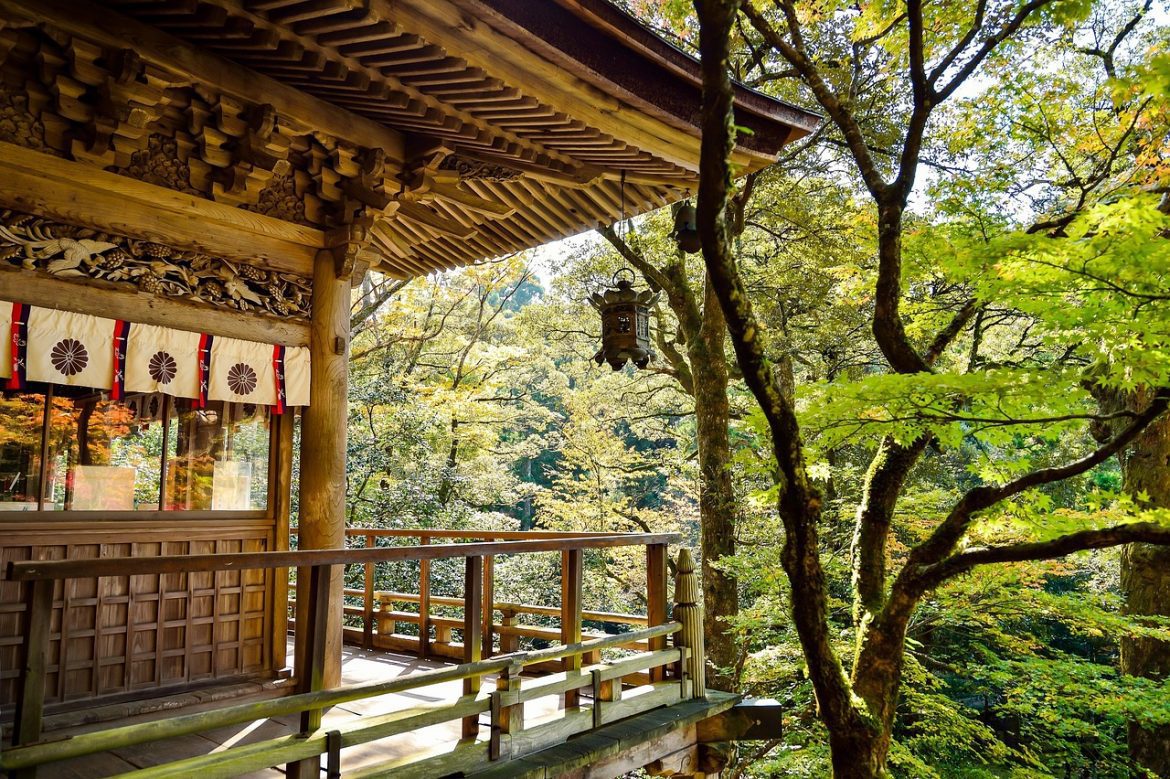
A Kyoto Japan private tour guide UNESCO temple tea ceremonies approach is about balancing iconic landmarks with quiet lanes you might otherwise miss. Kyoto rewards early starts: a garden still damp with morning, incense lingering in the air, and that rare feeling of having a famous view to yourself. Your guide will help you move through UNESCO-listed moments without turning them into a checklist.
Rather than racing between sites, consider a “two big anchors per day” rhythm, with time in between for neighbourhood wandering. This is where Kyoto becomes personal—small craft shops, a tucked-away gate, a simple lunch that feels authentic local.
Tea ceremonies and the subtle art of matcha
Private tea ceremonies are among Kyoto’s most grounding experiences, especially when arranged with a host who welcomes questions. You learn matcha preparation, the meaning of gestures, and the value of silence—not as performance, but as presence. A guide helps translate the nuance and ensures you never feel rushed or unsure of what to do with your hands, your voice, or your gaze.
A couple once reminisced about their private tea ceremony as the most tranquil hour of their trip to Japan. They spoke about the warmth of the bowl, the sound of water, and how the room seemed to soften time—an insight they carried into the rest of their journey.
Gion, geisha etiquette, and Gion Matsuri backstage access
Gion is often misunderstood, so context matters. Your guide can explain how to observe respectfully, where photography is sensitive, and why certain lanes ask for privacy. Seeing a geisha moving quietly towards an appointment is a privilege, not a photo opportunity, and a cultural expert will communicate that nuance with care.
If you’re travelling in July, the Gion Matsuri can be extraordinary when experienced thoughtfully. With exclusive access guided by someone you trust, you can step closer to the floats, meet craftspeople, and hear the stories behind centuries-old techniques and rich cultural traditions. A group of friends told us their backstage visit felt unforgettable—not because it was “VIP”, but because the experience was shared with respect, and the artisans felt truly seen.
For a practical luxury rhythm, Kyoto also pairs beautifully with an easy Osaka add-on. Transfers are short, evenings can stay gourmet without late nights, and you return to your Kyoto hotel feeling refreshed rather than depleted.
Osaka to Nara and Hakone Onsen Ryokan Nights for Osaka itinerary Nara day trip Hakone luxury onsen ryokan kaiseki
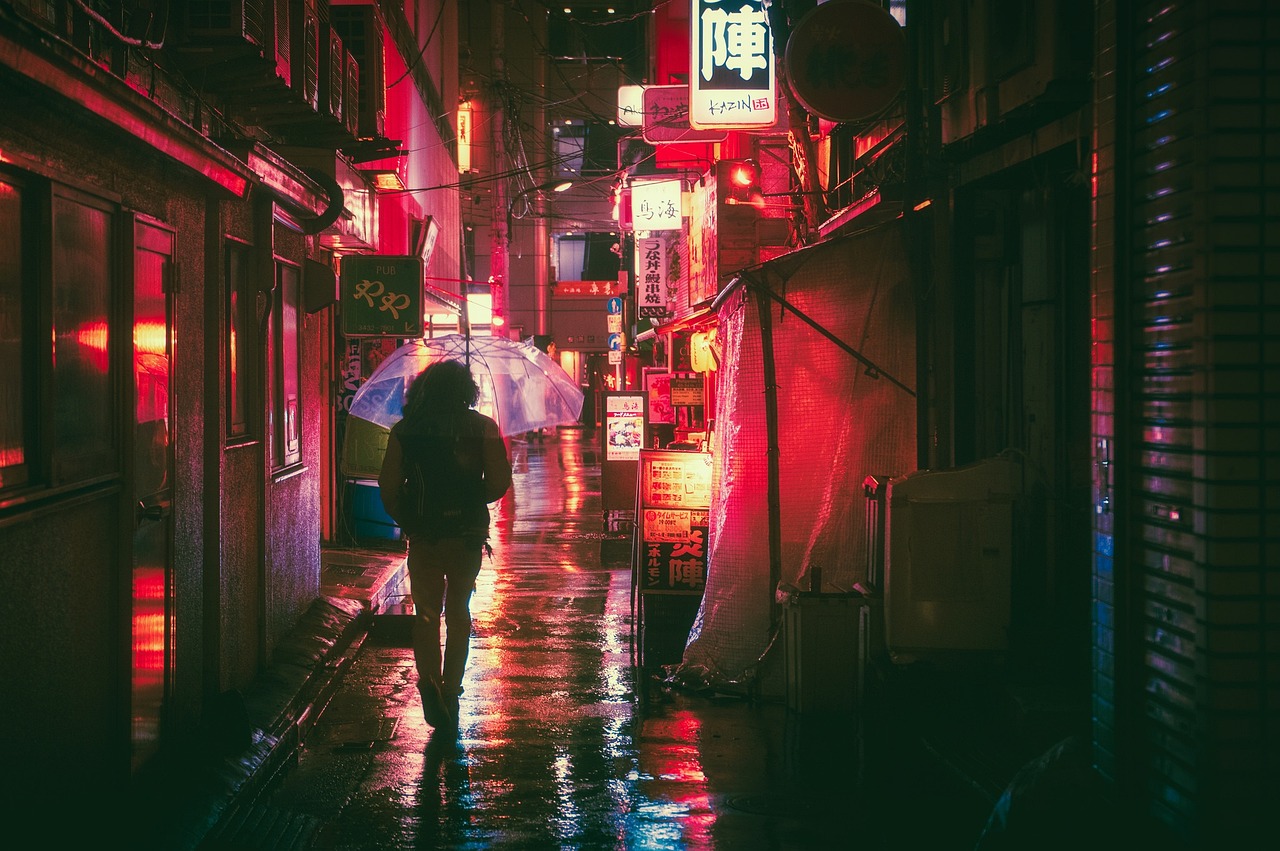
Osaka to Nara and Hakone Onsen Ryokan Nights
An Osaka itinerary Nara day trip Hakone luxury onsen ryokan kaiseki sequence is where Japan’s energy turns delicious, then deeply restorative. Osaka is playful and food-forward, Nara brings heritage calm, and Hakone offers onsen steam and mountain air. With a private guide, the logistics stay seamless—tickets, timings, and car pick-ups—so you can stay in the moment.
This is also where a planner can personalise the experience: some travellers want vibrant street snacks, others prefer refined counters and hidden dining rooms. The best approach is to build choice into the day, so your evenings reflect your mood.
Osaka gourmet evenings and a refined Nara day trip
In Osaka, your guide can steer you towards places that match your palate, from elevated okonomiyaki to chef-led tasting menus. If you enjoy culinary storytelling, ask for a route that includes a market walk and a reservation-only meal, with just enough bustle to feel alive. A single “wow” moment—like a counter seat, or a dish prepared right in front of you—often lands more strongly than five hurried stops.
Nara makes a graceful day trip for multigenerational groups. With calm parks, heritage sites, and space to wander, it’s ideal when grandparents and children need gentler pacing. Your guide will help you avoid peak crowds, keep snacks and water close, and weave in one luminous highlight that everyone remembers.
Hakone onsen etiquette and ryokan comfort with kaiseki
Arriving in hakone feels like stepping into a quieter Japan. Your guide will gently walk you through onsen etiquette—where to remove shoes, how to wash before bathing, and why quiet voices matter. If you have tattoos or privacy concerns, this is the moment to ask about private bathing options so you can relax with confidence.
A historic ryokan stay is often the emotional centre of a luxury journey. One traveller described being greeted by name, with tea already waiting and a room that smelled faintly of cedar—thoughtful service that made her feel instantly at home. In some properties, a farmhouse aesthetic appears in the architecture: timber beams, deep eaves, and an intimacy that contrasts beautifully with the big cities.
Then comes kaiseki, a multi-course meal prepared by a renowned chef, shaped by seasonal ingredients and precise timing. Reserve early, especially during peak foliage or blossom weeks, and let your guide note dietary preferences in advance. When each course arrives like a small work of art, it becomes more than dinner—it becomes a quiet lesson in craft.
- Timing tip: Spring (March–May) and autumn (September–November) book out quickly, so secure your accommodation and signature reservations well in advance.
- Comfort tip: Carry cash for traditional shops, and keep a portable Wi‑Fi device or local SIM for simple navigation.
- Etiquette tip: Bow respectfully, remove shoes indoors, and use both hands when giving or receiving items.
Kanazawa Samurai Craft and Okinawa Overwater Calm for Kanazawa samurai workshop Okinawa luxury resort overwater villa Japan
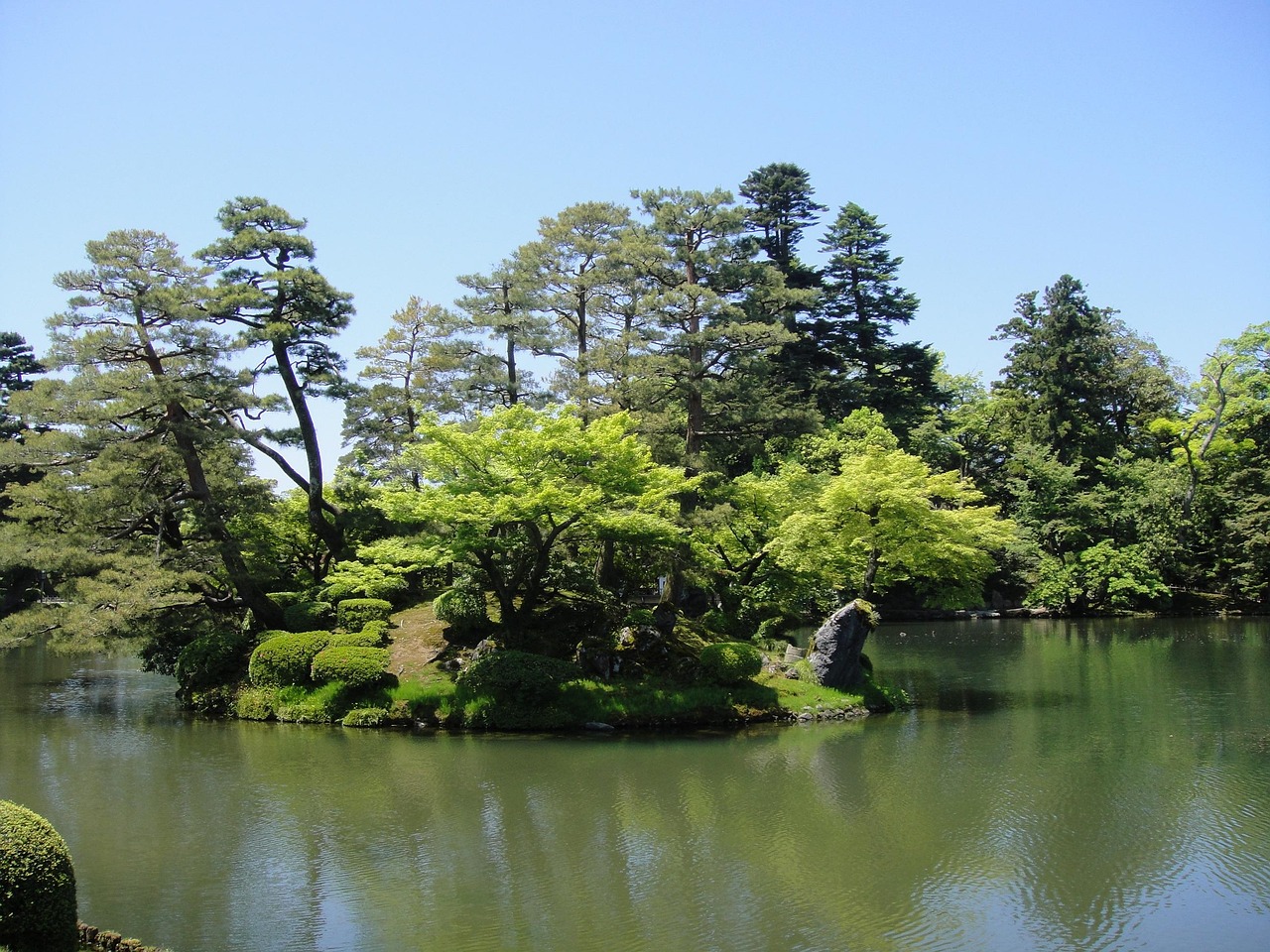
Kanazawa Samurai Craft and Okinawa Overwater Calm
A Kanazawa samurai workshop Okinawa luxury resort overwater villa Japan pairing brings depth and release in the same journey. Kanazawa offers cultural intimacy—less showy than popular destinations, yet richly rewarding. Okinawa then resets your senses with beautiful scenery, privacy, and ocean air that seems to slow the mind.
This contrast is not an accident; it’s design. When a trip includes both concentrated artistry and open horizons, each part makes the other more vivid.
Kanazawa workshop with a master artisan and respectful questions
To discover the art of samurai sword crafting, a private session with a master artisan is incomparable. The workshop may include a demonstration of forging steps, discussion of materials, and the philosophy behind balance and strength. Your guide can help you ask thoughtful questions—about lineage, tools, and the time required—while keeping the atmosphere respectful and unhurried.
In these intimate studios, etiquette matters as much as curiosity. A quiet tone, patient listening, and gratitude go a long way, and your guide in Japan will help you bridge language so the connection feels genuine.
Calligraphy, then Okinawa overwater villa calm
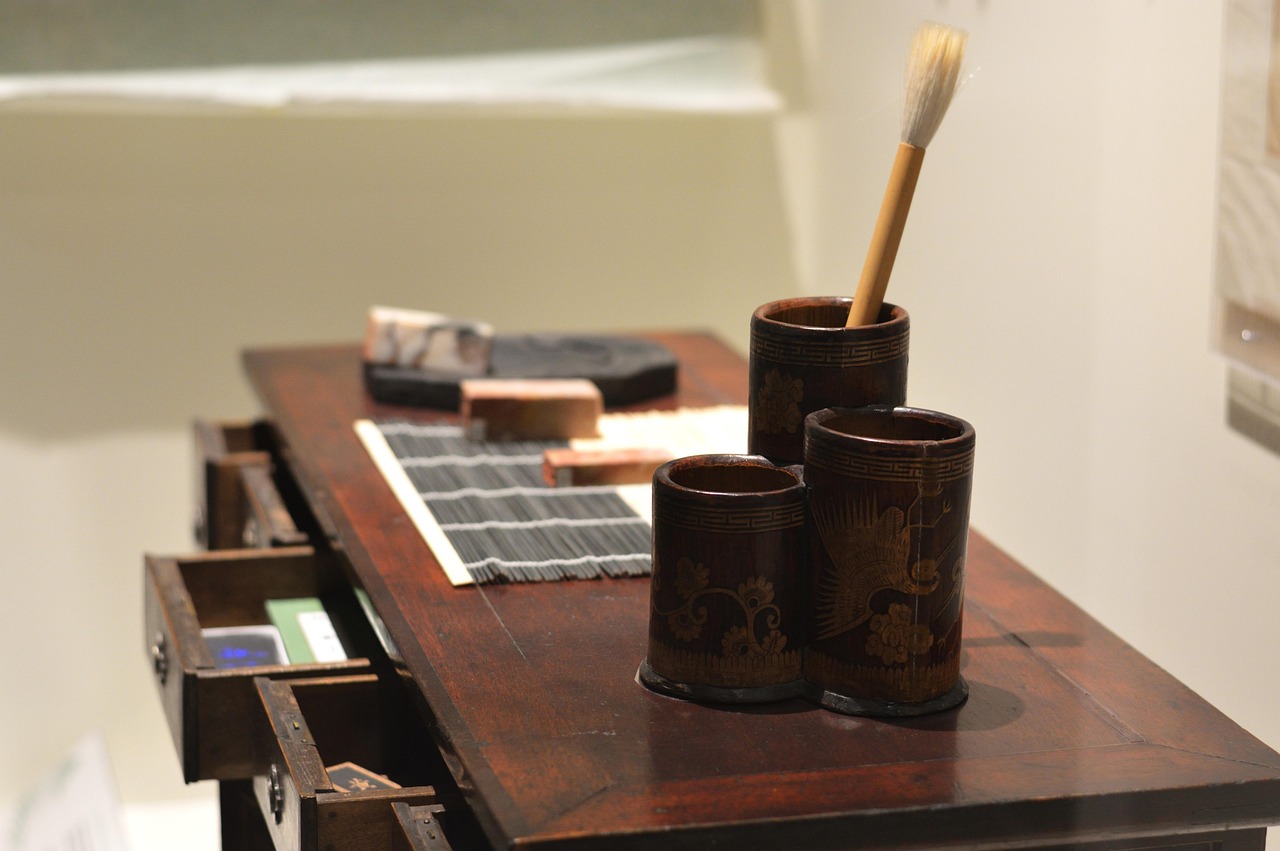
For a softer companion experience, consider calligraphy with a teacher who explains stroke order and breath. It’s hands-on, guided, and surprisingly meditative, and you leave with a personal piece that feels more meaningful than a typical souvenir. This kind of craft moment can be especially lovely between bigger sightseeing days.
Then, fly south for Okinawa. Staying in an opulent overwater villa shifts the entire tone of your Japan travel: mornings with the sea, afternoons that belong to no schedule, and evenings where the only decision is whether to dine privately or at the resort. A high-end planner makes the transition seamless—luggage handling, domestic flights, lounge access, and hotel coordination—so you arrive already relaxed.
To enhance your japan experience, let contrast do the work: city and sea, temple hush and contemporary design, artisan detail and barefoot ease. It’s the interplay that creates a truly memorable trip.
After Japan What Quietly Stays With You for Luxury Japan tour reflection with a private guide
A Luxury Japan tour reflection with a private guide often begins after you’ve unpacked, when everyday life resumes and you realise something subtle has shifted. Japan can reshape how you notice detail: the way a door closes softly, the way a meal is arranged, the way kindness is expressed without fanfare. It’s a destination that lingers not through spectacle, but through small gestures that feel quietly luminous.
What remains, for many travellers, is the feeling of being cared for with precision and warmth. Not pampered in a loud way, but supported in a way that lets you be fully present—whether you were navigating a busy station, entering a sacred space, or simply learning when to speak and when to let silence do its work.
One memory tends to return in still moments. Perhaps it’s the tranquillity of whisked matcha, the hush of a river as blossom drifted past, or the thoughtful welcome at a ryokan where your slippers were set out just so. These are not souvenirs you can buy; they are experiences you carry, and they often become a personal reference point for calm.
And then there is the human thread: the local expert who could translate more than language—who could translate intention. In a country where etiquette is part of the beauty, that steady presence can turn uncertainty into ease, and curiosity into connection. Long after the flights and hotels fade into the background, that sense of trust is what keeps the memory feeling real.
Japan doesn’t demand that you rush back. It simply leaves the door slightly open, as if to say that next time you might notice something different—another season, another street, another quiet lesson—waiting patiently to be uncovered.
F.A.Qs:
Is it worth getting a tour guide in Japan?
For many high-end travellers, it’s worth it because a good guide removes friction while adding meaning. You gain smoother reservations, clearer etiquette, and cultural insight you’d likely miss alone. It’s especially valuable in Kyoto and Tokyo, where pacing, language, and local context can transform a day from busy to beautifully designed.
Is $5000 enough for a week in Japan?
$5000 can cover a comfortable week for one traveller with mid-to-upper range hotels, trains, and a few splurges, but it’s tight for a luxury private tour with premium accommodation and top dining. Peak seasons, private cars, and high-end experiences raise costs quickly. If you’re travelling as a couple, consider a higher budget for the most seamless experience.
How much does it cost for a tour guide in Japan?
Costs vary by city, expertise, and whether you need a driver or specialist access. As a general guide, private guiding often ranges from a few hundred pounds per day to more for highly sought-after experts, multi-day programmes, or festival access. Always confirm what’s included: transport support, reservations, entry planning, and language assistance.
What is the 5 minute rule in Japan?
The “5 minute rule” is an etiquette idea: aim to arrive about five minutes early for appointments, tours, and reservations. It signals respect for the other person’s time and helps everything run smoothly, especially with formal dining and timed entries. Arriving too early can also be inconvenient, so five minutes is the sweet spot.