Post Contents
- Guide to the Best Cities to Visit in Japan for a First Trip to Japan
- Tokyo Luxury Travel Guide for the Best Places in Japan to Visit in Tokyo
- Kyoto Travel Guide for Temples and Shrines Fushimi Inari Arashiyama Bamboo
- Osaka Nightlife Dotonbori Street Food Guide for High-end Travellers
- Cities to Visit in Japan Itinerary Add-ons Hiroshima Nara Hokkaido Kyushu
- After Japan What Stays With You Japan travel reflection personal journey
- F.A.Qs: Best cities to visit in Japan
Guide to the Best Cities to Visit in Japan for a First Trip to Japan
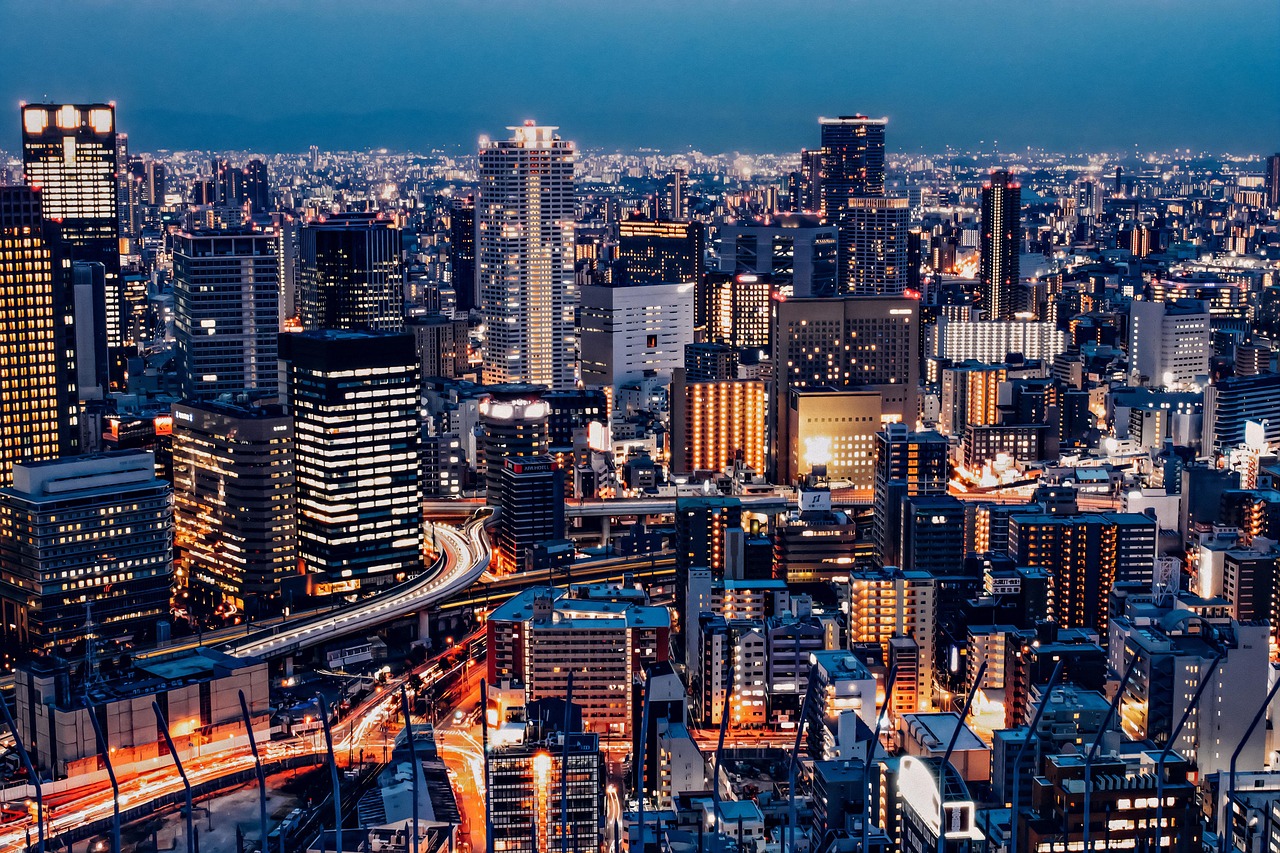
Guide to the Best Cities to Visit in Japan framed by skyline views across distinct regions
If you’re looking for a guide to the best cities to visit in Japan for a first trip to Japan, it helps to think in regions rather than a single highlight reel. Japan is a destination of contrasts: coastal calm and mountain hush, neon streets and temple courtyards, contemporary galleries and centuries-old craft. When you understand the regions of Japan—on Honshu and beyond—you can uncover the city in Japan that matches your style, pace, and passions.
For most travellers, the core triangle of Tokyo, Kyoto, and Osaka offers Japan’s best blend of modern icons, timeless culture, and playful appetite. This route also keeps travel beautifully efficient, so your days feel crafted and your evenings feel unhurried. From there, it’s easy to create personal extensions: Hiroshima and Miyajima for depth, Nara for gentle wonder, Himeji for samurai-era grandeur, Kanazawa for artistry, or Hokkaido for seasonal nature and restoration.
Japan travel made simple with a core triangle of cities
Tokyo, Kyoto, and Osaka are popular cities for a reason: each delivers a distinct texture, yet they connect smoothly by rail. Imagine arriving into Tokyo with its design-forward hotels and world-class dining, then slowing down in Kyoto’s temples and shrines, before finishing in Osaka where the night comes alive. With the bullet train as your backbone, travelling in Japan feels less like logistics and more like a seamless sequence of scenes.
If you’re planning to visit during peak seasons, timing becomes your quiet superpower. The best time to visit for many is spring (March to May) for cherry blossom, and autumn (September to November) for foliage—both are worth a visit for the atmosphere alone. Your ideal time to visit also depends on whether you want crisp city days, festival energy, or onsen escapes in cooler weather.
A mini Japan itinerary overview for 7, 10, and 14 days
Below is a calm overview to support planning a trip to Japan, without over-optimising. Think of it as a designer rhythm: a little structure, plenty of room for discovery, and enough space to breathe between famous places.
- 7 days: Tokyo (4) + Kyoto (2) + Osaka (1). Ideal for a first taste, with one evening designed for a special meal.
- 10 days: Tokyo (4) + Kyoto (3) + Osaka (2) + a day trip (1). Choose Nara or Himeji to add variety without adding stress.
- 14 days: Tokyo (5) + Kyoto (4) + Osaka (3) + Hiroshima and Miyajima (2), or swap in Kanazawa or Hokkaido depending on season.
For high-end travellers, comfort is often about smart positioning. Consider luxury ryokans or boutique hotels in central neighbourhoods, where expert concierge support and local insight make the whole Japan trip feel effortless. If you’d like inspiration for curated routes and refined stays, you can browse our Trip gallery and imagine what your own crafted journey could become.
In the chapters ahead, we’ll explore Japanese cities with reassurance and trust—so decisions feel designed, not rushed, and every place to visit opens into something personal.


Tokyo Luxury Travel Guide for the Best Places in Japan to Visit in Tokyo
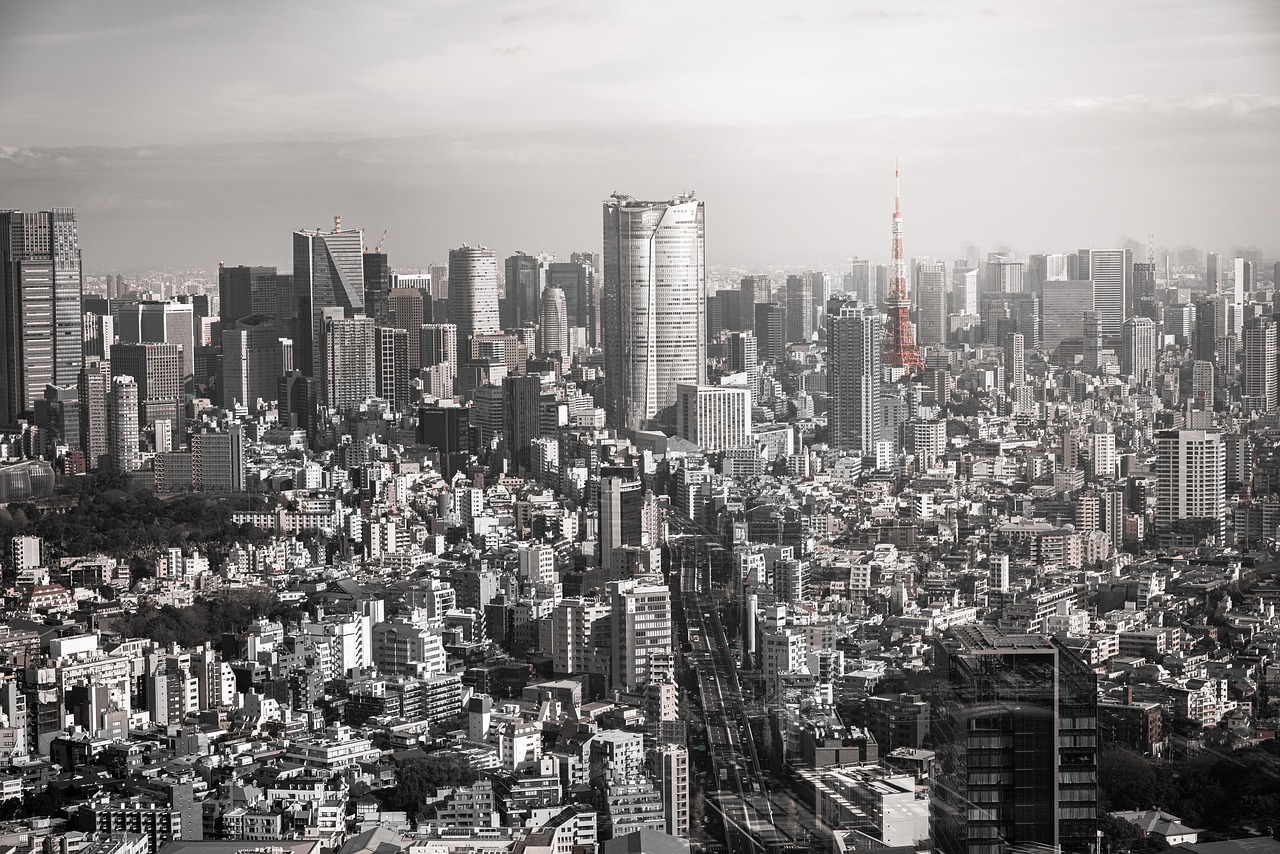
Tokyo the Capital of Japan for Modern Icons and Quiet Shrines at dusk
This Tokyo luxury travel guide focuses on the best places in Japan to visit in Tokyo, while keeping your experience calm, elegant, and full of discovery. Tokyo is the capital of Japan and the largest city in Japan, yet it’s defined by contrast: ultra-modern towers beside quiet shrine paths and neighbourhood rituals. Even a short trip to Tokyo can feel like stepping into the future—then turning a corner and finding a pocket of stillness.
Start by letting Tokyo introduce itself on its own terms: a skyline view, a street-level wander, and one sacred pause. The Meiji Shrine is a must, not just as an attraction but as a transition—woodland quiet right in the city’s pulse. It’s one of those places in Japan where your shoulders drop without you noticing.
Tokyo icons to discover from Meiji Shrine to Shibuya Crossing
For first-time visitors, a few moments anchor the city. Visit the Meiji Shrine early for a softer atmosphere, then head towards Shibuya Crossing around dusk when the lights come up and the city feels cinematic. If you love crafted detail, set aside time for a curated art-and-design wander: small galleries, architecture, and department-store basements where packaging is treated like an art form.
Ginza luxury shopping is its own form of theatre, and it rewards a slower pace. Rather than racing from boutique to boutique, choose a handful of maisons and Japanese designers, then pause for tea or a tasting menu. This is Tokyo at its most polished—quiet confidence, impeccable service, and beauty in the small things.
High-end Tokyo stays and dining with confidence in Shinjuku
A couple we know described their rooftop hotel stay in Shinjuku as the moment Tokyo truly clicked. They arrived to panoramic views, watched the city’s grid of light stretch into the distance, then settled into exclusive dining that blended traditional Japanese ingredients with modern gastronomy. Their chef’s tasting moved from delicate seasonal produce to pristine seafood, with each course explaining itself in flavour.
What they loved most was the feeling of trust: they’d chosen one special splurge, and it paid back in memory. Tokyo can be overwhelming, but when you design your days with intention—one standout hotel, one meaningful meal—the city becomes a series of crafted encounters rather than noise.
To keep things seamless, plan your visit to headline districts early in the day and reserve high-demand restaurants well ahead. Cash still matters in pockets of Tokyo, especially for small bars, shrine offerings, and older shops, even though major cards are widely accepted. And while tipping isn’t customary, careful etiquette—quiet voices on trains, calm queuing, respectful behaviour—supports a smoother experience everywhere.
When you crave calm, a day trip from Tokyo can be an elegant reset: scenery, fresh air, and a slower rhythm before returning to the city’s glow. Tokyo is huge, but your Tokyo story can be intimate if you let it unfold at your pace.
Kyoto Travel Guide for Temples and Shrines Fushimi Inari Arashiyama Bamboo
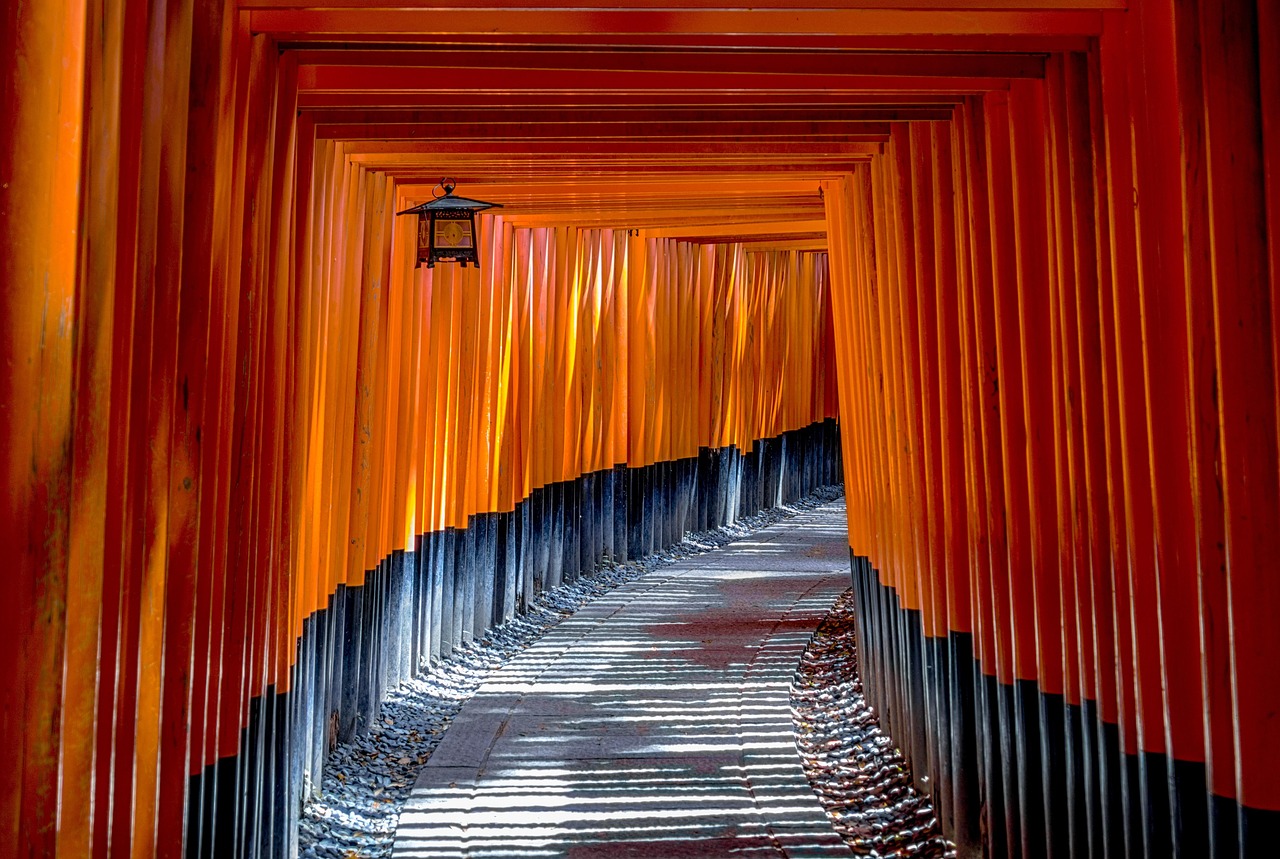
Kyoto Where Temples and Tea Houses Shape Timeless Beauty at Fushimi Inari
This Kyoto travel guide is designed around temples and shrines—with Fushimi Inari and the Arashiyama bamboo grove as essential anchors—while keeping the experience serene and personal. Kyoto is the classic counterpoint to Tokyo: a city where the pace softens, and where stone, paper, wood, and garden design feel like a living language. If Tokyo energises, Kyoto restores.
Begin with Fushimi Inari early, when the torii paths feel atmospheric rather than crowded. Then create space for unhurried garden strolls, where moss, raked gravel, and carefully framed views offer the kind of insight you can’t rush. Kyoto excels at this: making time feel more spacious than it is.
Temples and shrines in Kyoto at Fushimi and Arashiyama bamboo
Kyoto’s great gift is how it layers awe with quiet. A temple visit here isn’t only about the building; it’s also about the approach, the sound of gravel, the shift in light under eaves. After Fushimi, head towards Arashiyama for the bamboo grove, then step away from the main path when you can—Kyoto often rewards the second turn more than the first.
If you love creativity, pay attention to Kyoto’s design choices: imperfect ceramics, natural fibres, translucent paper, and gardens that feel composed like paintings. These details make Kyoto one of the best places to visit for travellers who want inspiration, not just photographs.
A private tea ceremony in a machiya for deeper cultural care
One high-end traveller shared an unforgettable experience attending a private tea ceremony in a Kyoto machiya. They described the room as quietly luminous: tatami underfoot, a single seasonal flower, and an ease that felt both intimate and formal. The ritual unfolded slowly, with each gesture carrying meaning—an entire philosophy of care in a simple bowl.
That experience changed how they explored Kyoto afterwards. Instead of collecting attractions, they began to look for atmosphere: the way a curtain moved in a doorway, the hush of a courtyard, the warmth of a greeting. When you book respectful access like this—privately, thoughtfully, with the right host—Kyoto becomes less of a museum and more of a conversation.
To avoid crowds without feeling like you’re racing, create a gentle structure:
- Early starts for iconic sites, especially major temple areas.
- Pre-booked time slots for premium experiences and sought-after tea houses.
- A calm mid-day reset back at your hotel or in a quiet café to keep the day seamless.
For variety, a day trip from Kyoto can be beautifully balanced. Nara offers a softer, open-air contrast, while Himeji adds heritage drama with minimal extra travel. It’s also an easy day trip from Kyoto if you time trains well and avoid the busiest midday window.
In many ways, Kyoto is the heart of tokyo and kyoto pairings: modern intensity on one side, timeless beauty on the other, held together by your own pace and trust in what you truly want to feel.
Osaka Nightlife Dotonbori Street Food Guide for High-end Travellers
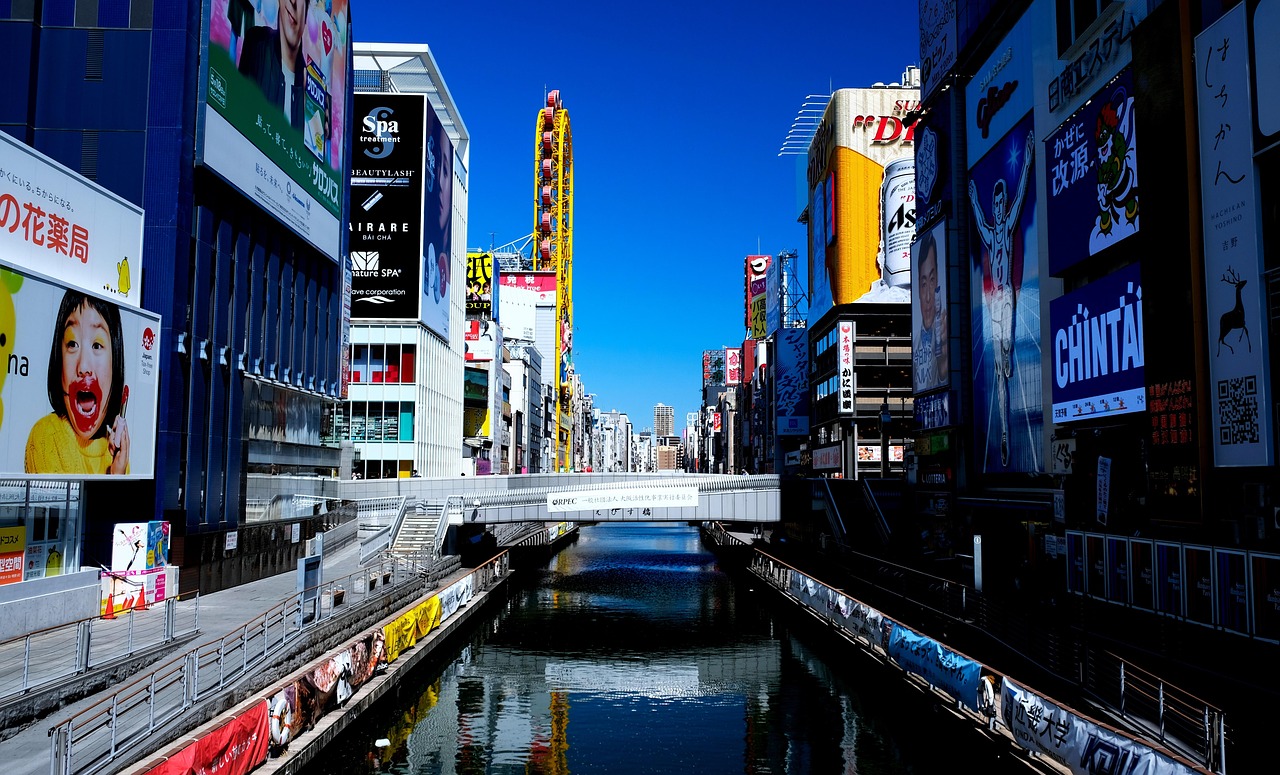
Osaka After Dark Food in Japan and Big-City Buzz in Dotonbori
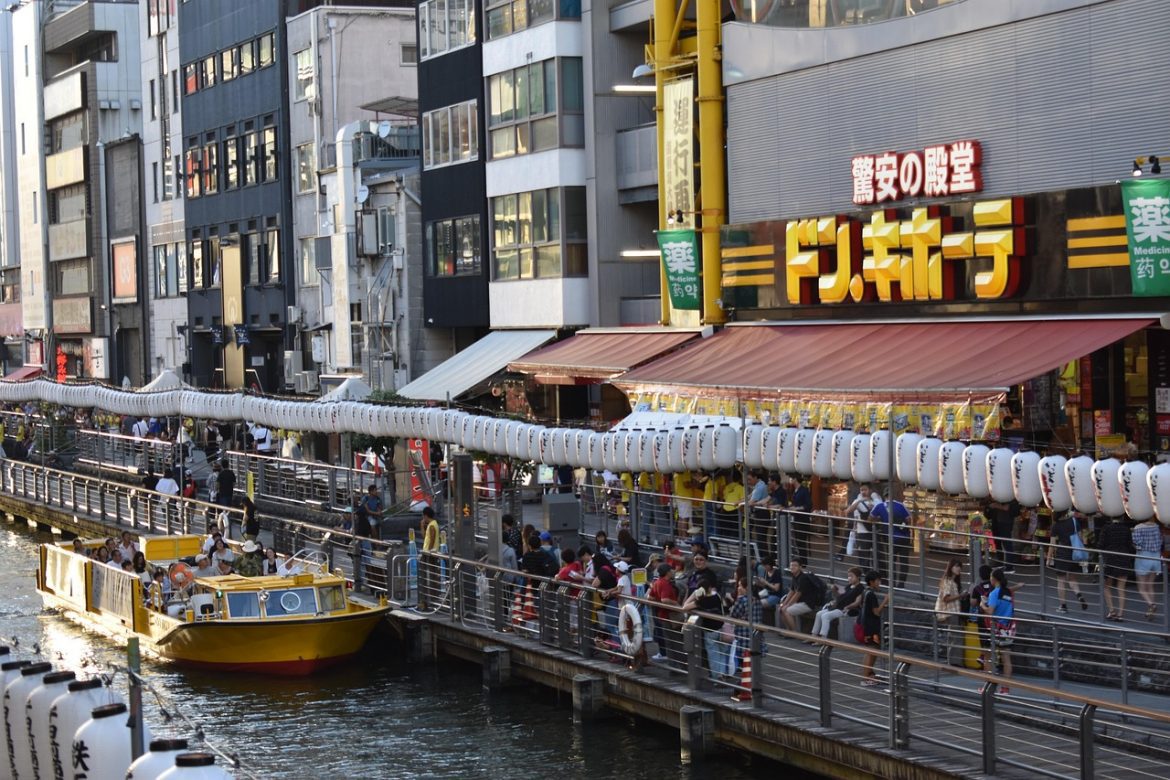
This Osaka nightlife and Dotonbori street food guide for high-end travellers is about energy with ease—so you can explore confidently, eat brilliantly, and still feel looked after. Osaka is one of the best cities to visit for appetite and atmosphere: neon reflections on the canal, laughter spilling from doorways, and a warmth that makes visitors feel welcomed rather than observed. It’s a city that doesn’t take itself too seriously, which can be wonderfully freeing after more formal days in Kyoto.
Begin with Osaka Castle to set a cultural baseline, then let the evening carry you towards Dotonbori. The best Osaka nights are a blend: a little structure, a little spontaneity, and plenty of local encounters in between.
Food in Japan after dark in Osaka and Dotonbori
A traveller once told us about their culinary adventure exploring Osaka’s street food scene by night. They started with takoyaki—hot, crisp, and molten in the middle—then moved on to okonomiyaki, watching it cook as conversations bubbled around them. What stayed with them wasn’t only the flavour, but the bonding with locals: small recommendations, shared laughter, and those tiny gestures of hospitality that make a city feel human.
To add a high-end twist, treat street food like a prelude rather than the entire evening. Choose a few bites from busy stalls, then transition to a reserved chef’s counter later, where seasonality and technique take centre stage. Osaka can be indulgent without being chaotic—when you design the flow.
Planning a trip to Japan with Osaka and Kyoto pairing and bullet train ease
Logistically, Osaka and Kyoto are an ideal pair, close enough to move between without friction. Many travellers stay in Kyoto for calm mornings and cultural afternoons, then slip into Osaka for a late dinner and a livelier night—an elegant two-city rhythm. If your route is Tokyo and Osaka, the bullet train creates a sleek cross-country line that feels almost too easy, especially with reserved seats and a light luggage strategy.
Explore with confidence by using simple hygiene cues: pick stalls with high turnover, watch for gloves or clean utensils, and carry hand sanitiser. Remember that tipping isn’t part of the culture; instead, show respect by queuing calmly, keeping voices low, and returning trays where asked. These small acts of care build trust quickly, and Osaka responds warmly.
By the end of an Osaka evening, you’ll likely feel what makes it special: a big-city buzz that still makes room for personal moments—your favourite stall, a quiet side street, a conversation you didn’t expect.
Cities to Visit in Japan Itinerary Add-ons Hiroshima Nara Hokkaido Kyushu
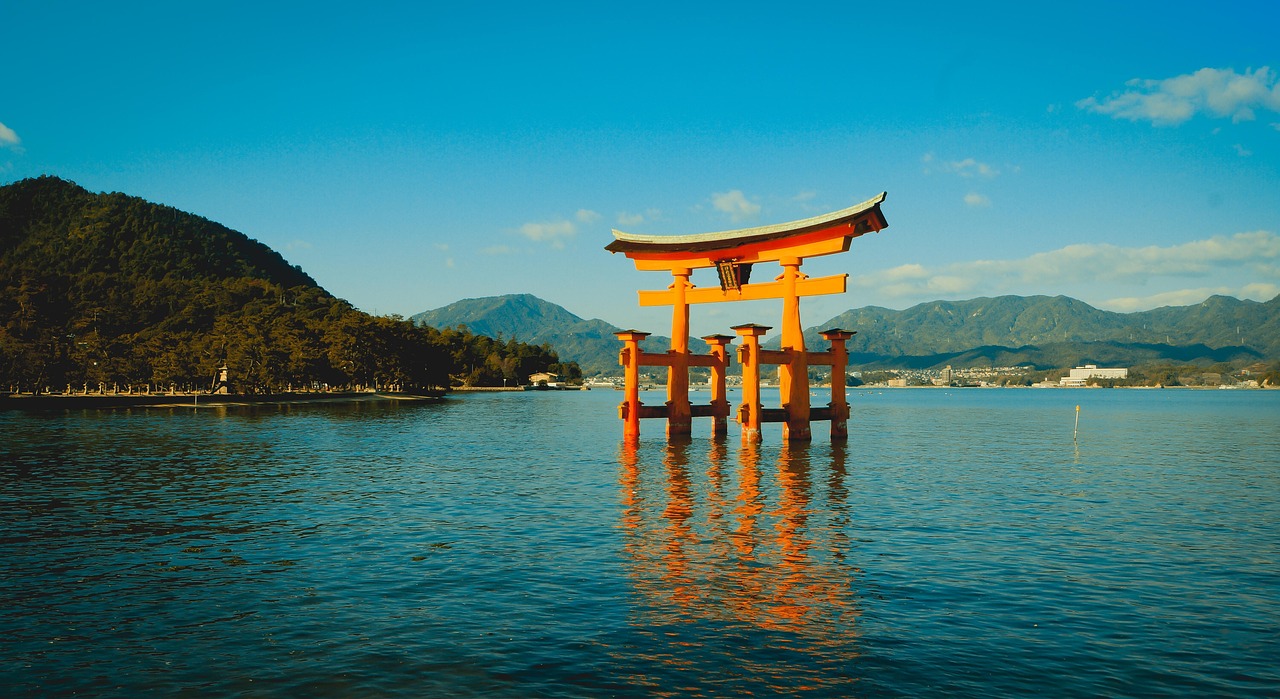
More Cities to Explore Beyond Tokyo Kyoto and Osaka including Hiroshima and Itsukushima
If your itinerary allows, these cities to visit in Japan itinerary add-ons—including Hiroshima, Nara, Hokkaido, and Kyushu—help you create a journey that feels uniquely yours. Tokyo, Kyoto, and Osaka form the foundation, but the most captivating cities often appear when you design one thoughtful extension that matches season, mood, and interests. This is where Japan’s best surprises can quietly unfold.
Think of add-ons as texture. A reflective day can sit beside a playful one; nature can balance cities; a hot spring night can restore you between museums and markets. The goal isn’t more boxes ticked—it’s a better shape to the days.
Hiroshima and Miyajima across the Seto Inland Sea
Hiroshima offers depth and perspective, and many travellers find it becomes one of the most meaningful places to visit in Japan. Begin with the Peace Memorial area (including the peace memorial itself) as a reflective pause—quiet, respectful, and thoughtfully presented. Without overloading your day, allow time for stillness; it’s part of the experience.
Then pair Hiroshima with Miyajima for a change in light and mood. The approach towards Itsukushima Shrine, set against the Seto Inland Sea, can feel almost dreamlike—an image that stays with you long after you leave. This pairing is also a UNESCO World Heritage site experience that doesn’t require you to rush; it invites you to move gently and pay attention.
Hiroshima is also easy to fold into a longer route, particularly if you’re already moving along Honshu by rail. As an extension, it adds emotional range to your trip—proof that beauty and history often sit side by side.
Hokkaido and Sapporo with onsen and hot spring restoration
For northern contrast, Hokkaido delivers cooler air, open landscapes, and a different culinary identity. Base in Sapporo for markets and food—fresh seafood, dairy, and seasonal produce—then step out to nature when you want space. If your time to visit aligns with winter, the atmosphere becomes crisp and restorative; in summer, it can feel like an exhale.
To make the experience feel truly high-end, include an onsen stay or a hot spring night where you can reset your body and mind. The quiet routine—bathing, a simple dinner, deep sleep—can be the most luxurious memory of all, especially when your journey includes multiple cities.
Other refined choices depend on what you want to uncover. Nara is a gentle half-day, with temples and deer encounters that feel charming rather than staged. Himeji is heritage at its most dramatic, and it’s often best visited as a day trip timed for early arrival, before the midday surge. Kanazawa adds artistry and gardens, while Nagoya can be a practical, comfortable stop for travellers transiting without needing to over-plan.
For southern Japan, Kyushu offers volcanic landscapes, slower-living destinations in Japan, and a sense of space that contrasts beautifully with Tokyo. Choose it when you want nature, warmth, and a quieter kind of discovery.
If you’re unsure which add-on fits, use this simple lens (and keep it personal):
- For reflection: Hiroshima + Miyajima.
- For craft and gardens: Kanazawa.
- For nature and restoration: Hokkaido (Sapporo + an onsen).
- For heritage drama: Himeji, visited as a day trip.
However you design it, these destinations in Japan can turn a strong itinerary into a story that feels unmistakably yours—crafted with care, not speed.
After Japan What Stays With You Japan travel reflection personal journey
Long after you return, what often lingers isn’t a checklist of best places, but the atmosphere you carried through each day. The soundscape of a shrine approach—footsteps on gravel, a soft bell, a pause before a threshold—can return to you at unexpected moments. You may remember the hush of a temple courtyard more clearly than any photograph, and how your mind learned to settle there.
There’s a gentle confidence that comes from moving through Japan with respect and care, from understanding that politeness is its own kind of language. The way you queued, the way you spoke softly on trains, the way you accepted service with gratitude—these small gestures become part of your personal journey. They are also a form of trust: in the place, and in your ability to meet it well.
And perhaps what stays with you most is how the journey felt designed around your pace. Modern Tokyo, timeless Kyoto, and playful Osaka were not just stops, but moods—woven together until the travel itself felt seamless. You might find that you now seek the same balance at home: energy and quiet, beauty and meaning, discovery and rest.
In time, you may imagine returning not to chase more famous places, but to uncover a new layer—another season, another neighbourhood, another small moment that waits patiently to be noticed. Japan has a way of keeping a door open, softly, for whenever you feel ready to step through again.
F.A.Qs: Best cities to visit in Japan
What are the top 5 cities to visit in Japan?
For most travellers, the top five include Tokyo, Kyoto, Osaka, Hiroshima, and either Kanazawa or Sapporo depending on season. This mix balances modern energy, cultural heritage, food, and a deeper historical perspective. If you’re short on time, Tokyo, Kyoto, and Osaka alone deliver an exceptional first journey with minimal travel friction.
What is the prettiest city in Japan?
“Prettiest” is personal, but Kyoto is often the standout for timeless beauty—temples, gardens, traditional streets, and refined design details. Kanazawa can feel equally lovely for those drawn to artistry and calm. If you prefer natural scenery and crisp air, parts of Hokkaido near Sapporo can be breathtaking in winter and summer alike.
Is $5000 enough for a week in Japan?
$5000 can be enough for a week, but it depends on your hotel style, dining choices, and whether you’re using premium rail and private experiences. For high-end travellers, $5000 may cover a comfortable mid-to-upper range trip with a few standout splurges, but true luxury hotels, private guides, and top-tier dining can push costs higher quickly.
What three cities should I visit in Japan?
Tokyo, Kyoto, and Osaka are the classic trio and a beautifully balanced starting point. Tokyo brings modern icons and design-led experiences, Kyoto offers temples and cultural depth, and Osaka adds nightlife and a joyful food scene. They connect easily by rail, making the route smooth for first-timers who want both comfort and variety.