Post Contents
- Vietnam attractions travel guide: design a luxury Vietnam itinerary with the 15 best places to visit in Vietnam
- Hanoi luxury experiences: the capital of Vietnam, refined culture, and rooftop dining
- Ha Long Bay and Lan Ha Bay: luxury cruises, limestone karsts, and calm waters near Cat Ba Island
- Ninh Binh and Sapa: favorite places for rice terraces, limestone valleys, and a private day trip from Hanoi
- Central Vietnam to southern Vietnam: Hoi An, Da Nang beach days, Phong Nha cave adventures, Ho Chi Minh City, and the Mekong Delta
- After Vietnam: what stays with you when you visit Vietnam from north to south
- F.A.Qs: Vietnam attractions and travel planning
Vietnam attractions travel guide: design a luxury Vietnam itinerary with the 15 best places to visit in Vietnam
Vietnam luxury travel guide with curated Vietnam attractions and a refined itinerary
If you’re searching for a places to visit in Vietnam travel guide luxury itinerary, it helps to picture Vietnam as a beautifully curated corridor—moving from the northern highlands and capital, through central Vietnam’s coastline, and into southern Vietnam’s river life and city energy. This is the kind of journey where a discreet expert hand can support the details, so you can explore confidently and still leave space for the personal moments that make a trip to Vietnam unforgettable. In this Vietnam travel framework, you’ll find both the headline icons and the quieter, design-led experiences.
Rather than racing, imagine a north to south route that balances the main attractions with softer edges: a slow morning by the water, a calm museum hour, a crafted meal, and a spa reset before the next chapter. If you’re short on time, a well-paced Vietnam itinerary can still include one of the best places for design and culture in Southeast Asia—without feeling like a checklist of things to do in Vietnam. It’s the smartest way to plan the 15 best highlights while keeping your days genuinely enjoyable, not rushed.
Best time to visit Vietnam: weather, seasons, and how they shape your days
The best time to visit is typically October to April, when conditions are kinder for city stays, bay cruises, and beach interludes. In the north, cooler air suits walking-led explorations and cave adventures; in central Vietnam, you can build evenings around riverside dining; and in the south, warm days make early starts in the delta feel natural rather than demanding.
Seasonality also affects photography and comfort: soft winter light flatters limestone seascapes, while drier days make it easier to explore temples with unhurried care. If you’re planning around festivals or school holidays, booking early protects your preferred suite, local guide, and dining times—especially when you want privacy and calm.
Vietnam visa, travel insurance, and a seamless start for a luxury trip
For most travellers, the reassuring baseline is simple: check your Vietnam visa requirements early, and pair that planning with travel insurance that matches how you actually travel—private drivers, curated boat experiences, and higher-value belongings. Done well, it’s not paperwork; it’s trust built in advance, so you can relax once you land and focus on the experience.
Comfort is a way to travel here. Consider VIP meet-and-greet at Noi Bai International Airport, private transfers between top places, or even chartered flights if you’re stitching together cities like Hanoi with coastal and countryside stays (think cities like Hanoi, but with completely different landscapes). Many boutique hotels add a concierge who can secure reservations, manage timings, and quietly create a smooth rhythm from arrival to departure—one of the best ways to protect your time.
Before we step into specific attractions in Vietnam, it’s worth setting the “15 best” mindset. For high-end travellers, the best places to visit aren’t just popular; they’re defined by privacy, design, service, authenticity, and local care—moments you can’t replicate on your own, and that you’ll still feel weeks later. This is also where you choose your places to go: fewer stops, better pacing, and more meaningful time on the ground. If you’d like visual inspiration as you begin to design, explore our Trip gallery.
- Top tips for a refined route: keep travel days short, and add one slow morning after every flight or long drive.
- Comfort-first pacing: prioritise two-night stays where possible, especially in Hanoi and on the bay.
- Quiet luxury choices: choose properties with a strong concierge, spa capability, and discreet service.


Hanoi luxury experiences: the capital of Vietnam, refined culture, and rooftop dining
Hanoi luxury experiences with culture, design hotels, and skyline dining
To experience Hanoi luxury experiences Old Quarter rooftop bars Michelin-starred restaurants in one elegant sweep, begin by letting Hanoi reveal itself at two speeds. In the Old Quarter, the bustle is energising—street scenes, tiny storefronts, and the soft choreography of daily life—yet a short walk can return you to stillness by Hoan Kiem Lake at sunset.
This city in Vietnam rewards travellers who enjoy contrast: heritage architecture and contemporary design, quick espresso stops and long, candlelit dinners. It’s also a wonderful place to learn more about Vietnamese culture with supportive, local insight—especially when your hotel curates introductions rather than leaving you to guess what’s worth your time.
High-end culture in Hanoi: galleries, tea rituals, and Vietnamese storytelling
Beyond the obvious museums, ask your concierge for upscale art galleries that offer private viewings or after-hours access. One of the most meaningful ways to explore is a boutique-hotel-led gallery walk that supports living artists—an experience that feels crafted, not commercial, and a genuine top sight for design-minded travellers.
A guest once shared how an exclusive gallery visit became unexpectedly personal. Between exhibitions, the group paused for a traditional Vietnamese tea ceremony, and conversation unfolded gently—about colour, symbolism, and what modern Vietnam is becoming. Friendships formed not because it was staged, but because it was designed with care and a confident willingness to slow down.
Where to dine and drink in Hanoi: Michelin-starred restaurants, rooftop bars, and a standout place to eat
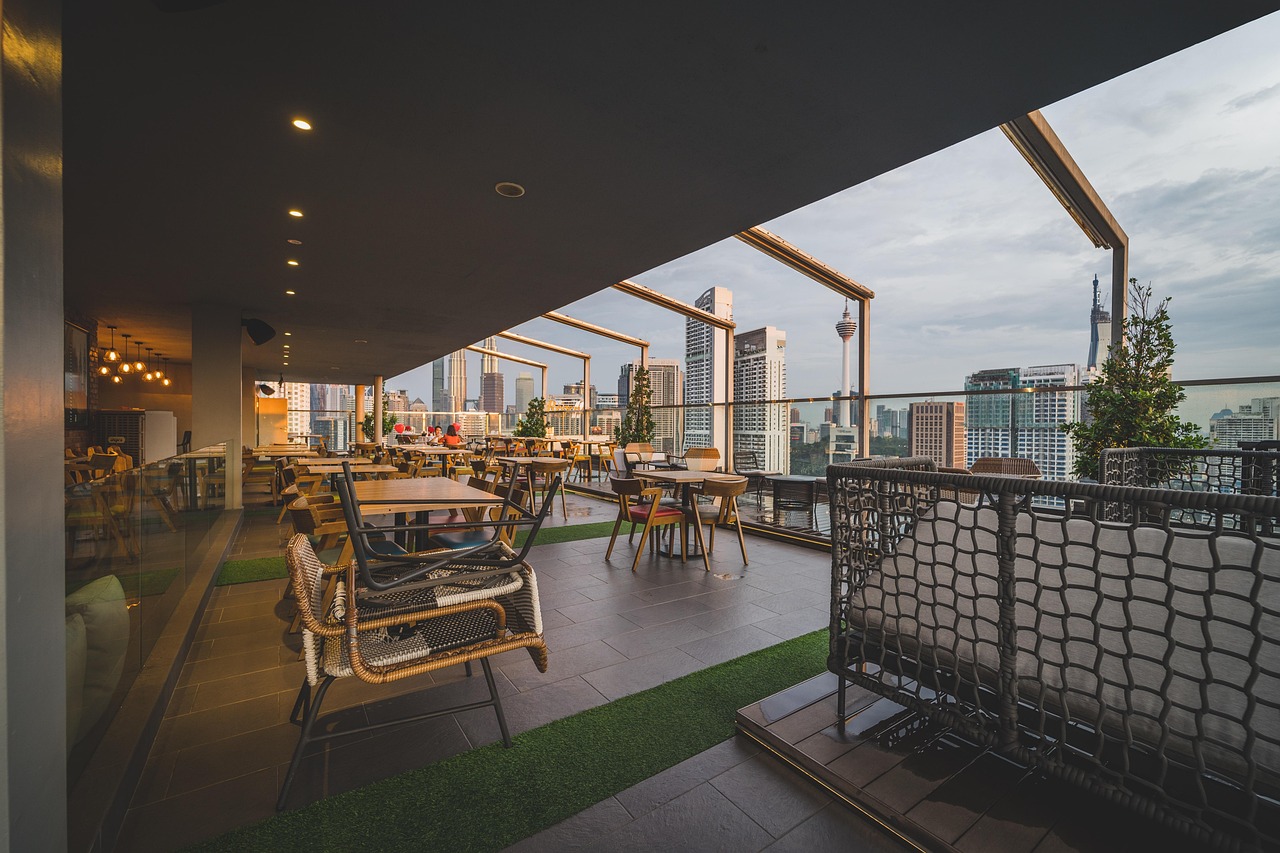
Hanoi’s fine dining scene is sophisticated, and advance planning is a quiet advantage. Look for Michelin-starred restaurants and chef’s tables where seasonal menus are paired with thoughtful wine service, then finish with skyline views from rooftop bars that feel polished rather than loud—an easy “don’t miss” for a special night.
Practical polish matters here. Reserve ahead, especially on weekends, and pack one smart outfit for evenings—some venues have a discreet dress code. When visiting a pagoda or temple, choose modest clothing and move calmly; tipping is appreciated but not obligatory, and a small gesture offered with warmth is always received well.
Ha Long Bay and Lan Ha Bay: luxury cruises, limestone karsts, and calm waters near Cat Ba Island
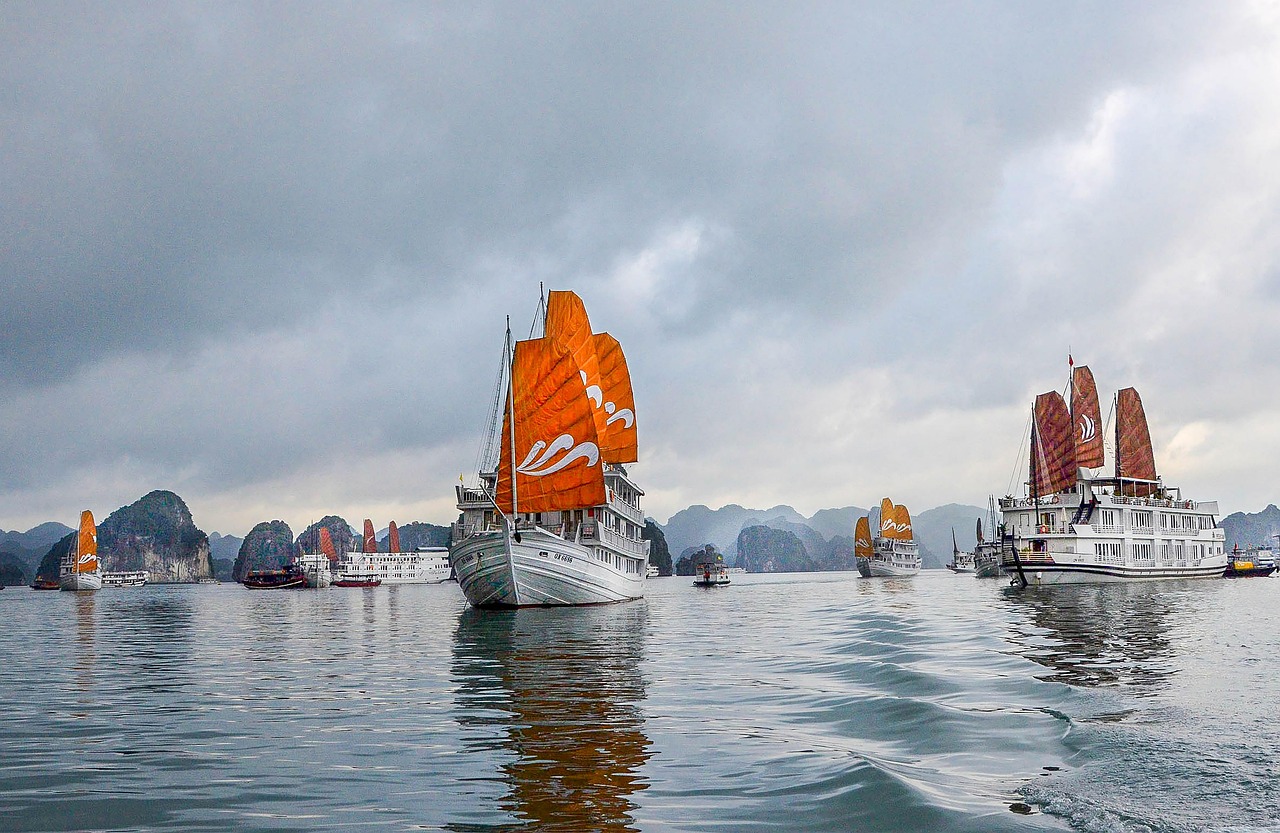
Luxury cruises across iconic bays and limestone landscapes
For travellers comparing a Ha Long Bay luxury cruise Lan Ha Bay Cat Ba Island limestone karsts route, the first truth is simple: Ha Long Bay is breathtaking in person. Towering limestone rises from emerald waters, and the sense of scale is almost surreal—especially when you’re viewing it from a calm deck with attentive service in the north.
A true luxury junk boat experience isn’t defined by décor alone, but by rhythm. Think private dining on a quieter upper deck, a spa treatment timed after kayaking, and personalised service that anticipates your preferences without being intrusive. This is one of those Vietnam attractions where the right ship and crew quietly transform the entire atmosphere into something restorative.
Lan Ha Bay and Cat Ba Island: a quieter route to get away from the crowds
The iconic seascape (often searched as Halong Bay) is famous for a reason, but Lan Ha Bay can feel more intimate—ideal if you want to get away from the crowds while keeping the same limestone drama. Routes that include Cat Ba Island often add sheltered coves and gentler kayaking, with more opportunities to linger rather than queue.
For an even wider lens on the region, ask about Bai Tu Long Bay and select long bay viewpoints that catch the last light. These variations can feel like a hidden gem for travellers who value quieter water and less traffic, while still staying close to the classic scenery of this UNESCO World Heritage site.
Day tour vs overnight boat trip: best hours to visit, boat rides, and what you’ll remember
One traveller described their overnight luxury cruise as the highlight of their Vietnam trip. The sunrise was the moment that stayed: a soft, pale wash over the bay, coffee in hand, and a hush that felt almost private. Their concierge designed the timings so the morning felt unhurried—yoga on deck for those who wanted it, and a slower breakfast for everyone else.
When deciding between a day tour and an overnight boat trip, consider what you want to feel. A day tour captures the scenery, but an overnight gives you the bay’s quieter mood before and after the crowds. For photographers, early morning and late afternoon are often the best hours to visit; your crew can suggest the ideal boat ride to visit the most scenic stretches with minimal wake and a calmer anchorage.
- Choose a day tour if: you’re short on time and want a single, well-managed outing from Hanoi.
- Choose an overnight if: you want sunrise, starlight, spa time, and a genuinely personal pace.
- Book early if: you’re travelling October to April, or want a specific suite, route, or private dining setting.
Ninh Binh and Sapa: favorite places for rice terraces, limestone valleys, and a private day trip from Hanoi
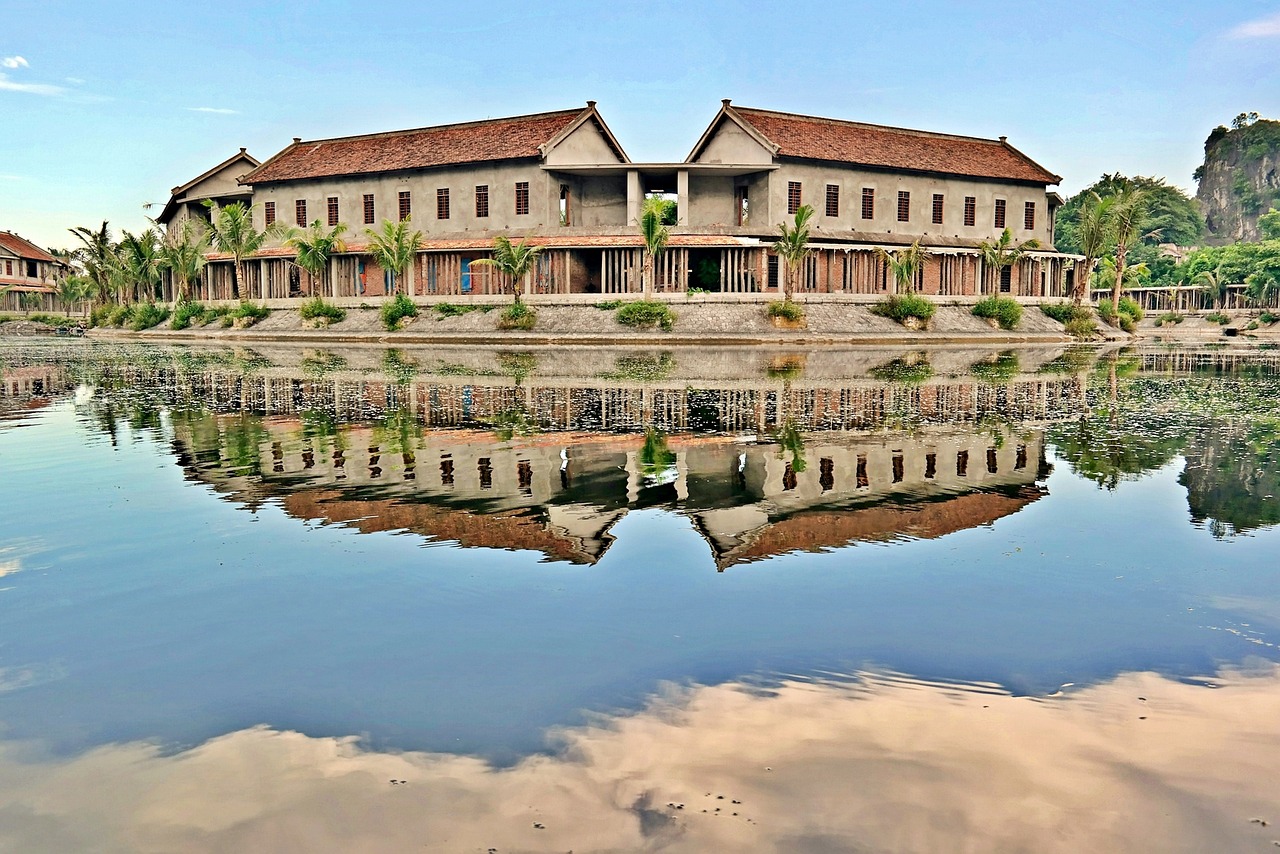
Slow northern landscapes: rivers, karsts, and mountain air
If your notes include Ninh Binh day trip Sapa rice terraces luxury northern Vietnam, you’re already thinking like a traveller who wants more than the headline sights. Ninh Binh makes an elegant day trip from Hanoi, with serene waterways framed by limestone formations that feel almost painted—especially in the first light of morning.
Arrive early with a private driver and guide, and the experience shifts from busy to beautiful. A gentle boat ride through karst valleys is the centrepiece, followed by a temple or pagoda visit where modest dress is both respectful and quietly practical in the heat.
Ninh Binh highlights: boat rides, temples, and how to keep it peaceful
It’s easy to see the popular viewpoints and still miss the softness between them. The difference often comes down to timing and support: early departures, a calm dock choice, and a hotel that can arrange a day trip with a driver who understands pacing and privacy.
These choices aren’t about exclusivity for its own sake; they’re about care for the place and for your own energy. When you travel this way, you don’t just look—you uncover, and the attraction becomes personal.
Sapa rice fields and rice terraces: what to pack and the right style of adventure
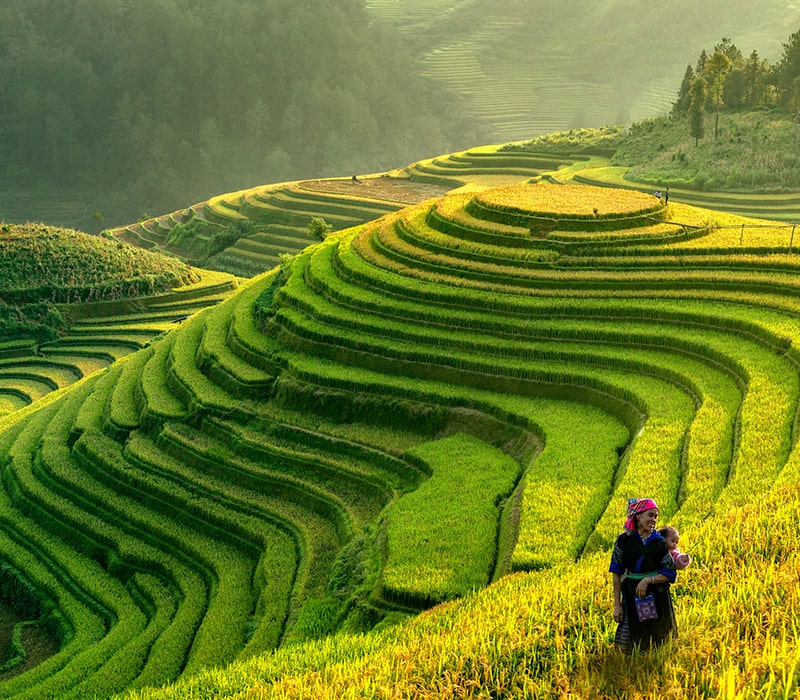
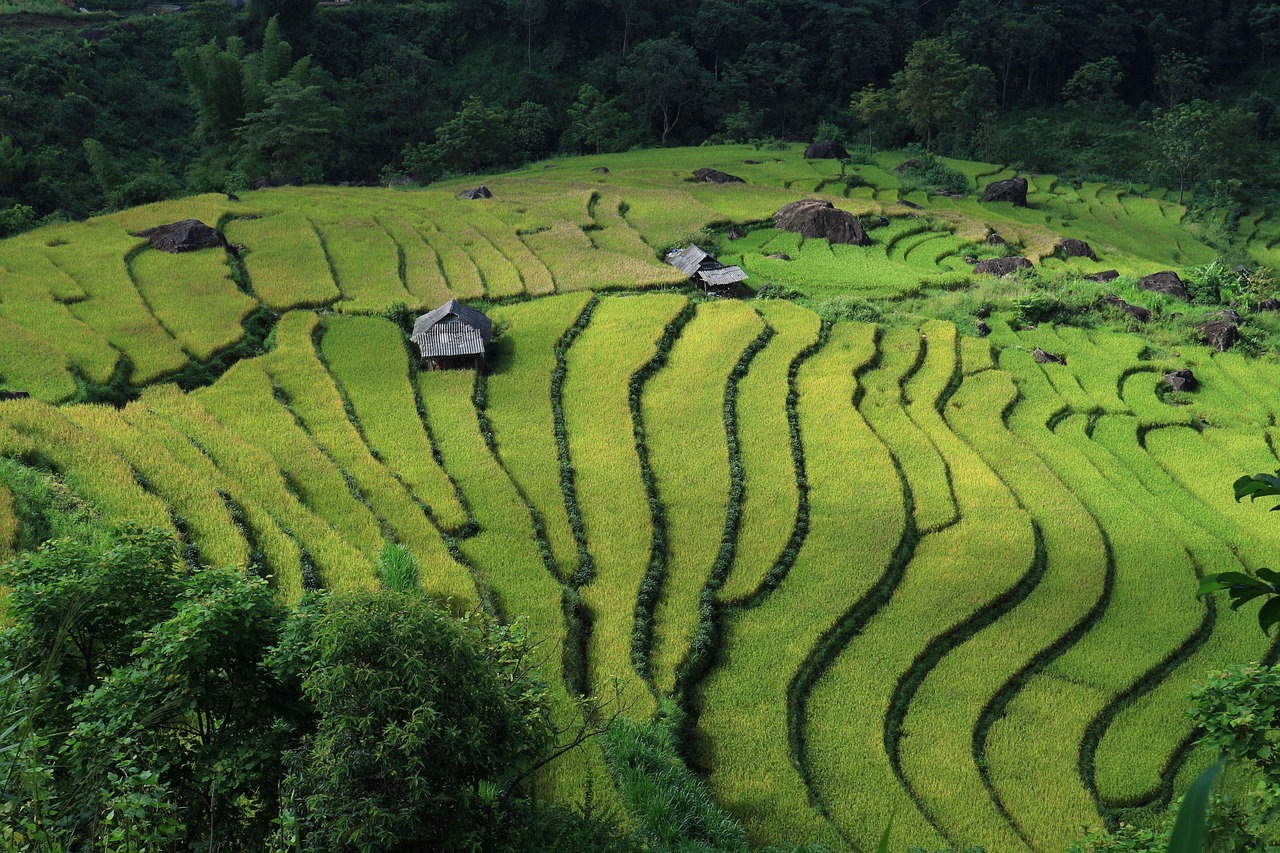
Sapa is a different kind of beauty: layered rice fields and rice terraces that change colour with the season. Go when temperatures are comfortable, and pack for shifting conditions—light layers, good walking shoes, and a waterproof shell that doesn’t feel bulky in your day bag.
For exploration, choose comfort without losing connection. A chauffeured scenic loop offers wide views with minimal effort, while a motorbike day tour can be arranged for confident travellers with safety-first planning, helmets, and support. Either way, the most rewarding moments often come from respectful encounters and quiet observation—mountain Vietnam at a slower, more human pace.
These become favorite places not because they’re loud, but because they’re spacious. And that spaciousness is where perspective changes.
Central Vietnam to southern Vietnam: Hoi An, Da Nang beach days, Phong Nha cave adventures, Ho Chi Minh City, and the Mekong Delta
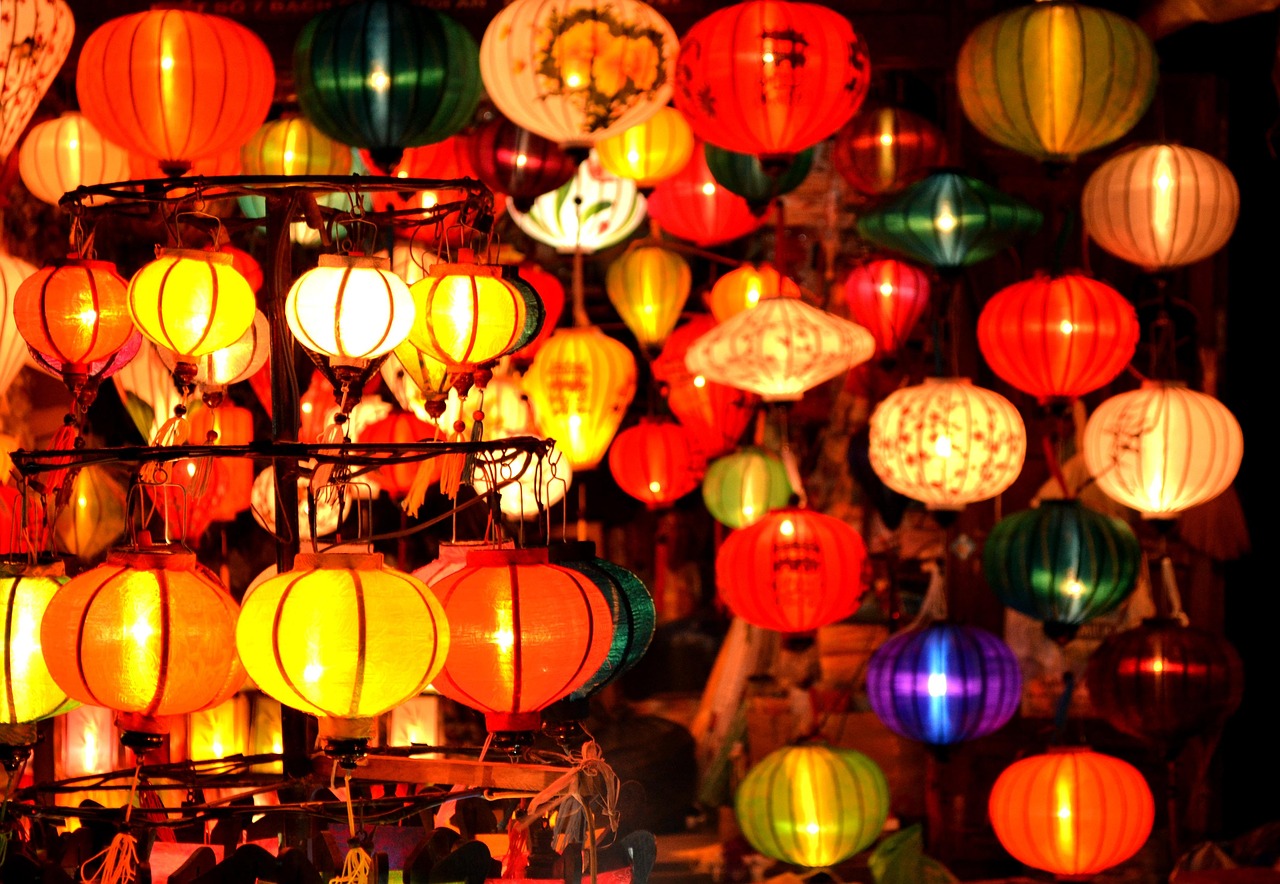
From lantern-lit towns to river mornings: a luxury route across Vietnam
When you map Hoi An Da Nang beach Phong Nha cave Ho Chi Minh City Mekong Delta luxury into one route, you begin to feel Vietnam’s creative range. Central Vietnam offers romance and craft; southern Vietnam adds modern energy and history. The key is to design transitions that stay seamless, so every new setting feels like a fresh page rather than a logistical task.
This is where thoughtful planning is a form of comfort. With private transfers, well-timed flights, and a concierge who confirms the small details, you move through top attractions with ease—leaving more room for discovery and the best kind of spontaneity.
Hoi An: ancient town lantern nights, riverside dining, and a bespoke tailor experience
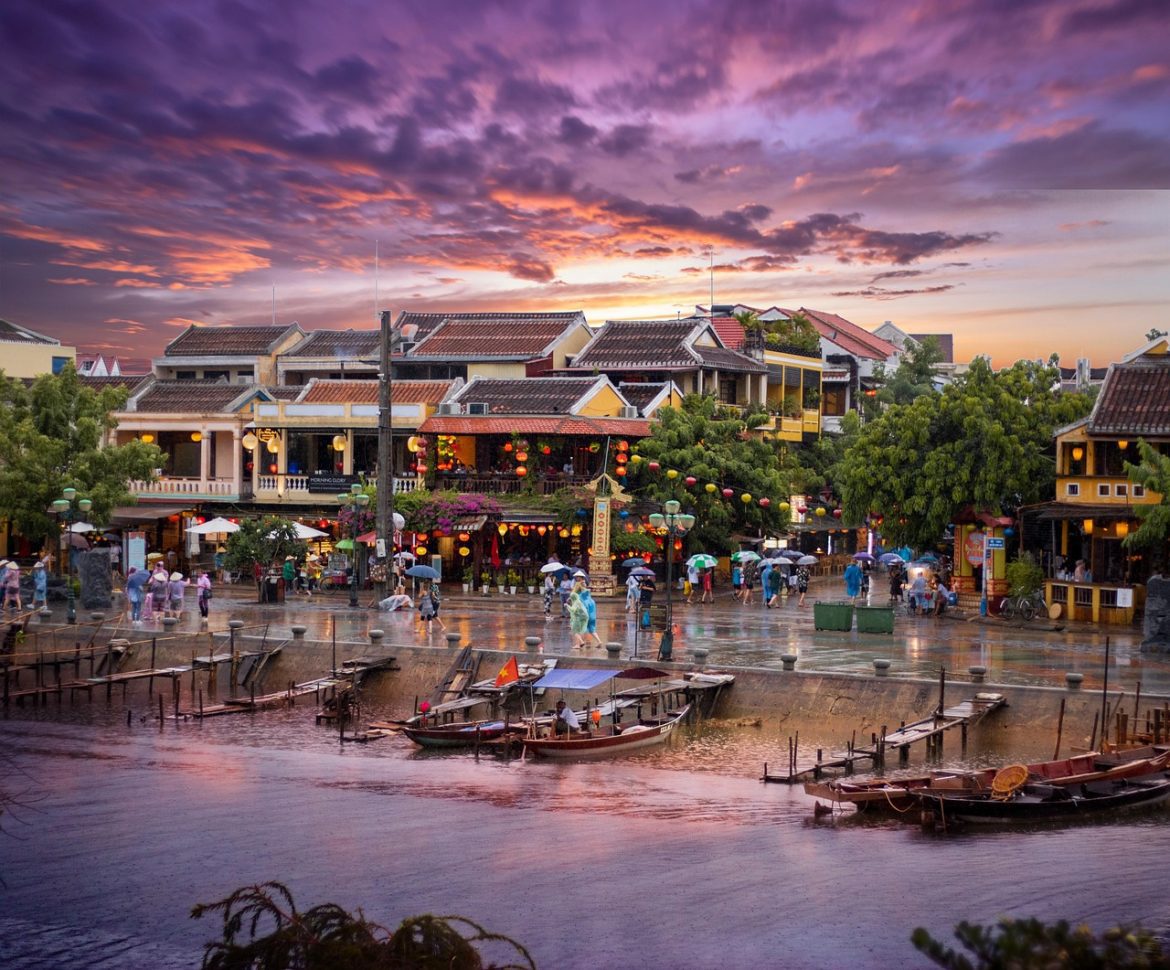
In Hoi An, explore the ancient town after dark, when lantern light turns the streets into a warm glow. Riverside dining feels cinematic, and even a short walk can feel like stepping into a story—gentle music, soft reflections, and a relaxed pace that invites you to linger.
A visitor once described a bespoke tailor appointment that became their most cherished souvenir. The tailor listened carefully, sketched a few options, and sourced fabric that suited both the climate and the traveller’s style. Within 24 hours, the custom garment was ready—fitted, finished, and imbued with the memory of being seen and understood.
To make this experience feel truly crafted, plan two fittings, arrive with reference images, and choose details you’ll actually wear at home. High-end travellers often love subtle touches: a silk lining, a hidden monogram, or a silhouette that moves beautifully in warm weather.
Da Nang beach, Phong Nha cave comfort, and Ho Chi Minh City with the Cu Chi Tunnels
After Hoi An, Da Nang is your exhale. A refined beach resort, spa-led recovery, and quiet mornings make a perfect counterpoint to walking-heavy days. Keep your schedule light, and let your body catch up—this is the kind of beach time that makes the rest of the journey feel better, not just fuller.
For adventure with reassurance, consider Phong Nha in a national park setting. A cave experience can be tailored to ability and confidence, with private access timings where possible and guides who prioritise safety and calm. The right team turns uncertainty into ease, and the memory becomes wonder rather than effort.
In southern Vietnam, Ho Chi Minh City brings a sleek, contemporary pulse—modern design hotels, cocktail bars, and museums that add context. Many travellers plan Hanoi and Ho Chi Minh in one itinerary to understand the country’s contrasts, from historic lanes to modern boulevards.
If the Cu Chi Tunnels are on your list, visit with respect and context. These are tunnels used in wartime, and today they’re presented as a place of learning rather than spectacle; a good guide will keep the tone grounded and human while explaining how daily life was sustained underground.
Finally, soften the pace in the Mekong Delta. Start at a floating market before the heat rises, then drift into smaller waterways for a relaxed boat ride that feels like a return to quiet. If you’d like, you can visit the Mekong and continue onwards to Phu Quoc for an easy beach finish and a gentle reset at the end of your Vietnam trip. As an alternative coastal stay, Nha Trang can suit travellers who want another stretch of sand within a broader Vietnam trip, especially if your flight routing makes it a natural fit.
- Reservations: book top restaurants, a tailor, and any private cave timing well ahead in peak season.
- Transfers: private drivers between Hoi An and Da Nang keep the day effortless; flights help protect your time further south.
- Etiquette: modest clothing for sacred sites, and a calm greeting style helps you move through Vietnam with ease.
After Vietnam: what stays with you when you visit Vietnam from north to south
If you came searching for visit Vietnam reflections designer journey, what you may carry home isn’t a list of places to travel, but a feeling—light, sound, and human connection woven together. You might remember limestone turning silver at dawn, or the way lantern light sat on water as if it had always belonged there. You might recall a handover of tea in Hanoi, or a quiet smile from a Vietnamese host who seemed to sense exactly when you needed space.
There’s a particular confidence that comes from being supported by expert planning and genuine care. Comfort, when it’s thoughtfully designed, becomes more than luxury; it becomes time—time to notice, to ask better questions, to listen without rushing. In that space, Vietnam tourism stops being an industry and becomes something shared, together, in small and respectful ways.
And perhaps that’s what stays: not only the attraction of a famous view, but the soft shift in your way to travel afterwards. A little more patience. A little more curiosity. A little more trust in the value of slowing down.
When you think back—years from now—what will you remember most: the moment you arrived, or the quiet moment you finally felt you’d arrived within yourself?
F.A.Qs: Vietnam attractions and travel planning
What is the number one tourist attraction in Vietnam?
For many travellers, Ha Long Bay is considered the number one tourist attraction in Vietnam, thanks to its dramatic limestone formations and emerald waters. High-end travellers often elevate the experience with an overnight luxury cruise that includes personalised service, refined dining, and calmer sunrise viewing away from the busiest hours.
Is $1000 enough for 2 weeks in Vietnam?
$1000 can be enough for 2 weeks in Vietnam for budget travel, but it’s unlikely to cover a high-end style with boutique hotels, private transfers, and fine dining. Luxury experiences such as a bay cruise, concierge-led tours in Hanoi, and bespoke tailoring in Hoi An usually require a higher budget, especially in peak season.
What is a must visit in Vietnam?
A must visit in Vietnam depends on your style, but many travellers prioritise a bay cruise for scenery, Hanoi for culture and dining, and Hoi An for its lantern-lit evenings and craft traditions. For a softer, nature-led finish, the Mekong Delta at dawn adds atmosphere and a slower pace that balances the cities.