Post Contents
- Jiuzhaigou National Park travel guide China and the valley that calls you in
- Best time to visit Jiuzhaigou, Chengdu to Jiuzhaigou travel tips for a seamless arrival
- Jiuzhaigou Valley’s Five Flower Lake and Mirror Lake in China are famous for their mirror-still mornings.
- Jiuzhaigou waterfall, Pearl Shoal, Nuorilang scenic valley hike through Shuzheng and Rize Valley.
- Tibetan villages Jiuzhaigou tour local culture giant panda golden monkey insight
- F.A.Qs: Jiuzhaigou Valley National Park in China
- Jiuzhai Valley personal reflection China valley journey
Jiuzhaigou National Park travel guide China and the valley that calls you in
Jiuzhaigou National Park and the valley that calls you in
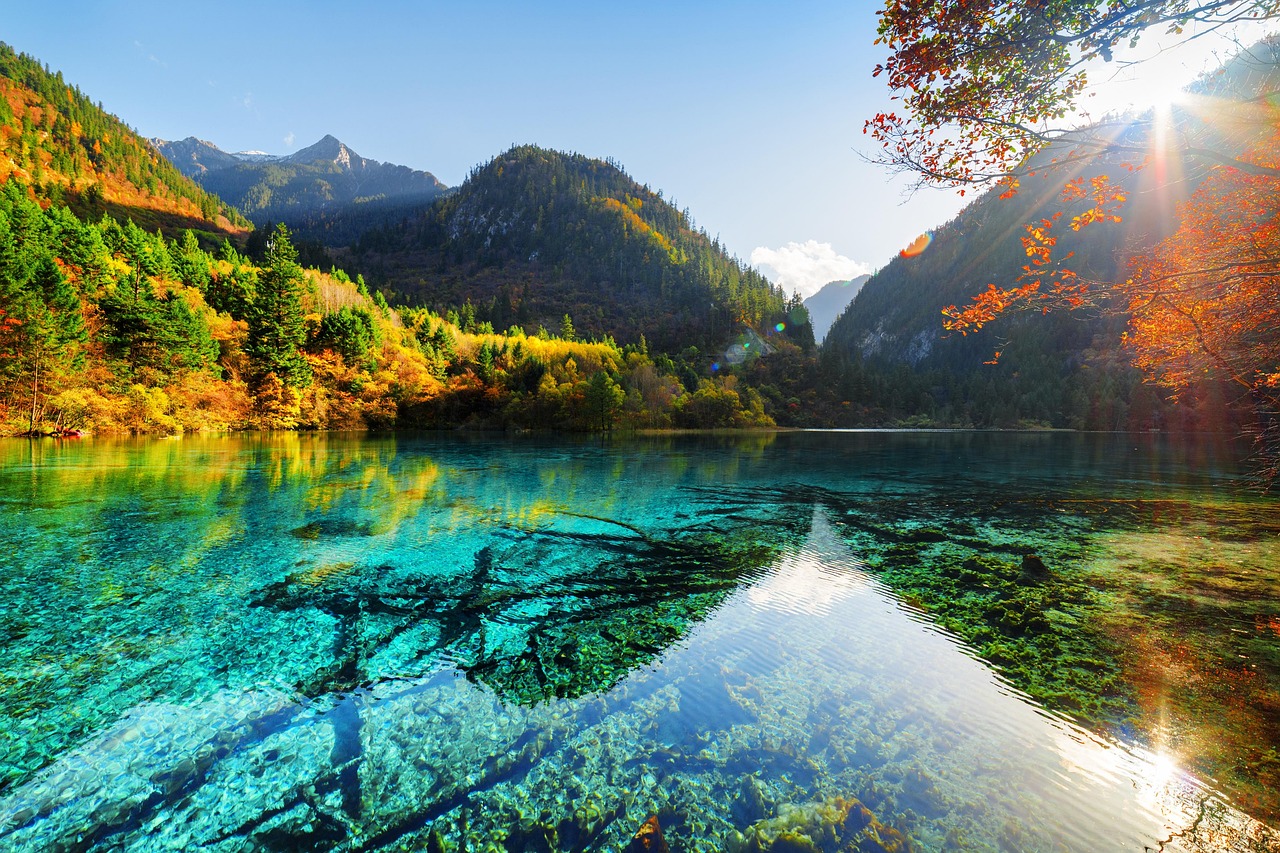
As a Jiuzhaigou National Park valley travel guide in China, I’ll start with the grounding detail that gives you confidence: Jiuzhaigou National Park is located in northern Sichuan province, within the Aba region of the Min Mountains. The protected scenic area covers roughly 720 sq km and is recognised as a UNESCO World Heritage Site and biosphere reserve, a designation it received in 1992 that still feels quietly extraordinary today.
For cultural enthusiasts, the Jiuzhaigou Valley is not only about the scenery. Tibetan and Qiang presence shapes the valley rhythm—prayer flags lifting in the wind, small temples by sacred water, and village life that reminds you to slow down with care and respect. Imagine arriving early, when the forest hush feels almost ceremonial, and you understand why some travellers call this place a gentle fairyland without needing to overstate it.
Jiuzhaigou Valley map in words for first-time travellers
Designing your days becomes much easier when you picture the park as three main branches. Shuzheng Valley is often the welcoming spine, dotted with lakes and boardwalks. Rize Valley leads you towards some of the most iconic viewpoints and cascades. Zechawa Valley rises towards higher, cooler waters and a more open, plateau-like feeling near the upper lakes.
Scenery in Jiuzhaigou and how to pace it with altitude
The colour here comes from mineral-rich water filtering through forest ecosystems, with light, mist, and season constantly changing what you think you’re seeing. For adventure seekers, the key support is pacing: this is mountain country, so give your body a gentle first day, keep your steps steady, and let the valley meet you where you are. When you travel with trust in your own rhythm, the experience feels more personal—and far more rewarding.


Best time to visit Jiuzhaigou, Chengdu to Jiuzhaigou travel tips for a seamless arrival
Best time to visit Jiuzhaigou and how to get there from Chengdu
If you’re searching for the best time to visit Jiuzhaigou, or Jiuzhaigou travel tips, think of two elegant seasons. September to November brings the famous autumn palette—especially october to early november—with crisp air and luminous lakes. Late May to June is softer and greener, with spring-bloom energy and fewer crowds than in peak autumn.
It helps to plan with honesty: summer is the rainy season, and conditions can shift quickly in the mountains. A simple weather forecast check the night before can turn a good day into a seamless one, especially if you’re timing viewpoints for mist and reflection.
Chengdu to Jiuzhaigou travel guide options that fit your style
Most travellers route through Chengdu, typically via Chengdu Shuangliu International Airport. From there, Chengdu to Jiuzhaigou can be done by direct bus, private transfer, or a small-group Jiuzhaigou tour—the latter often feels most crafted if you value ease, local insight, and support with tickets and timing. If your wider China journey begins in Beijing, Shanghai, or Xian, you’ll usually connect through Chengdu before heading into Sichuan’s highlands.
On some schedules, flying into Jiuzhai Huanglong Airport (also referred to as Jiuzhaigou Airport) can save time. Just keep expectations realistic: you’ll still need an onward transfer into the valley, and mountain weather can affect operations.
Travel tips for tickets, fees, and calm planning confidence
Entrance fees are typically around 220 RMB, and there are additional charges for the internal shuttle bus system. In peak season, book tickets and accommodation well in advance so your trip to Jiuzhaigou feels relaxed rather than reactive.
- Pack layered clothing: mornings can be cool, afternoons can be brighter, and evenings can be crisp.
- Bring water and snacks: staying hydrated supports steady energy on longer boardwalk sections.
- Choose comfort-forward footwear: sturdy shoes make wet planks and gravel paths feel secure.
If you’d like to explore more high-end routes across the country, our Trip gallery is a helpful place to imagine what’s possible.
Jiuzhaigou Valley’s Five Flower Lake and Mirror Lake in China are famous for their mirror-still mornings.
Multicoloured lakes in Jiuzhaigou Valley for Mirror Lake moments
This chapter is for anyone planning a Jiuzhaigou Valley lake, Five Flower Lake, Mirror Lake, China day, and wanting it to feel unhurried. The headline beauty is real, yet the most meaningful moments come when you let the valley reveal itself—mineral-rich water, submerged trunks, and shifting light working together to create colour without needing filters or exaggeration.
In practical terms, each lake has a different mood. Some are playful and jewel-toned; others are quiet, reflective, almost meditative. As you discover the park, you’ll start noticing how the forest ecosystems frame the water—dark pines intensifying the brightness, and pale stone softening it.
Highlights of Jiuzhaigou lakes for a crafted first visit
Five Flower Lake is the signature stop for colour—an intricate mosaic that feels impossibly clear. Mirror Lake rewards early risers: on still mornings, surrounding peaks and trees appear doubled, as if the valley has opened a second sky beneath your feet. For a different tone, Long Lake in Zechawa Valley feels broader and calmer, while Arrow Bamboo Lake can be luminous when the sun threads through the trees.
One traveller told me about a moment at Five Flower Lake when early mist lifted almost theatrically. The water brightened from muted jade to vivid layers, and snow-capped peaks appeared in the reflection—an intimate, personal reminder that the valley’s best scenes can’t be rushed or forced.
Photography, etiquette, and a quieter way to visit Jiuzhaigou
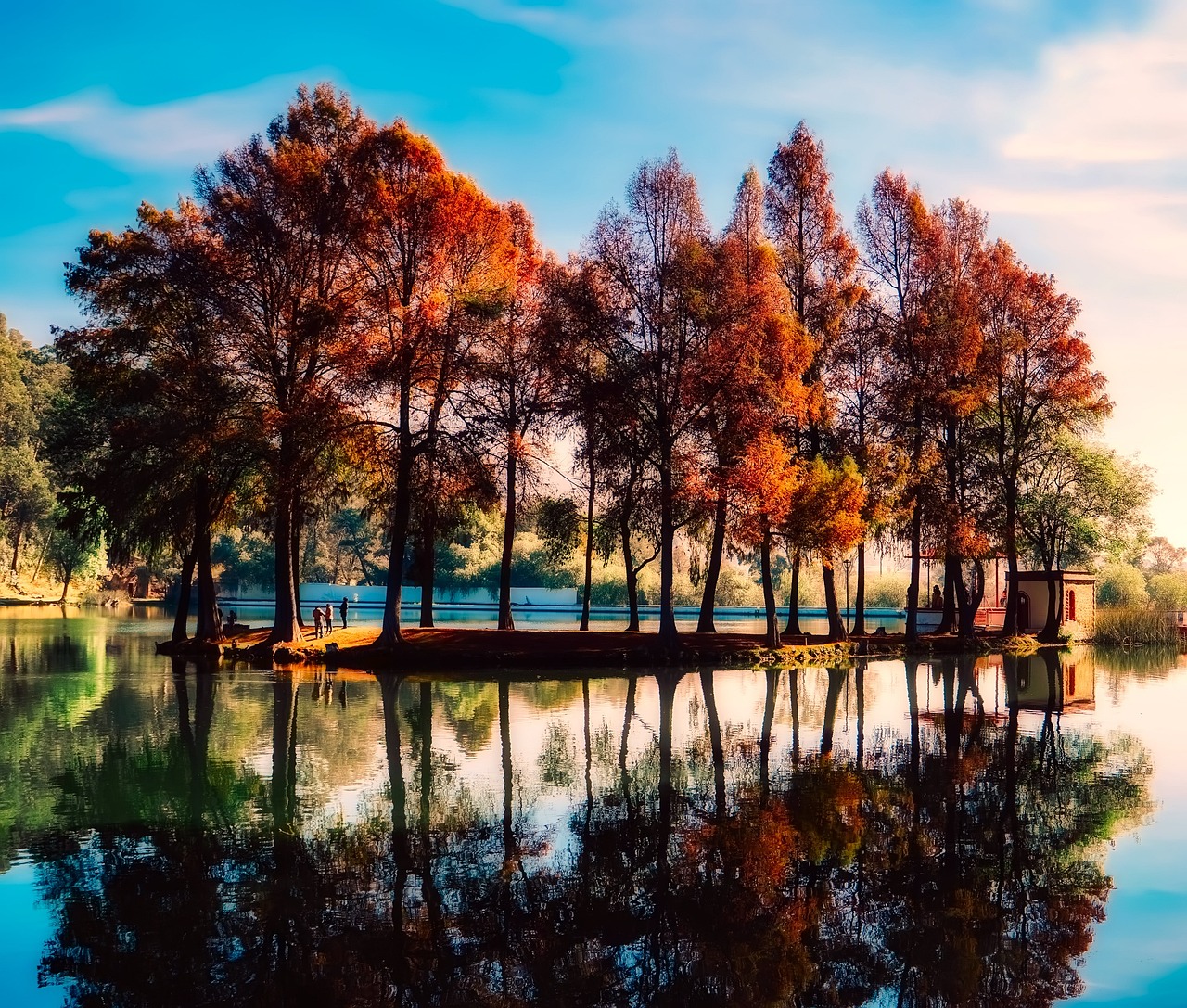
The most respectful photos often come from stillness. Keep voices low, stay on marked boardwalks, and ask permission before photographing local people—especially in or near Tibetan villages. This is also how you protect the fragile edges of lake habitat and help keep the atmosphere serene for everyone together on the trail.
Micro-itinerary tip: cluster lakes by valley to avoid backtracking. Use the park shuttle bus to hop between prime trailheads, then walk the scenic sections in between—this simple design creates a seamless flow and leaves room to uncover quieter corners.
Jiuzhaigou waterfall, Pearl Shoal, Nuorilang scenic valley hike through Shuzheng and Rize Valley.
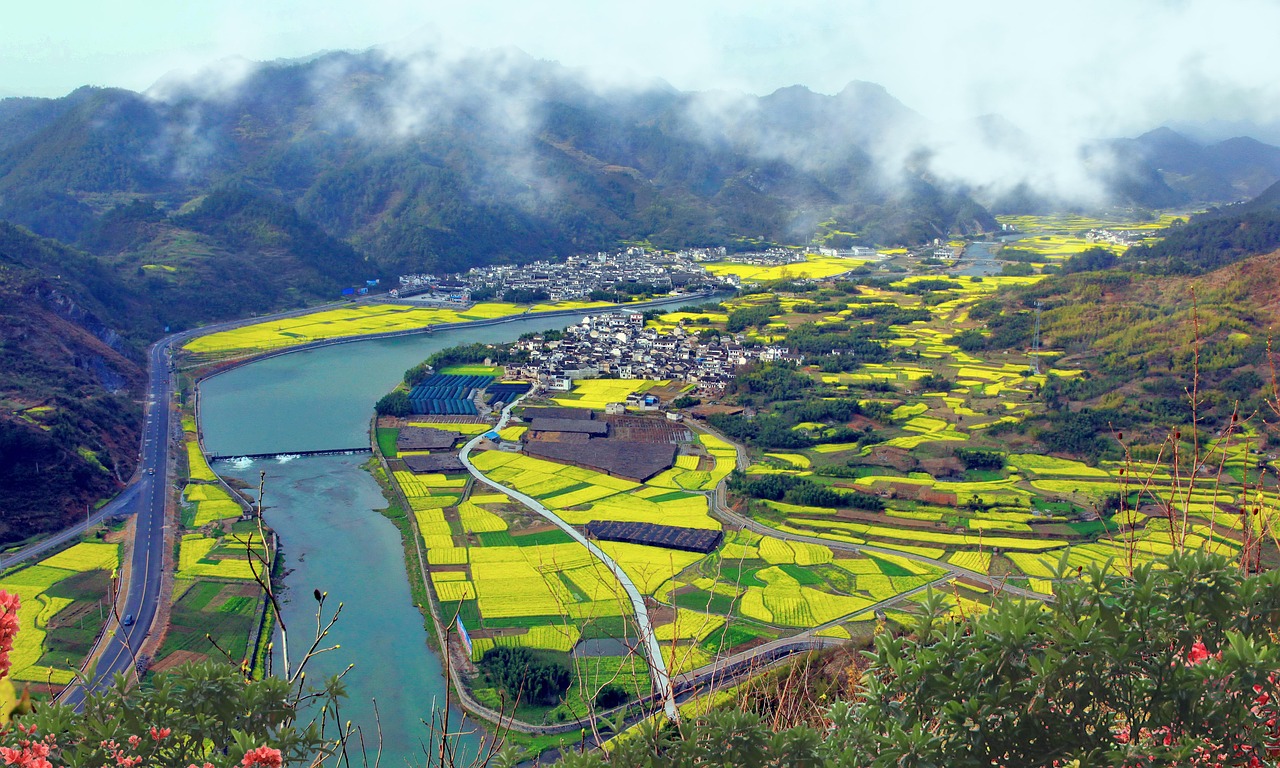
Waterfall power and scenic trails through Shuzheng and Rize Valley
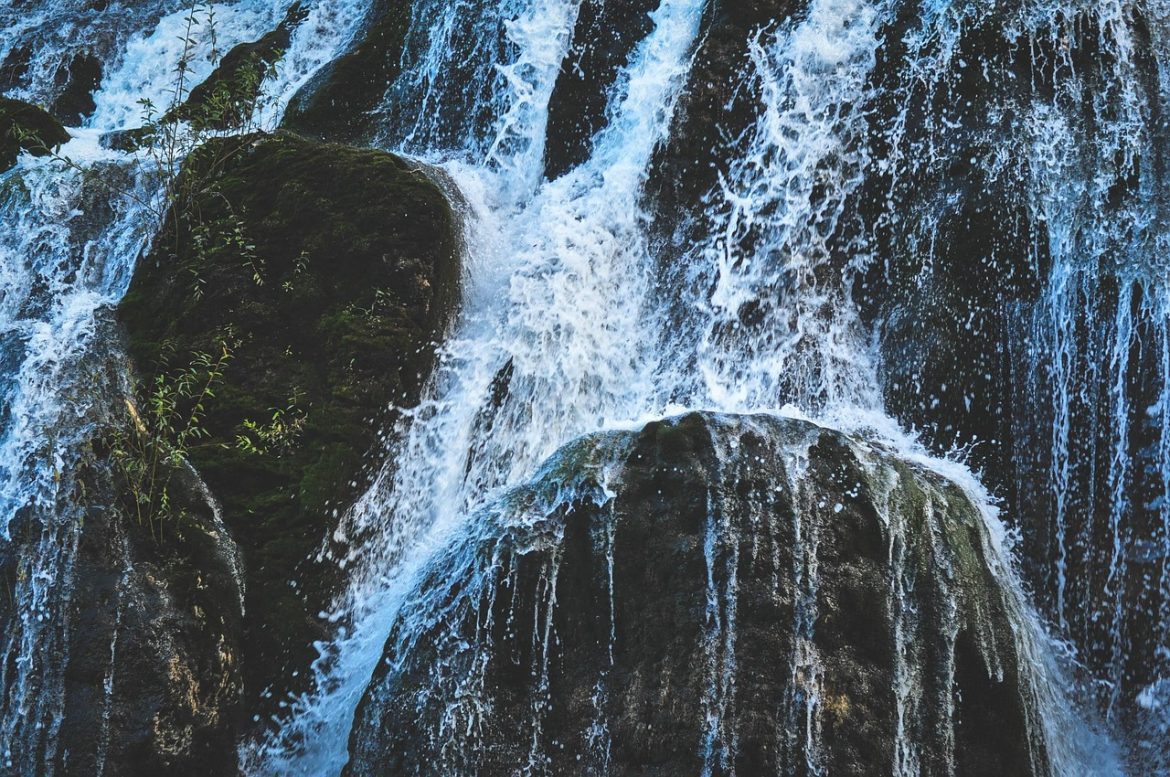
For an active day, the Jiuzhaigou waterfall Pearl Shoal Nuorilang scenic valley hike route is where the park’s energy rises. You’ll hear the water before you see it—an insistent roar that turns corners into reveals. These are not delicate trickles; they are wide, muscular cascades that make the valley feel alive.
Pearl Shoal is famous for its pearl-like texture, as water breaks into bright beads over a broad limestone shelf. The Nuorilang falls are among the largest in China, and the scale is a genuine, breathtaking surprise when you step onto the viewing platform and feel cool spray in the air.
Visit Jiuzhaigou on foot with a smart shuttle bus rhythm
Boardwalks and well-marked trails make hiking accessible without removing the sense of adventure. Combine walking with the internal shuttle bus so you can choose longer scenic stretches and skip repeats—ideal if you want both iconic viewpoints and time to pause. This is how you create a day that feels curated, not cramped.
- Stay on marked trails: it protects fragile ground and reduces the risk of slips near wet rocks.
- Respect wildlife: quiet voices improve your chance of sightings and reduce stress on animals.
- Keep a steady pace: the altitude can feel subtle, then catch up if you sprint between stops.
Karst insight and the backpacker trail strategy for solitude
Jiuzhai’s texture is partly shaped by water over time, including karst features and the park’s narrow, conic karst landforms. Seeing this geology in motion—water carving, depositing, and transforming—adds a layer of expert insight to what might otherwise feel like “just” beautiful scenery.
A backpacker once shared how they trekked over multiple days, targeting less crowded side sections to explore Jiuzhaigou more quietly. The challenge brought a reward: panoramic views across alpine meadows, a sense of solitude, and the heightened awareness that comes when every footstep is earned. Mountain weather can change quickly here, so that kind of plan needs extra care, clear timing, and a willingness to turn back with confidence when conditions shift.
Tibetan villages Jiuzhaigou tour local culture giant panda golden monkey insight
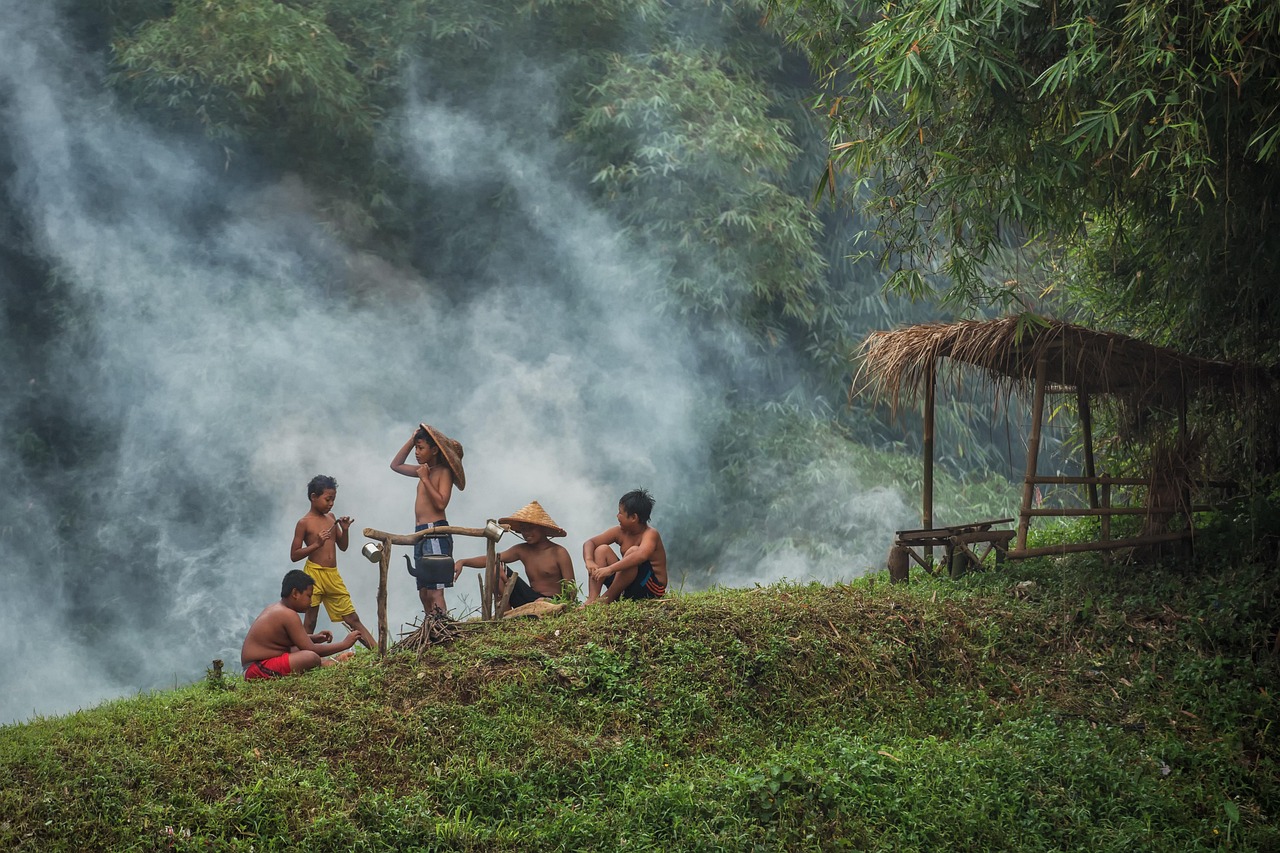
Local Tibetan villages, wildlife and the deeper cultural insight
For travellers who want meaning as well as beauty, the Tibetan villages Jiuzhaigou tour, local culture, giant panda, and golden monkey experiences bring the valley into focus. In and around the park, Tibetan and Qiang influences show up in music, woodwork, textiles, and the symbolism of Tibetan costume—colours and layers that can signal region, tradition, and celebration. Approach with humility, and you’ll be welcomed into something that feels local, living, and deeply human.
One visitor told me that meeting a local Tibetan guide transformed their day. They didn’t just point at water; they shared legends attached to sacred lakes and small temples, offering insight that helped the traveller carry the stories with respect rather than collecting them like souvenirs.
Tibetan culture, homestays, and togetherness with families with kids
For families with kids, couples, and solo travellers alike, a well-chosen homestay can be the most crafted part of a Jiuzhaigou visit. A family I spoke with described warm hospitality—simple rooms, generous bowls of local food, and evenings with songs and handmade crafts. The right stay offers support and comfort while remaining authentic.
- Ask before taking portraits, especially during performances or in village courtyards.
- Keep noise low near temples and prayer flags, where quiet is part of the atmosphere.
- Choose responsible hosts who clearly describe what they offer and how they engage with the community.
Wildlife, conservation, and Jiuzhaigou and Huanglong planning
The valley is home to rare wildlife, but sightings require luck and patience. You might spot tracks or hear movement long before you see anything; a giant panda encounter is uncommon, yet the wider region supports panda habitat. Golden monkeys, the Sichuan takin, and many bird species live in these forests—often best appreciated through signs, calls, and conservation stories as much as through direct sightings.
Because the region contains endangered plant and animal species, it’s worth treating quiet as a form of care. Stay alert, never feed animals, and remember that even a perfect Panda Lake photo is better when it doesn’t disturb the life around it.
If you’re building a broader Sichuan Province journey, pairing Jiuzhaigou and Huanglong is a natural extension. The nearby Huanglong Scenic Area offers its own mineral terraces and high-altitude drama, creating a beautifully balanced contrast to Jiuzhai Valley’s forests and lakes.
F.A.Qs: Jiuzhaigou Valley National Park in China
Which city is closest to Jiuzhaigou?
Chengdu is the most common nearby hub for travellers visiting Jiuzhaigou, with the widest range of onward connections. From Chengdu, you can continue by long-distance bus, private transfer, or an organised tour. There is also an airport serving the region (Jiuzhai Huanglong Airport), but schedules can be weather-dependent, so it’s wise to plan with flexibility.
What is special about Jiuzhaigou?
Jiuzhaigou is special for its multicoloured lakes, crystal-clear water, and layered mountain scenery that changes with light and season. It’s also a UNESCO World Heritage Site where Tibetan and Qiang cultural heritage sits naturally within the landscape—prayer flags, village rhythms, and local legends adding meaning to the beauty rather than distracting from it.
Is Jiuzhaigou difficult to walk in?
Most visitors find Jiuzhaigou manageable because trails are well-maintained with boardwalks and regular shuttle buses linking the main areas. The main challenge is pacing at altitude and allowing time for rest stops. With sturdy footwear, layered clothing, hydration, and a calm route, walking can feel enjoyable rather than strenuous.
What is the most beautiful national park in China?
Beauty is personal, but Jiuzhaigou National Park is often considered among the most beautiful national parks in China for its vivid lakes, waterfalls, and forested valleys. Many travellers also compare it with nearby Huanglong for a complementary experience. The most memorable choice is the one that matches your preferred pace—quiet viewpoints, cultural encounters, or longer hikes.
Jiuzhai Valley personal reflection China valley journey
In the end, this Jiuzhai Valley personal reflection China valley journey isn’t about ticking off viewpoints; it’s about what settles into you when you leave. Days later, I still hear the soft percussion of water over stone, and I still remember how the air changed when mist loosened its grip on the trees. The valley’s stillness felt like permission—permission to be unhurried, to look longer, and to let beauty arrive in its own time.
What stayed with me most was the balance between togetherness and solitude. There was laughter on the boardwalks, strangers offering gentle support when paths narrowed, and quiet nods when a lake turned suddenly glassy. And then there were private moments—pine scent, distant falls, and the sense that the landscape was listening back.
I also carry the responsibility of the stories I was entrusted with. Tibetan legends and village hospitality aren’t souvenirs; they’re living threads in a place that deserves respect, restraint, and gratitude. When you travel like that—curious, careful, and open—you don’t just take photographs; you create a softer relationship with nature and people.
Sometimes I imagine returning in another season, when the colours shift, and the soundscape changes again. Not to chase the same scenes, but to uncover a different kind of quiet—one the valley keeps patiently, until you’re ready to notice it.