Post Contents
- Kyoto travel essentials for first time visitors Kyoto travel guide and time to visit Kyoto Japan
- Things to do in Kyoto temples and shrines icons for Kyoto attractions
- See in Kyoto Arashiyama bamboo forest before dawn for a day trip Kyoto
- Gion evenings geisha artistry and tea ceremonies in Kyoto
- Kyoto city itinerary places to visit in Kyoto Nishiki Market Nijo Castle
- What Kyoto leaves with you after Japan
- F.A.Qs: Kyoto Japan attractions and planning
Kyoto travel essentials for first time visitors Kyoto travel guide and time to visit Kyoto Japan
Kyoto travel essentials for first time visitors and a calm approach to Kyoto travel
If this is your first time in Kyoto, a little preparation turns the city into something wonderfully effortless. Think of this Kyoto travel guide as a way to explore with quiet confidence: you’ll notice more, interrupt less, and feel more welcome in every temple and shrine. Kyoto’s pace is gentle, but its rules of respect are real—small courtesies create a seamless day.
In sacred spaces, soften your voice, move with care, and follow what locals do. A small bow when greeting, waiting your turn at a purification fountain, and removing shoes when required are not performances—they’re an invitation into traditional Kyoto. Even in popular Kyoto areas, this calm etiquette changes how the city meets you.
Best time to visit Kyoto Japan for cherry blossoms and autumn
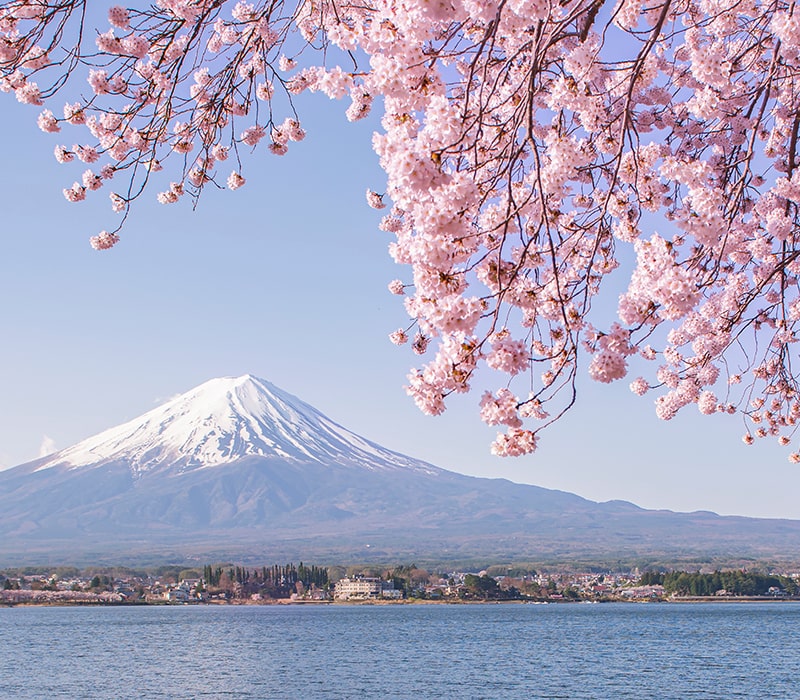
When deciding the time to visit Kyoto, two seasons are consistently luminous. Spring (March–April) brings cherry blossom season, when the city feels like it’s been sketched in pale pink watercolour; autumn (October–November) lights temple gardens with copper and crimson. If you can, visit early for sunrise walks and aim to avoid crowded weekends—Kyoto’s most famous streets become far more personal when you let the day begin before the coaches arrive.
Early in the morning, even the busiest attraction feels gentler. You’ll hear the city wake rather than rush: a broom on stone, a bell in the distance, a single bicycle passing a wooden gate. That’s where insight lives in Kyoto—between the big moments.
Arrivals via Kyoto Station with JR Pass or private car support
Most arrivals funnel through Kyoto station, and it’s impressively efficient once you know where you’re going. For a trip to Japan that includes multiple cities, a JR Pass can create seamless long-distance travel, especially if you’re pairing Kyoto with Tokyo or Osaka later. Within Kyoto, though, comfort often comes from mixing trains with taxis—Kyoto’s sights aren’t always close to stations.
If you prefer a crafted, door-to-door rhythm, a private car service can be worth it for early starts, temple hopping, and elegant evenings in Gion. It removes the mental load: no platform changes, no hunting for the right bus stop, and no arriving flustered when you’re dressed for a tea ceremony.
Practicalities matter more than people expect. Admission is often free to around 1000 yen at many sites; some temples in Japan still accept cash only, so carry local currency and a small coin purse. It sounds minor, but it’s one of the simplest ways to keep your day smooth.
- Money: Keep ¥5, ¥50, and ¥100 coins for offerings and small entry fees.
- Temple manners: Shoes off when indicated, photos only where permitted, and avoid phone calls on temple grounds.
- Comfort: Elegant layers and easy-to-remove footwear help when you’re in and out of shrines.
Where you stay in Kyoto shapes everything. For high-end travellers, an upscale ryokan in Higashiyama offers atmosphere and proximity to morning walks; Gion places you near refined evenings; and staying near Kyoto station can be highly practical for day trips and a wider Japan itinerary. If you only choose one rule: stay in Kyoto where your mornings will be easiest—Kyoto’s magic often happens before breakfast.
From here, we’ll move into the icons—Kyoto attractions that deserve both good timing and slow looking.


Things to do in Kyoto temples and shrines icons for Kyoto attractions
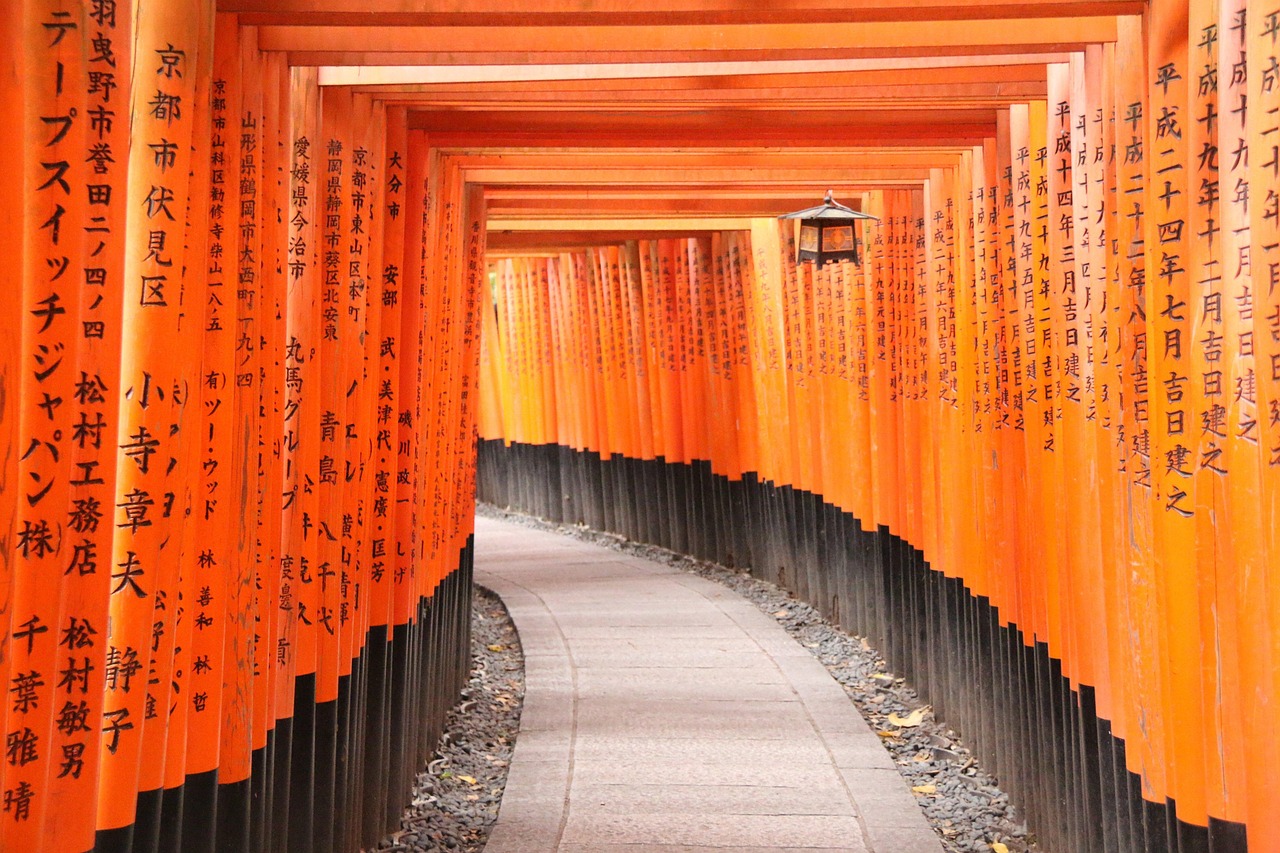
Things to do in Kyoto temples and shrines icons including Fushimi Inari Shrine torii gates
For travellers building a Kyoto bucket list, “things to do in Kyoto temple shrine Kyoto attractions” is more than a checklist—it’s a chance to design moments that feel intimate even at well-known Kyoto sites. Kyoto is rich with temple precincts and shrine pathways, but timing and pacing are what turn a popular attraction into a personal memory.
Fushimi Inari Shrine at dawn under torii gates
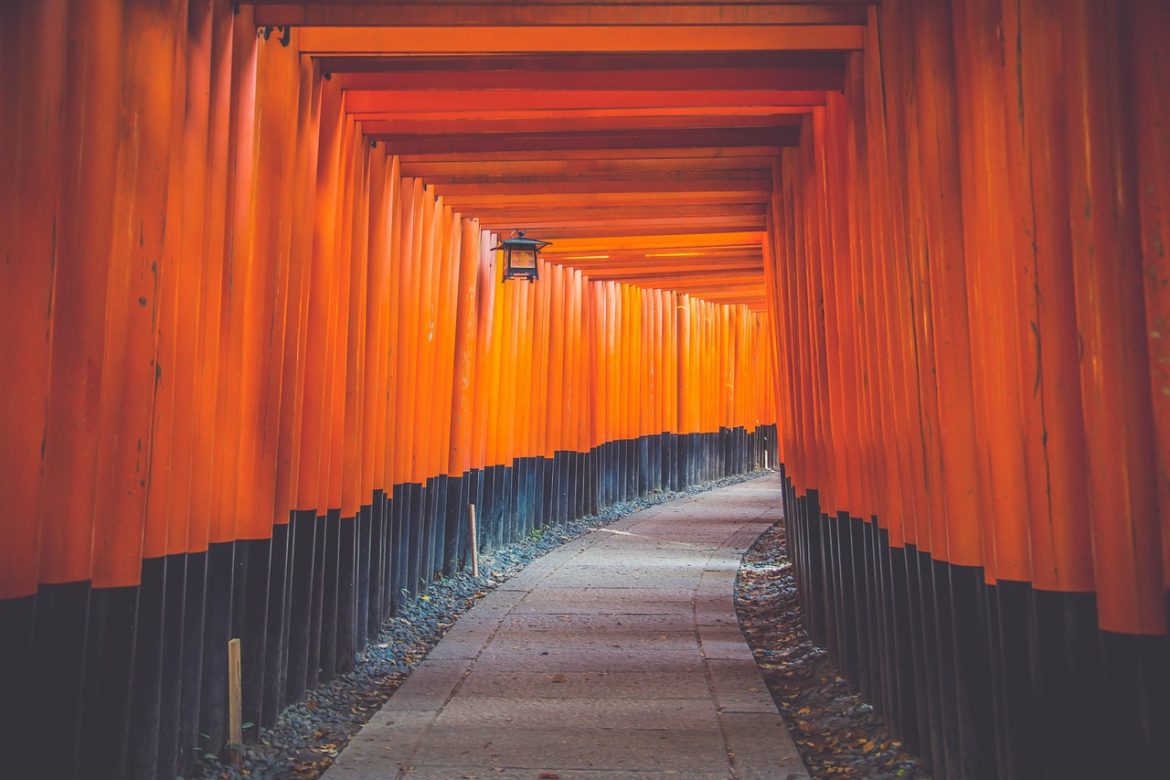
Begin at Fushimi Inari Shrine as the city is still yawning awake. The first stretch of torii is the most photographed, so the luxury move is simply to arrive early, walk slowly, and let gaps open naturally for images without blocking others. As you pass into deeper shade, the torii gates feel less like an Instagram corridor and more like a moving, vermillion horizon.
Don’t rush the full summit unless you want the hike; instead, set a gentle goal (45–90 minutes) and choose a quiet turning point. You’ll uncover small shrines tucked beside lanterns and mossy stone, and the sense of procession becomes your own. If you’d like a guide, a trusted local expert can share the symbolism of offerings and fox imagery without over-narrating the experience.
Kiyomizu-dera temple at sunrise and Kyoto’s living spirituality
Kiyomizu-dera is one of those places to visit in Kyoto that can feel theatrical in the middle of the day—so consider sunrise. A luxury traveller once told us they arrived as the light lifted, and unexpectedly found themselves watching a small procession of monks chanting through the grounds. That simple sound, carried over timber and stone, created a deep connection to Kyoto’s spiritual heritage—less spectacle, more truth.
At Kiyomizu-dera temple, pause to notice how the architecture frames the hillside. Look for the pagoda silhouette beyond rooftops and the way incense seems to slow the air. If the main veranda is busy, step aside into smaller corners where you can hear water and footsteps rather than camera shutters.
For a different kind of glow, Kinkaku-ji is Kyoto’s gilded punctuation mark. Arrive near opening and let your eyes settle on the pond reflections rather than rushing for one “perfect” angle. Kinkaku-ji’s garden is designed for movement; each step changes the composition, like a painted screen revealed panel by panel.
To balance the gold with quiet, add the Silver Pavilion (Ginkaku-ji) as an elegant counterpoint. Its contemplative grounds reward slow looking—raked gravel, weathered timber, and a gentle sense of restraint that many travellers find more emotionally lasting than grandeur.
If you want a scholarly, local-feeling stop beyond the headline sights, consider Kitano Tenmangu Shrine. It carries seasonal energy—plum blossoms, lanterns, and a lived-in rhythm—without the same density of crowds. In Kyoto, the best things often happen where you give the city permission to be subtle.
See in Kyoto Arashiyama bamboo forest before dawn for a day trip Kyoto
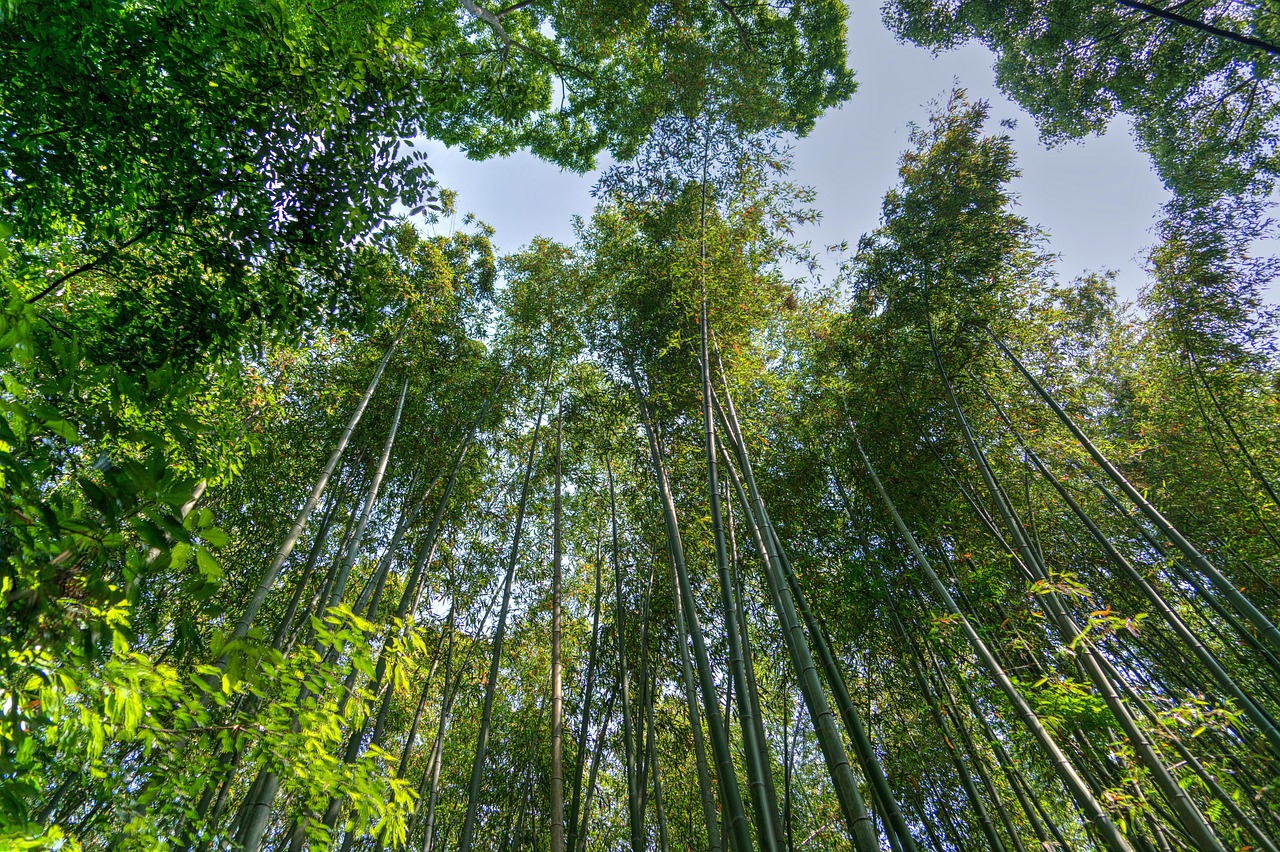
See in Kyoto Arashiyama bamboo forest before dawn for a serene day trip
If you’re choosing what to see in Kyoto beyond temples, an early walk through Arashiyama can feel like stepping into a different register of the city. For many, “see in Kyoto Arashiyama bamboo forest day trip Kyoto” becomes a signature memory—less because it’s famous, more because dawn transforms it into something hushed and sacred.
Arashiyama Bamboo Grove in the blue hour quiet
One visitor described arriving before first light and finding the Arashiyama bamboo grove almost empty, the stalks rising like a surreal natural cathedral. In that peaceful solitude, the bamboo forest didn’t feel like a backdrop; it felt like a presence—tall, breathing, and impossibly calm. If you can manage it, this is one of the most unique Kyoto experiences for travellers who value stillness.
Photography etiquette matters here. Keep to the side, don’t stop abruptly in the narrowest lanes, and avoid loud conversations that echo between the stems. With a little care, everyone gets their moment without turning the grove into a queue.
To create a seamless half-day or day trip, cluster the area rather than hopping around Kyoto city. A graceful rhythm is: bamboo → riverside stroll → a serene temple stop. When crowds grow, shift your pace rather than fighting them—Arashiyama rewards the traveller who stays flexible.
If you want a hidden gem nearby, ask your driver or guide for a quieter garden or a small temple lane away from the main thoroughfares. This is where bespoke support pays off: you don’t have to “find” serenity; it’s designed into the day. If you’re using trains instead, time your return carefully and avoid late-morning bottlenecks.
- Footwear: Choose supportive shoes for uneven paths and occasional gravel.
- Layers: Bring light layers for dawn; mornings can be cool even in warmer months.
- Pause well: Plan one calm coffee or matcha stop so the experience stays spacious.
Arashiyama isn’t just scenic; it’s a lesson in pacing. Among Kyoto attractions, it offers nature, quiet, and an unforced sense of wonder—unique things to see when you allow the morning to lead.
Gion evenings geisha artistry and tea ceremonies in Kyoto
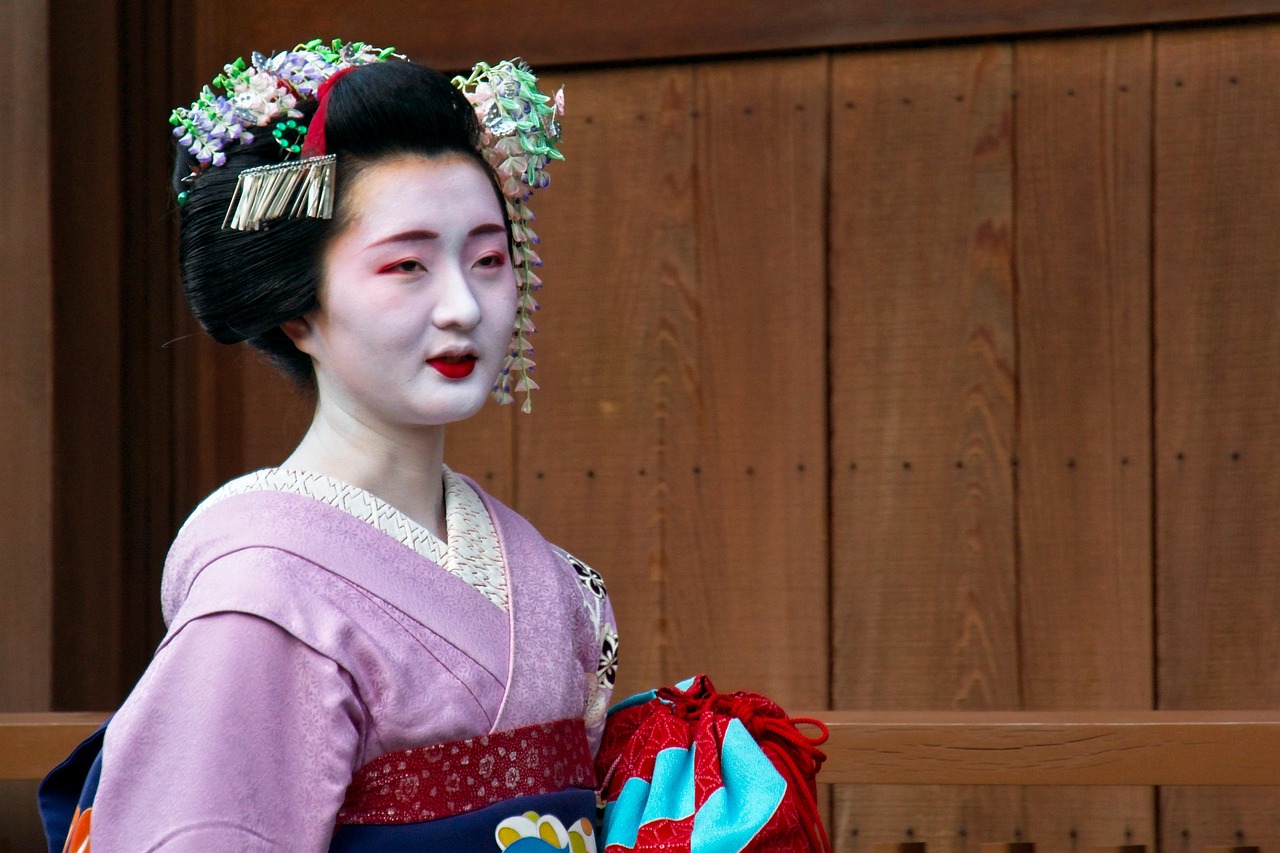
Gion evenings with geisha artistry and private tea ceremonies in Kyoto
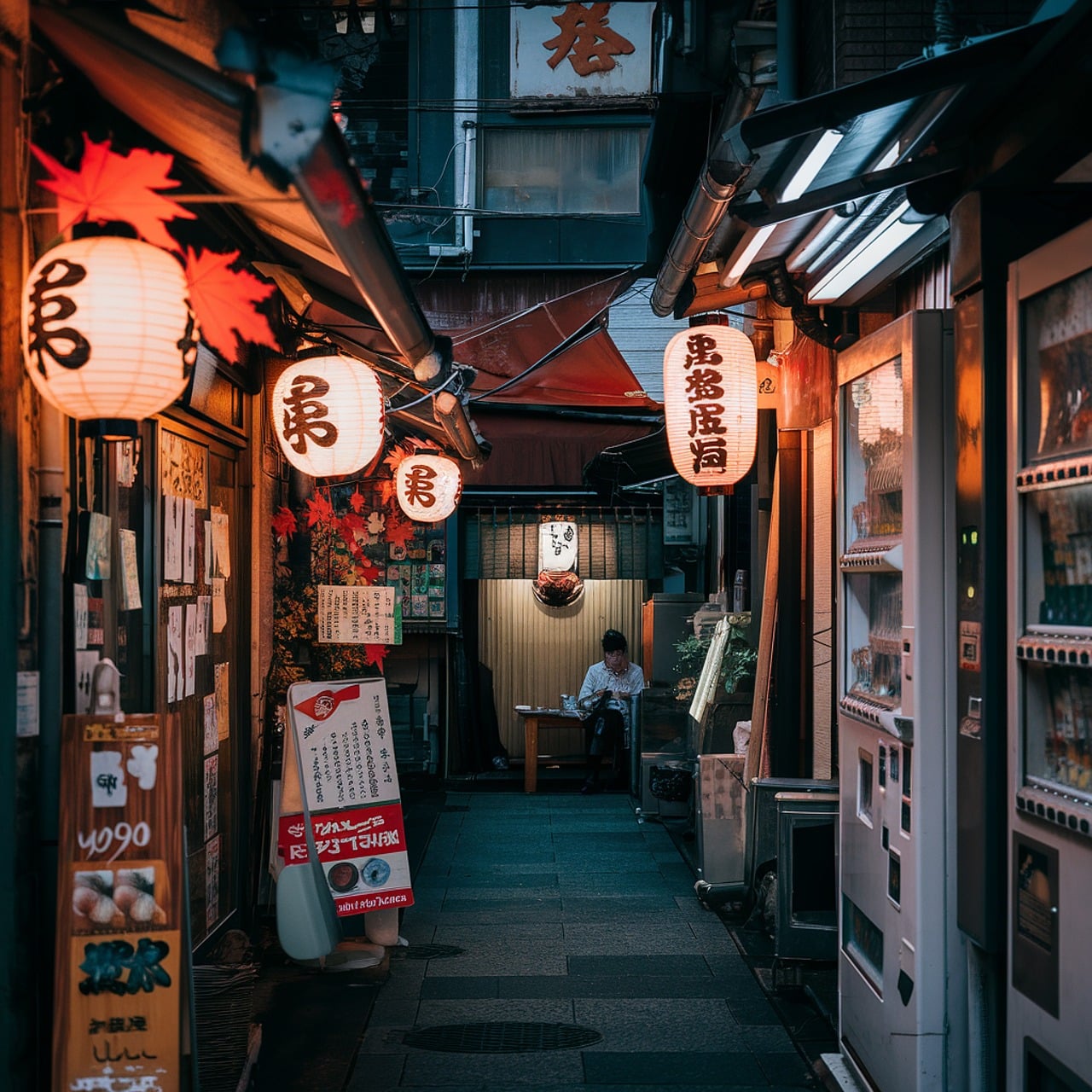
In the evening, Kyoto changes texture—lantern light, lacquered doorways, and the soft theatre of tradition. If you’re researching “Gion Kyoto geisha experience private tea ceremonies in Kyoto”, it helps to approach with respect and trust: the goal isn’t access, it’s understanding, handled with care and guided by local rules.
Gion after-hours with confidence and respect
Gion is not a theme set; it’s a working cultural district. Walk gently, keep voices low, and never chase performers for a photo. A trusted, expert-led introduction can protect privacy for residents and visitors alike, while offering insight into how the district actually functions today.
When planning an exclusive geisha evening, clarity matters. A couple once shared how moved they were by the grace and artistry of the performances—and by the personalised interaction that followed, where they could ask thoughtful questions in a calm setting. The key is to choose reputable hosts and understand what’s appropriate to photograph (often: the venue and details, not close-ups without consent).
Private tea ceremony in a machiya townhouse with matcha
For many high-end travellers, private tea ceremonies become the most emotionally resonant experience in Kyoto. Inside a traditional machiya townhouse, you’ll taste matcha alongside seasonal sweets, and you’ll notice the aesthetics behind each gesture: the angle of a bow, the placement of a tea bowl, the patience in silence. It’s less about instruction and more about attention—Kyoto’s quiet superpower.
Dress elegantly but comfortably. Choose refined layers, bring clean socks (shoes come off), and avoid heavy fragrance. If you’re pairing the ceremony with kaiseki dining, comfort and polish can coexist—think graceful fabrics and footwear that won’t distract you from the evening.
Because the best hosts are limited, book well in advance, especially in peak foliage or blossom weeks. With the right support together—language-friendly hosting, reserved seating, and seamless transfers back to your hotel—Gion feels not intimidating but warmly held, like you’re being welcomed into a living art form.
Kyoto city itinerary places to visit in Kyoto Nishiki Market Nijo Castle
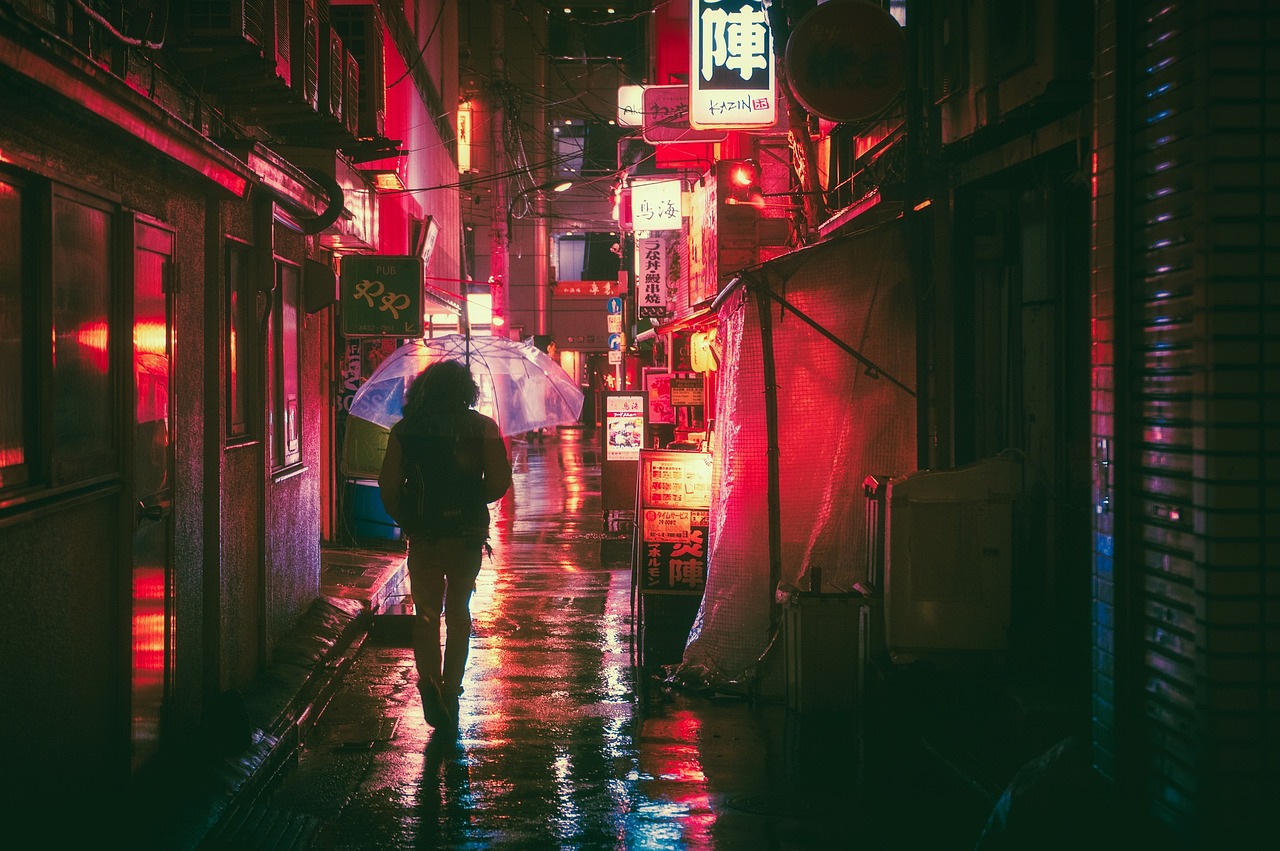
Kyoto city itinerary with places to visit in Kyoto including Nishiki Market and Nijo Castle
When you search “Kyoto city itinerary places to visit in Kyoto Nishiki Market Nijo Castle”, the real luxury is not doing everything—it’s clustering experiences so your energy stays high. This is where a thoughtful itinerary makes Kyoto feel seamless: neighbourhood by neighbourhood, with breathing room for small discoveries.
A crafted 2–4 days in Kyoto plan by neighbourhood
For 2–4 days in Kyoto, design each day around a single zone: Higashiyama for temples and lanes; Arashiyama for nature; central Kyoto for markets and castles; and Gion for evenings. This reduces transit friction and leaves space for what you didn’t plan—an unexpected garden, a shopkeeper’s recommendation, a street that simply feels right.
Here’s a simple framework you can adapt with your hotel concierge or guide:
- Day 1 (Higashiyama): Kiyomizu-dera, smaller shrines, and a slow walk through old streets.
- Day 2 (Southern Kyoto): Fushimi Inari at dawn, then a relaxed afternoon reset.
- Day 3 (Arashiyama): Bamboo and riverside calm, with a quiet temple stop.
- Day 4 (Central Kyoto): Nishiki Market, Nijo Castle, and an elegant pause at the Imperial Palace grounds.
Nishiki Market, Nijo Castle, Imperial Palace and a modern rainy-day option
Nishiki Market is at its best as a curated tasting walk rather than a hurried graze. Visit mid-morning on a weekday for a calmer rhythm, and shop politely—ask before photographing stalls, and avoid blocking the narrow aisles. For high-end palates, focus on a few excellent bites: pristine tamagoyaki, yuba, pickles, and beautifully packaged sweets for gifts.
Nijo Castle offers a different Kyoto attraction beyond temples: power, design, and defensive beauty. Give it time for the gardens and interiors, and move slowly—details matter, from painted panels to the shifting light on gravel. Then, let the imperial palace grounds reset you; Kyoto Imperial Palace feels like a refined exhale in the middle of the city.
If weather turns, add the Kyoto International Manga Museum as one of the interesting things that broadens your view of Japan beyond the postcard version. It’s a modern counterpoint that keeps your day enjoyable without forcing you through wet temple grounds.
For broader Japan travel planning, Kyoto pairs naturally with Tokyo for contemporary contrast, or Osaka for food and nightlife. Rail timing is easy, but don’t over-pack your schedule—returning back to Kyoto after a day out feels best when you’re not racing the clock. For a look at curated journeys and inspiration, you can explore our Trip gallery.
Travel tips snapshot: balance trains with taxis for comfort, keep cash for admissions, and leave a little time in Kyoto unscheduled. That’s often where an attraction in Kyoto becomes your own story rather than someone else’s highlight reel.
What Kyoto leaves with you after Japan
Some places impress you. Kyoto changes the way you notice.
Long after time in Japan has moved on, you may still remember the softened soundscape inside a shrine—the way footsteps become careful without anyone asking. You might recall the patience of a tea bowl warming your hands, or the hush that falls naturally when you sit near a temple garden and realise you’re no longer trying to collect the top Kyoto sights, only to be present with what Kyoto has to offer.
Perhaps it’s the image of a pagoda line against a pale morning sky, or the subtle choreography of local courtesies—bowing, waiting, making space—that stays with you most. In Kyoto, those small gestures feel like a form of design: crafted, human, and quietly reassuring. They create a kind of confidence that doesn’t come from doing more, but from moving more gently.
And if you find yourself thinking, unexpectedly, I love Kyoto, it may not be because you saw every temple or every shrine. It may be because the city taught you attention—and you discovered how restful it can be to travel slowly, with trust in the journey, and care for your own pace.
One day, you may return in a different season, not to repeat the same steps, but to uncover a new version of yourself in the same light.
F.A.Qs: Kyoto Japan attractions and planning
What is Kyoto, Japan best known for?
Kyoto is best known for its temples and shrines, traditional neighbourhoods, refined gardens, and living culture—from tea ceremonies to seasonal festivals. Many travellers also associate Kyoto with iconic sites like Fushimi Inari Shrine’s torii gates and Kinkaku-ji, plus the quieter artistry of everyday etiquette. It’s a place in Japan where heritage is not staged; it’s integrated into daily life.
What are the top 5 things to see in Kyoto?
Many visitors start with Fushimi Inari Shrine, Kiyomizu-dera, Kinkaku-ji, Arashiyama bamboo forest, and an evening in Gion. These choices balance Kyoto’s spiritual heritage, nature, and cultural performance. For a more personal feel, time them early in the morning and add one quieter stop—such as the Silver Pavilion grounds—to keep the experience calm and spacious.
What is the biggest attraction in Kyoto?
The biggest attraction varies by interest, but Fushimi Inari Shrine is often considered one of the most recognisable due to its thousands of vermillion torii. For others, Kiyomizu-dera’s hillside setting or Kinkaku-ji’s golden reflection becomes the defining image. The “biggest” experience, though, is often the atmosphere you feel when you arrive before the crowds.
Is 3 days in Kyoto enough?
Yes—three days can be enough for a well-paced Kyoto trip, especially if you cluster neighbourhoods and begin key visits early. You can cover signature temples, a day trip to Arashiyama, and a thoughtful evening in Gion without feeling rushed. If you have more time in Kyoto, you gain the luxury of lingering: longer garden pauses, slower meals, and more room for serendipity.