Post Contents
- Vietnam Tourist Map Basics: Vietnam Travel Map Planning, Vietnam Regions, and Smooth Tourist Routes
- Hanoi on the Vietnam Tourist Map: Old Quarter Attractions, Colonial Architecture, and Calm Exploration
- Ha Long Bay on a Vietnam Map: Luxury Cruise Planning, Limestone Karst Seascape, and Natural Wonders
- Central Vietnam Map: Hoi An, Hue, and Da Nang Attractions for a Crafted Vietnam Trip
- South Vietnam Tourist Map: Ho Chi Minh City, Saigon Highlights, and Mekong Delta Floating Markets
- After Vietnam: What Stays With You from an Unforgettable Vietnam Experience
- F.A.Qs: Vietnam tourist map planning and travel confidence
Vietnam Tourist Map Basics: Vietnam Travel Map Planning, Vietnam Regions, and Smooth Tourist Routes

Vietnam travel map basics for a designed Vietnam trip across north, central and south Vietnam regions
Planning with a vietnam tourist map starts with one calming truth: Vietnam is long, and comfort comes from designing days that flow. Read a map of vietnam by vietnam regions—North Vietnam, central vietnam, then south vietnam—and you’ll instantly see why smart pacing matters more than trying to do everything. Distances look modest on a screen, yet road speeds vary, so flight times often protect your energy between vibrant cities and quieter countryside.
From north to south, Vietnam’s shape naturally supports a gentle rhythm: a few days of culture, then water, then a heritage town, then big-city dining, then river calm. For many travellers, this becomes the ultimate guide to effortless movement—less time negotiating logistics, more time savouring diverse landscapes and atmosphere.
How to read a Vietnam map for timing, clusters, and an easy itinerary
Use travel maps to think in “clusters” rather than single attractions. In the north, Hanoi pairs beautifully with Halong Bay; in the centre, Hoi An and Hue connect easily for day trips and relaxed returns to your base; in the south, Ho Chi Minh City is your springboard into the Mekong Delta and beyond. This approach keeps every itinerary realistic while still covering signature experiences.
As a rule of thumb for a high-end vietnam trip: fly between regions, and use private car or luxury shuttle services within each cluster. A solo traveller once told us that the seamless shuttle between key stops felt like support rather than transport—breathing space that kept the whole itinerary light, comfortable, and genuinely enjoyable.
Tourist routes that suit high-end Vietnam travel and a personalized adventure
The most reliable tourist routes for comfort are simple and beautifully balanced: Hanoi to Ha Long Bay to Hoi An, then on to Ho Chi Minh City and the Mekong Delta. If you’re building vietnam itineraries for a celebration or a custom journey, it’s an elegant backbone for a personalized adventure—with room for spa time, late breakfasts, and crafted evenings.
- Gateway hubs and international airports: Hanoi (Noi Bai), Danang, and Ho Chi Minh City (Tan Son Nhat) anchor most luxury arrivals and departures.
- Optional add-ons on the Vietnam map: connect overland to Cambodia for Angkor Wat, or weave Vietnam into a wider Southeast Asia arc that might include Thailand.
- Quiet design choices: add Phu Quoc for a beach retreat, pause in Dalat for cooler air and gardens, or include Vinh as a low-key stop when you want a slower pace between regions.
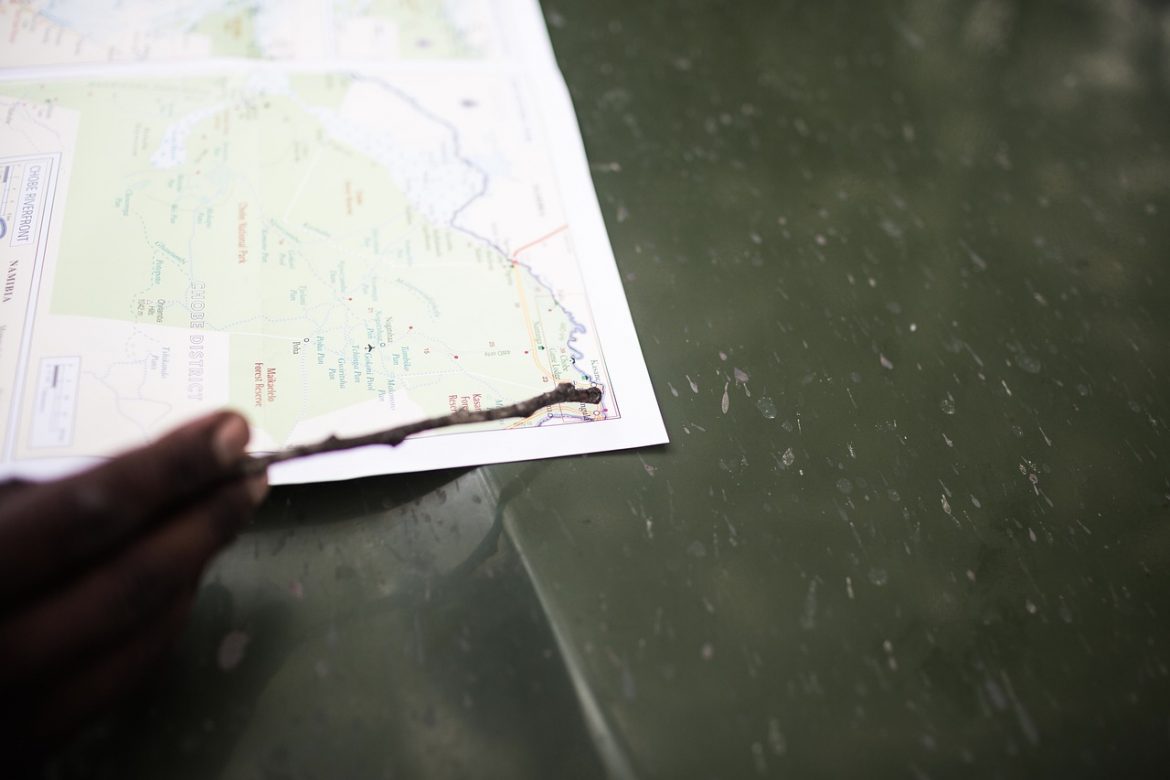
For planning a trip to vietnam with confidence, combine digital navigation with a curated paper vietnam map. It sounds old-fashioned, but it’s genuinely useful when you’re meeting a driver at a hotel entrance, switching to a boat transfer, or finding a small group tour pick-up point without fuss—especially when you’re planning your trip across multiple cities. Consider this your travel guide and guide to the best foundations—so the magic has space to arrive.
If you’d like visual inspiration for vietnam before you commit dates, you can browse our Trip gallery and imagine how your own designed journey could look.


Hanoi on the Vietnam Tourist Map: Old Quarter Attractions, Colonial Architecture, and Calm Exploration
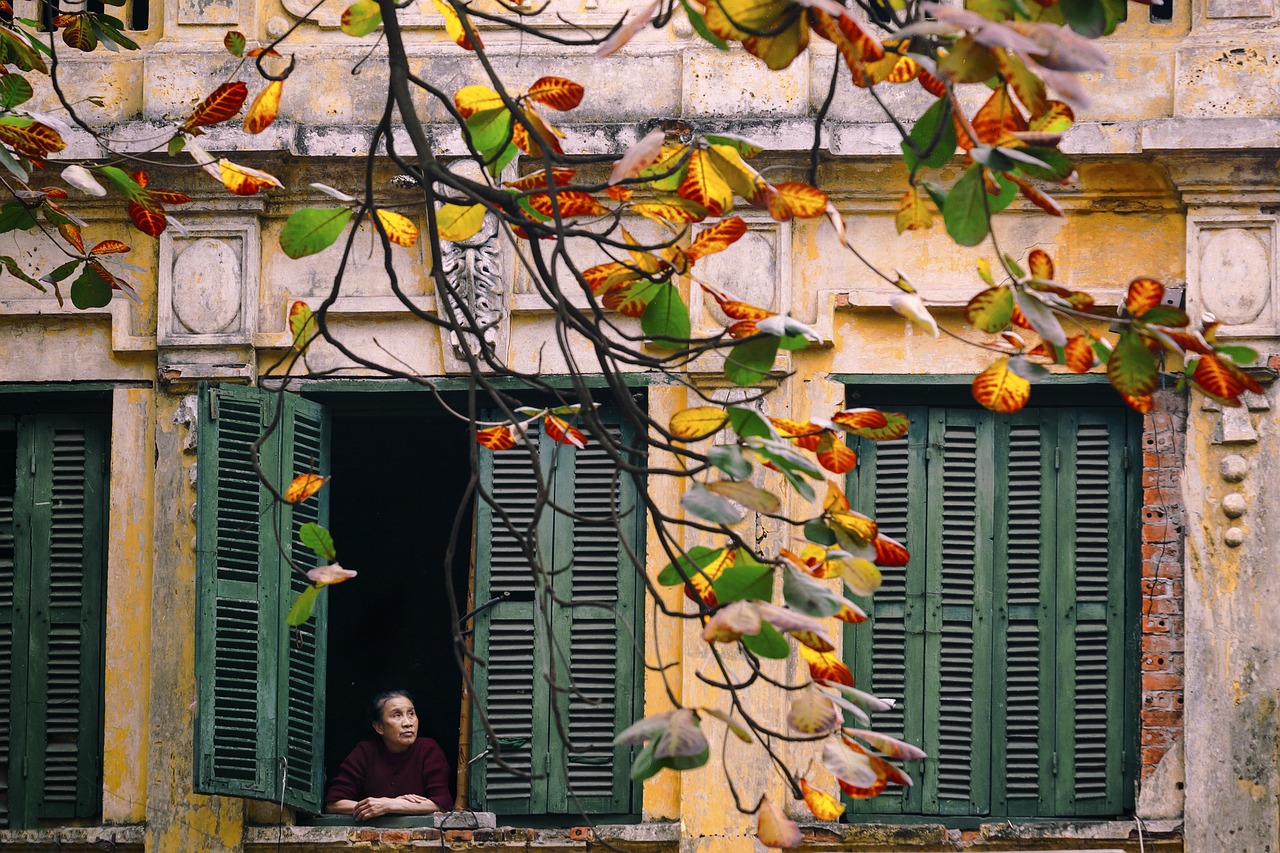
Hanoi Old Quarter street life, architecture, and heritage layers in the heart of Vietnam’s capital
When you open a vietnam tourist map of the capital, keep “Old Quarter attraction and colonial architecture” in mind as your north-star for a refined first day in Hanoi. The Old Quarter rewards travellers who move slowly: early light on shopfronts, the soft drift of scooters, and the gentle theatre of daily life. With a personal guide, Hanoi becomes less about racing from one pin to the next and more about uncovering the city’s elegant layers.
Start by orienting yourself around the lakes—this is your calm centre—then spiral into artisan streets where each lane traditionally specialised in a craft. A well-marked walking loop keeps the experience feel designed, not demanding, and helps you avoid unnecessary crossings and crowds.
Hanoi moments: pagoda etiquette, café culture, and a flexible itinerary
For vietnam travel, timing is your greatest luxury. Slip out early for street scenes before the day warms up, then move into a refined pagoda visit where modest dress and a quiet voice are signs of respect. From there, let the morning soften into café culture—egg coffee or a thoughtful pour-over—while your guide shares insight into French-era façades and the city’s resilience.
When the light changes, the Old Quarter’s architecture becomes especially photogenic. A good guide will steer you down calmer lanes, so you can explore with confidence rather than simply tick off a list.
Street food with comfort, hygiene, and traditional Vietnamese flavours
Curated street food is one of the most satisfying ways to discover Hanoi, as long as it’s handled with expert care. Choose chef-led tastings with vetted stops, bottled water, and a pace that suits you—particularly after a flight—so you can enjoy traditional vietnamese dishes without stress. This is local travel at its best: intimate, flavourful, and reassuring.
Map pins for luxury stays by vibe can shape your evening beautifully. A heritage option keeps you close to theatre and lakeside strolls; a design hotel brings quiet modernity; a discreet boutique stay offers a softer, residential feel. Location matters because it keeps your itinerary seamless—no long transfers when you’d rather be enjoying a cocktail, a massage, or a slow dinner.
Trust note on etiquette: remove shoes when entering temples, and keep shoulders and knees covered in sacred spaces. In Hanoi, these small gestures are warmly received and help you feel connected, not self-conscious.
Ha Long Bay on a Vietnam Map: Luxury Cruise Planning, Limestone Karst Seascape, and Natural Wonders
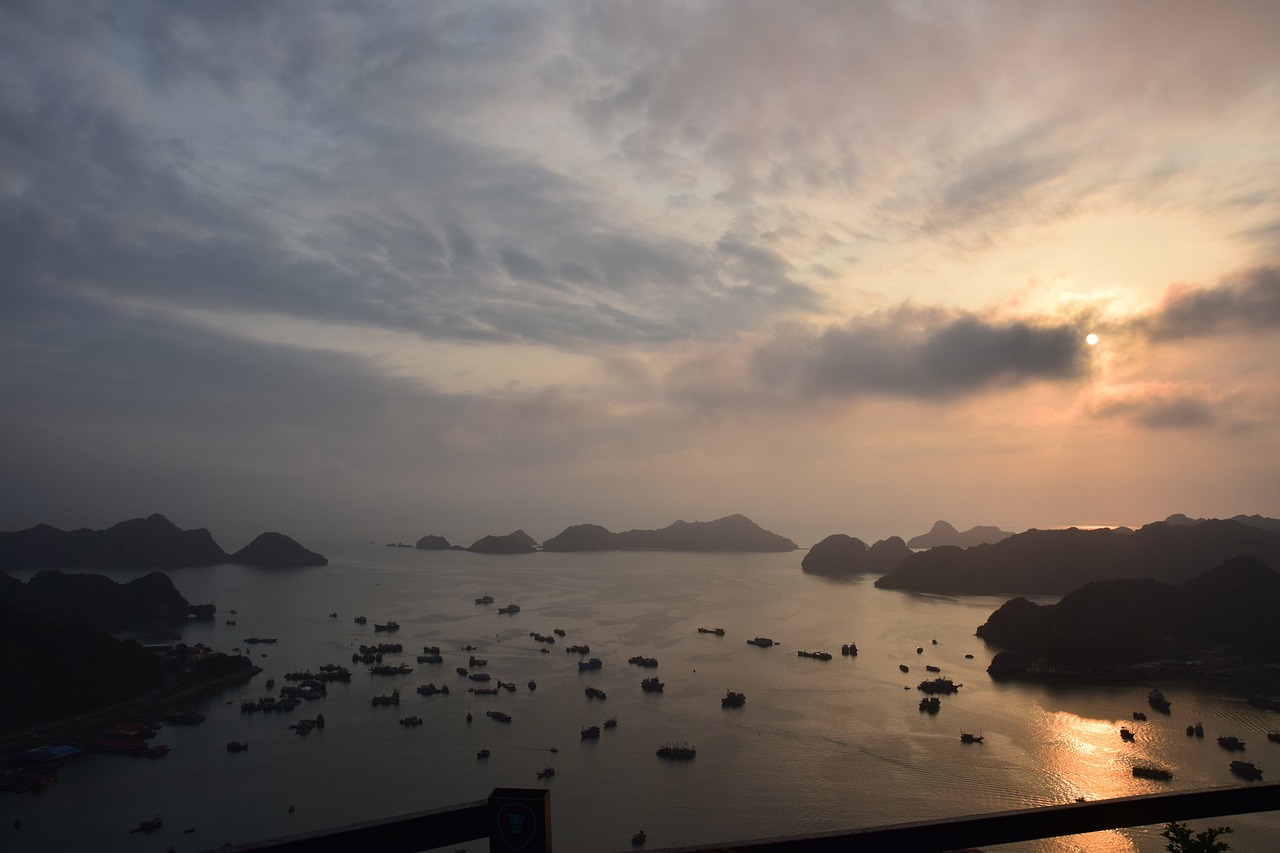
Ha Long Bay seascape by luxury cruise among limestone karsts (UNESCO World Heritage)
Ha Long Bay cruise planning is where city energy meets pure atmosphere. On a vietnam map, the bay sits close enough to Hanoi to feel effortless, yet it offers one of Asia’s most memorable natural wonders: emerald water, misty horizons, and limestone formations rising like sculpture. As a UNESCO World Heritage heritage site, it has presence—but the way you experience it depends entirely on timing, route choice, and vessel style.
Many travellers worry it will be crowded. With a crafted plan and the right departure time, it can feel remarkably private—especially when your schedule protects quiet mornings and restful evenings.
Sunrise on long bay: quiet ha long routes away from the crowds
One high-end traveller shared their enchanting sunrise bay cruise experience with us: an early departure, warm tea on deck, and near-silence broken only by oars and distant birds. They described it as “the kind of beauty you can’t photograph properly—only absorb”, especially in softer corners of long bay where daytime traffic thins out and the karst silhouettes feel almost unreal.
If you’re choosing between ha long and the wider region, ask your operator about quieter routes and overnight anchoring points. That one detail can transform the entire travel experience, turning a busy highlight into something genuinely restorative.
Design your cruise flow for sunsets, caves, and restful time
The best Vietnam cruise days have a gentle arc: a slow lunch, an afternoon of kayaking through hidden caves, and a sunset deck moment that feels quietly celebratory. For photographers, golden hour can be extraordinary when limestone karsts sharpen against the sky and the sea turns to glass.
- Day cruise vs overnight: day trips suit tight schedules; overnight creates space for dawn light and true decompression.
- Boutique vs ultra-luxury: boutique often feels intimate; ultra-luxury adds larger cabins, spa touches, and elevated dining.
- Rest without missing Vietnam highlights: plan one active excursion per half-day, then protect the rest of your time for the seascape.
Practical support: pack light layers for breezes, sunscreen, insect repellent, and water. Private transfers from Hanoi keep everything seamless—no queueing, no guesswork, just a calm handover from city to sea.
Central Vietnam Map: Hoi An, Hue, and Da Nang Attractions for a Crafted Vietnam Trip
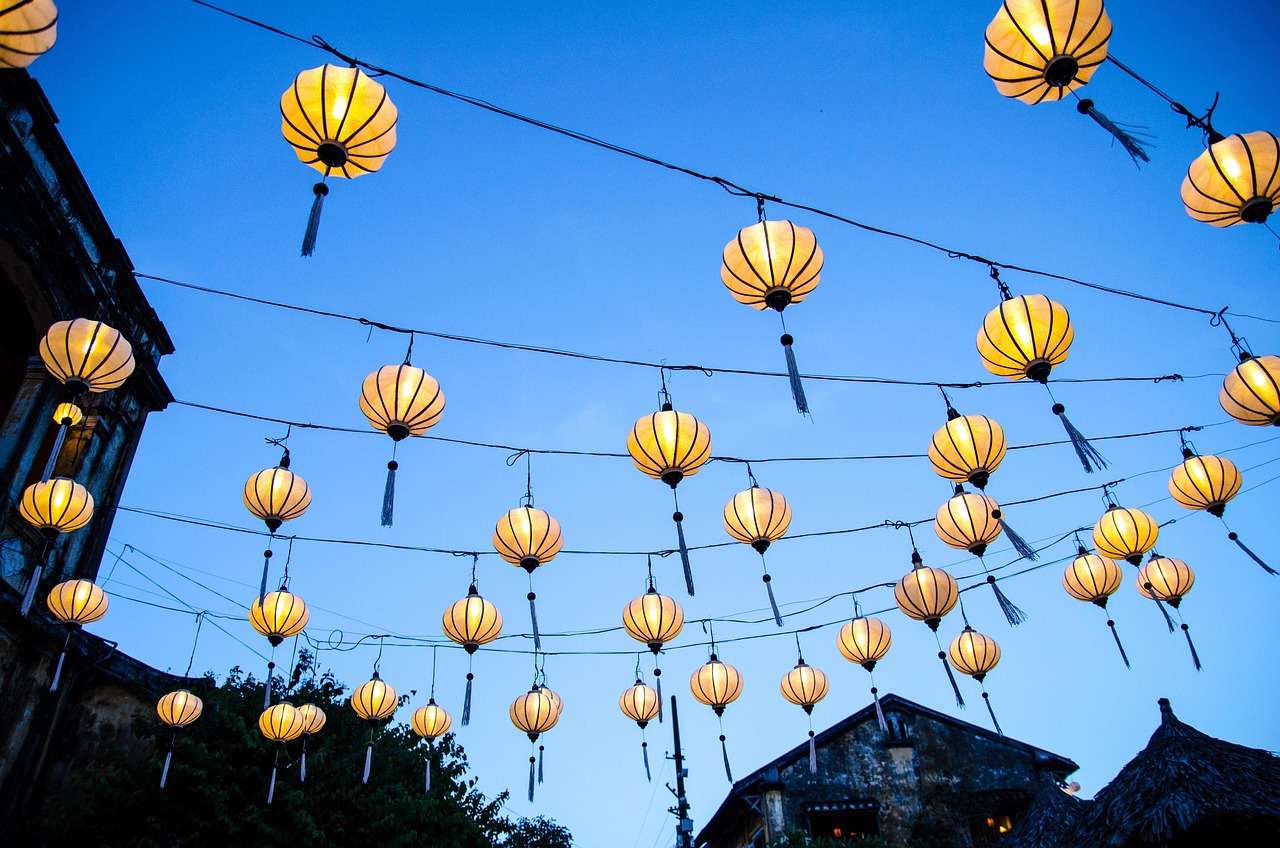
Central Vietnam map notes: Hoi An, Hue, and coastal beauty with lantern-lit streets
On a central vietnam map, Hoi An, Hue, and coastal resorts are best approached as a graceful triangle rather than separate stops. With a quick flight from the north or south, you can base yourself near the coast for easy access to Hoi An’s charm and Hue’s former imperial depth. The map of vietnam makes it clear: this region is compact enough to feel indulgent, not exhausting.
The real art is avoiding backtracking. Choose one main base, then design day trips that return you to comfort—pool time, spa time, and unhurried dinners—so your schedule feels like a holiday, not a commute.
Hoi An on the Vietnam map: lantern-lit evenings and slow mornings
Hoi is at its best when you explore early, before day-trippers arrive. Begin with a calm morning itinerary—soft light on mustard-coloured walls, quiet bridges, and a riverside stroll—then pause for coffee and people-watching. In the evening, lanterns glow and the town feels almost theatrical, yet still intimate if you know which lanes to choose and when to step away from the busiest riverfront.
Here, “heritage” isn’t a museum label; it’s a lived atmosphere. Move slowly, and you’ll discover why Hoi An belongs on so many lists of Vietnam’s most beloved places.
Bespoke tailoring, craftsmanship, and a relaxed pace
A couple once recounted their bespoke tailoring experience in Hoi An as the unexpected heart of their trip. They chose fabrics with an expert fitter, learned how pattern choices affect drape in humid climates, and created pieces that felt personal rather than souvenir-like. The key is time: allow at least 48 hours, schedule fittings around the heat of the day, and ask for workmanship you can trust—finishing, lining, and seams that will last.
On your mini-map of nearby contrasts, Hue offers a more formal mood—citadels, gardens, and a sense of ceremony—while the coast is ideal for a beach reset. Even a single spa day can make your itinerary feel designed for you, not for a checklist.
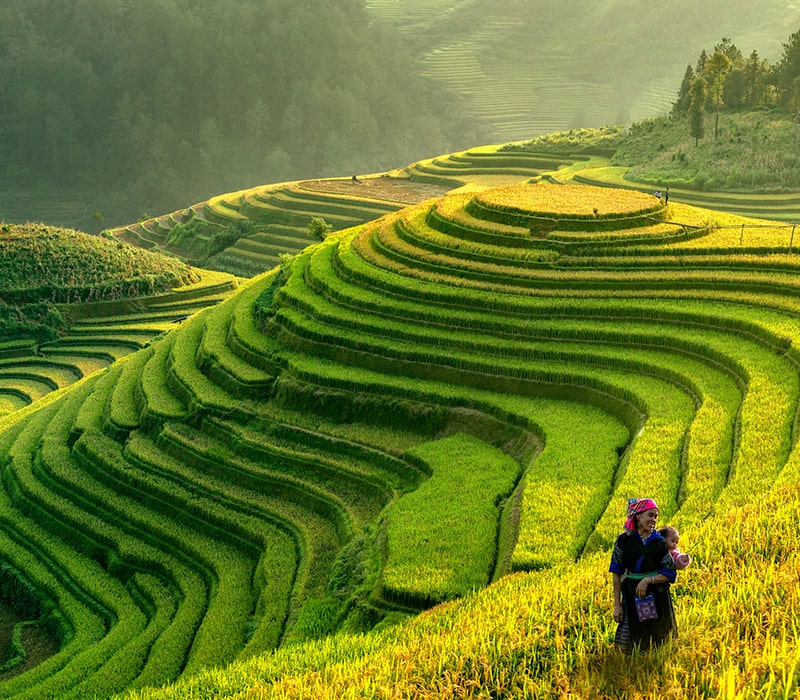
Optional extensions on the map: a Sapa tour for rice fields, terrace viewpoints, paddy fields, and hill tribes is extraordinary if you want cooler air and mountains; Nha Trang can be a resort interlude when you want straightforward beach time. Consider these as design choices, never obligations.
South Vietnam Tourist Map: Ho Chi Minh City, Saigon Highlights, and Mekong Delta Floating Markets
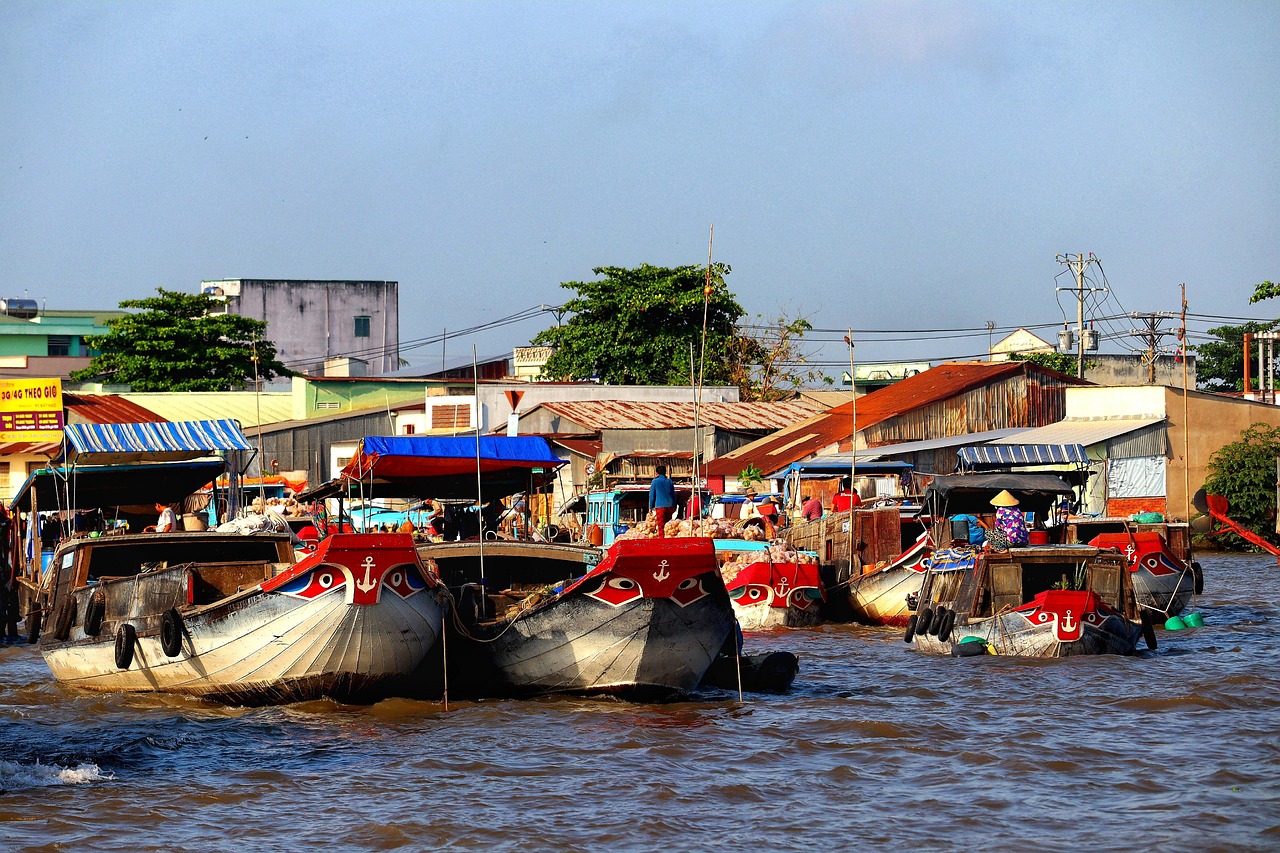
South Vietnam highlights: Ho Chi Minh City and the Mekong Delta by private boat
On a south vietnam tourist map, the pairing of Ho Chi Minh City and the Mekong Delta brings energy and softness into the same frame. Saigon is fast-paced, but it becomes wonderfully easy with a private guide who understands pacing, comfort breaks, and the kind of dining that turns a night into a memory. Then, just a short drive away, the delta slows everything down and reconnects you with water, shade, and open horizons.
This is where a well-designed route feels like care in action: city buzz first, river quiet second, with logistics handled smoothly in between.
Ho Chi Minh City attraction planning: markets, museums, and Cu Chi tunnels
For a luxury lens, begin with curated food experiences that prioritise vetted stops, clean prep, and thoughtful pacing. Pair that with design-led restaurants for evenings when you want linen, candlelight, and a crafted cocktail. On your map, Ben Thanh Market is a classic pin—lively and best with a guide who can steer you towards quality goods and away from overwhelm.
For cultural insight, the War Remnants Museum offers a powerful, sobering perspective; plan it early in the day and follow with something restorative. Many travellers also include a half-day to the Cu Chi tunnels, a historic tunnel network best visited with context, shade, water, and time to pause—so the experience feels informative rather than rushed.
Mekong Delta by private boat: floating markets, Cai Rang, and rural villages
Shift from the city to the Mekong Delta by private boat tour and you’ll feel the landscape change in your body. Rural villages, fruit trees, and quiet tributaries replace traffic, and the floating markets become a moving mosaic of colour and trade. If you’re choosing just one, Cai Rang is the name most travellers recognise, best visited early for the most authentic rhythm.
- Cash and comfort: Vietnamese Dong (VND) is useful for small purchases; cards are widely accepted in upscale venues.
- What to wear: light breathable clothing, sunscreen, and a hat for midday light on the water.
- Hydration: keep bottled water close and sip often, especially in humid months.
A traveller who stayed overnight in the delta described the warm hospitality of local families as the moment Vietnam felt truly unforgettable. The key is boundaries and trust: choose a vetted home-stay, communicate dietary needs, and keep the schedule gentle so cultural immersion feels supportive, not performative.
If you have extra days in south vietnam, consider Phu Quoc for a refined beach finish, or a quick coastal pause near Vung Tau. Even smaller names like Bac Lieu can feel rewarding when you travel with local guides who know what’s quietly special.
After Vietnam: What Stays With You from an Unforgettable Vietnam Experience
What lingers after Vietnam is rarely one headline attraction. It’s more often a collection of vietnam moments that return unexpectedly: the sound of water against a boat, the scent of herbs lifted from a bowl, the way a city street settles after rain. Vietnam holds diverse landscapes, yes—but it’s the small kindnesses that stay with you, and the quiet confidence that comes from feeling well-supported.
One traveller described how a chauffeur service between regions felt less like logistics and more like a pause to breathe—time to watch the countryside unfold, to gather thoughts, to arrive unhurried. That kind of seamless movement changes the emotional shape of a trip. You feel present, not processed.
Long after you’ve unpacked, you may remember craft in the details: hands measuring cloth in Hoi, a guide sharing insight without rushing you, a family offering fruit with gentle pride. You might notice you’ve started travelling differently—more slowly, with more care, more trust in your own rhythms, whether you explored together or chose the clarity of solo days.
And somewhere in your mind there may remain a place in vietnam you only glimpsed on the vietnam map—just a name, a curve of coastline, a river bend—waiting not as a demand, but as a quiet invitation you can return to whenever you need it.
F.A.Qs: Vietnam tourist map planning and travel confidence
Which part of Vietnam is best for tourists?
It depends on your style and how you want your itinerary to feel. The north suits culture and scenery—Hanoi and Ha Long Bay are iconic—while central Vietnam shines for heritage and ease around Hoi An and Hue. South Vietnam is ideal for dining and day trips from Ho Chi Minh City, then slower time in the Mekong Delta. For many travellers, combining all three regions creates the most balanced experience.
Is $1000 enough for 2 weeks in Vietnam?
For mid-range travel, $1000 can work with careful choices, but it’s tight once you add internal flights, premium guides, and higher-end hotels. High-end travellers typically spend more to secure luxury cruises, private transfers, and curated dining. If you want comfort and seamless support, budget beyond $1000 and book key elements early—especially in peak season.
What is one of the biggest mistakes you can make in Vietnam?
Trying to cover too much distance too quickly. Vietnam looks simple on a map, but travel times can surprise you, and constant moving can dilute the experience. A better approach is to design your itinerary in regional clusters, fly between north, central and south, and protect time for rest. That’s often what makes the trip feel truly luxurious.
How many days are enough for a Vietnam trip?
Ten to fourteen days is a comfortable window for first-timers, allowing Hanoi, Ha Long Bay, central Vietnam (Hoi An and Hue), and Ho Chi Minh City with a Mekong Delta extension. With seven to nine days, focus on one or two regions for a calmer pace. If you have three weeks, you can add mountains like Sapa, nature stops like Cuc Phuong, or extra beach time and travel even more slowly.