Lake Maggiore, Italy: an elegant Italian lake for culture, gardens, and easy adventure
Lake Maggiore, Italy: culture, gardens, and mountain-to-water scenery in one itinerary
When you search for Lake Maggiore, Italy, you’re really looking for a destination that feels both elegant and alive. Lake Maggiore, also called Lago Maggiore, is one of the standout lakes in northern Italy and stretches between Piedmont and the Lombardy side of the lake near the Swiss border. The atmosphere is quietly cinematic: soft light on the water, stone villages, and gardens backed by mountain ridgelines that invite you to explore.
Maggiore is for travellers who like to mix culture with movement. You can step from a villa-lined promenade to a boat landing in minutes, then trade the shore for higher ground before lunch—always held together by a sense of care and ease. Lake Maggiore is one of those destinations where your days can be simple, yet feel expertly designed.
Towns on Lake Maggiore: choosing the right base for your travel style
Think of the main towns as distinct “moods” you can choose from, then connect with minimal effort. Stresa is classic elegance—grand hotels, refined cafés, and an immediate sense of arrival—while Verbania leans into gardens and relaxed promenades. Baveno makes a quieter base for travellers who want calm mornings and easy access to the water without the buzz, and towns like Stresa are ideal if you want quick connections to the islands.
The eastern side of the lake—with stops like Arona and Laveno-Mombello—opens up low-fuss day trips across the water, especially if you prefer to keep driving to a minimum. If you’re comparing big-name neighbours, Lake Maggiore can feel more spacious and less staged than Lake Como, while still delivering that beautiful Italian blend of design, food, and landscape. It’s a beautiful lake that doesn’t ask you to perform—just to slow down, look up, and enjoy the lake.
Things to see: a simple Lake Maggiore snapshot that feels curated, not crowded
Start with a confidence-building list of things to see: palaces set on island gardens, a long shoreline for strolling, weekly markets with local produce, and mountain viewpoints that reframe everything. Lake Maggiore’s palette changes hourly—blue water, pale stone, green terraces—so even “in-between” moments feel intentional.
Design note for Adventure Seekers: create a flexible base-and-spokes plan for exploring Lake Maggiore. Anchor yourself in one town (often Stresa or Baveno), then choose a higher-energy morning (a hike, a bike ride, a long walk) followed by a long, unhurried lunch and an easy boat ride. You’ll explore with purpose, but keep space for discovery.




Planning a visit to Lake Maggiore: best time to visit, routes from Milan, and ferry connections
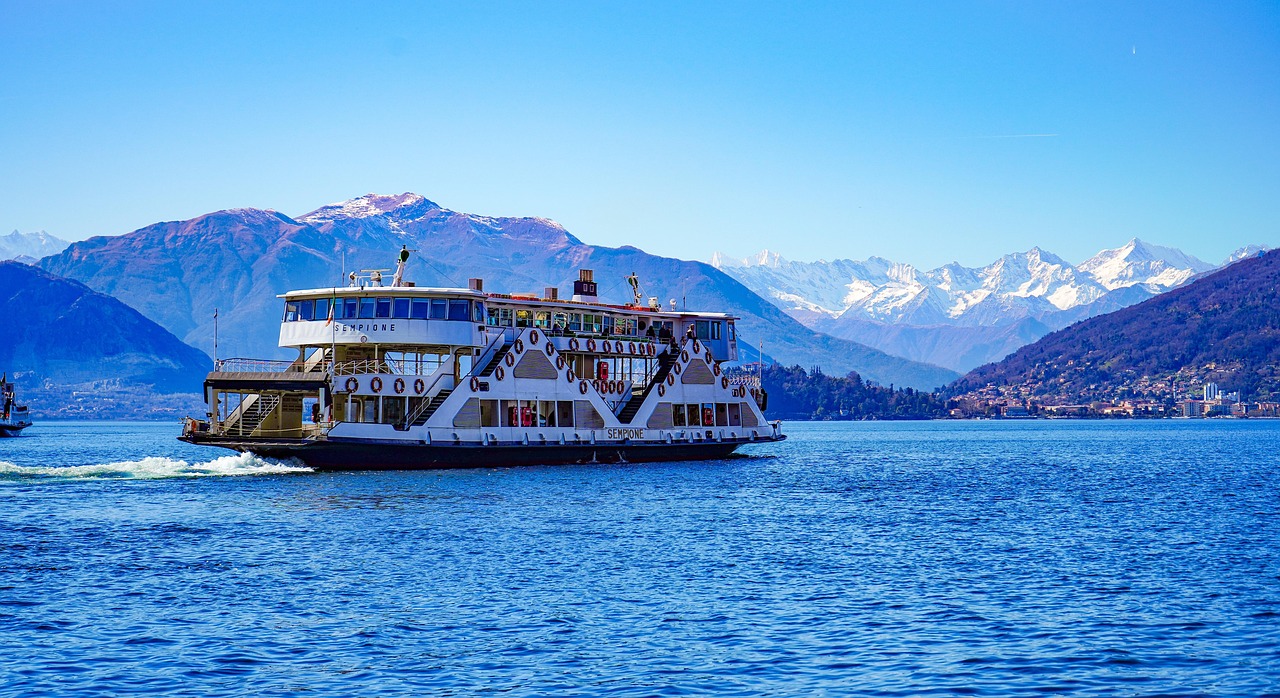
Plan your Lake Maggiore route with simple transfers, reliable ferry services, and scenic lake cruises
If you’re researching visiting Lake Maggiore from Milan Malpensa Airport, ferry lake cruises, you’re already thinking like a calm, strategic traveller. The rhythm here matters: the time to visit Lake Maggiore is typically late spring through early autumn, when days are long, boats run frequently, and you can move between lake and mountains with confidence. In winter, some villas and attractions reduce hours, and a few routes may feel quieter—certain services can be closed between November and March.
For a high-end trip, I like to design days around light and energy. Plan active mornings (travel, hikes, markets), then settle into a relaxed lunch by the water, followed by a slower cruise or garden visit. It’s a seamless structure that supports you, rather than a checklist that drives you.
Arriving from Milan: Malpensa Airport, trains, and easy onward travel
Milan is the natural gateway, especially via Malpensa Airport. From there, trains and buses connect smoothly to lake hubs such as Stresa and Arona. If you’re staying on the side of Lake Maggiore that faces Lombardy, Laveno-Mombello can also be a practical arrival point with simple links and a straightforward crossing.
Keep it stress-light: choose one connection over multiple tight transfers, and aim to arrive mid-afternoon. That way, your first evening is for a promenade, a gentle aperitivo, and the reassurance that you’re exactly where you need to be.
Ferry and lake cruises: the best panoramic way to move around the lake
On the water, a public ferry is often the most elegant decision: no parking worries, no winding road fatigue, just panoramic views across the side of the lake as mountains rise behind pastel towns. Standard lake cruises typically cost around €15–€30 depending on duration and route, and many include the Borromean Islands loop or scenic crossings along Lake Maggiore.
If you only do one classic transport experience here, take a ferry between the main towns and the islands—over a few days, it becomes your easiest way to move around the lake. When should you choose private over public? If you want golden-hour photography, a tailored aperitivo moment, or you’re travelling as a small group and value privacy, a private boat can feel deeply personal. Otherwise, public transport is the reliable, relaxed way to visit Lake Maggiore without over-planning the day.
- Best time to visit the lake: late spring to early autumn for pleasant weather and fewer crowds.
- Comfort and care: wear comfortable shoes for cobblestones and pack layers for mountain shifts.
- Practical ease: carry some cash for small villages where card payments may be limited.
- Confidence tip: check forecasts before heading up to higher ground—conditions can change quickly.
A simple first-day template helps: morning movement (arrive, check in, stretch your legs), a long lunch by the water, then a late-afternoon viewpoint or short cruise. With that structure, your visit to Lake Maggiore feels crafted and in your control—supportive, not rushed.
Visit the Borromean Islands: Isola Bella, Isola Madre, and Isola dei Pescatori on Lake Maggiore
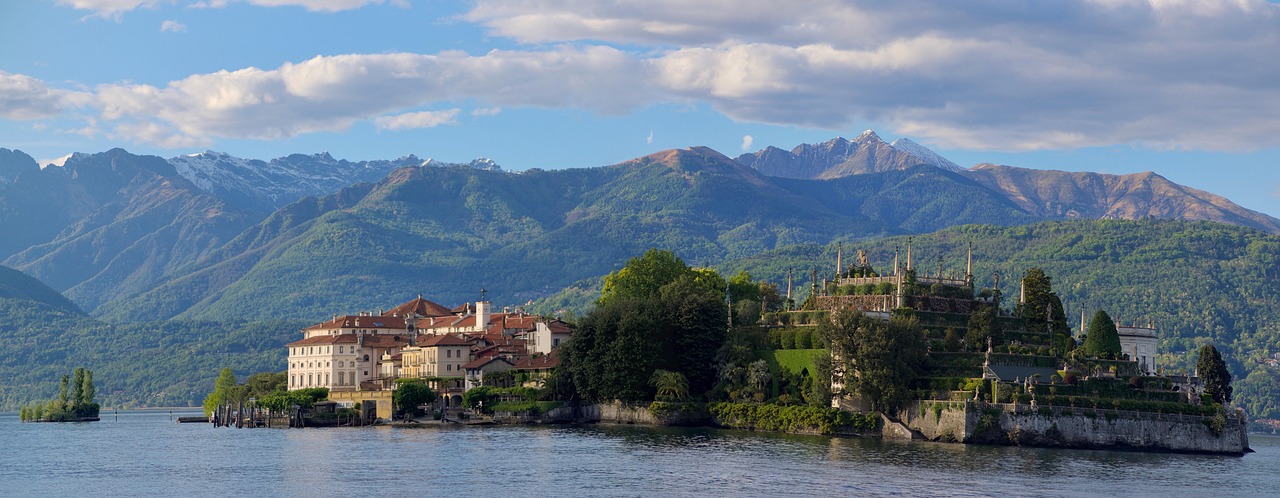
Island-hop the Borromean Islands for palaces, gardens, and waterfront dinners
To plan a day around the Borromean islands—Isola Bella, Isola Madre, and Isola dei Pescatori—start with energy and light. Begin at Isola Bella in the morning, when the palace rooms feel cooler and the terraces are calmer. Then slow down at Isola Madre for botanical wandering. Finish on Pescatori for the most human, lived-in ending, with dinner by the water and that gentle sense of having arrived somewhere real.
This is the day that makes many travellers fall in love with Lake Maggiore. It’s not only the grandeur; it’s the way each island reveals a different texture of Italian life—formal, natural, and local—held together by water and sky.
Isola Bella: the headline attraction and a Borromeo family legacy
Isola Bella is the showpiece attraction: ornate staircases, gilded details, and an Italian garden sensibility where architecture and nature feel designed together. The palace is owned by the Borromeo family, and you feel that long lineage in the portraits, the ceremonial rooms, and the careful preservation by the Borromeo line. It’s cultural immersion without needing to “study”—you simply move through beauty with insight and curiosity.
If you’re travelling for design, pause on the terraces: statues, symmetry, and layered perspectives that look out over Lake Maggiore like a staged theatre set—except the water is real, and the light keeps changing.
Island-hopping tips for Isola Bella and Isola Madre (and a relaxed Pescatori finish)
The practical side is straightforward once you know the logic. Boats run frequently between the islands and Stresa, and you can buy combined tickets that streamline entry. If you want to see Isola Bella and Isola Madre at a relaxed pace, give yourself the full day and resist the urge to over-pack the afternoon. When you’re booking, you may also see wording like Isola Bella and Isola on timetables or ticket boards—double-check what’s included so your sequence stays smooth.
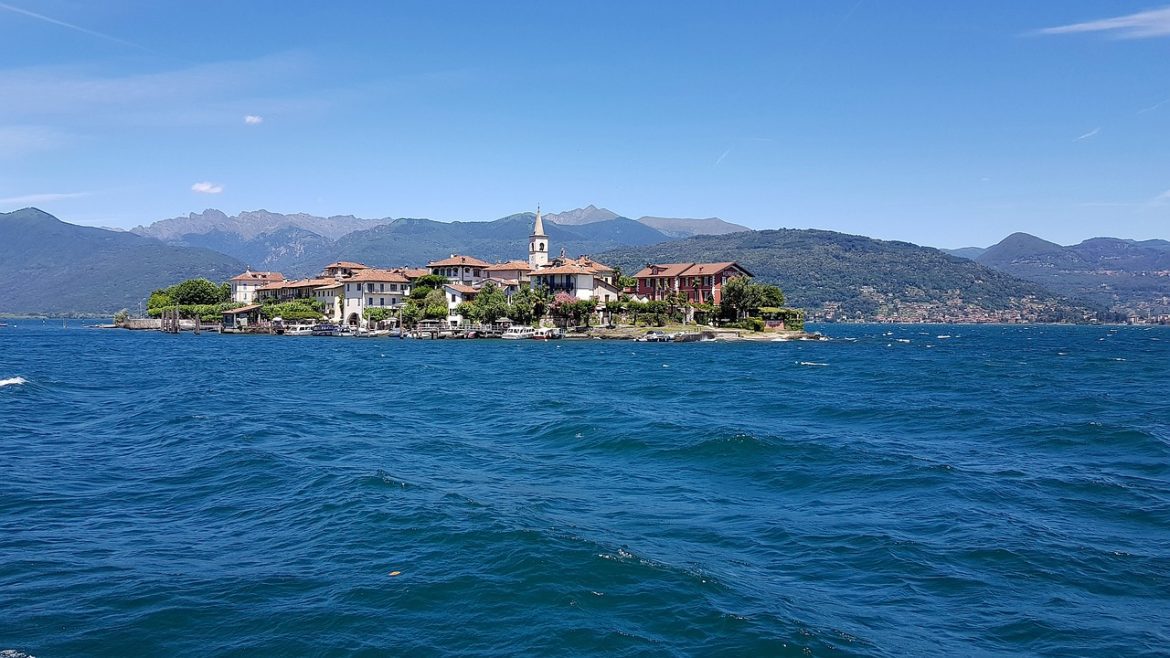
One of the quiet joys is ending on Isola dei Pescatori (also called Isola Pescatori or Isola Superiore), one of the borromean islands that remains inhabited all year round. A traveller once described a serene sunset boat trip circling the island—water rippling like silk, façades turning honey-gold, and locals greeting them with that warm, unforced welcome that builds trust in a place. It’s an aperitivo moment that feels crafted by the lake itself.
Stresa: villa stays, markets, and a waterfront promenade (plus the Stresa Festival)
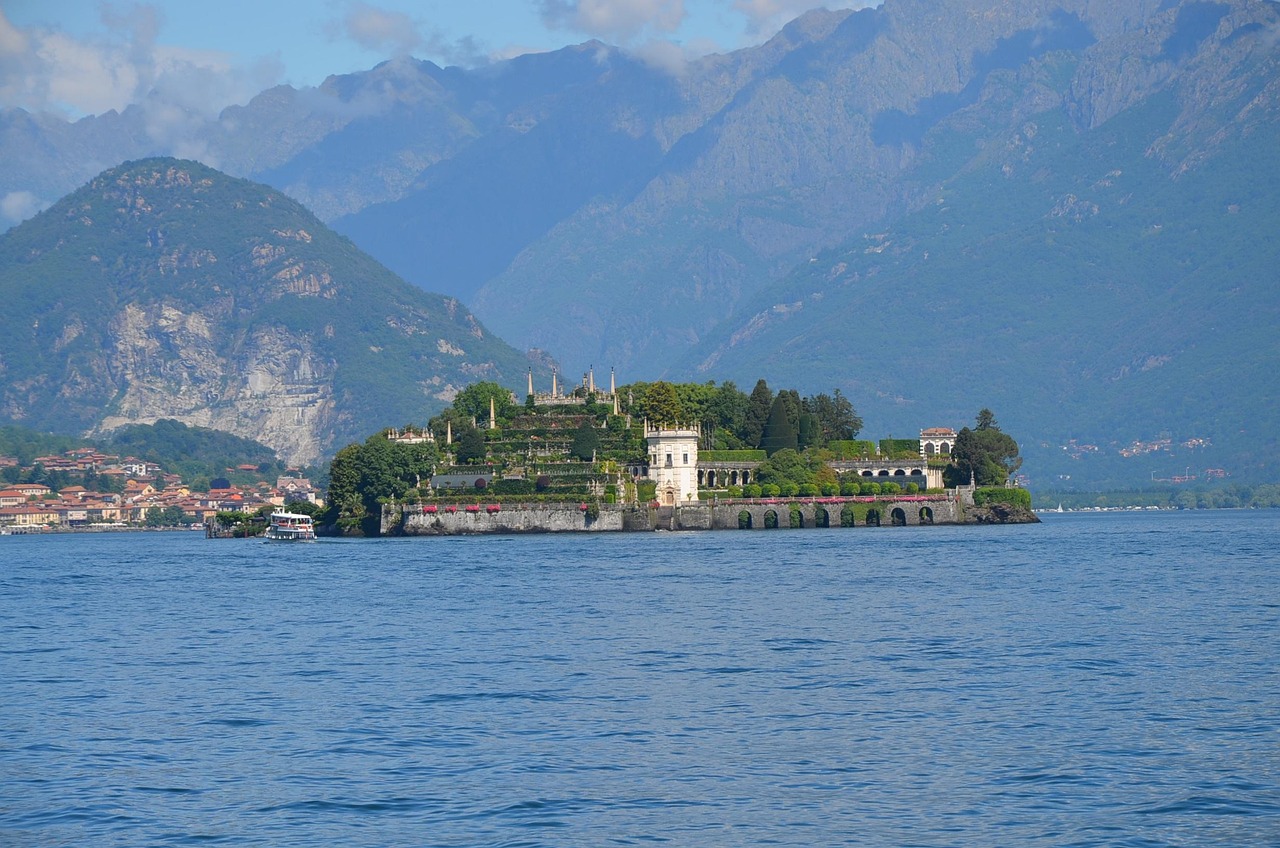
Stresa is a refined base for island ferries, elegant walks, and evenings of music
If your search is Stresa villa, lakeside promenade, Stresa Festival, things to do in Lake Maggiore, you’re looking at Lake Maggiore through the right lens: slow sophistication with plenty of life. Stresa feels instantly walkable—drop your bags, step outside, and you’re on a waterfront promenade framed by palms, belle époque façades, and the soft movement of boats heading towards the Borromean Islands.
This is also where a high-end trip becomes wonderfully personal. You can dress for dinner, then change into trainers the next morning for a more adventurous loop—no friction, no fuss, just well-placed options.
Stresa villa stays: quiet luxury, beautiful villas, and easy routines
A family once told me their favourite Stresa memory wasn’t a monument, but the feel of returning to their villa at dusk—windows open, the scent of water in the air, and a table set for fresh lake fish. They swam each morning, then explored gently between activities: a market stop, a short boat ride, a café where the owner remembered their order. That’s the kind of local connection you can’t force, but you can create space for.
If you’re choosing between a hotel and a private villa stay, think about how you want your days to open and close. A villa gives you a home rhythm—breakfast on a terrace, a mid-afternoon pause, an unhurried dinner—especially comforting for families or couples who value quiet luxury.
Things to do in Lake and on Lake: a relaxed day plan from Stresa
For travellers who want motion with meaning, this is where you balance activities in lake settings with cultural depth. Browse vibrant markets, take a short cruise, then walk off dinner with an evening promenade. In Stresa, things to do on the lake often feel effortless: hop on a ferry, photograph the mountains, and return in time for a beautifully timed aperitivo.
- Morning: market browsing and a short scenic crossing.
- Midday: long lunch—choose a terrace where you can watch boats come and go.
- Late afternoon: a viewpoint or garden stroll for softer light.
- Evening: promenade and a calm, well-chosen restaurant.
And if you love culture with atmosphere, the annual Stresa Festival blends classical music with extraordinary scenery. Book ahead for the best selection, and choose seats that suit how you like to listen—some travellers prefer being close for intimacy; others like a wider view that lets the lake and architecture become part of the performance.
Designer detail: Stresa’s art nouveau hotels and heritage façades—many admired since the late 19th century—reward a slow walk. Look up: ironwork balconies, decorative stone, and the kind of craftsmanship that echoes the lake’s calm confidence.
Mottarone: hikes, cable car options, and spectacular views overlooking Lake Maggiore
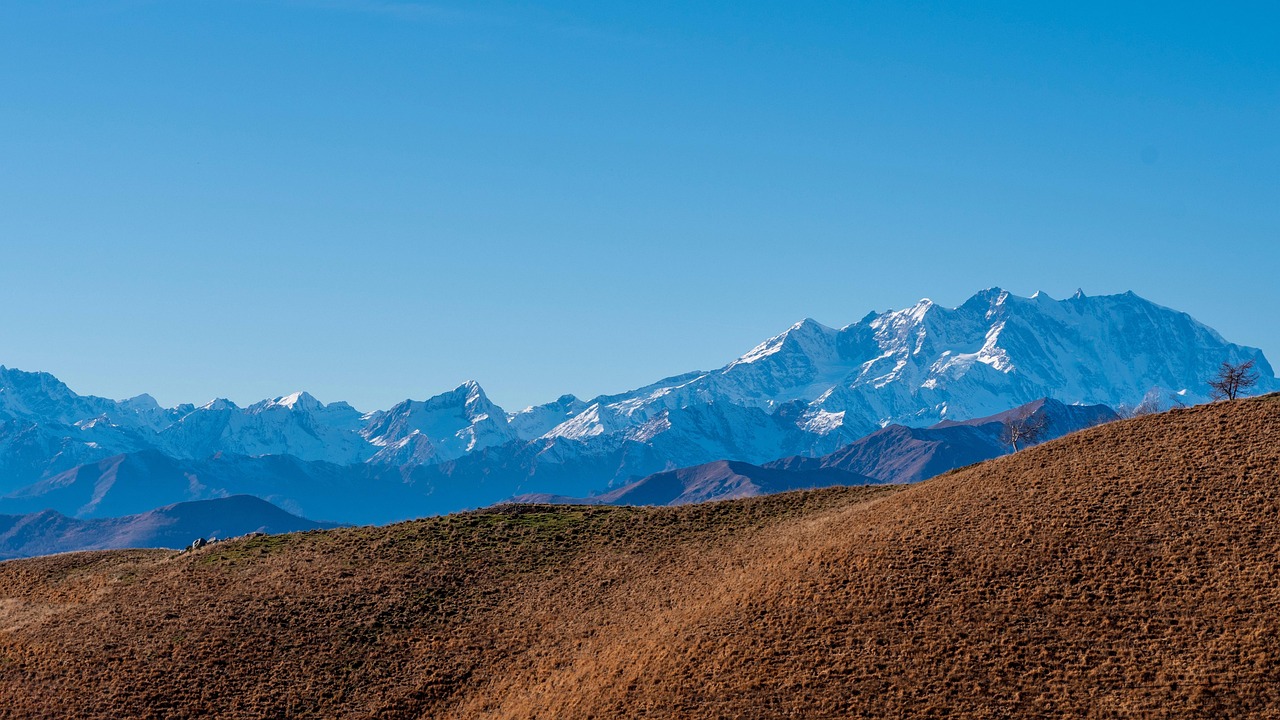
Mottarone delivers high-mountain air and wide panoramas above the lake
The phrase ” Mottarone hike cable car overlooking Lake Maggiore captures exactly why Adventure Seekers fall for this corner of Lake Maggiore. Mottarone is your adventure centrepiece: a climb that trades waterfront ease for high air, sweeping horizons, and the feeling that you’ve earned your view. It’s also a reminder that cultural travel can be physical—your body becomes part of the story.
A couple once shared how their trek felt challenging in the best way: steady effort, quiet conversation, and then a crest where the world suddenly opened. That panoramic reward made every step worthwhile—and gave them a shared confidence that carried them through the rest of their trip.
Mottarone route choices: hikes for strong walkers and gentler options
You can design Mottarone to suit your pace. Strong hikers might go for a full ascent, while others choose a shorter trail from a mid-point. Where services are available, using a cable car can turn the day into a more relaxed blend of ascent and walking—ideal if you want the scenery without a long climb, or if you’re managing heat.
Whatever you choose, the most expert approach is pacing: start earlier, carry water, and give yourself permission to pause. Lake Maggiore’s beauty isn’t going anywhere; it’s waiting for you to meet it well.
The view of the lake, Alpinia, and the best photo moments
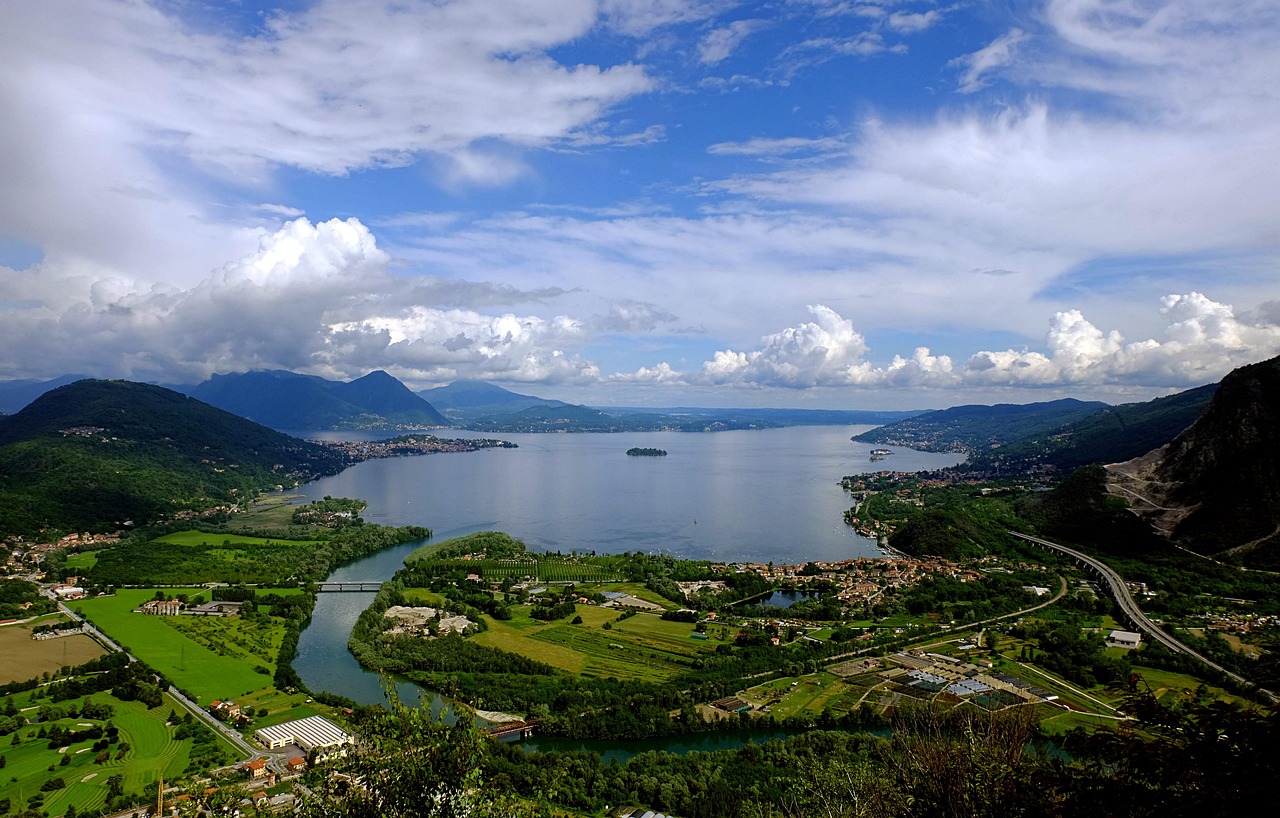
There’s a particular moment—overlooking Lake Maggiore—when you see towns and islands laid out like a crafted map. This single view of the lake can feel like a reset: the water below, distant peaks beyond, and the sense of being held by the landscape. It’s the emotional payoff, and yes, the spectacular views are as real as the photographs suggest—especially if you’re chasing beautiful views without a full-day trek.
After the high-energy morning, build in Alpinia as a gentler afternoon. Think botanical stillness: benches, clean air, and photo angles that soften the day. It’s also a smart way to keep the day balanced—adventure and recovery, together.
Safety and care notes: check conditions before you go, layer for wind, and turn back if visibility shifts. Mountain weather can change quickly, and thoughtful decisions keep a trip feeling seamless and secure.
Cannobio, Luino, and the Swiss side: easy day trips around Lake Maggiore to Locarno
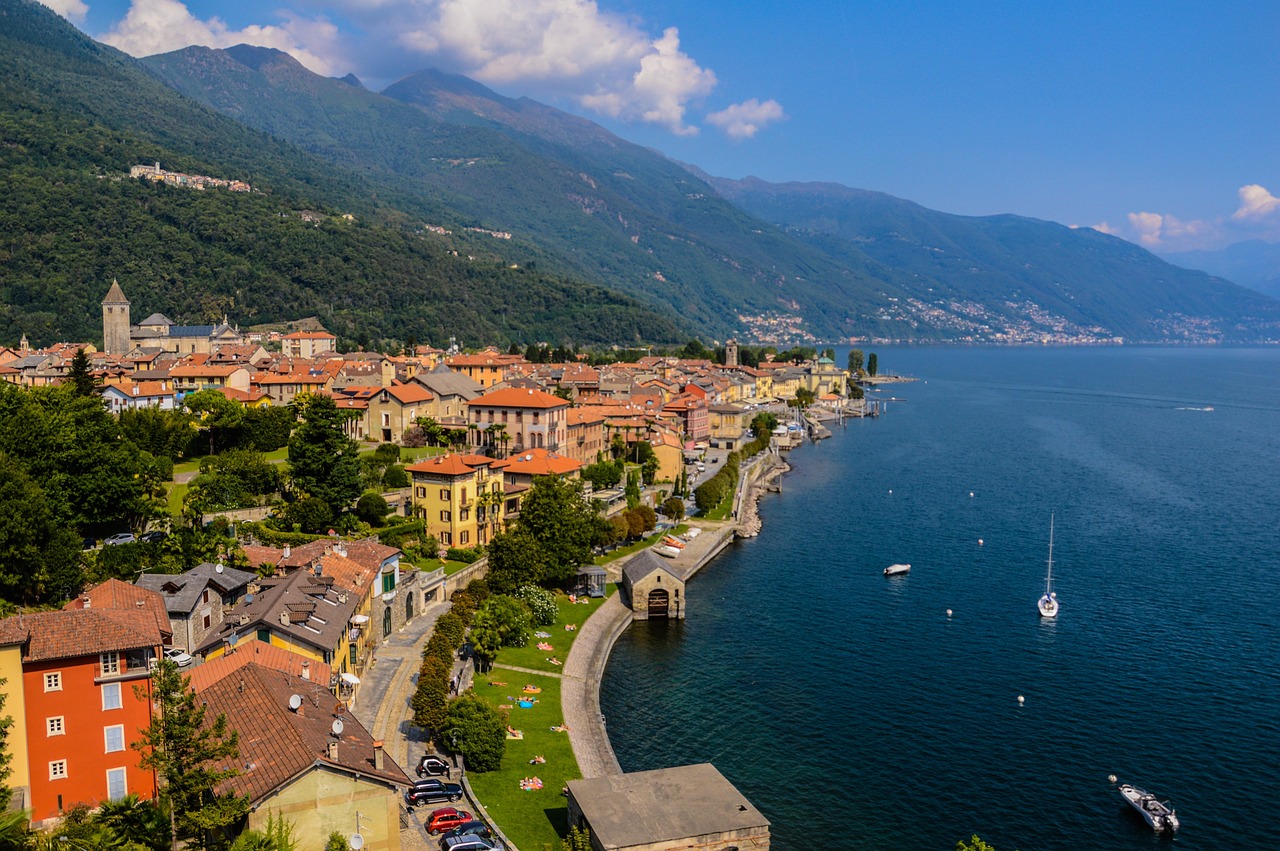
Head north for markets, artisan lanes, and cross-border culture near Locarno
For travellers drawn to Cannobio, Luino, and Locarno, Switzerland, around Lake Maggiore, the northern stretch is where the lake turns delightfully textured. Cannobio is a charming fishing village with narrow cobbled streets, waterfront cafés, and artisan workshops that feel genuinely local rather than staged. It’s a place to slow down—and still feel you’re uncovering something.
Local artisans here told stories of maintaining traditional crafts: repairing tools the old way, sourcing materials from nearby valleys, and teaching techniques to younger makers. That kind of continuity adds depth to your day; you’re not only shopping, but you’re also meeting a living culture with pride and care.
Luino: market morning energy with a calm waterfront walk
Luino brings a different rhythm—market energy and movement. Pair the market with a walk along the water to balance the buzz: buy something small, then step back to the lake and breathe. This is a good spot to remember the practical reassurance from earlier: have cash for the easiest small purchases, particularly at the busiest stalls.
- Go early for calmer browsing and better conversations with stallholders.
- Keep a light tote for purchases, and wear comfortable shoes on uneven ground.
- Build in a café stop afterwards so the morning feels spacious, not hectic.
Locarno and the Sanctuary of the Madonna del Sasso: a Swiss day trip
Cross-border flavour is part of what makes the north so satisfying. A day trip towards Switzerland can include Locarno for lakefront elegance, plus the Sanctuary of the Madonna del Sasso for a viewpoint with meaning. It’s not about ticking off another country; it’s about contrast—Swiss-style efficiency, Italian warmth, and a shared love of lake life.
For around lake maggiore travel flow, string Cannobio, Luino and Locarno together without rushing. Sometimes a train connection on the Swiss network feels easier than driving, especially if you’d like a glass of wine at lunch. And if you’re comparing with Lake Como, you may notice Lake Maggiore feels more open and less posed—still polished, simply more breathable. If your route tempts you further, Lugano can be a refined add-on for travellers who enjoy architecture and café culture—just keep it as a gentle extension, not a pressure-filled detour.
Angera, Verbania, and Santa Caterina del Sasso: day trips, villas, and gardens in Italy
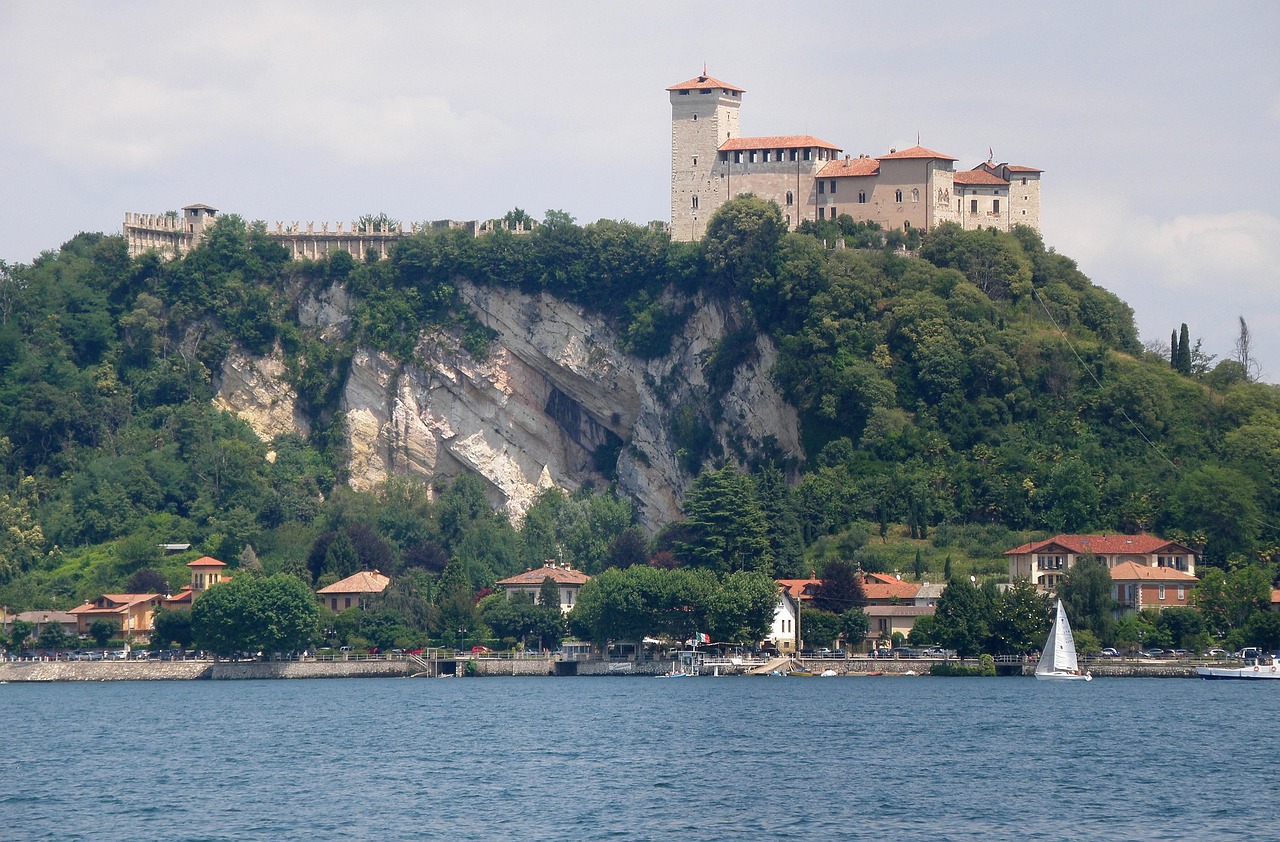
Pair fortress history with botanical walks and a cliffside hermitage
Build a culturally rich day around Angera, Verbania, and Santa Caterina del Sasso, and Lake Maggiore starts to feel like a gallery of landscapes and stories. Angera sits opposite the Borromean Islands, and its fortress is one of those places where history and scenery support each other: stone walls, lake air, and a perspective that makes you see the shoreline differently.
This chapter is for travellers who love heritage with a view—especially if you’re designing your trip to include both active days and slower, contemplative ones.
Rocca Borromeo di Angera: fortress museum, panoramas, and family history
The Rocca Borromeo di Angera is an easy day out from Stresa, Arona, or the Lombardy shore. Inside, you’ll find layered rooms and curated exhibits that feel substantial without being heavy. It’s a satisfying cultural stop even if you’ve already enjoyed palace glamour on Isola Bella—this is sturdier, more defensive, and deeply place-specific.
A playful surprise is the doll and toy museum. Even for adults, it becomes a design story: craftsmanship, changing materials, and the way objects reflect the hopes of their era. It’s unexpectedly moving if you let it be.
Verbania, Villa Taranto, and the hermitage of Santa Caterina del Sasso
For garden immersion, Verbania and Villa Taranto offer one of the most memorable botanical experiences on Lake Maggiore. Walk the botanical garden pathways slowly; let the light and scent do the work. It’s a highlight for travellers who seek gardens in italy, and it pairs beautifully with a relaxed afternoon on the side of lake maggiore that suits your base.
Then, for spiritual calm on cliffs, make time for santa caterina del sasso. Approached respectfully and unhurriedly, the hermitage of santa caterina del feels like a quiet breath held above the water—less about religion, more about stillness and human devotion to place.
If you want one broader heritage option, consider a nearby UNESCO World Heritage site such as the Sacri Monti (check which sites suit your route). Done well, it’s a chance to visit something meaningful that’s genuinely worth a visit, without over-extending your day.
If you’d like help stitching these cultural stops into a seamless itinerary with trusted hotels, guides and transfers, our Trip gallery can help you imagine what’s possible.
F.A.Qs: Lake Maggiore travel basics and quick comparisons
Why is Lake Maggiore famous?
Lake Maggiore is famous for the Borromean Islands, especially Isola Bella’s baroque palace and gardens, plus elegant resort towns like Stresa and dramatic Alpine backdrops. It also stands out for its mix of culture and nature—lake cruises, villas, gardens, and mountain viewpoints all in one area.
Which is better, Lake Como or Maggiore?
It depends on the mood you want. Lake Como is more polished and often busier, with a “seen on film” glamour. Lake Maggiore typically feels more spacious and varied, combining islands, gardens, and easier access to hikes like Mottarone, while still offering refined hotels, villas and excellent food.
What is the nicest town on Lake Maggiore?
Many travellers choose Stresa as the nicest town for a first visit because it’s walkable, elegant, and perfectly placed for ferries to the Borromean Islands. If you prefer quieter charm, Baveno can be a calmer base, while Cannobio is loved for cobbled lanes and artisan shops.
Which airport do you fly to for Lake Maggiore?
The most convenient airport is Milan Malpensa Airport, with straightforward train or bus connections to towns like Stresa and Arona. Depending on your route, you may also connect via Milan city stations for onward rail travel, or pair the trip with another of the great lakes in northern Italy, such as Lake Garda.
What stayed with you after Lake Maggiore: a personal reflection on slow travel in Italy
After Lake Maggiore, Italy, personal reflection and cultural adventure planning fade; what remains is softer. It’s the feel of evening light loosening its grip on the mountains, the small hush as a ferry pulls away, and the way locals look you in the eye when you try a few beautiful Italian greetings. It’s Lake Maggiore’s ability to hold you—whether you arrived full of energy or needing quiet—until you find your own pace again.
In memory, you don’t always return to the biggest attraction. You return to the calm confidence you built: courage on the trail, stillness on the water, gratitude at the table. A well-designed journey creates space for all of it, without making you prove anything. That’s the real luxury—trust, care, and an expert sense that you were supported, even in the in-between moments.
I still picture a last look across the lake as the Alps fade into a gentler outline, and the shoreline lights begin to glow one by one. Along Lake Maggiore, you learn that each return will be different—because you are—yet the water will meet you with the same quiet steadiness. And that thought, on an ordinary day back home, is often enough to make you pause and wonder what you might notice next time, perhaps from a single lakeside bench.