Visiting Livorno, Tuscany, Italy, a seaside port city worth exploring.
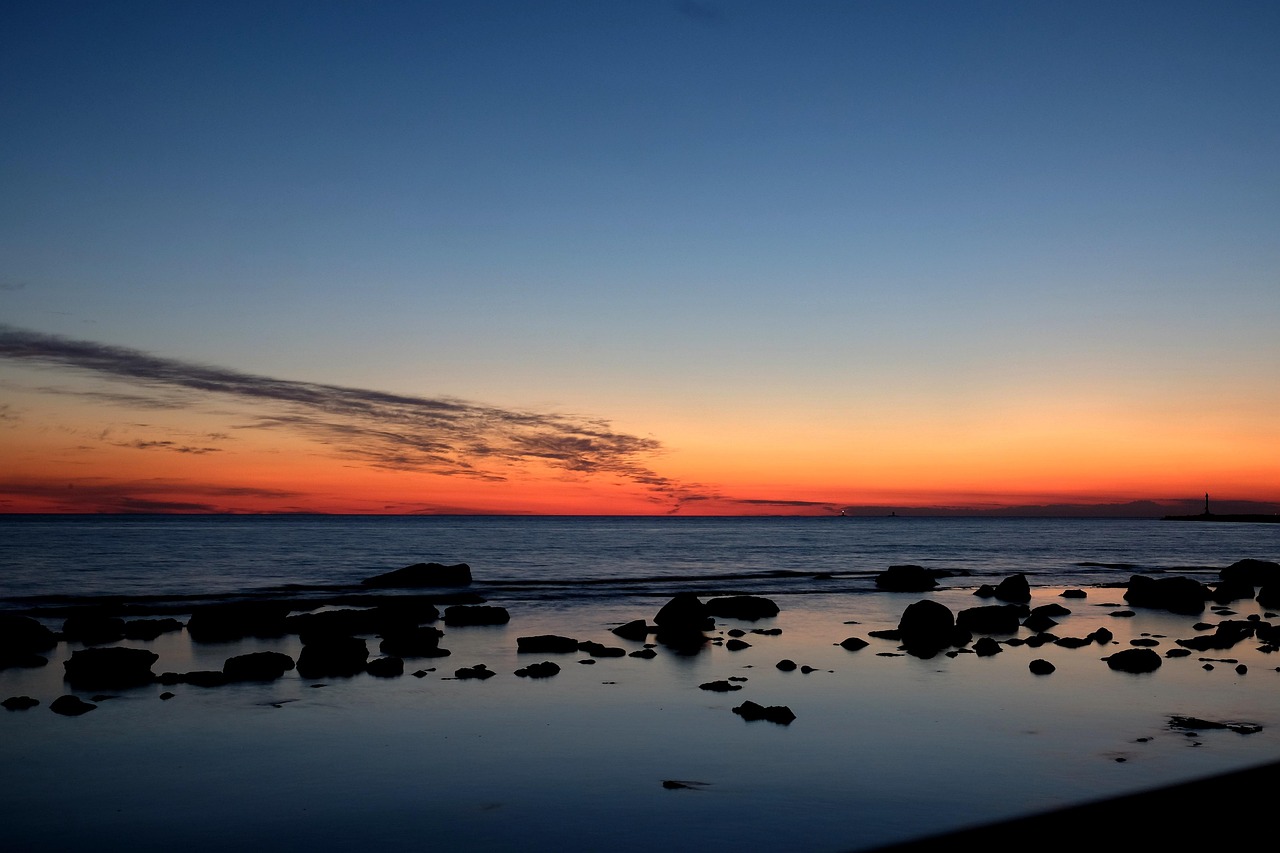
Visiting Livorno Tuscany a seaside port city worth visiting for harbour energy and coastal light
If you’re visiting Livorno, Tuscany, Italy, a seaside port city worth visiting is exactly the thought to hold onto: it’s an important port with a real, working heartbeat, sitting neatly between Florence and Pisa. For adventure seekers, Livorno is a lively base where you can explore on foot in the morning, then design a coastal escape by afternoon—without the sense of being herded through a museum city.
In Tuscany, Livorno has always been shaped by the water. The city was mentioned as founded in 1017 in early records, then later transformed under the Medici family, whose ambitions turned a small landing place into a strategic harbour. That legacy still feels present around the port area, where cranes and ferries sit beside grand, weathered architecture, and where you can uncover a rich history without needing a perfect postcard.
Livorno between Florence, Pisa, Lucca and Siena
Think of Livorno as a smart hinge point: it’s close enough to Florence for art and Renaissance scale, and close enough to Pisa for a quick landmark stop, yet it offers something different—salt air, local chatter, and a gentler sense of time. From here, onward adventures towards Lucca and even Siena feel doable if you’re building a crafted itinerary across Tuscany.
The city centre is compact, and you can move from the waterfront into the historic lanes quickly. One moment you’re watching the working harbour; the next you’re stepping into a piazza for coffee, letting the day open up with confidence.
A Medici port and a free port legacy
Livorno’s character comes from trade and arrivals. The Medici port project, and later its status as a free port, helped create a place that was notably open to outsiders for its time—a true melting pot of cultures. It’s why the city can still feel cosmopolitan and multicultural, and why a simple stroll can reveal layers of identity rather than a single storyline.
Best time to visit: late spring (May–June) and early autumn (September) are the sweet spots. The weather is kinder for long walks and bike rides, and the rhythm feels more local, with fewer day-trippers compressing the streets.
Arrivals snapshot is straightforward. Livorno railway station connects well with Florence and Pisa, making it easy for a short visit to Livorno or a longer stay. The port of Livorno is also a major gateway, including a ferry network; if you’re island-hopping, there’s even a ferry to Corsica and routes from Sardinia.
And yes, this is a practical stop if you’re travelling to Livorno on a cruise. For anyone arriving in Livorno by cruise ship—or planning to arrive in Livorno by cruise—it helps to set expectations: you’re stepping into a lived-in Tuscan city, not a stage set. That’s the point, and it’s what makes it quietly worth returning to.
- Plan for shoulder seasons for a calmer seaside feel and easier reservations.
- Move with ease: the centre is walkable; add a bike for longer stretches.
- Stay aware in busy areas (markets and the waterfront) and keep essentials close.
- Explore beyond the obvious: Livorno rewards curiosity more than box-ticking.
If you’d like inspiration for building a seamless Italian route around this port-side chapter, browse our Trip gallery and imagine how Livorno can support the rest of your journey.




Mercato Centrale Livorno Tuscan seafood waterfront trattorias
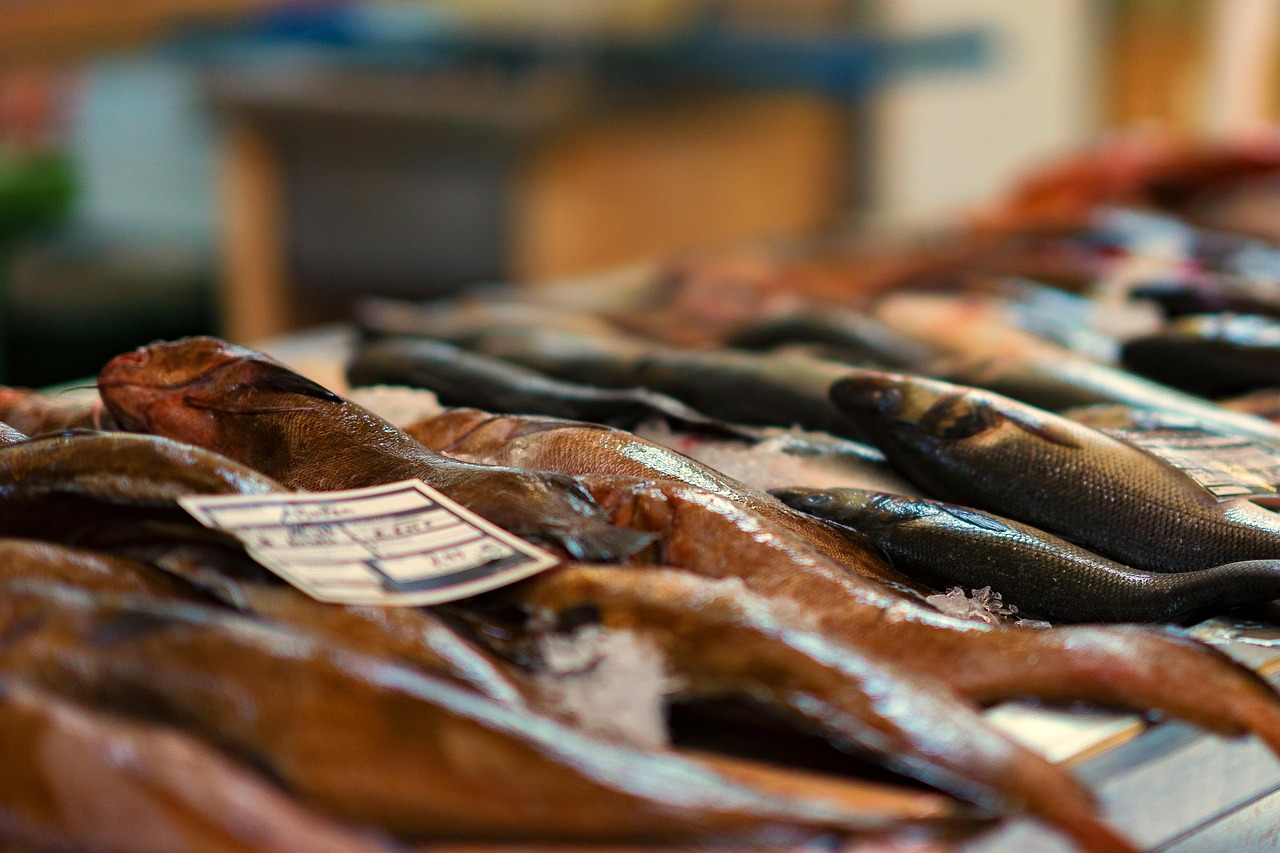
Mercato Centrale mornings and Tuscan seafood by the water in Livorno
The fastest way to feel the city is simple: Mercato Centrale, Livorno, Tuscan seafood, waterfront trattorias—start with the market, then follow your appetite towards the water. Travellers often tell me the same thing: they arrived early, and the aroma of warm bread mixed with the briny edge of fish stalls, and suddenly, Livorno felt personal rather than “visited”.
Entry to Mercato Centrale is free, giving you the freedom to explore without pressure. Let yourself slow down. You’ll hear vendors calling out, regulars greeting one another, and the small negotiations of daily life that reveal a city’s true centre.
What to look for at the central market
Start with the produce—sun-bright vegetables, herbs, and seasonal fruit—then drift towards the fish counters. Noting the types of fish is part of the cultural insight: you’ll see what the sea is giving this week, not what a menu wants year-round. If you’re curious, ask gently; a proud fisherman culture still shows up in the banter, the recommendations, and the rhythm of the morning.
If you’re building a high-end day, this is where you can create it: gather small tastes now, then design a longer lunch later. That pacing keeps the day seamless, especially if you’re also planning canals and museums.
Waterfront trattorias and ordering with confidence
After the market, head towards the seafront and choose a waterfront trattoria that looks warm rather than flashy. This is where fresh seafood shines, and where classic Italian seafood dishes are treated with respect. If you spot cacciucco (the local fish stew), it’s a proud Livorno signature—bold, comforting, and deeply tied to the port.
Ordering can feel daunting, so keep it simple: choose one antipasto to share, then a main that reflects the day’s catch. If you want support, ask “Cosa mi consiglia?” and let the server guide you with care.
Etiquette here is easy, and it helps you feel at home. Begin with a friendly Buongiorno, respect dining hours (lunch can run later than you expect), and tip modestly—around 5–10%—when service feels thoughtful. It’s a small gesture that fits the local rhythm while keeping your confidence intact.
Livorno canal Venezia district walk
Canals and the Venezia district from piazza to hidden corners in Livorno
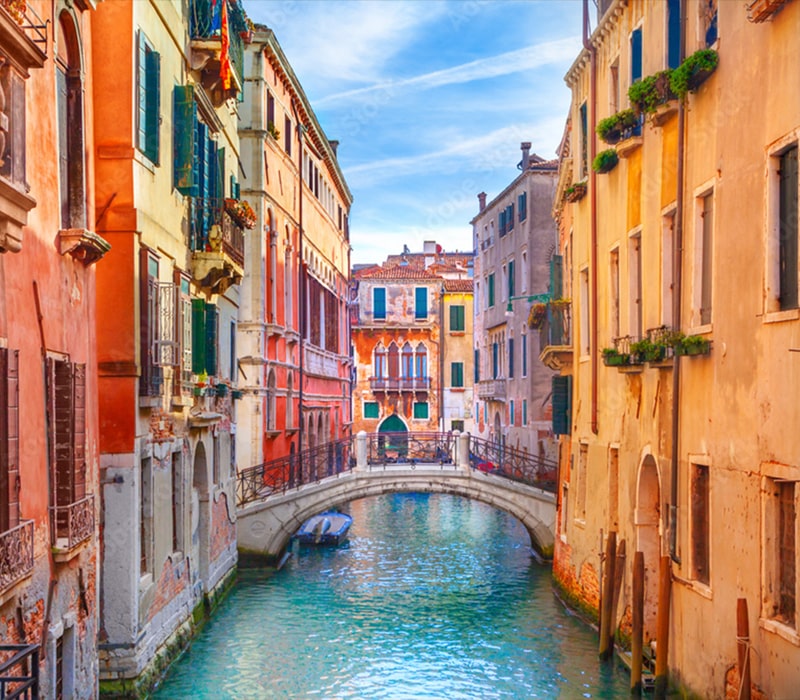
For a slower afternoon, plan a Livorno canal Venezia district city centre walk—a route that lets you uncover the city’s watery geometry without forcing a Venice comparison. Yes, there are bridges and reflections, and yes, some people call it “Little Venice”, but Livorno’s canal life feels more workaday and honest, shaped by trade rather than theatre.
The joy here is how quickly the city changes. One turn gives you a sunlit façade on the water; another leads to a quiet corner where laundry lines and old stone remind you this is a lived place, not a set.
Piazza della Repubblica to the Venezia canal quarter
Begin at Piazza della Repubblica, a huge, unexpected space that sits above waterways. From there, wander into the lanes towards Venezia, pausing when you like—this is an area that rewards unhurried exploration. If you time it near early evening, you may find local musicians near a piazza, and the atmosphere becomes quietly cinematic without trying.
- Start: Piazza della Repubblica, then drift towards the canals and bridges.
- Pause: pick a coffee bar with a view and people-watch for ten minutes.
- Uncover: small waterside lanes that loop back towards the city centre.
- Finish: a gentle stroll back as the light softens on the canal surface.
Livornese identity and the Jewish community story
Livorno’s sense of self is tied to arrivals, tolerance, and trade. The Jewish community played a vital role in that story, and the rebuilt synagogue stands as a modern symbol of continuity after loss. It’s also a reminder that this port city’s openness was not an accident; it was a designed identity that shaped the city’s voice—proudly Livornese, and outward-looking.
If your interests stretch to quieter cultural notes, Livorno also has places that speak softly of international ties, including an “English Cemetery”—a striking cemetery in Italy that reflects historic foreign communities who lived, traded, and died here. It’s a small, grounding stop that adds depth to an otherwise breezy waterfront day.
Giovanni Fattori and Tuscan light at the civic museum
For an arts-and-history detour, make time for the Giovanni Fattori Civic Museum. The civic museum is a gentle way to understand the city’s relationship with light, labour, and the seafront. You’ll encounter the Macchiaioli—and specifically the figures of the Macchiaioli—whose scenes capture everyday life with an honesty that matches Livorno’s tone.
Practical care for adventure seekers: canals and busy piazzas can attract opportunistic hands. Keep valuables close, avoid leaving phones on café tables, and then relax—this isn’t about fear, it’s about protecting your freedom to explore with trust.
Naval Academy Livorno Fortezza Nuova maritime history
Maritime Livorno the Naval Academy and Fortezza Nuova for history lovers
To understand the city’s character, follow the line from Naval Academy Livorno Fortezza Nuova maritime history—from fortifications to training, from stone to sea. Livorno’s story is easy to tell in human terms: the water brought opportunity, and the need to protect that opportunity shaped everything from the skyline to the local temperament.
Under the Medici, Livorno became strategically crucial, and by the 16th century, the city’s defences were part of a wider Tuscan power map. It’s one thing to read that; it’s another to stand beside the water and feel how a fortress changes your sense of space.
Fortezza Nuova and the geometry of a fortress
Fortezza design is as much about angles as it is about intimidation. At Fortezza Nuova, notice the thick ramparts, its relationship to the canals, and how the structure frames waterlines like a crafted stage. The name Nuova (new) hints at its historical moment—modern for its time, built for a city that expected to be watched.
Bring your camera, but bring imagination, too. The worn stone, the edges where moss meets brick, the shadows under bridges—these are the textures that make a designer journey feel intimate, not generic.
Naval Academy, Fortezza Vecchia and a respectful history
The Naval Academy adds another layer: not just defence, but the training and discipline of a sea-facing nation. Even from the outside, it reinforces Livorno’s identity as a working port city, where the sea is an employer as much as a view.
Nearby, Fortezza Vecchia carries older weight and scars. The Second World War dramatically changed parts of Livorno, and some gaps in the historic fabric are part of that truth. Holding that context with respect helps the city make sense—not as a fantasy, but as a place that endured and rebuilt.
Mini-logistics: this chapter fits beautifully between a market morning and a canal evening. Go earlier in the day to avoid peak crowds, then walk back towards the centre for an aperitivo pause before dinner.
Terrazza Mascagni Livorno seafront boat tour Montenero day trips
Terrazza Mascagni adventures plus Montenero and day trips from Livorno
When you’re ready for open sky, lean into the Terrazza Mascagni Livorno seafront boat tour, Montenero day trips. This is Livorno at its most expansive: the sea breathing beside you, the horizon wide enough to reset your thoughts, and the city’s edges inviting you to explore just a little further.
A backpacker once described an unforgettable sunset walk here: local musicians played, the air cooled, and the checkerboard pattern seemed to glow as the sky turned gold. It’s the kind of moment you can’t force—only allow.
Terrazza Mascagni at sunset on the Ligurian seafront
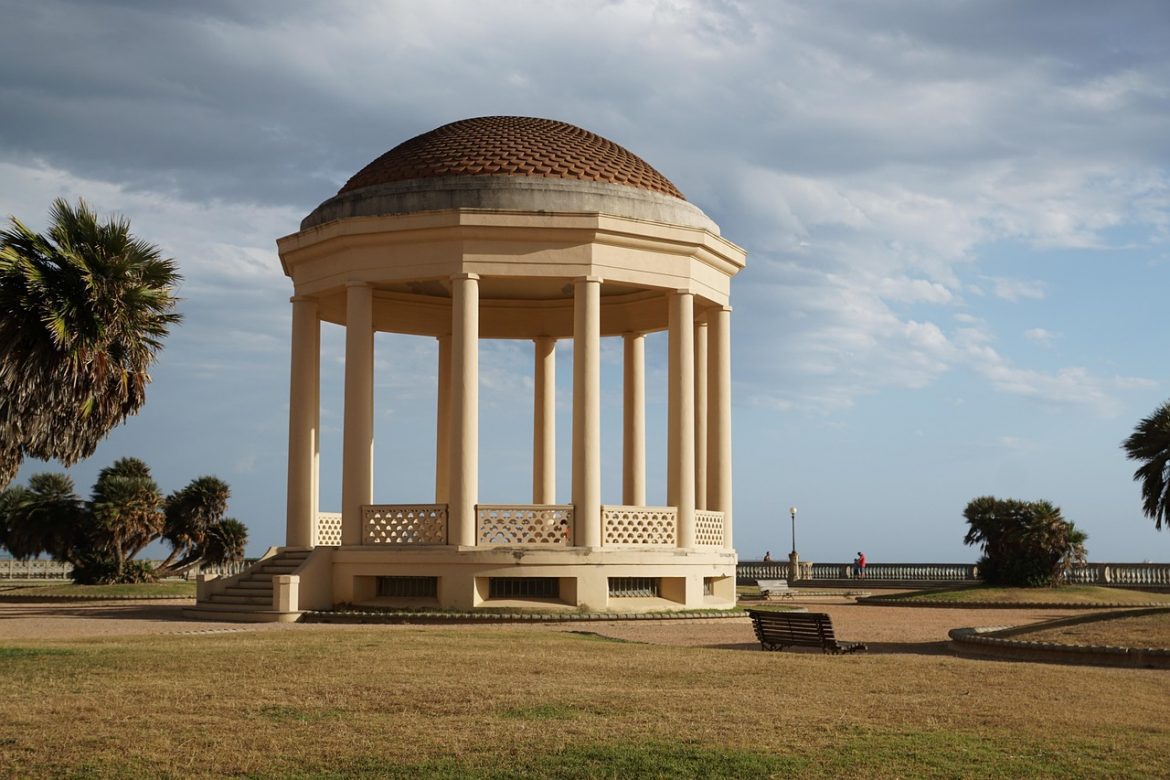
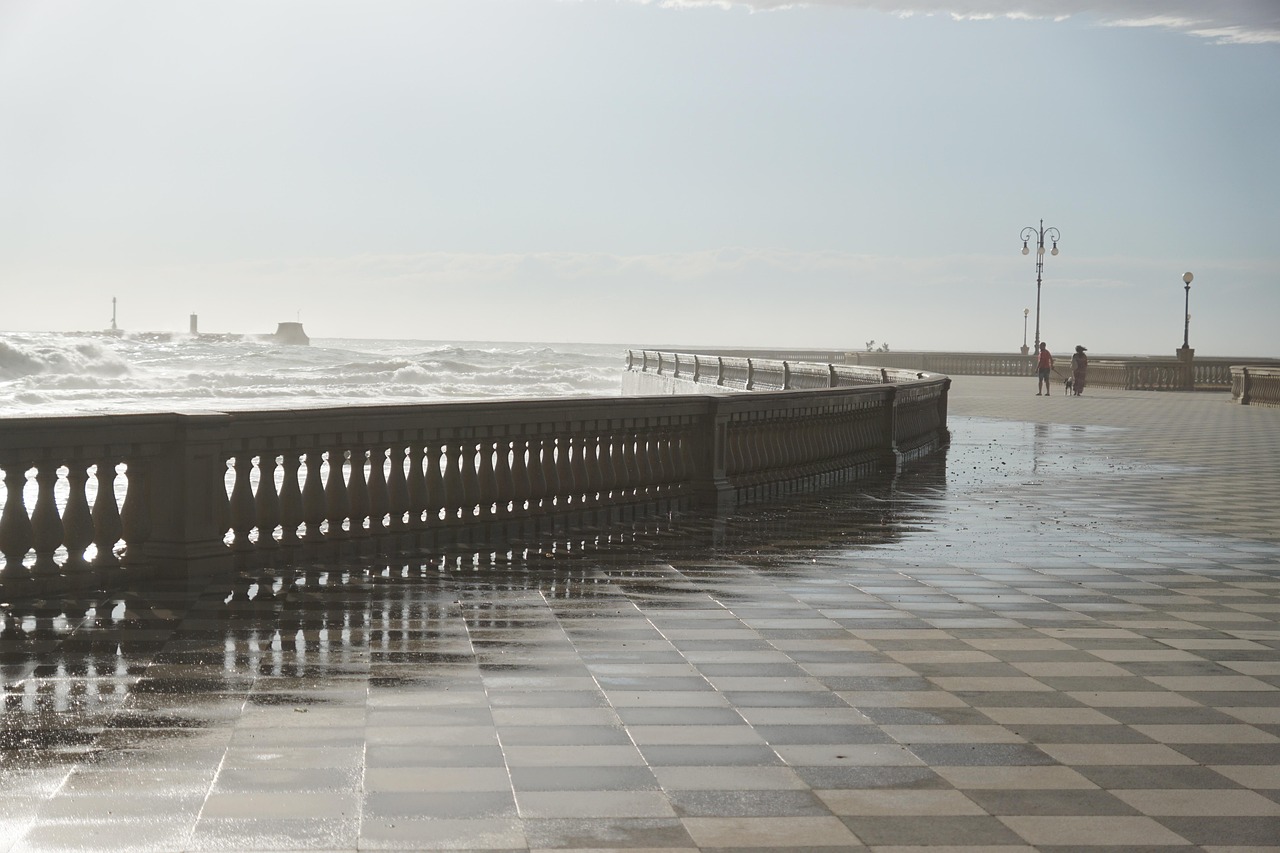
Terrazza Mascagni is a long, graphic promenade—its black-and-white pattern gives the terrace a sense of theatre, yet the mood stays relaxed. Named for composer Pietro Mascagni, it’s a place for an unhurried stroll, for conversation, and for standing still as the Ligurian Sea shifts colour.
If you want one high-end ritual, make it simple: arrive a little before sunset, choose a spot with space, and let the city quieten around you. It’s reassurance in physical form—sea, sky, and time.
Boat tours, Cala del Leone and a Montenero reset
For more movement, consider a morning boat trip. One visitor told me they joined a spontaneous tour from the port and ended up gliding past hidden caves and dramatic cliffs—an experience that made Livorno feel wilder than expected. Book early in the day for calmer conditions and fewer crowds, especially in summer.
If you’d rather explore by land, a coastal run south can take you towards rocky viewpoints such as Cala del Leone, where the coastline feels rugged and untamed. Then, for a quieter counterpoint, ride up to Montenero for wider perspectives—an elevated pause that helps you breathe and take in the sweep of sea and city together.
For thrill-seekers who want something truly different, there’s an optional add-on that turns your Italy route into a story: the Labirinto della Masone, a bamboo maze near Parma in northern Italy. It’s not “next door” to Livorno, and that’s exactly how to frame it—an extra chapter if you have time to design a longer journey with playful adventure built in.
- On foot: best for the city centre and the Venice canals.
- By bike: ideal for longer stretches along the seafront and a more intimate pace.
- Boat: book ahead in peak season and go early to avoid crowds.
- Reassurance: solo travellers can keep it seamless by choosing daylight routes and sharing plans with accommodation staff.
F.A.Qs: Livorno travel basics
Is Livorno worth visiting?
Yes—Livorno is worth visiting if you enjoy real port energy, local culture, and seaside walks rather than polished “museum-city” perfection. Highlights include Mercato Centrale mornings, canal-side wandering in the Venezia district, and sunset at Terrazza Mascagni. It’s also well placed between Florence and Pisa, which makes it a smart base for an adventurous Tuscany itinerary.
What is the prettiest town in Tuscany to visit?
Tuscany has many “prettiest” contenders, depending on your style. If you want Renaissance splendour, Florence is unmatched; if you prefer an iconic landmark and riverside views, Pisa is compelling. For a smaller, elegant feel, Lucca is a favourite. Livorno is different: it’s a working seaside city where beauty appears in markets, canals, and sea light.
Can you walk from a cruise ship to Livorno?
Often, yes, but it depends on where your ship docks and the day’s port rules. Some cruise berths are walkable to the centre, while others require a shuttle or taxi to leave the port area. If you’re arriving in Livorno by cruise, check your cruise line’s instructions and allow extra time, especially in peak season.
What language is spoken in Livorno, Italy?
Italian is spoken in Livorno, with local Tuscan inflexions that you may notice in pronunciation and expressions. In tourist-facing places—hotels, some restaurants, and transport hubs—English is often understood, but not always fluently. A warm “Buongiorno” and a few polite phrases go a long way, and locals generally respond with helpful care when you try.
Livorno, Tuscany, personal reflections on a seaside port city.
Long after the last espresso, what remains from Livorno, Tuscany, and personal reflections is a particular blend of salt air and ordinary kindness. It’s the way market voices echo in your memory, the way a canal catches late light, and the way the sea keeps moving beside you, steady and unbothered.
Livorno doesn’t ask to be idolised. It simply offers itself—open, weathered, and quietly sure of its own story. In a place shaped by arrivals and departures, you may find your own curiosity strengthening, and with it a gentle confidence: permission to explore beyond the obvious, and to trust your instincts when a side street or a small piazza draws you in.
Perhaps that’s the real gift of this Tuscan city. Not a checklist, but a feeling—of being looked after by your own attention, and of being welcomed by a coastal community that has always understood movement. Livorno has a way of lingering, like sea light on stone, waiting for you to wonder what it might feel like in a different season, at a different pace.