Guide to Livorno in Tuscany, a port city made for exploring and planning tips

Guide to Livorno in Tuscany, a port city made for exploring
Start with a clear game plan: this guide to the Livorno, Tuscany, port city itinerary and travel tips is designed to help you explore with ease, whether you’ve arrived by cruise, rail, or car. Livorno is a city shaped by its port, and you feel it in the easy mix of accents, menus, and architecture. Livorno is a city where the sea air lends bravery to your steps, and where you can discover Tuscany without needing to rush.
As an important port, Livorno grew into a cosmopolitan and multicultural city, historically welcoming communities including Armenian and Dutch merchants. That openness still shows up in small, local interactions: a bartender who switches languages without fuss, or a market holder who offers cooking insight while wrapping your purchase with care. It’s a port city in Tuscany, yes—but also a place that feels genuinely lived-in.
When to visit Livorno for walking, cycling, and canal light
For adventure-friendly weather, aim for late spring or early autumn. You’ll get comfortable temperatures for long walks along the canal edges, cycling between neighbourhoods, and lingering on the coast without the intensity of midsummer crowds. The light is also kinder for photography, especially in the evenings when the city softens, and the waterfront feels almost cinematic.
If you’re designing a higher-end escape, these shoulder seasons also make it easier to book refined stays near the port or the elegant seafront, with more choice and a calmer rhythm. You can still build in beach time too—Livorno’s nearby sandy beaches make a refreshing counterpoint to museums and markets.
Arrivals made seamless from Pisa airport, Florence, and the port
Arriving is refreshingly straightforward. Fly into Pisa airport (Galileo Galilei), about 20 km away, then take a direct train or bus to Livorno for a seamless start. From Pisa Centrale, trains to Livorno Centrale are frequent and typically quick, which keeps your first day light and flexible.
Coming from Florence is also simple: Florence’s main station (Santa Maria Novella) connects via regional routes, often with a change in Pisa. It’s a reassuring way to combine a cultural stay in Florence with a coastal chapter in Livorno, without needing a car.
Once you’ve arrived, create a city centre plan that works for you. The historic streets reward slow exploration on foot, and cycling is a confident choice for travellers who like to cover more ground while staying close to the local pace. As in any busy port, keep an eye on belongings around stations, markets, and waterfront crowds—Livorno is generally safe, and a little everyday awareness is the best support.
For a bite-sized history hook, local lore says Livorno was founded in 1017 and later expanded under Medici ambitions into a Medici port with a free-port identity. You don’t need a lecture to feel the layers—just notice the fortification lines, the canal geometry, and the way the city keeps reinventing itself. If you’d like curated inspiration for the wider region, you can browse our Trip gallery and design a Tuscan itinerary that fits your energy and style.




Nuova Venezia canal district in Livorno offers Venice vibes without crowds.
Nuova Venezia canal walks in Livorno like Venice without crowds
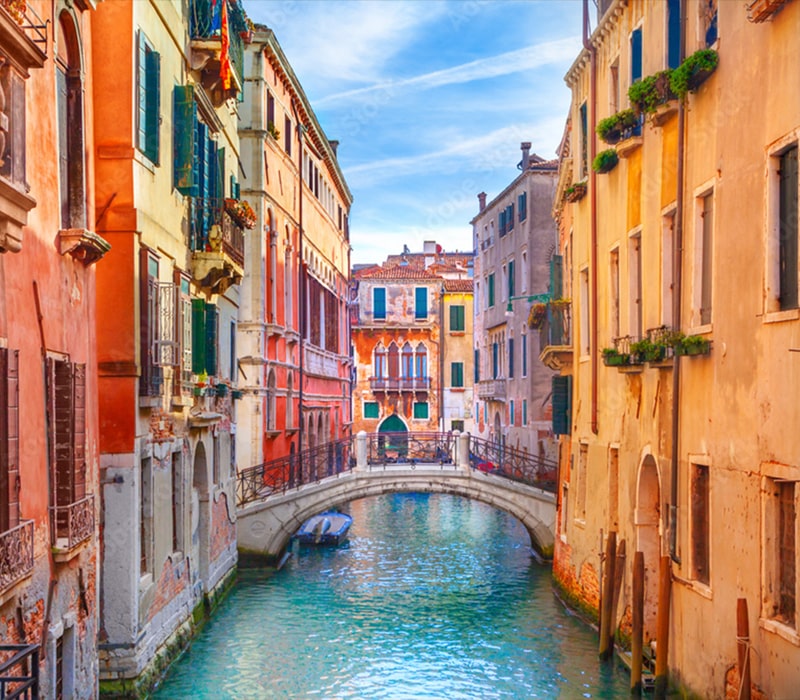
For many travellers, the heart-stealer is Nuova Venezia. This Nuova Venezia canal district, Livorno Venice vibes chapter begins where quiet bridges cross dark water and old façades lean gently into reflection. It’s easy to imagine Venice here, but the mood is more intimate—less performance, more presence—and that’s precisely why it feels so special in Livorno.
Wander slowly and let your senses guide you: footsteps on stone, a faint clink of cups, and the gentle echo that canals create. The district was designed with waterways for commerce, and today those same lines offer a beautiful, walkable logic for the curious.
A slow adventure loop along the scale and viewpoints overlooking the canals
To create a simple loop, start along the scali—those canal-side streets that make navigation feel effortless. Scali Aurelio Saffi is a particularly satisfying stretch for photographs and people-watching, with balconies and boats framing the scene. Pause at small bridges for a higher angle, then follow the water until you naturally circle back toward cafés and tiny squares.
This is also a place for analogue pleasures. Bring a sketchbook, or simply sit with a crafted coffee and notice the details: shutters half-open, laundry lines, and local conversations that drift as softly as the water. You’re not ticking boxes; you’re uncovering rhythm.
Personal stories and piazza moments with local makers
One couple we met described wandering these lanes and feeling transported to Venice without the crowds. They talked about the relief of space—the chance to pause mid-bridge, breathe, and exchange a few Italian greetings without anyone jostling for the same view. That kind of breathing room builds confidence, especially if you love cities but prefer them gentle.
In the evenings, the district takes on a different character. Lights ripple in the canal, and small artisan corners feel more visible—jewellery makers, print stalls, a ceramicist quietly packing up. Choose a modest aperitivo in a neighbourhood bar rather than a tourist-heavy terrace; you’ll often get better value, more warmth, and the kind of insight only locals share.
- Best light: early morning for calm reflections, or just before sunset for warm tones on stone.
- Keep it affordable: set your “treat” for one crafted drink, then snack simply—focaccia and olives can be perfect.
- Comfort tip: wear grippy shoes; canal edges and bridges can be smooth underfoot.
Fortezza Nuova Livorno fortress and Fortezza Vecchia history
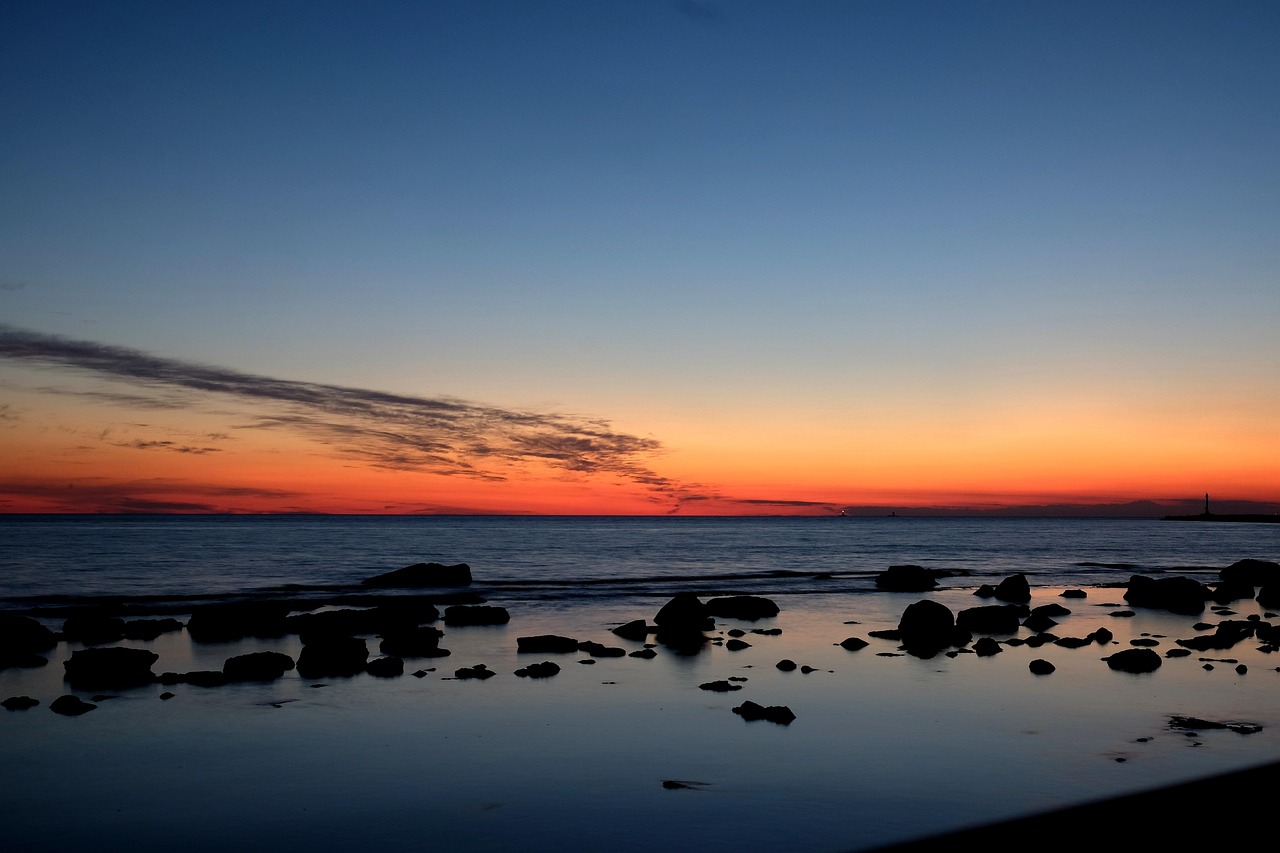
Fortezza Nuova and Fortezza Vecchia fortress views and festivals in Livorno
If you want history you can feel beneath your feet, this Fortezza Nuova Livorno fortress, Fortezza Vecchia history route is a compelling way to explore. Begin with Fortezza Nuova, a green-edged fortress where ramps and walls open onto panoramic viewpoints. Then connect the story to Fortezza Vecchia, the older stronghold near the port that completes the city’s defensive logic.
Livorno’s fortification isn’t only about power; it’s also about survival, trade, and the way a port town protects what it values. Walk slowly, and you’ll notice how water, stone, and geometry shape the experience—an adventure that’s more thoughtful than extreme, but no less absorbing.
The Medici family and a rich history written in stone
The Medici family wanted a strategic harbour that could rival regional competitors, and their imprint is still visible in the city’s layout. As a Mediterranean port, Livorno became a place of arrivals and departures, with a reputation for opportunity that fed its multicultural identity. That rich history is best absorbed in small details: carved emblems, thick walls, and sightlines that always seem to lead you back to the sea.
For a quieter cultural pause, look out for exhibitions hosted within the fortress spaces. They’re often contemporary, creating an unexpected conversation between past and present that feels very Livorno.
Festival nights, Macchiaioli spirit, and a museum in a villa
Travellers often mention the joy of visiting Fortezza Nuova during a cultural festival—history by day, live entertainment by night, and an easy sense of belonging. One evening, a group told us they arrived intending to stay an hour, then ended up sharing a bench with strangers who became friends, swapping restaurant recommendations with genuine trust.
To understand the city’s creative identity, connect Livorno to the Macchiaioli movement and spend time at the Museo Civico Giovanni Fattori, housed in Villa Mimbelli. This Giovanni Fattori Civic Museum offers an elegant, grounded encounter with Tuscan art, and the villa’s garden setting brings a calm that pairs well with the coastal energy of the port.
A respectful note belongs here, too: Livorno carries scars from the Second World War, followed by extensive rebuilding. Knowing that can change what you notice—why certain streets open suddenly, why some buildings feel newer, and why resilience is part of the city’s character.
Terrazza Mascagni Livorno and aquarium route on Tyrrhenian Sea promenade
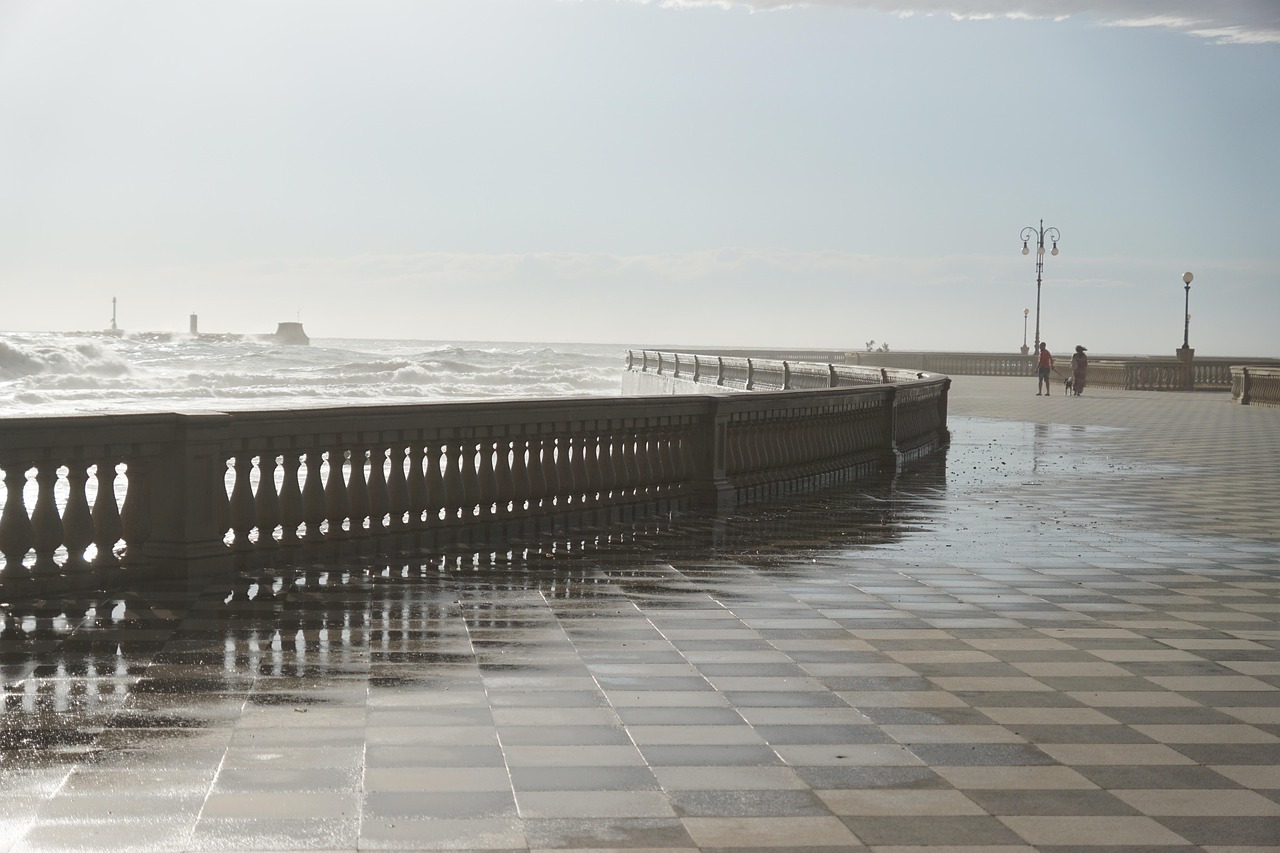
Terrazza Mascagni the sea terrace where Livorno breathes
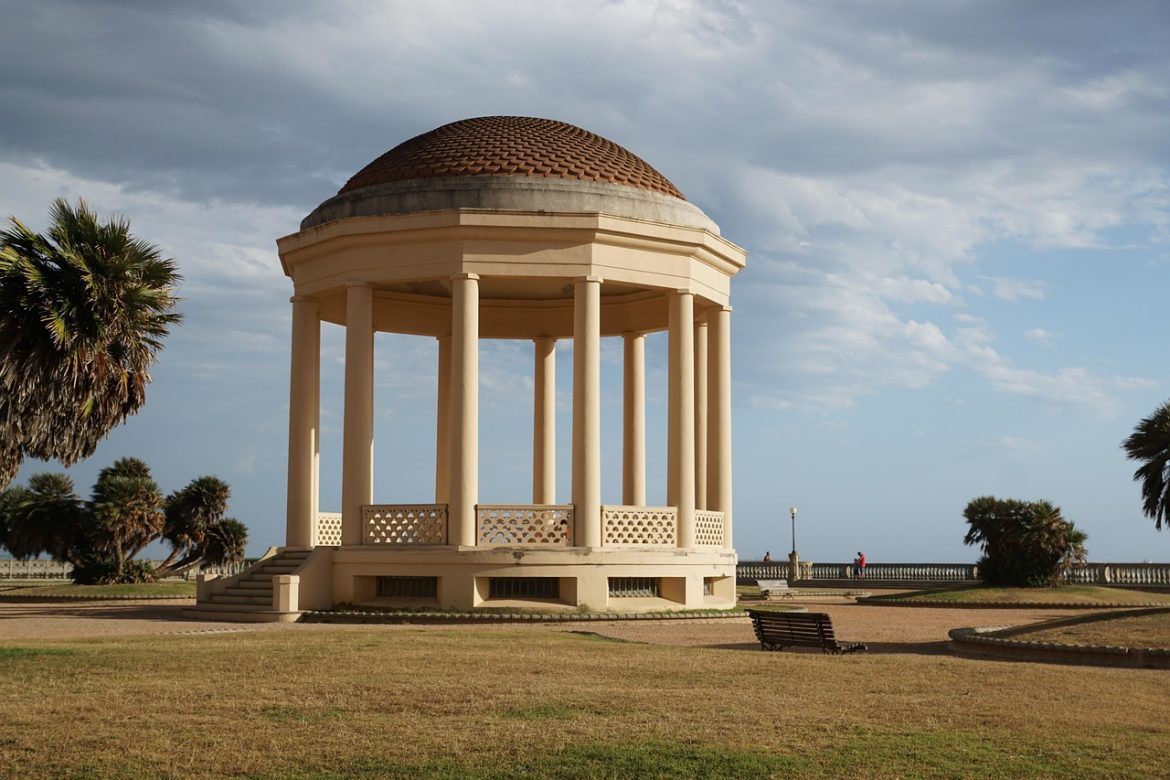
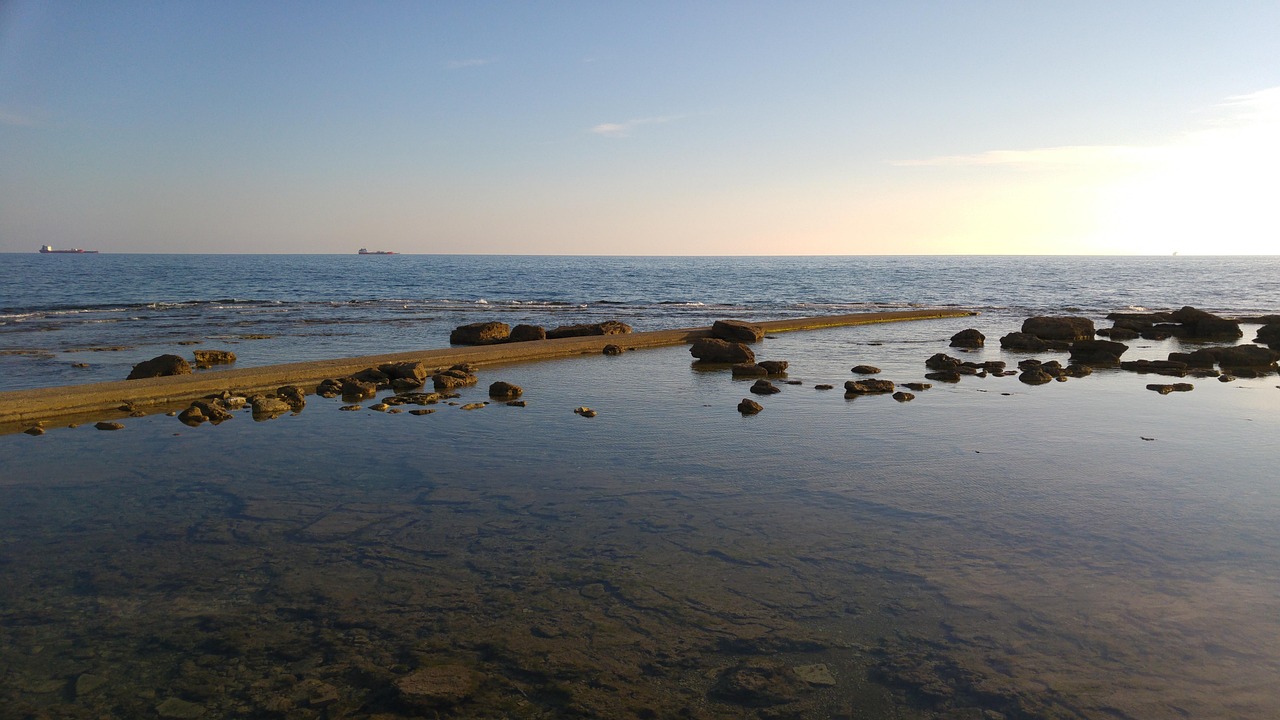
Few places restore you as quickly as this Terrazza Mascagni Livorno Tyrrhenian Sea promenade. Step onto the iconic checkerboard terrace and you’ll feel the city exhale beside you. The views of the Tyrrhenian Sea are wide and clean, and the horizon has a way of returning you to yourself—steady, calm, and quietly brave.
The terrace is named for composer Pietro Mascagni, and the atmosphere often feels musical even before a note is played. Livorno, like this, is at its most generous: simple, open, and deeply local.
Evening strolls, locals, and the Italian Naval Academy nearby
Evening is when the promenade becomes a ritual. Travellers recount impromptu music performances—sometimes a violin, sometimes a small group singing—and the friendly locals who offer quiet recommendations: which gelato to try, where to find the best seafood, which bus is easiest after dark. That warm guidance can make your visit to Livorno feel supported, especially if you’re travelling independently.
Design a coastal walk that takes in the terrace, then continues towards nearby landmarks. The Italian Naval Academy area adds a distinctive sense of place, with orderly façades and a maritime pride that suits a working port. If the wind picks up, don’t fight it—add a light layer and let the sea air sharpen the moment.
Acquario di Livorno and a two-seas perspective
Close by, the Livorno aquarium (Acquario di Livorno) is a surprisingly satisfying stop between sea views and a long lunch. The aquarium showcases a diverse range of Mediterranean life, making it a thoughtful addition if you’re travelling with family or simply want a different lens on the coast. It’s also a gentle way to pace your day if the sun is strong.
For curious adventurers, there’s a “two seas” story here, too. Livorno sits where the narratives of the Tyrrhenian and Ligurian Seas mingle—trade routes, weather patterns, and the particular clarity of light that artists love. That Tyrrhenian and Ligurian perspective helps explain why the seafront feels so distinctive, and why the city’s colours shift so dramatically at dusk.
- Best photos: golden hour for the terrace pattern; mid-morning for cleaner sky tones.
- What to pack: wind-proof layer, sunglasses, and comfortable shoes for long stretches.
- After dark: the promenade is popular and lively; enjoy it with the same care you’d take in any port city.
Mercato Centrale Livorno, cacciucco, and day trips to Pisa and Florence near Livorno.
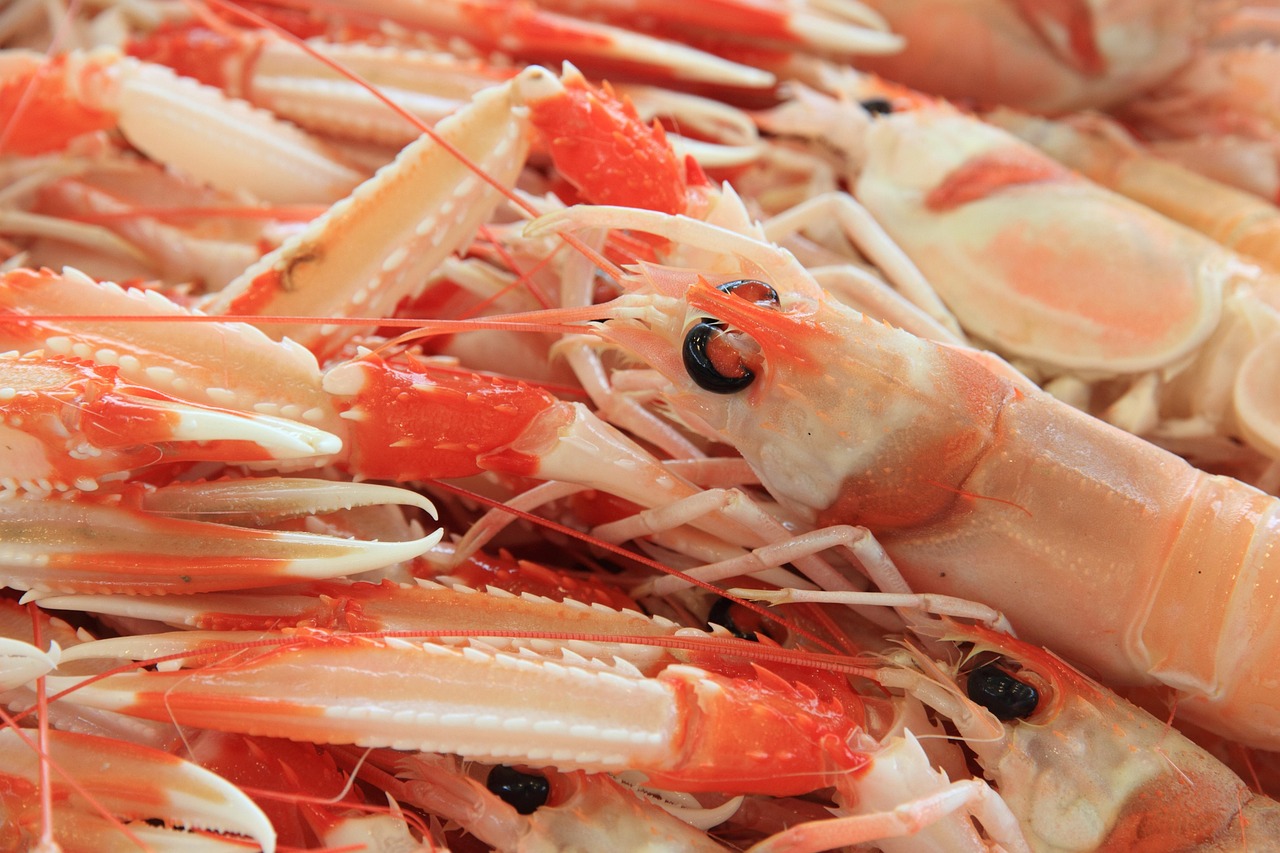
Mercato Centrale seafood cacciucco and day trips near Livorno
This Mercato Centrale Livorno cacciucco day trips Pisa Florence chapter is where Livorno turns deliciously sensory. Walk into Mercato Centrale, and you’ll find stalls brimming with fresh catch, glistening shells, herbs, and citrus—an everyday theatre where locals welcome visitors into daily life. It’s also a smart way to build confidence about what to order later, because you can see what’s truly seasonal.
Listen for the small exchanges: a stallholder calling out today’s best squid, a grandmother discussing broth, a visitor asking (politely) how to cook something unfamiliar. These are the moments that help you feel part of the city rather than on the outside.
Seafood culture, cacciucco, and family-run trattorias
Livorno’s signature dish is cacciucco, a hearty fish stew with deep local roots. Rather than chasing the flashiest dining room, choose a family-run trattoria where the chef might share a recipe that’s been passed down through generations. One traveller told us the cook came out between courses, not to perform, but to offer calm insight: “Eat it slowly, and don’t rush the bread.” That kind of care is a luxury in itself.
For high-end travellers, “refined” here doesn’t always mean formal. It can mean a confident wine pairing, immaculate ingredients, and a room where locals are also dining. If you want a single “splurge” meal, do it at dinner and keep lunch simple at the market.
Dining rhythm, language, and a gateway to Tuscany with Pisa and Florence
Dining hours matter in Livorno: aim for roughly 12:30–2:30 pm and 7:30–10 pm, and you’ll be met with better service and a more relaxed atmosphere. Learn a few basic Italian greetings, and you’ll create an instant connection—small words, offered with respect, go a long way in building trust.
Livorno is also a gateway to Tuscany, making it perfect for bold day trips. A trip to Pisa can be as simple as an early train, a walk along the river, and time with the iconic leaning tower. If you prefer precision, book a timed slot for the leaning tower of Pisa and pair it with a slow espresso afterwards.
With more energy, add Florence for a compressed art immersion—galleries, piazza life, and that unmistakable Tuscan grandeur. The contrast can be thrilling: Florence’s Renaissance intensity, then the relief of returning to Livorno’s sea-breathing ease.
Before you leave the city for the day, give yourself a small centre-of-town moment. Piazza della Repubblica is lively and open, with cafés, street performers, and local artisans; it’s the kind of place where you can pause, watch, and feel the city’s pulse. Nearby, Piazza Grande and the cathedral area offer another layer—look for the Duomo di Livorno (the main cathedral) and notice how rebuilt spaces sit beside older lines.
- Day trips: Pisa for the leaning tower, Florence for art, both easily reached by rail.
- Near Livorno: ferries from the port to Elba Island for a sea-spark adventure.
- Quiet viewpoint: the Sanctuary of Montenero for the Madonna of Montenero and a hillside pause.
- Slow luxury: a Tuscan wine tasting afternoon when you want a softer pace.
And if you want a final landmark that speaks to the city’s maritime confidence, seek out the statue of the Grand Duke near the harbour—an emblem of Medici power that now simply watches daily life pass by, steady as the tide.
F.A.Qs: Livorno, Italy travel planning
F.A.Qs: Livorno Italy travel planning
Is Livorno, Italy, worth visiting?
Yes—see Livorno if you enjoy coastal culture with a lived-in feel. You get canals in Nuova Venezia, fortress viewpoints, and the elegance of the seafront without the pressure of a “perfect” itinerary. It’s also an easy base for Pisa and ferries to Elba, making it ideal for travellers who want both local life and flexible adventures.
What is considered the prettiest city in Italy?
It depends on what moves you. Many travellers choose Florence for art and architecture, while others prefer smaller places for atmosphere. Livorno isn’t always called the prettiest, but it’s striking in its own way—sea light, strong fort lines, and canal reflections that feel authentic rather than staged.
How to spend a day in Livorno?
Start with a canal walk in Nuova Venezia, then head to Fortezza Nuova for views. After lunch, take a slow promenade at Terrazza Mascagni and consider the Acquario di Livorno if you want a relaxed indoor stop. Finish in Piazza della Repubblica for a drink and people-watching, letting the city’s rhythm guide your evening.
Is Livorno the same as Florence?
No—Livorno and Florence are very different. Florence is inland and known for Renaissance art and grand museums, while Livorno is a working port on the sea with canals, fortresses, and a maritime identity. They pair beautifully in one Tuscan trip, but they offer distinct experiences and moods.
Visit Livorno reflections Tuscany port city by the sea, and what stays
For a visit to Livorno, what remains isn’t only the photographs of canals or the clean line of the sea. It’s the sensation of being held by water and stone in a port city that doesn’t demand you perform your holiday. Livorno offers a quiet kind of belonging—something you feel in the way a café table is found for you without fuss, or how directions are given with patience and care.
Later, when you’re far from the coast, you may remember canal shadows in Venezia and the gentle clack of footsteps on a bridge. You may remember the hush after music fades on the terrace, and the way strangers smiled as though you were already part of the evening. You might even recall the easy pride of a Livornese stallholder at the market, hands moving quickly, voice warm, making everyday life feel like an invitation.
Livorno has something that lingers: a calm confidence that adventure doesn’t always have to be loud. Sometimes it looks like walking slowly, noticing the rebuilt edges of history, and letting the sea air clear your thoughts. The main attractions are there if you want them, but the deeper gift is softer—trust built in small moments, and the sense that travel can be designed together, with other people in mind.
If Italy calls you back, perhaps it won’t be to collect more sights. Perhaps it will be to uncover new layers of yourself—one quiet coastal evening at a time.