Post Contents
- Longmen Grottoes, China: why this Luoyang landmark is a World Heritage must-see for cultural adventure
- Visit Longmen Grottoes: Luoyang transport, tickets & travel tips (travel guide)
- Longmen Grottoes route: West Hill highlights, East Hill viewpoints, caves, statues and views
- Longmen Grottoes Buddhist symbolism: Tang Dynasty inscriptions, calligraphy and carved stories
- Xiangshan Temple in Luoyang: Yi River sunset views, night options and easy add-ons
- F.A.Qs: Longmen Grottoes China travel guide essentials
- What remains with me after visiting Longmen in China are the carved cliffs, East Hill and West Hill, and the tranquil perspective.
Longmen Grottoes, China: why this Luoyang landmark is a World Heritage must-see for cultural adventure
Longmen Grottoes, China: why this Luoyang landmark is a World Heritage must-see for cultural adventure
If you’re searching for longmen grottoes china and wondering what makes the site unforgettable, start with the setting: these grottoes in Luoyang are cut into limestone cliffs in Henan province, with the Yi River running quietly below. Rather than feeling like an indoor attraction, the cliffside feels like a living landscape—one of China’s most famous hill grottoes, where pathways, trees, and the river breeze shape how each statue appears in shifting light. It’s also why the experience feels both monumental and strangely calm at the same time.
Longmen is protected as a UNESCO World Heritage site because it preserves a vast record of Chinese history and Buddhist art in situ. Across the Northern Wei and Tang dynasties, patrons and artisans created thousands of niches, inscriptions, and stone carvings that still read like a walk-through timeline. For travellers who enjoy culture with a sense of discovery, the reward is that the best moments arrive gradually—one quiet cave corridor, one carved face, one viewpoint at a time.
There’s also an emotional arc here that’s difficult to explain until you arrive. Many travellers describe a personal sense of spiritual connection the first time they look up and realise entire cliff faces have been turned into devotional galleries, full of many statues and intimate details. You might come for the scale and leave with something gentler: a reset of pace, a widening of perspective, and a deeper trust in your own ability to explore thoughtfully.
To get the most insight, treat Longmen as a timeline of carving and design. You’ll notice art styles shift from the disciplined look of the Northern Wei dynasty to the early Tang’s warmth and confidence, reaching a high point in the 7th and 8th centuries through refined Tang dynasty carvings. With a little background reading—or a guide—each cave becomes less like a quick photo stop and more like a conversation across time.


Visit Longmen Grottoes: Luoyang transport, tickets & travel tips (travel guide)
Visit Longmen Grottoes: Luoyang transport, tickets & practical travel tips
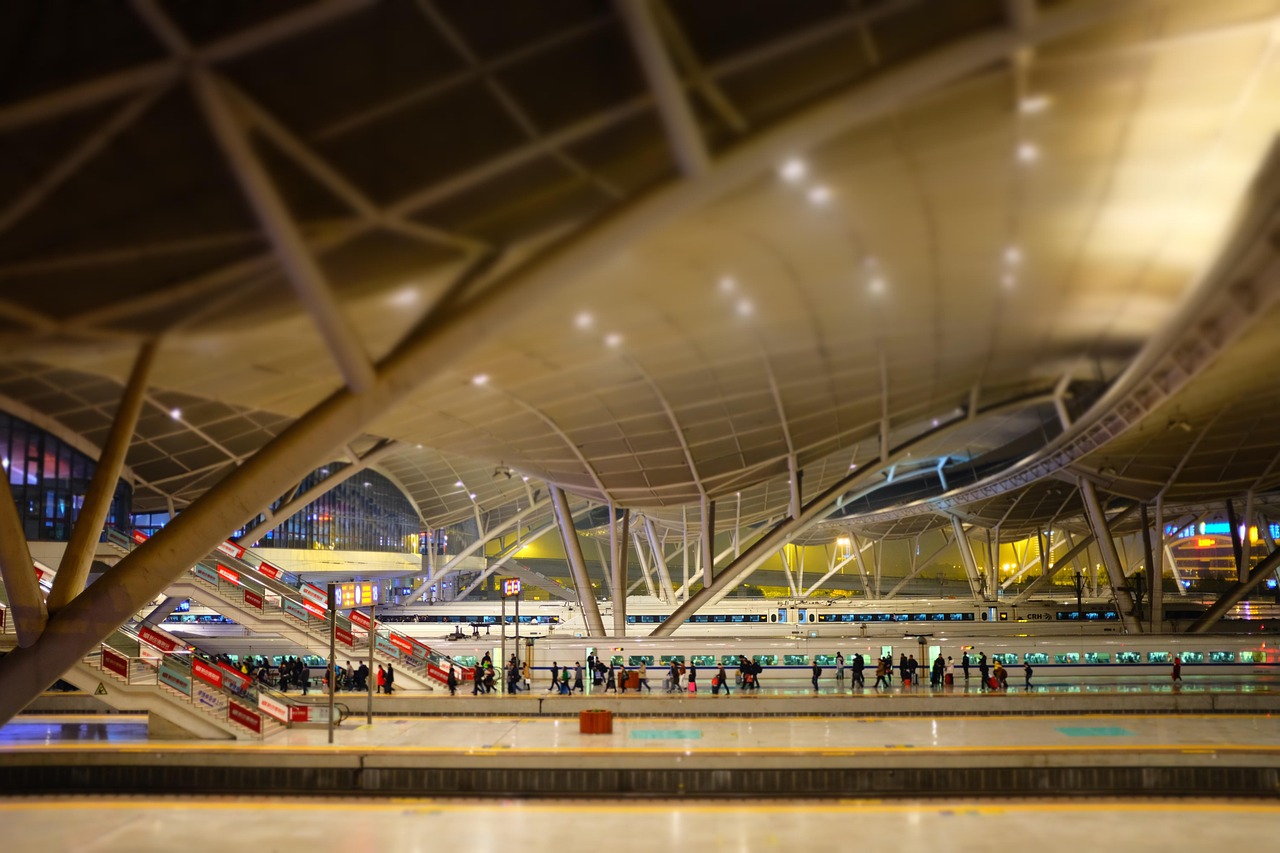
This planning section is built to help you explore Longmen Grottoes with less stress and better timing. The simplest route is to arrive at Luoyang Longmen Railway Station, then get to the Longmen Grottoes by local bus or taxi in around 20–30 minutes, depending on traffic. If you’re travelling with a tight window or prefer comfort door-to-door, a private car can make the day smoother—especially if you want to combine Longmen with a nearby temple or museum.
Tickets are straightforward: the admission fee is typically around 120 CNY, with discounts for students and seniors. Opening hours can shift by season, so do check the official schedule; mornings to late afternoon is the usual pattern. To take photos with fewer people in the frame, arrive early for cooler air and clearer sightlines along the riverside path.
For weather and comfort, the best seasons are generally spring and autumn, when paths are pleasant, and viewpoints feel less rushed. If you prefer that sweet spot between good weather and lighter crowds, aim for March to May or September to November. Try to avoid peak school holidays and major public holidays if you can; the site’s mood changes dramatically when you have space to pause and look.
On the ground, expect a lot of walking. Many routes begin near the northwest gate, and shuttle buses can help if you want to conserve energy for the most detailed zones. Think of it as designing your day in chapters: slow, intentional stretches with short breaks rather than one long push.
- What to bring: comfortable shoes, water, a sun cover, and a light layer for shaded cave corridors.
- On-site etiquette: keep your voice low, move with care around narrow paths, and avoid flash where it’s discouraged.
- Photography respect: step aside before stopping, and let others pass so the mood stays calm.
If you’d like to turn this into a wider, beautifully paced itinerary, you can browse our Trip gallery and imagine how Luoyang could fit into a deeper China journey.
Longmen Grottoes route: West Hill highlights, East Hill viewpoints, caves, statues and views
Longmen Grottoes route: West Hill highlights, East Hill viewpoints, caves, statues and views
If you’re planning a Longmen walking loop, think in light and angles. A classic route links West Hill and East Hill, but the experience feels different depending on the time of day: the cliff reliefs can look sharper in morning light, while late-afternoon views across the river turn soft and panoramic. Start where your energy is strongest, and leave yourself time to slow down—these are statues and caves that reward patient looking.
Luoyang walking route: start on West Hill, cross to East Hill for river views
A practical, rewarding flow is West Hill first, then the river promenade and the quieter paths opposite. The Three Binyang Caves provide a strong early anchor, revealing how imperial taste, donors, and devotion shaped the earliest masterpieces. From there, continue at an unhurried pace—Longmen isn’t about ticking off numbers, it’s about noticing the fine lines in each niche and the subtle shifts in sculpture as you move along the cliff.
- Start: West Hill for the main sculptural corridors and the most well-preserved surfaces.
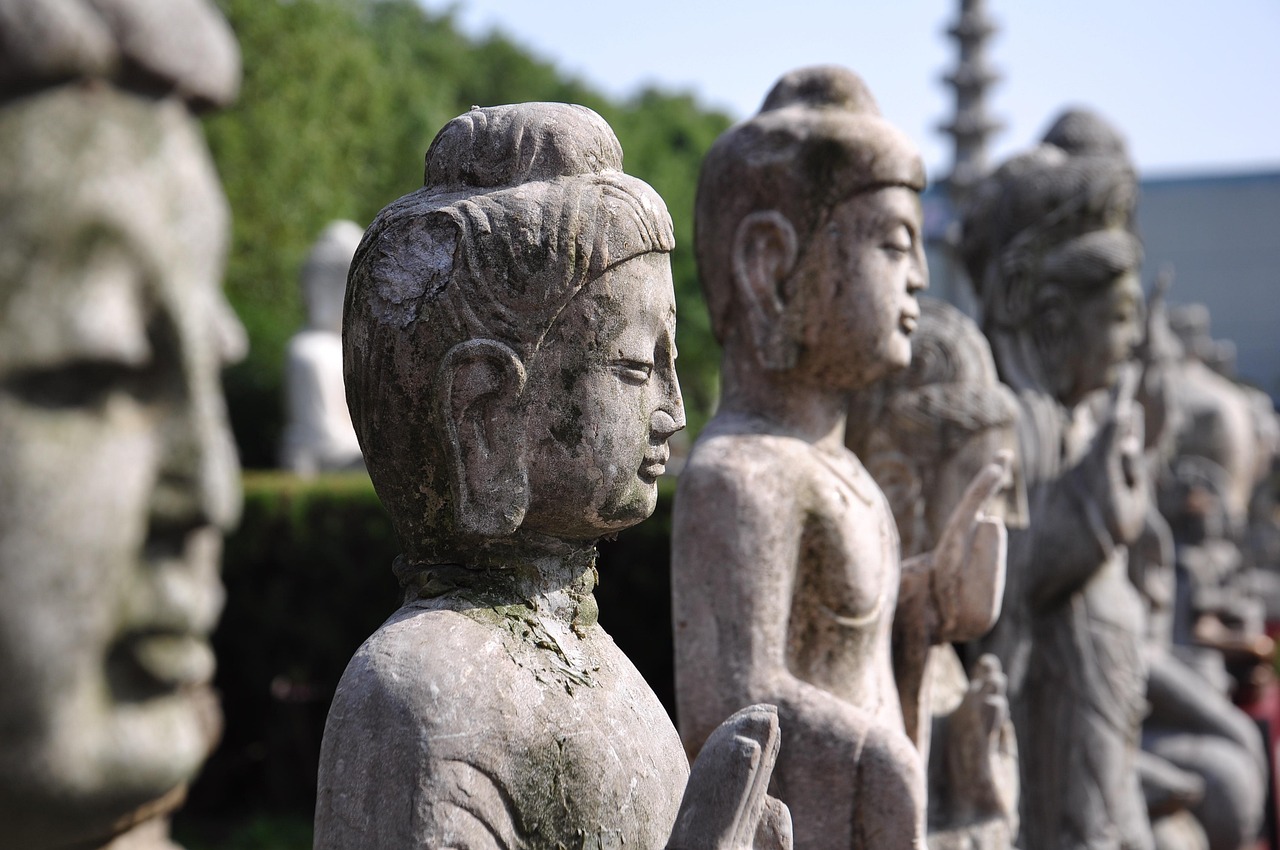
- Key stops: the Binyang complex, then onwards to Wanfo Cave to spot the famous tiny buddhas.
- Finish: East Hill for calmer angles, then return along the river for softer light and one last look back.
Hanfu and taking photos: respectful styling without losing presence
Adventure seekers often love the short climbs that lead to higher ledges and unexpected compositions—just stay within designated paths and never step into restricted areas. If you’re drawn to a styled shoot, wearing hanfu can be a beautiful, respectful way to create a visual story that fits the setting, especially at quieter times of day. Keep it simple: a few intentional frames for taking photos, then put the camera away and let the Chinese stone textures settle into memory.
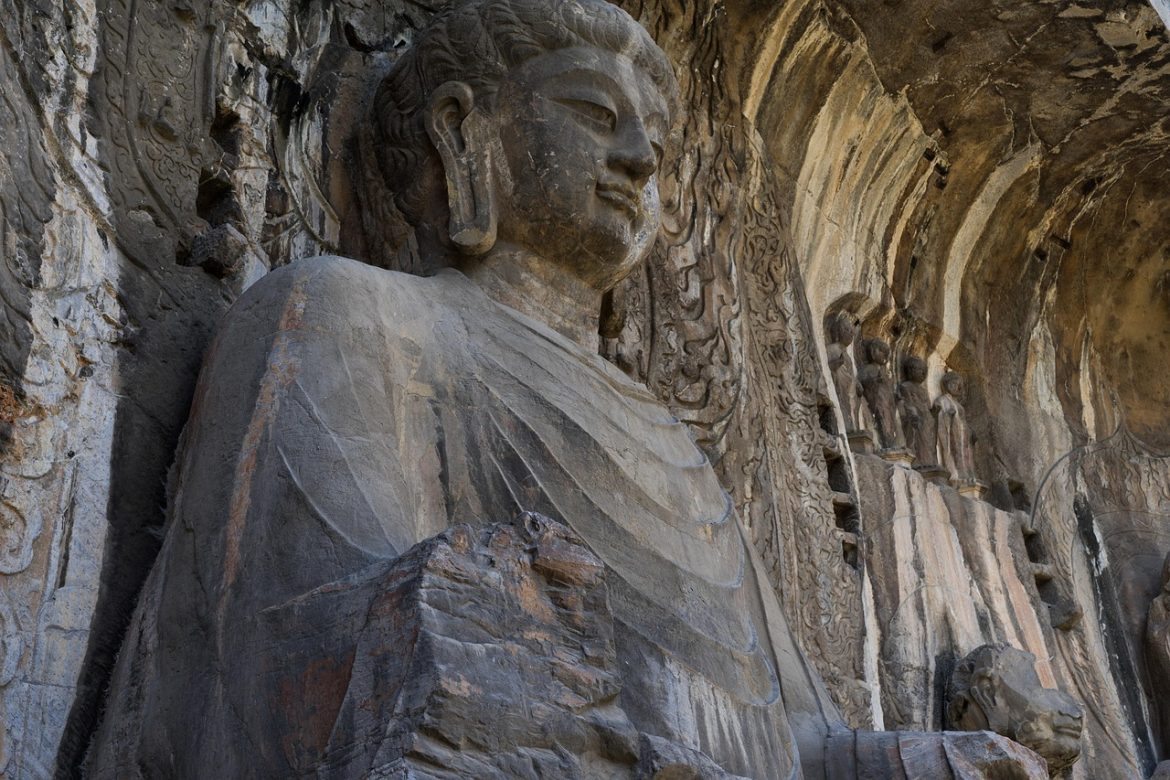
The emotional centre for many visitors is Fengxian Temple. Standing before the 17-meter-tall Vairocana Buddha, you feel scale as something physical: the calm geometry of the face, the confident symmetry, and the surrounding bodhisattvas that seem to hold the space together. Up close, the sculpture feels both monumental and intimate—made for a human gaze, even at gigantic size.
Longmen Grottoes Buddhist symbolism: Tang Dynasty inscriptions, calligraphy and carved stories
Longmen Grottoes Buddhist symbolism: Tang Dynasty inscriptions, calligraphy and carved stories
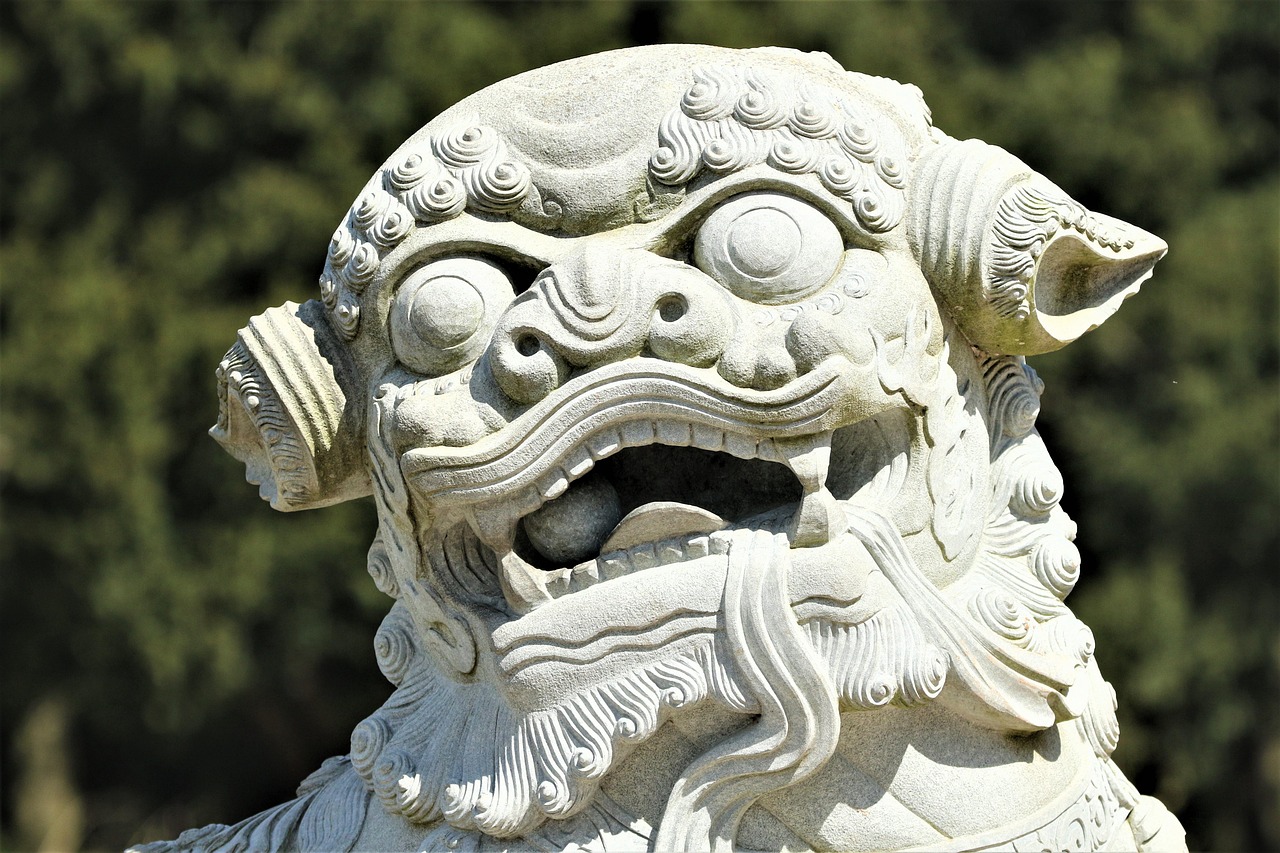
To understand Longmen’s Buddhist symbolism, slow down and read the visual language. A seated Buddha with specific hand gestures can signal teaching, reassurance, or meditation; the meaning isn’t random decoration, it’s a coded invitation to reflect. As you move through later areas influenced by the Tang dynasties, you’ll often spot gentler faces, fuller forms, and compassionate figures like a Guanyin statue, shaped by changing taste and technique.
This is where expert guides can transform your visit. A great local storyteller doesn’t just name periods; they connect the inscriptions to real people—court patrons, monks, families—and explain how carving functioned as prayer, memorial, and public record. With that context, you’ll notice how placement, scale, and even the choice of rock surface turn each cave into an intentionally designed space of belief.
Luoyang inscriptions: Tang dynasty carvings, donors, dates and human voices
Longmen’s inscriptions can be surprisingly moving because they feel close to everyday life. Look for Tang dynasty carvings that include engraved dedications: names, dates, ranks, and small statements of hope. Pay attention to placement and line quality—some calligraphy is bold and formal, others more intimate, as if written for a smaller audience standing right where you are.
Many visitors share a moment of stillness when they realise these works were crafted across generations, not created overnight. That feeling is part of the gift: you stop treating the site as a spectacle and begin to trust it as a record of time, patience, and collective care. It’s also hard not to think of the Tang-era literary atmosphere—poet Bai Juyi lived in Luoyang, and the wider culture of writing and record-keeping shaped what was preserved in stone.
Xiangshan Temple in Luoyang: Yi River sunset views, night options and easy add-ons
Xiangshan Temple in Luoyang: Yi River sunset views and easy add-ons
If your plan includes Xiangshan Temple, you’re already thinking like a cultural traveller who values atmosphere as much as highlights. The temple sits nearby and adds context: a quieter hillside counterpoint where ritual spaces, views, and architectural details help you imagine how religious life once intersected with the grottoes. It’s a gentle way to deepen meaning without turning the day into a race.
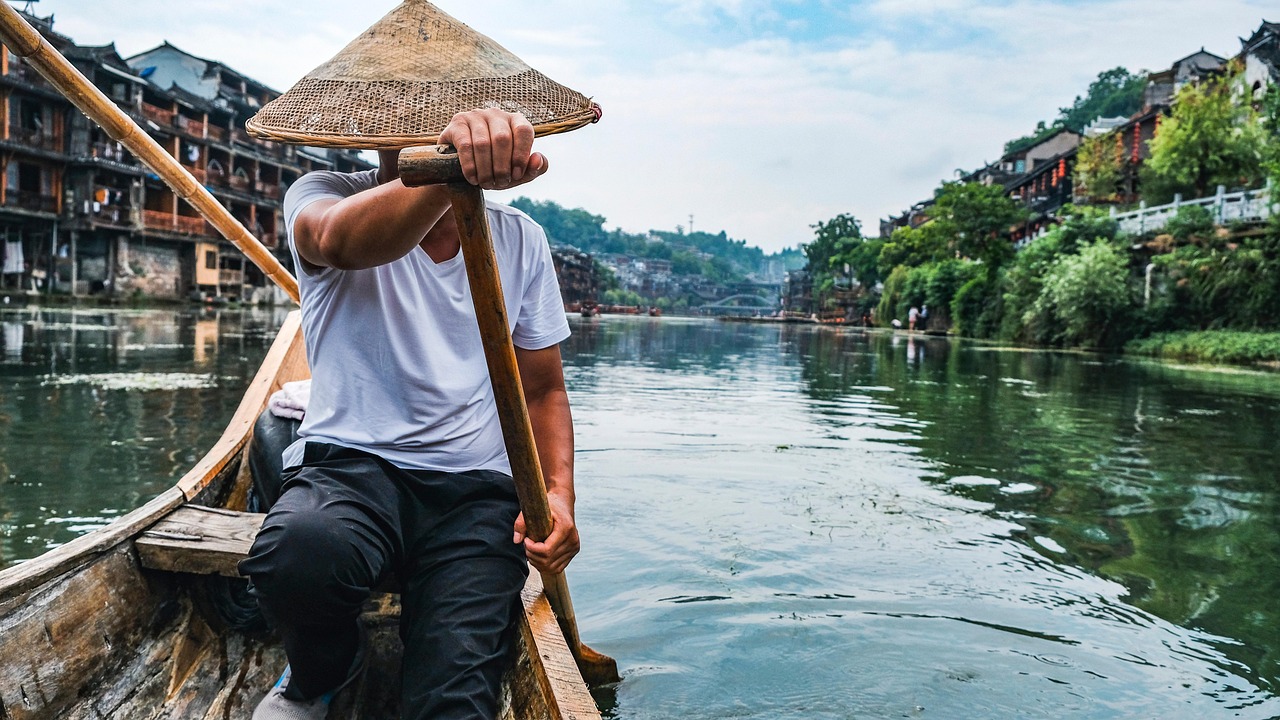
Then there’s the slow-travel pause that so many travellers remember: the river at sunset. As groups thin out, the air cools, and the cliff faces warm in tone—perfect for a final walk and reflection along the Yi River in Luoyang. You don’t need to chase the perfect shot; you only need to notice how the light changes expressions you thought you’d already seen.
Night visits in Luoyang: should you see the Longmen light show?
In peak seasons, an evening light-and-sound programme can be an immersive way to experience the site’s scale. The decision comes down to your pace: if you enjoy theatre and don’t mind a more social atmosphere, it can be memorable; if you’re seeking calm, you might prefer to end with dusk on the river instead. Either way, plan your return transfer in advance so the evening stays simple and reassuring.
If you have extra time and stamina, Luoyang offers strong extensions. Luoyang Museum gives useful context for timelines and regional heritage that echo what you’ve seen carved in situ. For day trips, White Horse Temple is a meaningful pairing for Buddhist heritage, while Shaolin Temple adds an energetic counterpoint if you’re curious about martial tradition and devotion across Henan province.
- For context: Luoyang Museum for timelines, motifs, and regional heritage.
- For spiritual heritage: White Horse Temple as a quieter, contemplative companion visit.
- For energy: Shaolin Temple, if you want movement, legend, and a fuller Henan story.
And don’t underestimate local warmth. Some visitors recall villagers sharing home-style dishes and stories with genuine hospitality. In Luoyang, choose restaurants that feel locally rooted, ask what’s seasonal, and, if you visit in spring, let the peony culture shape an unhurried evening: good food, soft conversation, and the feeling of being welcomed rather than processed.
F.A.Qs: Longmen Grottoes China travel guide essentials
F.A.Qs: Longmen Grottoes China travel guide essentials
What is the significance of the Longmen Grottoes in Luoyang?
The Longmen Grottoes are significant for their vast collection of Buddhist sculpture and inscriptions carved into cliff faces near Luoyang. Created mainly during the Northern Wei and Tang periods, they preserve devotion, artistry, and historical records in a single open-air complex of cave shrines.
Are Longmen Grottoes worth visiting on a China itinerary?
Yes—especially if you enjoy culture with a sense of scale and atmosphere. The site combines monumental figures, intricate corridors, and riverside scenery, and it rewards travellers who like to explore slowly, look closely, and absorb a place rather than rush through it.
How long does it take to see the Longmen Grottoes?
Most visitors spend 2–4 hours, depending on pace, crowds, and how many areas you explore on West Hill and East Hill. If you enjoy photography, interpretation, or sunset by the river, allow closer to half a day for a more relaxed visit.
What are the four greatest grottoes in China?
The four greatest grottoes in China are commonly listed as Mogao (Dunhuang), Yungang (Datong), Longmen (Luoyang), and Maijishan (Tianshui). Each is renowned for preserving different periods and styles of Buddha figures and rock-cut art on an extraordinary scale.
What remains with me after visiting Longmen in China are the carved cliffs, East Hill and West Hill, and the tranquil perspective.
My Longmen reflection isn’t something I can package into a neat summary, because what lingers is quieter than facts. It’s the sensation of standing among so many Buddha faces and feeling your own thoughts soften, as if the cliff itself is patiently supporting you. The place holds an ancient stone calm that doesn’t demand belief—only attention.
I remember small details more than the grand ones: the sound of footsteps easing along the path, the way a single niche catches late light, the pause that happens naturally when you realise hands once worked here for years, then centuries. That’s where gratitude enters, almost without permission—gratitude for craft, continuity, and the care that keeps this must-see site alive within modern life.
There’s also a gentle confidence that arrives when you move slowly and with trust—trust in your own pacing, and in the idea that deeper travel is built from a few thoughtful choices. The river keeps flowing, the cliffs keep their silence, and somehow your inner compass feels slightly reset. When you think back on Longmen, what do you notice first: the scale, the stillness, or the moment you finally stopped trying to capture it?