Merano and Meran: overview and history at the heart of South Tyrol’s Alto Adige and the Alps
Merano and Meran overview: history, landscape, and culture in South Tyrol
To understand Merano, start with its borderland identity shaped between Austria and northern Italy—a refined story set in the heart of South Tyrol. The history of Merano explains how the town of Merano grew into a quietly elegant retreat for Europe’s travellers, where clean mountain air, thoughtful architecture, and a slower rhythm support you. Over time, the spa town of Merano became known for restorative routines and cultured days out, without feeling stiff or showy.
The setting does half the work. Merano lies where the Passer descends into a wide valley, near the Adige, with the Alps rising like a protective amphitheatre and the Dolomites close enough for rewarding day trips. Thanks to Merano’s mild microclimate—often described as a mild Mediterranean climate—you can see palm trees alongside alpine slopes, a contrast that feels theatrical yet completely natural in this pocket of Alto Adige.
Merano’s historic centre: arcade stroll to Laubengasse and Nicholas Church
Create a simple orientation loop through the old lanes before you fill your itinerary. Begin under the covered porticoes, then continue into Laubengasse, where stone façades and small shopfronts invite unhurried browsing; some details date back to the 14th and 17th centuries. Pause at Nicholas Church (St Nicholas), a key landmark dedicated to the patron saint of merchants and travellers—fitting for a place built on meeting points and movement.
From there, cross the Steinerner Steg and let the river air reset your senses. This is one of those small-town moments that feels personal: water sound, soft light, and the reassuring sense that everything is comfortably walkable. Merano offers culture in digestible pieces, so you can explore with confidence rather than rush.
Golden hour on the Tappeiner Promenade: high above the town, Obermais villas, and walking paths
As the day cools, head high above the town for a scenic viewpoint. The Tappeiner Promenade is the classic choice—an easy, elevated line that frames rooftops, a rooftop café pause if you feel like it, and distant alpine peaks in a painterly sweep. Continue towards Obermais, where quiet walking paths pass grand villa gardens and hushed streets that still feel like a refined retreat.
This is also where you sense Merano and the surrounding landscape working together: citrus notes in the air, mountain silhouettes beyond, and the calm certainty that tomorrow can hold both culture and adrenaline if you want it to.


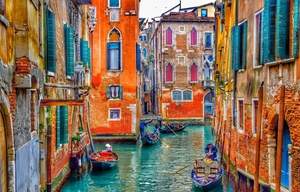


Kurhaus Merano Art Nouveau landmark: a modern spa pairing with Terme Merano
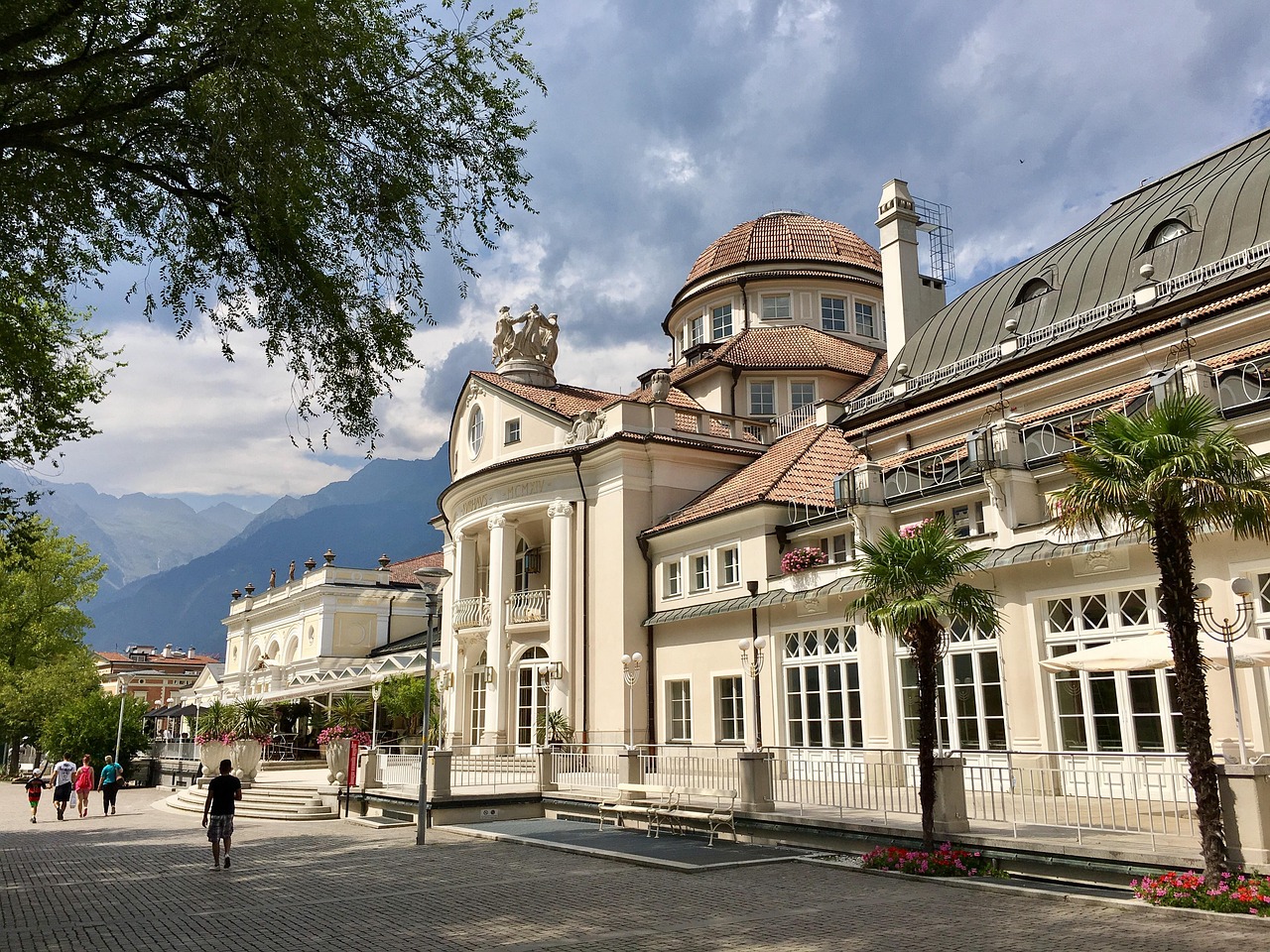
Kurhaus Merano and the riverside wellness district in Merano
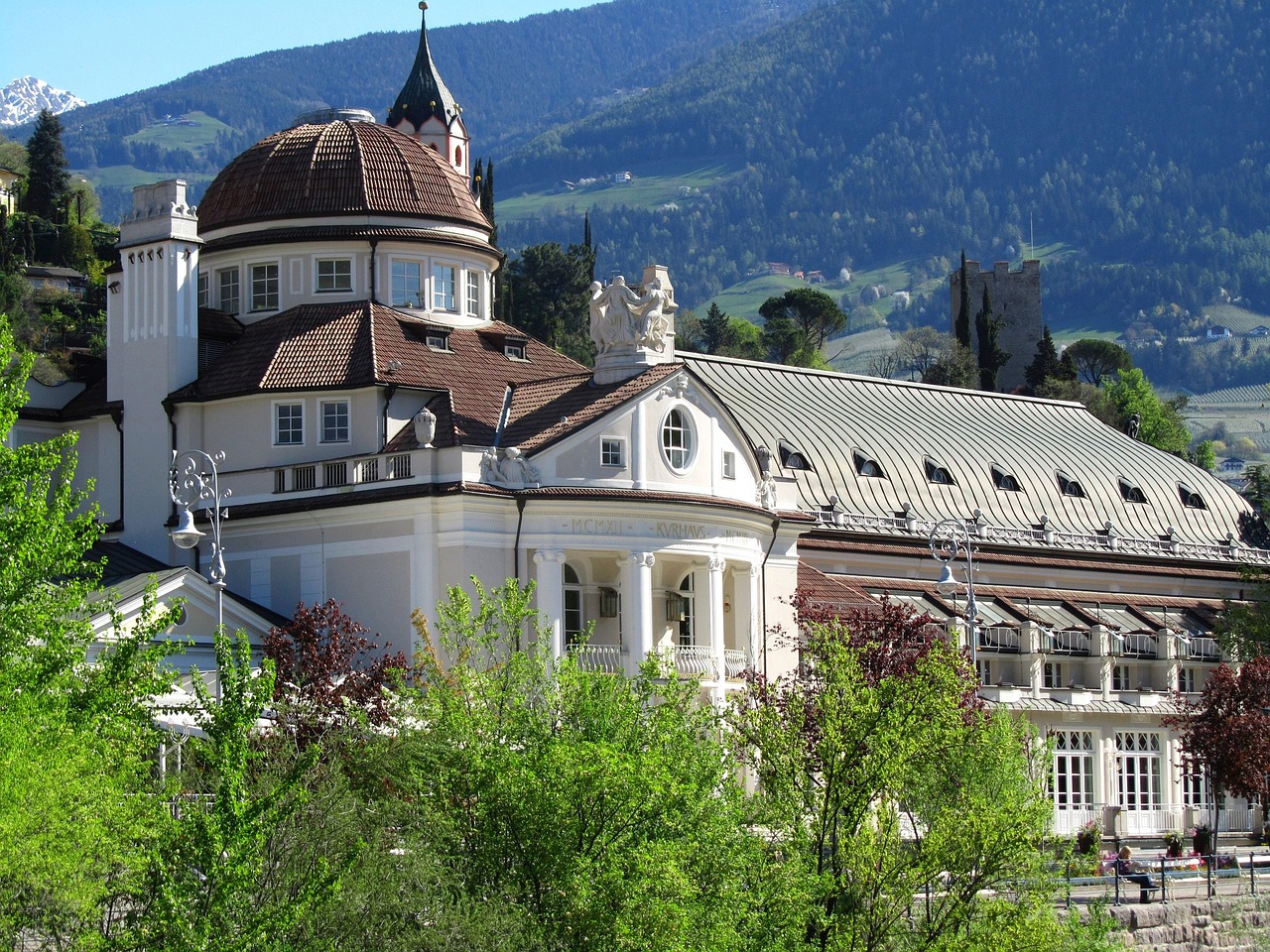
Set beside gardens and an elegant riverside district, the Kurhaus is a statement of confidence that still anchors the town’s social rhythm. Built in the early 1900s, its curves and detailing feel like a love letter to slow living, and Merano’s fame as a wellness destination remains tangible in the relaxed pace around the building. Even if you only step inside briefly, you’ll feel how design can set the tone for a day.
For high-end travellers, this chapter is about creating a seamless reset without losing the thread of culture. Pair a short visit here with a few hours of water-based recovery, and you’ll come back into the streets feeling lighter, calmer, and ready for dinner.
Design a seamless spa half-day at Terme Merano: thermal baths, sauna, and outdoor pools
Plan your spa time like you would a museum visit: with intention, breathing room, and flexibility. The complex is open year-round, designed for modern comfort with a calm, easy-to-navigate flow (often associated with Matteo Thun). You can move from thermal baths to a sauna circuit, then out to outdoor pools when the weather cooperates.
- Tickets and timing: buy entry on arrival where possible, and aim for late morning to avoid the busiest hours.
- Changing facilities: lockers are straightforward; pack a light pouch for essentials so you’re not juggling.
- Wellness treatments: if you want a massage or facial, book ahead in peak summer and autumn weekends.
- One simple rule: choose one “anchor” experience (heat or water) and let the rest be intuitive.
Allow yourself one proper bath moment—no phone, no schedule—then re-enter the streets with your shoulders softened and your thoughts clearer.
Sissi in Merano: imperial wellness and the “residence of empress” legend
Merano’s wellness story is inseparable from imperial imagination. Empress Elisabeth of Austria visited for her health, and her presence lingers as a gentle cultural footnote rather than a headline; you’ll still hear locals reference Sissi with affectionate ease. On quiet mornings, you can almost feel the “residence of empress” mythos in the hush of gardens and the careful manners of café service.
An expert approach here is balance: enjoy a long recovery session, then choose one cultural stop rather than over-scheduling. A short gallery visit or a slow stroll afterwards keeps the day crafted and unforced—supporting that rare holiday feeling of having time, not just plans.
Trauttmansdorff Castle Gardens in Merano: panoramic routes and spectacular botanical gardens
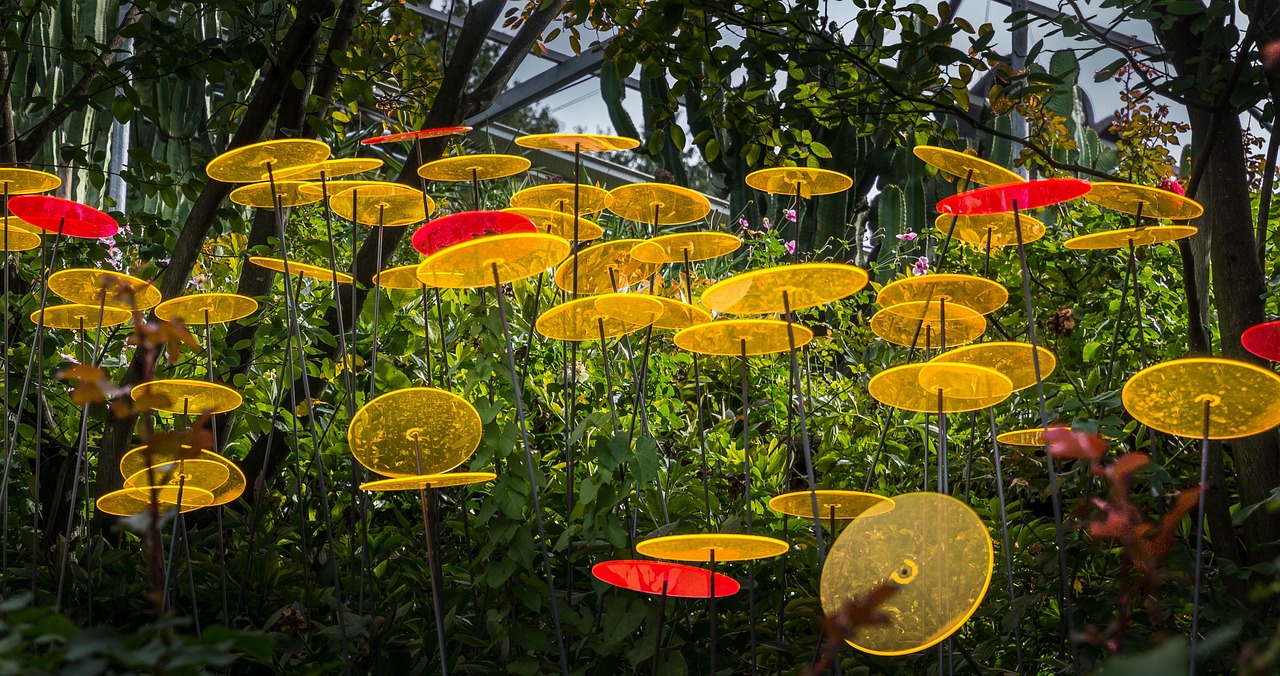
Trauttmansdorff Castle Gardens: panoramic paths and plant collections
If you want to uncover the destination through colour, scent, and texture, set aside an unhurried half-day for Trauttmansdorff Castle Gardens. The Gardens of Trauttmansdorff Castle are a full-sensory journey through garden landscapes: exotic plants in sun-warmed pockets, cherry trees that mark the seasons, and an orchard view that feels like a painted still life. Locals may also call it Castel Trauttmansdorff, and that bilingual slant is part of the charm—another reminder that Meran lives comfortably in two languages.
For adventure seekers, this is not “just a garden”. The paths rise and dip, viewpoints appear like rewards, and the air turns crisp as you climb—especially in shoulder seasons. Look out for a panoramic terrace where the wide valley opens below, and snow-capped mountains gather behind the town like a stage set.
Best entry time, shaded routes, and how long to allow at the gardens
Arrive early for the calmest experience, particularly from late spring to early autumn when the light is generous, and the grounds are at their most expressive. If you’re visiting in summer, choose shaded routes in the warmer hours and save the higher viewpoints for later when the sun softens. As a general guide, allow at least three hours for slow discovery; four if you enjoy photography and quiet pauses.
A small personal vignette that many travellers recognise: those first steps along early paths before the crowds arrive, crisp air in your lungs, and the quiet confidence of wandering with no need to hurry. Merano can feel like that—held, not pushed.
Touriseum and panoramic viewpoints with alpine peaks
If the weather turns, add the Touriseum for a creative, rain-friendly detour. It’s playful and thoughtful rather than heavy, and it helps you understand how travel culture shaped the town’s identity across eras. Before you leave, seek out one final viewpoint: rooftops below, alpine peaks beyond, and the sense that design here is always in conversation with the landscape.
Evening in Merano’s old town: promenade, markets, and food along the Passer River
Merano after dark: old lanes, markets, and riverside light
When the light dips, the town shifts into a softer register—ideal for a cultural enthusiast who still wants an adventurous spark. For things to do in Merano after dark, build an easy loop through cafés, small piazzas, and the riverside walkway. The keyword is unforced: a few beautiful streets, one meaningful stop, and time to notice details you’d miss in daylight.
Start in the historic centre with a gentle wander through the covered lanes, where shopfronts glow, and conversations echo off stone. Then follow the waterline, letting the current guide you towards quieter corners and bridges that frame the evening sky.
Farmers’ markets: South Tyrolean speck, vineyard wines, and local speciality finds
The weekly farmers’ markets are where the destination’s dual identity becomes deliciously tangible. You’ll see how Alpine and Mediterranean cultures blend without effort: a South Tyrolean slice of speck beside seasonal fruit, and regional bottles that hint at nearby vineyard slopes. If you want a simple tasting path that feels local yet refined, create it with intention:
- Begin savoury: speck and a warm bite of knödel for comfort and context.
- Add something fresh: herbs, mountain honey, or fruit when it’s in season.
- Finish with a glass: choose a regional wine and ask for one local speciality recommendation.
Respectful market etiquette is simple: greet in Italian or German, wait your turn, and ask before photographing. That small care often unlocks warmer service and the kind of travel trust you can feel.
A family-run trattoria in Merano: seasonal rituals, Christmas market, winter, and autumn festivals
One traveller still talks about a family-run trattoria tucked behind a side lane: Tyrolean comfort meets Italian ease, with a menu that quietly reassures—clear ingredients, helpful guidance on dietary needs, and a sense that you’re being looked after. Book ahead for weekend evenings, arrive on time (tables are often paced), and let the staff guide the pairing if you’re curious.
Seasonal celebrations make the town feel like a community rather than a stage set. In winter, the Christmas market brings a gentle glow to the streets; in autumn, the Merano grape festival highlights traditions locals take seriously. Visit with humility: watch first, follow local cues, and you’ll often be welcomed into the rhythm rather than kept at the edges.
If your dates align, the Merano Wine Festival adds a polished, gourmet layer—an ideal moment to explore regional producers, discover new favourites, and enjoy the town’s refined hospitality.
Adventure itinerary beyond town: stay in Merano and choose hotels in Merano near the Texel Group
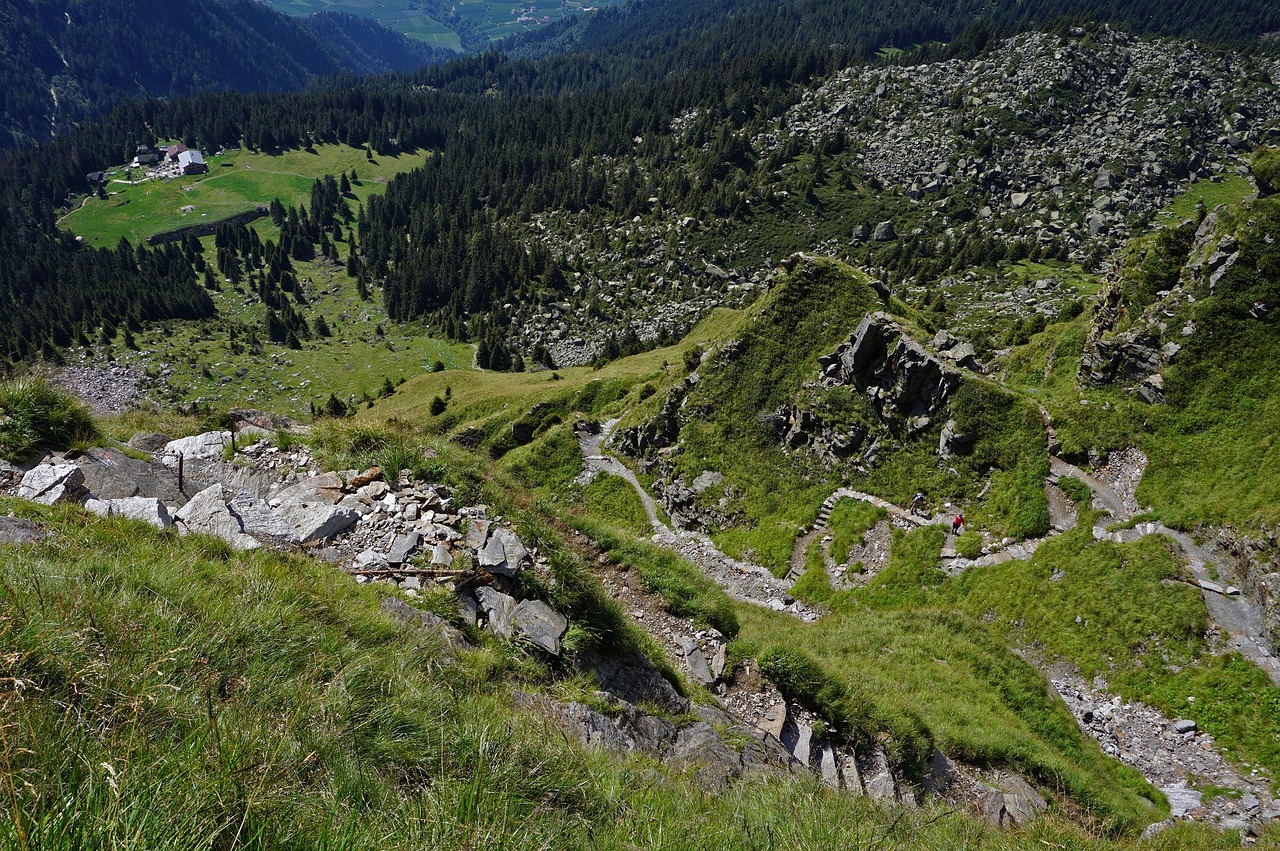
Adventure days from Merano: trails, views, and easy returns to comfort
This is where Merano becomes a basecamp without losing its elegance. For adventure seekers, create a tailor-made itinerary that moves from the Texel Group to quiet ridgelines and even to hidden rock-climbing spots just outside the centre. The thread is easy: you can return to a refined dinner after a day that challenges you, and that contrast is part of the town’s quiet luxury.
Begin with Texel Group hiking trails, where forest sections and open viewpoints can be combined into routes that match your fitness and mood. If you’re keen to go further, local guides can uncover lesser-known approaches, especially when you want to move confidently across steeper terrain or find rock faces with the right conditions.
Route ideas, local guides, and what to pack for Alps weather
The area sits at a meeting point of weather patterns, so plan carefully—particularly in autumn, when mornings can be crisp and afternoons bright. If you’re unsure, hire a guide for at least one day; it’s the most efficient way to explore safely and learn the landscape’s logic. For changing mountain conditions in summer and autumn, pack for comfort and confidence:
- Light waterproof layer and a warm mid-layer (even on blue-sky days)
- Proper footwear for cobbles and trail sections
- Refillable bottle and small snacks
- Sunscreen and sunglasses (high-altitude light is deceptive)
- Offline map or route notes if you’re heading beyond town
From certain viewpoints, you can orient yourself towards the Ötztal Alps to the north, while the Dolomites tempt from the broader horizon—use those landmarks to “read” the day as it unfolds.
Where to base yourself: Obermais, calm or central lanes, plus hotels in Merano
Deciding where to stay shapes your whole experience. Obermais is known for its villa-lined calm and a feeling of space; the central lanes keep you close to evening life and spontaneous café stops. When comparing hotels in Merano, look for details that support active days: spa access for recovery, secure bike storage, early breakfasts, and staff who can help you design routes with local insight.
For an extra cultural layer beyond the centre, consider a visit towards Tyrol Castle, one of Italy’s northernmost fortresses and a historic anchor in the region. Tyrol Castle features small exhibitions and viewpoints that deepen your understanding of how these valleys were governed and defended, with a storyline that connects to Austria, Bavaria, and local powers over time.
To preview the kind of crafted journeys we build across Italy, you can browse our Trip gallery and imagine how this base might pair with other northern routes.
Getting in is straightforward. Arrive by train via Bolzano, or create a scenic road trip through South Tyrol’s valleys for a seamless start to a visit to Merano. Local buses and taxis make short hops easy, but the town rewards walking—especially when you’re drifting between culture, food, and river light.
F.A.Qs: Merano, Italy travel essentials and planning tips
Is Merano, Italy, worth visiting?
Yes—Merano is worth visiting if you enjoy a refined mix of culture, nature, and wellness. You can admire a Belle Époque concert hall, unwind in the town’s warm-water facilities, and still reach hikes and viewpoints in the surrounding mountains with ease. The atmosphere feels relaxed yet elegant, making it ideal for travellers who want both comfort and a sense of discovery.
What is Merano famous for?
Merano is famous for its spa heritage, its gentle climate, and beautiful gardens, especially the Gardens of Trauttmansdorff Castle. It’s also known for its arcaded old lanes, riverside walks, and food culture that blends South Tyrolean traditions with Italian flair. Events such as the Merano Wine Festival add a gourmet highlight to the calendar.
What language is spoken in Merano, Italy?
In Merano, both German and Italian are commonly spoken, reflecting the city’s South Tyrolean identity. You’ll see bilingual signs and hear both languages used naturally in shops, cafés, and markets. Learning a few simple greetings in each language is appreciated and often leads to warmer interactions and more confident, seamless travel.
Is Merano part of the Dolomites?
Merano is not in the Dolomites themselves, but it’s within easy reach of the Dolomites for day trips. The town sits in a valley in South Tyrol, framed by mountain landscapes, with excellent transport links that make it a comfortable base for exploring the surrounding area. You can enjoy the destination’s wellness and culture while planning Dolomites excursions.
Leaving Merano, Italy: reflection after a complete guide journey
After Merano, what lingers isn’t a checklist—it’s a feeling. You remember the quiet rhythm of the river, the soft contrast of Mediterranean planting and alpine peaks, and how the place seemed to hold you at a kinder pace. Even your senses recall it: cool air on a bridge, warm light on stone, and the calm after a day that balanced movement with restoration.
It’s the small details that return later, unexpectedly: a shadow crossing your hands as you walked, a market greeting offered in Italian or German, or a pause in the gardens that made you feel both grounded and free. The destination doesn’t demand attention; it earns it through care, through thoughtful spaces, and through locals who make hospitality feel human rather than performative.
Perhaps that’s the real gift—trusting your own curiosity again. In Meran, you learn, gently, that travel can be crafted without being controlled, and that discovery feels richest when you leave room for the unplanned. When the moment is right, another corner of Italy will be waiting—quietly, confidently, and with its own story to uncover.