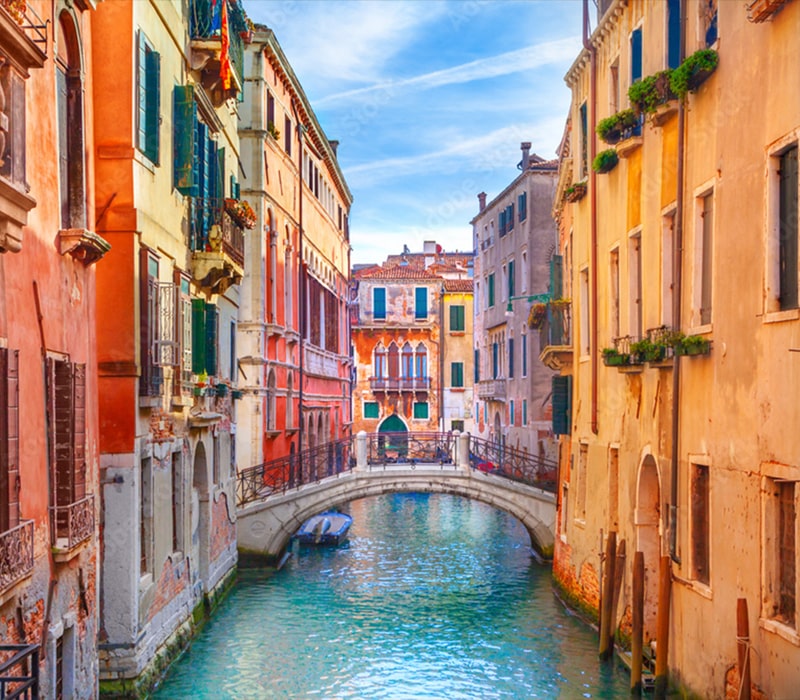
Messina, Sicily, at a glance – first steps for visiting Messina and easy orientation
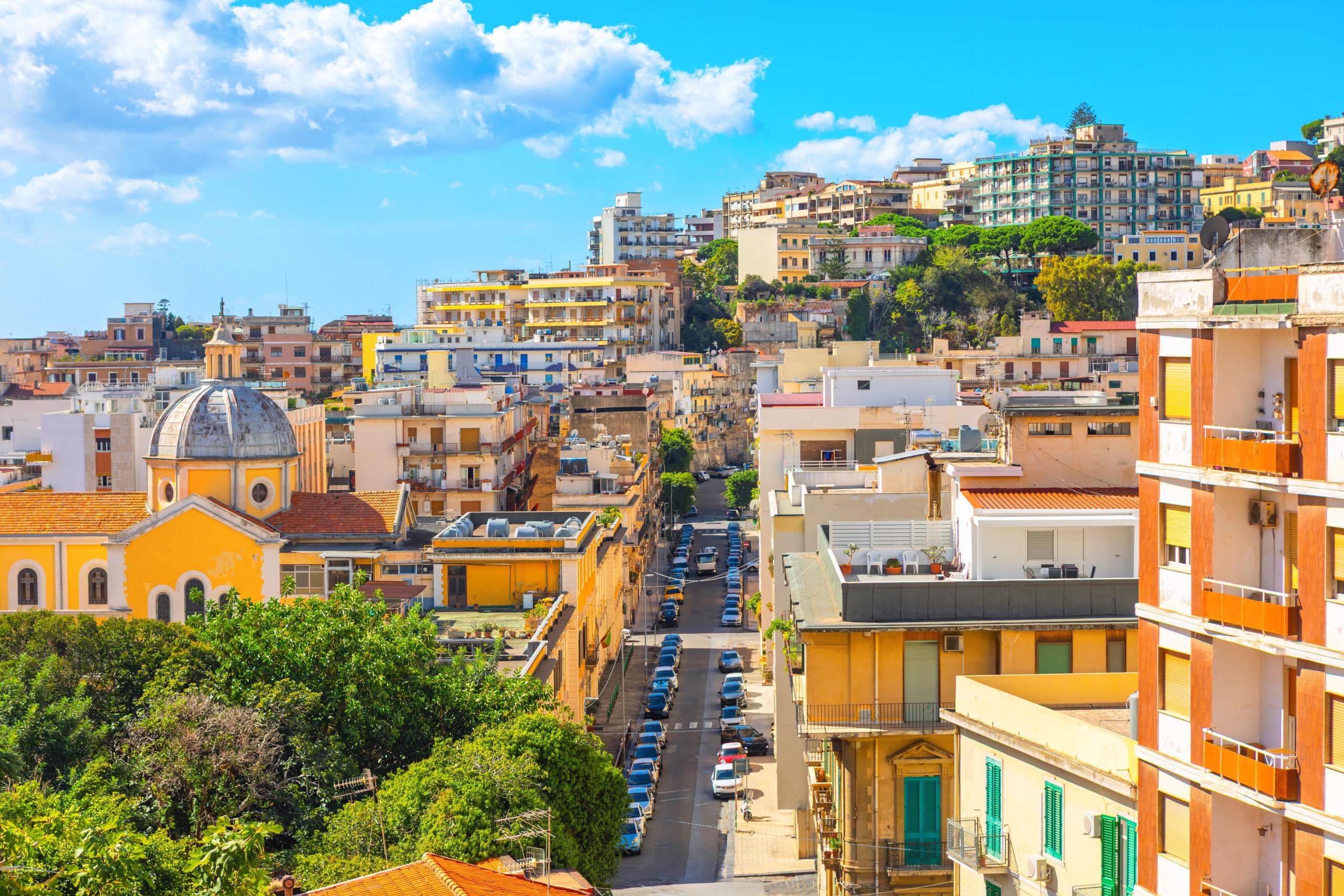
Messina, Sicily, at a glance for visiting Messina and first-time navigation.
If you’re planning to visit Messina for the first time, start with the feeling of arrival. Messina is a city and port city set on Sicily’s north-east tip, a true gateway to Sicily and the most natural link to Calabria and Reggio. Locals call it the door of Sicily for a reason—ferries, rail lines, and sea routes meet here, and you can feel the pull of the Strait from almost every viewpoint.
Messina is often described as the third-largest city on the island, yet it feels surprisingly calm once you learn its rhythms. Wide streets and long sightlines are part of the modern layout, shaped by the 1908 earthquake and later bombing raids; the city chose to rebuild with space, light, and straightforward routes that make orientation simple, even on a short stay.
City of Messina routes that keep you oriented, from station to waterfront
Your first anchors are practical. The central train station sits close to the water, and from there, Corso Umberto is a reliable spine for moving inland toward the historic core. If you need a reset between sights, head for the seafront promenade for level walking, salt air, and small harbour scenes that make Messina feel lived-in rather than staged.
For first-time navigation, picture a simple triangle: the station, the cathedral square, and the waterfront. When you want a quiet pause, sit and watch the Mediterranean sea shift from silver to deep blue; when you want momentum, step back into the centre where piazza life keeps the city’s history vivid and close.
When to go and what to expect – weather, pacing, and local ease
Messina is a year-round destination, but the best time to visit Messina is late spring and early autumn, when the light is crisp, and the pace feels more local. May to August can be glorious but hot—plan early starts, shade breaks, and a slower midday rhythm, especially if you’re pairing culture with hikes.
Arriving is refreshingly seamless. Come by train from major Italian hubs, glide in by ferry from the mainland, or time your arrival around a cruise stop; for curated inspiration before you travel, browse our Trip gallery. In the centre, walking and buses are usually enough, while taxis can be pricey—save them for late evenings or tight connections.
- Comfort: wear supportive shoes for cobblestones and steps.
- Culture: pack a light layer for modest dress in churches.
- Connection: learn a few Italian phrases—Sicilians are wonderfully responsive to a warm attempt.




Piazza Duomo and Messina Cathedral – bell tower views and the clock show
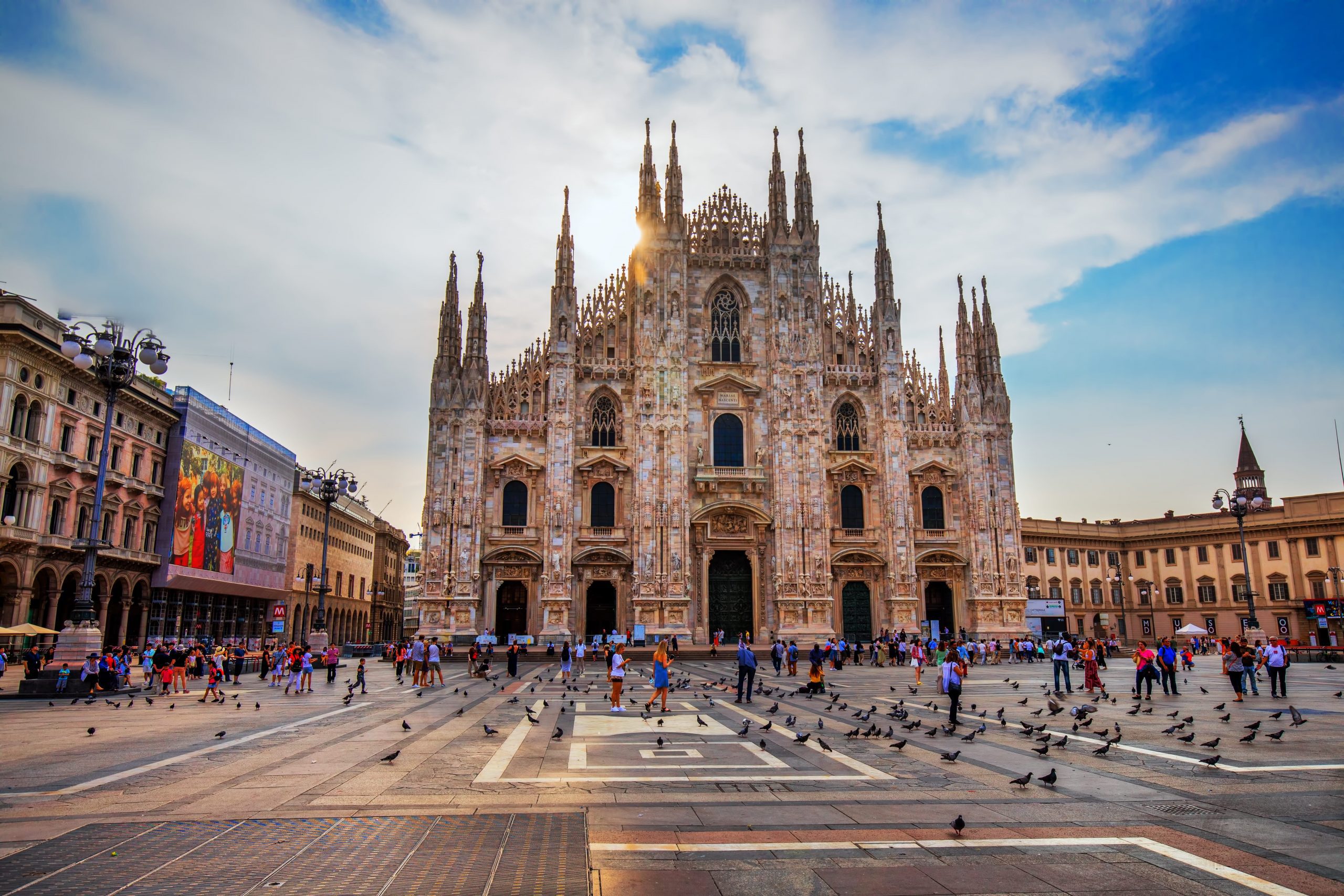
Piazza Duomo and the Messina Cathedral spectacle in the heart of Messina.
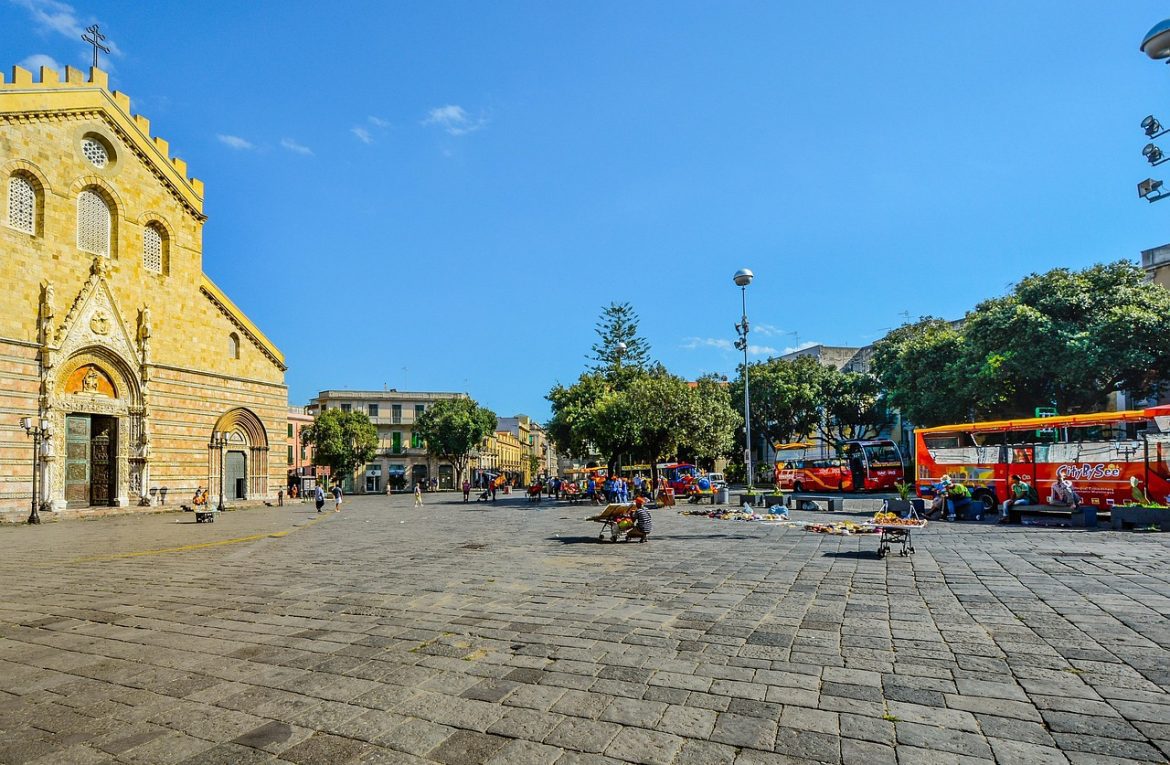
For a classic first stop, arrive early, pick your viewing spot, and let the city do the rest. This cathedral square is the ceremonial living room of Messina, where sacred architecture meets irresistible engineering, and one unforgettable attraction draws everyone into a shared moment.
To design your timing, aim for a little before noon and stand with a clear view of the façade. When the figures begin their performance, even seasoned travellers fall quiet; it’s the mechanical and astronomical clock turning time into a story you can actually watch.
Cathedral Square tips for the noon performance and respectful entry
Entry to the cathedral is free, and the interior rewards a slow, respectful pace. If you choose to go up for the bell tower viewing areas, expect a small fee and a short queue at peak times; it’s still a must-see if you love fine details and want to understand how the moving figures are made.
Dress modestly for comfort and care—covered shoulders and a calm manner are always appreciated. If you’re arriving straight from a beach morning or a cruise tender, keep a scarf in your day bag, and you’ll feel prepared rather than caught out.
Cathedral surroundings and the Fontana di Orione photo stop
Just beside the cathedral, uncover another landmark: the Fontana di Orione, layered with intricate sculptures that reward close-up attention. For the best photo angle, step back toward the edge of the square so the fountain and church fit in a single frame—Messina in a single glance.
From here, it’s effortless to build a gentle next step. Wander toward Vittorio Emanuele for breezier viewpoints, or drift into side streets where cafés offer espresso, shade, and that reassuring sense you’re not rushing the city—you’re meeting it.
Old stones and living stories in Messina – museums, churches, and the city’s history
If you’re drawn to layered culture, Messina rewards curiosity: it has long been a hinge between worlds, shaped by Normans, Angevins, and the ideals of the Risorgimento. The result is a place where past and present sit side by side—maritime grit, faith, and artistry threaded through everyday streets.
Begin with the regional museum of Messina (Museo Regionale) and give yourself permission to go deep without overload. Pick a theme—Madonnas, maritime life, civic pride—then pause often, because the best galleries invite attention rather than speed.
Museo Regionale highlights – Caravaggio with a simple pacing plan
Here, medieval and Renaissance works feel surprisingly intimate. If you’re drawn to dramatic light and human realism, make time for Caravaggio; standing before his work in Messina can feel like being pulled into a quiet conversation, even when the room is busy.
To keep the visit seamless, try a simple “two-room rule”: two focused rooms, a short break outside, then two more. That rhythm protects your energy for the rest of the day, especially if you’re combining culture with time on the water.
Annunziata dei Catalani – Norman strength and layered invasions in stone
The Church of the Annunziata dei Catalani is small but potent, a rare survivor with Norman weight and elegant details shaped by the Byzantine and arab invasions. Step inside and notice how low, grounded, and timeless it feels—as though the city keeps its oldest memories carefully within reach.
As evening comes, Messina turns soft. One cultural enthusiast described a quiet walk along viale streets back toward the centre, stopping at a family-run trattoria where locals spoke with humour about storms, saints, and football—stories delivered with the warm assurance of people who know their city endures.
- Post-museum fuel: granita with brioche for a sweet reset.
- Street comfort: try calzone stuffed specialities when you need something quick and satisfying.
- Sea-to-table: order swordfish or anchovy dishes for an authentic Sicilian finish.
And if you love academic corners of culture, remember the University here was founded in 1548—another reminder that Messina has long valued ideas as much as trade.
Strait of Messina crossings – ferry and cruise options to Calabria and Reggio
Searching for the Strait of Messina ferry experience is usually a sign you want that cinematic crossing, where sea spray, mountains, and mythology meet. The process is straightforward: buy a ticket at the terminal, check the next departure (they’re frequent), then head outside for stunning views as Sicily slips behind you and Calabria rises ahead across the strait.
Choose where to stand based on what you want to see. Near the stern, you’ll watch Messina recede; along the side rails, you’ll spot the water patterns that make this strait famous, especially where Ionian and Tyrrhenian currents meet, and the surface seems to stitch itself together.
Strait crossings and the small thrill of possible dolphin sightings
One adventurer told us the highlight of their Messina trip wasn’t planned at all: a dolphin arced beside the boat, close enough to see the curve of its back before it disappeared. Sightings can’t be promised, but you can improve your odds by scanning calmer patches away from the wake and staying outside longer than a single photo.
This is a small moment with a big emotional echo—proof that, in Messina, your best memories often arrive when you stop trying to control the script and simply watch.
Cruise-friendly Messina shore loop – harbour culture, quick sights, and time
If you disembark for only a few hours on a cruise, create a short loop that still feels personal: the cathedral show, a quick pass of the waterfront promenade, and a pause near the harbour. Many travellers enjoy chatting with local fishermen here; one man, Paolo, demonstrated knots and explained seasonal techniques with patient pride.
Ask respectfully—“Posso fare una domanda?”—and keep your tone warm. You’ll often receive a smile and an insight that no brochure can give, even when nearby tour offers and shore excursions are bustling.
And yes, mythology belongs here too. Scylla and Charybdis aren’t just tales; they’re a way to name the channel’s drama as you look toward Reggio and feel the scale of the crossing.
Monti Peloritani adventures – things to do in Messina beyond the centre
When travellers ask how to balance culture with open air, the answer often sits right behind the city. The Monti Peloritani rise above Messina like a green promise, and a few hours on these trails can explain the whole coastline in one breath, with panoramic viewpoints that make geography feel personal.
Trail choices are easy to tailor to your confidence. Short ridge walks deliver quick reward, while longer nature loops take you through scent-heavy scrub and shaded turns—perfect if you want the adventure to feel earned, not rushed.
Monti Peloritani trail styles and safety basics for warm months
Wear proper footwear for rocky paths, carry water, and start early in warmer months. Heat management matters most from May to August: a cap, sunscreen, and planned pauses keep your energy steady, especially if you’re new to Sicilian hills.
If you ever feel unsure, choose simpler routes and enjoy them fully. In Messina, adventure isn’t a test—it’s something you build with care, one steady step at a time.
Taormina, Castelmola, and nearby day trips from Messina
Messina works beautifully as a base for day escapes. Taormina draws you with its theatre and sea cliffs, while Castelmola—more hamlet than town—adds quiet lanes and wide views. Savoca brings a moodier, storybook hillside feel; you can also continue onward to Catania, plan a Mount Etna excursion for volcanic scale, or even continue toward Palermo for a bigger-city contrast within Sicily.
For a softer pause between hikes and day trips, seek out botanical gardens or a breezy terrace where the wind cools your temples. Then return to the harbourfront to reset—salt air as a gentle full stop before dinner.
- Easy adventure rhythm: hike in the morning, culture in the afternoon, sea air at sunset.
- Day-pack essentials: water, a light snack, a thin layer, and cash for small cafés.
- Post-hike ritual: granita and slow conversation—Messina’s most comforting reward.
Some evenings, you’ll hear locals mention the ride of the giants during summer festivities, a reminder that Messina celebrates myth and community as readily as it celebrates views.
F.A.Qs: Visiting Messina – quick travel planning
What is Messina, Italy, famous for?
In messina italy, the most famous sight is the cathedral square and its animated noon clock show, set against a busy harbour in the narrow channel to the mainland. Visitors also come for the Fontana di Orione, museum art, and the atmosphere of a resilient city shaped by the 1908 earthquake.
Is Messina walkable from the cruise port?
Yes—Messina is generally walkable from the cruise area to the historic centre, including the cathedral square and the waterfront promenade. If mobility is a concern or the heat is strong, consider a short taxi ride, but most travellers can enjoy a seamless walk with comfortable shoes.
How do you spend a day in Messina?
Start at the cathedral square for the noon spectacle, then stroll to the Fontana di Orione and along the waterfront for sea breezes. Add the Museo Regionale for depth, or take a short ferry crossing for a channel experience. Finish with a relaxed meal in a family-run trattoria.
Is Messina, Sicily, worth visiting?
Messina, Sicily, is worth visiting if you enjoy cultural landmarks, local street life, and easy access to sea crossings and nearby hills. It suits both short cruise stops and longer stays, especially in late spring or early autumn when the city feels calmer and more local.
What stays with you after Messina – reflections for return visits
If you let it, Messina stays with you as a contrast you can’t quite file away: sacred stone warmed by sun, sea wind that keeps changing direction, and the quiet courage of a place that learned to recover without losing its heart. The city doesn’t insist on itself; it simply offers moments—bells fading into the afternoon, footsteps on open streets, the harbour breathing in and out.
Later, when you think back, you may not remember every label or every architectural detail. You’ll remember the noon wonder as the figures moved, the fishermen’s laughter as they worked the lines, and the sudden hush on deck when a dolphin surfaced and slipped away—small proofs that travel can still be personal and true.
Messina is a must-see not because it demands attention, but because it rewards it. In Sicily, this is the kind of place to visit that reveals itself at the speed you’re willing to notice—one conversation, one view, one unplanned turning down a side street toward San Salvatore, or a glance across the water toward Raineri, where the Madonnina del Porto keeps watch.
Before you leave, consider one last viewpoint: the sanctuary of Christ the King above the centre, where the city’s outline makes sense in a single look. And when you finally go, you may carry a gentler confidence—the sense that you can arrive somewhere unfamiliar, feel supported by its rhythm, and make it your own.