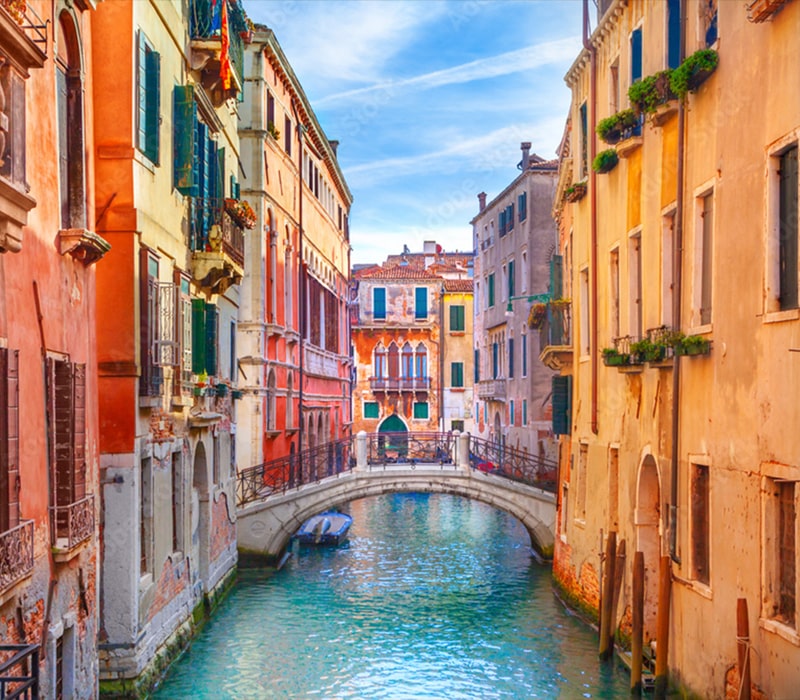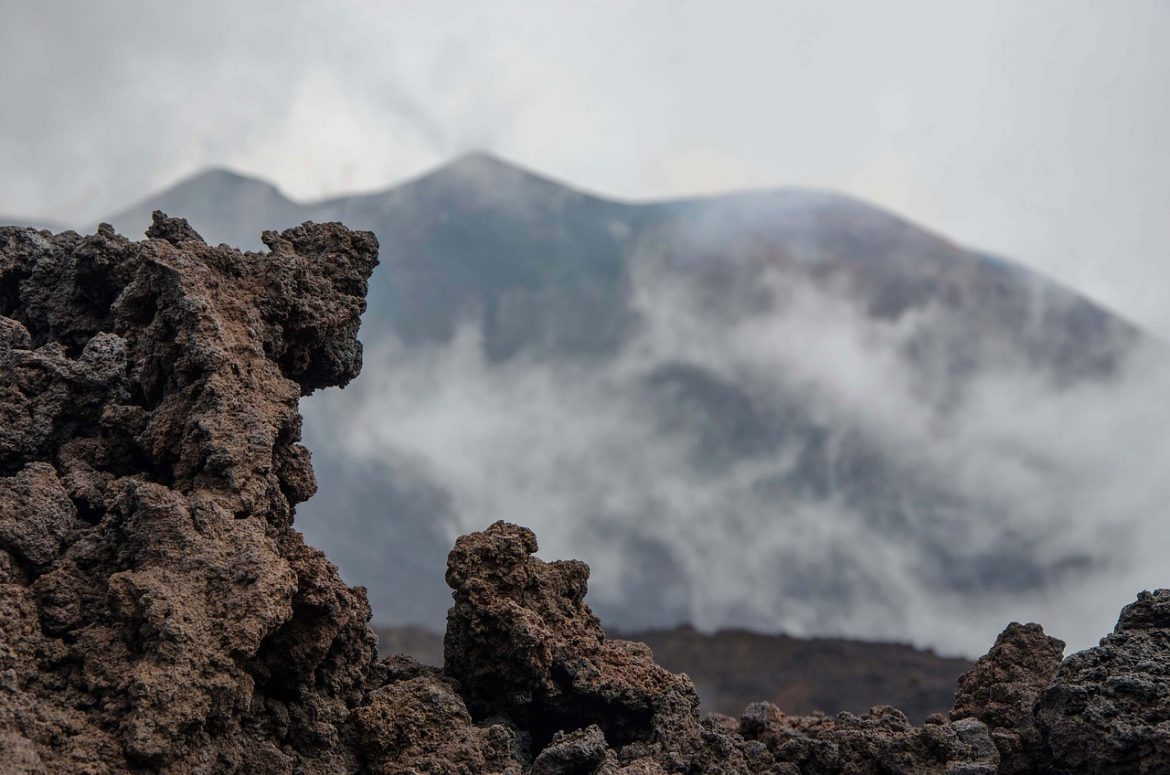
Mount Etna in Sicily, Italy, is a UNESCO World Heritage Site known for its volcanic activity and geology.
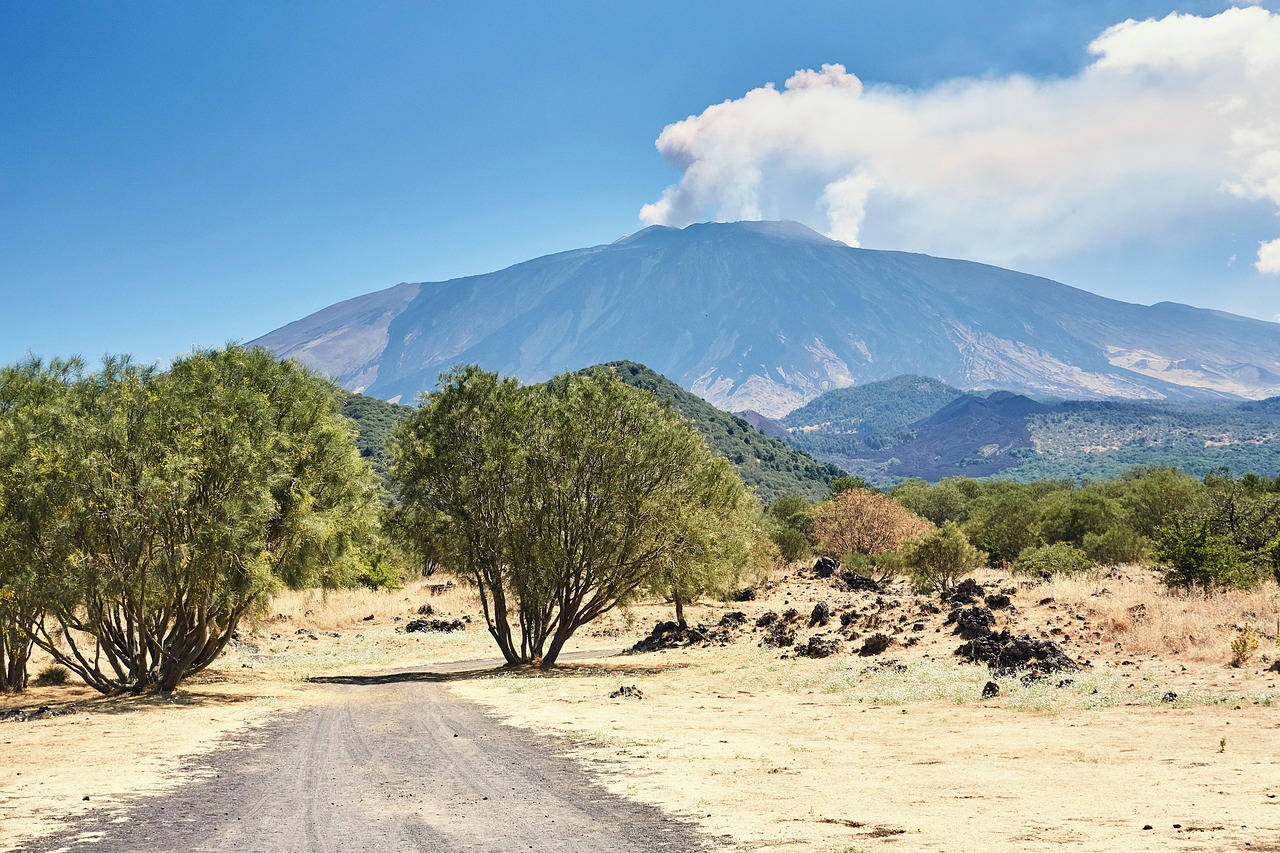
Mount Etna volcano in Sicily Italy and why it feels alive above the Ionian Sea
For a Mount Etna volcano, Sicily, Italy overview, start with the view from the Ionian Sea: a vast, complex stratovolcano rising behind Catania like a living landmark. It is a UNESCO World Heritage Site, yet it never feels museum-still—more like an old presence you can sense, even before you set foot on the slope.
What surprises many high-end travellers is how ordinary life and deep time sit together in the province of Catania. A baker opens at dawn, a fisherman mends a net, and above them the volcano’s rhythm continues—sometimes quiet, sometimes marked by an eruption that becomes tomorrow’s conversation in the café.
Areas of Mount Etna to explore from south to Valle del Bove
For trip planning, it helps to picture the main areas of the Etna as distinct personalities. The south side is often the most approachable, with Nicolosi and the Silvestri Craters offering an easy first crater walk; the north side around Provenzana can feel wilder and more remote, especially when weather shifts fast. Between them lies the Valle del Bove, a dramatic scar of old collapse and lava channels—an amphitheatre of raw rock that makes the landscape feel undeniably alive.
Earth science and volcanology made simple for a volcano in Europe
A little earth science can turn awe into insight without dulling the magic. A crater is essentially a vent area where material escapes; ash is fine, fragmented rock that drifts differently from heavier lava, which moves as a glowing flow when it is hot enough. When Mount Etna decides to erupt, you may hear guides describe Strombolian bursts—short, rhythmic fountains that can look like fireworks from a safe viewpoint, reminding you this is an active volcano in Europe with a long memory.
One winter afternoon, a local guide told me to watch for contrasts rather than drama: steam breathing from a vent while snow held on in shaded hollows. That surreal pairing—heat and hush—often leaves travellers feeling both small and oddly calm, as if the mountain is powerful but not hostile when approached with trust and expert care.




Mount Etna summit craters tour cable car guide from Catania, Italy
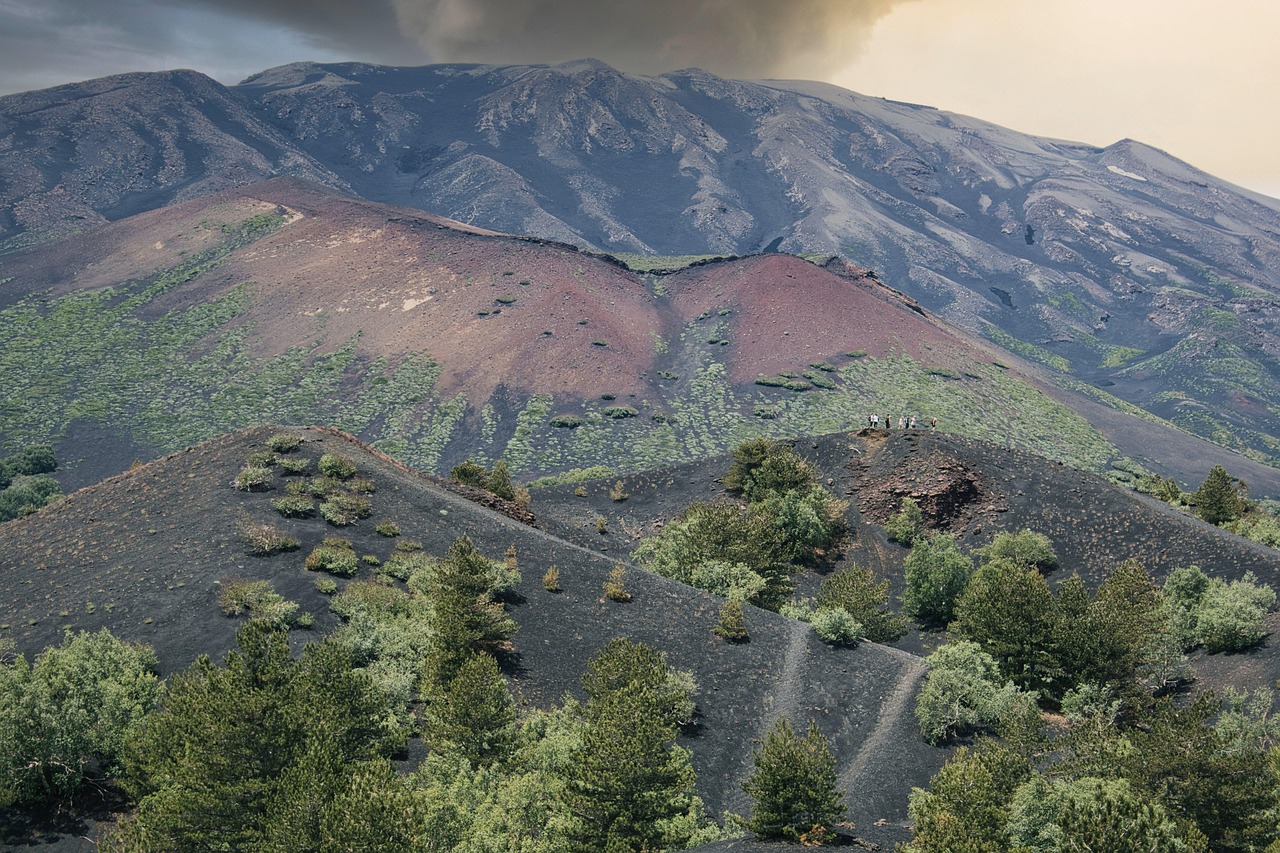
Designing a safe summit crater day on Mount Etna from Catania with cable car and guide
For a Mount Etna summit craters tour with cable car and guide from Catania, Italy, the most reassuring starting point is a simple, well-designed route from the city. You can travel by bus links from Catania to the base area on the south side, or create more freedom with a rental car; a 4×4 becomes useful when conditions require higher access on rougher tracks, or when a guided excursion includes off-road segments.
As you move upwards, the tone changes: sunlight sharpens, the air thins with altitude, and the landscape turns from orchard greens to black volcanic stone. This is where a crafted plan matters—less improvisation, more confidence.
Summit access rules and the care behind them
Access rules on Mount Etna are not about restriction for its own sake; they are about support in a place where volcanic activity and wind can change quickly. Higher zones may require an authorised guide, and even seasoned hikers are asked to stay on marked paths because the ground can be unstable after recent ash fall or fresh deposits.
Think of the guide as your translator for the mountain—reading clouds, listening to updates, and choosing vantage points that feel inspiring rather than risky. That calm expertise is what turns adrenaline into wonder.
Bocca Nuova and summit geography explained with confidence
If conditions allow, guides may orient you to the summit craters and name features you’ve likely seen in photographs. Bocca Nuova—literally “new mouth”, with nuova meaning “new”—is often referenced alongside nearby vents such as Voragine, helping you understand why the summit is a shifting neighbourhood rather than a single peak. You may not stand at every rim, but you will uncover how the volcano reorganises itself over time.
Costs are usually straightforward: entry to the regional park is free, while cable car rides and guided options typically cost €30–€60, depending on route, restrictions, and transport. To keep the day seamless, build a little flexibility into your schedule for wind holds or rerouting.
- What to pack for comfort: layered clothing, sturdy hiking boots, sun protection, and a windproof outer shell.
- Smart checks before you go: look for updates from the National Institute of Geophysics and the Institute of Geophysics and Volcanology (INGV), and ask your operator how they respond to alerts.
- Small luxury that matters: bring water, a warm drink, and a light snack—simple comforts that keep you steady at higher altitude.
One guide I travelled with described an observatory-style mindset: “We don’t chase drama, we choose the safest beauty.” That line stayed with me, and it’s the best way to approach Mount Etna as an adventure worth designing well.
Mount Etna trails Bosco di Nicolosi Silvestri Craters and lava Italy
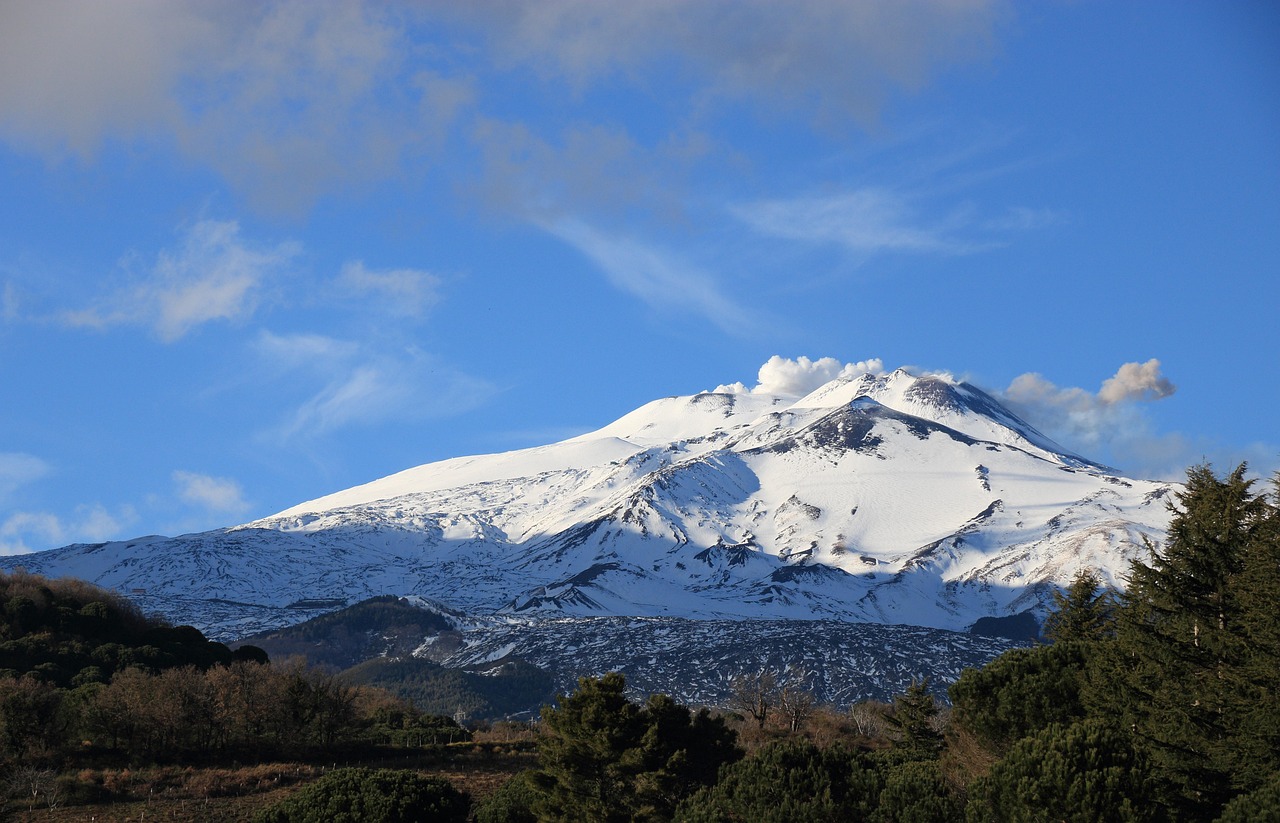
Exploring lava fields and forest trails near Nicolosi and the Silvestri Craters on Mount Etna
For Mount Etna trails around Bosco di Nicolosi and the Silvestri Craters, the south side is the place to begin if you want an accessible volcanic landscape with immediate reward. The Silvestri Craters offer a first taste of walking on a crater rim without committing to a full summit day, and the visitor information on-site adds context that makes the terrain feel personal rather than abstract.
From there, you can explore routes that weave between old lava flow corridors—cooled into rippled stone, broken into sharp textures, and dusted with ash that crunches softly underfoot. It’s a landscape that invites you to slow down and notice colour: charcoal, rust-red, and occasional bright green where life returns first.
Nature reserve walks through beech and chestnut vegetation
The Bosco di Nicolosi area and nearby nature reserve paths are where Mount Etna becomes surprisingly gentle. You’ll walk among beech stands, pass chestnut trees, and see resilient vegetation reclaiming ground that once looked permanently scorched. Wildlife sightings are never guaranteed, but even small moments—birds cutting across the slope, a lizard warming on dark rock—can make the hike feel quietly intimate.
For Adventure Seekers who like a challenge without losing comfort, ask a local guide to tailor a route with a longer ridge option. You can create a day that feels wild, yet still held by expert support.
Trail difficulty cues and a sample 6 km route
Underfoot, expect loose scree in places, especially where older lava has broken down into gravel. A good benchmark is a 6 km loop that mixes crater viewpoints with forest edges—enough distance to feel you’ve earned your views, while keeping energy in reserve for a long Sicilian lunch afterwards.
- Footing: black grit can slide; keep steps short on descents.
- Pacing: the slope can look easy until you’re on it—plan a few pauses for water and photographs.
- Optional thrill: a mountain bike segment is possible where permitted, ideally with local guiding so speed never compromises care.
What I love here is the contrast: you can uncover the drama of old lava without feeling you must conquer anything. The forest absorbs sound, and suddenly the volcano feels less like a headline and more like a place you’re allowed to know.
Mount Etna night hike with lava flow, winter snow, skiing, and Grotta del Gelo, Italy.
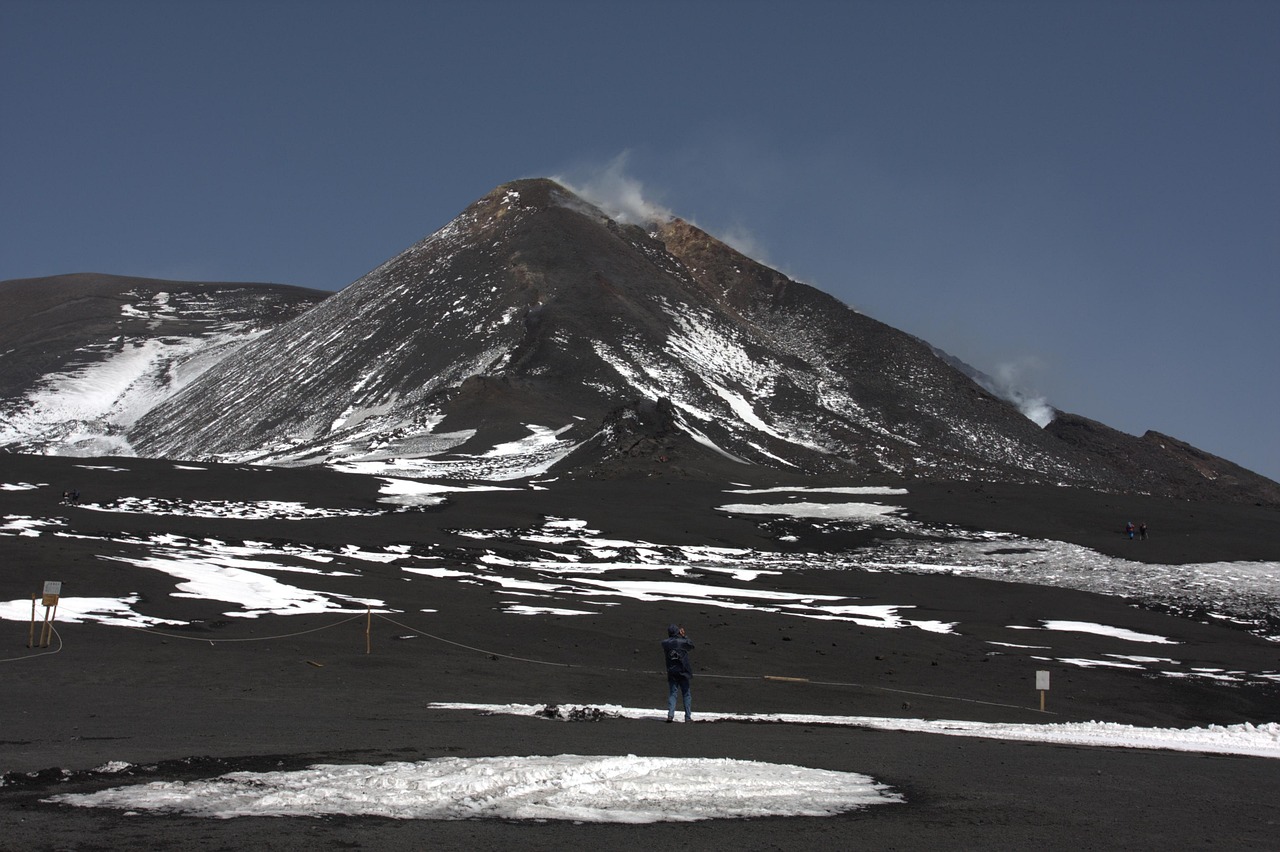
Seasonal Etna experiences from night lava glow to winter snow and ski on Mount Etna
For Mount Etna night hike lava flow experiences and winter snow adventures, timing shapes everything. Late spring to early autumn usually offers calmer weather and safer access to higher routes, but winter delivers a different kind of theatre—quieter, colder, and strangely luminous when steam rises into pale air.
If you’re designing a trip around comfort and clarity, think in seasons: warm months for wider access, colder months for atmosphere. Either way, your best experiences come from choosing the right day, not forcing the wrong one.
Night hikes and watching incandescent lava with expert support
Travellers often recount the thrill of seeing incandescent rock in the distance during a guided night hike. When there is an eruption at Etna, guides choose viewing points based on wind direction, current flow paths, and safety zones—so the experience feels intense but controlled. The best moments are often unexpectedly quiet: a line of people standing together, listening, as the volcano breathes out light.
When Etna does something truly dramatic, it can look like a spectacular eruption even from far away. The key is to let professionals frame the spectacle so your story includes both trust and adrenaline.
Winter on Etna with ski days and a rare glacier cave
In winter, the surreal contrast returns: snow crunching under boots while warm vents send up ribbons of vapour. On suitable days, you can ski on Etna’s slopes, then drive down to sunshine by the sea—a single day that feels like changing worlds.
For the imaginative traveller, Grotta del Gelo is another layer entirely. This cave holds ice like a secret, a rare glacier remnant that makes you feel you’ve stepped outside Sicily and into a colder, older chapter of the mountain. Access varies with conditions, so treat it as a possibility rather than a promise.
Etna’s long history is written into dates locals still mention with a kind of respect: 1669, when lava reached Catania, and 1381, another anchor in its eruptive past. Those numbers aren’t there to frighten you; they simply remind you that the mountain changes, and communities adapt with steady resilience.
Catania, Sicily, Italy: Baroque markets, Etna, food, wine festival, and local insights.
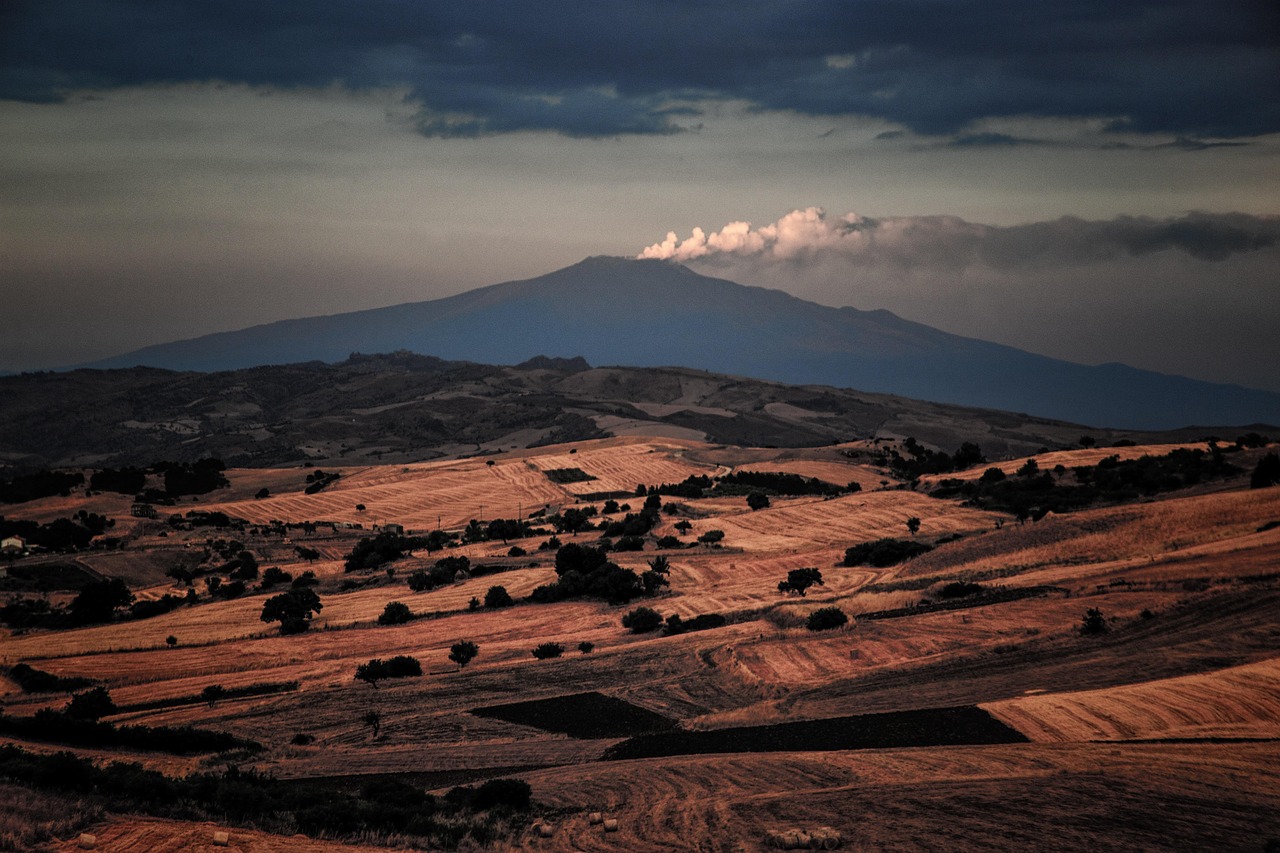
Catania local culture shaped by Etna’s fertile soil with Baroque streets, markets, and food
For Catania, Sicily, Italy, Baroque markets and an Etna food and wine festival atmosphere, begin on foot in the old streets where lava-stone architecture glows dark and elegant. Part of Catania was rebuilt after seismic and volcanic events, and the result is a city that feels both beautiful and practical—Baroque flair with an undertone of readiness.
There’s a cultural thread here that Adventure Seekers often miss if they only chase summits: the city of Catania is a living museum of adaptation. Even the stone under your hand carries a geological story.
Market mornings with citrus, orchard produce, and Sicilian warmth
Start early at the market for a grounded local lens. Piles of citrus, an orchard abundance of fruit and vegetables, and the calling voices of vendors create a sensory rush that feels worlds away from the silent crater slopes. Over a shared meal, a local host once told me, “We taste the mountain,” and it made perfect sense—fertile ground becomes flavour, and flavour becomes memory.
If you’d like to browse more ideas for crafted journeys beyond this weekend, the Trip gallery is a lovely place to imagine what you might create next, at a pace that feels right.
Etna on the plate with vineyard visits and Zafferana celebrations
An “Etna on the plate” day is one of the most seamless ways to connect culture and landscape. Visit a vineyard on the lower slopes, taste Etnea styles, and let a winemaker explain how sun, altitude, and black soil shape each bottle of wine. In season, grape harvest celebrations bring music and food to the villages; Zafferana is a warm, festival-friendly base where you can settle in and feel part of the local community, even as a visitor.
For quick side trips, Linguaglossa offers north-side character and an easy gateway to wilder routes, while the Alcantara canyon gives a cooling contrast after ash-black trails—water, shade, and smooth basalt walls that feel sculpted by time. And if you’re curious about deeper roots, guides sometimes nod to the Greeks who shaped early stories of this coastline, folding myth into the everyday.
A guide once shared a simple community insight: when the volcano rumbles, neighbours check on neighbours first. That kind of support creates traditions—quiet confidence, shared food, and a sense that beauty is worth caring for together.
F.A.Qs:
F.A.Qs on visiting Mount Etna from Catania in Sicily Italy
Is Mount Etna in Sicily still erupting?
Mount Etna is an active volcano, so activity can vary from quiet degassing to energetic episodes. Check current advisories before you go, and rely on authorised guides for access decisions because conditions can change quickly with wind and fresh deposits.
Is Mount Etna a must-see?
For many travellers, yes—because it combines high-altitude views, lava landscapes, and culture in nearby Catania in one place. The best visits are thoughtfully planned: you can choose an accessible crater walk or a guided higher route depending on comfort and conditions.
Is Etna in Italy or Sicily?
Etna is in Sicily, which is a region of Italy. It rises above the east coast near Catania, making it easy to pair a volcano day with city architecture, markets, and coastal scenery.
How long does it take to walk up Mount Etna?
It depends on your route and permitted access on the day. Short walks around lower craters can take 1–2 hours, while guided higher-altitude hikes can take half a day, including stops. Weather, terrain, and safety restrictions play a big role in timing.
What stayed with me after visiting Mount Etna in Sicily, Italy, are reflections from my personal travel story.
In the weeks after my Mount Etna, Sicily, Italy, reflections, personal travel story, what returned most clearly wasn’t a checklist of places, but sensation. The hush of ash under my boots, the cold air catching in my throat, and the way distant light made the mountain feel both ancient and present—like a conversation you don’t quite finish.
I remember the moment fear softened into wonder, not because the volcano became less powerful, but because I felt held by expert guidance. Trust arrived in small, practical gestures: a steady pace, a quiet warning about the wind, a pause offered without judgment when the slope felt steeper than expected.
Later, back in Catania, hospitality did what it always does in the best journeys—it made the extraordinary feel human. Someone poured water, someone insisted I try one more bite, and stories about family and eruptions drifted across the table as naturally as laughter. The mountain was still there, but it no longer felt like a threat; it felt like a presence the city had learned to live beside with care.
Now, when I think of Sicily at dusk, I picture a last look towards the dark outline of Mount Etna as it fades into the sky—unchanging from a distance, yet never truly the same. It leaves you quietly curious, as if the island is gently asking what you might notice when you return, and the ground has shifted again.