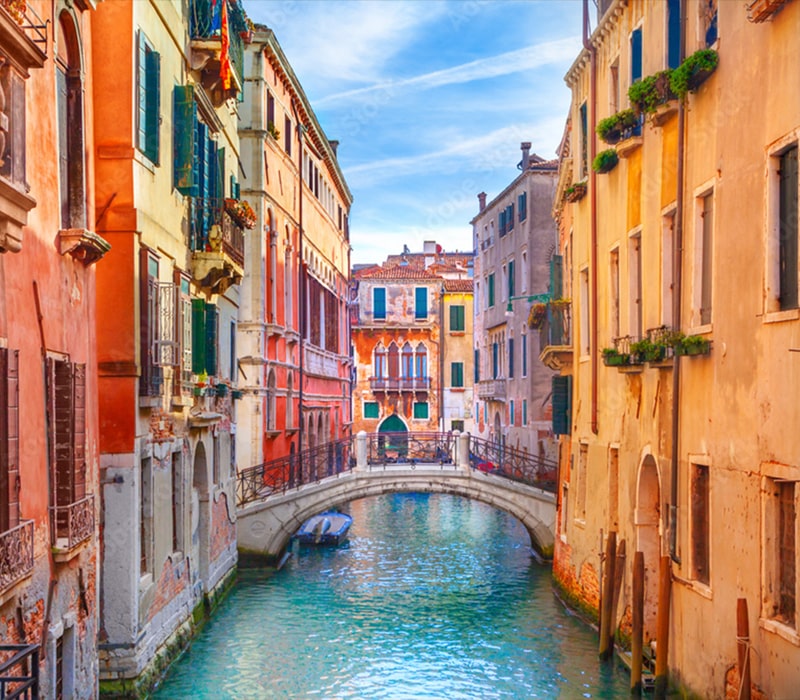
Design Your Base in Catania, Sicily, Italy for Mount Etna Tours, Hotel, Transport
Designing Your Base in Catania Sicily Italy with elegant streets as your gateway to Mount Etna
If you’re looking for a Catania, Sicily, Italy, base for Mount Etna tours and hotel transport, Catania is the place that makes the whole trip feel well-designed rather than improvised. It sits close to the mountain and the coast, with enough cultural texture—markets, churches, late-night promenades—to keep your evenings meaningful after an active day. For first-timers, the pace is reassuring: most highlights in the historic centre are walkable, while Etna excursions and eastern day trips are easy to stitch in without long, draining drives.
Think of Catania as a confident gateway to eastern Sicily. From here, you can create a rhythm: a volcano day, a slower city morning, then a coastal afternoon when you want salt air and space. Distances can look short on a map, but mountain weather and summer heat can shift timing—so it helps to build in buffers and choose a hotel that supports early starts.
Catania and hotel choices that keep mornings seamless
The sweet spot for high-end travellers is a well-run boutique hotel near the historic centre, where you can step out to Piazza Duomo before the crowds and still be close to pick-up points for guided experiences. If you’ll hire a car, prioritise parking (ideally on-site or a trusted garage nearby). If you’re going car-free, look for properties that can arrange reliable transfers and early breakfasts—those small details build trust in your plan.
From April to October, you’ll find the most comfortable balance for hiking and city wandering. Summer brings longer evenings but also a slower midday walking rhythm; a shaded café break becomes part of the design, not a compromise.
Arrival logistics and transport with confidence
Catania-Fontanarossa Airport is the clean entry point for this destination, and it’s refreshingly close to town. For Mount Etna days, you have two strong options: book an expert tour with transport included, or rent a car for more independence (especially if you want to stop in small towns on the slopes). Either way, aim for a seamless first day—arrive, drop bags, take a gentle orientation walk, and let your body land.
- Best season: April to October for pleasant weather and outdoor comfort.
- Etiquette care: a simple “Buongiorno” and respectful dress in churches go a long way.
- Planning tip: confirm tour pick-ups and breakfast times before you check in.
If you want inspiration for how a crafted route can look across Italy, browse the Trip gallery and imagine what kind of balance suits you: early hikes, slow lunches, or evenings that belong to the city.




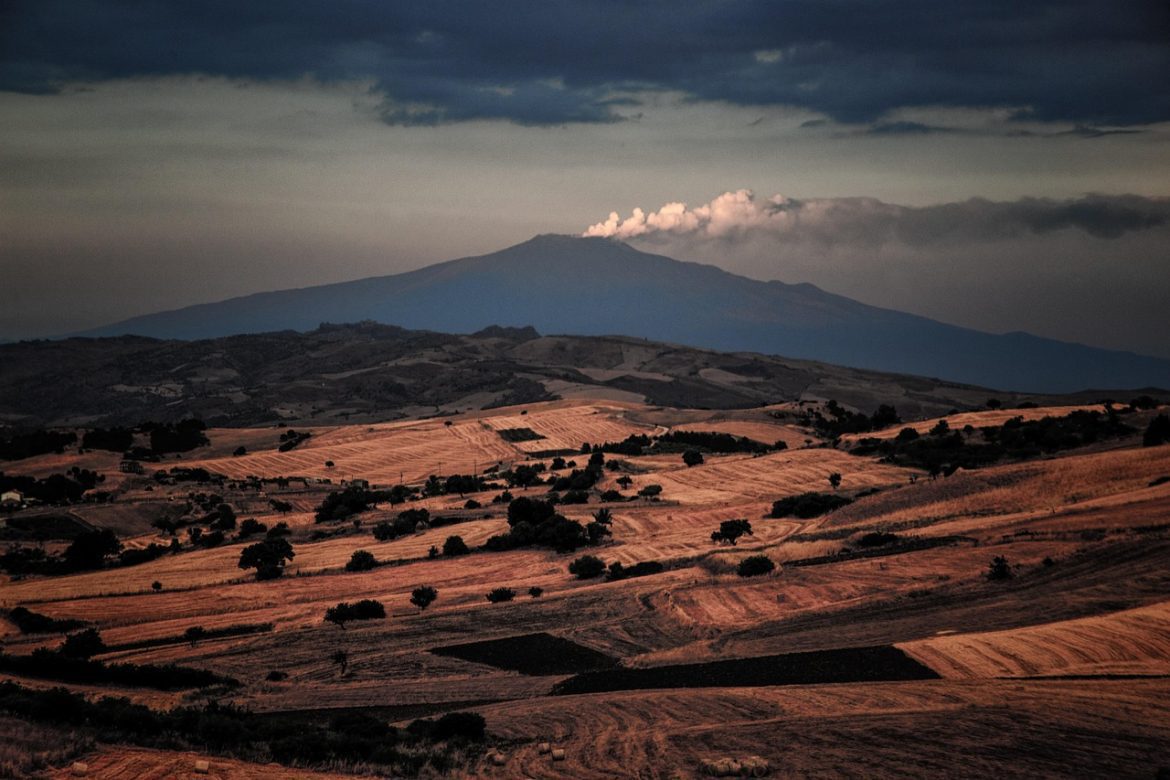
Explore Mount Etna with expert guides and guided hikes in Sicily, Italy.
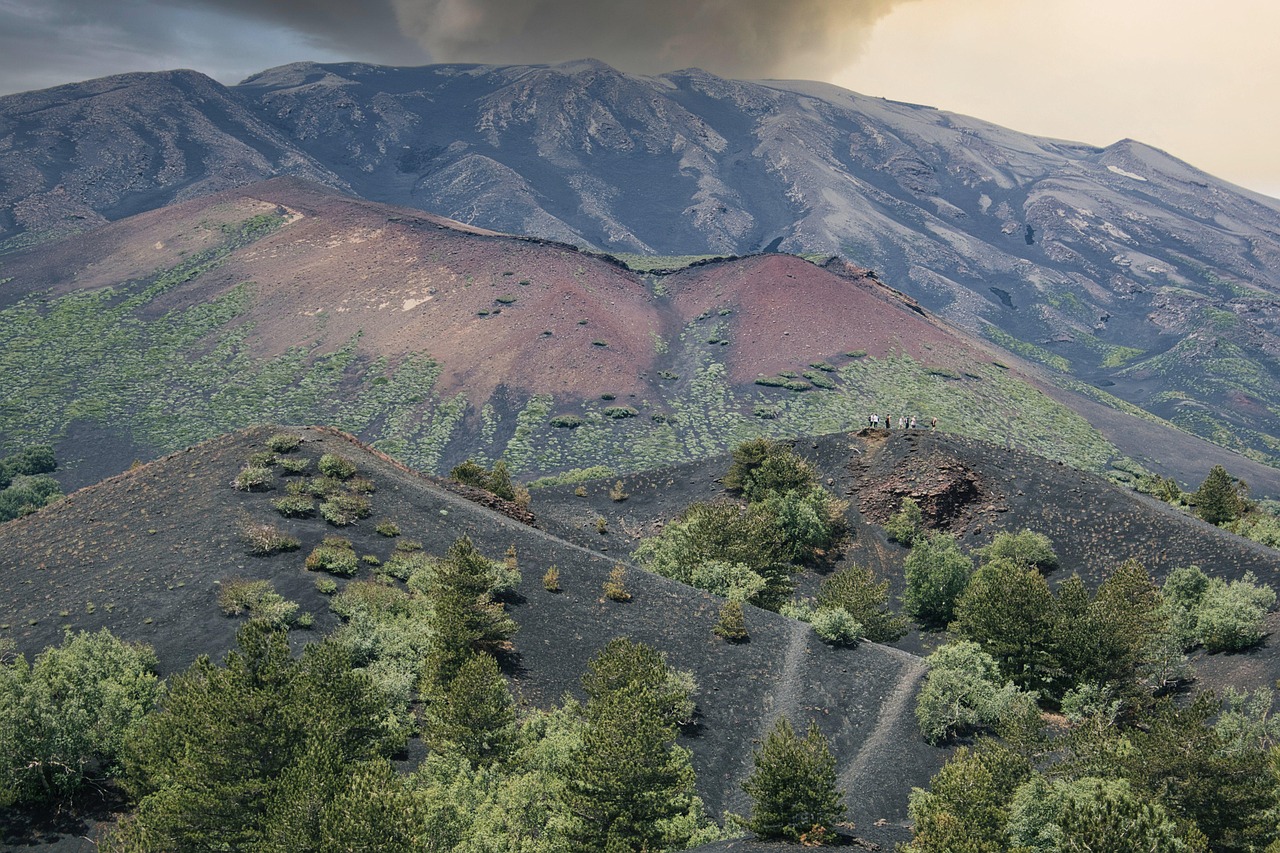
Explore Mount Etna the Volcano with Expert Guides on Sicily’s dramatic slopes
To explore Mount Etna volcano on a guided hike in Sicily, Italy, start with one grounding fact: Mount Etna is located on the east coast of Sicily, rising above the Ionian Sea. That setting shapes everything—fast-changing weather, huge light-filled views, and access points that feel close to Catania yet quickly become wild. You can feel the sea breeze one minute and step into cooler air the next, especially when the mountain turns quiet under clouds.
Etna is a stratovolcano with a long history, and it remains a still-active volcano—an active volcano in Europe that locals live alongside with steady pragmatism. A touch of traveller-friendly volcanology helps: the volcano builds in layers, including pyroclastic material and flows from past eruptions, and the landscape is constantly edited by new vents and old paths.
Geology, plate movement, and why the soil feeds vineyards
Etna’s story is written by the plate beneath it: the African plate and broader plate movement influence the geological forces that keep this area dynamic. Over time, pyroclastic layers and volcanic debris build up, then weather down into volcanic soil. That rich soil supports agriculture—citrus, pistachios, and the occasional vineyard clinging to black slopes—so a day on the mountain can also explain the taste of a local glass of wine later.
You’ll hear locals call the mountain Mongibello, a name that hints at deep familiarity. On clearer days, viewpoints towards Valle del Bove (Bove) reveal a vast bowl of old collapses and newer ridges—spectacular, and humbling in its scale.
How guided hikes work, costs, and summit access
A typical guided excursion costs €30–€60 and begins with a clear briefing: meeting points, route options, and what the conditions mean for today’s plan. “Summit” access depends on the activity and permits, and your guide may reroute to a crater rim or a safer viewpoint if wind, visibility, or an eruption update requires it. That flexibility is not a downgrade—it’s what expert decision-making looks like in real time.
One traveller described their first steps on Etna’s trails as “walking on the moon, but warmer.” They spoke about steaming vents, ash underfoot, and that unexpected moment when you notice Etna’s breathing—faint warmth, a soft sulphur note, the quiet power of the volcano’s presence. With an experienced guide, risk management is calm and consistent: spacing, safe distances, and transparent communication that keep your confidence intact.
As a UNESCO World Heritage site, the mountain carries cultural weight as well as natural drama. The 1669 eruption is still a reference point in local memory—an anchor that connects today’s hikes to the towns below and the resilience that shapes this part of the island.
Uncover Alcantara Gorges on a Sicily day trip from Catania or Taormina.
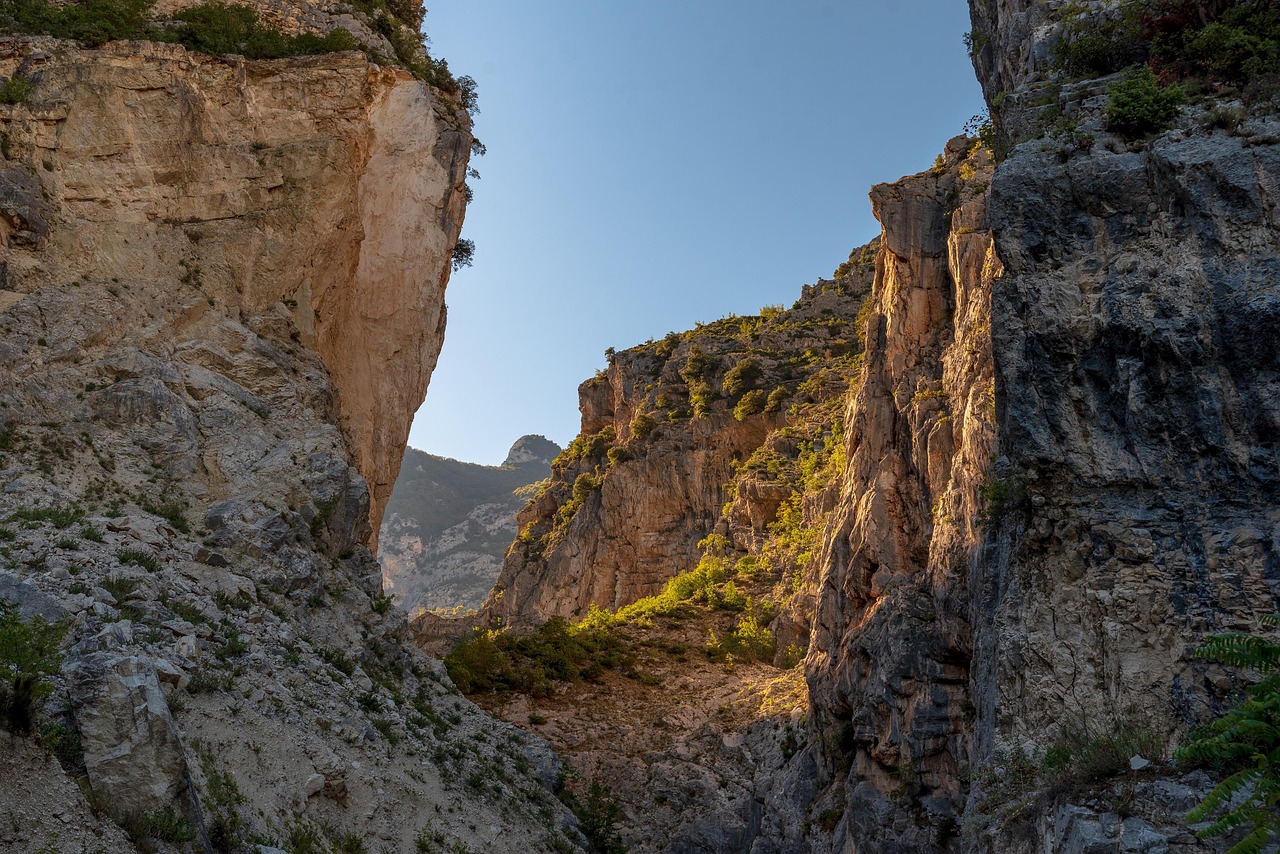
Uncover Alcantara Gorges and Taormina Side Adventures in eastern Sicily
For an Alcantara Gorges canyoning Sicily Italy day trip from Catania Taormina, you’re trading black lava slopes for a river-cut corridor of stone that looks almost sculpted by hand. The Alcantara feels otherworldly: great geological shapes, hexagonal basalt walls, and a cold flow of water that snaps you fully into the present. It’s a natural playground with a slightly mythic mood—especially when sunlight hits the rock faces, and the valley turns luminous.
Entry is about €5, and from there you can choose your own intensity: a gentle walk to viewpoints, wading sections for a quick adrenaline lift, or proper canyoning with a guide. In peak season, book ahead—quality operators fill fast, and it’s worth choosing a team that prioritises safety briefings, well-maintained kit, and a supportive approach for beginners.
Choosing a guide, booking in season, and staying comfortable
If you’re new to canyoning, you’re not alone. Local staff are usually excellent at giving step-by-step instructions without judgment, and they’ll help you read the river and the rock. Wear sturdy water shoes or grippy trainers you don’t mind getting soaked, and bring a lightweight waterproof layer. Hydration matters even when the water is cold, because the valley air can still feel dense in summer.
- Footwear: grippy, closed-toe shoes (the rocks can be slick).
- Layers: quick-dry top and a light waterproof shell.
- Booking: Reserve canyoning slots ahead of time from June to September.
Taormina pairing for adventure seekers with different fitness levels
A family we met described the day as “togetherness disguised as an adventure.” They laughed their way through slippery steps, paused to steady each other, and ended up proud in the quiet way that lasts. That’s the gift here: a challenge that creates closeness, with plenty of options to scale it up or down.
To keep the day balanced, pair the gorges with Taormina for late-afternoon viewpoints and a coastal pause. Taormina can feel polished and theatrical—perfect when you want beauty without effort after exertion—while the gorges keep your adventure seeker instincts satisfied. If someone in your group prefers a gentler pace, they can enjoy the accessible paths and still share the same landscape story.
Imagine Etna After Dark Mount Etna night tour lava Sicily Italy eruption updates
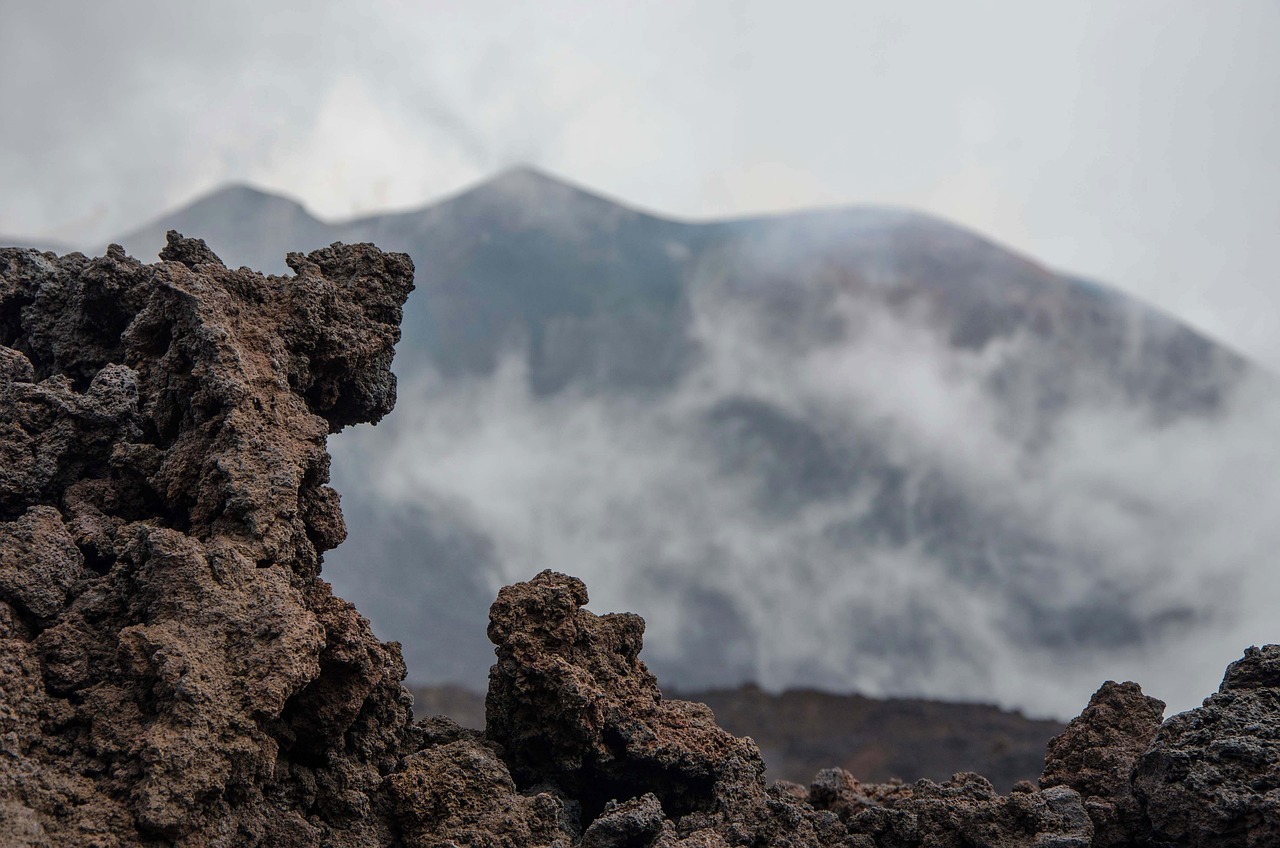
Imagine Etna After Dark Lava and Starry Skies on a Mount Etna night tour
For many adventure seekers, the most unforgettable experience is a Mount Etna night tour, a lava-Sicily-Italy eruption-style outing—because night changes the entire emotional register of the mountain. The air cools, the crowds thin, and the volcano becomes a silhouette against the sky. If there’s visible lava, it reads like a living ember, and even without it, the landscape feels intimate under starlight.
Night tours are carefully run with clear boundaries. “Safe distance” is not a vague concept; it’s built from current conditions, official guidance, and what your expert leader sees on the ground. Routes change quickly when wind shifts, and operators check activity updates before departing—this is one place where tourism works best when it’s disciplined.
Eruption updates, safe routes, and what to pack
Before you go, check what your operator monitors and how they communicate changes. If conditions change—wind, visibility, or a new plume—your route may be adapted or cancelled. That’s not lost time; it’s care in action. Pack warm layers (temperatures drop fast), a headtorch, water, and a snack. If you’re sensitive to dust, a buff can help if ash is in the air, even at a distance.
- Pack: layers, headtorch, water, snacks, and closed shoes.
- Expect: short walks on uneven ground and frequent pauses for briefing.
- Comfort tip: bring gloves—rock and railings can feel cold at night.
Photography and presence when the lava glow appears
One adventurer told us they arrived obsessed with getting the shot, then suddenly stopped. “The hum felt older than me,” they said, describing the volcano’s quiet power and how it reset their sense of time. They captured a few frames of the lava flow, then put the camera away to simply witness it—starry skies above, warm rock below, and the mountain breathing in the dark. That balance—photography and presence—is what makes the moment personal rather than a checklist.
For photos, use a stable stance and a low-light setting rather than a bright flash. Let your guide advise where it’s safe to stand, and trust the pacing. Your best images often happen when you’re calm, warm enough, and not rushing the scene.
Discover Catania, Sicily: Piazza Duomo, Elephant Fountain, fish market, Sicilian food.
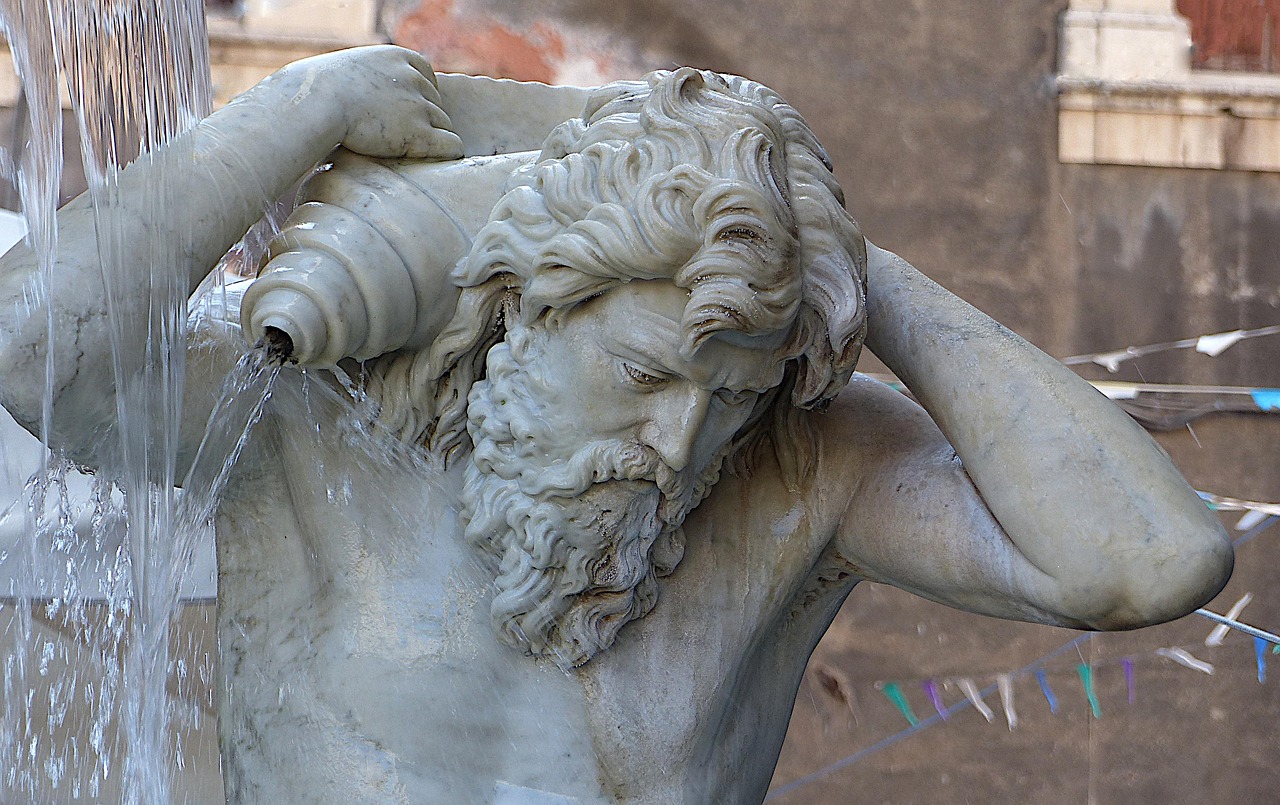
Discover the City of Catania Food Baroque and Local Stories around Piazza Duomo
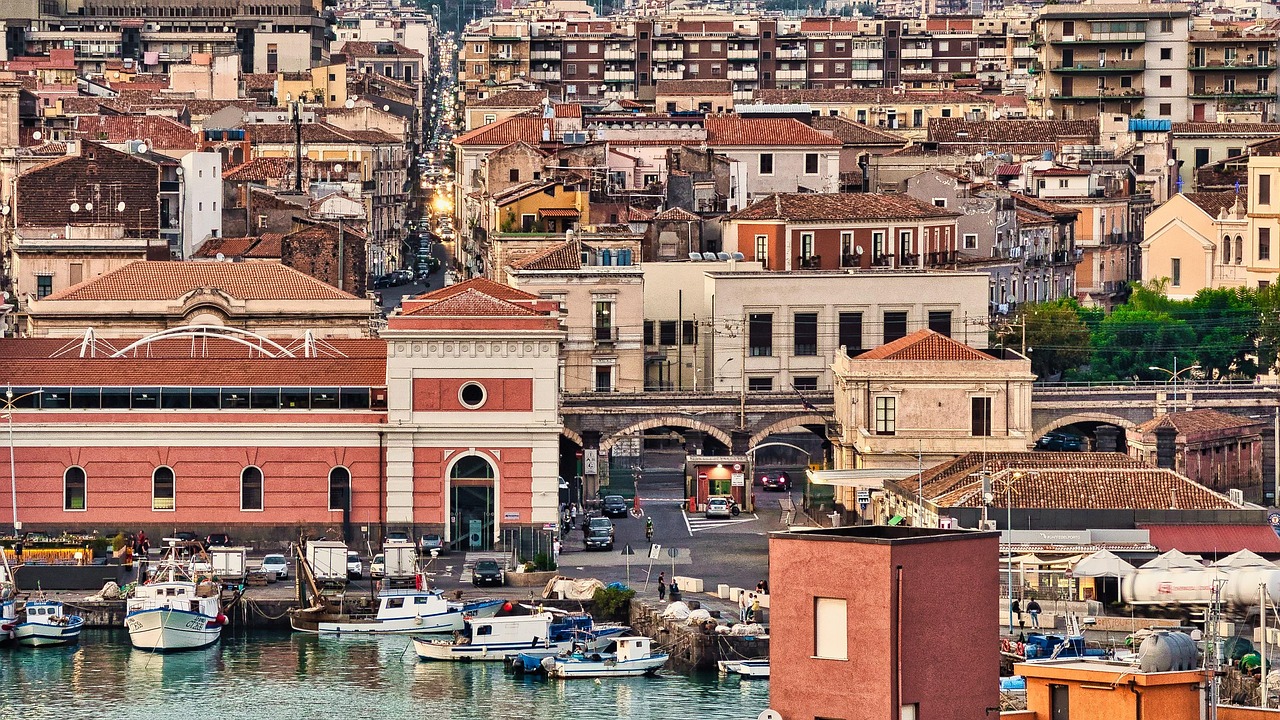
To discover Catania, Sicily, Italy, Piazza Duomo, Elephant Fountain, fish market, Sicilian food, is to understand how a city can be both elegant and unfiltered. The city of Catania is built in volcanic stone, and its baroque architecture carries a resilience that’s easy to feel as you wander. Begin at Piazza Duomo and the iconic Elephant Fountain, then let yourself drift through side streets where balconies, courtyards, and church facades appear like theatre sets—only lived in, and proudly local.
Catania rewards a slow architecture walk. In the morning light, black stone softens; by late afternoon, it glows warm, as if the mountain has lent the town its heat. If you’re visiting in high summer, consider a gentle start, a midday pause, then a later stroll when the city relaxes again.
Fish market mornings and respectful photography
The fish market is a sensory live museum: calls, silver scales, lemons, and the rhythm of trade. Ask before close-up photos, keep your distance from working hands, and try a few words of Italian—simple politeness changes the entire exchange. If you love food culture, you’ll leave with more than pictures: you’ll leave with insight into how the coast feeds the city.
A backpacker we met once got briefly lost in the maze-like centre—an easy mistake when lanes bend unexpectedly. Instead of stress, it turned into a gift: an older local walked them to the right street, then insisted they try homemade cannoli and share a short conversation. It was a small moment of support that shifted the traveller’s trust in unfamiliar places.
Trattoria staples, wine pairings, and what it costs
Eating well here is simple and crafted: follow what’s seasonal, keep it unfussy, and choose trattorias where locals linger. Order arancini when you’re hungry between plans, pasta alla Norma for a true Catanese classic, and fresh seafood when you want the sea on your plate. Typical meals run €15–€25 per person, depending on how you order and whether you add that second glass of wine.
- Try: arancini, pasta alla Norma, grilled fish, and citrus desserts.
- Wine idea: a crisp white with seafood, or an Etna red with richer pasta.
- Slow hour: a granite (granita) and a shaded bench—let the day breathe.
To keep your trip feeling seamless, design a mini itinerary: alternate Mount Etna days with city mornings. That way, your legs recover, your curiosity stays fresh, and the cultural depth doesn’t get squeezed between adventures.
F.A.Qs: Mount Etna and Catania, Sicily, Italy
Is Etna in Italy or Sicily?
Mount Etna is in Italy, on the island of Sicily. Sicily is an Italian region, and Etna rises in the eastern part of the island near Catania, making it one of Italy’s most distinctive natural landmarks.
Why is Catania called the black city?
Catania is often called the black city because many of its buildings and streets are made of dark volcanic stone. This basalt comes from past lava activity on Mount Etna, giving the historic centre its striking, smoky-toned character.
Is Mount Etna in Sicily still erupting?
Mount Etna is an active volcano, so activity can happen at different levels throughout the year. Whether it is currently erupting, conditions change over time, so it’s best to check official updates and follow the guided tour advice before heading onto the mountain.
Can you see Mount Etna from Catania?
Yes—on clear days, you can see Mount Etna from many parts of Catania, especially from open viewpoints and higher streets. Visibility depends on weather and cloud cover, but the mountain often forms a dramatic backdrop to the city.
What Stayed With Us After Sicily Mount Etna Catania Sicily Italy travel reflection
Mount Etna, Catania, Sicily, Italy, travel reflection is less about the photographs you bring home and more about the steadiness you didn’t expect to find. In Sicily, the heat in the stone and the salt in the air seem to settle into you, quietly. You remember the mountain not as a challenge conquered, but as a presence met with respect—a reminder that awe can soften a busy mind.
What stays, too, is the confidence that comes from choosing expert guidance when it matters. There’s comfort in knowing someone is watching the weather, the terrain, the small signs that keep a group safe. And there’s a different kind of comfort in the city: local kindness that arrives without performance, the sort that makes you feel held rather than managed.
Back at home, the journey returns in small sensations: black sand hiding in the tread of a shoe, the scent of citrus on your hands, a single photo where the lava was only a glow—but it was enough. You may find yourself thinking about the forest edge on the slopes, or the way the coast looked from above, and how time felt wider for a few days.
Perhaps that’s the island’s real gift: it doesn’t demand you tick boxes. It leaves you with a quiet curiosity—new questions you can carry for years, until you return when the light, the streets, and the mountain are ready to show you something else.