Museum in Rome itinerary: best museums in Rome, paced with confidence
A museum in Rome itinerary designed with confidence
If you’re searching for a museum itinerary in Rome that highlights the best museums without feeling rushed, picture a plan with two museum anchors per day and long, unrushed lunches in between. In Rome, Italy, beauty is generous, but it rewards pacing: less ticking off, more noticing. With a crafted rhythm, your museum time becomes spacious enough to properly absorb a single masterpiece, not just a glance and move on.
Start with the “Big Three” as a designed trio: the Vatican Museums, the Galleria Borghese, and the Capitoline Museums. Then add a supporting cast of elegant rooms in historic residences, a quieter museum circuit for depth, and a modern note for contrast when you want it. This is how a high-end journey feels personal: you build a rhythm that matches your energy, your interests, and your appetite for detail.
Top museums route: an unhurried rhythm for each day
For most travellers, the most seamless approach is to keep each day geographically coherent and emotionally balanced. A morning museum visit pairs beautifully with a light afternoon stroll through a villa garden or along a riverbank, so you’re not stacking intensity on intensity. Consider planning the most in-demand museum first thing, then using late afternoon for quieter galleries and a soft landing back into the city.
- Two anchors a day: one major museum, one smaller collection or private gallery.
- Long lunch as a reset: book a table, sit down, and let what you’ve seen settle before the next visit.
- Gentle walks: a villa garden loop is ideal after hours of standing and slow walking.
Practical foundations for comfort, safety, and calm museum days
Rome’s museum days involve a surprising amount of walking, so comfortable footwear is not optional—it’s your quiet support. Visit early morning or late afternoon for cooler temperatures and lighter crowds, and carry water, especially in summer. When approaching a busy square or metro exit, keep valuables secure and be mindful of pickpockets; a cross-body bag worn in front helps you stay relaxed.
To orient yourself, map the museum neighbourhoods to the landmarks you already recognise. The Colosseum and the Forum area become your mental compass for the historic centre, while the Vatican sits to the west and Villa Borghese rises gently to the north. Once you can picture that triangle, transfers feel simpler, and your confidence grows quickly.




Vatican Museums: Sistine Chapel highlights and skip-the-line planning in Rome
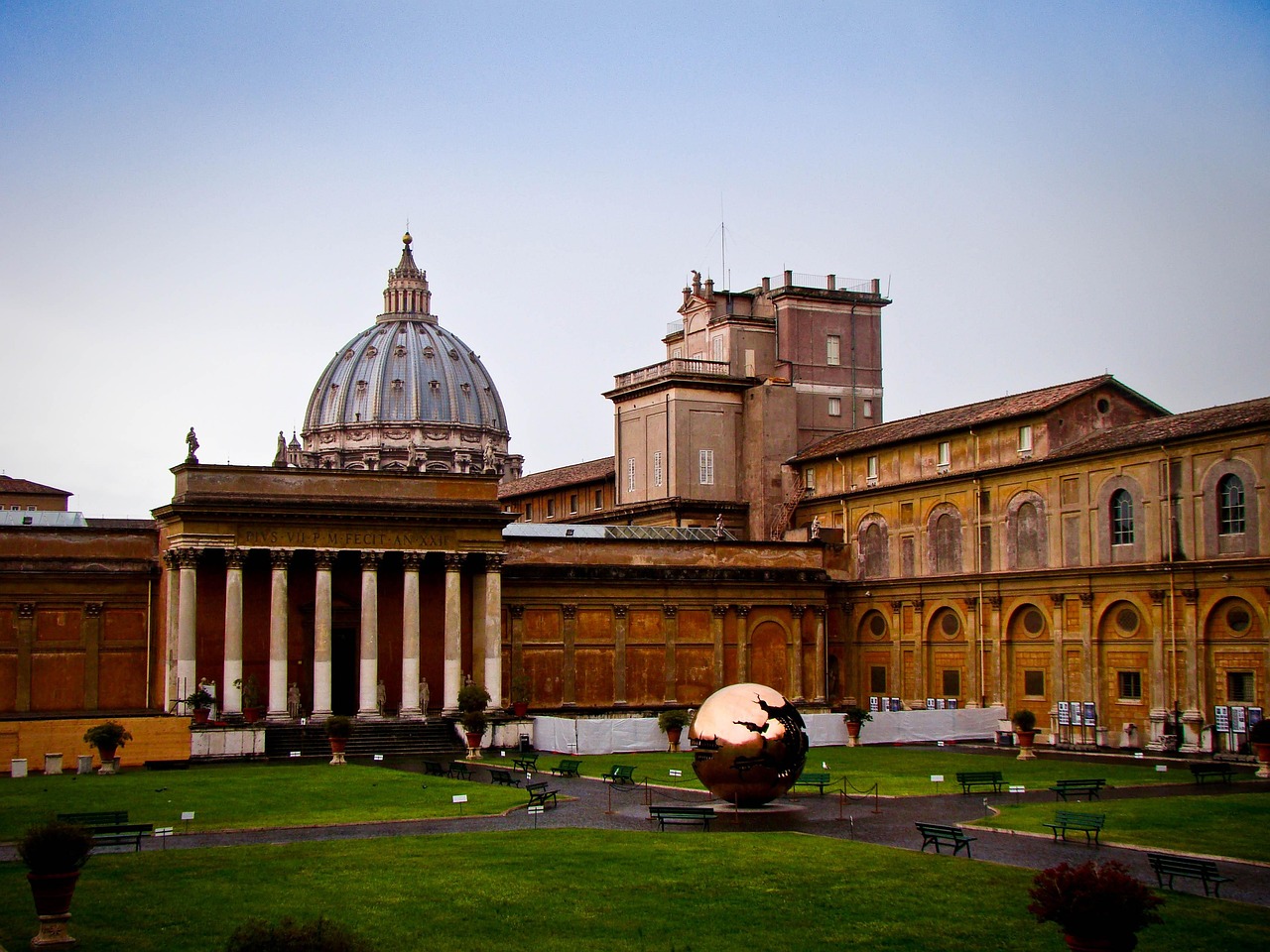
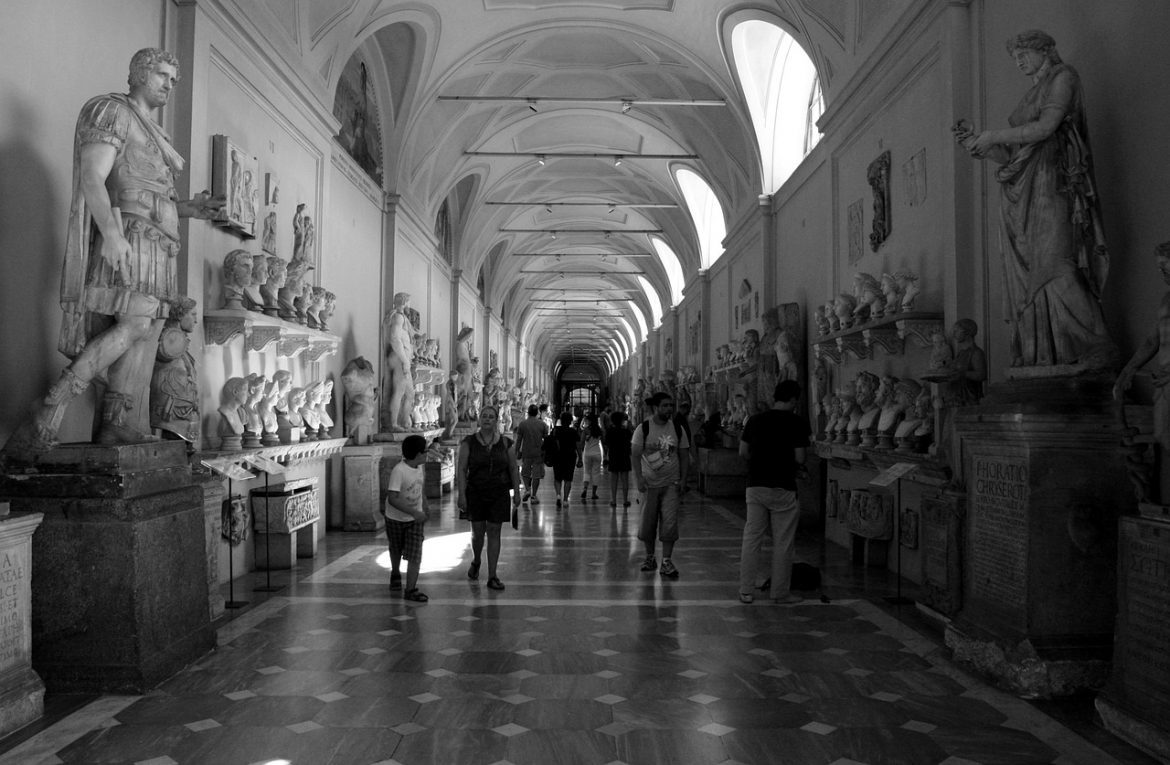
Vatican Museums in quiet grandeur
For a first visit, “skip the line” should be more than a slogan—it’s a strategy that protects your time and mood in one of the most visited museums in the world. Book online well in advance for timed entry so you’re not spending your best hours in a queue. The difference between pre-booking and improvising is often the difference between calm and stress.
Think in terms of light and crowd flow. Earlier slots tend to feel cooler and more focused, while late afternoon can soften the pace as day-trippers thin out. If you want an extra layer of trust and reassurance, consider expert-guided tours: you’ll move with purpose, pause in the right places, and avoid the decision fatigue of choosing routes in a vast complex.
Raphael’s Rooms’ fresco details and a respectful build-up to the chapel
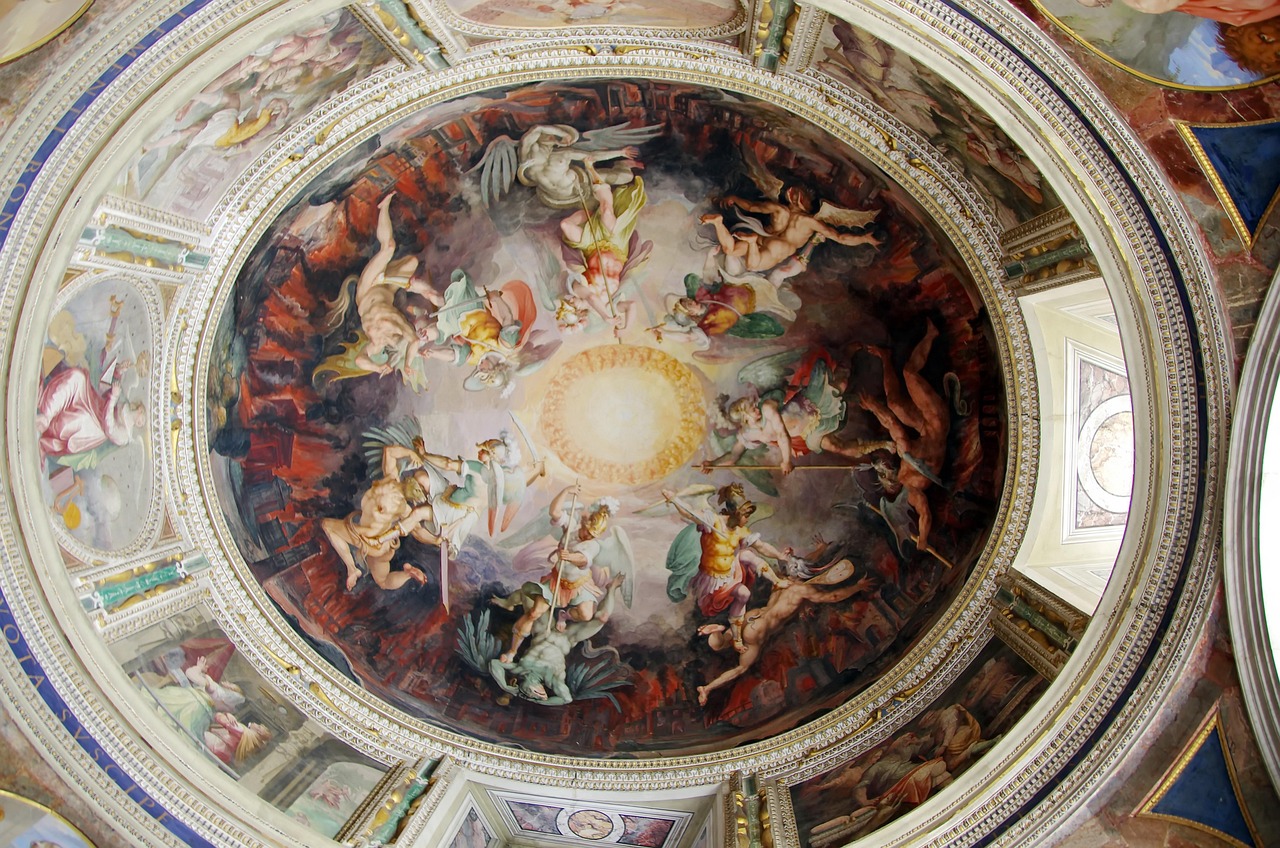
The Vatican galleries reward slow looking, especially in the Raphael Rooms, where Renaissance frescoes read like a living narrative. Notice how gesture and gaze guide you through each scene, and how colour shifts as you move from room to room. By the time you reach the Sistine Chapel, the emotional crescendo feels earned rather than abrupt.
A traveller once described standing beneath Michelangelo’s ceiling and feeling unexpectedly moved by the artistry and the spiritual atmosphere. It wasn’t only the scale; it was the hush, the shared reverence, and the sense of time pausing. For first-timers, that moment lands best when you know what to expect: respectful silence is enforced, and dress codes matter—shoulders and knees covered—because this is still a sacred space with the pope close by.
Rome and skip the line logistics for a seamless day
Metro Line A makes the morning straightforward: exit at Ottaviano–San Pietro and walk with the flow towards the entrance. Build in time for security, which can feel slow even with timed entry, and keep a small water bottle handy. Once inside, choose one or two “quiet pauses” on purpose—a less crowded corridor, a bench near a window—so the visit feels crafted rather than relentless.
For high-end travellers, the most seamless support is often a private guide or after-hours options where available. These aren’t about exclusivity for its own sake; they’re about space, clearer sightlines, and the confidence to explore without being jostled. When you emerge, let the day stay gentle: a calm lunch nearby and a slow walk back across the river can be the perfect counterpoint to such grandeur.
Galleria Borghese at Villa Borghese: baroque intimacy in a unique museum
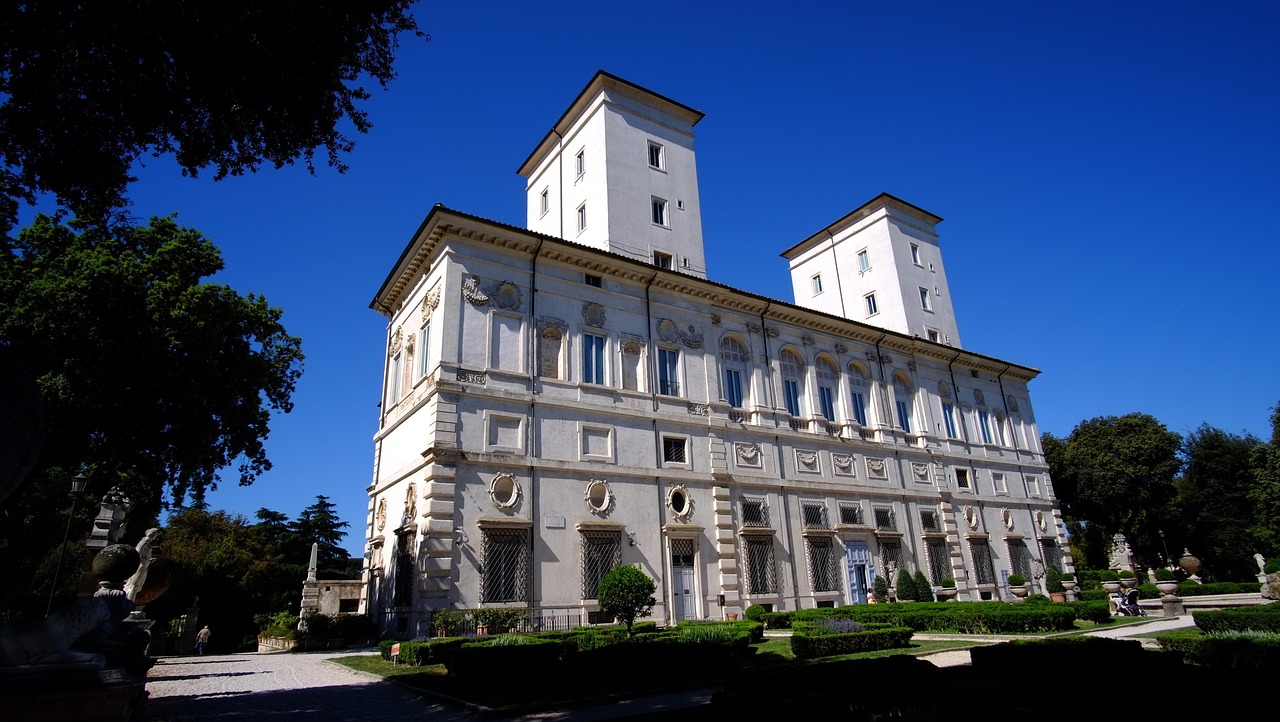
A villa museum experience at Villa Borghese
If your search includes an intimate museum experience at Villa Borghese, you’re likely hoping for something more personal than the grand corridors of the Vatican. This is a unique museum visit: timed groups, limited numbers, and a villa setting that naturally encourages quiet, focused attention. It’s the sort of collection of works that rewards slow looking, with rooms that feel like richly dressed salons rather than endless routes, and art collections curated for impact.
This museum is closely tied to Scipione Borghese, whose eye for beauty created one of the city’s most remarkable private art collections. It’s also where many travellers feel Rome’s creative spirit on a human scale—less monumental, more intimate. If you want a visit that feels designed for pleasure, this is the one.
Borghese and Bernini: sculpture that feels alive inside the villa
Bernini’s marble can seem to breathe: movement caught mid-turn, texture that reads like skin, and emotion that feels startlingly immediate. An art lover once shared how, in these magnificent villas, they felt deeply connected to the sculptures—close enough to notice tiny decisions that make stone appear soft. That is the gift of smaller timed entries: you can stand, look, step back, and look again without being swept along.
To keep the experience comfortable, plan a natural pacing break. There are moments when sitting quietly—letting your eyes adjust from detail to whole—is the most luxurious kind of support. If you enjoy sculpture beyond the Baroque, mention Antonio Canova to your guide or to the curator-led talk, when available; it can deepen your insight into how Rome’s collectors shaped European taste.
Caravaggio and Titian: a house-museum arrival via Metro Line A
In the painting rooms, Caravaggio’s chiaroscuro delivers drama with restraint, while Titian’s colour brings warmth and depth that feels almost tactile. The overall effect is a conversation among great artists, staged within an exquisite house-museum atmosphere.
Getting there can be as seamless as you choose. Metro Line A to Spagna is a practical base; from Piazza di Spagna, you can walk up into Villa Borghese gardens for a softer transition into art. For a high-end day, a pre-booked taxi or chauffeur removes friction and keeps your energy for the galleries themselves. If you have time, a brief pause by the Keats-Shelley House adds a literary note—Percy Bysshe Shelley’s Rome feels surprisingly close, a reminder of how foreign artists have long come here to discover their own creative voice.
Capitoline Museums on the Capitoline Hill: Roman Forum views and the museum of Rome story
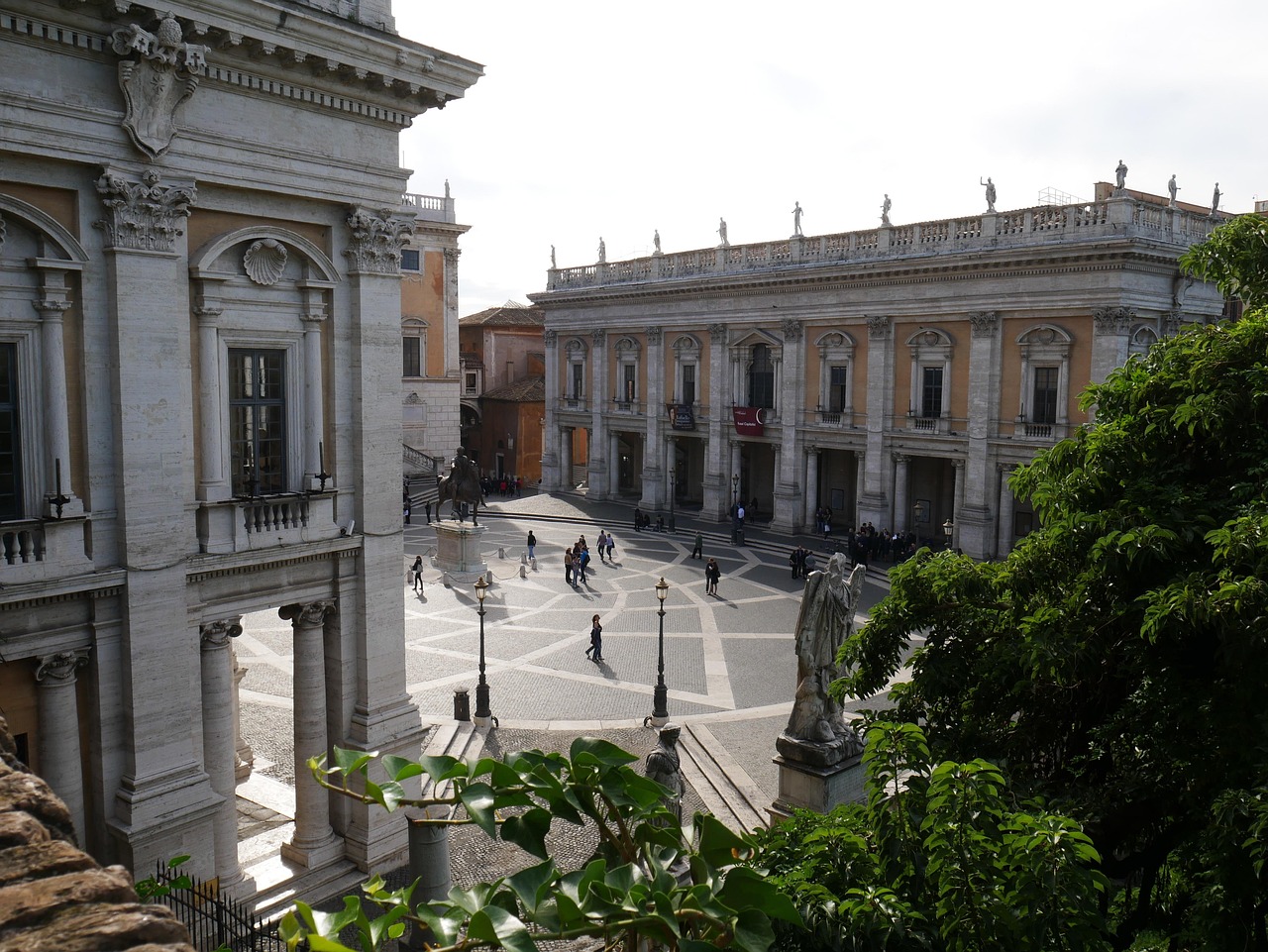
Capitoline Museums with views over the Forum ruins
The Capitoline Museums can sound like a checklist on paper, but in person, they become a story you can walk into. Begin on one of the seven hills of Rome, arriving at Piazza del Campidoglio with a sense of ceremony. The square itself feels like an overture—geometry, perspective, and the city’s theatrical confidence—before you step into the museum.
This museum holds layers of Rome’s history in portrait heads, inscriptions, and ancient Roman fragments that still feel intensely present. It’s also a place where you can uncrowd your mind: the galleries encourage reflection, and the route is manageable for travellers who want depth without exhaustion.
Ancient Rome portraiture: artefacts that shaped civic identity
Look for the faces: emperors, officials, and citizens rendered with a frankness that feels startlingly modern. These works aren’t only beautiful; they shaped Western ideas of power, memory, and civic identity. Seeing them in one calm sequence is a rare kind of insight into how art, politics, and daily life interwove across centuries.
To make the visit more personal, choose a few themes rather than trying to “see everything”. A guided approach can be light-touch: you’re not being lectured, you’re being supported in what to notice—materials, symbols, and how the collection of art travelled through changing tastes.
Terrace views: towards the Forum ruins and the Colosseum
One of the most rewarding details is the outward gaze. From terraces and windows, sightlines open towards the layered ruins, and the city becomes a living map. It’s an ideal place for photography, but also for a quiet pause—especially if the streets below feel busy.
A history enthusiast once described wandering these rooms, then looking out and reflecting on Rome’s imperial past and the city’s timeless charm. That gentle shift—from object to landscape—creates trust in your own sense of place. When you later walk towards the Colosseum, you’ll recognise the ground as more than scenery; it becomes part of the same narrative you’ve just uncovered indoors.
National Roman Museum: Palazzo Massimo, Baths of Diocletian, and quieter depth
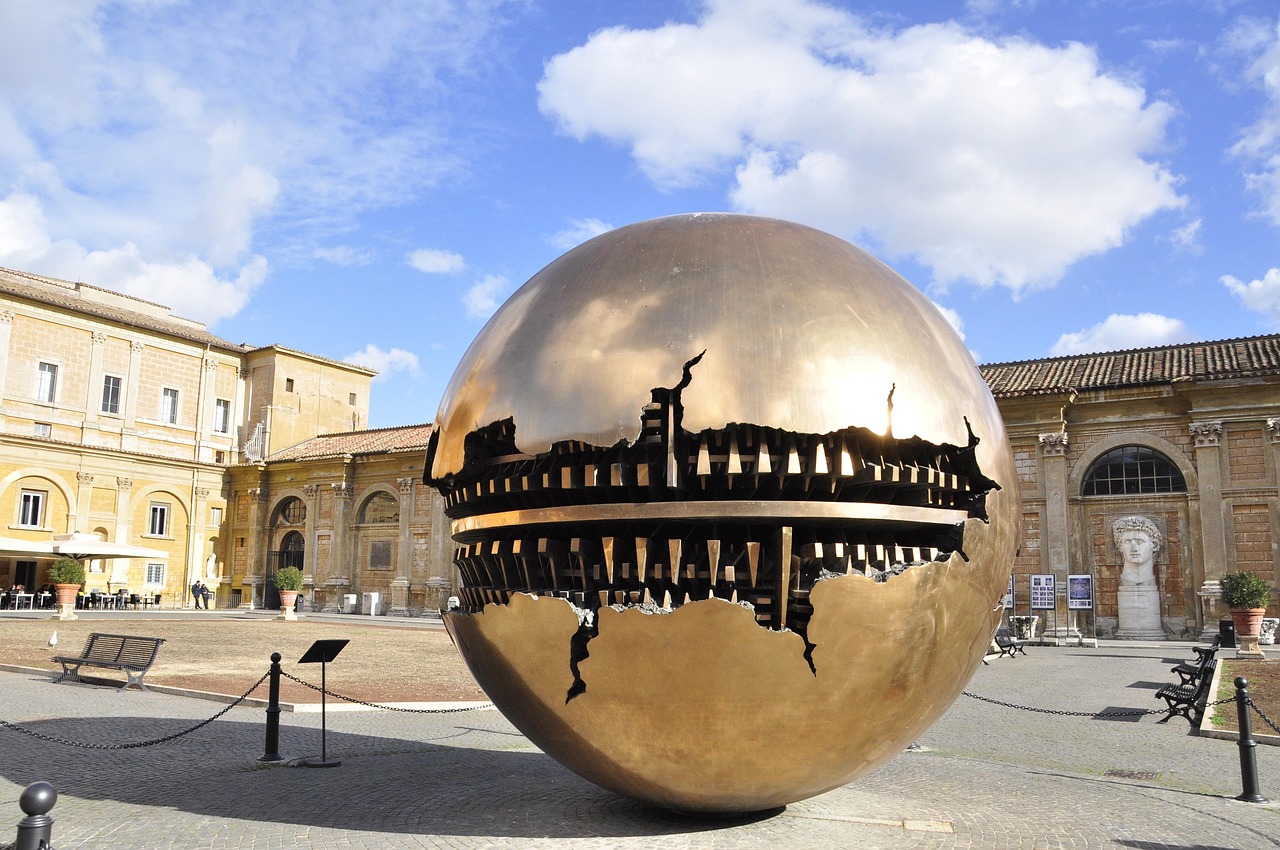
Beyond the icons: quieter museum sites for modern Rome
If you’re looking up the National Roman Museum with Palazzo Massimo and the Baths of Diocletian, you’re already thinking like a discerning traveller—beyond the icons and into the city’s quieter brilliance. The Museo Nazionale Romano (Museo Nazionale Romano) is ideal for this: spread across sites including Palazzo Massimo and Palazzo Altemps, it offers calm galleries and serious depth. Add the Baths of Diocletian for architectural scale and breathing space; a bath complex can feel almost meditative in the right light.
This chapter is about building a supporting cast that keeps your days varied. It’s also about giving yourself options: if a major museum day feels crowded, these sites restore balance with elegant rooms, clearer sightlines, and fewer bottlenecks.
National Museum Calm: Palazzo Massimo and the Baths of Diocletian
At Palazzo Massimo, you can immerse yourself in sculpture, mosaics, and refined detail without the press of the biggest queues. Palazzo Altemps adds a quiet, lived-in feeling—thoughtful lighting, intimate staircases, and the sense that you’re moving through layered history rather than a warehouse of objects. Then, at the Baths of Diocletian, scale takes over: the stone volume is its own kind of art, and the pace naturally slows.
- Ticket expectations: Vatican entry starts around €17, and the Borghese timed visit costs about €15; always check official pricing and book museum tickets early in peak season.
- Comfort essentials: water, light layers, and shoes that stand up to hours of standing.
- Decision-free luxury: pre-book entries and transfers so your day feels seamless from start to finish.
Museum of Rome: palazzo elegance, art collections, and modern and contemporary contrast
In a daily-life context, consider a museum stop in Rome that makes the city feel lived-in, not just monumental. Then choose one refined residence: Palazzo Barberini offers a rich collection in grand rooms, while Galleria Doria Pamphilj (Palazzo Doria Pamphilj) feels intimate and deeply Roman, with a remarkable collection of paintings hung in elegant succession. Architectural enthusiasts may enjoy noticing the legacy of Francesco Borromini in Rome’s spatial drama as you move between churches and historic homes.
To add a pre-Roman thread, the National Etruscan Museum at Villa Giulia introduces Etruscan craftsmanship and ancient influences that predate imperial power. Then balance old and new with MAXXI in Flaminio, where contemporary art offers a clean, thoughtful contrast; if you want another option nearby, the Galleria Nazionale d’Arte Moderna is a classic for modern taste and a different kind of collection.
If you want one more Renaissance note, Villa Farnesina offers fresco scenes in a refined setting. Finish the day with an evening passeggiata—Piazza Navona at dusk has a soft theatricality—then return to your hotel feeling restored rather than overfilled. For more crafted ideas, you can browse our Trip gallery and imagine how a private itinerary might support your own pace.
F.A.Qs
Which is the most famous museum in Rome for first-time visitors?
The Vatican’s museum complex is usually considered the most famous, especially for the Raphael Rooms and the final chapel experience. Booking ahead helps you enjoy it with far more calm and comfort.
What are the 4 museums of Rome?
Travellers often group Rome’s “four” as the Vatican Museums, the Capitoline Museums, the Borghese Gallery, and the National Roman Museum (Museo Nazionale Romano), which is spread across several sites, including Palazzo Massimo and Palazzo Altemps.
What food is Rome known for?
Rome is known for classic pasta dishes like carbonara, cacio e pepe, amatriciana, and gricia, as well as carciofi (artichokes) and seasonal market produce. A leisurely lunch between museum visits is one of the city’s simplest pleasures.
What is the famous museum in Italy?
Italy has many world-famous museums, but the Uffizi Gallery in Florence is often cited as the most famous single museum nationally for Renaissance art. In Rome, the Vatican Museums hold a comparable level of global fame.
What stays with you: best museums in Rome, reflections and luxury pacing
Long after you’ve left the last museum, what remains is rarely the fact list. It’s the way light fell across marble at the end of the afternoon, or how a corridor suddenly went quiet, and you could hear your own footsteps. You might find yourself noticing stone and shadow differently at home, as if Rome taught your eyes a new patience.
There is an emotional residue to fresco and sculpture that’s felt rather than explained. A glance at a face in a gallery, the weight of a doorway, the relief of a bench in a warm room—these small moments are where travel becomes personal. When you give yourself time, you don’t just see the city; you meet it, and it meets you back with surprising gentleness.
And perhaps that’s the real luxury: moving through history and culture with togetherness and trust—whether that means a guide who understands your interests, or simply the confidence to pause without apology. Rome offers countless masterpieces, but it’s the unhurried noticing that stays close, like something carefully carried. When evening comes, and the streets settle, you may already be wondering which museum door you’ll step through next, and what quiet detail will be waiting there.