Northern Italy itinerary overview and luxury travel planning in Italy for confidence
Northern Italy itinerary overview and how to explore in confidence across signature regions
For a refined northern Italy itinerary, luxury travel planning in Italy comes down to choosing the right rhythm between art cities, lakes, and mountains. Northern italy feels tailored and design-forward: you can shift from Milan’s polished city skyline to vineyard roads and then to alpine silence without ever losing comfort. Compared with southern Italy, this part of Italy often moves at a more urban pace—think aperitivo precision, impeccable service, and a quieter confidence in craft.
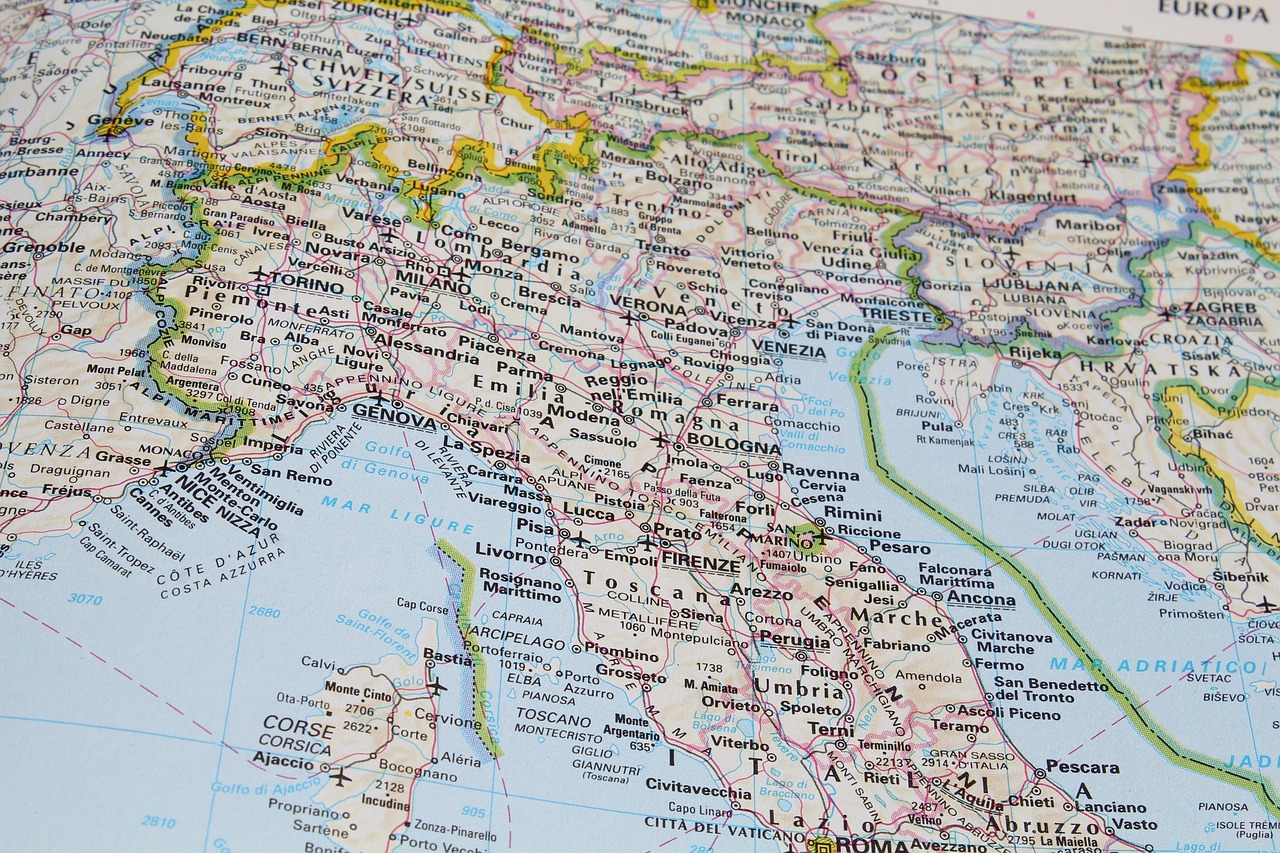
To explore Northern Italy well, it helps to understand how the region of Italy is stitched together. Veneto brings Venice’s water-laced beauty; Lombardy centres on Milan and the lakes; Emilia Romagna adds culinary depth around Bologna; Liguria delivers the Riviera mood; and Piedmont (home to Turin and Torino) is all cafés, museums, and understated elegance. These are the cities in northern Italy that reward travellers who prefer quality over quantity.
When to visit in italy for ease and atmosphere
For most high-end travellers, the best time to visit Italy is late spring and early autumn—classic spring and fall—when the light is flattering, the air is mild, and reservations are easier to get. In Venice, evenings feel calmer; in Milan, you can enjoy design districts without the summer crush; and in the Dolomites, trails are more comfortable with steadier conditions.
If you’re designing around signature events—La Scala openings, major fashion weeks, or peak hiking windows—plan further ahead. The reward is a trip that feels crafted rather than crowded, with breathing room built in.
Arrival logistics and how to move between main cities
Fly into Milan Malpensa Airport for the smoothest access to northern Italy’s main cities. From Malpensa, you can get to Milan quickly by premium transfer or the Malpensa Express, then connect onwards from the main train station when it suits your schedule. For Venice and Bologna, many travellers take the train for speed and simplicity; for lakes and vineyard detours, a car and driver can be a genuine upgrade.
When deciding whether to hire a driver or use rail, think about your luggage, hotel locations, and whether you’ll be stopping on the outskirts for wineries, ateliers, or lesser-visited viewpoints. A driver is also invaluable for a refined road trip through Lake Garda or the Adige Valley, where the beauty lies in the pauses.
Here’s a high-end framework to design a 7–12 day itinerary that feels both indulgent and grounded:
- Days 1–2: Venice for after-hours canals, architecture, and a gentle reset into Italia.
- Days 3–4: Milan for fashion, the Duomo terraces, and a La Scala night.
- Days 5–7: Dolomites and South Tyrol for guided hiking and quiet retreats.
- Days 8–10: Lakes and Verona, with an optional Riviera day trip to Cinque Terre.
- Days 11–12: Add Bologna for food and art, or Turin for café culture and museums.
Private guides are worth the investment for Venice, Milan, and the Dolomites—especially if you want access, context, and a steady, reassuring pace. A small-group tour can also fit beautifully for a single day (think: a vineyard experience or a curated coastal outing) when you’d like company without sacrificing comfort. If you’d like to explore what’s possible in one place, you can browse our Trip gallery for inspiration.
Budget wisely for fine dining, private transfers, and exclusive event tickets. Safety is excellent across northern Italy, but pickpocket awareness is important in crowded transport hubs and famous landmarks. With a little care—zipped bags, minimal valuables on display—you can move through northern Italy with the kind of calm confidence that makes every day feel lighter.




Venice private gondola ride through lesser-known waterways and historic architecture in Italy.
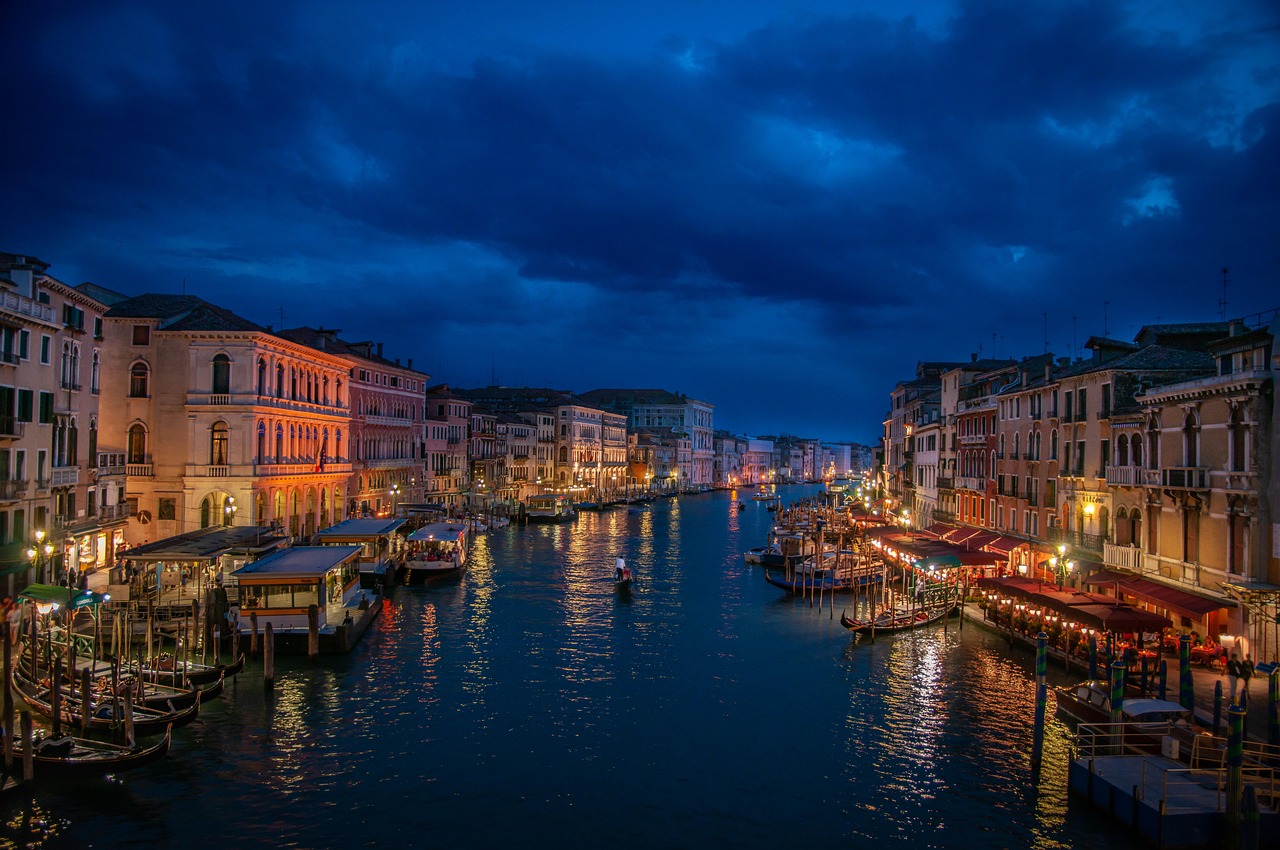
Venice after-hours canals and historic architecture for a private gondola ride
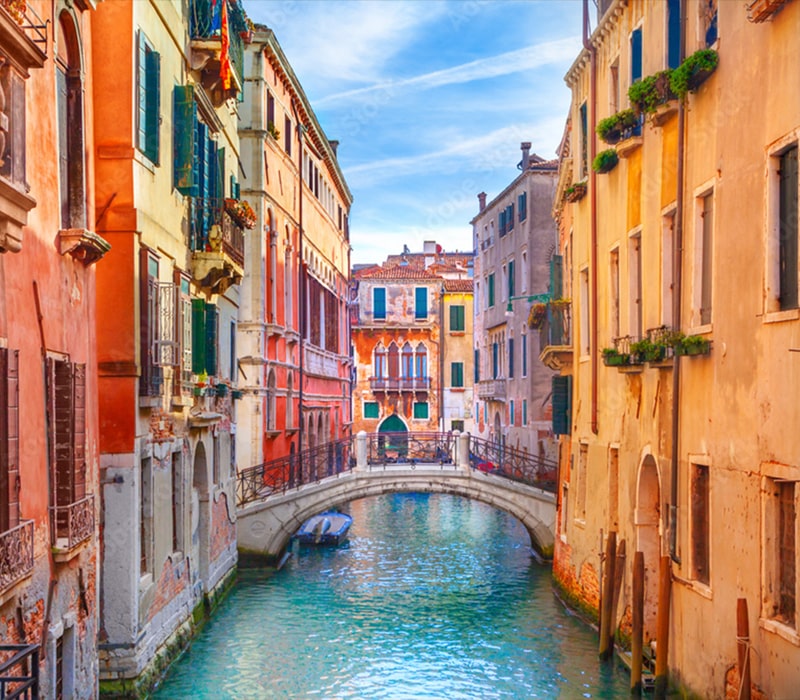
For many travellers, the most memorable Venice private gondola ride is the one that slips into lesser-known waterways in Italy, away from the obvious spectacle. Venice in northern Italy rewards an after-hours approach: arrive, check in close to the city centre, and let the day-trippers drift away before you truly begin. This is where you can discover the hush between footsteps and water, and feel the city’s beauty as something personal rather than performed.
A first-night plan to explore Northern Italy by waterlight
Begin on foot at dusk, when a quiet piazza feels like a private stage set. Then step into a gondola arranged in advance, with a route chosen to get off the beaten canals—those narrow turns where laundry lines cross overhead, and palazzi seem to lean in closer. The glide is slow enough to notice details: wrought-iron balconies, worn stone at water level, the soft echo of voices carrying through the dark.
One traveller who travelled to Italy with us still talks about a magical evening when their gondolier, mid-journey, surprised them with a serenade. It wasn’t loud or showy—just a few lines, perfectly timed, as they passed beneath a low bridge. The moment felt like Venice itself had offered a small kindness, and that is the real luxury here: experiences designed with care, not spectacle.
UNESCO anchors and how to sightsee without queues
Venice is a UNESCO World Heritage site, and it’s worth treating the icons with the same grace you bring to the quieter corners. For Basilica di Santa Maria, dress modestly—shoulders covered, respectful silhouettes—so you can enter without fuss and enjoy the calm of candlelit interiors. For the Doge’s Palace, the secret is timing and tickets: early-entry reservations or a private guide who can give you insight while bypassing the longest waits.
Allow yourself to sightsee with intention: one masterpiece, then a pause. A thoughtful plan keeps Venice from feeling like a checklist, and it gives space for the city’s true texture—stone warmed by the day, the faint saltiness in the air, and the sense that beauty is woven into routine.
If you’re tempted to uncover more of northeast Italy, choose one add-on that matches your mood. Murano and Burano offer local artisanship—glass and colour with real craft behind it—while Trieste brings refined café culture and a seaside edge that feels quietly sophisticated.
Practical notes help the whole stay feel seamless. Use vaporetto routes strategically (your hotel can mark the simplest lines), consider luggage handling so you’re not dragging cases over bridges, and stay alert around busy embarkation points where pickpockets cluster. With those small supports in place, Venice becomes pure atmosphere.
Milan luxury fashion, La Scala opera house, Italy trip for design lovers
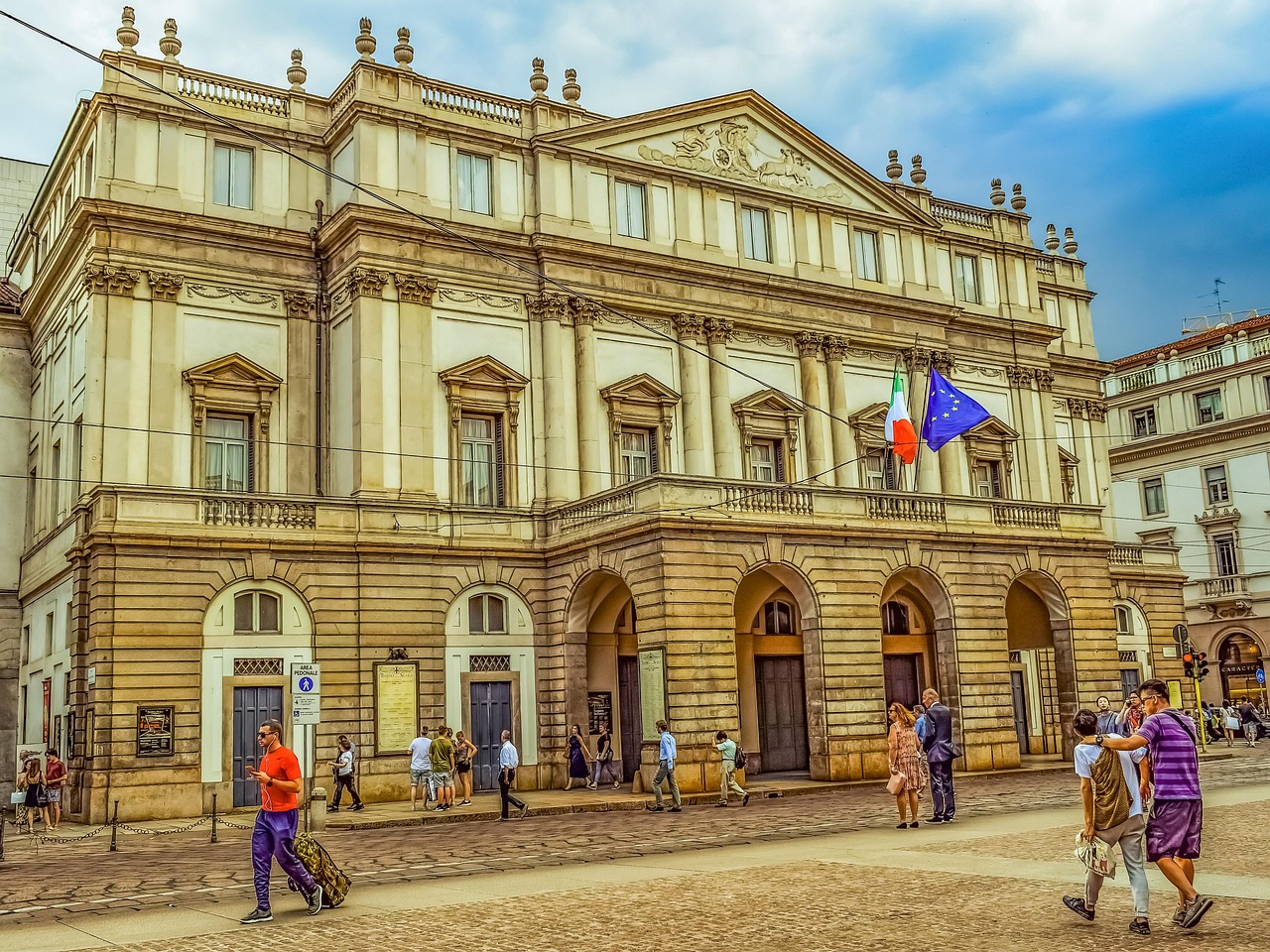
Milan for fashion, design and La Scala nights with an opera-house evening
A Milan luxury fashion La Scala opera house Italy trip is where northern Italy becomes sharply, beautifully modern—without losing its heritage. Milan is not just shopping; it’s design language, craftsmanship, and the art of presentation. With the right planning, you can explore ateliers, uncover discreet galleries, and still have time for a long, unhurried lunch.
High-fashion Milan and Galleria Vittorio Emanuele II
Begin with curated access: designer boutiques where appointments are set, not improvised; a trusted stylist if you enjoy guidance; and an itinerary that balances flagship glamour with quieter workshops. A stroll through Galleria Vittorio Emanuele II is essential—less for what you buy and more for the feeling of being inside a living jewel box of ironwork and light.
To keep the day personal, ask for a few behind-the-scenes touches: a private viewing of a new collection, a meeting with a craftsperson, or a made-to-measure consultation. These are experiences that feel crafted and local, even in a global fashion capital.
Duomo terraces and a La Scala night done properly
The Duomo is Milan’s heartbeat, and the terraces are where you feel the city open up beneath you. Go early or late to avoid the busiest windows, and ask your guide for discreet photo spots that capture spires against the sky without the crowd behind you. The best visits are calm, with time to notice the stonework rather than rush it.
La Scala, though, is the centrepiece. Securing sold-out performance tickets often requires planning well in advance, a knowledgeable concierge, or an expert cultural fixer who understands release patterns. Dress expectations are elegant—think polished rather than flashy—and a pre-opera dinner should feel considered, with service that supports the evening rather than competing with it.
An art lover once described their La Scala night as “a masterclass in detail”. They remembered the hush as the lights dimmed, the velvet glow, and the elegance of the crowd—tailored jackets, silk scarves, and that particular Milanese confidence that never needs to announce itself. Inside, every surface seemed intentional, from gilded balconies to the precise way staff guided guests to their seats. It was the kind of evening that stays with you long after the final note.
Where you stay shapes the experience. Choose a hotel that fits your style—classic grandeur near the centre, or a design-led property in a creative district—and organise trusted drivers for evenings when you prefer door-to-door ease. If you’re connecting onwards, Milan’s train station links are straightforward, and the best concierge teams can coordinate timing so onward travel feels seamless.
- La Scala tip: If you can’t get prime seats, ask about excellent sightlines in the boxes—often more atmospheric.
- Duomo tip: Time your terrace visit for soft light to keep the city skyline luminous.
- Dining tip: Opt for a calm, crafted menu before the performance so you arrive centred, not hurried.
Dolomites luxury helicopter hiking tours at dawn, South Tyrol, Italy
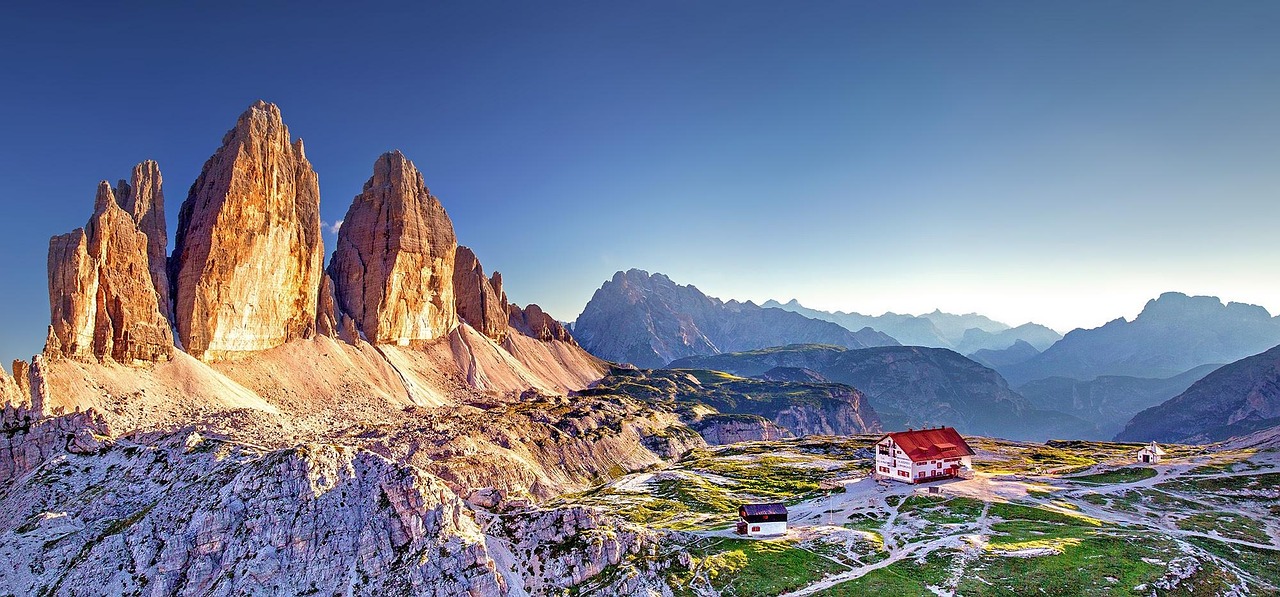
The Dolomites and South Tyrol at dawn with panoramic alpine views
The Dolomites luxury hiking helicopter tours in South Tyrol, Italy, are one of the most stirring ways to experience northern Italy’s natural grandeur. This mountain range is surrounded by mountains that feel almost theatrical at first glance—then deeply calming once you settle into the pace. In South Tyrol, serene retreats offer warm hospitality, spa-level comfort, and local cuisine that feels nourishing after a breath of fresh air.
Signature Dolomites experiences with expert support
If you’re new to hiking in the Dolomites, the smartest luxury is guidance. A private mountain guide can tailor routes to your fitness and confidence, adjusting for weather and trail conditions while adding insight into geology, flora, and the culture of the Alps. For panoramic views without strain, helicopter tours offer a breathtaking overview—peaks folding into valleys, villages like tiny brushstrokes, and the sense that Italy’s landscapes are endlessly varied.
Alpe di Siusi is a highlight: open meadows, clean horizons, and a feeling of space that’s surprisingly rare. In summer, it’s a patchwork of greens; in shoulder seasons, it becomes quieter, with long views and crisp air. With thoughtful timing, you can experience it in a way that feels almost private.
A dawn hike story that rewards the early start
A nature enthusiast told us about their dawn start—boots on while the world was still dim, breath visible, and the trail silent except for the soft crunch of gravel. As the sun rose, the Dolomites shifted colour in layers: grey to rose, then gold. The solitude made the effort feel worthwhile, and the guide’s steady pacing meant there was no push, no pressure—just trust, support, and the quiet confidence of knowing someone had designed the day with care.
That’s the secret: luxury here is not about conquering a peak; it’s about feeling safe enough to be fully present. Even a challenging route becomes enjoyable when it’s crafted with your comfort in mind.
For bases and logistics, Bolzano is a beautifully placed gateway, and the city of Trento offers a stylish alternative if you like a small-city feel with excellent dining. Many travellers choose to stay in Trento for a couple of nights to blend culture with easy access to the mountains, then drive through the Adige valley for winery stops and scenic views between experiences.
Seasonality matters in the Dolomites. Weather can shift quickly, even in warmer months, so pack layers, a light waterproof, sun protection, and proper footwear. A local guide will watch conditions and reroute if needed, keeping the experience seamless and reassuring—exactly what high-end travel should feel like.
Lake Como, Verona, Lake Garda, Cinque Terre: Italy day trip highlights.
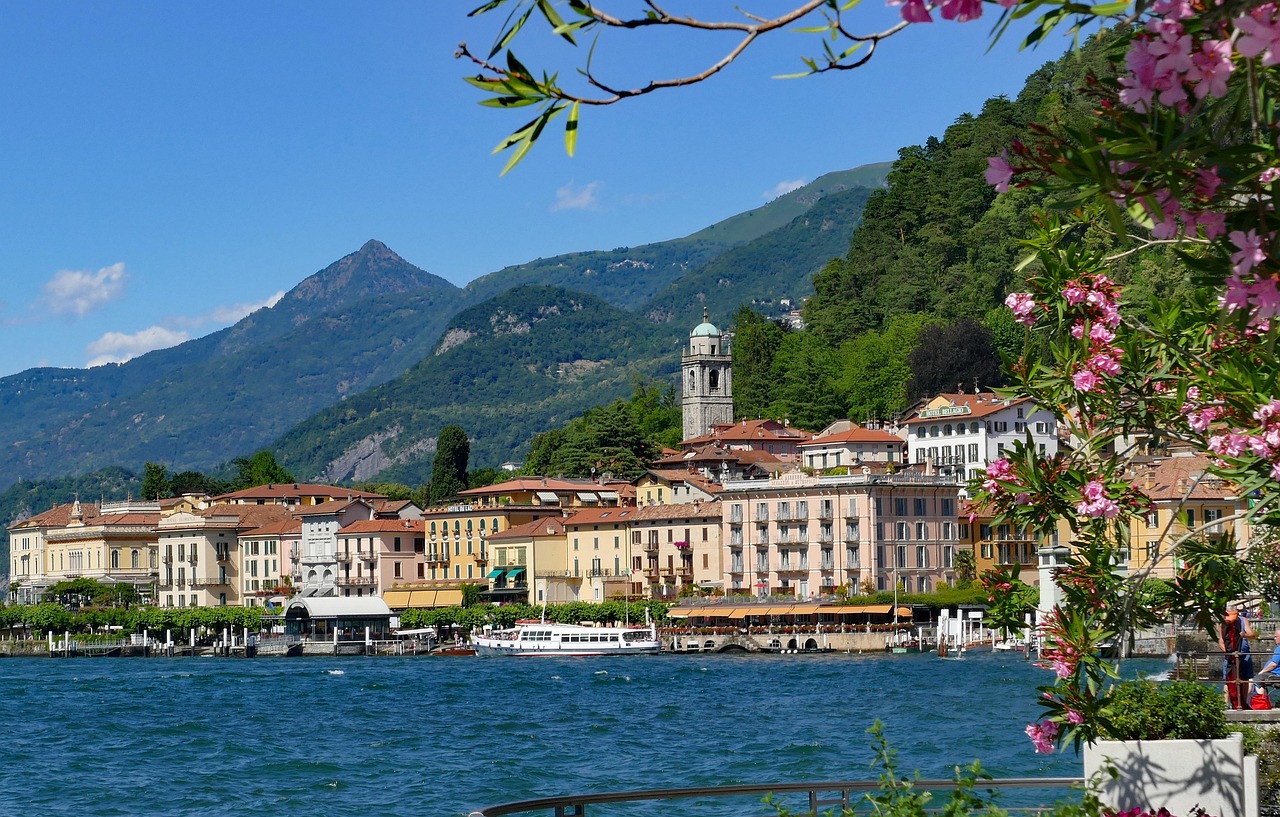
Lakes, Verona and the Riviera day trips worth the splurge across northern Italy
When you’re mapping Lake Como, Verona, Lake Garda, Cinque Terre day trip Italy ideas, the key is choosing add-ons that feel like part of your northern Italy story—not frantic extras. These are the days that soften the itinerary: water, terraces, a slow lunch, and just enough discovery to feel you’ve uncovered something special.
Lake Como and Bellagio with a high-end lens
See Lake Como by private boat for the most elegant perspective. Depart from the town of Como, settle into the cushions, and let the shoreline glide past: villas, gardens, and balconies that seem designed for long conversations. Ask your captain to time a gentle arrival into Bellagio, where you can wander boutique-lined lanes before a long, quiet lunch.
If you’d like an extra lake moment, consider Maggiore as a refined alternative or add-on depending on your route—less talked about, often calmer, and just as atmospheric when approached with care.
Verona and Lake Garda on a refined road trip route
Verona makes a romantic pause in northern Italy, especially when you treat it as an evening city rather than a midday rush. Explore the historic centre, choose a quieter piazza for aperitivo, and time your walk for golden light when stone façades glow. It’s not about doing everything; it’s about letting the city hold you for a few hours.
For Lake Garda, plan a graceful loop: Sirmione for a lakeside wander and a beautiful arrival feel, then up towards Riva del Garda when you want fresh air and active lake breezes. Remember, Lake Garda is the largest in Italy, so distances can surprise you—another reason a driver or carefully planned stops matter. If you prefer independence, you can rent a car, but parking and timing can add stress in peak periods.
Liguria brings the Riviera mood: salty air, seafood, and cliffside villages. For Cinque Terre, a curated day trip by train or boat is the most relaxed choice—no parking stress, no narrow-road anxiety, and more time enjoying the coastline. A local seafood lunch becomes the centrepiece, with simple flavours that taste like the place.
If you have time for more beautiful cities, Turin (Torino) in Piedmont delivers museum-grade culture and café ritual, while Trento connects neatly back into alpine routes. And if you’re leaning culinary, consider a night in Bologna, in Emilia-Romagna, for food markets and deep comfort—tagliatelle done properly, in rooms that feel warm and lived-in.
- Splurge wisely: Choose one standout boat day (Lake Como) and one standout culture evening (Verona), rather than overbooking.
- Transport tip: For Cinque Terre, take the train to keep the day seamless and unhurried.
- Lake Garda pacing: Pick two towns—Sirmione and Riva del Garda work well—so the day feels personal, not rushed.
For travellers who enjoy deeper layers, Bologna also links well to elegant art detours like Ravenna, with luminous mosaics, and even Rimini for a quieter seaside reset when you want a different texture to the journey. These additions are best when they’re chosen together, with your energy and interests leading the design.
F.A.Qs: Northern Italy Itinerary Essentials
What cities are in northern Italy?
Many key cities include Venice in Veneto, Milan in Lombardy, Bologna in Emilia-Romagna, Verona near Lake Garda, and Turin (Torino) in Piedmont. You’ll also find gateways like Bolzano and Trento for the Dolomites and South Tyrol, plus coastal bases in Liguria for a Cinque Terre day trip. The best mix depends on whether you prefer fashion and culture, lakeside ease, or mountain quiet.
What is the prettiest part of northern Italy?
The prettiest part is subjective, but many high-end travellers fall for three standouts: Venice at dusk for water-and-stone atmosphere, Lake Como for villa-lined shorelines and slow lunches, and the Dolomites for sunrise colour and panoramic views. If you want softer crowds, consider shoulder seasons and a thoughtful plan with private guides so the beauty feels calm rather than crowded.
Which is nicer, northern or southern Italy?
Neither is “nicer”—they’re different. Northern Italy often feels more design-led and brisk-paced, with strong rail links, fashion, lakes, and alpine escapes. Southern Italy tends to be warmer, slower, and more rustic in feel, with a different kind of energy and coastline. Choose north if you want polished cities and mountains; choose south if you want sun-drenched ease and a more languid rhythm.
What is Northern Italy known for?
Northern Italy is known for elegant cities like Milan and Venice, world-class culture (including La Scala), lakes such as Lake Como and Lake Garda, and dramatic alpine landscapes in the Dolomites. It’s also celebrated for craftsmanship—fashion, design, and food traditions—alongside refined café culture in places like Turin and beautifully preserved historic centres such as Verona and Bologna.
What stayed with us after Northern Italy reflections, Italy travel memories
In the days after a trip to northern Italy, it’s rarely the schedule that returns first. It’s sensation: waterlight in Venice, the way footsteps sounded softer at night, and how a single turn into a shadowed canal could make the world feel gently suspended. It’s the memory of Milan’s precision—an evening where the city seemed to exhale as you stepped into La Scala, surrounded by velvet silence and a shared respect for beauty.
And then there’s the Dolomites: that first sun catching the rock faces, the air cool and clean, the feeling that you were small in the best possible way. You remember the steadiness of expert hands—guides who watched the weather, drivers who anticipated the next turn, hotel teams who made each arrival feel like a welcome rather than a transaction. There’s a quiet pride in having explored northern Italy with trust, care, and confidence, letting each place be itself.
What lingers most is the local connection: a greeting offered in simple Italian, a thoughtful pause for coffee, a meal where the ingredients tasted like the area of Italy you were passing through. The journey feels personal because it was designed around you—your pace, your comfort, your curiosity—so even the transitions between main cities felt seamless.
Long after you’ve returned home, you may find yourself imagining one more evening walk, one more lake crossing, one more small turn into an unfamiliar street in an Italian city you haven’t met yet—no urgency, just an open door.