Designing a Luxury Rome Itinerary for the Eternal City – a relaxed approach to planning a trip around the best attractions in Rome
Designing a luxury itinerary for the Eternal City, with golden-hour rooftops and unhurried evenings
For high-end travellers, designing places to visit in rome italy starts with permission to slow down and choose quality over quantity. The most memorable attractions in Rome aren’t only the headline sites; they’re the piazza pauses, the museum moments that land emotionally, and the long lunch that restores you for the afternoon. Think of this as planning a trip with intention—days that have shape and story, yet never feel over-filled—so you can explore with confidence instead of racing the clock.
Start by balancing three rhythms: a morning for a major attraction, a gentle midday reset, and an evening for atmosphere. Rome is a city full of contrasts—grand and intimate—so the goal is to create space for both, without the hustle and bustle of Rome stealing the magic. The result is a way to experience Rome that feels crafted, not crammed, while still leaving room for spontaneity and small surprises.
Where to stay in central Rome: walkable spots near Piazza Navona.
For a seamless stay, choose the historic core in easy reach of Piazza Navona and the river, with refined dining just outside your door. These locations in Rome make classic walks effortless, while keeping transfers short—especially helpful when you want to pop back to your suite between appointments. If you’re weighing neighbourhoods, a central base also simplifies museum mornings and after-dark strolls.
Rome’s cobblestone streets are beautiful, but they can be slow-going in heels and tiring after a day on uneven stone. A private driver or luxury car service helps in a very practical way: you arrive calm, unhurried, and ready to enjoy, rather than slightly worn down before the day has even started. It also offers reassurance at night, when you may prefer door-to-door ease across the city centre.
A simple 3–5 day itinerary pacing model with museum breaks and recovery windows
When you’re mapping out your stay, think in “anchor moments” rather than a checklist. A 3–5 day itinerary works beautifully with buffers—because the city rewards detours, and the most personal discoveries often happen between plans. This is also where a curated list of attractions in Rome becomes more useful than chasing every pin on a map.
- Day 1: Arrive, settle, then an unhurried walk (Pantheon area, a first gelato, and an early night).
- Day 2: Colosseum morning, a long lunch, and a lighter afternoon museum or views of the city.
- Day 3: Vatican City in the morning, then riverside time and an elegant dinner.
- Day 4: Trastevere and hidden spots, plus artisan shopping with cash for small finds.
- Day 5: A day trip outside of Rome to Tivoli, or a final slow morning for galleries and gardens.
For a popular spot like the Vatican Museum—or a guided tour of the Colosseum—book tickets in advance; in peak months, you may need to book tickets days in advance, and for early-entry experiences, you’ll want tickets well in advance. The simplest luxury is protecting your time: confirm entry times and transport well in advance, then let the day unfold with less friction. If you’re trying to fit the Colosseum and the Vatican into one short stay, spacing the big-ticket mornings across different days keeps your energy steady and your afternoons enjoyable.
Our “together” approach is concierge-style support: we help you design a journey with trust and care, so you can discover the city’s meaningful details—without feeling you must constantly solve logistics on the go. If you’d like to browse inspiration as you imagine your own itinerary, see our Trip gallery.




Colosseum and Roman Forum private tour – a curated route through Rome’s imperial heart
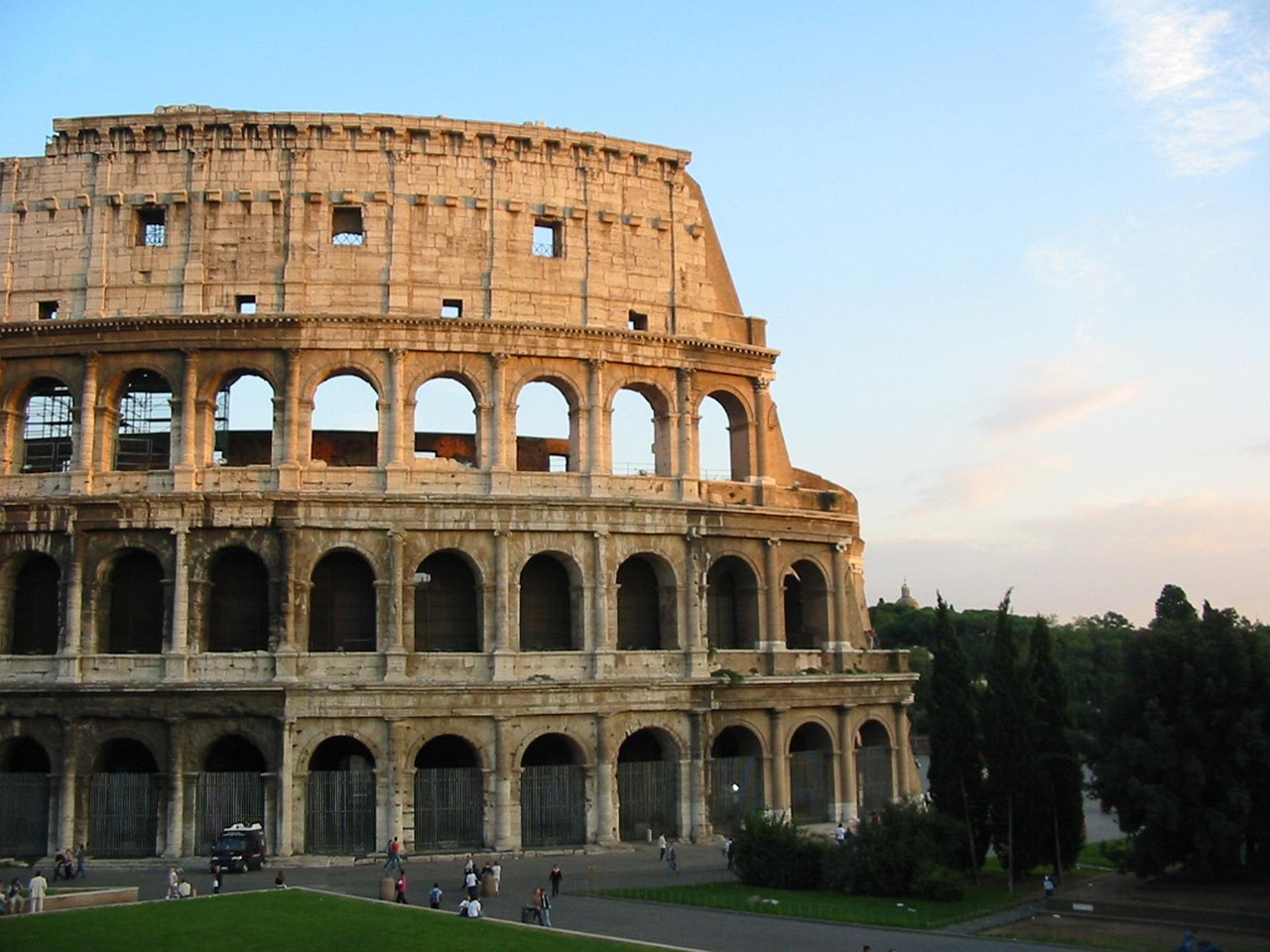
Ancient Rome highlights with a private Colosseum view and a calmer start
A private morning in the Colosseum is a refined way to see in Rome what the Roman empire looked like at street level—power, spectacle, and civic identity layered into one amphitheatre. With an expert guide, the building stops being “just” monumental architecture and becomes a human place, full of logistics, symbolism, and surprising detail. For high-end travellers, early entry is the quiet upgrade that changes everything—cooler air, softer light, and the sense you’ve stepped into ancient Rome before the day fully begins.
Ask your guide to focus on arena stories: how crowds moved, what the games signified, and how the building’s ancient Roman engineering shaped the experience. If available, access upgrades (such as arena floor or restricted areas) deepen the narrative without turning the morning into a marathon. It’s one of the clearest examples of how a thoughtful itinerary can transform a famous attraction into something personal.
Colosseum and Roman Forum ruins, then Palatine Hill: one coherent chapter in Rome’s story
Pairing the amphitheatre with the Roman Forum makes the morning feel like a single, intelligible story. You’ll move from the arena into the Forum’s temples and basilicas—where politics, commerce, and ritual once intersected—then rise to Palatine Hill for perspective on how leadership and landscape shaped the city. This sequence turns “ruins” into context, especially when your guide points out what’s easy to miss at first glance.
Wear supportive shoes; the stone is uneven, and even a short route can be surprisingly demanding. A driver waiting after your visit is not an extravagance here—it’s comfort, efficiency, and the luxury of recovery time, especially in warmer months.
Optional additions near the Forum: panoramic terraces, a memorial pause, and one museum stop
If you’d like a sweeping perspective without adding another major ticket, consider the altar of the fatherland, with its monumental stairways and panoramic terraces. Nearby, the tomb of the unknown soldier offers a moment of stillness amid scale—a reminder that Rome’s history isn’t only ancient, but is also threaded through modern memory.
One curated museum stop can deepen context without overload. Many travellers love the Capitoline Museums for sculpture and fragments that make the Forum’s stones feel whole again; alternatively, reserve a timed visit to the Borghese Gallery, then decompress with a gentle stroll through Villa Borghese. The Borghese collection is a different kind of pleasure—art that feels intimate, even when it’s world-famous.
The Colosseum is often named among the wonders of the world, yet the real shift happens when a local guide helps you uncover small details: the way a corridor curves, the politics behind public entertainment, and the stories that aren’t written on the signboards. That expert storytelling builds trust in what you’re seeing—and keeps the experience personal rather than generic.
Vatican City’s best places for art and quiet awe – Vatican Museum, Sistine Chapel, and St Peter’s Basilica
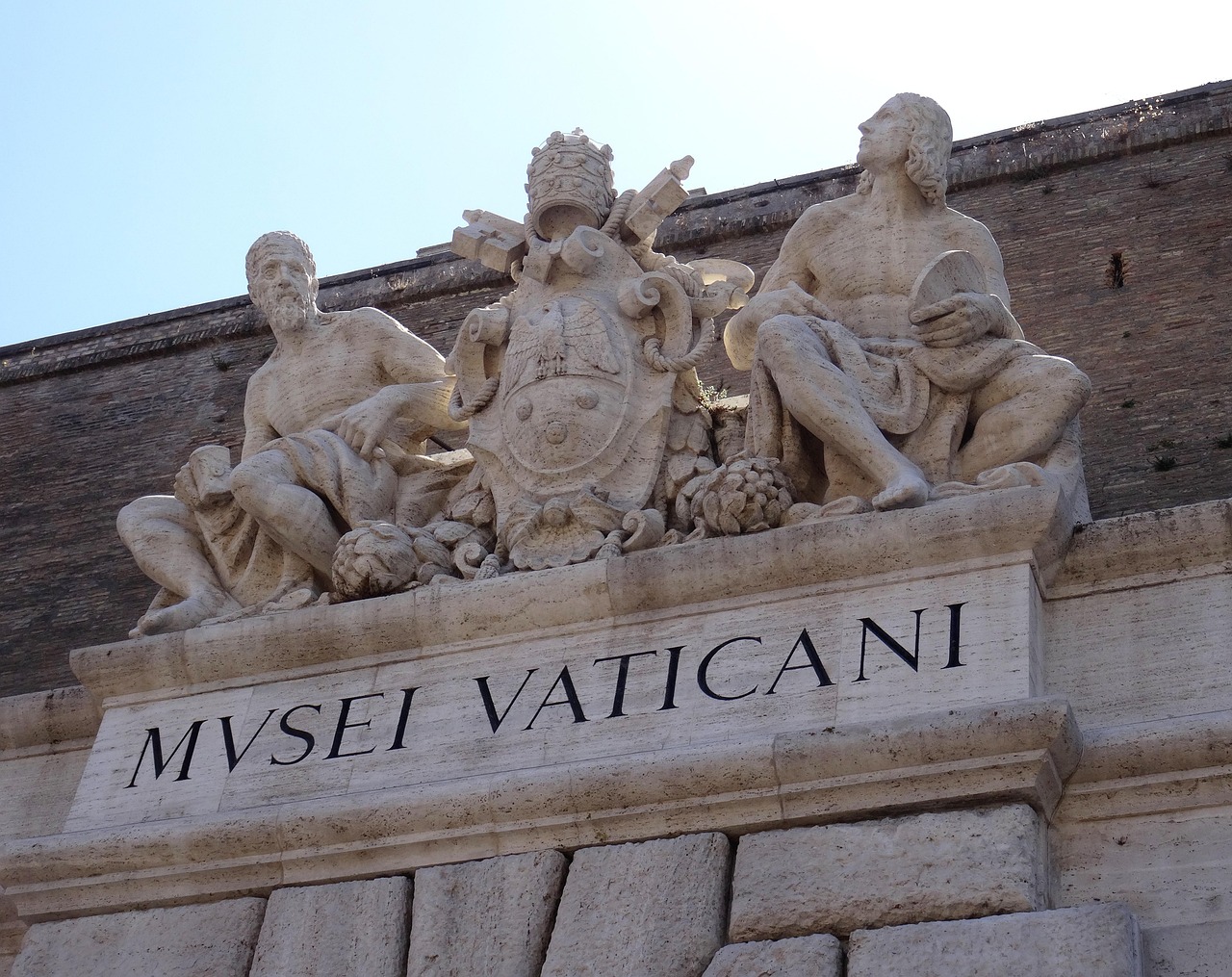
Vatican City art and quiet awe, paired with St Peter Basilica and an early start
A day in Vatican City can be one of the best experiences in Italy—if it’s handled with care. Timed entry matters because it protects your energy: it turns what could be an exhausting queue into a calm morning where you can actually absorb what you came to see. For many visitors, it’s also the difference between simply collecting tourist attractions and feeling genuinely moved by art.
Plan your route through the Vatican Museums with intention. Instead of trying to “do it all”, focus on a few galleries that speak to you, and allow your guide to link them with meaning—so the museum feels like a story, not a corridor. If you’re travelling at a luxury pace, a short café pause mid-visit can reset your attention and keep the experience enjoyable.
Vatican Museum to the Sistine Chapel: timed entry, calm pacing, and smart routes
A smart approach is to go early or take the first available slot, then take a direct but unhurried path to the chapel. Your guide can help you bypass the most congested rooms where possible, and pause in quieter spaces to reset your focus. Gallery fatigue is real: schedule a short break and a water stop, and you’ll enjoy the museum with far more presence.
When you finally arrive, the space can feel like a held breath. Look up, then allow yourself a minute to simply take it in—no need to “know everything” for it to move you.
St Peter Basilica: security, dress code, and dome timing
The basilica is both an architectural marvel and a place of living faith. Inside St Peter Basilica—often simply called Peter’s Basilica—slow down and let the scale settle before you move on. Dress respectfully here and throughout religious sites: shoulders and knees covered, and pack a light layer in warmer seasons.
Security is thorough; arrive with patience and minimal bags, and your entry will be smoother. If you’re considering the dome, go early to avoid the midday crush. The climb is rewarding, with memorable city vistas, but it’s narrow in parts—so it’s best for travellers comfortable with steps and enclosed passages.
One luxury traveller described a serene early morning walk through the Vatican Gardens—watching the city wake in a peaceful, spiritual atmosphere that feels inaccessible to most visitors. That rare calm can change the tone of the entire day, offering a quiet counterpoint to the grandeur.
To extend the afternoon gracefully, cross to Castel Sant’Angelo, the mausoleum for Emperor Hadrian. It’s a different lens on power and legacy, and the river light can be especially beautiful as the day softens. Practical note: secure timed entries and private access where possible; it’s the difference between a seamless day and one interrupted by waiting.
- Best time to visit: April to June or September to October for pleasant weather and fewer crowds.
- Booking advice: for the Vatican Museum, you’ll want timed entry; for premium tours, reserve in advance.
- Comfort tip: keep valuables secure—pickpockets can be active around transport hubs and busy entrances.
After-dark best things to do in Rome – piazza walks, a famous fountain, and golden-hour ambience
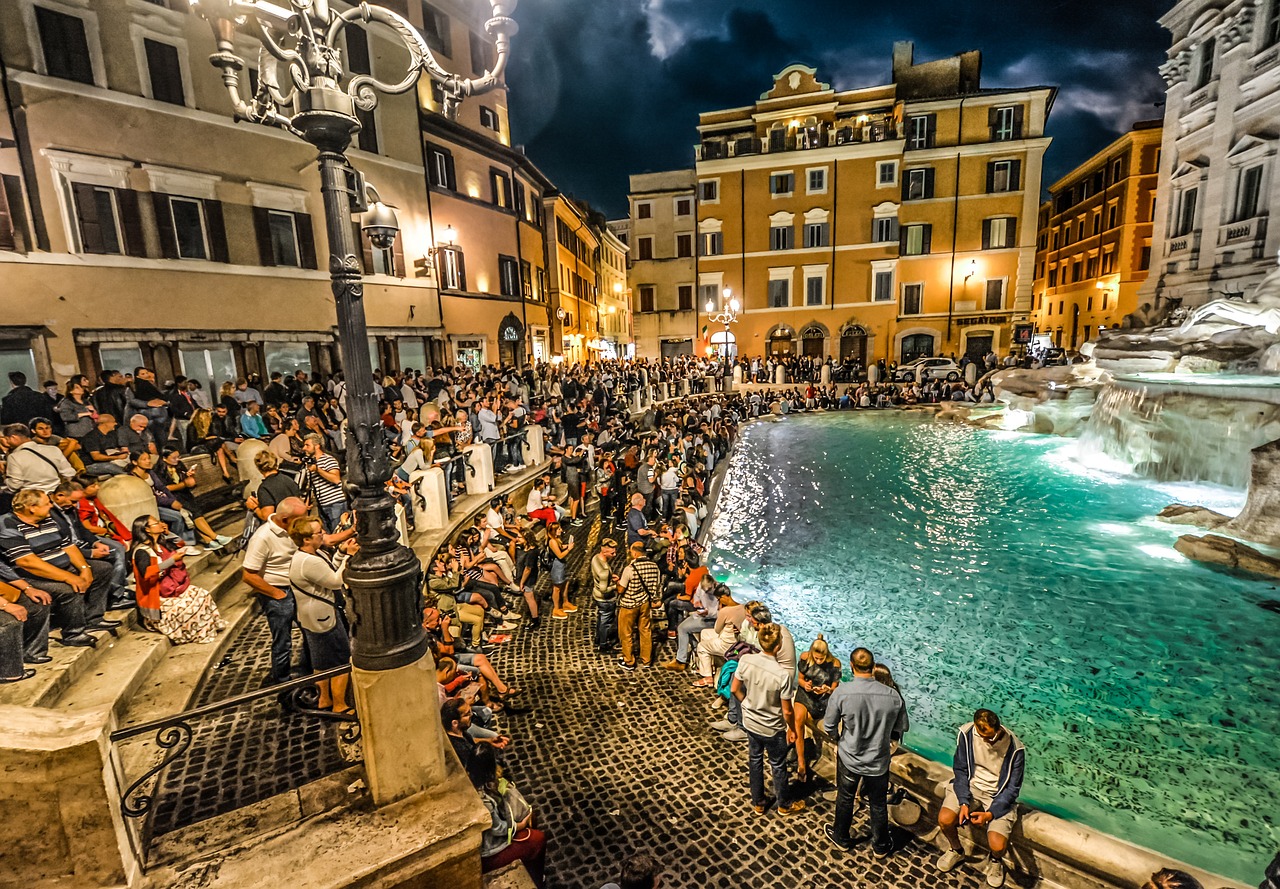
After-dark strolls with Trevi Fountain glow and softer city light
For many travellers, the most elegant evenings come after sunset, when the stones warm to amber and the city feels more intimate. A driver-supported walking loop lets you enjoy the atmosphere without overcommitting to distance, and it’s a lovely counterpoint to daytime museum visits. This is also a simple way to add extra breathing room to an itinerary while still touching the classics.
Start with a light aperitivo, then move slowly as the streets settle and the air turns softer. The lanes are gently animated—couples, families, a quiet hum of conversation—and you can take your time without feeling pushed along.
From the Pantheon to Trevi Fountain and Piazza di Spagna at an unhurried rhythm
A high-end traveller once shared how a sunset rooftop dinner overlooking the Pantheon turned a simple meal into an unforgettable memory of the eternal city. That’s the point of evening here: it invites you to linger, notice details, and let the light change around you. Choose a terrace, order something seasonal, and give yourself permission to stay a little longer.
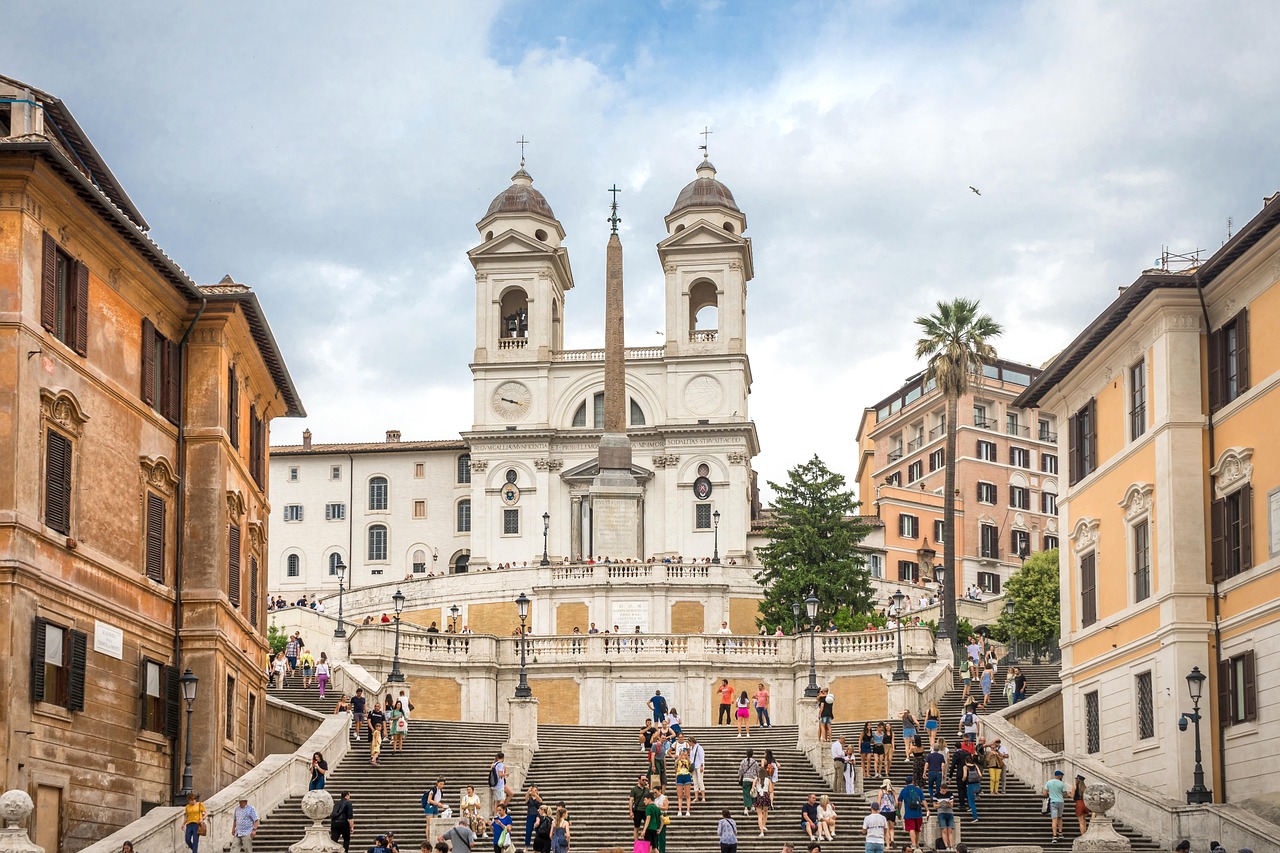
From there, continue to the Trevi Fountain for that iconic moment. Late evening doesn’t guarantee solitude, but it often brings more breathing space—and better chances for photographs without jostling. Then glide on to Piazza di Spagna, where the Spanish Steps, built in the 18th century, feel surprisingly serene when the crowds thin; the Spagna area is at its best when you keep your voice low and move respectfully.
Piazza Navona, Piazza del Popolo, and quiet photo angles away from the crowds
Piazza Navona offers baroque theatre: artists sketching, water catching the light, and a sense of Rome performing softly for itself. For quieter photo angles, step to the edges and shoot back towards the fountain rather than from the centre. If you want one more grand square before you return to your hotel, Piazza del Popolo is a graceful add-on that feels spacious even on busy nights.
On the walk, allow small detours—Campo de’ Fiori can be beautiful in the evening as stalls pack away and restaurants take over. Many of these streets and squares are free to enter, and that simplicity is part of their charm. With a driver nearby, you can relax into the night, knowing comfort is close whenever you’re ready to return, and you’ll naturally uncover a few extra spots in Rome along the way.
Trastevere and hidden spots in Rome – local flavour, a food tour, and art-led detours
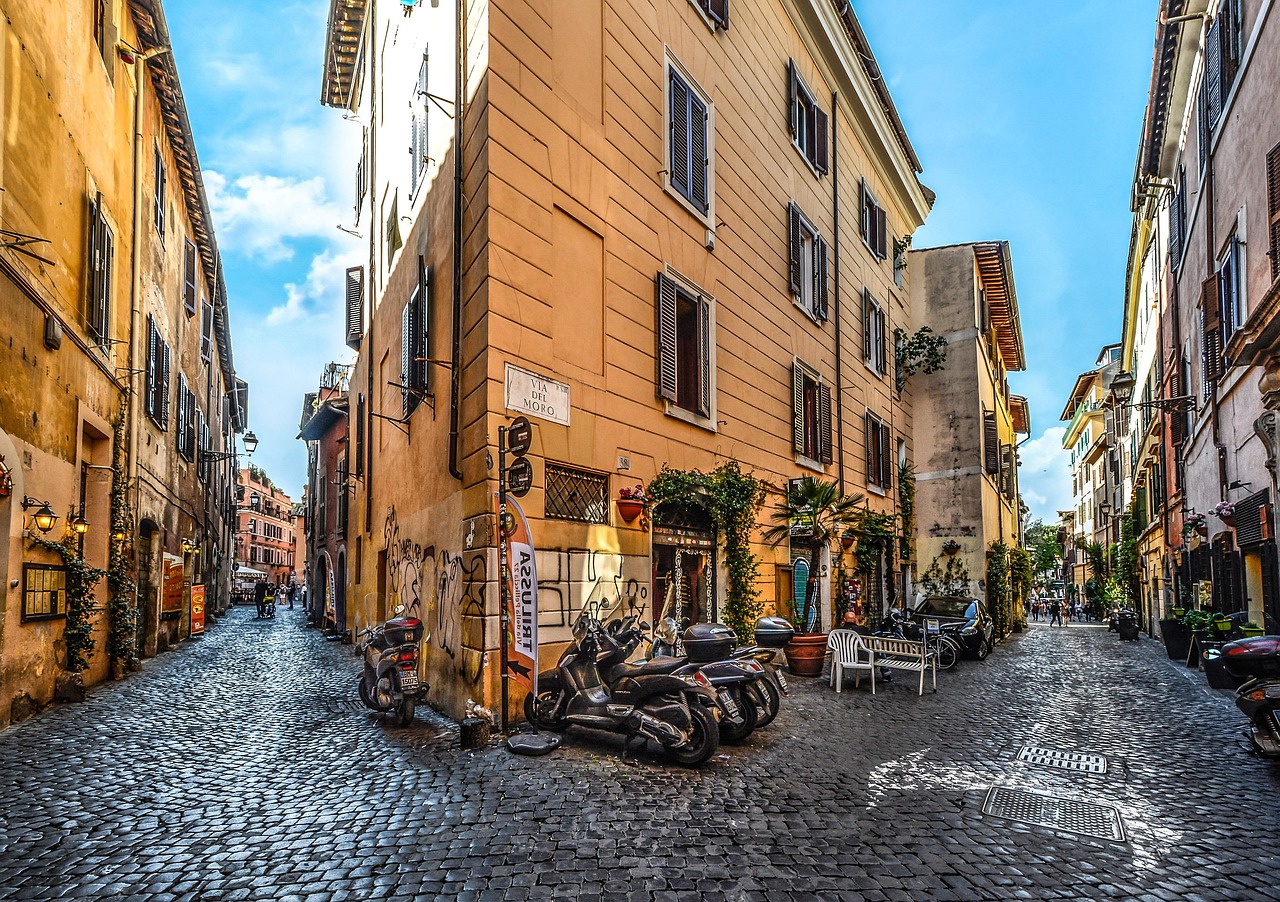
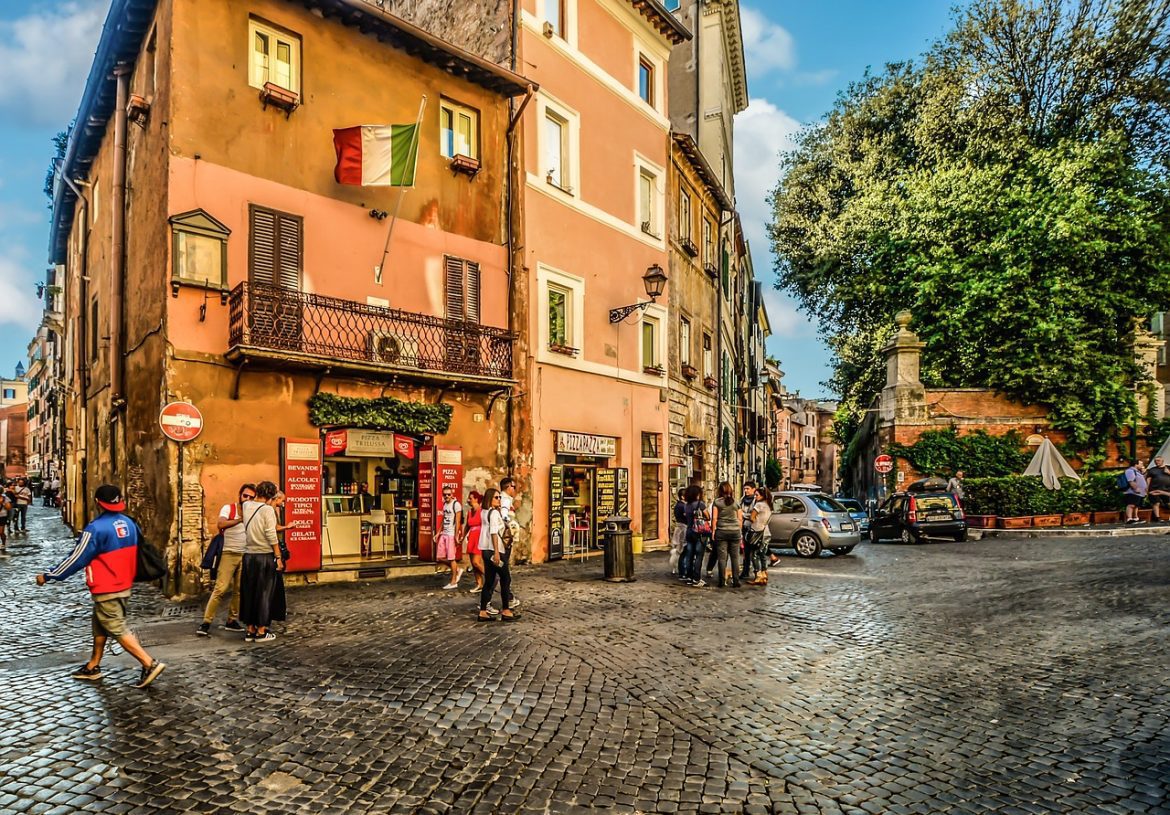
Trastevere after dusk: local insight, lantern-lit lanes, and slower rhythms
If you crave the city beyond the obvious, this is the day that delivers local insight. Trastevere can be lively, yes, but with the right pacing it becomes a neighbourhood of craft and community—where you can uncover flavours, art, and viewpoints that feel quietly exclusive. It’s also where a well-planned itinerary balances iconic attractions with the kinds of small discoveries most travellers miss.
Start with a bespoke culinary appointment: a Michelin-starred chef who can translate tradition into something deeply personal. This isn’t about “trying everything”; it’s about understanding why Roman cuisine tastes the way it does, and how seasonality and simplicity become luxury when handled with expert care.
A bespoke Trastevere food tour with street food, Roman classics, and gelato
A curated food tour might include supplì, seasonal vegetables, and a tasting of Roman pasta styles, with a few street food bites folded in between sit-down moments. If you want one signature experience, consider a Rome food tour in Trastevere that finishes with a tasting menu or a chef-led pairing—an enjoyable way to connect neighbourhood stories to what’s on your plate. And yes—make time for gelato, ideally from a shop that treats it as craft rather than gimmick.
Practical luxuries matter here: carry a little cash for artisan shops and small trattorias, and keep bags zipped in busy areas. If you’re moving between neighbourhoods, chauffeur services keep the day comfortable and efficient, particularly when you’re dressed for dinner.
Villa Farnesina, Via Margutta, and secret viewpoints with a view of Rome
For a Renaissance interlude, visit Villa Farnesina, where a single fresco can anchor your memory of the day—the kind of detail you carry home. Take a moment to notice composition and colour, and you’ll see how the villa links art traditions from the 16th and 17th centuries to the city’s later styles. This museum-like stop is compact, calm, and surprisingly restorative.
Then shift centuries in minutes: one visitor recounted an intimate moment with a local artist in a private gallery on Via Margutta, discovering a contemporary Rome that’s often overshadowed by imperial narratives. It’s a reminder that creativity here never ended; it simply changed mediums.
To finish, add two “secret” viewpoints. The Aventine Keyhole offers a surprisingly perfect frame for the domes and rooftops. Nearby, a garden pause gives you space to breathe—away from the busiest tourist attractions—before you return to the city’s flow. If time allows and you’d like to get away from the city, choose a day trip to Tivoli for its villas and gardens: a classic escape that feels restorative rather than rushed.
- Comfort and efficiency: Use a private driver when crossing the river or returning from viewpoints.
- Shopping: keep cash for artisans; many small studios prefer it for small purchases.
- Peace of mind: stay alert in crowded squares and along transport routes.
F.A.Qs: Places to visit in Rome, Italy
What should you not miss in Rome on your first visit?
Don’t miss the Colosseum and the Roman Forum with a knowledgeable guide, time in the Vatican Museum, and an evening walk linking Trevi Fountain and Piazza Navona. For something quieter, add Villa Farnesina and the Aventine Keyhole. The most rewarding “must-see” moments are often those you experience at calmer times of day, with tickets arranged in advance.
What is the most visited place in Rome for travellers?
The Colosseum is widely considered the most visited attraction in Rome, drawing visitors year-round. The Vatican Museums are also among the busiest, particularly in peak season. If you want a more seamless experience, choose early entry or timed slots, and consider private access where available—these simple choices can completely change how the day feels.
What are the top five things to see in Rome in a short stay?
A refined top five includes the Colosseum and Roman Forum, Vatican City (Vatican Museum and St. Peter’s Basilica), the Pantheon, the Trevi Fountain, and an after-dark stroll through a piazza sequence such as Piazza di Spagna and Piazza Navona. If you have extra time, the Borghese Gallery adds a museum visit that feels intimate and beautifully curated.
Is there a 7th wonder in Rome to add to your itinerary?
Yes. The Colosseum is commonly listed among the New Seven Wonders of the World, celebrated for its scale and engineering. Seeing it with an expert guide helps you go beyond photographs into the human stories of the arena, and pairing it with Palatine Hill and the Roman Forum gives the monument its wider context in the Roman Empire.
Our impressions of Rome linger after your visit — reflections on a beautiful city.
When you visit Rome, Italy doesn’t leave you with a single, dominant memory—it leaves you with a collection of small moments that surface later, unexpectedly. A hush inside a side chapel, the soft echo of steps on cobblestone, a shared glance at a fountain before anyone speaks. This destination teaches you to notice and to trust that what matters isn’t always the loudest sight.
There’s a particular kind of relief that comes from a journey designed with care: the sense that you were supported, together, by quiet expertise. Not micromanaged—simply held. And in that ease, the city reveals itself more honestly: in the warmth of lamplight on stone, in the way the air shifts near the river, in the feeling of being unhurried even among greatness.
Perhaps that’s why the eternal city lingers. You don’t leave with a checklist of top sights conquered; you leave with a gentler pace than you arrived, carrying a few luminous impressions rather than an inventory. The luxury, in the end, is the freedom to be present—to let the city of Rome meet you in its own time, and to let your own attention deepen.
And somewhere down the line, you may find yourself imagining a return to Rome—less to repeat what you’ve already seen, and more to discover what you didn’t yet know to look for.