Post Contents
- Rikugien Garden Tokyo Japan at a glance as an attraction in a prime location
- Edo-period garden design and six poetic themes in Rikugien Garden Tokyo Japanese landscape garden
- Spring cherry trees and special viewing calm for Rikugien Garden spring weeping cherry trees Tokyo Japan travel
- Rikugien Garden autumn illumination 2026 Tokyo nighttime light up after dark
- Tea house matcha and local insight at Rikugien teahouse matcha traditional sweets Tokyo
- Seamless logistics and nearby attractions with Rikugien Garden access Komagome Station JR Yamanote Line
- What stayed with me after 六義園
- F.A.Qs: Rikugien Garden Tokyo Japan
Rikugien Garden Tokyo Japan at a glance as an attraction in a prime location
Rikugien Garden Tokyo Japan at a glance in a prime location
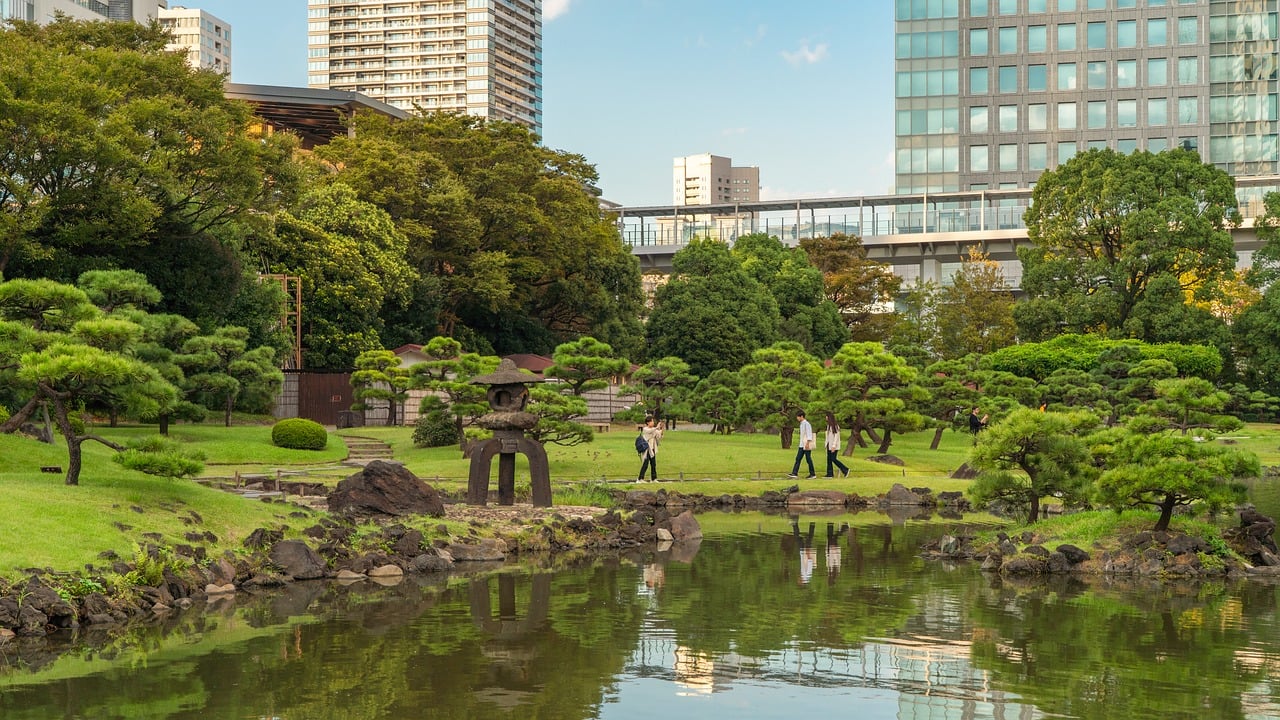
For travellers looking for a reset without leaving the city, Rikugien Garden Tokyo Japan attraction prime location is more than a checklist stop—it’s one of Tokyo’s best places to trade neon speed for a serene atmosphere you can feel in your shoulders. Rikugien sits inside Tokyo like a secret pause button: close enough for a short visit, yet it reads as distinctly traditional Japanese the moment you step through the gate.
Although it’s a Tokyo metropolitan site, this garden in Tokyo doesn’t feel administrative or formal. It feels curated with care—like someone designed it for human pace, not crowds. You can explore it as a couple sharing quiet glances, or as a solo traveller who wants personal space and trust in the day’s rhythm.
First steps from Tokyo Station to a calmer pace
I still remember my first visit: leaving Tokyo Station behind, the city’s momentum following me like a drumbeat—until the gravel underfoot softened the sound. In rikugien, the air feels a touch cooler by the water, and your stride naturally shortens. Imagine arriving slightly rushed, then noticing your breathing slow as the pond comes into view, and you realise you’re no longer performing “Tokyo”. You’re simply in it.
A strolling garden rhythm that supports confidence
Rikugien Garden is a strolling garden, which means the “right” way to see it is to let it unfold. The walking paths loop and reveal scenes gradually, so you don’t need an expert map-reading mindset. If you’re an adventure seeker used to big days, treat this as a crafted micro-adventure: move, pause, uncover a viewpoint, then move again—together or alone—without rushing the experience.


Edo-period garden design and six poetic themes in Rikugien Garden Tokyo Japanese landscape garden
Edo-period garden design and six poetic themes at Rikugien Garden
To understand why Rikugien Edo-period garden design Tokyo Japanese landscape garden feels so complete, it helps to know its origin story. Rikugien dates to around 1700, shaped in the shogun era under the influence of Japan’s fifth shogun, Tsunayoshi Tokugawa. The daimyo Yanagisawa Yoshiyasu, from Kishu heritage, is closely tied to the garden’s creation—an Edo project with literary ambition as much as beauty.
This is not “random prettiness”. It’s a deliberate landscape design that uses space like a story: you’re guided by revealed angles, framed water, and a path that keeps giving you reasons to continue.
The large central pond and discovery-by-design
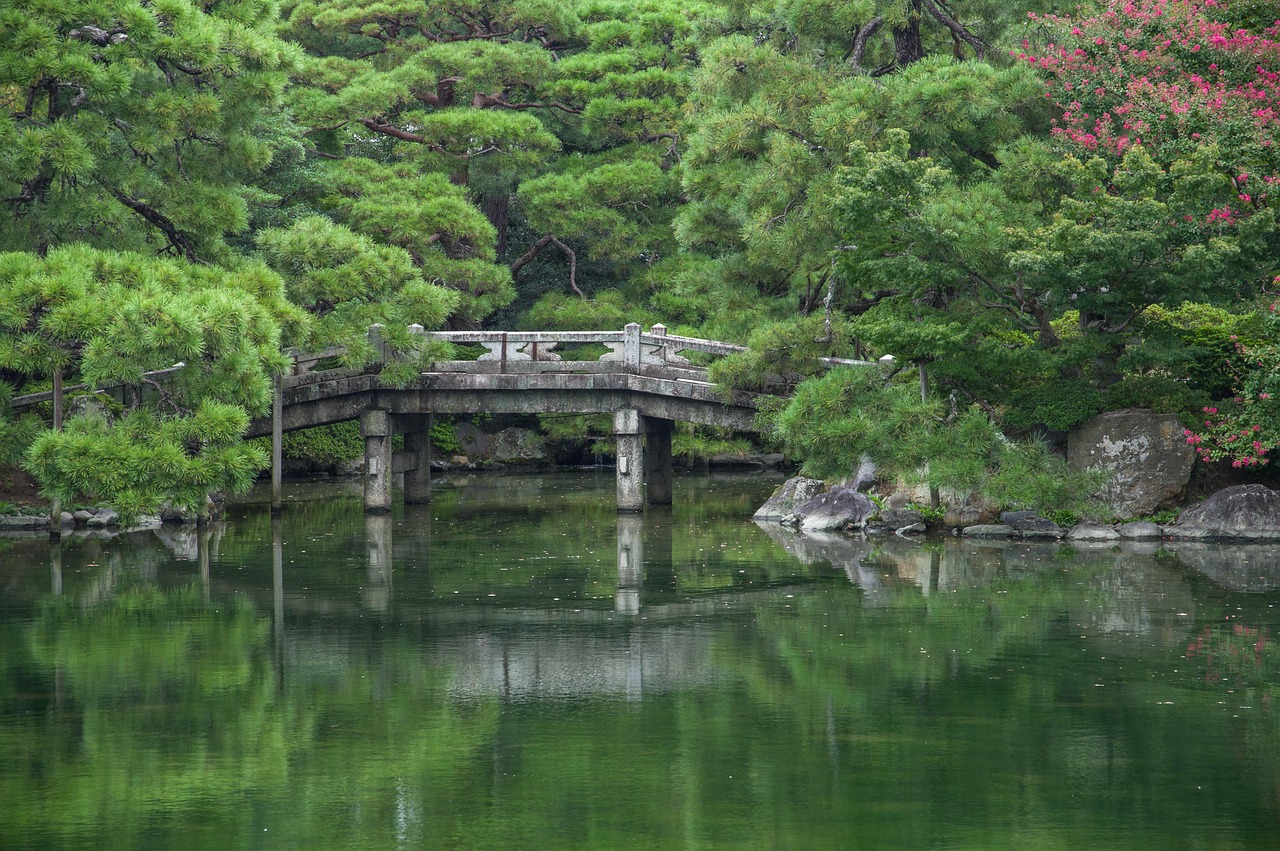
The heart of rikugien is the large central pond, the anchor that holds the garden’s mood steady. Walk a few minutes and you’ll notice how each central pond viewpoint changes: bridges cut reflections into patterns, trees lean into the water, and the shoreline seems to reshape itself as you move. It’s a masterclass in how a landscape garden can make a small walk feel like a journey.
In places, the view feels almost “pond surrounded”, with greenery wrapping around the water so completely that you forget you’re in Tokyo. This is where the garden’s trust-building power lives: it makes stillness feel natural rather than forced.
Six poems, 88 scenes, and scenes from famous poetry landscapes
Rikugien is famously connected to six poems and the idea of 88 scenes—pathways designed to depict 88 poetic references, or scenes from famous poetry landscapes. You don’t need to recognise the classical references to enjoy the insight; you only need to notice the intent. Each bend of the path is like a stanza break: a bridge, a lantern, a sudden opening across water, then a shaded corridor again.
As you explore, look for tiny shifts—light on ripples, the sound change under trees, the way a sightline is “edited” by a branch. The garden’s Edo storytelling isn’t shouted; it’s gently offered, and you’re invited to uncover it at your own pace.
Spring cherry trees and special viewing calm for Rikugien Garden spring weeping cherry trees Tokyo Japan travel
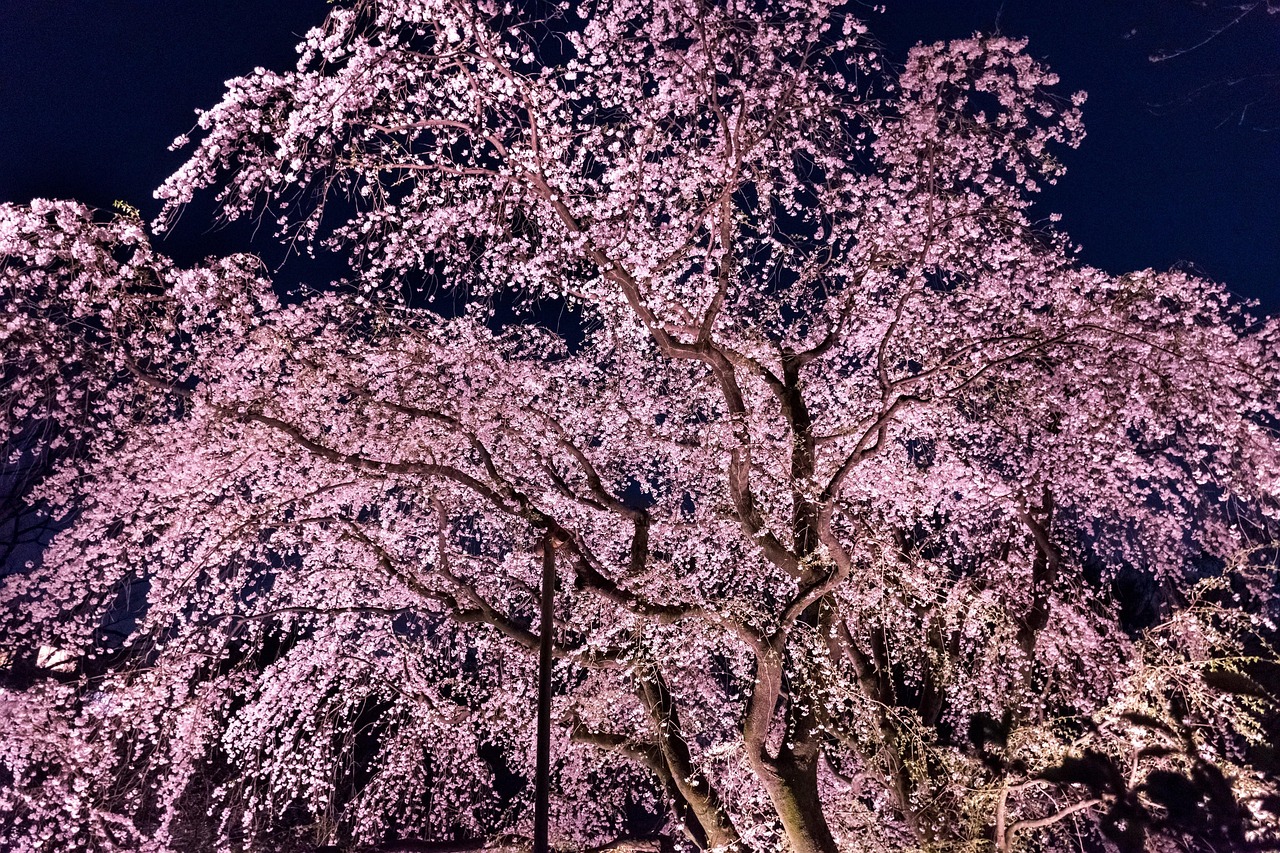
Spring cherry trees and special viewing calm at Rikugien Garden
For many first-timers, Rikugien Garden spring weeping cherry trees Tokyo Japan travel is the moment they fall for the garden’s year-round charm. The famous cherry trees—especially the weeping cherry—turn the space into soft theatre: petals catch the light, water mirrors the canopy, and the whole scene becomes natural beauty you can almost hear.
Spring is especially popular, and that doesn’t have to mean stressful. With a little design in how you walk, you can still find calm and keep your confidence even on busy weekends.
An adventure-soft route for first-timers
Arrive earlier in the morning if you can, then let the paths do their work. In rikugien, I like to create a simple rhythm: pause at a bridge, take in the pond, then continue until the next viewpoint earns another stop. When crowds gather near the blossoms, step slightly back—often the quietest photos are one metre away from where everyone is standing.
- Best pacing: slow loop first, then a second shorter loop for details you missed.
- Best pause points: anywhere you can see water and sky together—reflections calm the mind.
- Crowd reassurance: if it feels busy, keep moving; the density usually thins within minutes.
Peaceful reflection away from Tokyo’s hustle
A visitor once told me their favourite part wasn’t the headline blossom shot—it was the quiet that came after it. They took a leisurely walk, and somewhere between trees and water they felt Tokyo loosen its grip. That’s the personal gift of rikugien in spring: it supports reflection without asking you to withdraw from the world.
Also keep an eye out for other spring colour: azalea and tsutsuji brighten corners where the light falls in. During special viewing periods, flow may be guided and photo angles can change, so treat it as part of the day’s choreography rather than a limitation.
Rikugien Garden autumn illumination 2026 Tokyo nighttime light up after dark
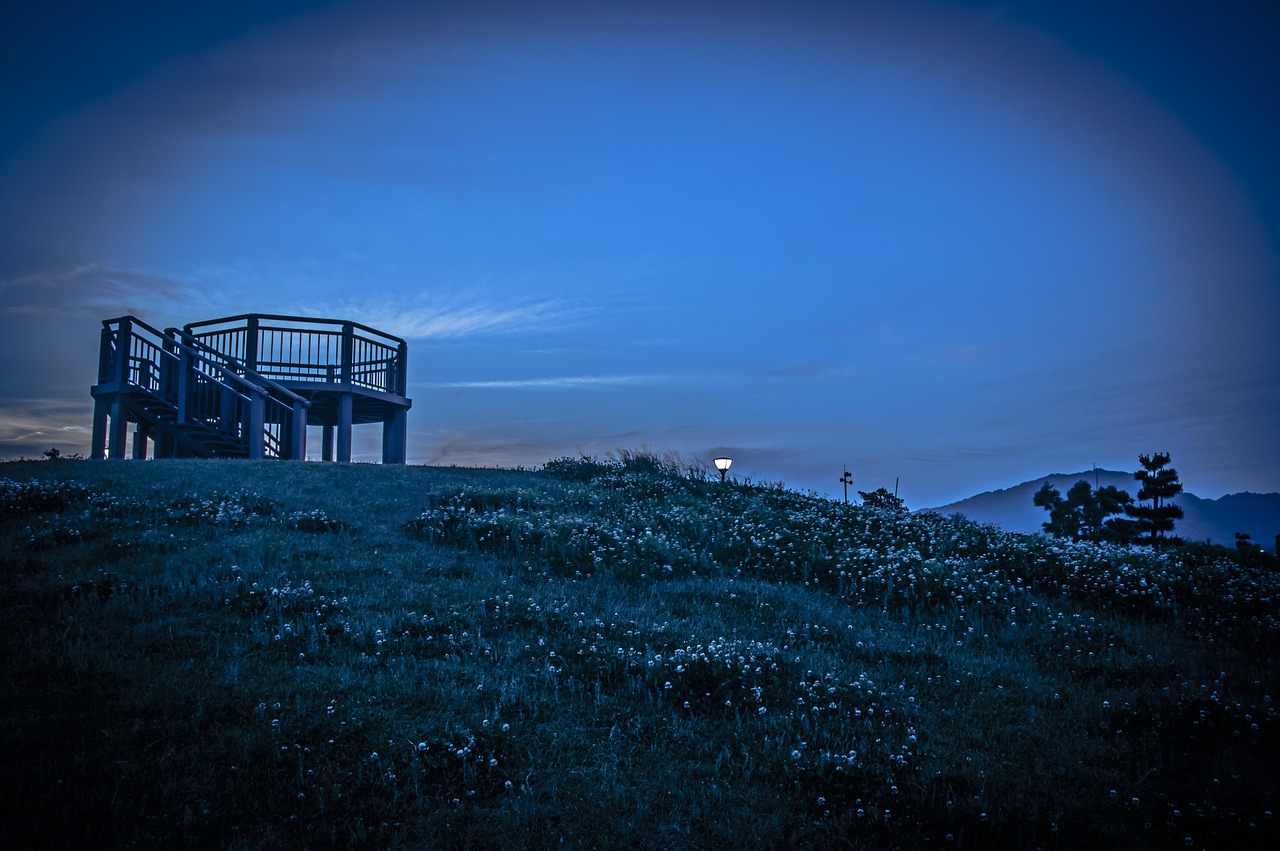
Rikugien Garden autumn illumination 2026 after dark in Tokyo
If spring is softness, Rikugien Garden autumn illumination 2026 Tokyo nighttime light up is controlled fire—quietly thrilling, never loud. The famous illumination nights turn familiar paths into something cinematic: shadows stretch, lantern light skims branches, and the garden feels like an artwork you’re allowed to walk through.
This is where adventure seekers often feel a surprising kind of adrenaline—not from crowds or noise, but from the heightened senses that come with darkness, colour, and careful lighting.
Planning the autumn season with calm confidence
Illumination events typically run in the autumn season, and entry can follow timed patterns. Plan to arrive early so you can settle in, choose your first viewpoint, and let your eyes adjust before the best scenes fill up. Checking the schedule in advance matters, and it’s also how you keep the evening seamless rather than rushed.
For photography, handheld low-light shots can be beautiful if you steady yourself against a railing or pause your breathing. The goal isn’t perfection—it’s presence.
Autumn leaves, one maple moment, and pond reflections
There’s usually one signature maple moment that stops people mid-step: a branch arcing over water with autumn leaves glowing as if lit from within. In rikugien, the pond becomes a second sky at night. Bridges double themselves in reflection, and the light-and-shadow play makes every scene feel newly discovered.
Travellers often describe a magical atmosphere during these evenings—how the garden feels both adventurous and deeply serene, as though Tokyo has stepped aside to let you have a private conversation with light.
I still think of one couple who simply stood, wordless, watching ripples carry colour across the water. No big gesture—just a quiet sense of being together in a place designed to hold you.
Note: if you see the phrase rikugien garden autumn illumination on tickets or signage, it’s referring to these seasonal light-up evenings.
Tea house matcha and local insight at Rikugien teahouse matcha traditional sweets Tokyo
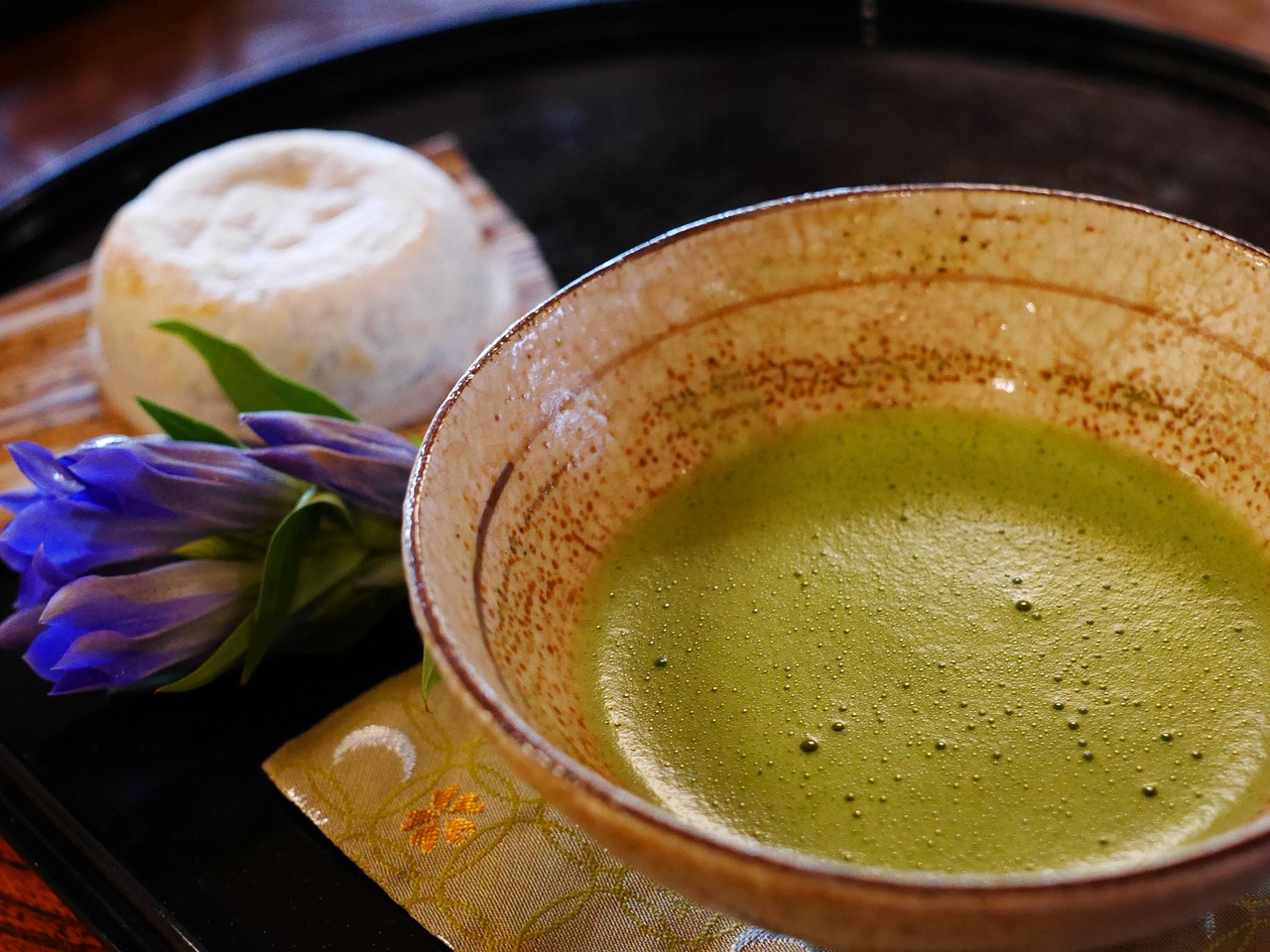
Tea house matcha with local hospitality at Rikugien Garden
After walking, Rikugien teahouse matcha traditional sweets Tokyo local insight is the warmest kind of pause. The garden encourages you to slow down anyway, but a tea stop makes it intentional—crafted, comforting, and quietly intimate.
The Fukiage Chaya teahouse is one of those places where care is practical: a calm queue, gentle voices, and a view that feels like it was designed for your cup to be held in two hands.
Tea houses culture and gentle etiquette
In Japanese gardens, tea houses and teahouses aren’t just cafés—they’re part of how the landscape teaches attention. Order a bowl of matcha and you’ll often receive seasonal sweets that balance bitterness with sweetness. A few small etiquette choices build trust with the space: speak softly, keep your phone away for a moment, and let the view do the talking.
If you’re new to matcha, think of it as an invitation rather than a test. You don’t need expert knowledge—just willingness to notice.
A hospitality story that stays with you
One first-time visitor told me they felt “held” by the service here, as if the staff were quietly supporting their experience without intruding on it. That local kindness can land deeply when you’re far from home. In rikugien, the ritual matters because it anchors you: you’re not just consuming a sight, you’re participating in a culture of attention.
For adventure seekers who want depth, this is the sweet spot—your day still moves, but it moves with insight.
Seamless logistics and nearby attractions with Rikugien Garden access Komagome Station JR Yamanote Line
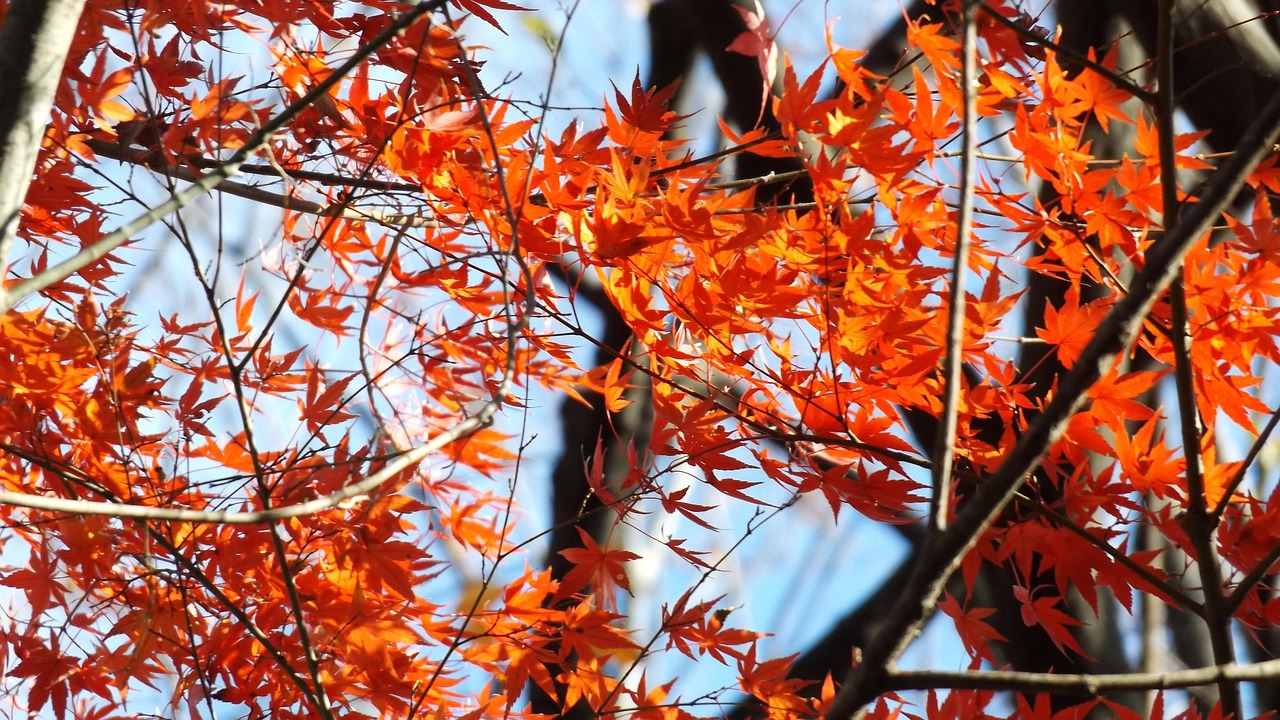
Seamless logistics and nearby attractions for Rikugien Garden in Tokyo
For a smooth day, Rikugien Garden access Komagome Station JR Yamanote Line nearby attractions is refreshingly straightforward. Take the JR Yamanote Line to Komagome Station (the Namboku line is another option), then enjoy the walk from Komagome Station—a simple 10-minute walk that acts like a mental threshold after a short train ride. Even before the gate, you’ll feel Tokyo soften.
Entry is typically around 300 yen for adults, making rikugien a high-value attraction for travellers who prioritise experience over spectacle. Standard opening hours are often around 9 am to 5 pm, with extensions during special events; always check the official website before you go, especially for illumination schedules.
Comfort, respect, and low-light photo planning
The paths can be uneven, so comfortable shoes are non-negotiable. Keep voices low, take litter with you, and avoid disturbing wildlife—this is a garden that rewards quiet. Drones and tripods aren’t allowed, so plan for handheld shots; if you want crisp evening images, steady yourself and take a few extra frames.
- Bring: a light layer for evening, a small towel, and water.
- Photo tip: use railings or your bag as support for steadier nighttime scenes.
- Mindset: let the garden set the pace; you don’t need to conquer it.
Near Rikugien day ideas with shrine stops and Tokyo contrasts
If you’re planning a fuller Tokyo travel day, there’s plenty near Rikugien. For a shrine contrast, consider Nezu-jinja shrine, where vermilion gates and quiet lanes add a different kind of atmosphere. For wider green space, Ueno Park can extend your nature fix with museums nearby.
Want a stronger city contrast? Pair rikugien with Asakusa for old-Tokyo energy, or head to Shinjuku for skyline and night streets. If your appetite leans culinary, Tsukiji Fish Market brings a brisk, sensory counterpoint to the garden’s hush. And if art is your compass, the world of Hokusai adds context to the aesthetics you’ve just walked through—how Japan frames nature, line, and negative space.
Garden lovers often ask how rikugien compares with Koishikawa Korakuen. The honest answer: both are particularly beautiful, but rikugien feels more like a poetic sequence built around water, while Koishikawa Korakuen can feel more expansive and scenic in composition. If you can, visit both in different seasons and let the differences teach you something about traditional Japanese taste.
Finally, for an adventure-friendly recovery, consider a spa stop after your walk. It keeps the day seamless and restorative—proof that “adventure” can include the courage to slow down.
If you’re weaving more Japan travel into your itinerary, our Trip gallery can help you imagine what a crafted journey looks like beyond Tokyo.
What stayed with me after 六義園
In rikugien—六義園—what lingers isn’t one landmark view, but the way the garden teaches you to notice small shifts. Light slides across water; footsteps change tone on gravel; a breath slows without being instructed. It’s a kind of care you feel in the body, not just the mind.
I think of the contrasts as seasons of the same lesson: spring’s softness, and autumn’s quiet fire. The city beyond the walls remains Tokyo—fast, brilliant, insistent—yet the garden proves there’s no conflict between speed and stillness. They can coexist, and you can choose when to step between them.
Long after you leave, you may find yourself walking more gently elsewhere, looking for reflections in windows, pausing before crossing a street, holding a moment a second longer. Not because you’re trying to be calm, but because you’ve remembered what calm can feel like—together, or on your own—when it’s designed with trust.
And perhaps that’s the real gift: the sense that you could return in another season, not to tick boxes, but to keep discovering how Tokyo can hold you, quietly, in plain sight.
F.A.Qs: Rikugien Garden Tokyo Japan
Is Rikugien garden worth visiting?
Yes—Rikugien is worth visiting if you want a serene, beautifully designed escape within Tokyo. The strolling routes, central pond viewpoints, and seasonal highlights (spring cherry trees and autumn colour) make it feel far from the city without requiring a day trip.
Is Rikugien Gardens free?
No, Rikugien Garden is not free. The entry fee is usually around 300 yen for adults, with discounts for children and seniors. Prices and event tickets can vary, especially during seasonal illumination periods.
What is the Rikugien garden?
Rikugien Garden is a traditional Japanese strolling garden from the Edo period, created around 1700. It’s known for its large central pond, carefully composed paths, and poetic landscape scenes that reveal themselves gradually as you walk.
How long for Rikugien garden?
Most visitors spend 60 to 90 minutes in Rikugien, depending on how often you pause for photos and viewpoints. If you add a tea house break or visit during an illumination event, allow closer to 2 hours for a relaxed pace.