Rome essentials in Lazio for holidays in Italy – staying in the historic centre
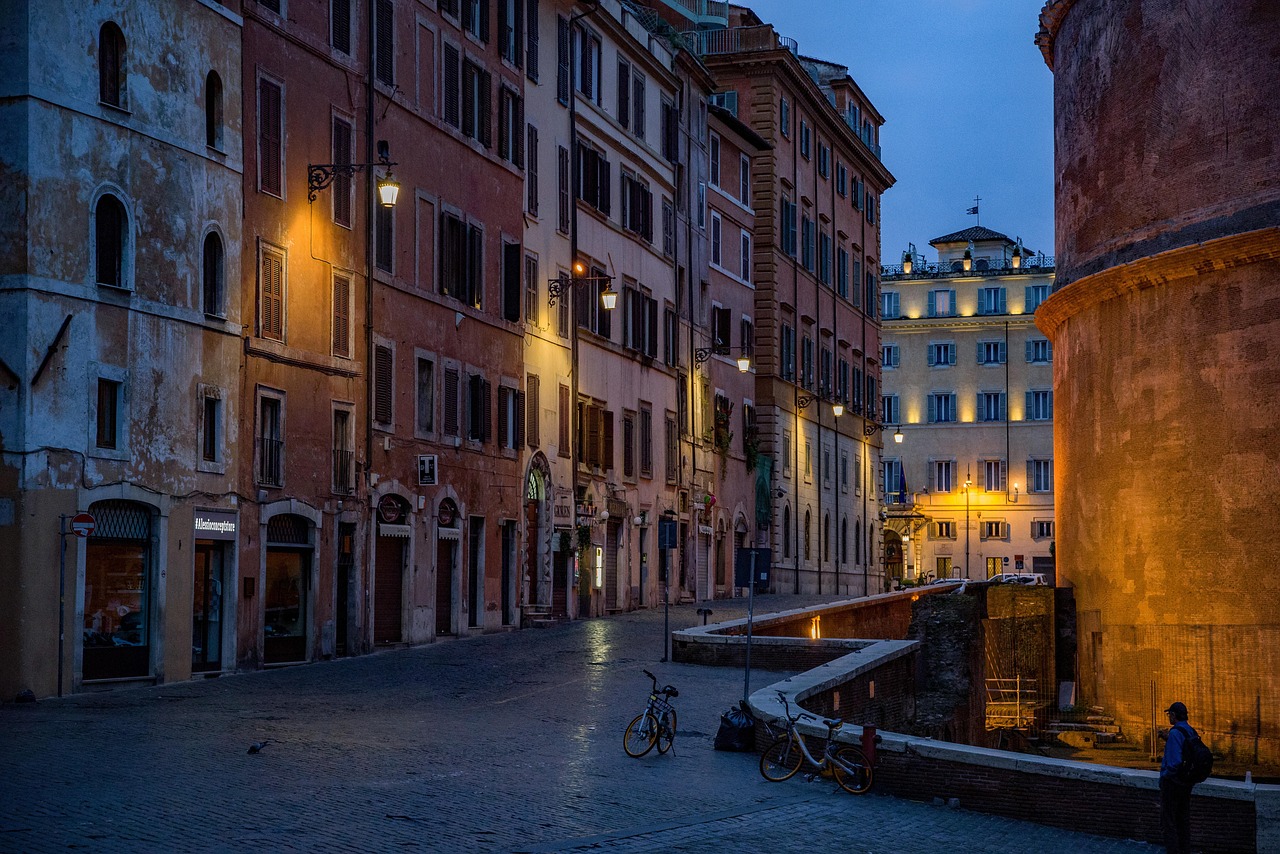
For first-timers and return travellers alike, this practical guide to Rome, Italy, starts with choosing a base that matches your pace. Think of it as a compact Rome travel guide: if you plan to visit Rome for walkable days, the historic centre keeps you close to the Pantheon, elegant streets, and small local moments that make Rome feel personal rather than performative. If you like to uncover layers on foot, stay near Centro Storico or Monti; if you prefer calmer evenings, cross the river towards Trastevere for a softer, neighbourhood feel.
Rome essentials for holidays in Italy in Lazio
Arrivals made easy: Rome city transfers from Fiumicino airport or Ciampino airport
Landing well sets the tone, especially when the city of Rome can feel big at first glance. Arrive at Fiumicino or Ciampino airport, then choose a train, taxi, or airport bus to the centre—each works when you match it to your luggage and timing. For high-end travellers, an authorised taxi or pre-booked transfer adds calm and trust after a flight, particularly at busy hours.
- Train: fast and predictable, ideal if you’re staying near Termini or travelling with light luggage.
- Taxi: door-to-door support; use the official taxi stand and confirm posted fixed rates when available.
- Airport bus: budget-friendly, but allow extra time for peak traffic and queues.
A crafted daily rhythm and a simple places to visit in Rome walking map
To create an adventure-led flow, plan morning archaeology, a shaded midday pause, and an evening passeggiata along the Tiber River. For a quick list of places to visit that feel doable on foot, start with the Pantheon (once a temple dedicated to all gods), Piazza Navona, Via del Corso, and Piazza di Spagna, with the Spanish Steps rising to Trinità dei Monti. It’s also worth keeping a few fun facts in mind: Rome’s legendary 753 founding story, with Romulus and Remus, still threads through everyday streets, and much of the historic core is recognised as a UNESCO World Heritage Site.
If you’re weighing Rome against Florence or Venice on a longer route, keep this in mind: Rome is the capital of Italy, and Lazio is your gateway to layered history without ever leaving the city’s living heart. It’s the blend of monuments, markets, and food that many travellers say makes Italy known for—intense, beautiful, and surprisingly livable.
For visual inspiration before you arrive, browse our Trip gallery and start imagining how you want your days to feel.




Colosseum underground experience – Roman Forum and Palatine Hill viewpoints in Rome
When you’re ready for the headline thrill, link the Colosseum underground visit with the Roman Forum and Palatine Hill in one seamless morning. The Colosseum is more than a monument; it’s the Roman amphitheatre in the world that many travellers dream of seeing since childhood, and it still delivers goosebumps at first sight. Begin with arena-level storytelling, then descend to the underground chambers where the machinery of spectacle once lived, and finish with an open-air walk through the ruins of power.
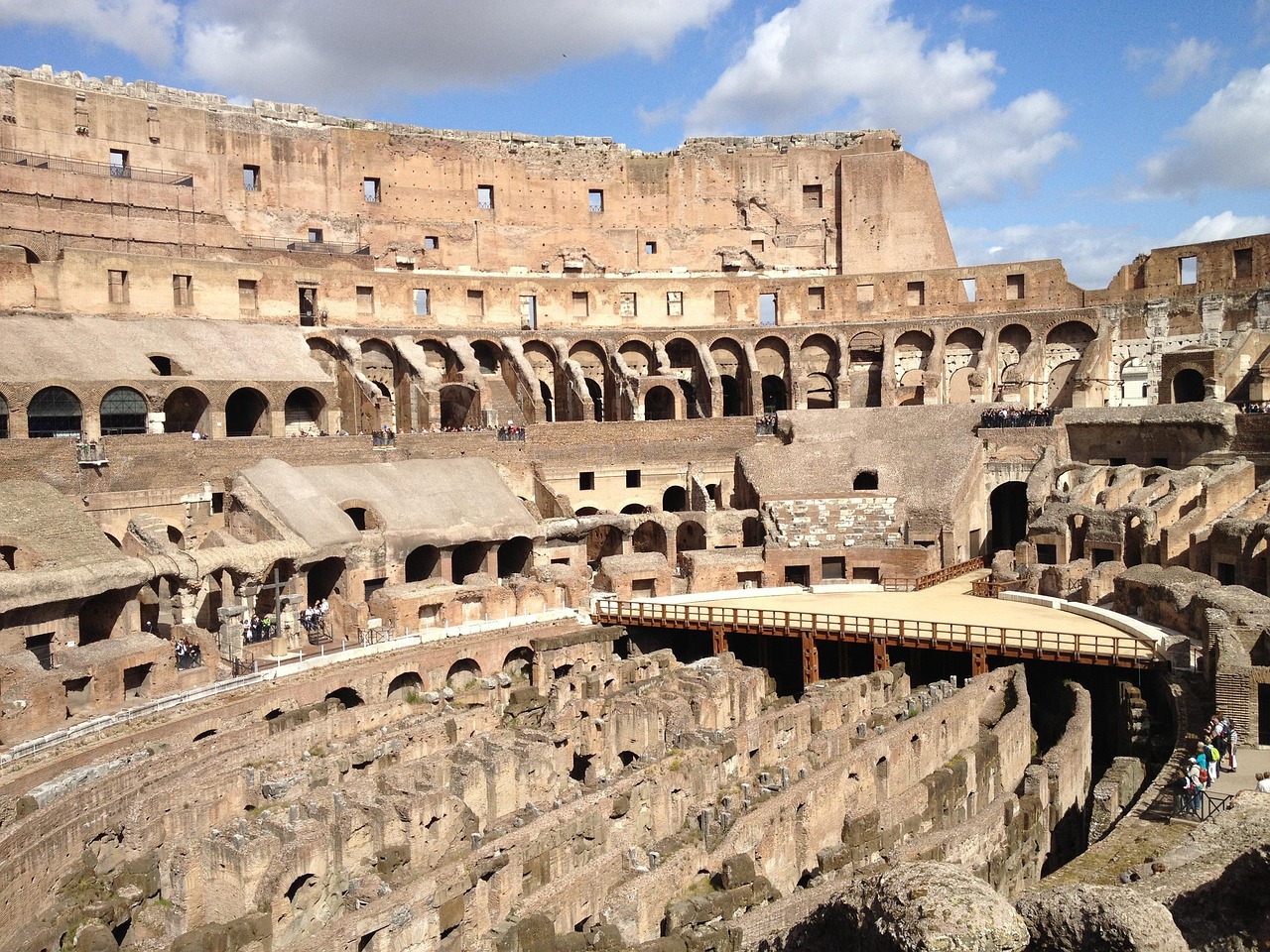
Colosseum depths and the heart of Rome
Colosseum underground depths: a gladiator world that takes you back in time
One traveller told us that stepping into the underground tunnels genuinely takes you back in time. In the half-light, with stone corridors under your feet, the gladiator world feels startlingly close—less “museum”, more lived experience. It’s a high-impact way to explore Rome’s most famous stage without feeling rushed, especially with a guide who can bring the ruins to life and help you picture the day-to-day choreography behind the shows.
Roman Forum and Palatine Hill: archaeological sites at the heart of Rome
From the amphitheatre, walk straight into the Roman Forum and up towards Palatine Hill for the heart of Rome. These are true archaeological sites, so slow down and look for layers: fragments of early homes, ceremonial spaces, and viewpoints with a sweeping view of the city. The palatine zone is also a reminder that Rome’s myths and political realities are intertwined—and that’s part of its pull across the centuries.
For orientation, pause at Piazza del Campidoglio on the Capitoline Hill, framed by Michelangelo’s design and the nearby palazzo facades—an easy reset point that makes the whole route feel more seamless. Many travellers don’t realise how much of this area lies within a wider UNESCO World Heritage landscape, so it helps to think in terms of districts rather than single stops. Go early for cooler air and softer light, then take shade seriously by midday in summer.
Ticket strategy: book combined tickets for the Colosseum, Roman Forum, and Palatine Hill to reduce queues and maintain your confidence, especially during peak seasons.
Vatican City highlights – Vatican Museums, Sistine Chapel, St Peter’s Basilica, Michelangelo and Raphael
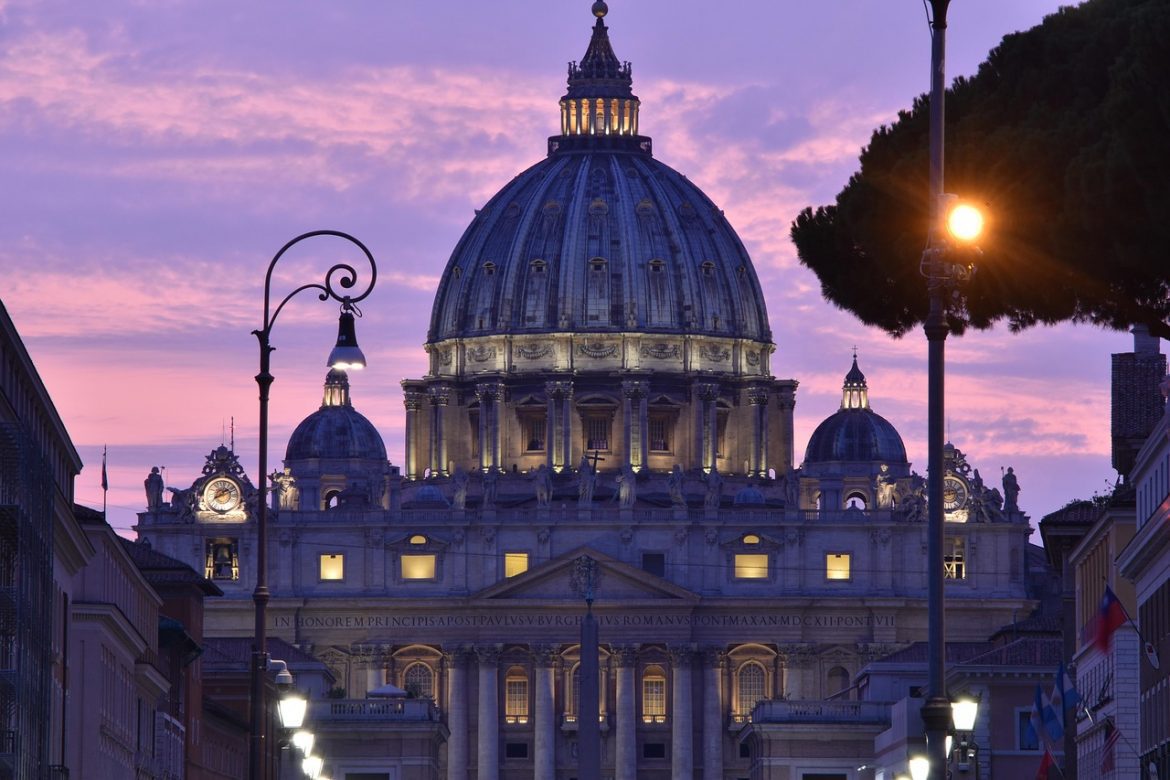
To balance Rome’s ancient adrenaline with cultural insight, plan Vatican City time as a focused morning that connects the Vatican with the city’s broader art story. The Vatican City experience is one of the most iconic in Italy, yet it rewards a gentle, unhurried approach—especially if you want to truly look rather than just move through the rooms. Aim for early entry, bring water, and treat it like a concentrated museum-and-basilica day rather than a sprint.
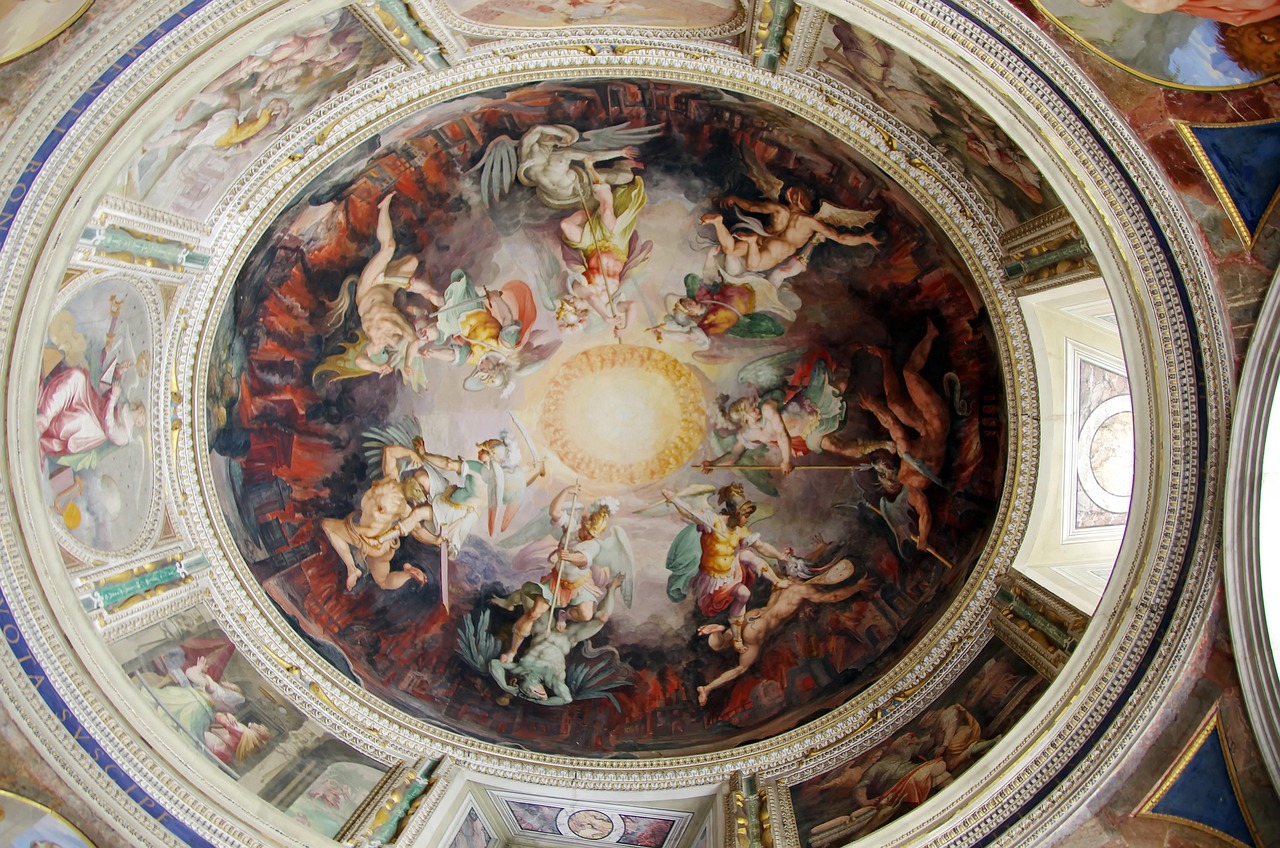
Vatican City wonders and Renaissance insight
Vatican Museums to the Sistine Chapel: how to experience the quiet masterpiece
Begin with the Vatican Museums, where corridors of sculpture and rare Renaissance works build to a climax in the Sistine Chapel. A couple once described their early-entry tour as quietly spiritual: the ceiling seemed to float, and the room held a rare hush before the day’s crowds arrived. In moments like that, a masterpiece doesn’t feel like a checklist item—it feels like a private conversation with time.
Follow the art thread of Michelangelo and Raphael and notice how each tells a different story about power, humanity, and devotion. For one helpful baroque reference point, look to Gian Lorenzo Bernini and the way his work choreographs movement and light without ever feeling heavy-handed. If you have time beyond the Vatican, a single Caravaggio canvas elsewhere in Rome can sharpen your eye for shadow and emotion, making later galleries feel richer.
Saint Peter’s Square etiquette and entering St Peter’s Basilica with care
Then step into St Peter’s Basilica. This basilica is both monumental and deeply human, and it sits in a setting shaped by papal history. In Saint Peter’s Square and inside the church, keep your voice low, dress modestly (shoulders and knees covered), and hold space with care for worshippers; it’s not just a stop, it’s one of the most meaningful sites in the world.
- Book timed entry or a guided experience well in advance for a smoother morning.
- Carry a light layer for indoor coolness, even in warmer months.
- Move slowly through crowded rooms and keep belongings secure.
When you leave, you’ll likely find the city feels different—more textured, more intimate, and more full of insight.
Trastevere after dark – things to do in Rome, Campo de’ Fiori and Trevi Fountain
As daylight softens, a Trastevere evening becomes your invitation to wander with intention. Trastevere is a joyful labyrinth of cobblestones and warm windows—slightly wild, always local—where curious travellers can uncover the kind of connection you can’t design on a map, only welcome. Pair it with a market stroll and a late-night fountain stop, and you’ll see Rome at its most relaxed.
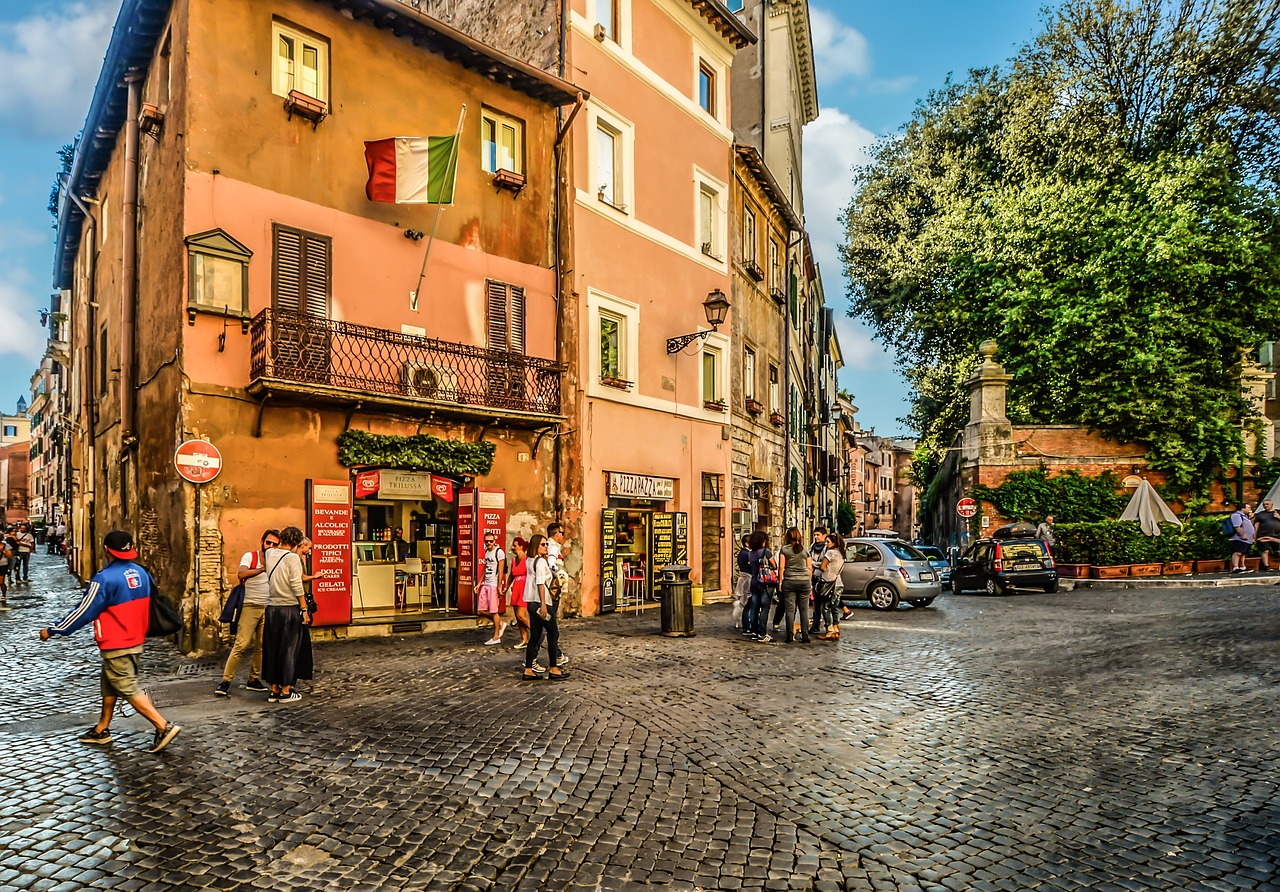
Trastevere nights: neighbourhood energy and local flavour
Trastevere piazza energy, neighbourhood stories, and a personal invitation
One adventurer told us they got lost on purpose in Trastevere’s narrow lanes and ended up being invited into a family home. Over pasta alla carbonara, laughter and warm conversation turned into a kind of informal cultural exchange—proof that Rome’s best moments often arrive when you loosen your grip on the plan. If you pass the basilica of Santa Maria, pause a moment; the glow of mosaics and the murmur of the square outside can feel like a quiet blessing.
Night tour, Campo de’ Fiori, and the Trevi Fountain ritual
For an adventure-led evening, join a night tour to see illuminated landmarks with fewer crowds, then drift into a late-hour passeggiata by the Tiber. You might meet locals out for the same ritual, and that shared rhythm can feel grounding when you’re new to the city.
Before dinner, let your senses lead you through Campo de’ Fiori: herbs and fruit, colour, chatter, and friendly banter with vendors. Keep it simple and authentic:
- Sample seasonal fruit, small bites, and a little cheese—taste as you go.
- Choose one sit-down meal away from the noisiest corners for better value.
- Try a classic Roman main: veal slices with prosciutto and sage, perfect with a glass of Lazio wine.
End at the Trevi Fountain with gelato, listen to the splash of the fountain, and throw a coin with a wish you don’t need to explain. It’s tender without being clichéd—especially when you let it stay personal.
Vespa routes beyond central Rome – Baths of Caracalla, Via Appia Antica and Castel Sant’Angelo
To shift gears and breathe beyond the busiest lanes, explore Rome on a self-guided adventure day that feels more local than crowded. Renting a Vespa can feel exhilarating, but your confidence matters more than any photograph—so choose what feels safe: Vespa, e-scooter, taxi, or even a private driver if you want extra care and local expertise.
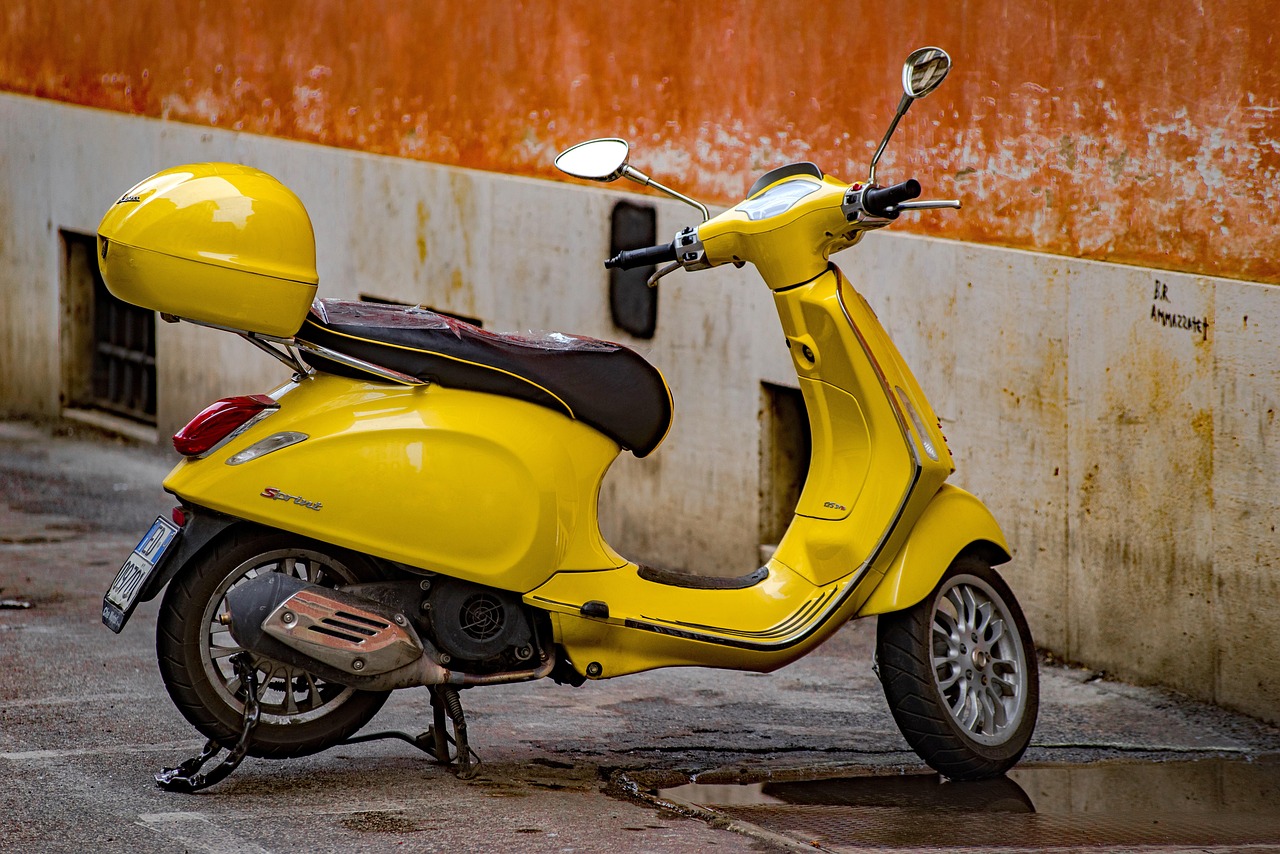
Design your adventurous routes: Vespa ruins and hidden Rome
One traveller shared how two wheels helped them escape the busy centre and discover hidden artisan shops, quiet side streets, and a true park-like feeling around Villa Borghese. If you have time for art, the Borghese Gallery is a polished counterpoint to street-level exploration, and the surrounding Borghese Gardens offer space to reset.
For an ancient atmosphere, go to the Baths of Caracalla, one of the best-preserved thermal complexes in the city. Add a short stretch of Via Appia Antica for archaeology and quiet, then loop back for a riverside photo stop at Castel Sant’Angelo and cross a ponte to reconnect neighbourhoods beyond the postcard route.
F.A.Qs: Rome in Italy travel basics for first-time visitors
What is a must-try food in Italy, especially in Rome?
In Rome, order saltimbocca alla romana at a traditional trattoria for a classic, satisfying dinner after a long day on cobblestones. For something simple, try a well-made Roman pasta made with eggs and cured pork, ideally in a neighbourhood spot where the ingredients are respected, and the atmosphere feels genuinely local.
Is Rome cheap or expensive for travellers?
Rome can be expensive, especially for centrally located hotels and peak-season tickets, but you can design a high-end trip with smart choices. Book major experiences early, use combined tickets for key sites, and eat in lesser-known neighbourhoods for better value. Many of Rome’s greatest moments—night walks, market browsing, and river views—cost very little.
What not to do in Italy as an American visitor?
Don’t assume dress codes are optional in religious spaces: cover shoulders and knees, and keep voices low in a basilica. Avoid dining right next to major landmarks if you want authentic value, and stay alert for pickpockets in crowded areas. Most of all, don’t rush—Italy rewards patience, politeness, and a willingness to adapt to local rhythm.
What is Rome in Italy famous for?
Rome is famous for its ancient heritage and world-class art: the Colosseum, the Roman Forum, and Vatican treasures such as Michelangelo’s Sistine Chapel ceiling. It’s also loved for its neighbourhood life—Trastevere evenings, market mornings, and iconic landmarks—where history, design, and everyday warmth meet in a way that feels both monumental and personal.
Final Thought
Long after you leave, the eternal city lingers in the smallest details: the echo of stone corridors under your shoes, soft light sliding across a church floor, and the hush that arrives just before you truly understand a work of art. Rome can feel immense, yet it holds you with surprising gentleness, as if the city has learned—over centuries—how to make room for your pace.
You may remember how confidence grew day by day: learning when to step into shade, how to read a queue, how to ask for help without hesitation, and how to trust your instincts in a new place. There’s a particular kind of care in Rome’s daily life—an espresso offered without fuss, a direction given with a smile—that makes even a grand monument feel human.
And perhaps that’s why returning is so tempting. Not to collect more, but to deepen: a slower walk through Lazio streets at dawn, a second look at a fresco you rushed past, a conversation you didn’t yet have. Somewhere in the background, Naples, Venice, and the Amalfi Coast can wait; Rome quietly teaches you that time can be shaped, not chased.
It might begin one evening again, with the sound of footsteps on cobbles, and the faint ripple of water where a single coin disappears—leaving you curious about what you’ll notice next time.