Colosseum Rome essentials for first-time explorers
Colosseum Rome essentials for first-time explorers
If you’re looking for a Colosseum Rome Roman Colosseum guide for adventure seekers, begin with one reassuring truth: the Colosseum still feels magnificent in the present day, even if you’ve seen it a hundred times on screen. It’s the symbol of Rome in stone—both intimate and vast—pulling you in with a quiet gravity that explains why it draws million visitors a year.
Formally, it was called the Flavian Amphitheatre, and that name matters because it anchors the story in people rather than myth. The Colosseum began under Emperor Vespasian as a public gesture following imperial excess, and its construction became a statement of civic pride. In the year 80, Emperor Titus inaugurated the Colosseum with celebrations that set the tone for centuries of public life and theatre.
Roman engineering you can read from the street
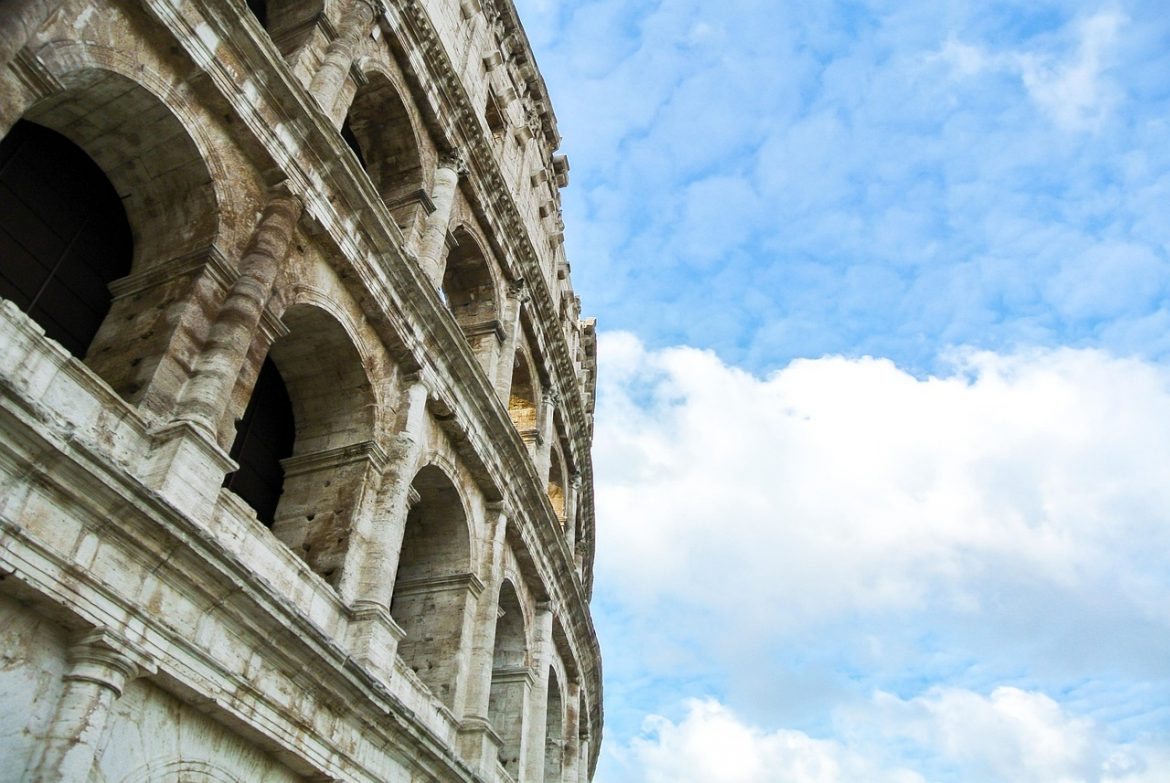
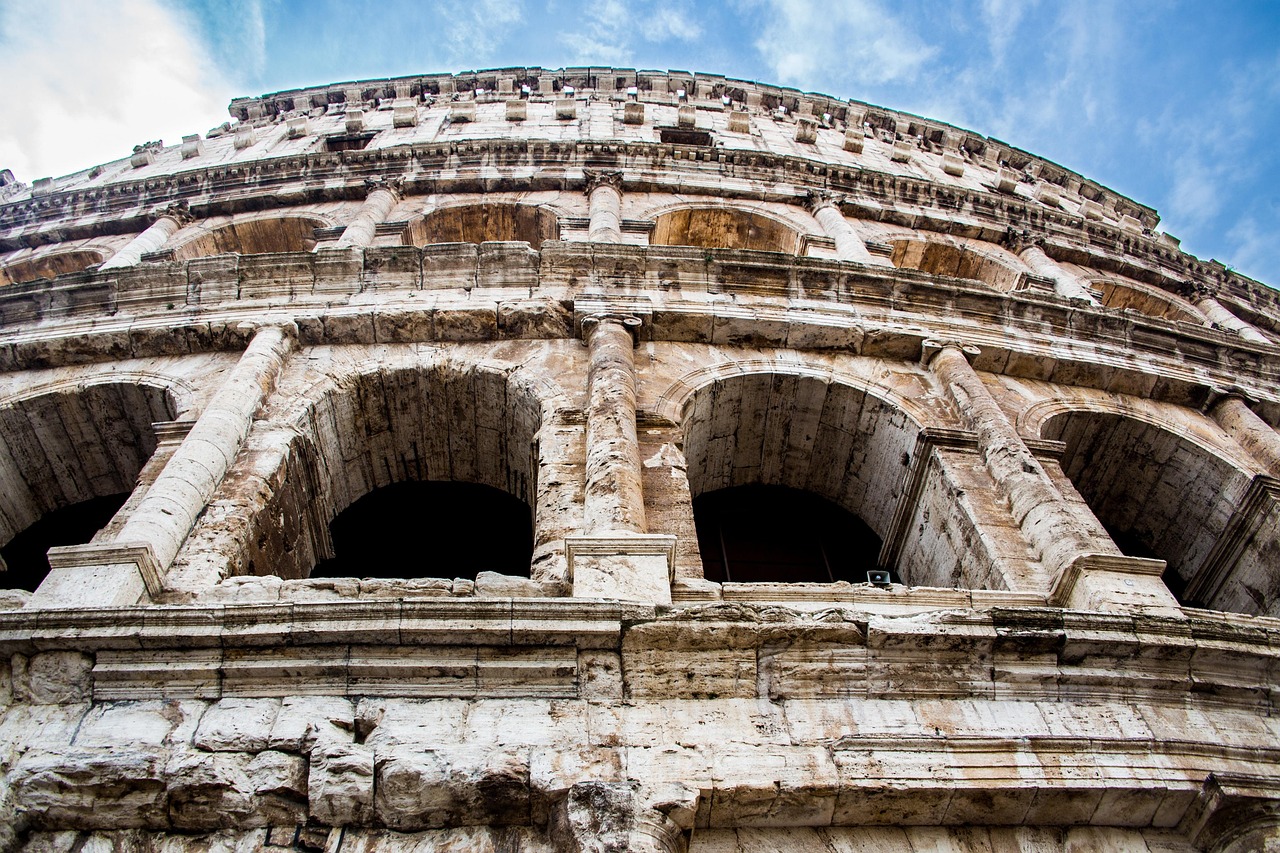
For cultural enthusiasts, the thrill is how legible the architectural logic remains. The Colosseum is an elliptical structure built in travertine, and you can still measure the rhythm of arches and load-bearing choices without needing to be an expert. Its footprint is about 156 meters across, and the stacked order system is a living lesson: Doric below, then Ionic, then Corinthian, like a classical column lesson etched into a monument.
Imagine the scale of ancient Rome’s spectacle
Even knowing the history, it’s startling to imagine the spectator experience: the surge of sound, the choreography of entrances, the sheer organisation of an empire. Sources describe 100 days of games—animal hunts, staged drama, and gladiatorial showmanship that shaped Roman identity. One visitor I met was genuinely surprised to learn the arena could even host naval displays, a reminder that Roman engineering ambition wasn’t just about strength, but about creating the impossible.
To orient yourself like a calm-minded adventurer, arrive with a simple plan: stand back first. From the broad pavement near Piazza del Colosseo, take your opening photos before you go in; the gentle curve reads best from a slight angle, not head-on. Then take a breath, set your pace with confidence, and step towards your entrance knowing the day will unfold together—layer by layer.




Beneath the arena underground tour and gladiator tunnels
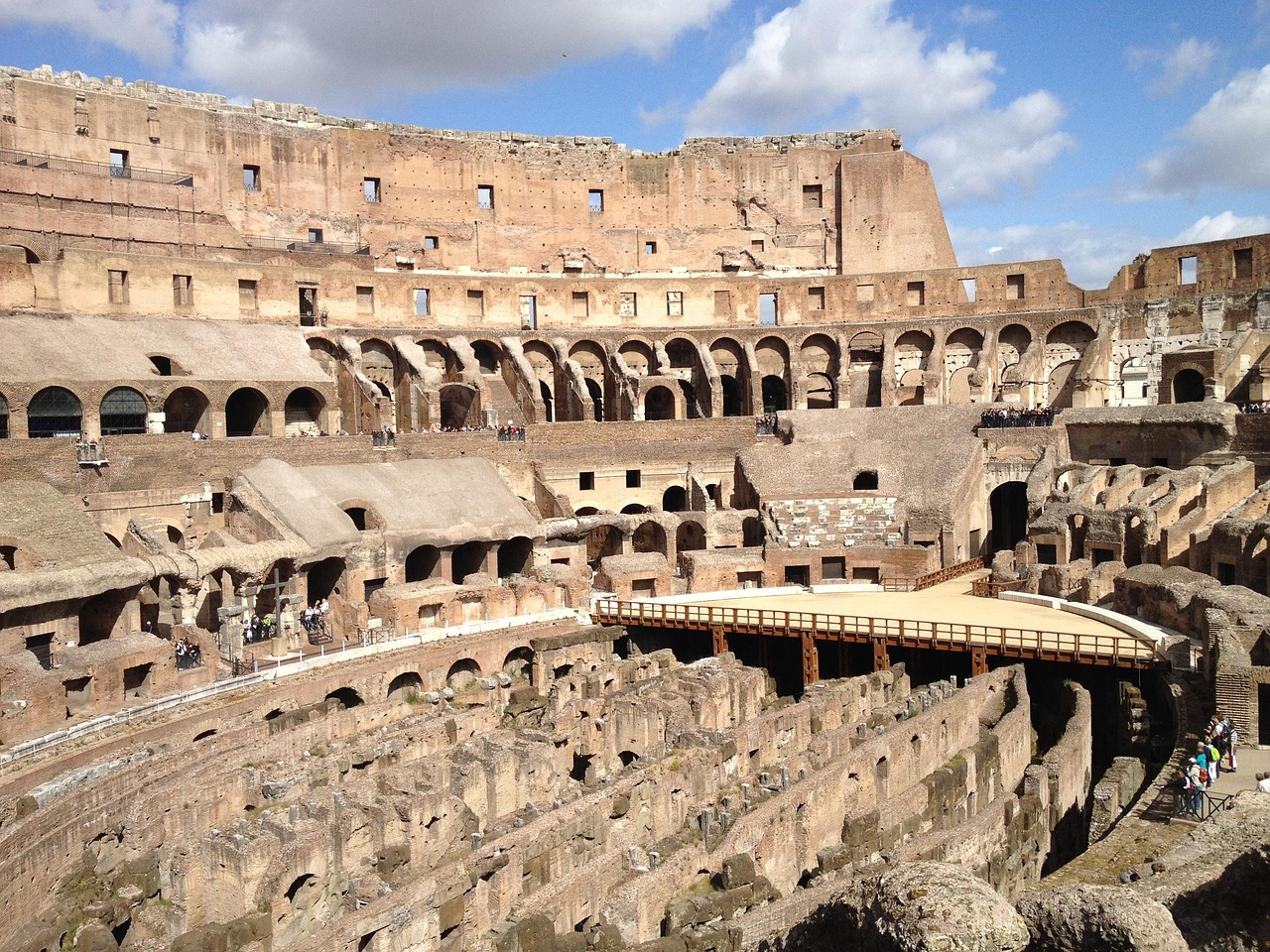
Beneath the arena underground tour and gladiator tunnels
For an underground tour Colosseum Rome gladiator tunnels guide, it helps to define what you’re actually choosing: beneath the arena means the hidden chambers and service corridors that powered the spectacle. This is where timing, lifts, gates, and animal hunts were coordinated—an amphitheatre’s backstage, where silence once carried more tension than the roar above.
A traveller once told me that walking those corridors felt like stepping back in time. The stone seemed to hold sound, and they could almost imagine the crowd swelling overhead and the moment before a fight began. It’s a deeply personal reaction, and it’s exactly why this section of the Colosseum can feel more immersive than any grand panorama.
Gladiatorial context that turns stones into stories
On one visit, an archaeologist guide shared details that were brutal, fascinating, and delivered with care—how training shaped bodies, how fear was managed, how ritual framed violence. That kind of expert insight doesn’t sensationalise; it helps you understand ancient systems without judgement. When the guide speaks well, the Roman past feels close enough to touch, yet safely held at a thoughtful distance.
How to choose a tour of the Colosseum with trust
Underground access is not the same as a standard ticket, and availability can be limited. Small-group guiding often means sharper storytelling, fewer bottlenecks, and a more crafted pace—ideal if you like adventure but also want support. Expect uneven floors, a cooler temperature shift, and narrow points; wear secure shoes and bring only what you need to ensure seamless security.
Done well, this experience doesn’t add stress—it adds texture. You leave feeling you didn’t just visit the Colosseum; you uncovered how it worked.
Night tours and augmented reality adventures in Rome
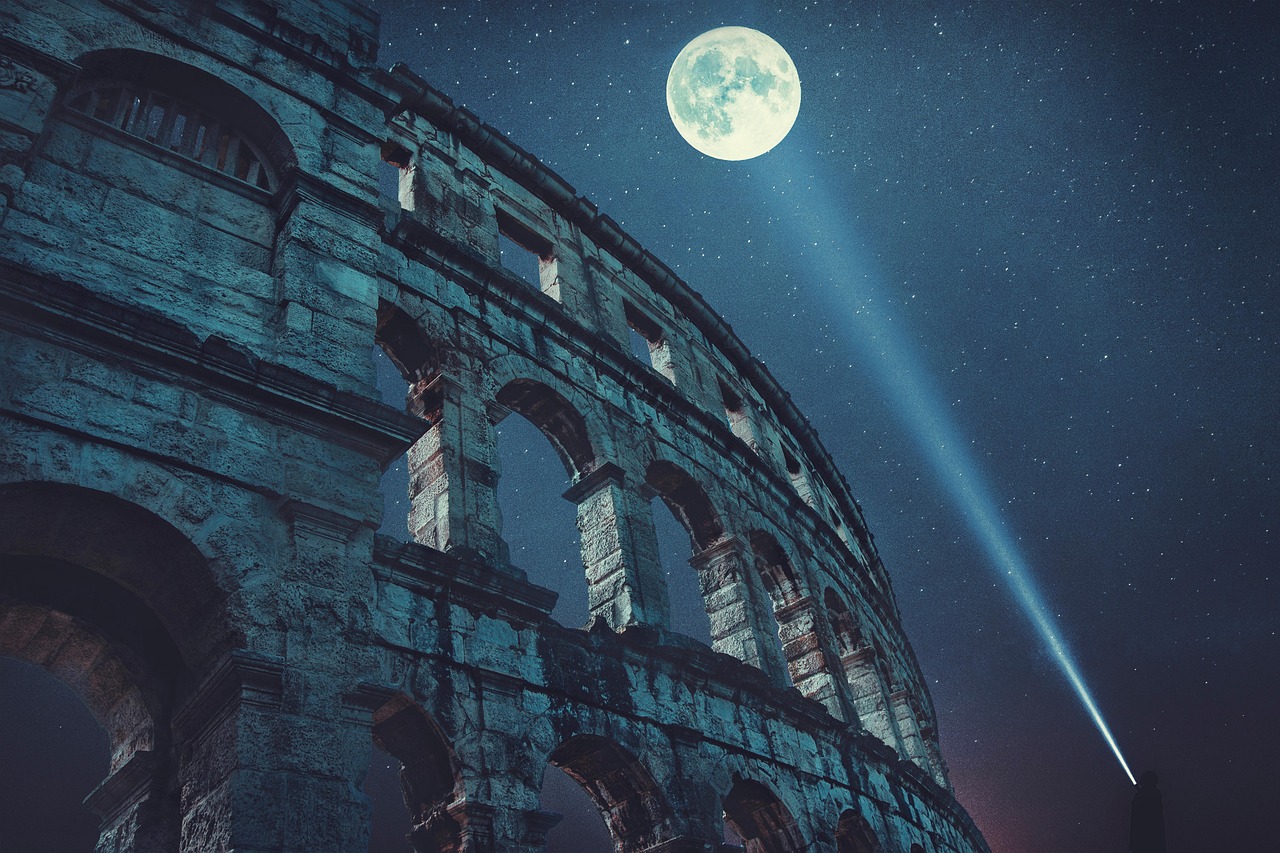
Night tours and augmented reality adventures in Rome
If you’re considering a Colosseum Rome night tour augmented reality battle experience, begin with the emotional hook that keeps travellers talking long after: the light. An adventurer once described stepping into the Colosseum after dusk and seeing it lit against the dark sky—surreal, cinematic, and strangely peaceful for such a storied Roman monument.
After dark, the atmosphere changes in ways you can feel immediately. Groups are typically smaller, the acoustics soften, and shadows reshape the arches so the amphitheatre looks less like a postcard and more like a living structure. It’s also a gentler way to explore Rome if you prefer to avoid the midday rush and heat.
Present-day Rome meets ancient stone
One of the quiet joys of an evening visit is noticing the city around it. Scooters hum past, couples pause for photos, and then—suddenly—the Colosseum dominates again, a reminder that ancient Rome sits inside modern life rather than behind it. That contrast is part of the magic: a local rhythm wrapped around a world icon.
Augmented reality as a crafted battle narrative
Some experiences offer augmented reality overlays that recreate a battle sequence or staged performance, helping you imagine the choreography without turning the site into a theme park. Done with taste, it can be a designed layer of insight: you look up, see the architecture, then glimpse a reconstructed moment that explains why the space was built as it was.
For a seamless evening, confirm your meeting point in advance and pack a light layer—stone holds cool air at night. Keep photos respectful (no flash in sensitive areas) and let yourself linger: the Colosseum at night rewards patience more than speed.
Roman Forum and Palatine Hill to uncover Ancient Rome nearby
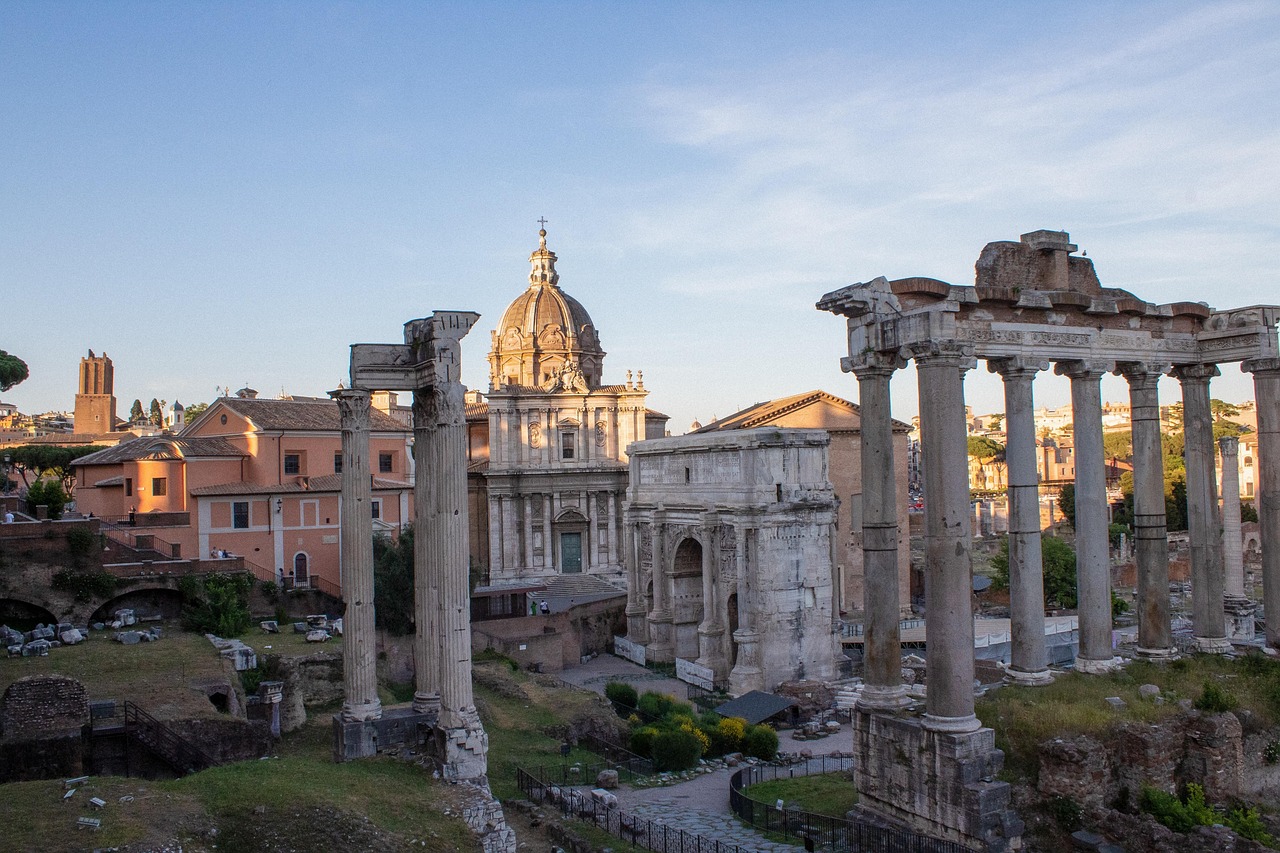
Roman Forum and Palatine Hill to uncover Ancient Rome nearby
For a Roman Forum Palatine Hill near Colosseum, Rome, ancient Roman empire walk, the simplest design is also the most satisfying: start at the Colosseum, then flow into the Roman Forum, and finish by climbing Palatine Hill. This order reduces doubling back and keeps your energy steady, especially if you’re balancing adventure with comfort.
These ruins were the heart of ancient Rome, and you feel it underfoot. The Roman Forum was a civic stage—law, commerce, ritual—while Palatine Hill became an elite address of palace life and imperial identity. Together, they transform “history” into an environment you can walk through, where the Roman empire becomes tangible in fragments of stone and space.
Ancient viewpoints and reading the landscape with a guide
Pause at arches and high points where the forum opens like a map. Even without a lecture, you’ll begin to recognise planning: processional routes, ceremonial edges, and how later centuries layered their own needs on top. With a good guide, those stones become stories—what a building was for, why an earthquake changed the skyline, where restoration and even neglect altered what we see now.
Ludus Magnus and a local-feeling detour
If you want something beyond the main queue, seek out the lesser-known Ludus Magnus, the gladiator training school once connected to the Colosseum. It’s a quieter stop that feels more local in mood—ideal for travellers who like to uncover the threads that link places together.
For history lovers, an optional detour towards the Domus Aurea area adds another lens: Nero, ambition, and how Rome rebuilt itself across a century of shifting power. You don’t need to see every corner to feel the narrative; one well-chosen viewpoint can be enough.
Tickets opening hours and a seamless Colosseum day plan
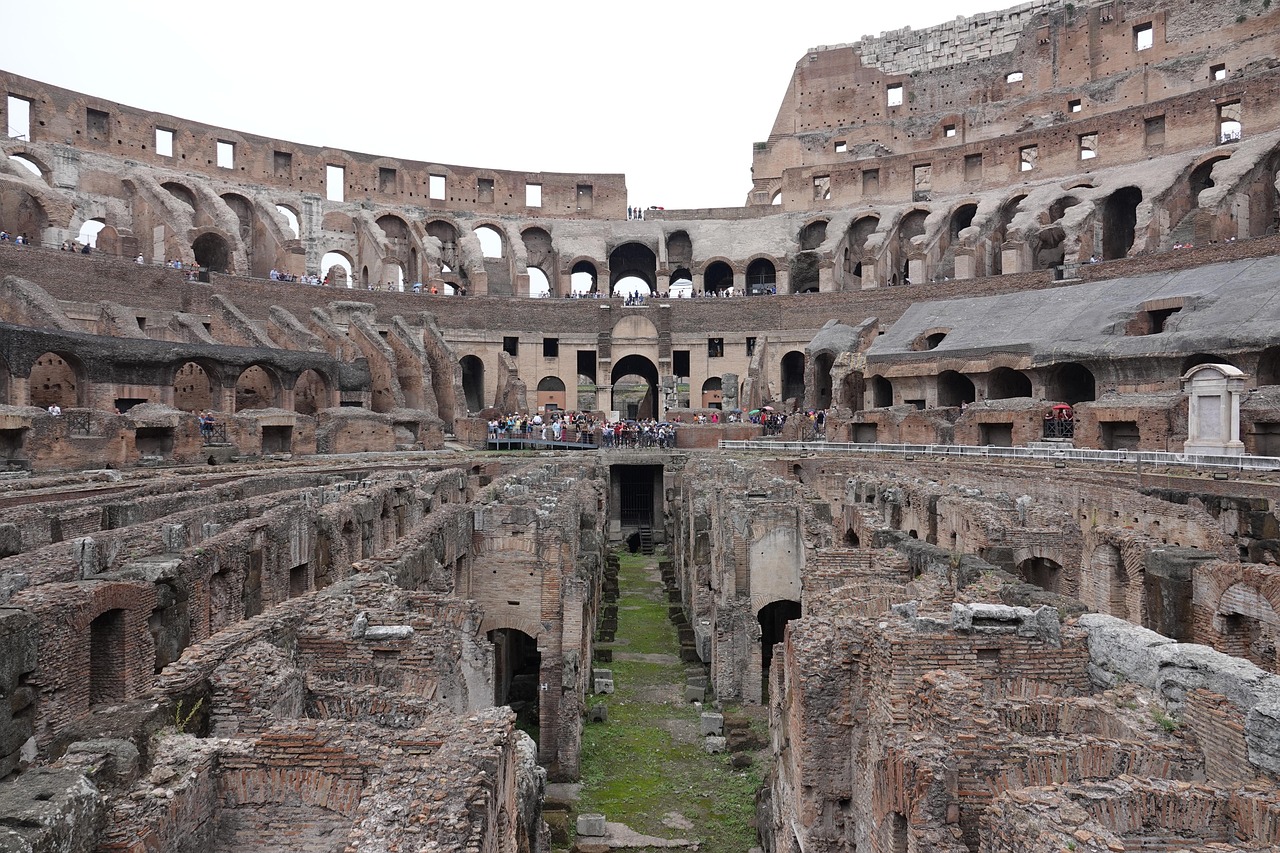
Tickets opening hours and a seamless Colosseum day plan
If you’re searching for Colosseum Rome ticket opening hours, entrance, and the Colosseo metro station details, here’s the warm reassurance: a little planning creates a genuinely calm day. Buy your ticket online in advance whenever possible, choose a timed entry you can keep, and treat the schedule as support rather than pressure. Base prices are often around 16 euros, with common discounts for EU under-25s and free entry for under-18s.
Opening hours vary by season, and the best experiences often come from arriving early in the morning or late in the afternoon for softer light and fewer bottlenecks. Expect mandatory security checks, so travel light and avoid prohibited items; the smoother your bag, the smoother your entrance. If you’re visiting during peak periods, plan one quiet moment away from the crowd—your photos (and mood) will thank you.
Ticket and transport confidence in Rome
Metro B to Colosseo station is the simplest route, and buses to Piazza del Colosseo can work depending on where you’re staying. Routes change, but lines such as 72 or 188 may be useful from certain neighbourhoods; check a current app update before you head out. If you’re coming from around Piazza Venezia, it’s a scenic walk that builds anticipation as the monument appears between the streets.
Design your day together with the right tour style
Choose your experience based on what you want to feel. A standard visit gives you the iconic sweep; the underground option adds backstage intensity; and a night visit offers mood and space. Audio guides can be excellent, but a trusted small-group guide often provides the most human insight—look for clear inclusions, official channels, and transparent policies.
- Seamless flow: Colosseum first, then the Roman Forum, then Palatine Hill for a satisfying narrative arc.
- Photo calm: Take exterior shots before entry, then let the inside be more present and personal.
- Energy care: Build in water, shade, and a slow lunch to keep the day joyful.
If you’re planning a wider high-end itinerary, pair this day with a later visit to the Vatican for contrast—ancient grit and Renaissance brilliance in one trip, without trying to do everything at once. For more inspiration as you design your route through Italy, browse our Trip gallery.
What stays with you after the Colosseum in Rome
For a Colosseum Rome reflection cultural travel experience, it helps to name what lingers. The Colosseum isn’t only a tourist attraction in Italy; it’s a place where courage, cruelty, and creativity sit side by side, held in weathered stone. It has been many things across a century of change: a colosseum became a fortress for powerful families, a place of work and quarrying, a site touched by early Christians, even a kind of cemetery in parts—then later framed by Renaissance imagination and modern conservation.
F.A.Qs: Colosseum Rome travel planning
Why is the Colosseum in Rome famous?
The Colosseum is famous as the Flavian amphitheatre, a masterpiece of Roman engineering and one of the wonders of the modern world. It hosted vast public events and remains a symbol of Rome, drawing millions because its architecture and history are still powerfully visible today.
Can you just walk into the Colosseum in Rome?
You can’t usually just walk in without planning, because entry is timed and security checks are required. Booking ahead helps you choose a slot that suits your pace, reduces queuing, and makes the experience feel more seamless—especially in busy seasons.
How much does it cost to visit the Colosseum in Rome?
Prices vary, but a typical standard ticket is often around 16 euros, with discounts for EU residents under 25 and free access for under 18s. Special access experiences, like underground or guided options, cost more because inclusions and group sizes differ.
What can you do at the Colosseum in Italy?
You can explore the main levels, choose special routes, such as the underground areas, and join evening experiences for a different atmosphere. Many travellers also pair it with the nearby Roman Forum and Palatine Hill to uncover a fuller picture of ancient Rome in one connected walk.
Present-day stillness after the spectacle
Stand for a moment and imagine the noise—then let it fade. Today, the quiet spaces between arches can feel louder than any story, and that’s where the personal meaning often arrives. You may think about how revenue and exhibition culture shape what we protect, how restoration choices guide what we notice, and how an imperial city can still teach humility if we look with care.
You do not need to see everything to feel transformed. Sometimes it’s one shadow on travertine, one view through a broken arch, one breath taken slowly as Rome moves around you. Long after you leave, you might notice the patterns elsewhere—the way cities layer, the way power leaves marks, the way human beings create—and realise ancient Rome is still speaking, softly, to anyone willing to listen.