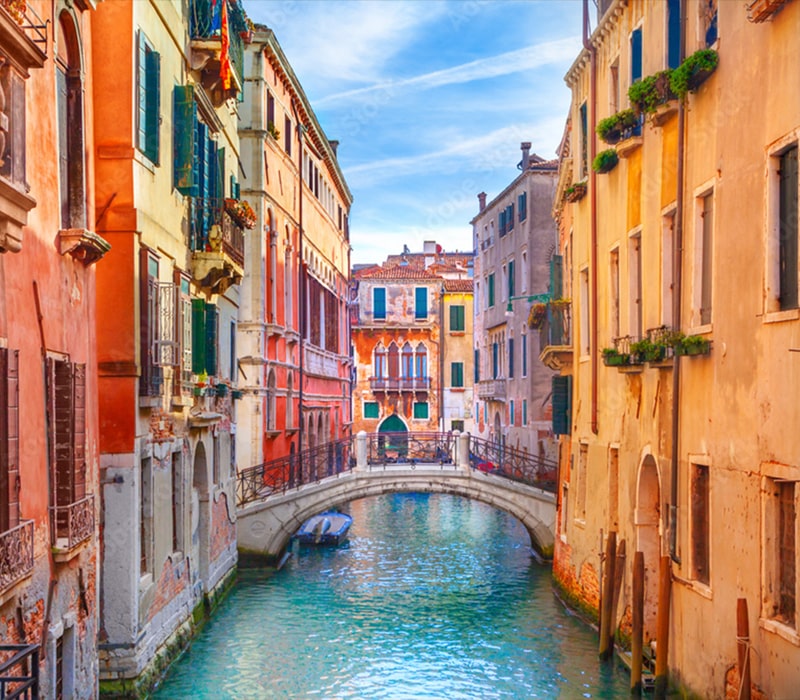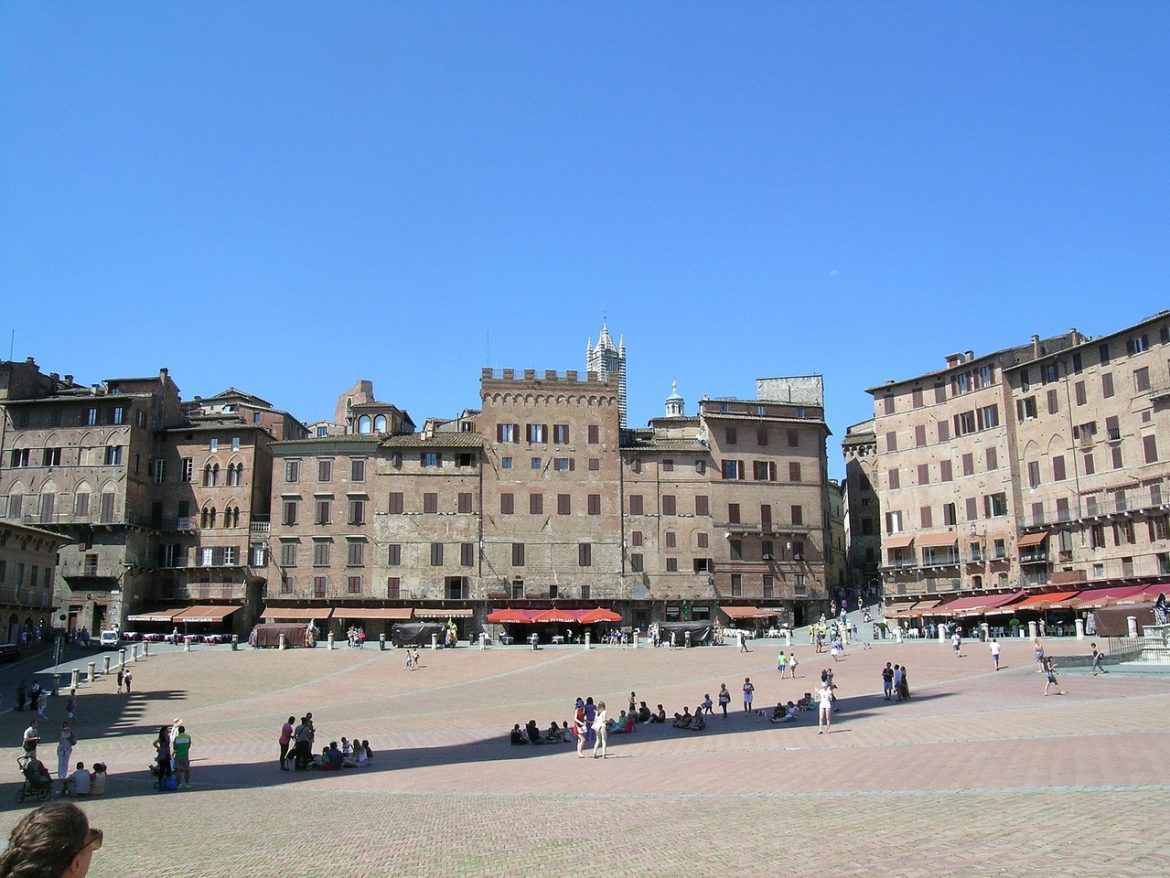
Sienna Italy guide to Siena: things to do in Siena for a cultural adventure in the historic centre
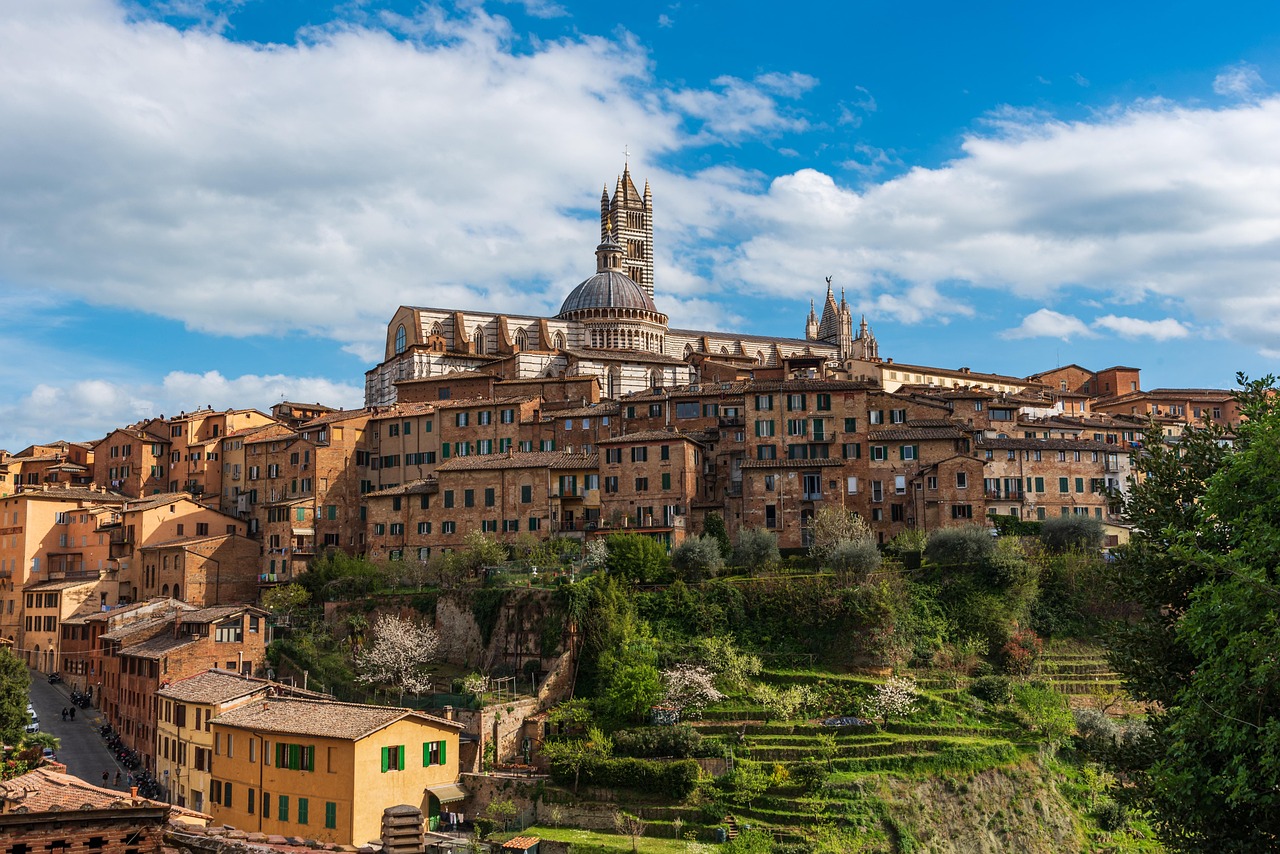
Siena cultural adventure: things to do in Siena with a view over the old town rooftops
If you’re building a things-to-do-in-Siena, Italy cultural adventure itinerary, begin with one gentle truth: Siena is a small city with a fiercely big personality, and the town wears its story openly. The old town feels lived-in rather than staged, shaped by rival neighbourhoods and a proud Sienese identity that still sets the rhythm of daily life. This is a Tuscan town where design, history, and local ritual don’t sit behind glass—they spill into lanes, voices, and the way people move through the historic centre.
What makes Siena feel different isn’t only the architecture (though the medieval architecture is extraordinary). It’s the sense that the city belongs to its people first, and visitors second—especially when you visit Siena with the mindset of a guest, not a collector of highlights. Imagine warm stone underfoot, shaded alleys opening to sudden light, and the hum of conversation that makes you feel held by the place.
Best things to do in Siena for first-timers – Piazza del Campo, Duomo & hilltop views
If your time in Siena is short, prioritise three anchors that give you instant insight into what to see and do, and create a natural walking flow. Start at the main square, Piazza del Campo, early enough to watch the day being set up—delivery vans, café shutters, and the first photographs taken while the paving still looks freshly washed. Then give the cathedral complex a quiet morning window; it’s one of the best things you can do in Siena for art and atmosphere, before you finish with a sunset wander along the medieval walls for panoramic viewpoints that remind you Siena sits on a hilltop like a watchful guardian.
Between these anchors, you can create your own adventure-seeker rhythm. Siena’s centre is compact and walkable, so it rewards curiosity: take the slightly steeper street, follow the echo of a church bell, choose the lane that smells like baking. Siena is one of those towns where “getting lost” becomes a gentle strategy, as long as you keep one landmark in mind—Campo’s curve, the cathedral’s striped marble, or the distant sound of a drum practice.
Exploring Siena on foot – easy orientation from Piazza del Campo to the Duomo
To make exploring Siena feel effortless, picture the historic centre as a bowl. The rim holds viewpoints and quieter residential pockets; the base is Piazza del Campo, where streets slide down like ribbons. The Duomo sits higher, and many routes between the two are steep, beautiful, but worth planning if you’ll walk from Piazza del Campo up to the cathedral after lunch. Siena is easily walked, yet those inclines can surprise you after a long meal or a slow afternoon of browsing.
I’ll be honest in a personal way that’s become a private refrain on every return: Siena is my favourite. Not because it’s perfect, but because it feels honest—proud without being performative, artistic without being precious. Siena is a great place to travel with light plans: trust the city’s shape, keep one landmark in mind, and follow what calls you next.
Before we dive deeper, keep your days light and your evenings open. Siena rewards travellers who leave space—space for a shadowed chapel, a shopkeeper’s recommendation, or the quiet moment when you realise you’re standing in a UNESCO World Heritage Site and it still feels like someone’s home.




Get to Siena from Florence: train from Florence, bus options & where to stay in Siena
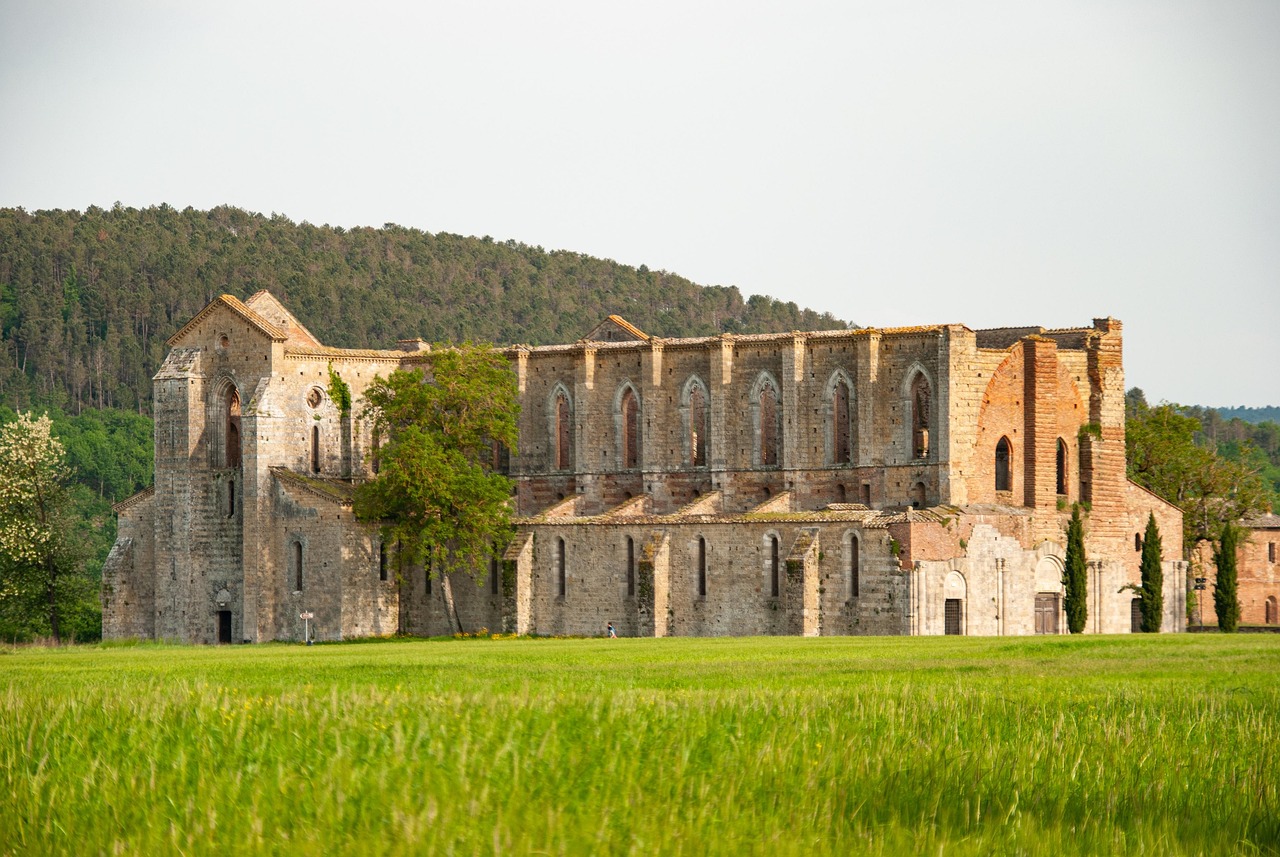
Get to Siena from Florence and settle inside the city walls for a crafted arrival
To get to Siena from the Florence train station, where to stay in Siena, the goal is simple: keep the arrival calm, then let the city do the rest. Whether you’re coming from Florence as part of a longer trip to Italy or fitting Siena into a day trip, the connection is straightforward—yet a little foreknowledge makes it feel seamless. The most common rail route begins at Santa Maria Novella in Florence, with a change that still feels easy even for first-time visitors, and it’s a reliable way to get to Siena without a car.
Many travellers take the train or bus from Florence, and the best choice depends on your priorities. The bus is often faster and drops you closer to the centre; the train to Siena can feel more relaxed, especially if you enjoy watching the Tuscan countryside slide past. If you choose the rail option, this is your train from Florence to slow down, read, and arrive in the right headspace.
Florence to Siena transport: take the train or bus, arrive at the train station, and head uphill
On a typical Florence to Siena journey by rail, you’ll arrive at Siena’s train station below the city walls. It’s practical rather than pretty, but the transition into the historic centre can be surprisingly elegant: buses run up the hill, taxis are available, and there’s a sense of “ascending” into the city. If you’re travelling with luggage, consider a taxi for a more crafted start, particularly if you’re staying within the walls where streets are narrow and cobbled.
For travel planning, buy tickets from machines or official counters, and allow a little buffer in case your connection changes. It’s rare that anything goes dramatically wrong, but a fifteen-minute cushion keeps the mood unhurried—especially if you’re meeting friends after a trip to Florence and want the handover to feel smooth. If you’re arriving late, check your hotel’s instructions for vehicle access; some properties inside the walls have restricted zones and specific drop-off points.
Where to stay in Siena inside the walls – pick a base for evenings and easy walks
If you can, stay within Siena’s medieval walls. The difference is immediate: evening becomes yours, not something you commute to. You can step out after dinner for a quiet Campo stroll, or wander to viewpoints when the streets empty and the city feels like a private stage set—stunning Siena, but without the daytime crowds.
A quick high-end checklist for choosing your base:
- Access and slopes: confirm the nearest taxi drop-off point and the steepness of the final walk.
- Luggage reality: cobbles and steps are romantic until you’re rolling a case at midnight.
- Night returns: inside the walls feels safe and atmospheric, but choose well-lit routes for ease.
As for the time to visit, late spring and early autumn offer mild weather and a gentler pace. Be aware that July 2 and August 16 transform Siena completely for the Palio—thrilling, yes, but intense. You can design either experience: the quiet connoisseur’s Siena, or the city at full-volume ritual.
Lastly, a local etiquette starter pack goes further than any map. Greet shopkeepers, keep your voice soft in churches, and dress respectfully when you enter sacred spaces. These small choices show care, and in return, you’ll often receive something priceless: warmer service, patient directions, and the feeling you’re being welcomed rather than merely processed.
If you’d like inspiration for the broader journey beyond Siena and Florence, our Trip gallery can help you imagine a route that feels both elevated and deeply personal.
Piazza del Campo in Siena: Palio traditions, Contrade museums & the main square
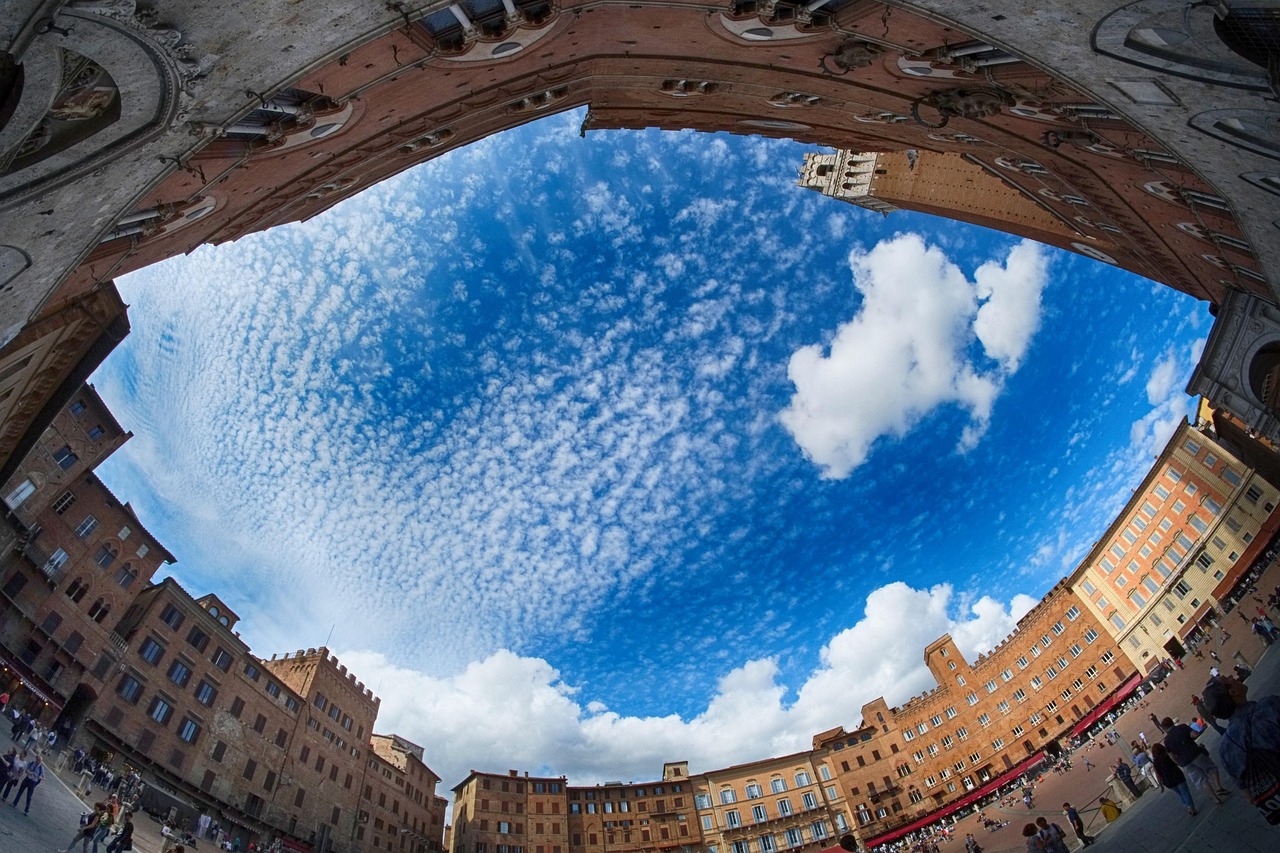
Piazza del Campo and the Palio tradition with the Contrade in the iconic shell-shaped square
For Piazza del Campo Palio di Siena horse race Contrade museums, think of Siena’s Campo not as a landmark, but as a living room—Siena’s shared space where politics, celebration, grief, and pride have all played out. The shell-shaped curve makes you want to sit down and stay awhile, reading the light on brick and listening to the city breathe. You’ll notice a fountain tucked into the scene, and you’ll likely spot flags and emblems adorning the lanes that spill into the square—emblems adorning the streets like quiet signposts of belonging.
On one side rises the Palazzo Pubblico, a reminder that Siena’s civic identity has always mattered. Nearby, the Torre del Mangia anchors the skyline with a confidence that’s almost playful. This is the heart of Siena, and it’s best enjoyed slowly: espresso first, then a walk across the paving that feels like a gentle slope towards the centre of the city’s story.
Palio in Siena explained: contrade, parade culture, and the area of the city
The Palio is not a tourist performance; it’s a local ritual that reaches back to the 13th century, bound up with faith, identity, and the fierce love of neighbourhood. The Palio di Siena is run twice each year, and during the lead-up, the city changes tone: dinners spill outdoors, drums echo through alleys, and the smallest child seems to know the colours of their people.
There are seventeen contrade, each with its own symbols and alliances. Even if you only learn a little, you’ll feel the pull of it. Watch the way locals glance up at banners or pause by an emblem carved into stone—those cues are a language. And yes, it can be intense, but it’s also strangely unifying: the whole city seems to support the tradition together, even as rivalries simmer.
Palio planning in Siena: buy tickets, find the ticket office, and manage crowds
If you plan to attend the famous Palio horse race, treat it like a major event. Buy tickets well in advance, and be realistic about crowds and visibility. Some of the most powerful moments happen around the race—parades, drumming, blessings, and the communal energy—so your experience isn’t only defined by your view of the track.
When you arrive, use the official ticket office and read the entry instructions carefully. If you need to buy a ticket on the day, understand that availability can be limited and the process can feel compressed. Dress for the heat, keep water close, and agree on a meeting point with your group in case phone signals struggle amid the crowd.
A traveller once told me they expected spectacle, but what stayed with them was the city’s collective focus. As the drums tightened the air, they felt their own pulse match Siena’s. When the horses broke forward, the roar wasn’t just excitement—it was identity. They described the moment as exhilarating and almost tender: an entire city, eyes bright, holding its breath for the colours it loves.
To deepen your understanding beyond photographs, visit the Contrade museums. You’ll see silk banners, drums, and sacred objects that carry memory. Step softly, ask permission before taking photos, and allow yourself to feel the pride that lives there. This local insight makes the Campo more meaningful, turning “a beautiful square” into a place of belonging.
Duomo di Siena: Siena Cathedral, Piccolomini Library & Santa Maria della Scala
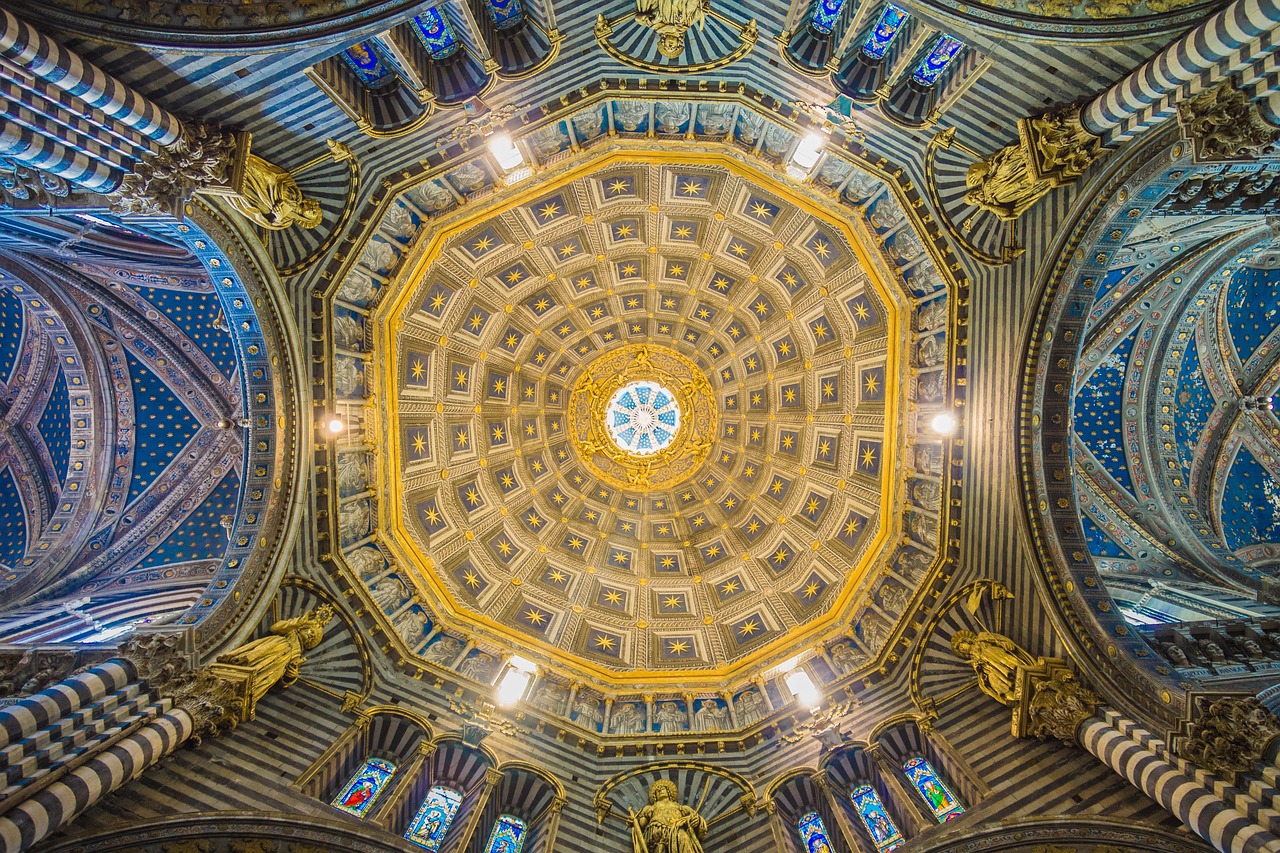
Duomo di Siena and the art that makes you pause inside the cathedral
For a visit to the Duomo di Siena, Siena Cathedral, and Piccolomini Library, the most luxurious strategy is time itself. Aim for a calm morning: when free entry is offered early, it can feel like you’ve been let into a sacred world before the city fully wakes. Even when tickets are required, arriving early tends to deliver a quieter route inside the cathedral—and that changes everything. You’ll hear your footsteps, notice the coolness of marble, and feel the space rather than simply “see” it.
The Siena Cathedral is a masterclass in atmosphere. The exterior façade is a theatre of sculpture and pattern, while the interior’s striped marble feels like a graphic design statement made centuries before modern minimalism. Look up, then down: Siena’s artisans wanted your gaze to travel, to move, to consider. It’s not rushed art; it’s art that asks for a pause.
Duomo highlights: di Siena craftsmanship, marble patterns, and sacred calm
As you explore the Duomo, let your attention rest on the carved pulpits, the shifting light, and the way the building holds both grandeur and intimacy. This cathedral doesn’t demand expertise; it offers it. If you enjoy guided context, a short audio guide can be worth it, but keep your pace unhurried. This is a place where silence is part of the design.
You may see references to Santa Maria within the complex, and it’s worth recognising how layered Siena’s sacred architecture is. Nearby, Santa Maria della Scala (once a hospital) adds another dimension—frescoed halls and quiet corridors that widen your understanding of care as a civic art form. If you have the energy, it’s an optional add-on that feels intellectually satisfying rather than exhausting.
Piccolomini Library visit: frescoes, colour, and a slower pace
The Piccolomini Library is the kind of room that makes you stop mid-sentence. An art enthusiast once described their first step inside as “walking into colour itself”. The frescoes don’t merely illustrate Renaissance history; they animate it, making you feel how stories were told before screens, before speed. You’re not just looking—you’re being invited into an imaginative world built to inspire faith, power, and wonder.
Practical reassurance: ticket types vary across the cathedral, library, and connected sites, and timed entry may apply during busy seasons. If you’re unsure, choose a combined ticket so your experience feels crafted rather than piecemeal. Build in breathing space—five minutes outside in the light, a sip of water, a slow walk back towards the Campo—and you’ll keep your own sense of calm intact.
When you leave, you may find Siena looks different. The streets feel more vivid, as if the colours of the frescoes sharpened your attention. That’s the gift of Siena’s art: it doesn’t stay behind; it travels with you into the day.
Around Siena: day trip to San Gimignano and Chianti near Siena in Tuscany
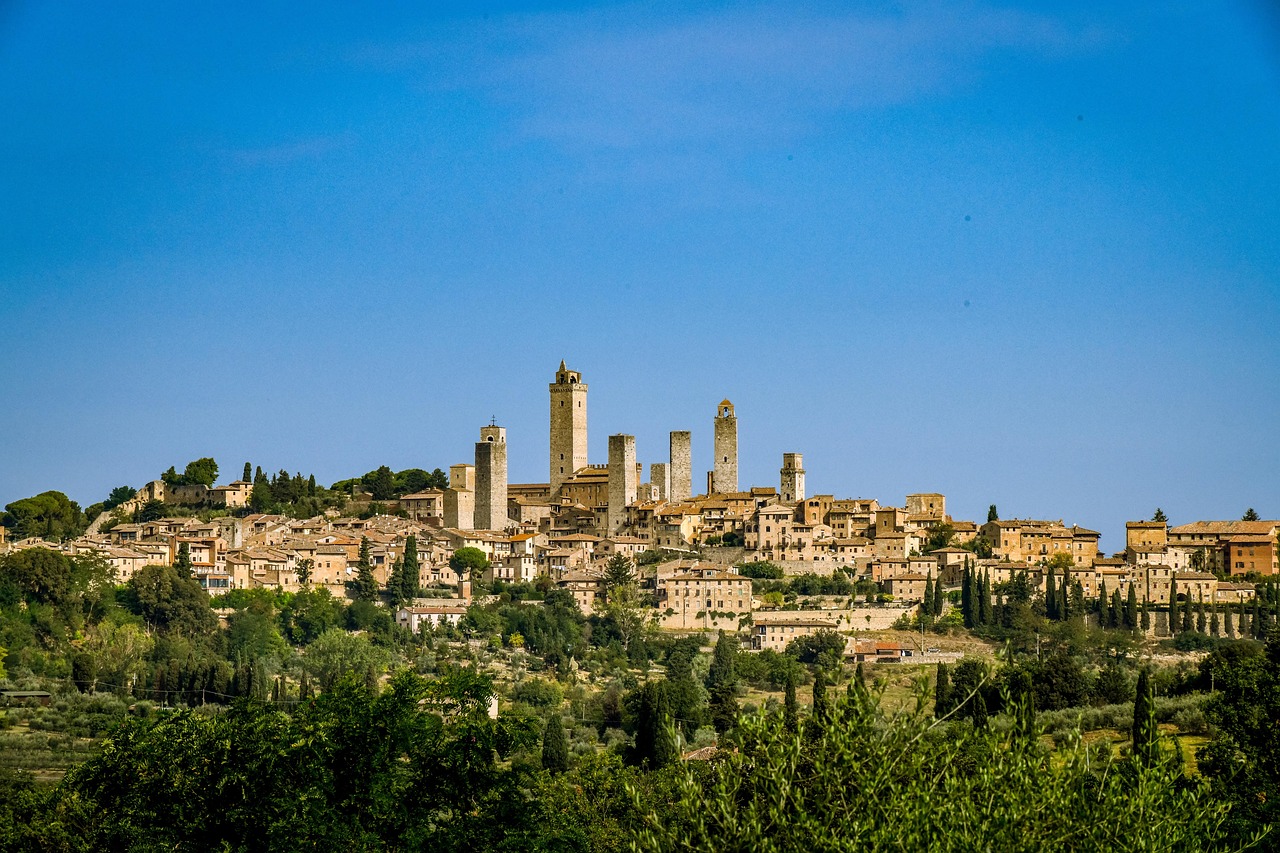
Around Siena day trip thrills to San Gimignano and Chianti in the Tuscan hills
If your notes say day trip to San Gimignano near Siena, Tuscany, you’re thinking like an adventure seeker: you want the city and the countryside, the art and the air. Siena is surrounded by landscapes that look composed on purpose—vineyards, olive groves, and roads that curve like brushstrokes. This is where you can design a day of hilltop viewpoints, short walks in the Tuscan hills, and tasting stops that feel intentional rather than chaotic.
Think of this as a contrast day. Siena provides the structured beauty; the countryside provides the exhale. Start early, keep your route tight, and return before dinner so the evening belongs to the city again.
San Gimignano day trip near Siena – hilltop towers, views, and easy walks
San Gimignano is the classic companion to Siena—another Tuscan town with a distinctive silhouette, famous for its towers and open squares. If you’re planning a day trip, arrive before midday so you can wander without shoulder-to-shoulder crowds. Climb gently through lanes, pause at viewpoints, and let yourself enjoy the simple pleasure of looking out across fields that seem to glow.
If you’re visiting Siena with kids, San Gimignano can be surprisingly easy: there are open spaces for little legs to roam, and gelato stops that make everyone happy. Even adults fall into the ritual—one scoop, then another street, then one more view. Keep it light, and the day stays joyful.
Wine-country tasting route – Tuscan countryside drives with smart boundaries
For Chianti, the best luxury is restraint. Choose one or two wineries at most, pre-book tastings where required, and leave time for the drive itself. The Tuscan countryside is the point as much as the wine: cypress-lined bends, sudden viewpoints, and the feeling that you’ve slipped into a painting.
If you’re driving, set clear limits, keep water in the car, and appoint a designated driver. If you prefer not to drive, a private driver can make the day truly seamless, freeing you to savour the landscape without the mental load of navigation.
Back in the city of Siena, bring the day to the table. Seek a traditional trattoria for pici pasta, local cheeses, and cured meats, then finish with panforte—dense, spiced, and unmistakably Sienese. A food lover once shared a memory that captures Siena’s warmth perfectly: they were invited by a local family to a home-cooked Tuscan dinner, and what they remember most wasn’t the menu, but the feeling of being included.
This is the rhythm that makes a trip to Siena feel complete: slow mornings in the lanes, active afternoons beyond the walls, and golden-hour walks back into the city. You can almost script it—yet Siena will still surprise you in the details.
FAQs: Siena travel planning, transport, and best things to see and do in Siena
What is Siena, Italy, best known for?
Siena is best known for Piazza del Campo, the Palio tradition, and the Gothic beauty of the duomo, plus the city’s remarkable art and museum-quality interiors. The city’s Contrade neighbourhoods also shape local life, giving Siena a proud identity that feels alive rather than museum-like.
Is Siena worth visiting in Italy?
Yes—Siena is worth visiting for its walkable historic centre, iconic architecture, and immersive culture. Siena is one of the best things you can add to a Tuscany route because it’s easy to explore on foot, enjoy Tuscan food in traditional trattorias, and still find quiet moments on the city walls, especially in late spring or early autumn.
What is better, Florence or Siena?
Florence offers world-famous museums and a Renaissance scale, while Siena feels more intimate and medieval. Many travellers love pairing them: Florence for grand art collections, Siena for atmosphere, ritual, and slower evenings. The “better” choice depends on whether you want big-city energy or a smaller, more local pace.
Is it better to take a bus or train from Florence to Siena?
The bus is often faster and arrives closer to Siena’s centre, which can be convenient if you have limited time, including for a day trip to Siena. The train can feel more relaxed, but it arrives at the train station below the city walls, so you’ll need a bus or taxi uphill. Choose based on speed versus comfort, and consider your luggage and timing.
What the town of Siena leaves with you – art, ritual, and Tuscan warmth
When it’s time to leave, you may realise that Siena was never only a destination. Siena is also a feeling—warm stone underfoot, a distant drumbeat that seems to live in the walls, and the quiet pride of a town in Tuscany that lingers long after you go. Even the light feels specific here, as if the rooftops hold a soft gold that can’t be replicated elsewhere.
Personal memories tend to surface without effort. The Palio’s thunder, not just as noise but as shared breath. The cathedral’s colour is bright enough to make history feel present. A table where you were welcomed, and the simple act of eating became a kind of belonging. Siena is one of those places that doesn’t make you more “expert” at travel—it simply makes you more open, and that’s a gentler kind of confidence.
You might carry Siena’s pace into the rest of your journey, letting the next city reveal itself more slowly. If you’re visiting Siena on a broader Tuscany route, try leaving with one small habit: slow down enough to notice details—stonework, doorways, and the sound of footsteps in lanes. Later, you may find yourself greeting strangers more warmly, or stepping into a church with a little more care.
And perhaps, months from now, you’ll catch yourself imagining an evening walk that begins with a soft echo in the lanes and ends with distant Contrada colours flickering in your mind—like a promise that some places wait patiently for your return to Siena italy.