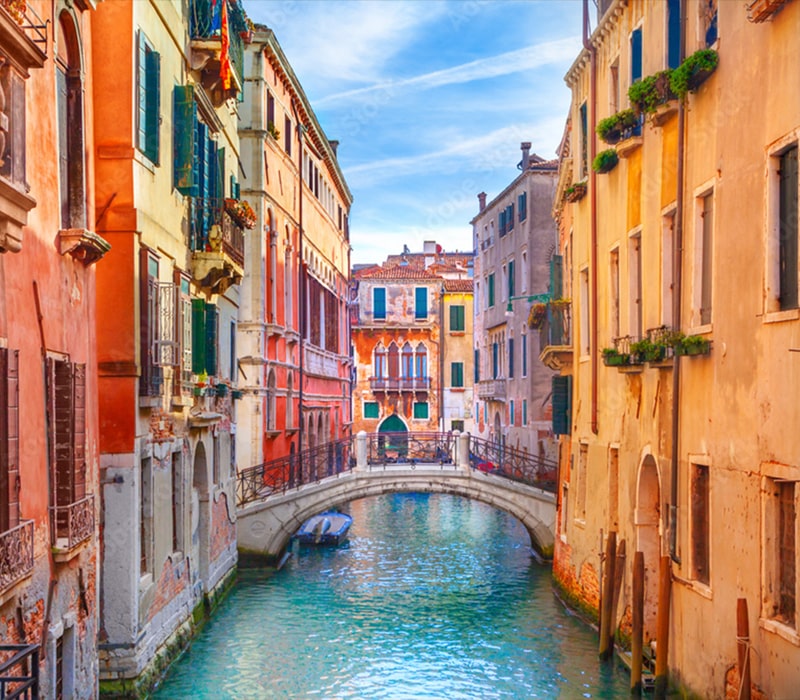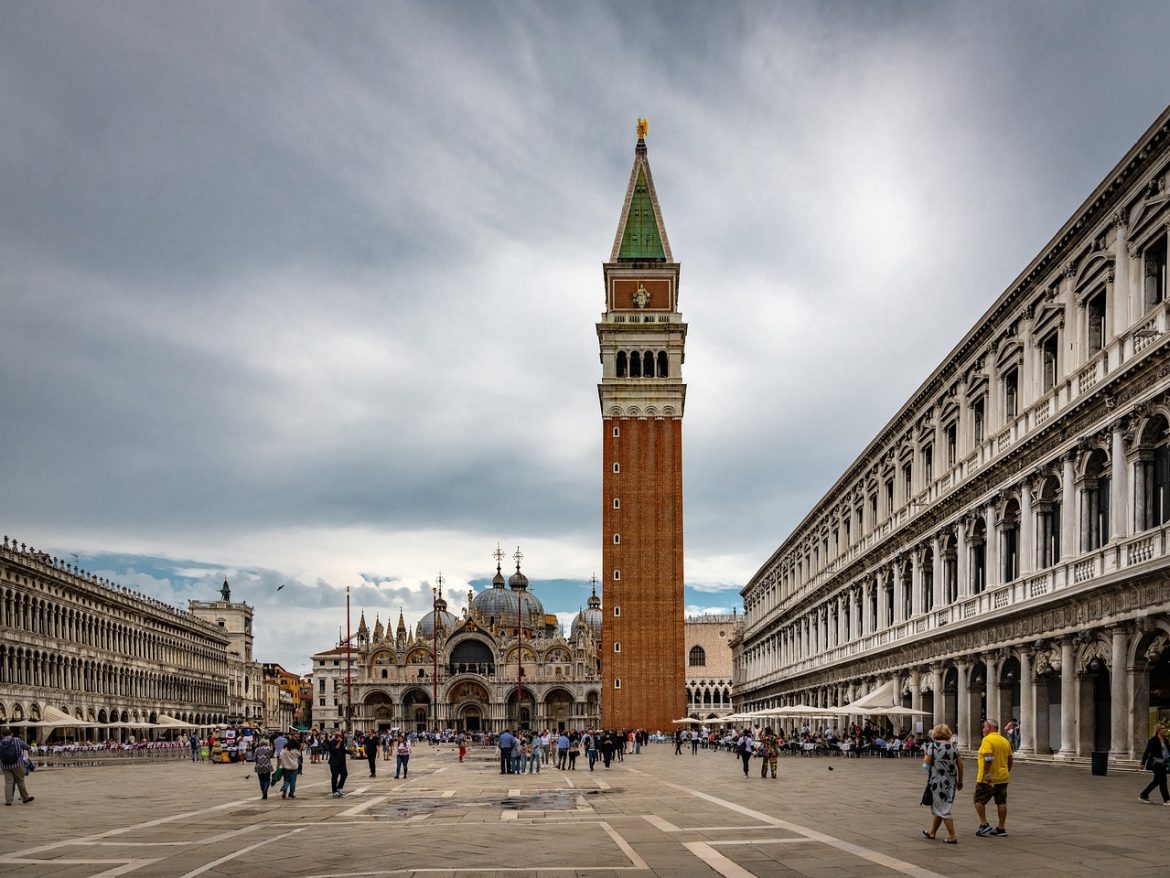
Arriving in Venice and finding your way to Saint Mark and San Marco Square arrival guide
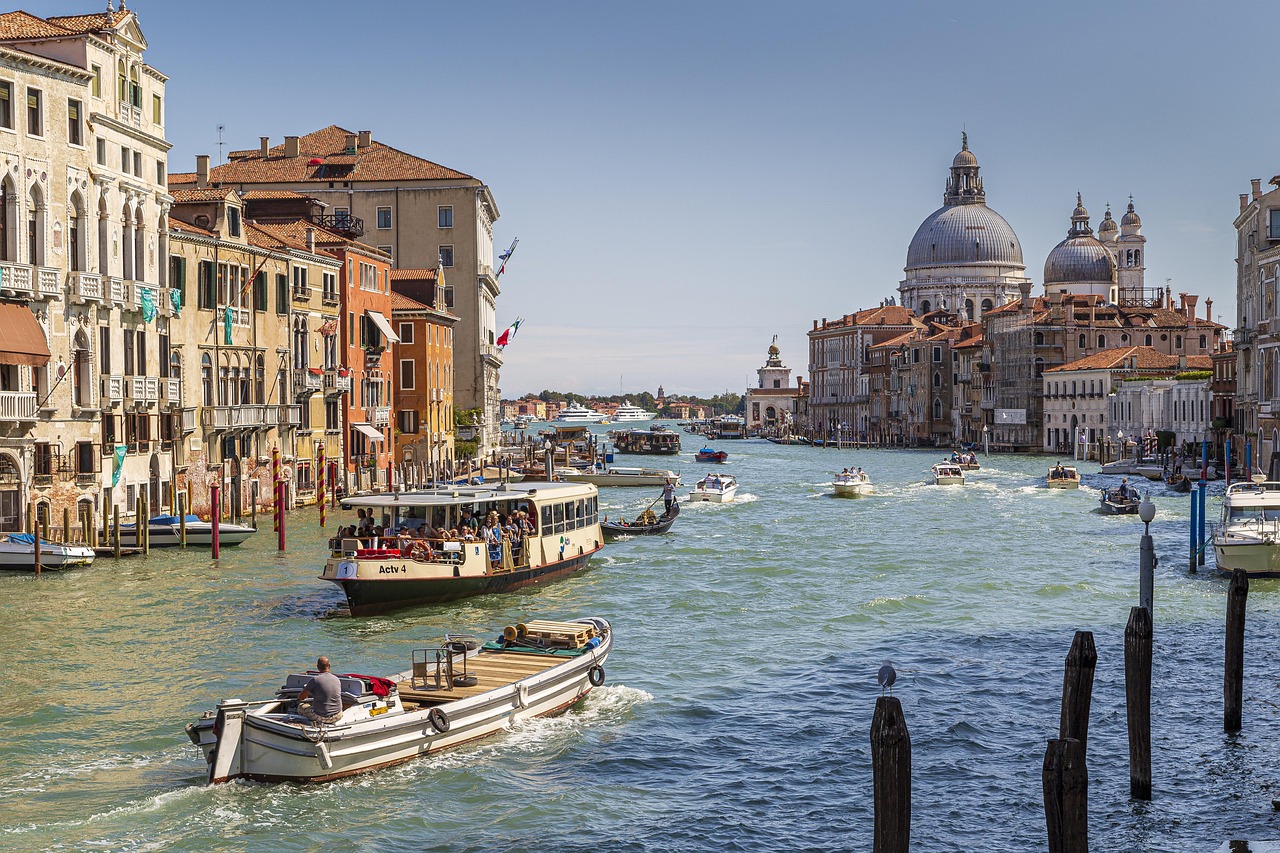
Arriving in Venice and finding your way to Saint Mark with Piazza San Marco views
If you’re looking for a Venice, Italy, Saint Mark Square in Venice arrival guide, start by picturing the city of Venice as a floating neighbourhood map: canals instead of roads, lanes that bend, and bridges that gently slow you down. Piazza San Marco sits on the eastern edge of the historic centre, facing the Venetian lagoon, and it’s the most theatrical “arrival” you’ll find—stone, water, bells, and a constant feeling that something extraordinary is about to happen.
For adventure seekers, the fun begins with navigation. Venice rewards the brave who don’t mind a wrong turn, but San Marco is also simple to reach in a seamless way if you’d rather conserve energy for the basilica and the bell tower later.
Vaporetto routes to Piazza San Marco with local insight
The Vaporetto water bus is your best friend for a calm, crafted approach. From major gateways (Santa Lucia station or Piazzale Roma), hop on a line that stops at San Marco/San Zaccaria, then let yourself walk the last few minutes—those final steps are part of the reveal. If you’re staying in a high-end hotel, ask the concierge to confirm the least crowded stop for your return after dinner, when the light is softer, and the square feels more spacious.
Try to arrive early in the morning or late in the afternoon. Many travellers remember the magical moment when early light hits the basilica façade and the gold seems to shimmer; it’s one of those “I’m really here” moments that builds trust in your own travel instincts.
Comfort and confidence in busy Venice lanes
In the tight lanes near San Marco, keep your bag zipped and your phone secure—pickpockets target crowded pinch points, especially around bridges. If you feel overwhelmed, step into a quieter calle or pause at the edge of the square to breathe, reset, and rejoin at your own pace. With children, it can help to agree on a “bridge rule” (hold hands on bridges) so the day stays adventurous and together, not anxious.
For a designer-journey rhythm, plan a flexible morning with built-in breaks: water, shade, a sit-down espresso, and one “just wander” pocket of time. When you’re ready to dream a little bigger, browse our Trip gallery for inspiring ways to connect Venice to the wider art-and-landscape story of Italy.
- Arrive time: early morning for space and softer photos; late afternoon for gentler light and fewer tour groups.
- Hydration stop: carry a small bottle and refill at public fountains when you spot them.
- Local chat: ask café staff for a quiet corner view; ask gondoliers when the canals are calmest.




St Mark’s Basilica in Venice Italy features golden mosaics and Byzantine architecture.
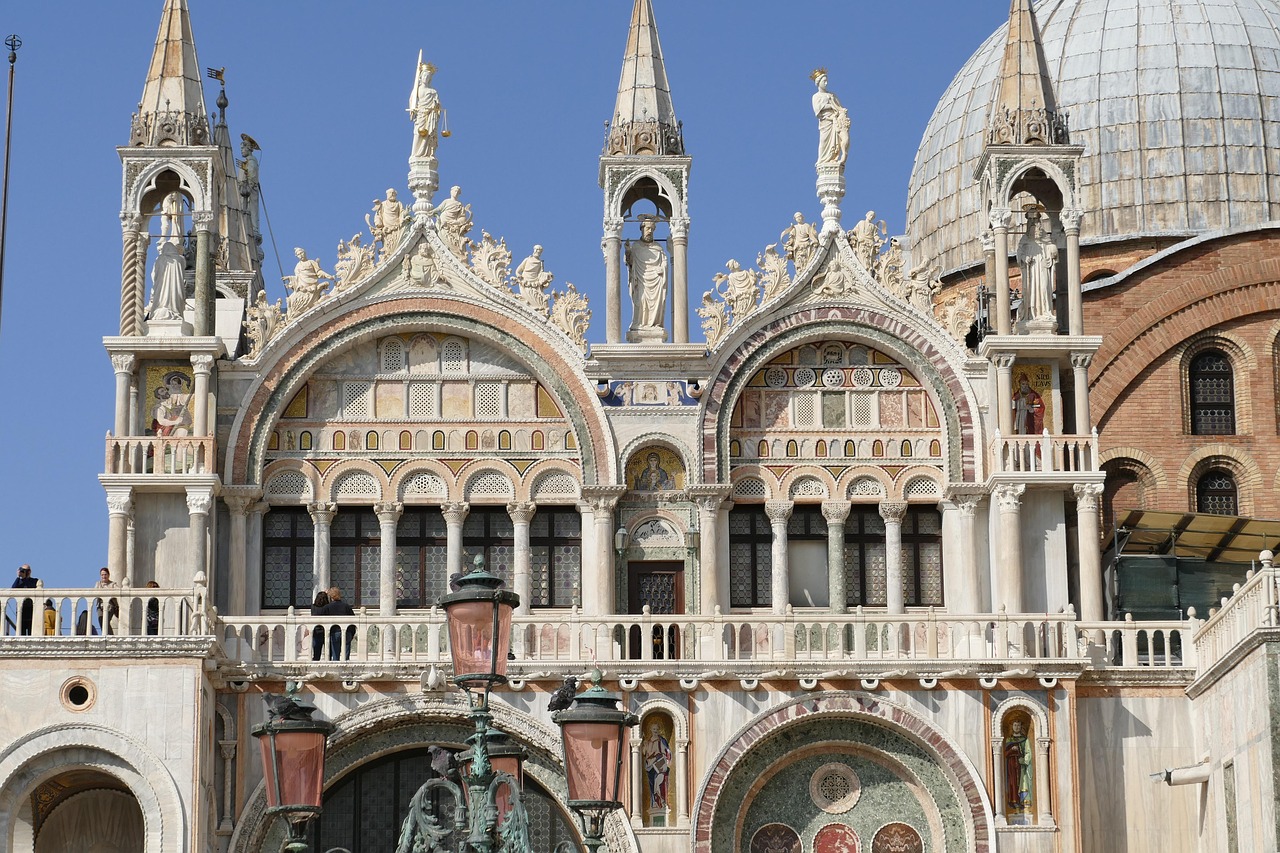
St Mark’s Basilica in Venice Italy golden mosaics and Byzantine domes
This chapter follows the heart of the experience: the Basilica in Venice, Italy; Saint Mark’s Basilica; mosaics; and Byzantine architecture. To enter the basilica with confidence, dress modestly (shoulders and knees covered), keep your voice low, and let the queue be part of the anticipation rather than a source of frustration. Saint Mark’s is an important religious space first, and that respect changes how you see the art—less like a checklist, more like a living interior.
Once you cross the threshold, the mood shifts. Inside the church, the air is cooler, footsteps soften, and the mosaic gold seems to move as your eyes adjust.
Byzantine domes, every arch, and a mosaic programme that breathes
St Mark’s Basilica—often written as the Basilica di San Marco or simply di San Marco—wears its Byzantine influence proudly. The dome silhouettes, the repeated arch forms, and the way light pools across ceilings create an almost underwater feeling, as if Venice itself is reflected in stone. Guides sometimes note the “500 columns” effect—an overwhelming forest of marble and detail—because your gaze never lands in just one place for long.
It helps to imagine the basilica is one continuous story told in fragments: saints, symbols, and scenes that glow differently as the day brightens. Many beautiful details reveal themselves slowly, so give yourself permission to stop, look up, and let the place come to you.
The evangelist Saint Mark, 828, Alexandria, and the history of Venice
The city’s patron saint is the evangelist Mark, and the story of how he became Venice’s guardian is dramatic. In 828, legend says Venetian merchants travelled to Alexandria, stole the body of St Mark (often described as the body of st hidden under other goods), and carried the relic back to Venice. Whether you treat it as history, myth, or both, it shaped the history of Venice and the identity of the republic for centuries.
Timeline matters here. The basilica began in the 9th century, and the current building took shape from 1063 onward; over time, layers of marble, sculpture, and splendour were added as Venice grew richer and more outward-looking. After the Fourth Crusade, the treasures taken in 1204 from Constantinople helped transform the interior into a glittering statement of power and faith.
Look out for iconic details: the bronze horses, the sumptuous altar area, and the pala d’oro—an altar screen that feels made of gold when it catches the light. Some descriptions cite jewel counts such as 300 emeralds, 300 sapphires, 400 garnets, and 100 amethysts; whatever the precise tally, the impression is unmistakably opulent. If you notice an archangel motif among the imagery, it’s a reminder that this isn’t mere decoration—it’s devotion translated into craft.
Visitor tactics: entry is free, and the basilica is open to the public, but queues can be long, and the experience can feel rushed if you’re tired. A skip-the-line option or a short guided tour can make the visit feel calmer, especially if you want context without juggling signage, crowds, and photography rules at once.
Doge’s Palace, Venice prisons, and Venice history guided tour
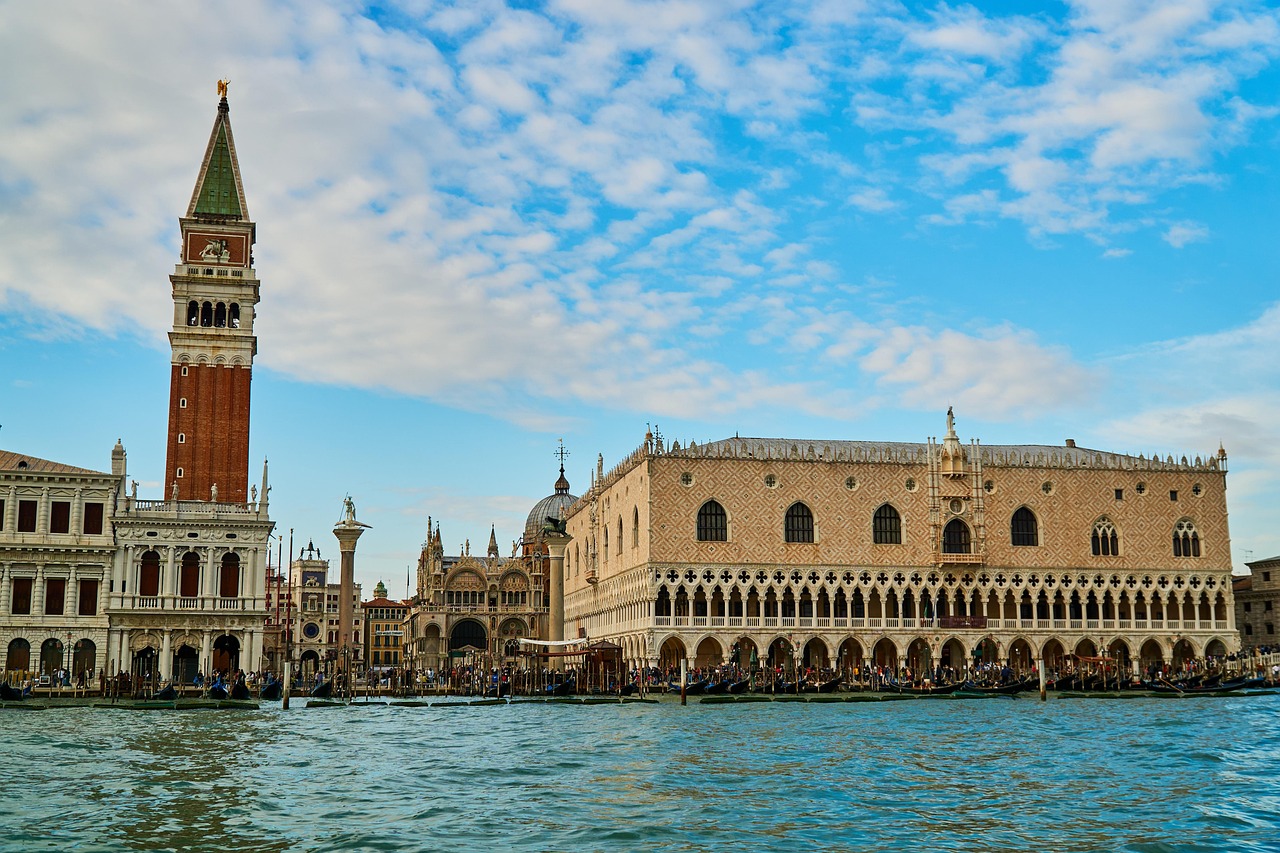
Doge’s Palace secrets prisons and the power of the Venetian Republic
For travellers searching for Doge’s Palace, Venice, Prisons, History of Venice, Guided Tour, this is where grandeur meets the human story. The Doge was the elected leader of the Republic of Venice—La Serenissima—and the palace wasn’t just a residence; it was a working machine of government, ceremony, and persuasion. Walking through these rooms, you feel how carefully Venice designed its public image: confident, capable, and a little mysterious.
The contrast with Saint Mark’s next door is striking. One building speaks in mosaics and domes; the other speaks in laws, alliances, and the theatre of power.
Grand halls, hidden doors, and why children love the secret passageways
Inside, expect vast chambers, intricate ceilings, and walls crowded with paintings that feel like declarations. If you’re visiting as a family, this is where energy lifts: children often become fascinated when a guide points out hidden doors and tells stories of secret passageways. That sense of “uncovering” transforms the palace from a museum into an adventure—especially when you frame it as a puzzle the whole group gets to solve.
To keep it seamless, choose a time slot when your party is fresh. Even confident adults can fade in the later rooms if they’ve rushed breakfast or skipped water.
Venice prisons, corridors, and the human side of justice
The prison narrative is compelling precisely because it’s not sensational when told well. The cells and corridors remind you that politics, justice, and fear have always been intertwined. A thoughtful guided tour helps keep the tone human: you’re not there to glorify suffering, but to understand the costs of authority in a maritime empire.
Architecturally, notice the repeated arch motif on the façade and the lace-like stonework that looks almost too delicate for a seat of power. It’s Venice again—beauty used as language.
- Tickets: The palace requires an entrance fee; booking ahead reduces queue stress.
- Value: consider combo tickets if you’re adding nearby cultural sites to make planning smoother.
- Pace: schedule a quiet pause afterwards so the experience doesn’t blur into the next sight.
Campanile di San Marco bell tower views Venice sunset for bold hearts
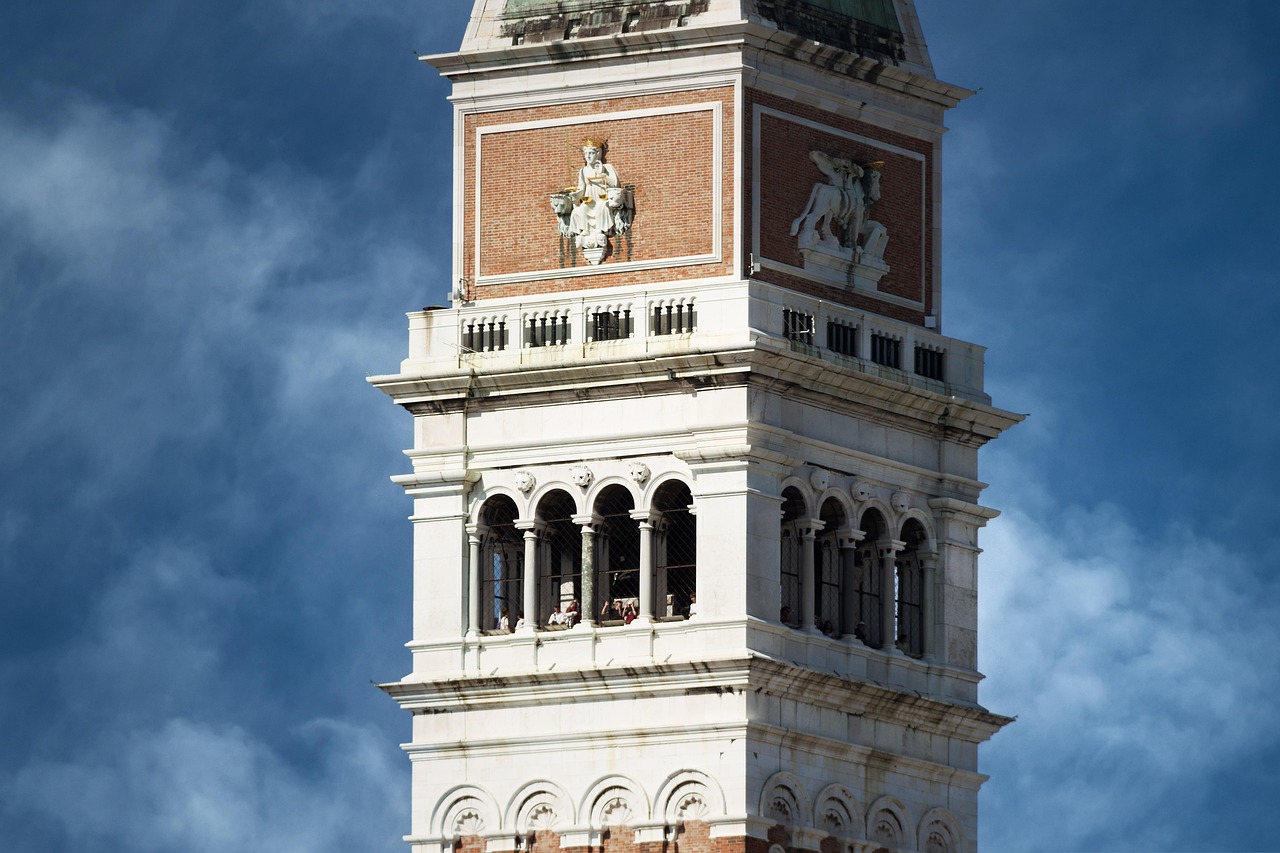
Campanile di San Marco bell tower views for bold hearts
If your search is campanile di san marco bell tower views venice sunset, know this: the Campanile is one of the most confidence-building moments you can choose in Venice. You don’t need to be fearless—just willing. The lift makes it accessible, and when the doors open at the top of the tower, the panorama feels like stepping into a painted map.
Rooftops cluster like terracotta scales, canals cut clean lines through neighbourhoods, and the Venetian lagoon stretches outward until the horizon softens.
At the top of the tower, read Venice like a map
Take a slow scan before you take a photo. Find Piazza San Marco below, then locate the Grand Canal’s curve, and pick out church domes that rise like punctuation marks across the skyline. This is a surprisingly powerful way to connect the geography of Venice to the choices you’ll make next—where to wander, where to rest, and which views you want to create for yourself.
For photography, early morning and late afternoon are the kindest. Build a calm routine: one wide shot, one detail shot, then put the camera down and let the moment land. It’s also a simple act of care—less jostling, more shared space.
Sunset courage, breathing tips, and support for nervous travellers
A recent visitor told us they arrived with a quiet fear of heights, but decided to explore anyway. They stood a few steps back from the edge, focused on a single landmark, and took slow breaths—four counts in, four counts out—until their body unclenched. By the time sunset began, the city had turned rose-gold, and they were watching with real joy rather than tension.
Queues can build quickly in peak season, so aim for off-peak hours if you can. And if someone in your group feels wobbly, your support matters more than any view: move to a calmer corner, hold the moment lightly, and remember the goal is not bravado—it’s presence.
On the water in Venice: gondola ride, Vaporetto, and Correr Museum near San Marco.
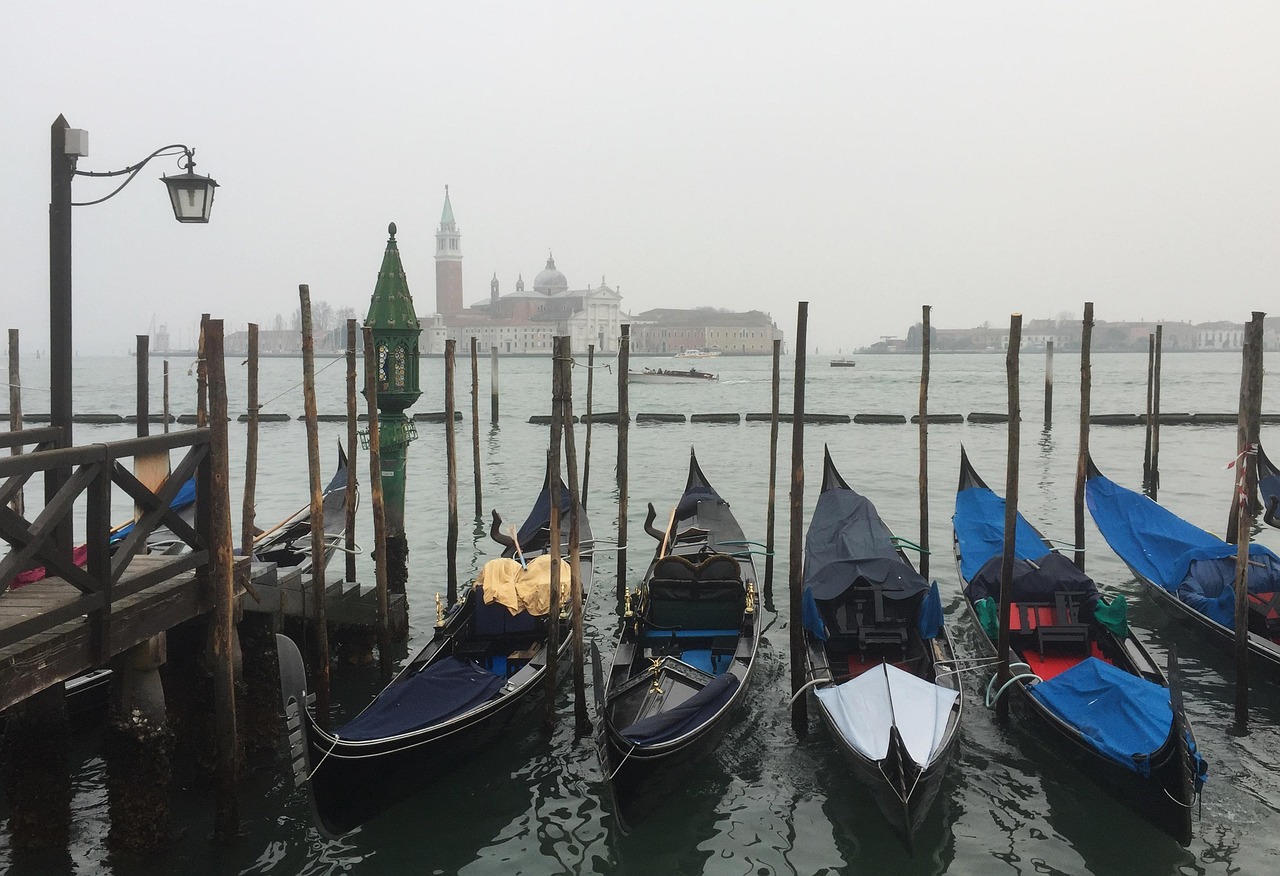
On the water local Venice adventures near San Marco
For travellers, typing ‘San Marco, Venice, gondola ride, vaporetto, Correr museum, local cafés’ is where the day turns playful. A gondola ride from nearby canals gives you a water-level perspective: the basilica and the square become a stage set, and you’re gliding through the wings. Imagine the sound of oars, the soft slap of water against stone, and the way Venice changes when you see it from below.
This is also the chapter where luxury doesn’t have to mean excess. It can simply mean choosing experiences that feel personal, unhurried, and beautifully crafted.
Local cafés in Piazza San Marco, Marciana touches, and live music
Sitting in Piazza San Marco—sometimes called San Marco Square in casual conversation—can feel “touristy” until you do it with intention. Choose a table, order an espresso, and let the square perform around you: architecture, street performers, and often live music drifting across the arcades. One adventurer described listening to Vivaldi while sipping coffee and feeling, for a few minutes, perfectly stitched into the city’s rhythm.
Watch for the winged lion, the emblem of Saint Mark, and the Marciana references that quietly reinforce Venice’s identity. These symbols aren’t just decoration; they’re a civic language, repeated until it becomes part of your own memory of the place.
Vaporetto choices, Correr Museum, and a Murano add-on
When your feet are tired, a Vaporetto hop can make more sense than walking—especially after sunset when lanes darken, and crowds compress. If the weather turns or the square feels too busy, visit the Correr Museum for context on daily life, art, and statecraft; you can genuinely visit the Correr Museum and come back to the piazza seeing it differently.
If you still want an extra adventure, consider a quick stop in Murano for glassmaking or a Grand Canal cruise at golden hour. There’s a quiet sense of togetherness on the water bus: strangers share routes, give directions, and drift along as if the commute itself is part of the cultural experience.
- Gondola tip: go early or late for calmer canals and better photos of the basilica frontage.
- Café etiquette: prices rise with table service; decide if the view and music are worth it for you.
- Getting back: note your Vaporetto stop name before dark so the return feels effortless.
F.A.Qs: St Mark in Venice, Italy
What is St. Mark’s in Venice famous for?
St. Mark’s is famous for the opulent basilica and its golden mosaic interiors, the iconic Piazza San Marco, and the neighbouring civic monuments that defined the Venetian Republic. Together they create a rare concentration of art, architecture, and atmosphere—especially when the light catches the façade and the square fills with music and footsteps.
What is so special about San Marco?
San Marco is special because it brings Venice’s spiritual and political identity into one small area: the basilica, the Doge’s Palace, and the Campanile all face the same square. It’s also uniquely theatrical—cafés, arcades, and water at the edge—so you can experience high culture while still feeling the city moving around you.
Was St. Mark ever in Venice?
Tradition holds that Saint Mark himself was not based in Venice during his lifetime, but that his relics were brought to the city in 828. According to the famous story, Venetian merchants brought his remains from Alexandria to Venice, where he became the city’s patron saint and symbol.
What time is mass at St. Mark’s in Venice?
Mass times at St Mark’s Basilica can vary by day and season, and parts of the church may have restricted access during services. For the most reliable details, check the official basilica notices for your visit or ask your hotel concierge to confirm that day’s schedule, so you can plan accordingly.
What stays with you after San Marco in Venice reflection personal journey
Long after you’ve left San Marco, it’s often the smallest moments that return first. The hush inside the basilica of St Mark can stay with you more than any photograph—the way voices soften, the way light slides across gold, the way a single mosaic detail catches at the corner of your eye. You may find yourself remembering how Mark’s Basilica in Venice didn’t feel like an object you “saw”, but a space that asked you to slow down and listen.
There’s also a gentler lesson Venice offers, if you let it. In a place built on water and patience, you learn to move at a different pace: to wait without irritation, to walk without rushing, to trust that you’ll arrive.
Sometimes what lingers is the feeling of care between strangers. Making room in a queue, helping someone find a Vaporetto stop, or guiding a child through a busy archway becomes a quiet kind of shared humanity. Those moments can rebuild confidence in travel—and in each other—without ever needing to announce themselves.
And then there’s the way the day feels, in hindsight, like something you designed for yourself: not just a route of landmarks, but a personal line stitched through sound, stone, and water. You didn’t only explore Saint Mark’s and the Doge’s world; you uncovered your own steadiness, one step and one breath at a time.
Evening comes softly in Venice, and the last light sits on marble and rippling canals as if it belongs there. You may not feel any urgency to return—only a quiet curiosity about what the city might reveal next time, when you’re ready to listen again.