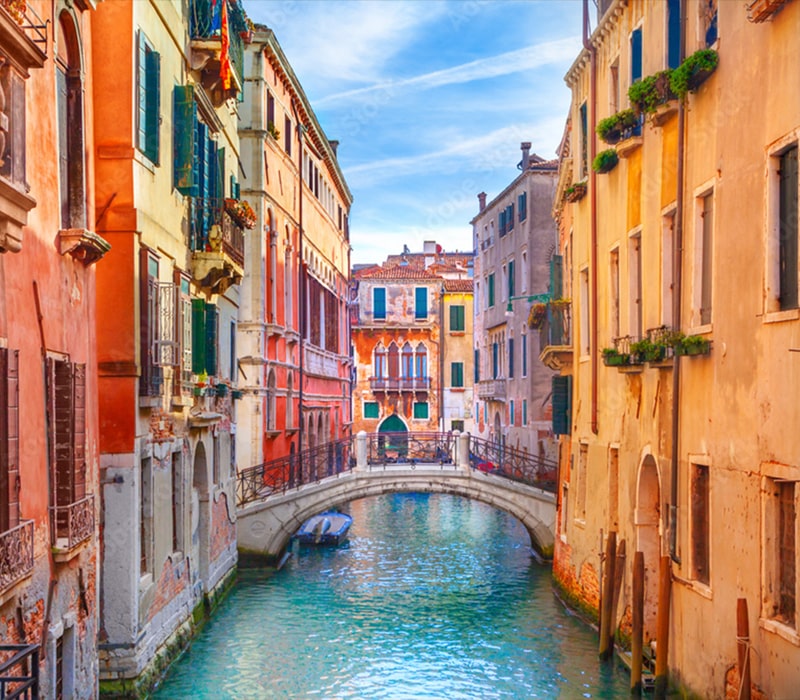
Venice Arrival Orientation – Finding Your Way to Piazza San Marco (San Marco District)
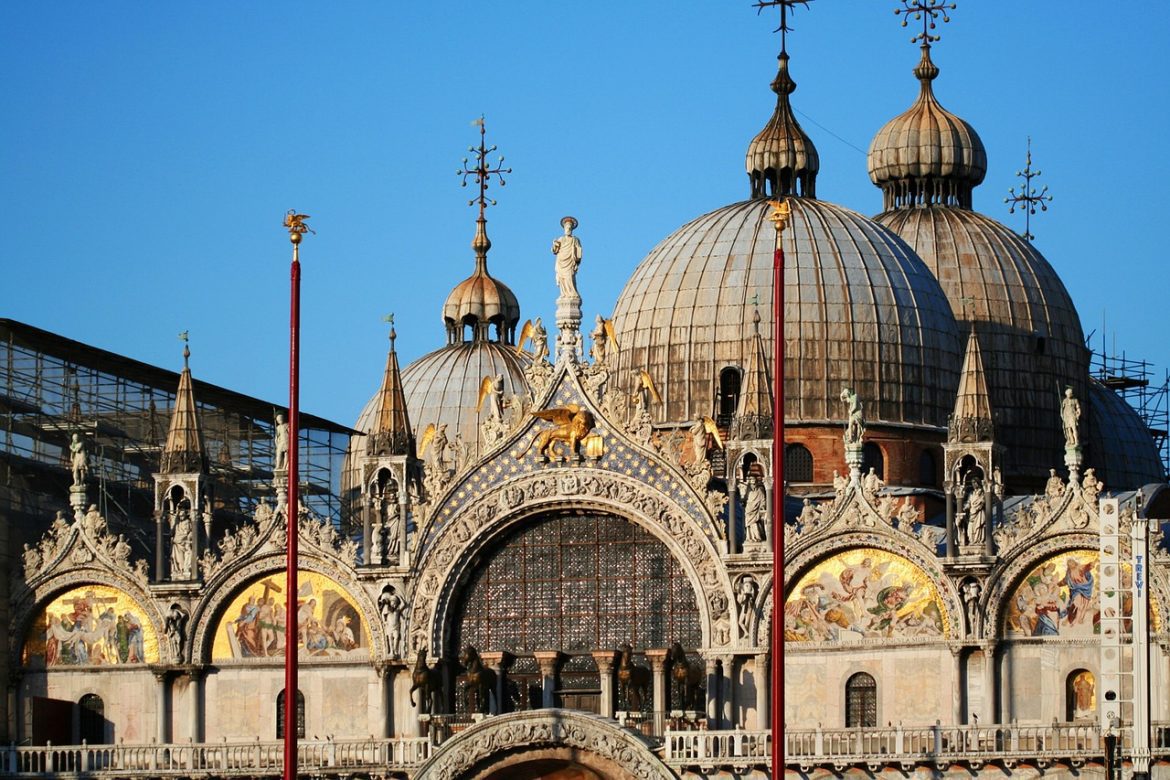
First steps into the San Marco district as Piazza San Marco opens into view
Arrived in Venice, you can feel it before you see it: that brief hush as lanes widen and Piazza San Marco appears like a stage set. This orientation guide is less about rushing and more about shaping a first hour that feels effortless, even if you’re carrying camera gear and a day’s worth of plans. Come early, let your eyes adjust, and allow the square to reveal itself without urgency.
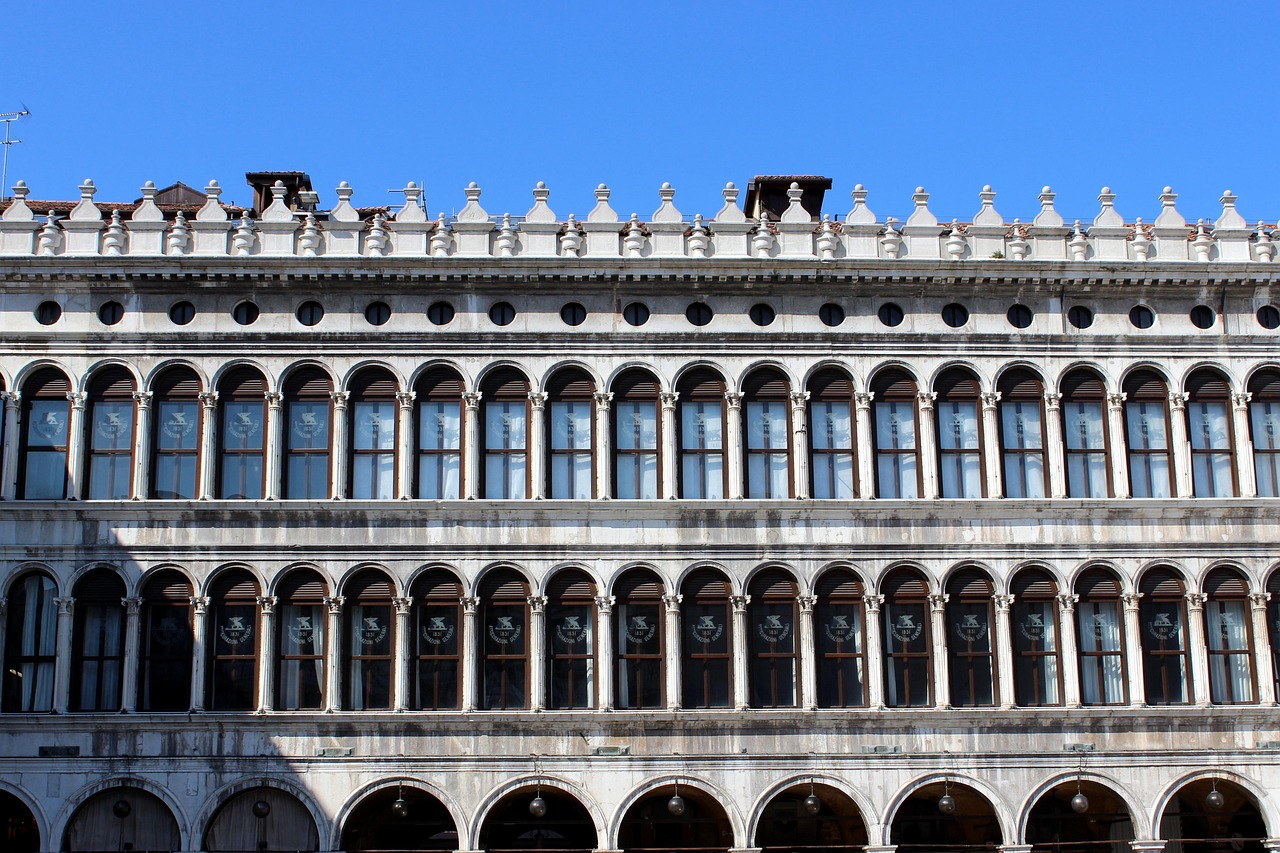
To build a simple mental map, stand with your back to the lagoon and look for the landmarks that “hold” the scene. The Campanile is your vertical compass; the basilica’s clustered domes sit like a gilded anchor, and the palace line along the water reads as airy lacework. The arcades around the perimeter funnel you into side lanes—perfect later when you want a quieter exit and a calmer pace on uneven paving.
Piazza San Marco by vaporetto – the simplest, most seamless arrival
For most travellers, the easiest approach is by vaporetto, and it’s genuinely part of the adventure. Choose a stop that keeps the walk short, then follow the San Marco signs and let the lanes do the work for you. Keep your pace steady on worn stone and you’ll arrive composed rather than jostled—especially if you time your boat outside the busiest rush.
Early morning is your secret ally in San Marco in Venice. The light is kinder for photos, reflections on damp paving feel painterly, and the square belongs to the city before it belongs to the crowds. Adventurers often tell me their favourite moment wasn’t a ticketed sight at all—it was watching Saint Mark’s outline sharpen with sunrise, as if everything was being gently unveiled for them.
Quiet confidence in crowds around Saint Mark
Busy corners invite opportunists, so use simple habits that protect your calm. Wear your bag cross-body in front, keep your phone out of back pockets, and don’t set valuables on café tables unless a hand stays on them. If you feel squeezed, step under the arcades, take ten seconds to reorient, then re-enter the flow with confidence.
- Best time to explore: arrive shortly after sunrise for calm air and space.
- Footing: expect uneven surfaces; choose comfortable, grippy shoes.
- Valuables: keep passports and spare cards close to your body, not in outer pockets.
- Mindset: sketch a simple route, then let small detours become part of the discovery.
With your bearings set, you’re ready for the moment that stops even seasoned travellers mid-step: the basilica.




Basilica di San Marco – Mosaic Cathedral of Gold in a Byzantine Style
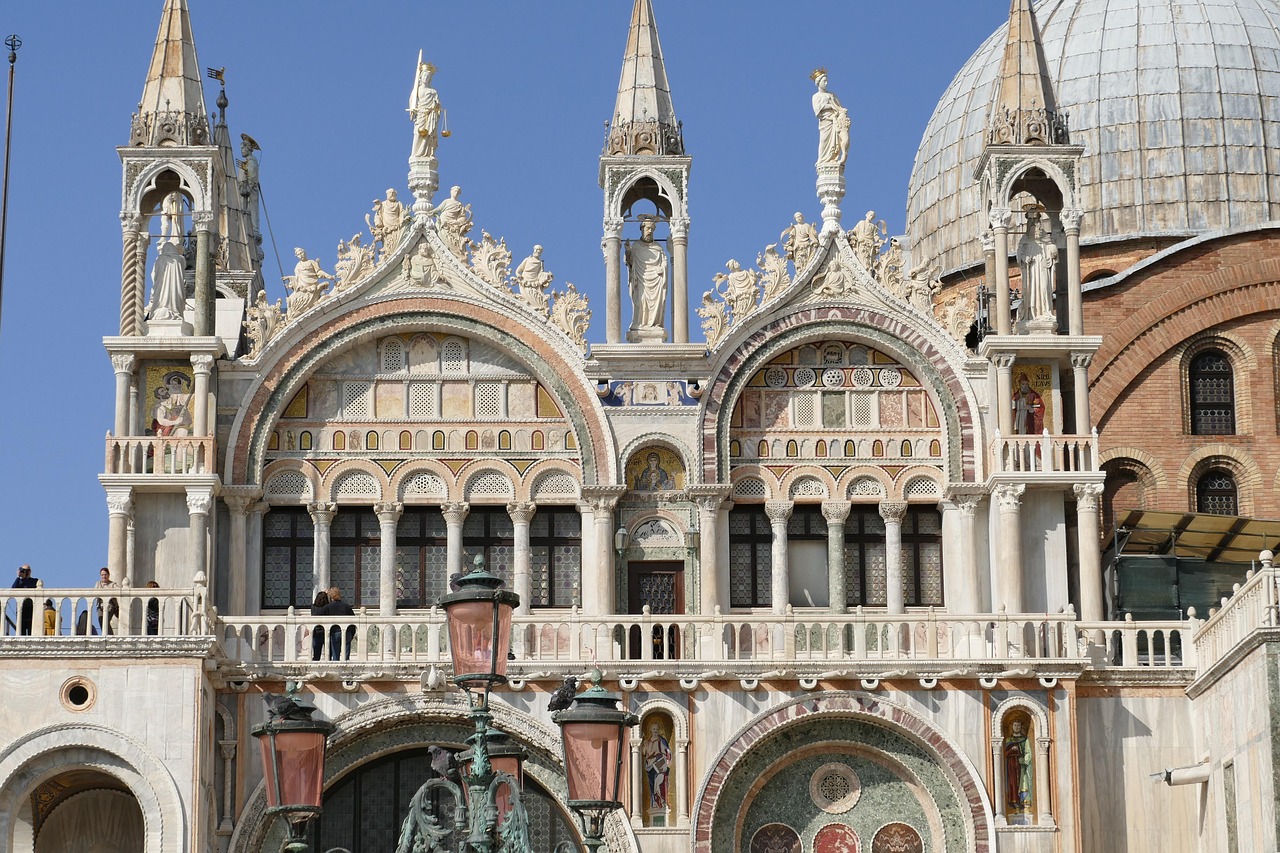
A cathedral that glows with Italo-Byzantine arches and shimmering mosaic work
Words rarely hold what you feel at the threshold of this church of gold. I still remember stepping inside and being stopped mid-step by sacred light and shadow, as if the building had reached out a hand. One traveller put it perfectly: “It felt like I was carried into the basilica by light.” If you want culture with a pulse of adventure, this is where the city feels both intense and tender.
Inside the basilica: marble, dome, and shimmering mosaic detail
The atmosphere shifts immediately inside the basilica: rounded arches, layered vaults, and a glow that seems to rise from the walls. It’s unmistakably byzantine, with stonework fitted like jewellery and surfaces that never look the same twice. Pause for one deliberate moment—tilt your head back and watch as the mosaic tesserae change with your breath.
If you enjoy fine detail, choose one panel and stay with it for a full minute. The decoration covers thousands of square meters, yet a single corner can feel personal when you slow down. Look toward the byzantine altar area, then back to the nave, and you’ll sense how devotion and craftsmanship are staged as one experience.
Saint Mark brought from Alexandria (828) – two Venetian merchants and an apostle legend
In 828, Saint Mark’s body was brought from Alexandria by two Venetian merchants and transported to Venice, becoming a spiritual and political cornerstone. The story ties the city to an evangelist tradition and to the wider apostle narrative—part devotion, part statecraft, and undeniably bold. This single episode still shapes the history of Venice that you feel in the square today.
That maritime reach also linked the republic to Byzantium and the Byzantine Empire, and you can read those connections in the imagery and structure. Even if you’ve visited Torcello or seen 9th-century mosaics elsewhere in the lagoon, the intensity here is different—more public, more persuasive, and more theatrical in the best sense.
Practical care matters in a living religious site. Dress respectfully (covered shoulders are a safe choice), expect security checks, and keep your voice low so the interior of St Mark Basilica stays calm for everyone. To visit St with shorter queues, arrive close to opening time or choose a late slot when day-trippers thin.
Four bronze horses and Constantinople – quadriga, hippodrome loot, and porphyry tetrarchs
Outside, the story gets more complicated with the four bronze horses. This famous quadriga is tied to the hippodrome of constantinople and to trophies taken after the fourth crusade—an inheritance of beauty mixed with loot. The display today is a replica, while originals are protected, and that one detail changes how you read the façade.
If you have time, book the terrace and look back across the square from above; it’s the best way to see how sculpture and architecture work as a single message. Then seek the porphyry tetrarchs near an arch: weathered figures carved in deep purple stone, still gripping each other like a warning. Inside, watch for the pala (Pala d’Oro) and notice how the basilica’s storytelling peaks in a 13th century appetite for splendour.
Next, we rise—because sometimes the best way to understand a place is to look down on it.
Campanile di San Marco – Bell Tower Sunrise Views Over the Lagoon
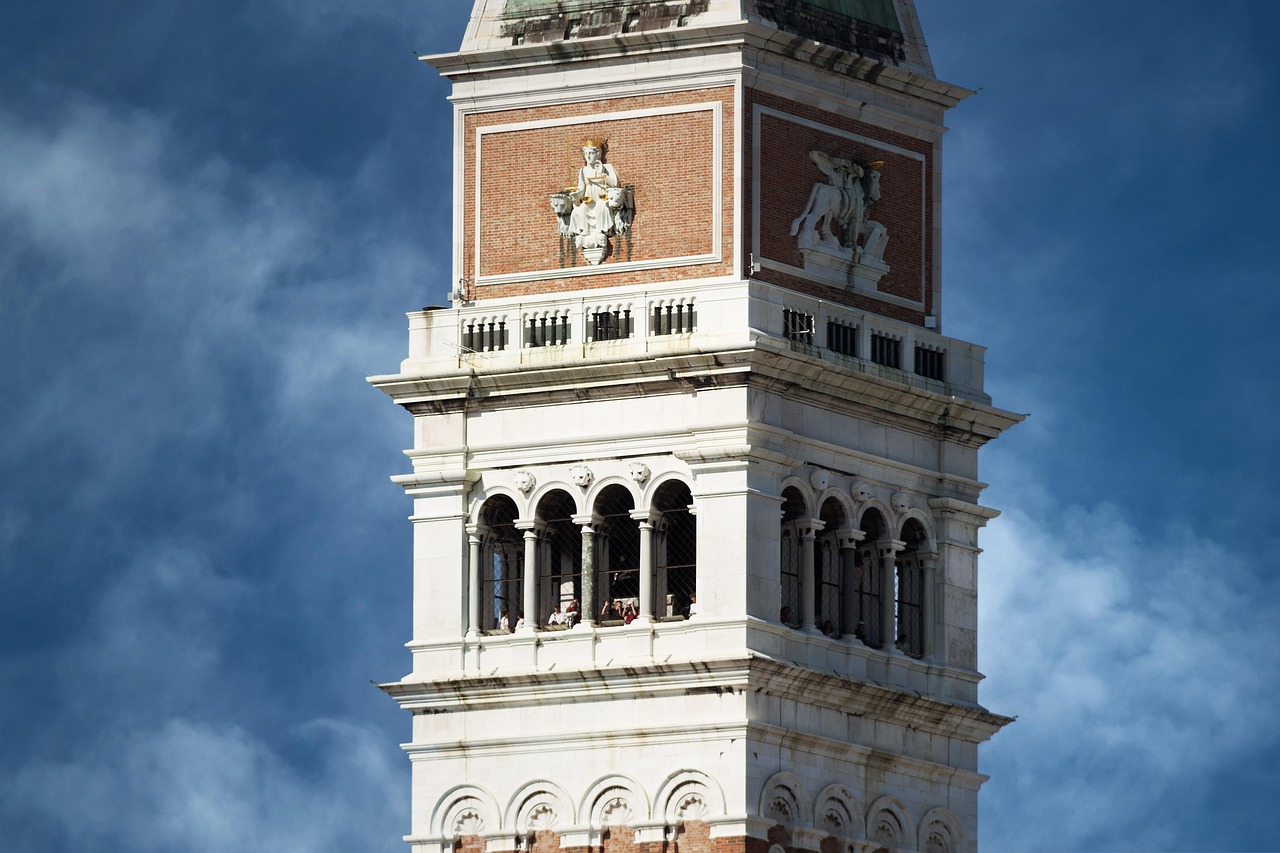
Sunrise from the bell tower with rooftops and the lagoon beyond
If you’re searching for ticket advice and sunrise planning, the best support is simple: aim for the first ascent of the day. One visitor told me they went up early with slightly shaky hands, then watched dawn spill over rooftops and felt fear soften into wonder. If heights aren’t your thing, go slowly, breathe, and remember you can step back from the edge at any time.
Tickets, lift access, and queue patterns in the San Marco area
The Campanile is straightforward in practice: there’s lift access, and the only real challenge is timing. In peak season, queues thicken mid-morning, so an early slot keeps it smooth and unhurried. Keep your ticket handy, travel light, and you’ll arrive at the top feeling steady rather than rushed.
When the doors open, let yourself enjoy the anticipation rather than fight it. The ride up isn’t physical, but it can be emotional—this viewpoint is iconic, and it’s normal to feel that quickening in the chest.
Photography from the loggia and terrace – reading the city’s geometry
Up high, the panorama has purpose. You’ll see how water routes shape neighbourhoods and how islands sit beyond the historic core like stepping stones. For photographers, wind matters—bring a light layer, stabilise your stance, and use the loggia edge as a quiet anchor point.
Before you descend, take one still moment. Listen for bells, gulls, and the soft thrum of the day beginning, then carry that clarity back to the square.
Back on the ground, everything feels more readable. That’s the Campanile’s gift—orientation with a view.
Doge, Serenissima, and the Venetian Republic – Inside the Doge’s Palace
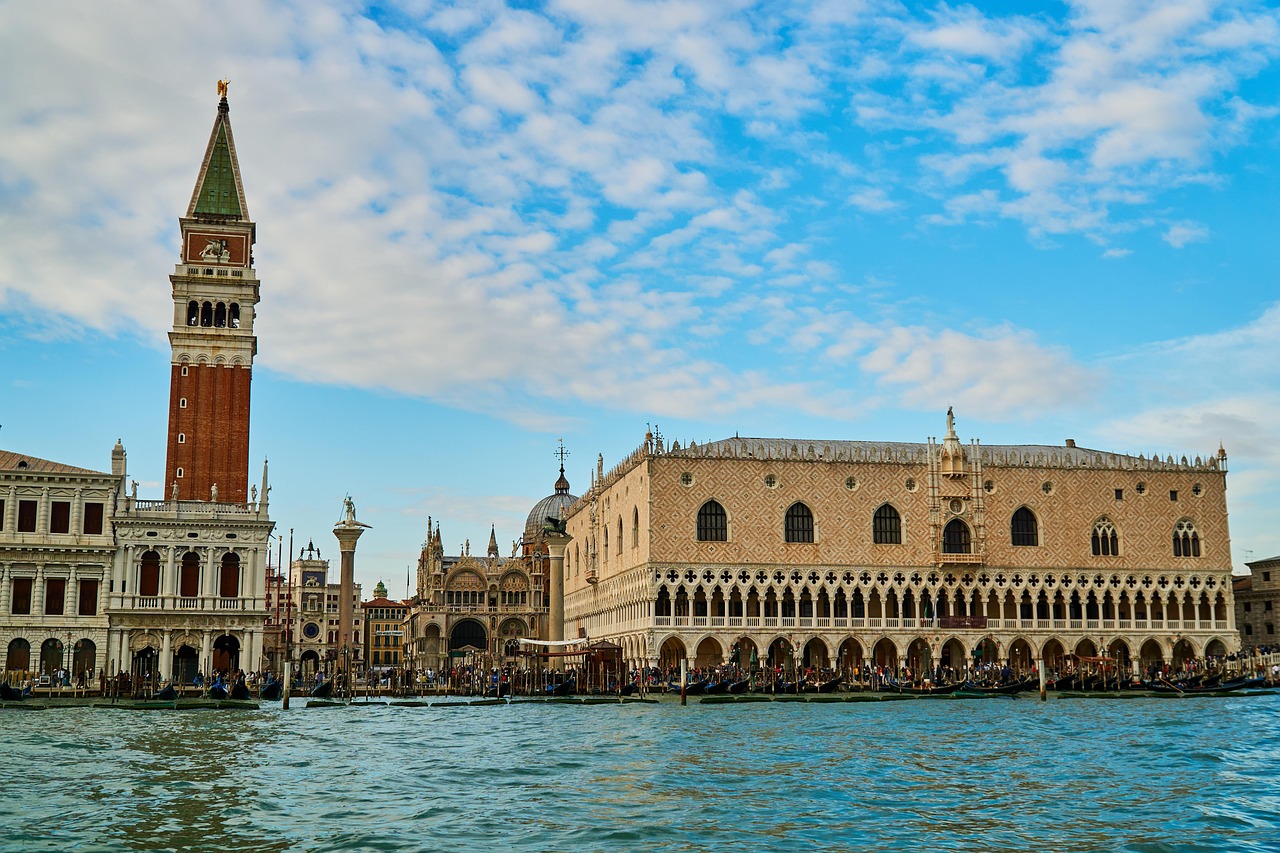
Ceremonial rooms where the Serenissima shaped its public image
This walk through Doge’s palace is your entry into the Serenissima—the “most serene” Venetian Republic, where governance and spectacle lived side by side. It’s not just a building; it’s a story engine that shows how leadership used space, symbolism, and ritual to feel inevitable. Step in with curiosity and you’ll sense how Venice’s power was designed, not merely inherited.
The Doge and Gothic design – ceremony, artwork, wealth and power
Move with intention and notice how the Doge is framed by architecture and narrative at every turn. The gothic language—pattern, colour, and geometry—turns governance into theatre, and the message is clear: wealth and power were meant to be seen. Linger long enough for one room to speak to you, and you’ll understand how authority was made persuasive through images and scale.
Keep your pace measured so the palace doesn’t become a blur. High-end travel is as much about attention as access, and a quieter rhythm lets details land.
Secret passages, Pietro, and local insight you can feel underfoot
A local guide once shared the kind of detail that changes the atmosphere: secret passages used by rulers to move between decision and display. Look for transitions—tight corridors opening into grand halls—and imagine how a figure like Pietro might have experienced these shifts between shadow and ceremony. Even when routes are marked, the building still feels like a living mechanism.
For a seamless visit, book timed tickets online and arrive early, ideally before the largest groups. Plan a realistic window—two to three hours for depth without fatigue—then schedule a calm break afterwards so the day still feels crafted.
- Confidence checklist for crowds: carry only what you need; avoid sharp items that slow security.
- Cloakroom strategy: if you’re bringing a coat or umbrella, use the facilities so your hands stay free.
- Hydration: drink water before entry; indoor heat builds quietly when it’s busy.
- Pacing: stop every few rooms to reset your senses and keep the visit enjoyable.
When you step back into daylight, you’ll feel the relief of open space—and the urge for something more local and lived-in. That’s your cue to return to the square’s softer rhythms.
Local Rituals Around the Square – Correr Museum, cafés, and cicchetti
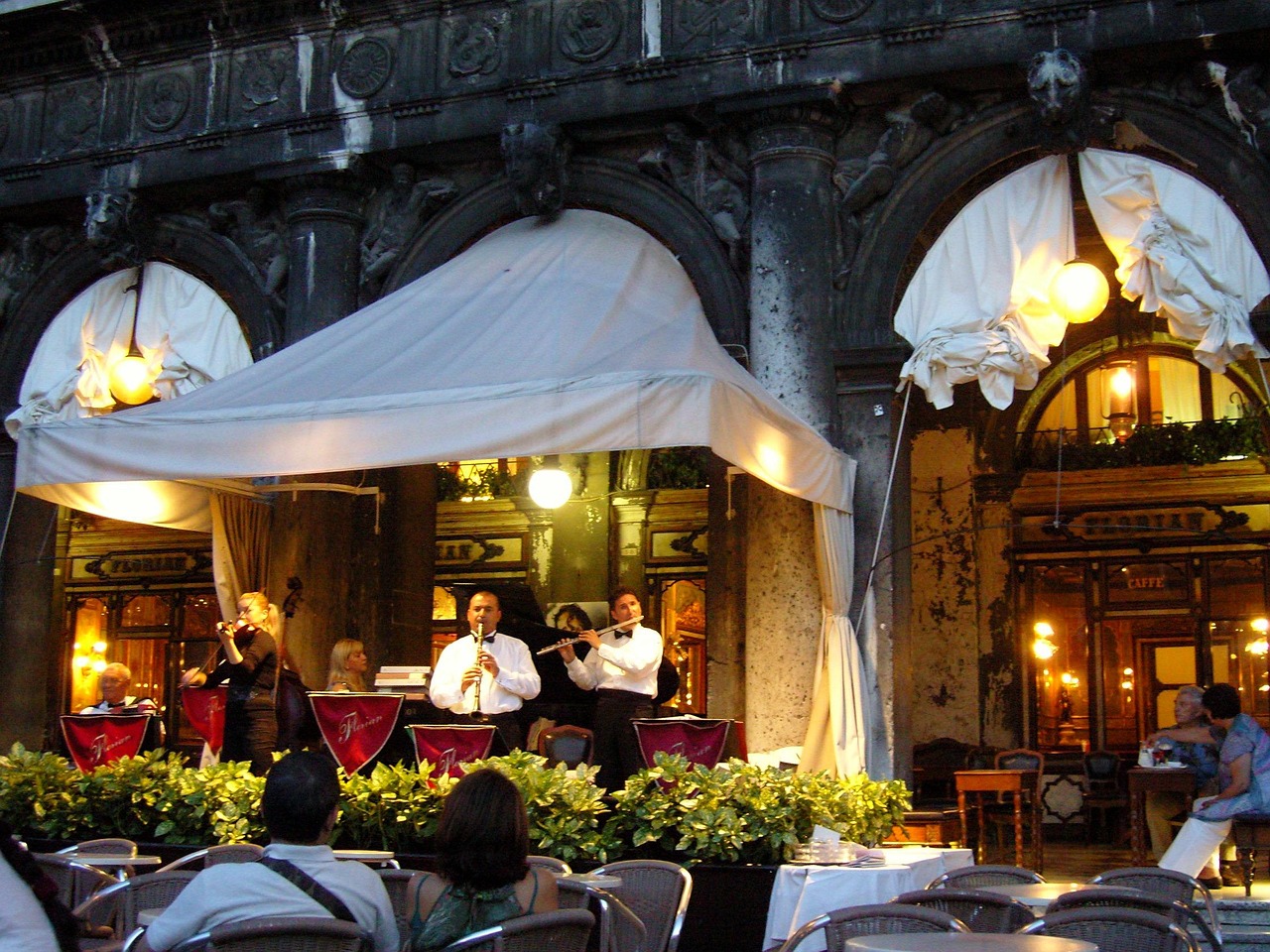
Late-afternoon light and café rituals around the square
For a softer finale to the day’s intensity, build a late-afternoon rhythm that’s more atmosphere than checklist. Slide into a historic café, order something simple, and let people-watching feel personal rather than performative—notice fabrics, gestures, and how Venetians and visitors share the same stage while telling different stories. This is luxury in the truest sense: time, comfort, and the freedom to simply be.
Correr Museum context – civic identity behind Saint Mark
If you want context without overwhelm, choose a focused visit to the Correr Museum. Pick one or two areas—enough to sharpen your sense of civic identity, but not so much that your feet start negotiating with you. Look for maps, portraits, and symbols that echo what you’ve already seen outside, including the winged lion motif that signals pride and power.
Cicchetti, Carnival, and what to see in St at golden hour
Now take the adventure somewhere delicious. Nearby bacari (wine bars) serve cicchetti—small plates that let you slow down, taste widely, and follow your appetite. Order at the counter with quiet confidence: point, ask what’s fresh, and create a little flight of flavours.
If you’re visiting during Carnival, expect spectacle close by—masks, music, and dense crowds. Plan like an expert: agree meet points, keep valuables secure, and step into side lanes when you need space. The joy is real, but so is the pressure of the crush; your comfort matters, and a calm exit plan is part of good design.
Finally, return for the golden-hour highlight: the façade at sunset. Find a calm vantage point under an arcade, then challenge yourself to spot one detail you missed earlier—perhaps a carving that only makes sense in softer light.
- Late-day flow: café pause, then a short museum visit, then cicchetti to reset your energy.
- Comfort: keep a light layer for evening breezes rolling in from the water.
- Navigation: if you get turned around, head back towards the Campanile—it’s your reliable compass.
- Inspiration: for curated journeys beyond the square, browse our Trip gallery.
As day slips towards night, the city seems to exhale. That’s when the deeper impressions begin to settle.
F.A.Qs: St Mark’s Venice, Italy essentials
What is Saint Mark in the city famous for?
It’s famous for the extraordinary ensemble around the square: Saint Mark’s Basilica with its golden mosaics, the Campanile viewpoint, and the nearby palace complex. Together, they express faith, civic theatre, and maritime ambition in one compact setting.
Where are Saint Mark’s relics kept?
Tradition holds that Saint Mark’s body is kept within the basilica, linked to the story that his remains were brought from Alexandria in 828. That association helped the city shape its identity with remarkable confidence.
Can you wear shorts when visiting the basilica?
Dress respectfully because it’s an active religious site. Shorts can be refused depending on length and enforcement, so a safer choice is covered knees and shoulders—especially during busy periods when checks are stricter.
What is so special about San Marco?
San Marco is special because the city’s most iconic monuments sit together in one walkable area: the basilica, the museum, cafés, and one of the most recognisable viewpoints. The atmosphere shifts throughout the day—from quiet early hours to golden sunset—so the same place can feel entirely different within one visit.
What Stays With You After Saint Mark in Venice – reflections after visiting San Marco
This closing isn’t about what you managed to tick off; it’s about what quietly remains. Long after you leave, you may still feel the afterimage of gold—when mosaic glows against dim air and time seems to slow. You might remember how you instinctively lowered your voice, as though the space asked for gentleness and received it.
Days here teach a new relationship with attention. You begin to notice texture and craft: a curve of stone worn smooth, a shimmer you didn’t spot at first, and the way water sound edits your thoughts into something calmer. Even if your legs are tired, your mind feels strangely awake, tuned rather than exhausted.
There’s a quieter kind of confidence, too. You learn you can move through crowds without hardening, and that small rituals support you—an early coffee, a pause in an arcade, a steady hand on your bag. Most of all, you trust your instincts: you do not need to see everything to feel the city deeply, and you’re allowed to choose your pace without apology.
Later, when you think back on Saint Mark’s, it may not be the grandest view that returns first. It might be a single face in a mosaic, the hush before the first bell, or the moment you understood why travellers keep coming back. Imagine returning in a different season and letting curiosity decide what you notice next.