Florence itinerary essentials: pacing, arrival logistics, and seasons for an effortless trip to Florence
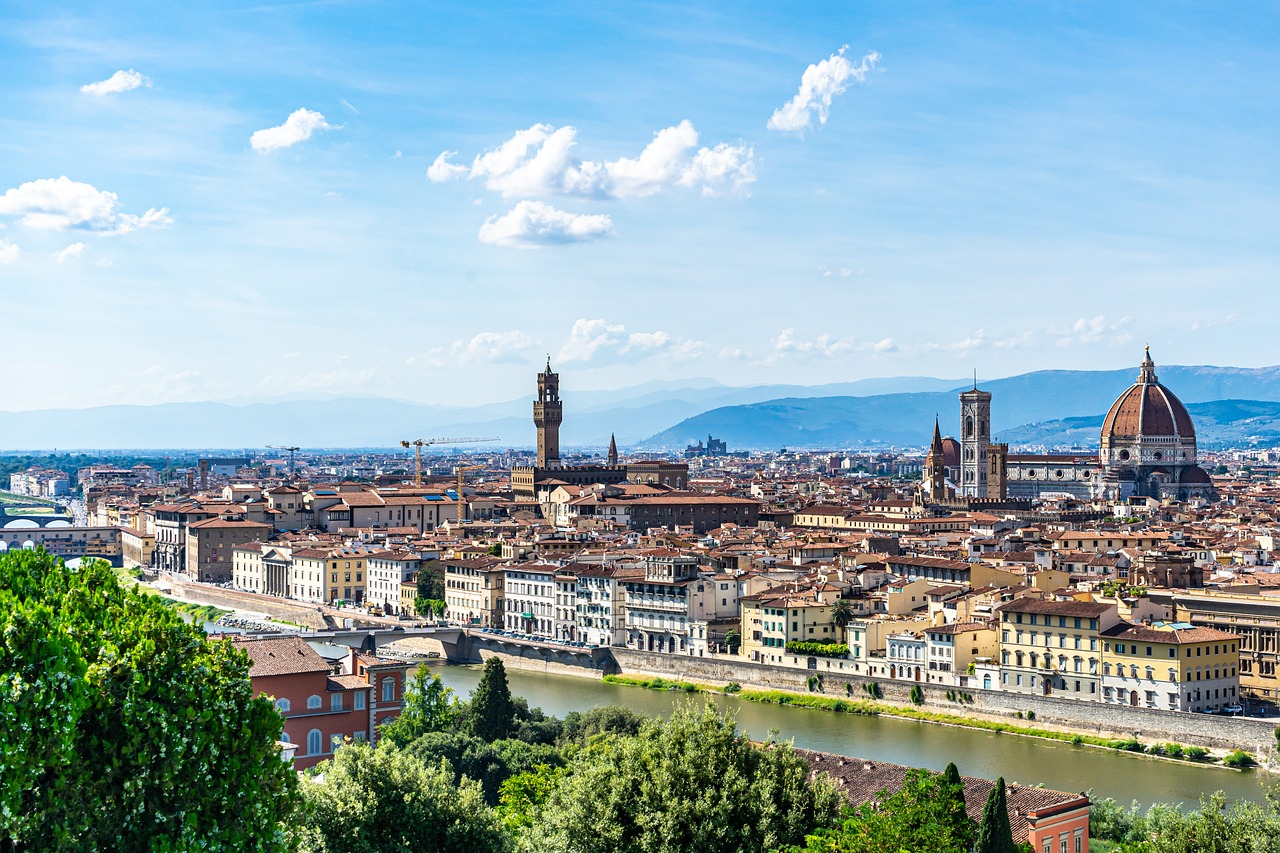
Florence itinerary essentials and the best time to visit for an unrushed start
If you’re building a Florence itinerary and wondering what to do in Florence, Italy, the most luxurious decision is pace. Florence is compact, walkable, and layered with Renaissance detail, so a plan that breathes will feel more curated than a sprint schedule. Instead of racing through a list of things, aim for a rhythm that leaves room for timed entries, café pauses, and the small streets that make this destination feel intimate.
Different travellers want different tempos, and Florence genuinely accommodates them. A quick visit can still feel special if you focus on one major attraction each day and let the rest be discovered on foot. A long weekend gives you time for Oltrarno, an unrushed dinner with views of Florence, and a museum stop or two; a slow week opens up Florence and Tuscany as a wider canvas, with markets, gardens, and a day trip into the vines.
When to go to Florence: shoulder-season light, quieter streets, and smarter planning
The best time to visit is spring (April to June) and early autumn (September and October). You’ll get mild weather, clear light for photography, and fewer pinch points around the Duomo, Ponte Vecchio, and the main museum circuit. If you’re deciding the time to visit, late March or early November can feel wonderfully local, with softer prices and more breathing space for sightseeing in Florence.
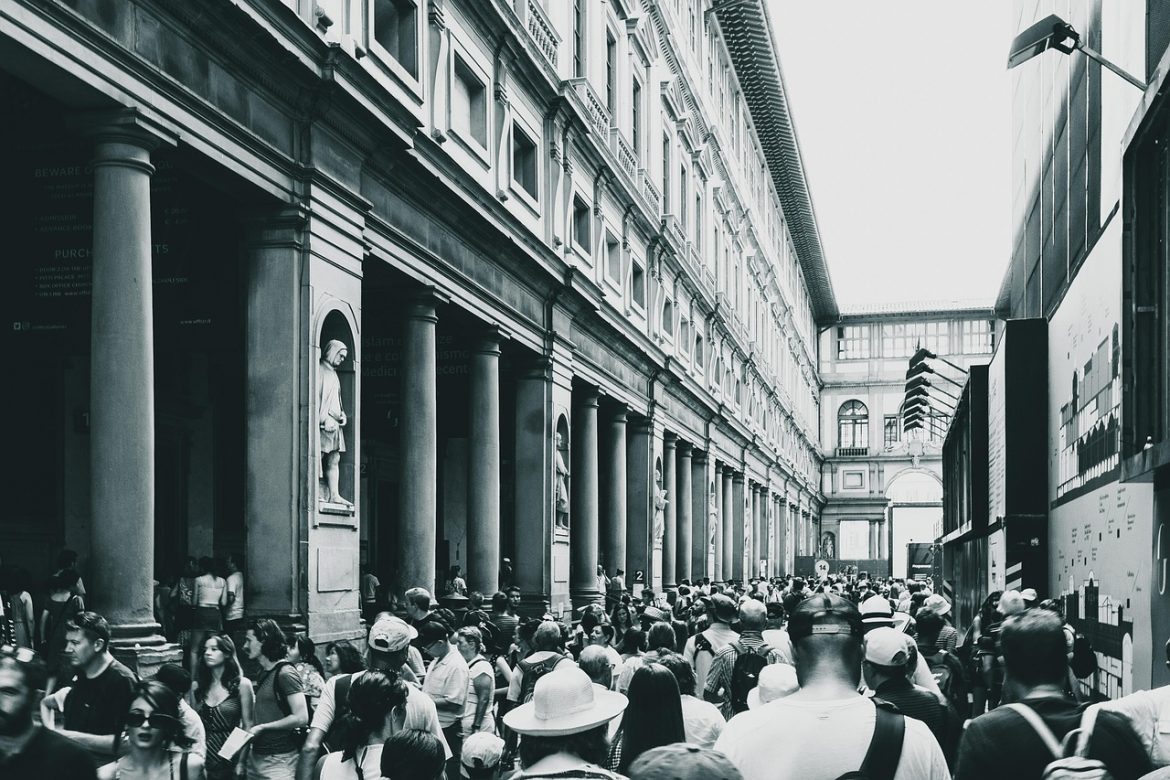
In peak summer, Florence can be hot and busy in its narrow lanes, particularly around Piazza del Duomo and Ponte Vecchio. If summer is your only option, design your days with early starts, a long lunch break, and late-evening strolls when the marble glow softens, and the streets feel kinder. This simple strategy can make a day in Florence feel relaxed rather than rushed.
Arriving at Santa Maria Novella (SMN): Florence train station tips for a smooth check-in
Most arrivals are easy via the Florence train station at Santa Maria Novella (SMN). If you’re stepping off a fast train from Rome or Milan, a pre-arranged transfer is the most seamless option, especially with luggage and tight hotel timing. Taxis are available, but at peak times the queue can be unpredictable; having your hotel organise a driver can make your arrival a calm start to your visit to Florence.
Once you’ve settled, walking is often the best way to explore Florence. Many of the best places are within 15–25 minutes of each other, and you’ll spot small courtyards, bookshops, and carved doorways that rarely make guidebooks. It also helps you stay oriented: the Duomo becomes your quiet north star as you move between neighbourhoods and attractions in Florence.
With a luxury lens, practical care matters. Parking is limited and expensive, and ZTL restrictions can turn a simple drive into a headache—so it’s usually best to avoid bringing a car into the historic centre. In crowded tourist areas, keep valuables close, wear a crossbody bag zipped, and use your accommodation’s safe; it’s simple care, not worry, and it lets you relax into what you’re visiting Florence for.
One local insight that saves time and stress is the shopping rhythm. Boutiques and artisan studios often pause in the afternoon for a few hours, so don’t plan your entire shopping block between 1 pm and 4 pm. If you schedule a museum visit or a long lunch at that time, you’ll return to shopping later with a calmer head and a clearer mind.
- Unrushed pacing: choose one anchor experience each morning (a Duomo climb, a museum, or a garden walk), then keep the afternoon open to discover.
- Reservations: let your hotel or an expert planner secure timed entries and dining so you’re never negotiating queues.
- Walking strategy: pack comfortable shoes and a light layer—church interiors can feel cool even when it’s warm outside.
For reference, I’ll mention time in Florence just once: it’s always enough when you give it to the right moments rather than trying to see everything at once.
A well-planned arrival sets the tone, and the next step is letting Florence’s civic heart unfold with confidence.




Top attractions in Florence: Duomo, Palazzo Vecchio, and Piazza della Signoria with an expert lens
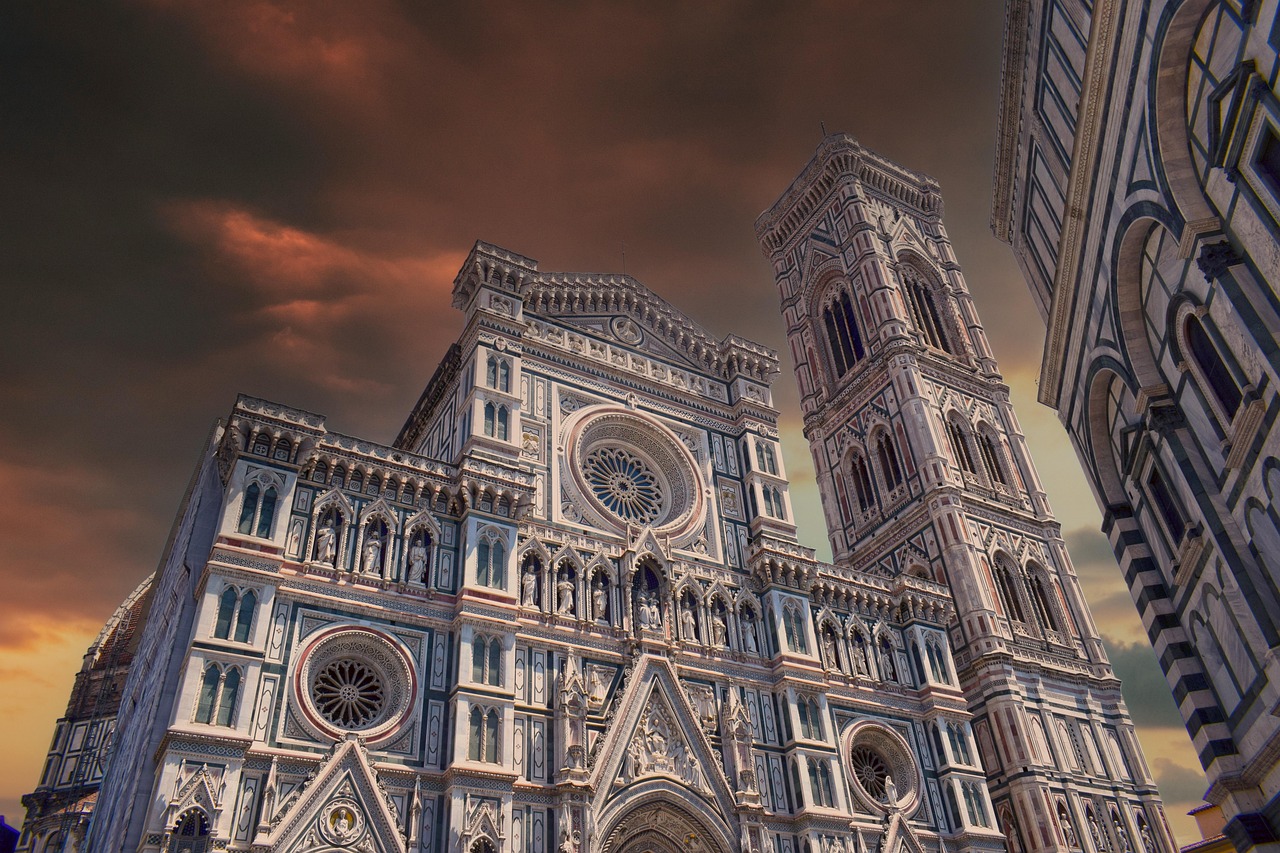
Top attractions around the Florence Duomo and civic heart in Piazza del Duomo
If you’re searching for things to do in Florence, begin with orientation rather than urgency. Start in Piazza del Duomo, where the cathedral rises with a confidence that still feels astonishing—one of Florence’s unmistakable signatures and one of Florence’s best examples of ambitious craft. This is the city’s most famous attraction, yet it’s also a living place of worship, engineering, and daily life, which is why it belongs on every Florence bucket list.
Ticketing can be confusing because there are multiple elements: the cathedral itself (often free to go inside, though access rules can change), the Dome climb, Giotto’s bell tower, the Baptistery, and the museum complex. The simplest approach is to choose what matters most to you—height, detail, or history—then book timed entries around that priority so you don’t lose your morning to logistics.
Florence Duomo private tour: Santa Maria del Fiore insights and di Santa Maria traditions
On a private tour, this Duomo district becomes a story rather than a photograph. An expert guide can explain why Brunelleschi’s dome was revolutionary, how marble patterns were selected, and how the traditions of Santa Maria helped shape Florence’s civic pride. You’ll catch details most people miss: the rhythm of carved panels, the geometry of chapels, and the way the light changes the stone from cool to warm as the day opens.
For many travellers, the real luxury is having someone quietly manage timing—leading you to the right entrance, adjusting the pace, and giving you space to simply look up. If you want a clean view of the Duomo without crowds, step into a side street off Piazza del Duomo for a quick pause and a different angle.
Duomo climb strategy: early tickets, Giotto’s bell tower, and a view from the top
If you want the climb, choose one of the earliest slots. The steps are narrow and can feel warm later in the day, so wear breathable layers and shoes with grip. Go slowly, pause when you need to, and treat it like a gentle ascent rather than a challenge.
Reaching the terrace is worth it for the view from the top: rooftops, distant hills, and the Florence skyline gathering around the dome like a theatre set. You’ll also gain a rare view of the Duomo close-up, where the scale becomes real rather than imagined.
From Piazza del Duomo, it’s an easy, beautiful walk to Piazza della Signoria. This square is Florence’s civic stage, with sculpture, cafés, and a constant sense of movement. Palazzo Vecchio stands watch, and stepping inside (ideally with a timed ticket) reveals rooms designed for power and performance—frescoes, maps, and corridors that still hold the Medici presence in the walls.
To avoid the busiest waves, aim for early afternoon inside Palazzo Vecchio when tour groups often shift to lunch, or later in the day when the light softens, and the square feels more spacious. For many first-timers, this cluster of the Duomo, Piazza della Signoria, and Palazzo Vecchio covers the main attractions with very little wasted walking.
For a small, human detour—your gentle thing to see nearby—drift towards the Santa Croce quarter for a glimpse of its exterior and artisan energy. It’s also a meaningful place for admirers of Michelangelo, whose legacy is woven into Florence far beyond statues. Alternatively, stop for artisan gelato and simply watch the city move around you; it’s a simple way to see and do in Florence without feeling like you’re performing tourism.
With the civic heart in your bones, you’re ready for a museum day that feels designed for depth rather than crowds.
Uffizi Gallery museum in Florence: Renaissance masterpieces with timed-entry grace
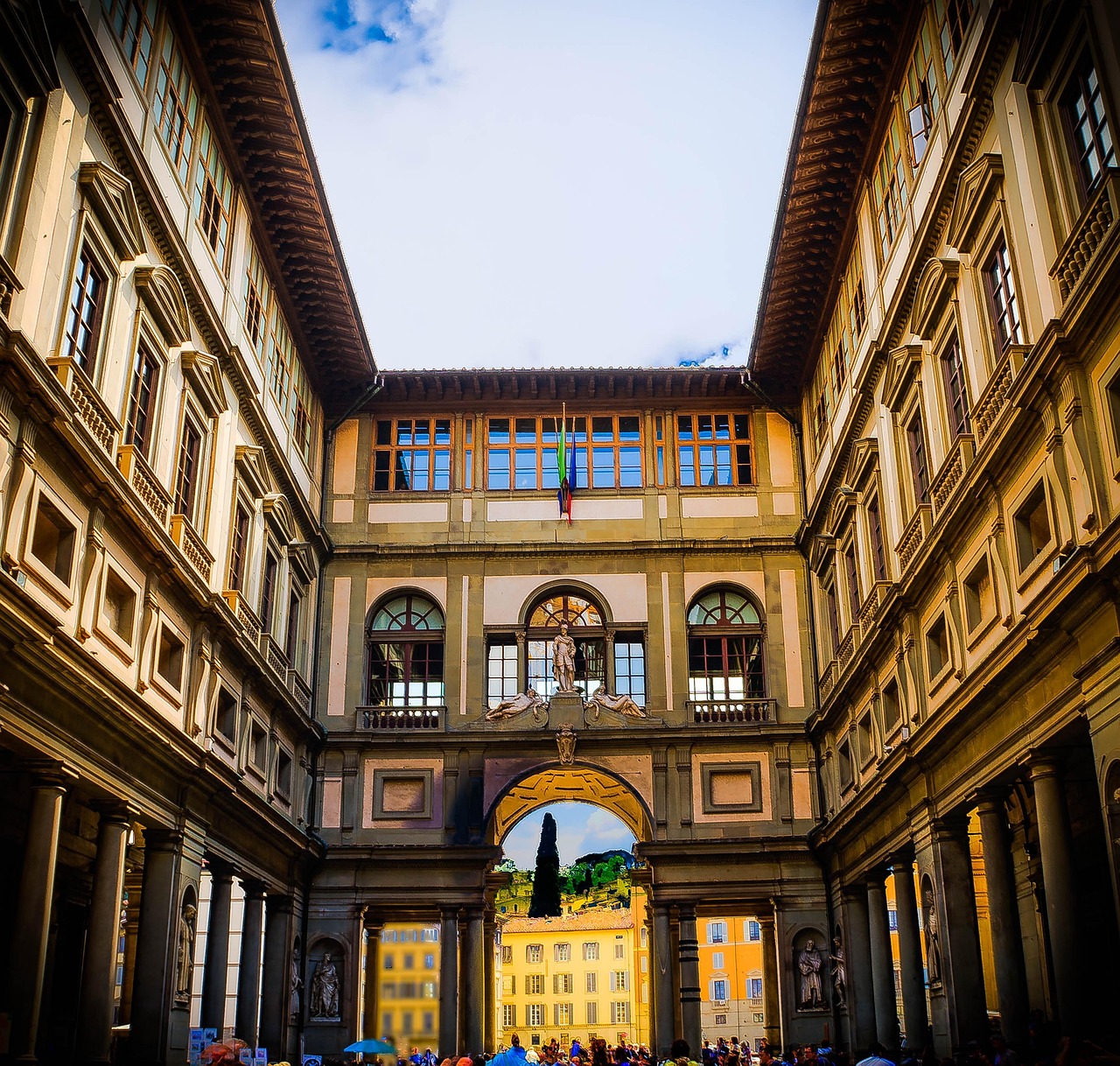
Museum moments and Renaissance art at the Uffizi Gallery in Florence
For travellers who prioritise beauty and meaning, the Uffizi Gallery is the museum experience that most often defines a trip to Florence. It can be overwhelming if you treat it like a race, so the most refined strategy is to choose a “depth-first” route. Timed entry is essential, and a private guide can quietly steer you into rooms where the experience feels more intimate, even when the museum is full.
Start by deciding what the best things are for you personally: Botticelli, Leonardo da Vinci, Caravaggio, or the Medici as patrons. Once you have that anchor, the rest becomes discovery rather than obligation. If you only see one headline museum in Florence, make it this one—and give yourself permission to take breaks.
Botticelli, Leonardo, and Renaissance art: how to enjoy the Uffizi without rushing
An art lover once told me they’d carried images of Botticelli’s The Birth of Venus for years—postcards, books, half-remembered lectures—and still weren’t prepared for the real thing. In the gallery, the scale and softness changed their relationship to the painting; it felt less like an icon and more like a living surface of colour and intention. That hush before you speak, when you realise you’re finally standing in front of something you’ve admired from afar, is one of the top things to see.
Give yourself time for that moment. Stand slightly back, then step closer and notice the line work, the delicacy in the faces, and how the room’s light touches the paint. For extra context, ask your guide to point out works connected to Michelangelo, whose bold forms helped redefine the era’s visual language.
Medici patronage in Florence: reading symbols, power, and Renaissance detail
The Renaissance wasn’t just a style; it was an ecosystem of ambition, rivalry, and ideas, and the Medici family sat at its centre. A good guide will weave in the politics of patronage, but you can also train your own eye with a few simple cues. Look at hands for emotion, drapery for movement, and light for storytelling—artists used these signatures to communicate power, tenderness, and faith.
To keep the day crafted, pair the Uffizi with one smaller, focused museum experience rather than trying to do everything. Many travellers add the Accademia Museum for Michelangelo’s David, or choose a quieter decorative-arts museum if they prefer atmosphere to crowds. Either way, leave space for a late lunch and a slow walk afterwards so the images can settle rather than blur.
- Etiquette: keep your voice low, silence your phone, and follow photography rules—quiet care improves everyone’s museum experience.
- Cloakroom planning: travel light; check umbrellas and larger bags so you move through rooms with ease.
- When it feels busy: an expert guide can uncover quieter rooms and adjust your pacing without fuss.
After a morning of masterpieces, crossing the river feels like stepping into Florence’s softer, more tactile side—where gold, leather, and gardens take the lead.
Explore Oltrarno: Ponte Vecchio, Pitti Palace, Boboli Gardens, and Arno River light
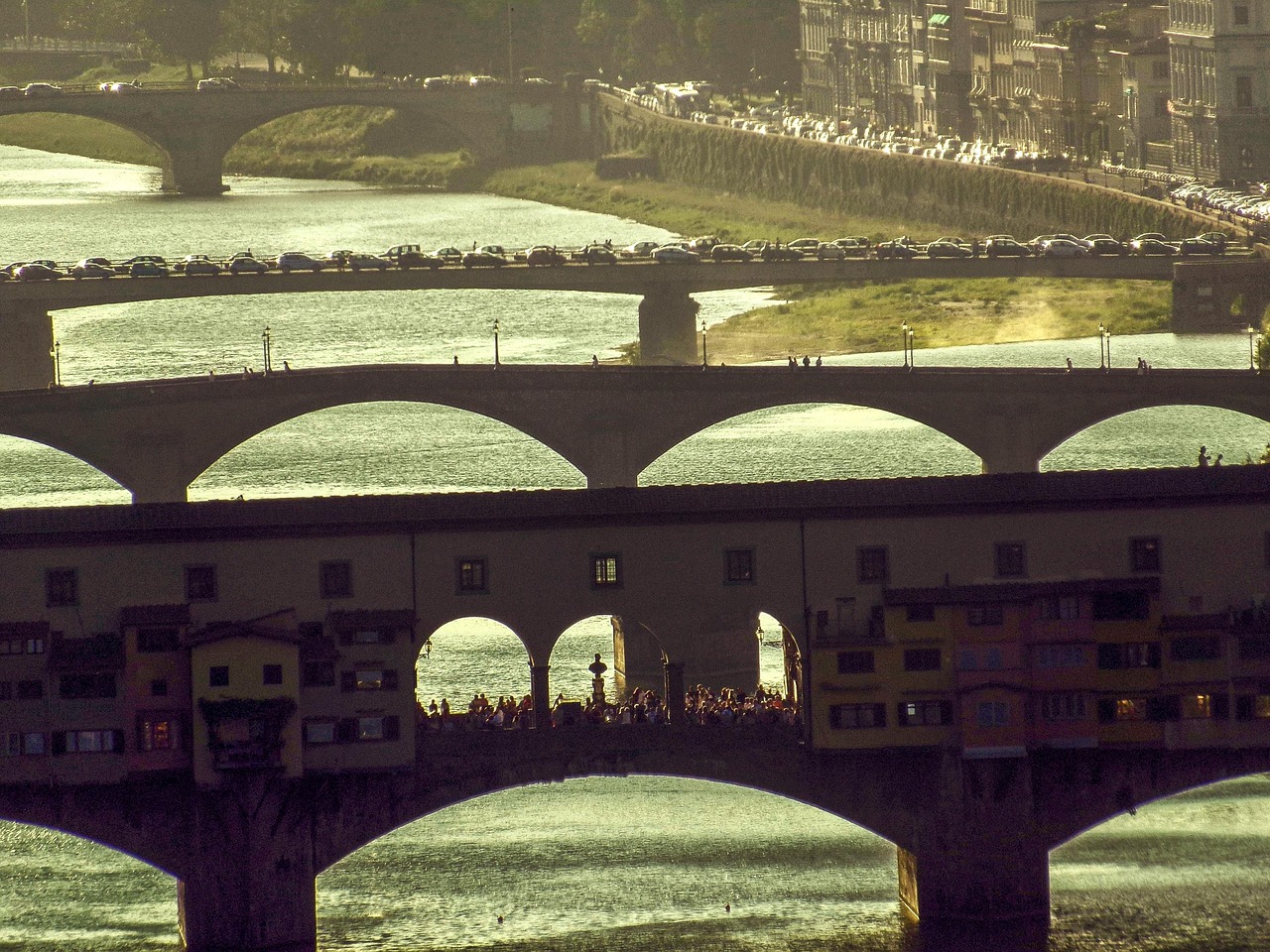
Explore Oltrarno and the Arno from Ponte Vecchio to Boboli Gardens
To explore Oltrarno is to meet the city’s most textural side, where craft and calm sit just beyond the crowds. Begin with Ponte Vecchio, the oldest bridge in Florence and the image most people picture when they think of Florence. The secret is timing: early morning, the air is cooler, and the shop shutters are still waking up; late evening, the light turns honeyed, and Ponte Vecchio feels more like a passage than a performance.
From the bridge in Florence, you’re on the side of the Arno that locals often describe as more lived-in—an authentic part of Florence where wandering is the point. Take a few minutes along the Arno River for views of the city, especially as the light starts to soften. These quiet edges offer some of the best places to reset between museums and monuments.
Oltrarno artisans: workshops, bespoke leather, and a more local Florence
This is where you uncover artisan workshops known for bespoke leather, jewellery, paper marbling, and goldsmithing. A visitor once described their discovery of hidden boutiques in Oltrarno as the most personal part of their trip to Florence: they spoke with a craftsman about tools passed down through generations, watched a technique demonstrated in minutes that clearly took years to master, and left with something meaningful rather than a branded item.
If you’re shopping, remember the afternoon pause mentioned earlier—some studios close mid-day. Plan your browsing for late morning or late afternoon, and you’ll feel welcomed rather than turned away by a locked door. When you do buy, ask about care and origin; artisans appreciate genuine curiosity, and you’ll leave with a story, not just a receipt.
Pitti Palace and Boboli Gardens: Renaissance strolls, viewpoints, and Piazzale Michelangelo
Pitti Palace and the Boboli Gardens are best approached as a Renaissance landscape “gallery”, where paths are designed like corridors and viewpoints like framed paintings. In Boboli Gardens, the luxury is in the pauses: a shaded bench, a long view, and a fountain’s sound that resets your senses after the city’s stone and crowds. A private garden walk can add depth, translating symbols and sightlines so the space becomes more than a park.
As the afternoon turns, make time for Piazzale Michelangelo, the classic viewpoint in Florence for sunset and wide views of the city. For the best view of Florence without jostling, arrive a little earlier than golden hour, choose a spot slightly away from the central railing, and let the light come to you. It’s a simple, beautiful reminder that Michelangelo’s name in Florence isn’t only about sculpture—it’s also about how the city frames itself.
Later, return towards the river for dinner. A couple shared their candlelit meal overlooking the water as the moment the city felt truly together—quiet laughter, a gentle breeze, and Florentine flavours arriving with unforced elegance. If you’re choosing places to eat, look for seasonal menus and calm service rather than the loudest terrace.
If you’re wondering what to see in Florence beyond the big squares and museums, this is the answer: Ponte Vecchio at dusk, a studio conversation, and a garden path that slows your thoughts.
And once you’ve tasted the city, it’s time to taste the countryside—without the logistics stress.
Florence food trail: Mercato Centrale, San Lorenzo, and a Chianti day trip from Florence made easy
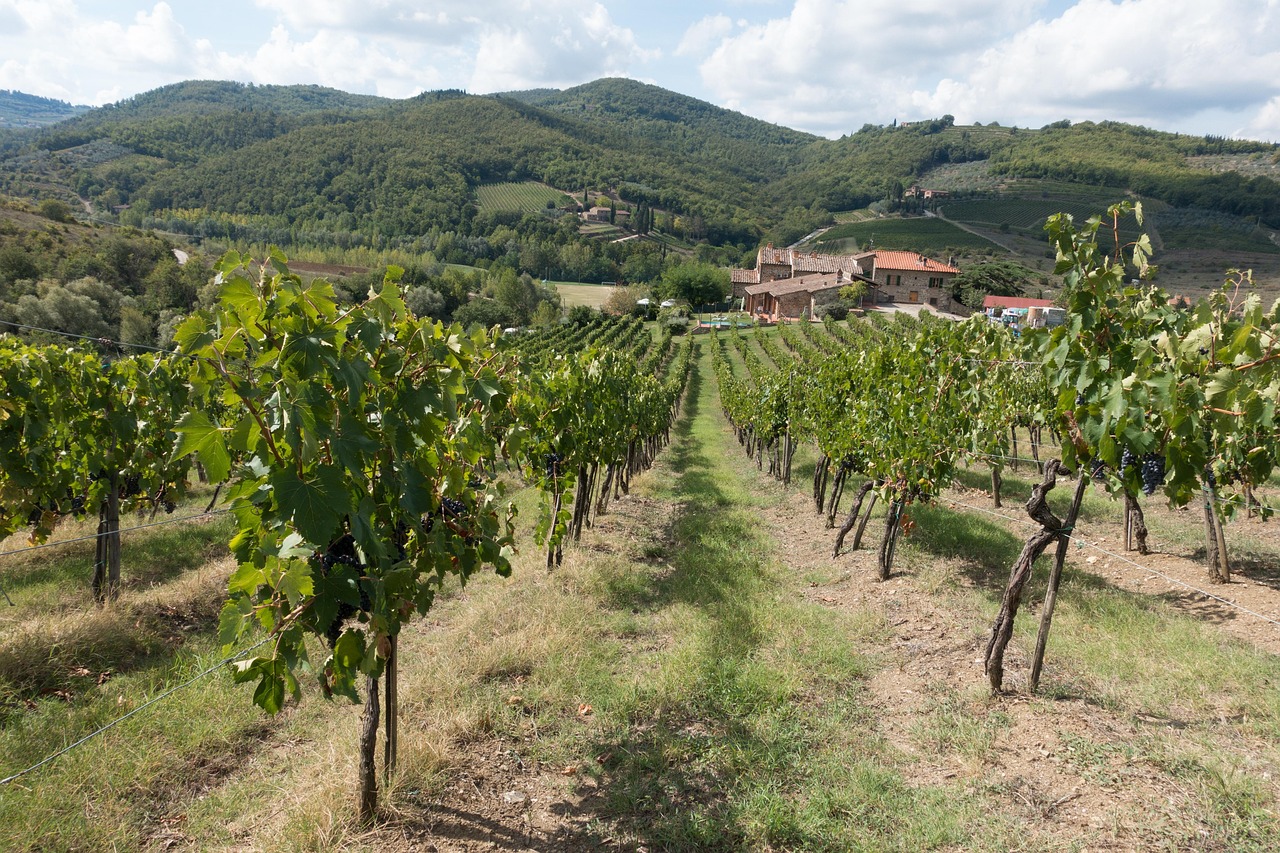
Florence food and a day trip to Chianti are designed for ease
For a delicious, confidence-building day, follow the thread of Florence food through Mercato Centrale. Arrive earlier in the morning, when it’s lively but still navigable, then browse slowly and taste with intention. This is one of the best things you can do for your senses in Florence: choose a few excellent bites rather than trying everything at once.
Look for simple crostini, seasonal vegetables prepared with restraint, and a well-made panino that tastes as Tuscany distilled. If you enjoy a slower start, order a coffee and observe the rhythm around you; Florence teaches you that pleasure is often in the pause. It’s also a helpful reset before another museum stop later in the day.
San Lorenzo mornings: basilica beauty, Medici legacy, and calmer museum alternatives
From the market, it’s easy to pair the San Lorenzo area with a short cultural visit. The basilica is a quiet classic, and the Medici story becomes more personal here—less spectacle, more legacy. If you want a focused add-on, step into the Medici Chapel once, then keep the rest of the morning light with a stroll and lunch nearby.
This is also where it pays to remember that not everything is open every day, even if it looks like it should be. Confirm hours the day before (your hotel can do this in seconds), and your day in Florence stays smooth. For architecture lovers, the Basilica di San Lorenzo is a graceful stop that complements the Duomo without repeating the same experience.
Santa Maria Novella area: refined details, easy walks, and departure-day simplicity
Before you leave the centre, enjoy the Santa Maria Novella neighbourhood on a refined walk near the station. You’ll find elegant cafés, beautifully presented windows, and historic perfumeries that feel like small museums of scent. Because this area connects directly to the train station, it’s ideal on arrival or departure days when you want beauty without complexity.
Now for the countryside: a day trip from Florence into Chianti is one of the best day trips from Florence, especially when it’s designed to feel seamless. With a private driver, you don’t have to navigate routes, parking, or tasting times; you can simply look out at olive groves and vineyards. This kind of day trip can be the perfect contrast after museum mornings and city walking.
A private wine tasting often includes a cellar-door visit, a walk through vines, and guided pours that make the flavours feel legible—structure, tannin, acidity, and the way place becomes taste. It’s one of the very best ways to experience Florence and Tuscany together, because it turns your trip into a story that moves from art to agriculture without strain.
- Chianti routing: choose one or two wineries rather than four; depth is more luxurious than volume.
- Comfort: bring a light jacket and sunglasses; tastings can move between cool cellars and bright terraces.
- Purchases: ask about shipping so you can travel lightly back in Florence.
Where you stay matters, too. If you want quiet and strong staff support, consider these neighbourhood notes as recommendations for the top areas to stay in Florence: near Piazza della Signoria for classic central elegance; the Duomo area for immediate access to major sights (choose a quieter street); Santa Croce for atmosphere and artisans; and Oltrarno for a more local, design-forward feel near workshops. Wherever you choose, great teams make reservations, secure drivers, and gently steer you away from stress—so your stay in Florence feels supported.
If this is your first time in Florence, these choices keep the experience beautifully simple while still feeling exceptional. And if you’re continuing around Italy, Florence is one of those cities in Italy that makes you want to return to Florence rather than rush onward.
When you visit Italy for art and wine, you imagine a highlight reel. Florence offers something more enduring: a mood that stays.
F.A.Qs: Florence travel questions answered
What should you not miss in Florence?
You shouldn’t miss the Duomo district for its architecture and views, a focused museum visit to the Uffizi Gallery for Renaissance highlights, and time across the Arno River in Oltrarno for artisans and an evening stroll. If you can, add Boboli Gardens and a sunset viewpoint for a softer rhythm.
What is Florence, Italy, best known for?
Florence is best known for its Renaissance heritage, extraordinary museum collections, and landmark architecture centred on the Duomo. It’s also celebrated for Medici patronage, Florentine craft traditions, and a walkable historic centre where each street can feel like a living gallery.
What are the top five things to do in Florence, Italy?
Many travellers choose this list of things: a private Duomo experience, the Uffizi Gallery, Piazza della Signoria and Palazzo Vecchio, crossing the Ponte Vecchio into Oltrarno for craft, and Boboli Gardens. For an added indulgence, a Chianti wine day trip brings Florence and the countryside together without stress.
Is 2 days good enough for Florence?
Two days can be enough for a beautiful first taste if you design it well. Focus on one major sight each morning—such as the Duomo and a museum—then keep afternoons for walking, Florence food, and Oltrarno. Booking timed tickets and choosing a central hotel will help the experience feel calm rather than compressed.
After a Florence visit: reflections, favourite moments, and why I’ll return
Long after you leave, Florence lingers in small, almost private details. It’s the echo of footsteps on stone when the streets are still cool, the hush that gathers before a painting in a museum, and the faint scent of leather that seems to follow you out of a workshop. These are the moments that don’t announce themselves as “top things”, yet they become the ones you remember most.
There’s a gentle inner change that happens when you travel with care and give beauty time to speak. You begin to notice your own taste—what you’re drawn to, what calms you, what makes you feel quietly alive. Florence is one of the best places for slow travel, where the most memorable attraction might simply be a view at dusk.
Togetherness feels different here, too. It might be sharing Piazzale Michelangelo at sunset, or sitting through a slow dinner where conversation is unhurried. There are a few things I would repeat every time: start early at the Duomo, choose one museum with intention, and leave an hour for wandering without a map.
When I think of Florence now, I don’t picture crowds or checklists. I picture light moving across marble, a guide who made the day feel seamless, and the calm confidence of knowing where to go next. Next time I visit, I’ll happily be back in Florence for the small rituals—coffee, slow walks, and one more evening along the Arno.
And perhaps that is the quiet gift of a trip to Florence: it doesn’t ask you to do more—only to come back with the same curiosity, and to feel a little more deeply.