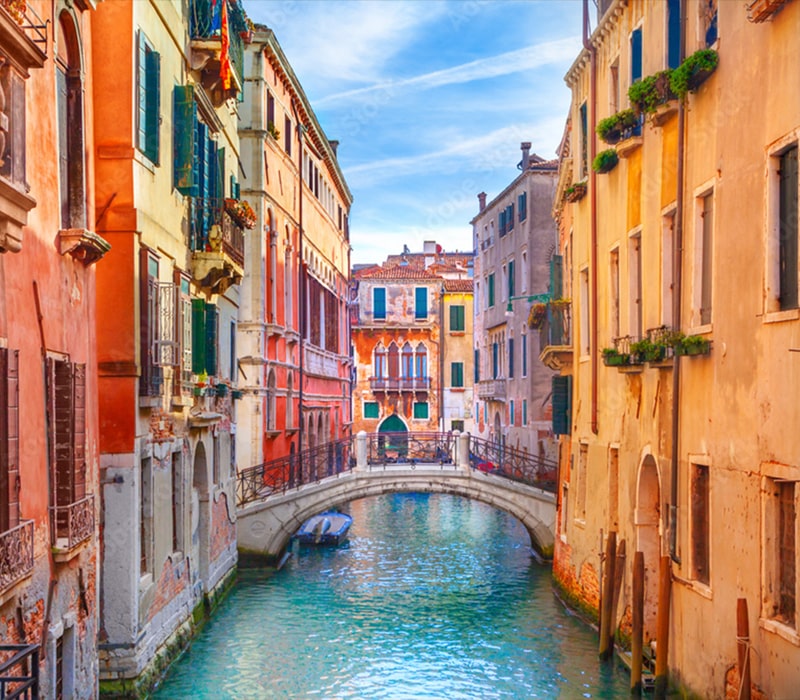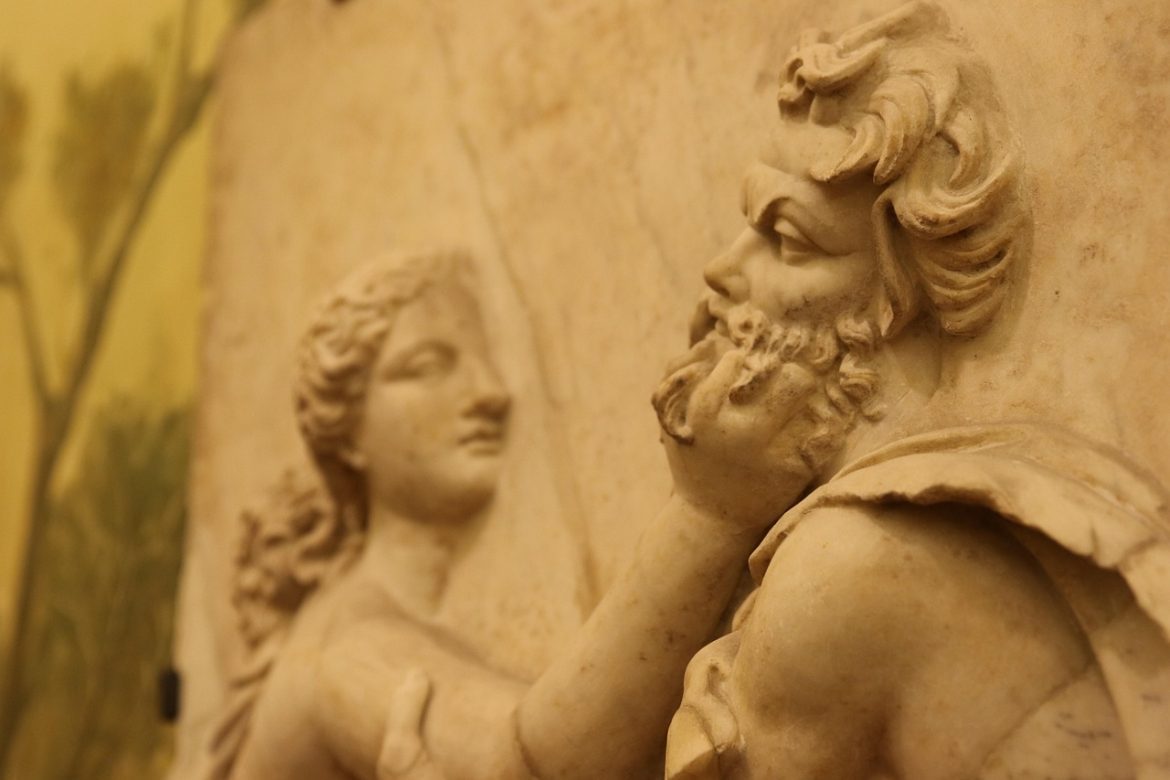
Planning your trip to Naples: a seamless luxury stay & planning your trip to Naples travel guide for high-end travellers

Planning your trip to Naples for a seamless luxury stay with the Bay of Naples in view
If there’s one secret to a confident, high-end visit to Naples, it’s this: planning your trip to Naples for luxury travellers isn’t about adding more—it’s about designing the right rhythm. This travel guide distils 10 things that make a stay feel effortless, from calm transfers to well-timed reservations, so even first-timers can enjoy the best of the city without pressure. If you’re searching for things to do in Naples, Italy, start by choosing a place that leaves space for the city’s surprises.
The best time to visit Naples is spring (April to June) or early autumn (September to October), when the light is kind, the air is mild, and the city’s top sights feel easier to access. In these shoulder seasons, it’s also simpler to secure the tables and private visits you genuinely want, rather than accepting what’s left. Naples is one of Italy’s most rewarding city breaks when you plan a little ahead and then let the days unfold naturally.
Arrivals, private transfers and where to stay in Naples with confidence
Arrive via Naples International Airport or by high-speed train from Rome and Florence, then let the city meet you gently. Luxury travellers often choose a private transfer or chauffeur service, sometimes with VIP meet-and-assist, so you can glide from arrivals to car to hotel without friction. If you’re combining Naples with places in Italy further south, it’s also a graceful jumping-off point into southern Italy—and an easy base for exploring outside the city on curated excursions.
Where you stay in Naples shapes how it feels. The historic centre offers immediate access to art, churches, and the heart of Naples—ideal if you like to step outside and be part of the story. It’s also a UNESCO World Heritage site. The waterfront (around Santa Lucia and along the promenade) is calmer and cinematic, with long views of the sea and a softer pace. “Well-reviewed accommodations” at this level means more than design: look for consistent notes on quiet rooms, attentive concierge teams, and thoughtful security so your visit to Naples feels genuinely restorative.
Practical reassurance and a calm luxury itinerary for exploring the city
Naples doesn’t need to feel overwhelming; with the right choices, it becomes surprisingly tender. Wear comfortable footwear for cobbled streets, keep your bag zipped in busy lanes, and trust a concierge to advise which routes feel easiest at certain times. As a simple rule, avoid the area immediately outside the main station late at night unless you’re with a driver—your comfort matters.
To keep days seamless, plan a loose itinerary that alternates high energy with restoration: a guided walk, then a long lunch; a museum, then a quiet coffee; a sunset view, then a short drive to dinner. Naples is a UNESCO world city where planning creates freedom, not restriction—especially on a getaway to Naples designed around your preferences. For tailored inspiration across the country, you can browse our Trip gallery and imagine how Naples can fit into a broader, beautifully crafted route.
- Best months: April–June and September–October for mild weather and easier reservations in Naples.
- Arrive well: private transfers remove stress and keep exploring the city enjoyable from the moment you arrive.
- Keep it light: carry only daily essentials; store the rest in your hotel safe so you can move comfortably.
- Local etiquette: greet staff politely, keep your voice low in refined spaces, and let your concierge assist with special requests.




Exploring Naples in the historic centre: Spaccanapoli walking route & things to do in Naples with a private guided tour

Exploring Naples in the historic center and Spaccanapoli with a private guided walk
For travellers who want the city to open like a story, a private guided tour through the historic centre is the phrase to remember. Walking the UNESCO World Heritage site with an expert gives you the confidence to lean into the bustle, without being pulled along by it. This is the historic centre of Naples at its most vivid—washing lines and carved doorways, pocket chapels and street music, all threaded by a single ancient line.
Spaccanapoli quite literally cuts across the city, a straight seam through centuries. With an experienced guide, you can explore with care—learning how Greek foundations, medieval faith, and modern life share the same stones, often within one glance. It’s also one of the best things you can do early in your stay, because it helps you orient yourself for the rest of Naples.
Spaccanapoli, Via dei Tribunali and the city’s living craft traditions
Following Spaccanapoli towards via dei tribunali, you’ll find sacred architecture beside workshops where craft still matters. One guest told us their guided walk became personal the moment lively street music rose behind them; as they paused at artisanal shops, a maker explained a technique learned from his grandfather, and suddenly they felt part of the city rather than simply passing through it—part of the city in the most human sense. Nearby, Quartieri Spagnoli—the Spanish quarter—adds colour and character, best enjoyed with a local who knows the calmer lanes.
Meaningful shopping here isn’t about collecting; it’s about creating connection. Ask your guide to introduce you to cameo carvers, leather artisans, or small ceramic studios, and you’ll uncover stories carried through generations—souvenirs that hold insight, not just a logo.
Gesù nuovo, del Gesù and the quiet courtyard of Santa Chiara
Balance the street’s energy with calm: step inside the geometric façade of this baroque church, then linger around del gesù where the rhythm softens. A cloistered pause at a di santa sanctuary such as Santa Chiara can feel like exhaling—cool stone, filtered light, and the kind of quiet that restores your appetite for discovery.
And yes, taste matters here, but without cliché. Naples is the birthplace of pizza, so treat an elegant meal as part of your cultural immersion: choose a well-regarded address, sit down, and enjoy pizza in Naples as an attraction rather than a rushed bite between churches.
- Go private: a guided tour helps you read details you’d otherwise miss in Naples’ historic lanes.
- Shop slowly: ask for artisan introductions rather than generic stores.
- Reset often: churches and cloisters offer calm amid the lively lanes of Naples.
Royal Naples: Palazzo Reale & Piazza del Plebiscito—Royal Palace of Naples highlights and an elegant city attraction
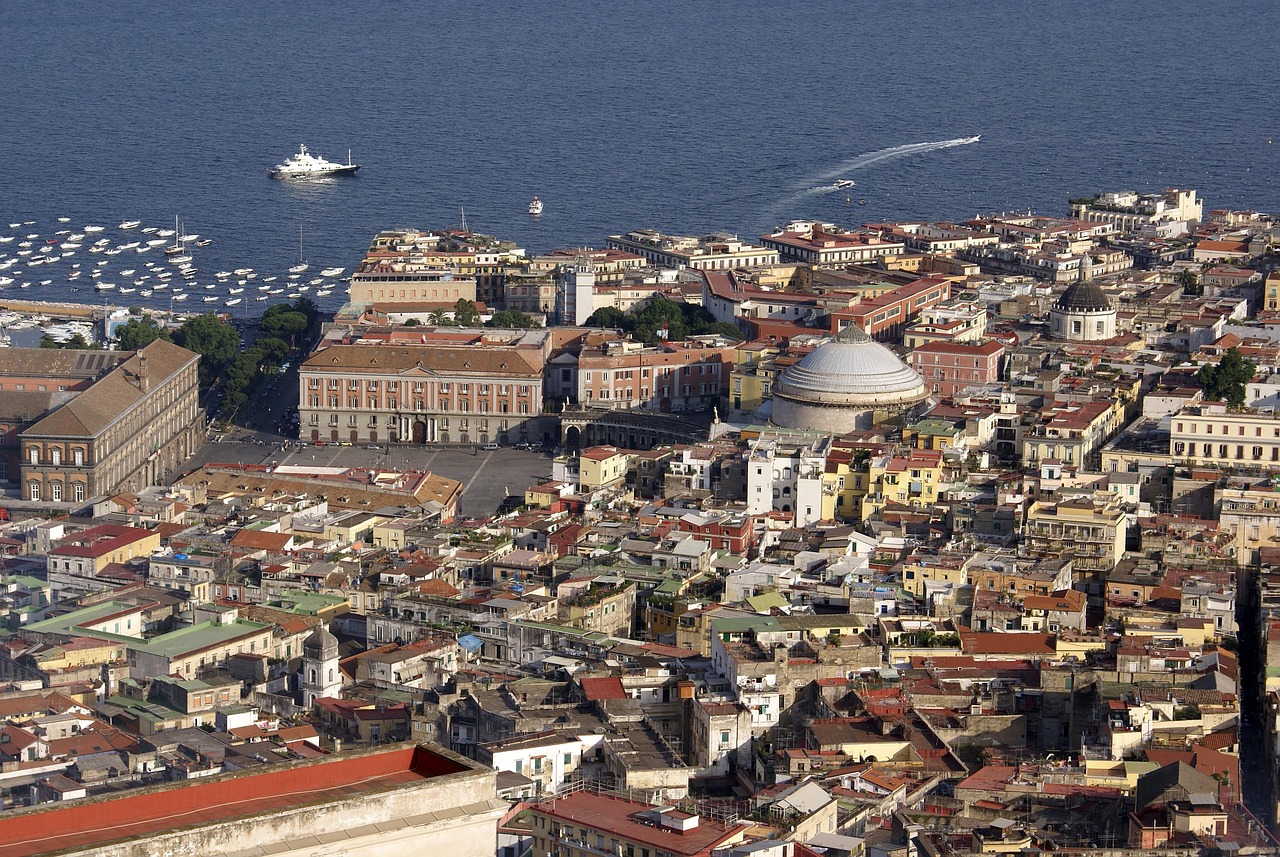
Royal Naples at Palazzo Reale and Piazza del Plebiscito for an elegant city pause
When you want grandeur without strain, plan time at Piazza del Plebiscito and the Royal Palace of Naples as a refined anchor. Begin at Piazza del Plebiscito, where scale and symmetry settle the senses; Plebiscito is one of the city’s great stages, and a natural starting point for a slower afternoon. From here, the city’s mood changes: the noise becomes background, and architecture takes the lead—an easy contrast to the tighter lanes of the historic centre.
This part of Naples rewards a spacious pace. Pause for photographs, then choose one or two interiors to explore rather than trying to see everything at once; elegance here is often found in restraint. A concierge can help align tickets, timing, and a nearby reservation to make the afternoon feel composed.
Palazzo Reale and Bourbon layers in the history of Naples
Tour the Palazzo Reale with a private guide, and you’ll see how the city’s identity was shaped by ambition, artistry, and the Bourbon court. It’s one of Italy’s most revealing royal residences, not because it tries to impress, but because it quietly shows power through detail: inlaid rooms, ceremonial staircases, and small symbols that your guide can translate into a story. If you love context, this is where the history of Naples becomes tangible.
Listen for the layered influences—Spanish strategy, royal ceremony, civic pride—then linger where you feel drawn. High-end travel is often about trust: trusting your own pace, and trusting an expert to give context without rushing you.
San Carlo, Galleria Umberto and views of the bay at golden hour
If schedules allow, pair the palace with Teatro di San Carlo, one of the world’s most storied opera houses; your concierge can advise on access, timings, and dress codes so you move confidently. Afterwards, stroll to Galleria Umberto for its glass-and-iron elegance—morning is best for photographs, while late afternoon can be beautifully atmospheric with softer light. For a panoramic finale, consider Castel Sant’Elmo before dinner, when the city lights begin to flicker on.
As an optional add-on, end at Castel dell’Ovo. The poet Virgil is bound to local legend here, and the setting is as cinematic as Naples gets. It’s also often described as the oldest standing fortification in Naples, and the views of the bay are a gentle prelude to dinner.
- Best photo moments: early morning at Galleria Umberto, golden hour near Castel dell’Ovo in Naples.
- Dress with ease: smart-casual works well for palace and theatre settings.
Naples National Archaeological Museum (MANN): a private highlight and a tour for Pompeii treasures

Naples National Archaeological Museum as a private highlight for Pompeii treasures
For travellers drawn to beauty with depth, a private visit to MANN is one of the best things you can design into your stay. The national archaeological museum of naples is one of the world’s essential collections for understanding the ancient city around Vesuvius—particularly if Pompeii is on your horizon. Its galleries hold not just objects, but texture: how people cooked, decorated, worshipped, and laughed, before time stopped.
Book an exclusive, expert-led private tour at early entry or quieter hours. The difference is immediate: fewer distractions, more space to ask questions, and the kind of insight that turns “old stones” into intimate lives. For many travellers, it becomes the key that unlocks Pompeii later on.
Pompeii treasures that change what you notice later at the ruins
On a private visit, focus on Pompeii treasures—mosaics, fresco fragments, and everyday objects whose familiarity is almost unsettling. One guest described how, after seeing a child’s toy and a delicate piece of jewellery in the museum, the ruins felt suddenly human. Later, walking among columns and courtyards, they noticed small things with new care: the curve of a threshold worn by feet, the scale of a kitchen, the deliberate beauty in ordinary rooms.
This is the museum’s quiet gift: it gives you language for what you’ll feel later, and confidence in what you’re seeing in Pompeii.
Seamless practicalities and a small Napoli language moment
For comfort, choose timed tickets, use the cloakroom, and plan a simple transfer back into central Naples rather than cramming more into the same afternoon. A concierge can align your museum timing with an easy lunch reservation nearby, keeping the day crafted rather than chaotic. If you’re collecting ideas for things to do in Naples, this is a calm, high-impact cornerstone.
And listen to how locals speak: they often say Napoli, not Naples. Using a few words—“buongiorno”, “grazie”, and “Napoli”—can open warmer interactions, especially in small cafés where service is personal, and pride runs deep.
Underground Naples and the Catacombs of San Gennaro: a quieter wonder when you visit Naples

Underground Naples and the Catacombs of San Gennaro for a quieter kind of wonder
To uncover a different layer of the city, the Catacombs of San Gennaro offer an evocative contrast to the sunlit streets above. Beneath the surface, the air cools, and the noise drops away; what remains is an ancient stillness that feels surprisingly reassuring. It’s a singular attraction for early Christian art, carved chambers, and the sense that Naples has always held multitudes.
The Catacombe di San Gennaro are especially moving when visited with a reputable, well-paced guide who can explain symbols and stories without sensationalism. Choose a time that suits your energy, then plan something light afterwards to balance the mood.
San Gennaro as the patron saint of Naples and a city-wide compass
As the patron saint of Naples, San Gennaro is, for many locals, an emotional compass—proof that faith here is not only ritual, but relationship. You’ll notice “di san” names echoing across Naples’ sacred geography, and the catacombs help those places feel connected rather than scattered. Even for non-religious visitors, it’s an intimate window into how Neapolitans talk about hope and protection.
For continuity, consider pairing this visit with the Naples Cathedral, where devotion becomes visible in architecture and daily life. It’s not about belief as much as it is about understanding what matters to Neapolitans.
Comfort, care and balancing the day back above ground
Wear closed-toe shoes and bring a light layer; underground temperatures can still be chilly even in summer. If enclosed spaces make you uneasy, tell your concierge in advance so they can choose the calmest guided tour operator and the best time to go. A little preparation keeps this experience thoughtful rather than intense.
Then return to daylight deliberately. A bright aperitivo—somewhere airy, with a small plate and a view—can balance the weight of underground time, keeping your day both reflective and light in Naples.
- Choose quality: opt for official or highly reviewed guides for a calmer experience in Naples.
- Dress smartly: light layers and comfortable shoes support confidence underground.
Day trip from Naples to Pompeii and Mount Vesuvius at sunrise: a private day trip tour

Day trip from Naples to Pompeii and Mount Vesuvius at sunrise with panoramic views
For a memorable contrast to the city, a sunrise day trip is best designed as a premium early start. A private driver or curated small group means you can leave before the crowds, arrive comfortably, and keep the day personal—an ideal tour from Naples when you want comfort and context. This is Vesuvius and Pompeii as they should be: spacious, quiet, and emotionally clear.
There’s also something powerful about arriving before the day fully begins. One visitor shared how a sunrise climb gave them a sense of awe—standing above the crater in near silence, watching the world brighten over water and stone.
Mount Vesuvius at the rim and the Gulf of Naples panorama
At Mount Vesuvius, walk the rim with an expert guide and follow local safety guidance, especially on loose gravel. The panoramic payoff is extraordinary: the bay of Naples and the Gulf of Naples spread out below, with the city’s edges soft in the morning haze. It’s a view that makes Naples feel both immediate and infinite, as if you can hold it all at once.
Bring water, a light jacket, and shoes with grip—small choices that keep the experience seamless. If you’re travelling with different fitness levels, your driver can time the ascent so everyone feels comfortable.
Pompeii with an archaeologist guide and one quiet moment
In Pompeii, choose a specialist archaeologist who can craft a paced route through the ruins of Pompeii, avoiding the sense of being herded. Ask for one quiet moment built in—no commentary, no photographs—just listening to the wind moving through the columns. That pause often becomes the most lasting part of the day.
When you visit Pompeii, the museum context from Naples makes the site more vivid: you recognise motifs, understand domestic details, and feel the city of Pompeii as a place once lived in rather than simply observed. If time and energy allow, consider Pompeii and Herculaneum as a pairing; Herculaneum is smaller than Pompeii and can feel more intimate, with details preserved in a different way. A private driver can also suggest the easiest way to Pompeii from your hotel, so logistics stay invisible.
- Start early: sunrise reduces heat, crowds, and stress on a day trip from Naples.
- Go specialist: an archaeologist guide transforms what you notice at Pompeii and Vesuvius.
- Hydrate and pace: keep the day comfortable for a high-end experience.
Amalfi Coast yacht cruise and Capri escape from Naples: day trips from Naples by sea
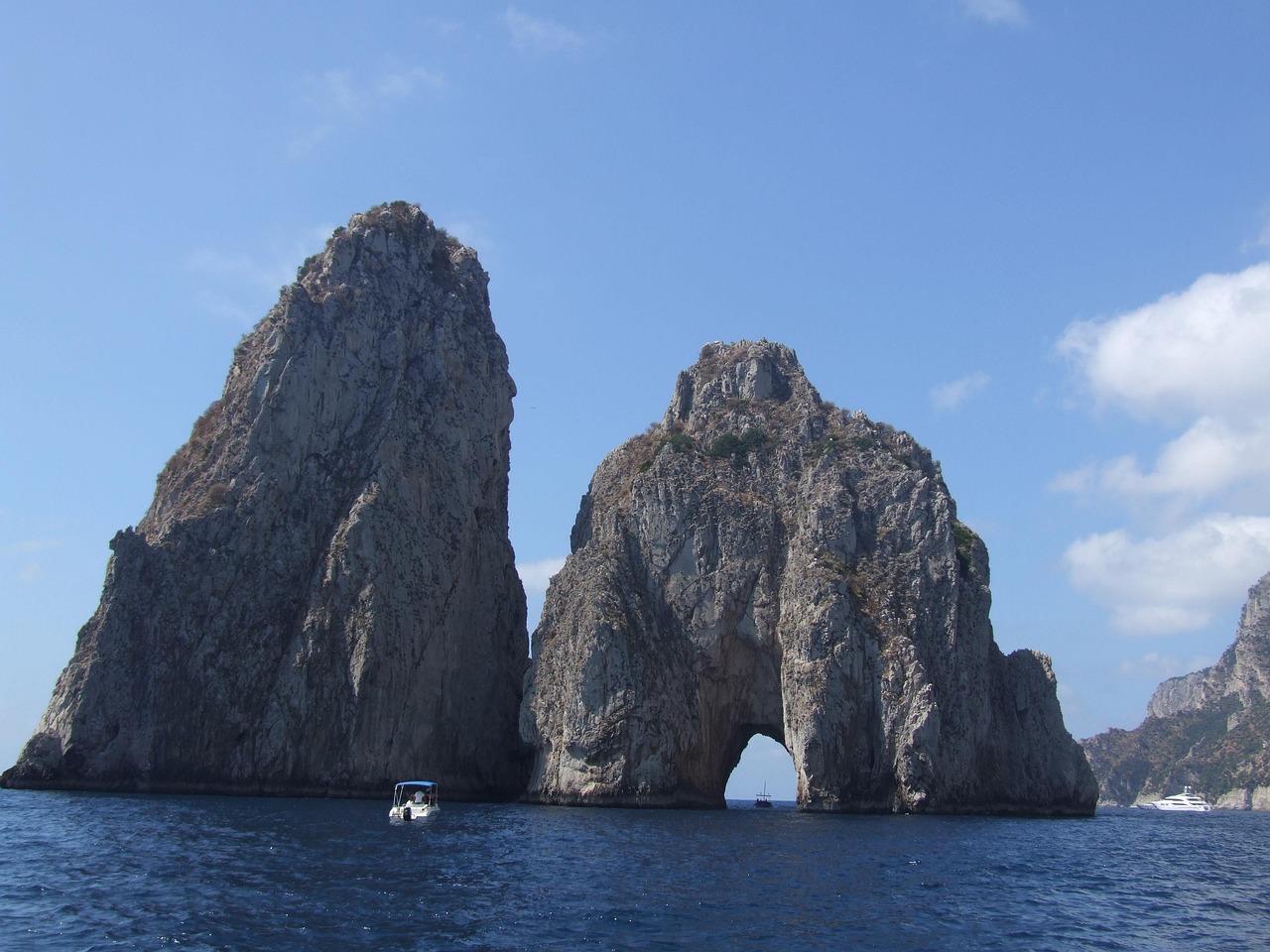
Amalfi Coast yacht cruise and Capri escape from Naples with swim stops and coastline views
If you want Naples to feel like pure indulgence, an Amalfi Coast day on the water is the day to design. Departing from the city, a luxury yacht cruise creates a different rhythm entirely—salt air, open horizon, and a captain who handles the details so you can simply be present. It’s one of Naples’ most pleasurable contrasts: the urban energy behind you, the coastline unfolding ahead around Naples and beyond.
The Amalfi Coast is best enjoyed unhurried, with time built in for swim stops and spontaneous detours when the light turns perfect. If you prefer a lower-commitment option, a ferry from Naples plus a private car on land can still feel polished and relaxed.
Seaside dining at anchor with the Bay of Naples in the distance
Plan for seaside dining at anchor, with sunlit plates and a chilled glass, and let the day feel crafted rather than scheduled. A traveller once recounted an evening eating fresh seafood on a secluded terrace overlooking the bay of Naples, the city illuminated at night like a constellation; a yacht day can echo that emotion, when you look back and see Naples glowing softly in the distance. Ask your crew to recommend a simple menu that feels local—fresh fish, lemon, olive oil—served with care.
Luxury here is quiet: comfort, privacy, and the space to talk together without interruption. For couples and families, these hours on the water often become the most restorative part of the trip.
Capri options and confidence with sea-day logistics
Capri can be folded into day trips from Naples with a tender landing and an unhurried plan—perhaps a gentle loop by boat, then a short time ashore for a drink and a view. Alternatively, keep Capri as its own day trip so it doesn’t feel compressed, especially in high season. Either way, pack light layers, sun protection, and a book you actually want to read.
Sea conditions matter, so let a captain and concierge team support decisions on timing. If the weather is changeable, switching plans early keeps the day feeling intentional rather than reactive.
- Pack wisely: sun cream, a light jumper, and non-slip sandals for a day trip.
- Stay flexible: the best days adapt to sea and wind along the coast.
Neapolitan fine dining and local artisan ateliers: the best things to do in Naples for a refined evening

Neapolitan fine dining and local artisan ateliers for a refined Naples evening
For those curating the best things to do in Naples, a refined Neapolitan dinner belongs on the list, not as a trophy, but as a mood. High-end dining in Naples is at its best when you let an expert concierge handle reservations, preferences, and timing—so evenings feel unhurried and seamless, and you can show up with confidence rather than logistics on your mind. Naples is the birthplace of pizza, and that heritage deserves at least one slow, well-chosen meal.
Choose one restaurant in Naples that feels genuinely aligned with you, then design the rest of the night around it: a gentle walk, an aperitivo, and a return to your hotel without rushing. For many travellers, this is where Naples makes sense—through conversation, warmth, and a table that feels like a small stage.
Palazzo Petrucci and refined Neapolitan flavour with modern technique
A Michelin-starred address such as Palazzo Petrucci offers refined traditional Neapolitan flavours, handled with modern technique and warm service. Expect familiar ingredients—tomato, seafood, citrus—presented with elegance rather than heaviness. This is where polite greetings and quieter tones matter, not as rules, but as a form of care for the room and the people in it.
If you have dietary needs, mention them in advance and trust the kitchen to support you kindly. The best places in Naples handle it with discretion and creativity.
Coffee culture and artisan ateliers that feel personal
Make coffee a daily ritual. Step into historic cafés for authentic Neapolitan espresso, and add a sfogliatella pause when you need something sweet and grounding. These small local moments can anchor your days in Naples more than any monument.
Then return to craft. Arrange guided introductions to artisan ateliers—ceramics, leather, cameo—so you can meet the makers rather than simply purchase objects. One luxury traveller told us they found their most meaningful souvenirs this way: a craftsman demonstrated a traditional technique passed down generations, and the piece they brought home carried a story they could retell for years.
- Reserve ahead: Michelin-level dining often books up in Naples, especially at weekends.
- Keep it graceful: a soft voice and a warm greeting go a long way.
- Buy with meaning: choose crafted pieces you’ll genuinely live with.
What stays with you after Naples, Italy: a Naples travel guide reflection after your visit to Naples
After your visit to Naples, the real reflection isn’t about what you ticked off—it’s about what settled into you. Naples takes you in through contradiction: noise and tenderness, grandeur and grit, faith and humour in the same breath. Naples is one of those places in Italy that can change how you travel, because it teaches you to stay present even when the streets feel intense.
What lingers is often small. A few notes of music slipping down Spaccanapoli. The cool air of stone after the sun. The way a stranger’s “buonasera” can feel like trust, offered without demand.
The night light over the bay and the feeling of togetherness
For many, one image returns again and again: the bay at night, seen from a quiet terrace, with Naples illuminated and alive but somehow gentle at a distance. Perhaps it’s because shared meals soften the edges of a day, or because walking together behind an expert guide makes you feel held by the city rather than tested by it. In those moments, Naples doesn’t ask you to be a different person—it simply invites you to notice more.
Whether Naples is worth returning to is rarely a question after you’ve found your rhythm. The city has a way of making Naples feel familiar, even on a first stay, and that’s part of its quiet magic.
A city you can return to for deeper insight—again and again
Long after you leave, you may find yourself thinking of Naples not as a place you “did”, but a place you met. The kind of city where you can uncover something new in the same view each time—because you’ve changed, and because the city is patient. If you ever wonder how to spend in Naples on a second trip, the answer is simple: go slower, revisit one museum or church, and leave space for conversation.
F.A.Qs: Things to do in Naples, Italy
What not to miss in Naples?
Don’t miss a private walk through the historic centre and Spaccanapoli, a curated visit to the Naples National Archaeological Museum, and time at Piazza del Plebiscito. For a deeper layer, the Catacombs of San Gennaro are unforgettable. If your schedule allows, add a day trip to Pompeii and Vesuvius, then balance it all with one excellent Neapolitan dinner and a quiet waterfront sunset.
What is Naples, Italy, best known for?
Naples is best known for its intense street life, extraordinary art and churches, and its role as a gateway to Pompeii, Mount Vesuvius, Capri, and the Amalfi Coast. It’s also celebrated for craftsmanship and food culture, from espresso rituals to pizza traditions—Naples is the birthplace of pizza, and locals treat that legacy with pride. For many travellers, what stands out most is the city’s creative energy—raw, elegant, and deeply human when explored with the right guidance.
What is a must-try food in Italy?
In Naples, a must-try is a beautifully made margherita-style pizza enjoyed slowly in a reputable setting, plus a classic sfogliatella with an espresso. More broadly in Italy, seasonal pasta dishes and fresh seafood are often the most rewarding choices when they’re local to the region. The best approach is to let your concierge or a trusted guide recommend what’s at its peak that day.
How many days in Naples is enough?
For most high-end travellers, 3 to 4 days in Naples is enough to enjoy the city at a comfortable pace: one day for the historic centre, one for royal and waterfront areas, one for Pompeii and Vesuvius, and a flexible day for Capri or the Amalfi Coast. Whether Naples is worth 5 days depends on how you want to spend time in Naples—if you prefer slower mornings, longer meals, and artisan visits, the extra time feels effortless.