Things to Do in Rome: The Best Things for a Designer’s First Day luxury travel guide Italy
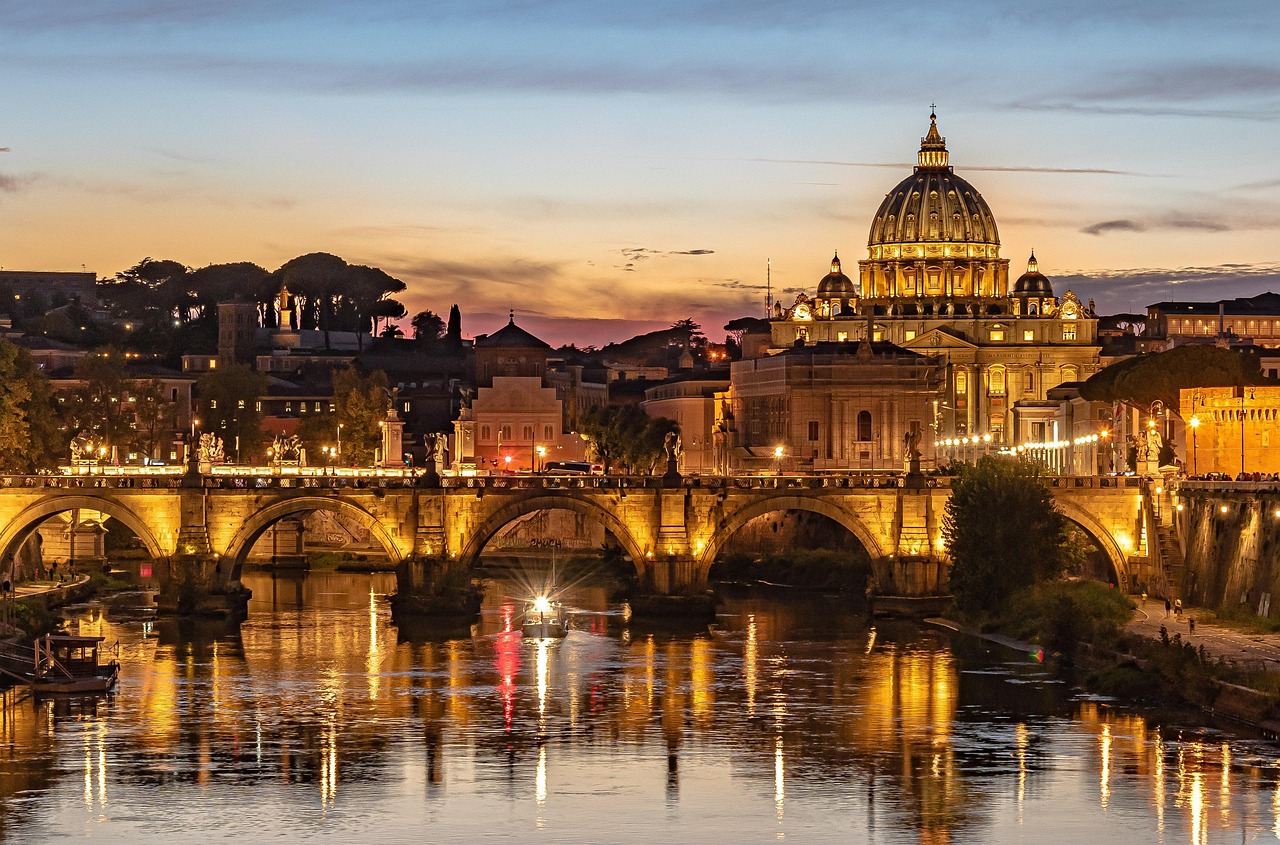
Things to Do in Rome The Best Things for a Designer First Day along the Tiber
This is our luxury travel guide to the best things to do in Rome, Italy—less about racing between main tourist attractions, and more about designing a first day that feels spacious, elegant, and beautifully paced. When high-end travellers talk about a “tourist attraction”, they’re rarely chasing a queue; they’re seeking insight, calm access, and the kind of local perspective that makes a familiar postcard scene feel personal again.
Rome is a city full of layers, and your first 24 hours should gently peel them back. Begin with a walking loop that gives you orientation—light, landmarks, and a sense of neighbourhood texture—without overcommitting. Your reward is confidence: you’ll know how the city breathes before you invest your energy in its biggest monuments.
Tourist attraction redefined for high-end travellers
For a designer-minded way to experience Rome, the “top attractions” aren’t simply places in Rome to tick off; they’re experiences you can shape. That might mean skip-the-queue entry, timed access that avoids the midday swell, or a private guide who can translate ancient Rome into human stories—without drowning you in dates.
It also means deciding early what’s worth visiting on day one and what can wait. The heart of Rome rewards those who leave room for the unexpected: a side chapel open for a moment, a fountain in shade, or the sound of footsteps on cobblestones just before the city fully wakes.
Where to base yourself in the centre of Rome
Choosing a base in the centre of Rome changes everything—especially if you want a seamless stay in Rome. A boutique hotel often offers intimacy: a concierge who learns your rhythm, a quieter breakfast, and thoughtful design details that make returning “home” feel restorative. A grand heritage address, on the other hand, can deliver scale and ceremony—particularly lovely if you enjoy formal service and the sense of being part of the city’s long story.
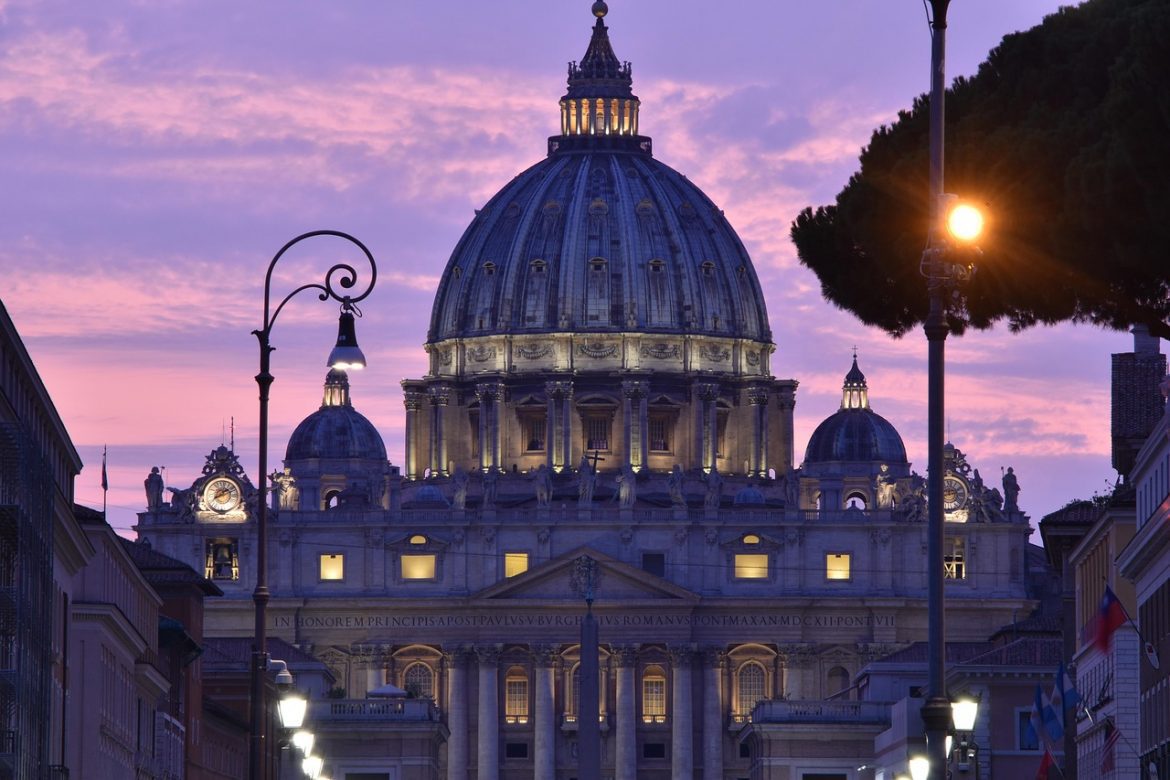
One of our favourite personal vignettes came from guests at a boutique hotel with exclusive access to a rooftop terrace overlooking St Peter’s Basilica. As the light softened, their host arranged a bespoke tasting of regional Italian cheeses and wines—an experience that felt luxurious precisely because it was quiet, unhurried, and made just for them. Near San Pietro, that view of Rome can be surprisingly intimate.
Before you step out, protect your time: book tickets in advance for the big sites, and keep your first day deliberately light. A gentle loop might include the Pantheon area for atmosphere, a pause near Piazza Navona for people-watching, and an early evening walk so you can sleep well and start the next day strong.
- First-day pacing: aim for one major site, one elegant square in Rome, and one memorable meal.
- Comfort: cobblestones are charming but demanding—choose supportive shoes and keep water close.
- Orientation: note where your nearest taxi stand is, and how long it takes to reach your next morning’s reservation.




The Colosseum: A Private View of a World Icon
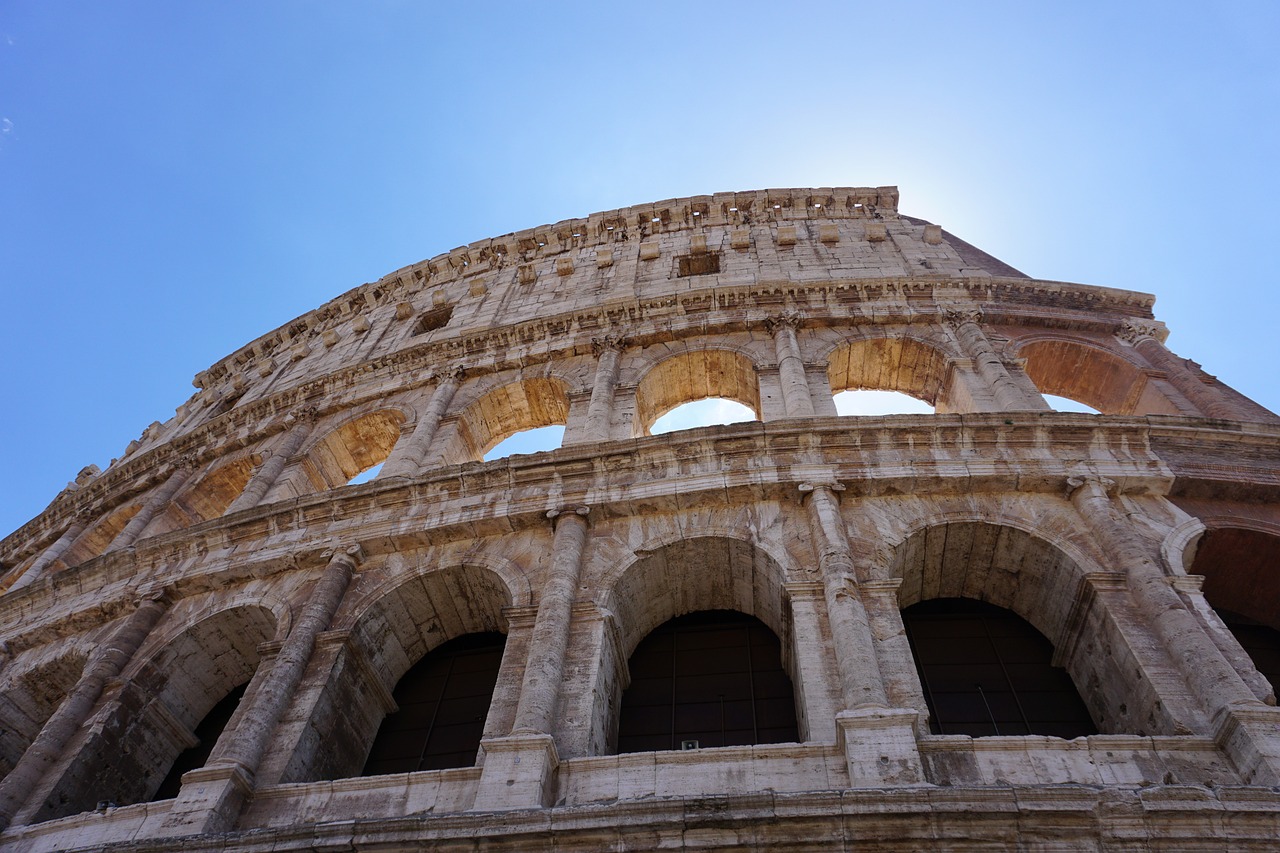
The Colosseum A Private View of a World Icon at golden light
When you think of Rome, Italy tourist places, the Colosseum almost always sits at the top—and for good reason. This is a bucket list monument, often described as one of the 7 wonders, and it still stuns even the most seasoned traveller. The secret is not whether you go, but how you design your time there so the Colosseum feels intimate rather than crowded.
A refined visit begins with context. With the right expert guide, the Colosseum becomes more than a photograph: you start to read it as a living machine of ancient Roman engineering, built for spectacle, sound, and crowd control. And suddenly a single archway holds a hundred stories.
Visiting the Colosseum with an expert guide
We recommend visiting the Colosseum with a guide who can balance drama with detail—gladiator tales, social hierarchy, and how the building functioned on a practical level. The best guides keep the narrative human: who sat where, what it felt like to enter, how the city’s identity was staged within these walls. You’ll come away with insight, not a lecture.
For many travellers, the Colosseum is also an emotional moment: a reminder that ancient Rome wasn’t an abstract chapter in a book. It was noise, ambition, heat, and real lives lived close together.
VIP angles for the Colosseum and a tour of the Colosseum
If you’re choosing between options, look for VIP access that suits your pace: arena floor entry, upper levels for sweeping perspectives, or small-group timed slots that reduce friction. A private tour can feel especially calm if mobility is a concern or if you’re visiting in warmer months—shade and pacing matter here.
Ask your planner to consider your interests. Some guests want engineering and architecture; others want myth, politics, and daily life. A thoughtful tour of the Colosseum can be tailored to exactly that, keeping the experience personal and unhurried.
Many travellers pair the Colosseum and the Roman Forum in one morning. It’s doable, but it’s also where fatigue can creep in. If you’re keen to see the Colosseum first, start early, then step away before midday. Leave the deeper Roman Forum narrative for a second session—especially if you’re also investing in the Vatican Museum later in your trip.
For polished photography, arrive at sunrise for softer light around the Colosseum’s exterior and fewer faces in frame; late afternoon can also be beautiful, though busier. Inside, be mindful of others’ space, keep your voice low when guides are speaking, and pause rather than push—elegance is a form of care.
Roman Forum and Palatine Hill After Hours Rome’s Imperial Past Roman Forum Palatine Hill after hours tour Rome Italy
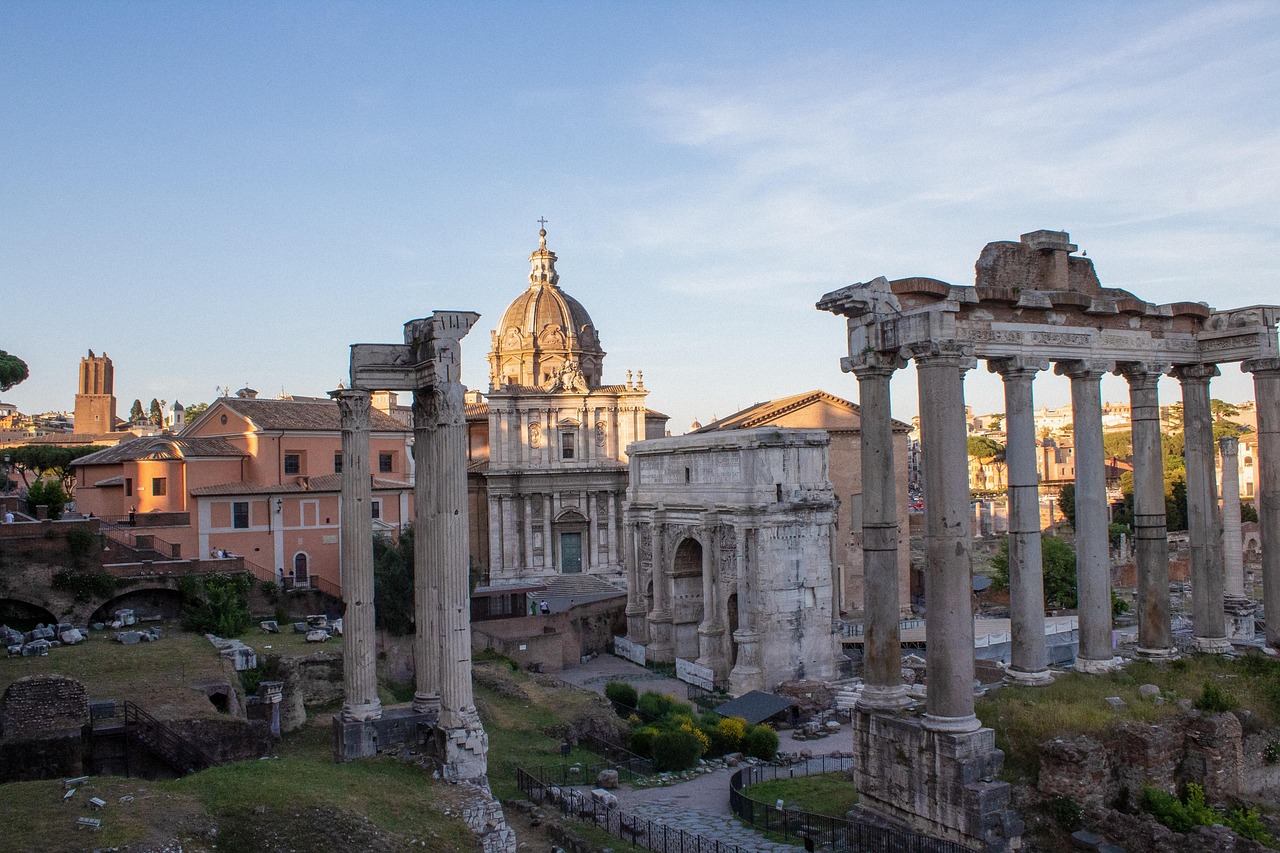
Roman Forum and Palatine Hill After Hours Rome’s Imperial Past among lantern-lit ruins
If the Colosseum is Rome’s headline, an after-hours guided experience through the Roman Forum and Palatine Hill is where the story deepens. This Roman Forum Palatine Hill after-hours tour in Rome, Italy, is one of the most compelling ways to explore the Roman Empire without the daytime bustle—less noise, fewer interruptions, and more space to feel the scale of ancient Rome beneath your feet.
It’s also the gentlest antidote to “doing too much”. Rather than squeezing everything into one morning, consider splitting your time: visit the Colosseum early, then return later for this quieter, story-driven walk. In practice, it’s the calmer approach to visiting the Colosseum and Roman sites: you get clarity in daylight and atmosphere after dark.
Colosseum and Roman Forum planning without the rush
Many itineraries bundle the Colosseum and Roman Forum back-to-back, and it can work—if you’re accustomed to long walking days. But for high-end travellers who value comfort, we often design a two-part structure: Colosseum in the morning, rest and refresh, then Roman Forum at night with an expert.
This rhythm is particularly helpful in warmer seasons. It protects your energy, keeps your pace supportive, and ensures you’re absorbing what you see in Rome rather than simply moving through it.
Palatine Hill views of the city
Your guide will likely pause at temple remains and key viewpoints where the city of Rome unfolds in layers—arches, columns, and the modern skyline beyond. On Palatine Hill, there’s often a moment when the group goes quiet. You can hear your own steps, and for a second, the Eternal City feels less like a destination and more like a presence.
Make space for that silence. Luxury travel isn’t always about access; it’s also about permission to slow down, reflect, and let the place meet you halfway.
Comfort matters in the evening. Choose closed-toe footwear with grip, and bring a light layer even in summer—stone cools quickly. After-hours routes are typically well managed, but lighting can be uneven, so a discreet phone torch can be helpful. For seamless support, pre-book a taxi or private transfer for pick-up, so you’re not navigating logistics when you’d rather be lingering in the atmosphere.
- Evening essentials: shoes with grip, a light layer, and water.
- Best pace: allow time for pauses—this is a narrative experience, not a sprint.
- Return plan: arrange a driver so the end of the night feels as crafted as the beginning.
Vatican City and Vatican Museum A Crafted Morning Indoors Vatican City Vatican Museum Sistine Chapel Michelangelo Rome Italy
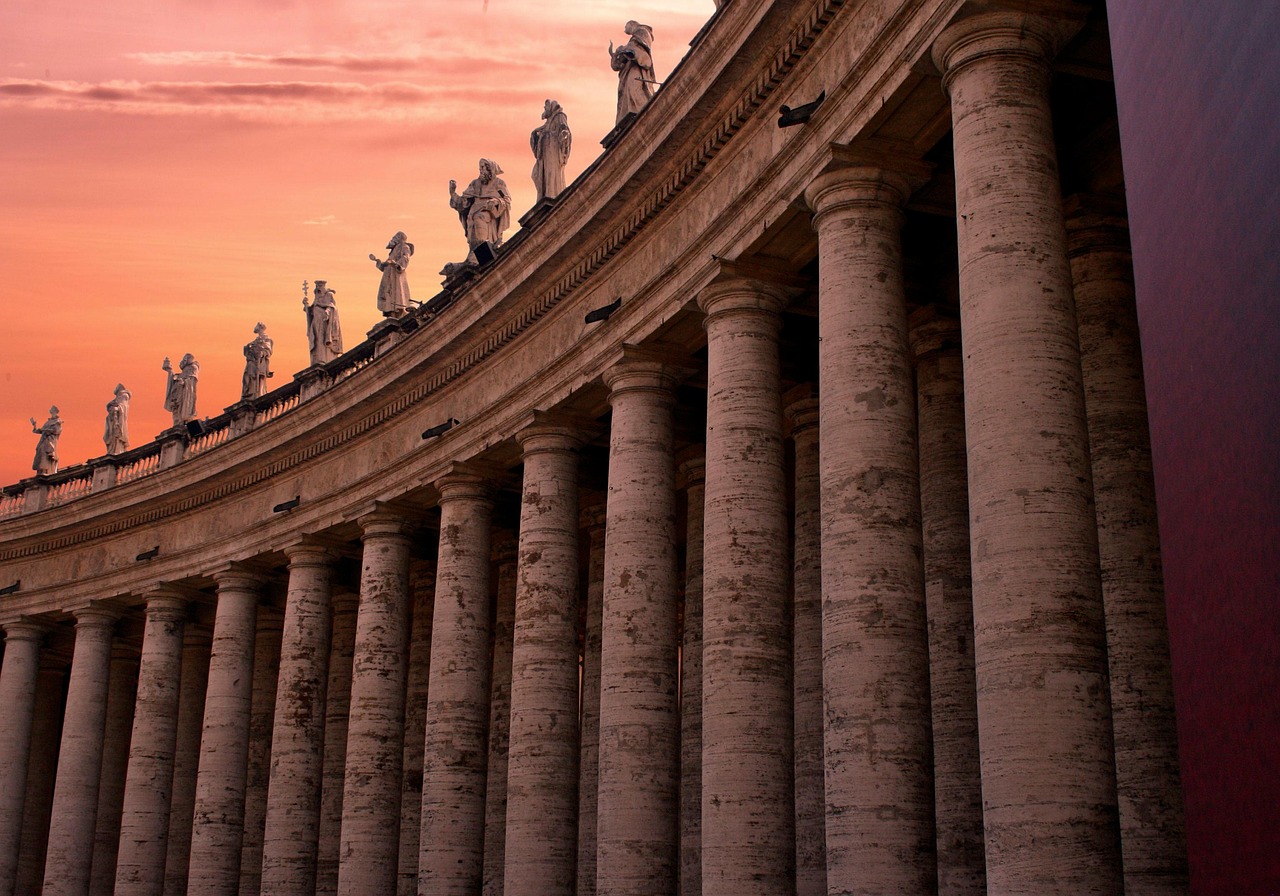
Vatican City and Vatican Museum A Crafted Morning Indoors with calm early light
For art lovers, Vatican City and the Vatican Museum are among the world’s great art collections, and a crafted morning indoors can feel like stepping into a living archive of Western imagination. The key is timing: Vatican City, Vatican Museum, Sistine Chapel, Michelangelo, Rome, Italy, is the experience you want, but not the crowds that can come with it. Aim for a “quiet-early” entry strategy and let a private guide bring the rooms to life with warmth and trust.
On a trip to Rome, this is one of the most rewarding mornings for precision design. Start early, keep the rest of the day light, and give yourself permission to absorb rather than consume.
Vatican Museum, quiet-early entry, and the Sistine Chapel
A calm visit to the Vatican Museum begins before the building fully fills. Early entry gives you a gentler temperature, clearer sightlines, and a more contemplative pace. When you reach the Sistine Chapel, set expectations: it can still be busy, and the hush is actively maintained. That said, timing truly matters—arriving earlier often gives you a softer, steadier atmosphere.
In the Sistine Chapel, look beyond the famous central scenes. Let your eyes travel: prophets, sibyls, and the way Michelangelo turns anatomy into architecture. Even if you’ve seen photographs a hundred times, the ceiling’s scale and colour can feel newly discovered in person.
Raphael’s rooms and St Peter’s Basilica dome pacing
Many guests remember the Raphael rooms for their storytelling and balance—harmonious, intellectual, quietly radiant. This is where an expert guide earns their place: they can connect images to ideas, and ideas to your interests, so the visit feels personal rather than overwhelming.
Then there’s St Peter’s Basilica—an experience that asks for pacing. Dress modestly (covered shoulders and knees), and decide whether to prioritise the dome. If you’re comfortable with stairs and want a view of Rome, go earlier rather than later; the climb is more pleasant before midday heat. If mobility is a concern, focus on the basilica itself and allow time for stillness rather than effort.
We often hear a familiar story from guests staying near San Pietro: that the most memorable “Vatican moment” wasn’t inside at all. It was returning to their boutique hotel’s rooftop terrace and seeing the basilica’s silhouette again—this time with a glass of wine and a sense of calm ownership of the day.
Pantheon and Piazza Navona Hidden Details in the Heart of Rome Pantheon Piazza Navona things to see in Rome Italy luxury walk
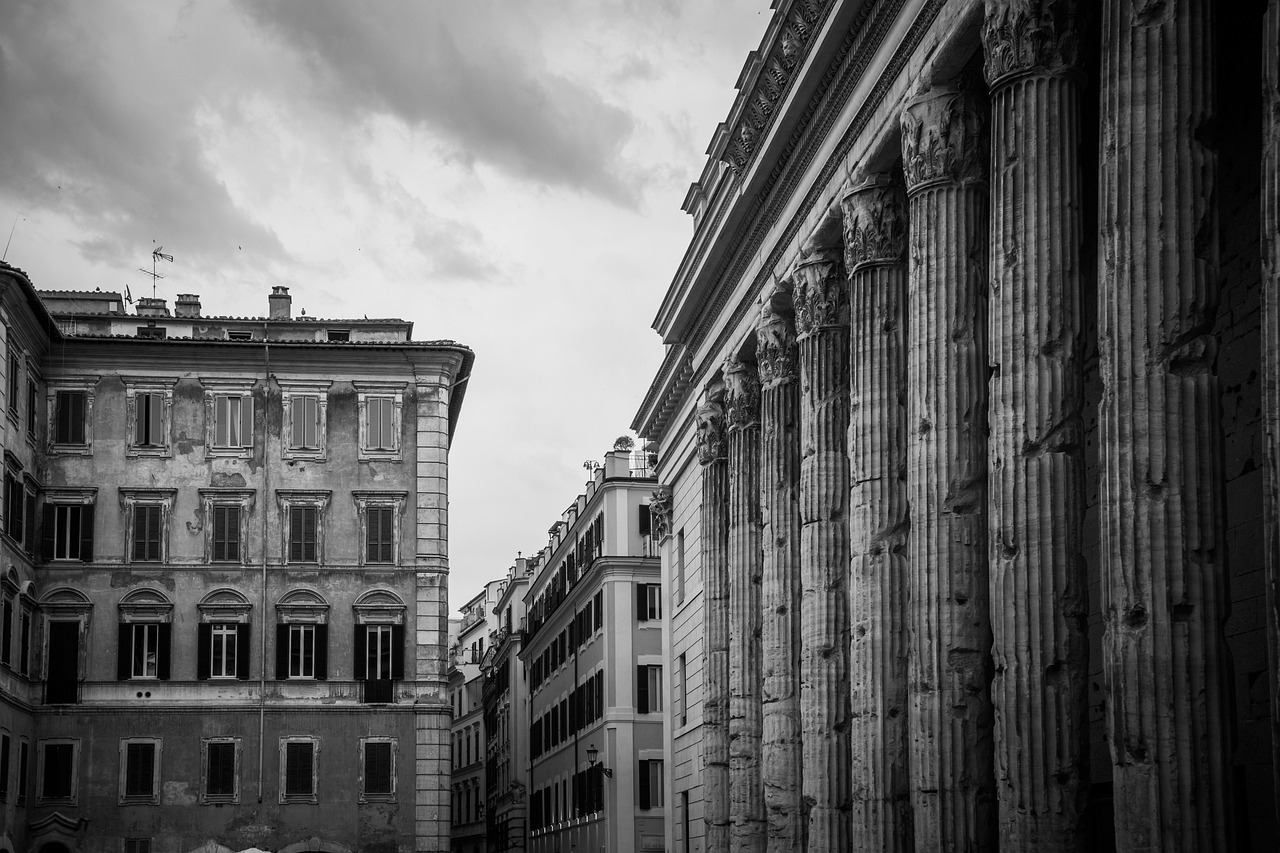
Pantheon and Piazza Navona Hidden Details in the Heart of Rome on a luxury walk
For a classic luxury walk that captures the sights of Rome, Italy, without strain, the Pantheon and Piazza Navona pair beautifully. This Pantheon Piazza Navona things to see in Rome, Italy luxury walk stays in the centre, offers shade and café pauses, and gives you that deeply Roman mix of grandeur and everyday life.
The Pantheon in particular has a way of resetting your sense of scale. It’s not merely old; it feels inevitable—like it has always been there, quietly waiting for you to look up.
The Pantheon and Emperor Hadrian’s genius
The Pantheon we enter today is closely linked to Emperor Hadrian, and its engineering still feels audacious. Stand beneath the dome and let your eyes find the oculus: a single opening that turns daylight into a moving, circular spotlight. The atmosphere is different on every visit—sun, cloud, rain. If you can, step inside more than once; the Pantheon rewards repetition.
If you’re travelling with someone who loves design, this is a moment to slow down and simply observe: proportion, weight, and how sound carries. The Pantheon can be one of the best places to feel Rome’s calm intelligence.
Raphael’s tomb and Piazza Navona pause
Inside, many visitors seek out Raphael’s tomb. A guide can make this feel meaningful without turning it into a checklist—who he was, why he’s here, and what it meant to be remembered in this space. It’s a small moment of intimacy inside a monumental structure.
From there, it’s an easy stroll to Piazza Navona, a square in Rome that invites you to linger. Order a coffee, choose a table with a view, and watch the city move. This is the heart of Rome in miniature: artists, families, church bells, and an ever-shifting theatre of light.
One couple told us that their most enriching “art day” in Rome came from a personalised museum visit with a local art historian who unlocked the secrets behind hidden frescoes—showing them how to truly see, not just look. If you’re tempted by hidden Rome, consider an optional Caravaggio thread as well; his dramatic light feels perfectly at home in this city.
Route-planning here is gentle. Aim for late morning or mid-afternoon when you can duck into shade, refill at fountains, and keep the pace supportive. In Rome, elegance often comes down to timing and care.
- Walking comfort: take micro-breaks in churches and courtyards to catch a cool breeze.
- Best rhythm: Pantheon first, then Piazza Navona for a longer pause.
- Art lovers: ask a guide for a fresco-focused route, and keep Caravaggio as an optional detour.
Trevi Fountain and Spanish Steps, An Evening Without the Crowds
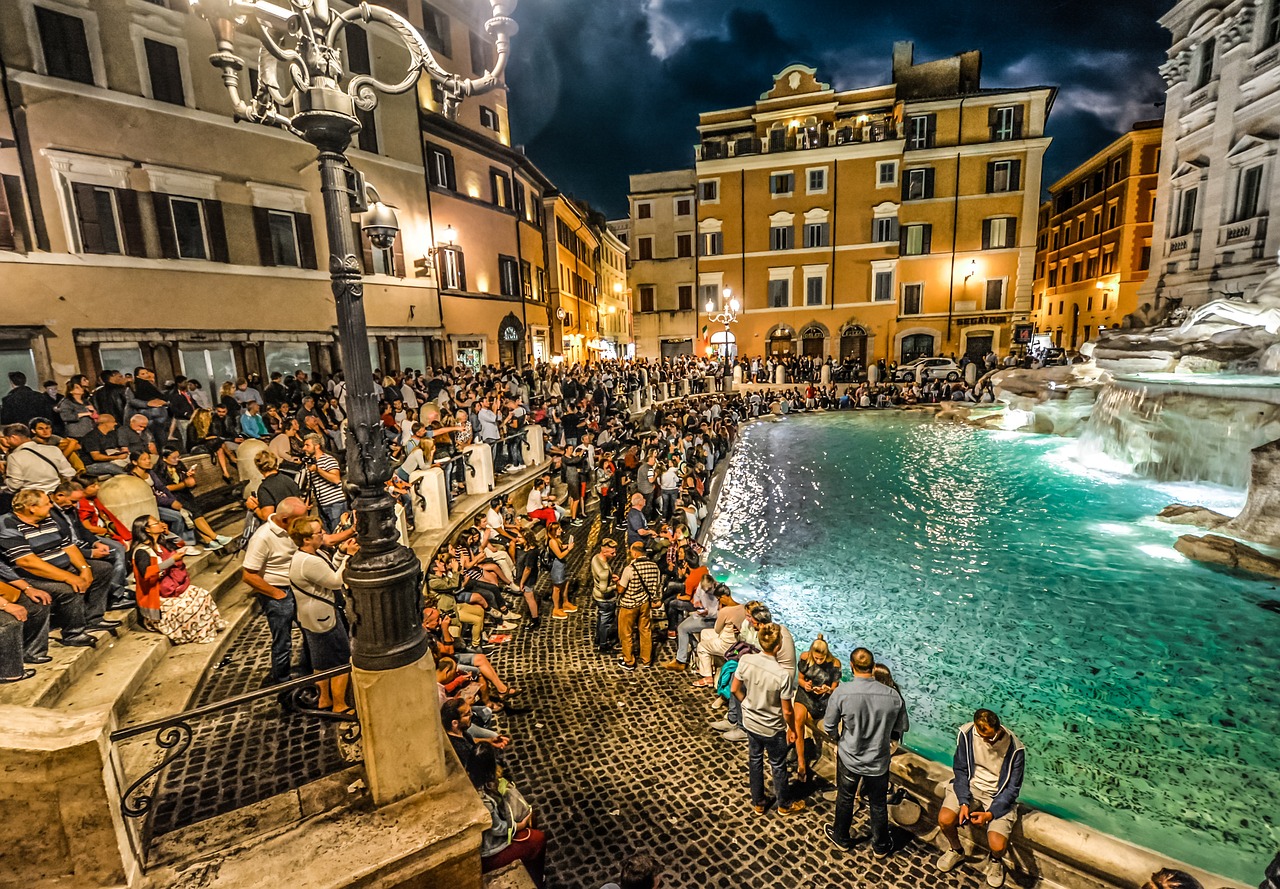
Trevi Fountain and Spanish Steps An Evening Without the Crowds on a Rome stroll
There are few Rome, Italy tourist places as instantly recognisable as the Trevi Fountain, but the real magic arrives when you design an evening that lets you experience it with space to breathe. This Trevi Fountain, Spanish Steps, Piazza di Spagna evening stroll in Rome, Italy works because it respects the city’s natural rhythm: crowds thin, the air cools, and stone seems to hold the day’s last warmth.
Think of it as a romantic place to visit, not a performance. Arrive with patience, stand a little back at first, and let the scene reveal itself rather than forcing the moment.
Trevi Fountain and the moment to throw a coin
The tradition of throwing a coin is often treated like a gimmick, but you can make it quietly meaningful. Take a second to choose your wish—less about spectacle, more about intention—then step away so others can do the same. The Trevi Fountain is at its best when everyone shares it with gentle consideration.
For photographs, avoid blocking the steps and keep your belongings close. This is a popular tourist zone, and it’s wise to stay aware without letting it steal your joy.
Spanish Steps and Piazza di Spagna after dark
From the Trevi Fountain, continue to the Spanish Steps and Piazza di Spagna. The best angles come from slightly to the side, where you can frame the steps without being in the middle of the flow. Respectful behaviour matters here: sit where permitted, keep noise low, and remember this is a living part of the city, not a set.
This is also why some top attractions are best enjoyed after dark. You’ll see in Rome that the same monument can feel completely different at 11 am versus 10 pm—one is about energy, the other about atmosphere.
For the return, taxis are the simplest option. If you’re dressed for an evening out, a private driver can make the whole experience seamless, particularly if your hotel is outside the immediate centre. Keep pickpocket awareness in crowded areas, and travel with confidence rather than tension—Rome responds well to calm presence.
Trastevere A Rome Food Tour in Trastevere Done Beautifully Trastevere gourmet dining Rome food tour in Trastevere Italy
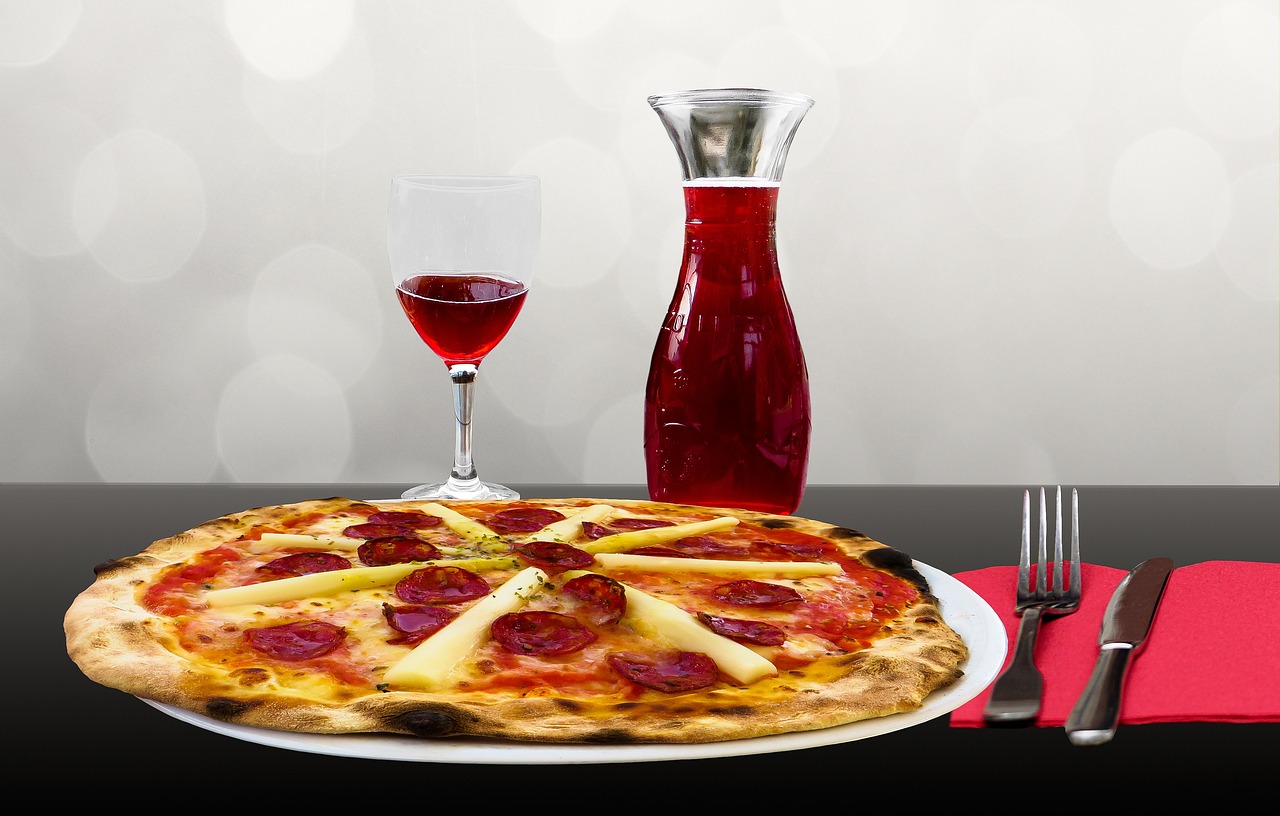
Trastevere A Rome Food Tour in Trastevere Done Beautifully in lantern-lit lanes
After Rome’s grand archaeology and museum mornings, Trastevere offers a warmer, more local counterpoint—lantern-lit lanes, animated conversation, and an unhurried sense of belonging. If you’re planning Trastevere gourmet dining or a Rome food tour in Trastevere, Italy, the goal is quality over quantity: a curated sequence of flavours, excellent wine, and a dining room where you feel looked after.
Trastevere is where many visitors mention Roman hospitality most vividly—from welcoming trattoria owners who remember your name, to passionate guides who bring history to life with stories told well and with care.
Gourmet dining in Trastevere with fine Italian wines
For a high-end evening, book a crafted tasting menu well ahead and tell the restaurant what you love: seasonal vegetables, classic Roman pasta, or a particular regional wine. Early reservations are crucial, especially at the small, design-led addresses where rooms are intimate and service is personal.
Ask about pairings rather than ordering by habit. A good sommelier will guide you through Lazio wines and beyond, and the right match can turn a familiar dish into something you discover anew.
Choosing a food tour that feels personal
A food tour can be a wonderful way to explore Trastevere if it’s designed thoughtfully. Look for smaller groups, fewer stops, and higher quality—more conversation, fewer crowds. A great guide blends taste with context, pointing out how a neighbourhood’s food culture connects to its daily life.
Guests often tell us their favourite moments weren’t the “big” bites; they were the small gestures—an extra drizzle of olive oil, a story about a family recipe, a host who notices you’re enjoying a particular wine and pours just a little more.
After dinner, consider a gentle walk along the Tiber. The river at night feels like a ribbon tying the city together—quiet, reflective, and undeniably romantic. Stay on well-lit routes, keep your pace easy, and let the Eternal City settle around you.
- Booking tip: choose one special meal and build the evening around it.
- Tour tip: a high-quality food tour should feel like an introduction, not a process.
- After-dinner: a short Tiber walk is often the perfect, understated finale.
Borghese and Beyond Villas, Parks and Monuments with Space to Breathe
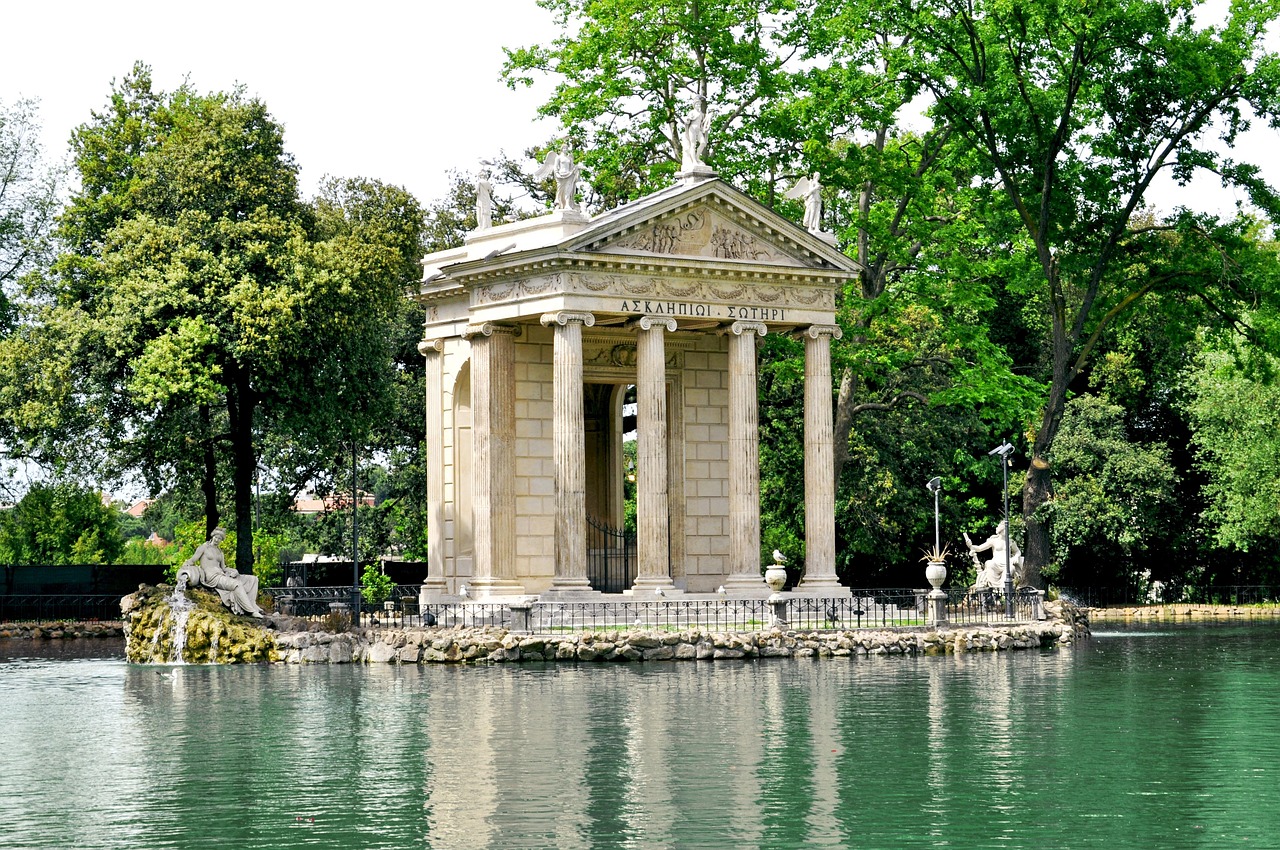
Borghese and Beyond Villas Parks and Monuments with Space to Breathe in Villa Borghese
Not every day in Rome should be dense with stone and queues. For space, greenery, and a softer kind of splendour, the Borghese Villa park in Rome is where you go to reset—especially after the intensity of the Colosseum, the Roman Forum, and the Vatican Museum. Consider this your “breathing chapter”: a villa day that brings balance to your itinerary and offers a different kind of monument—one made of light, leaves, and distance.
Villa Borghese is a park in Rome that locals use as a living room: cyclists, families, artists, and couples strolling without an agenda. For high-end travellers, that normality can feel like the most luxurious thing of all.
Borghese Gallery timed tickets and a personal pace
The Borghese Gallery is small enough to feel intimate, but popular enough that you must plan. Book timed tickets and keep the visit personal by choosing a short list of “must-see” rooms—then giving yourself permission to linger. This is where seeing what to skip becomes an art: you don’t need to devour everything to feel satisfied.
Afterwards, step back into the villa gardens and let the art settle. A slow stroll, a shaded bench, and a few deep breaths can do more for your mood than adding another museum.
Around Rome, the viewpoints include Piazza del Popolo and Piazza del Campidoglio
For elegant extensions around Rome, head to Piazza del Popolo at golden hour for one of the loveliest open vistas in the city. From there, a curated viewpoint walk can help you reconnect the city’s shape in your mind—how neighbourhoods relate, how light changes façades, how Rome holds its drama in broad gestures.
Later, consider Piazza del Campidoglio, designed by Michelangelo. It’s a quiet triumph of urban design—measured, graceful, and surprisingly calming. Nearby, architecture lovers will also appreciate the Vittorio Emanuele II monument, a statement of modern Italy’s ambitions and the era of the king of Italy. Even if you don’t linger long, it’s a useful thread in understanding Rome’s evolving identity.
For design-minded guests, there’s also an optional add-on we love: a private Vespa tour at dawn. One luxury traveller shared how that early ride revealed the city’s beauty before the rush—unforgettable quiet moments near the Pantheon, streets still rinsed with morning light, and the feeling that Rome was briefly yours alone.
Practical Luxury Rome Itinerary Timing Tickets and Seamless Support
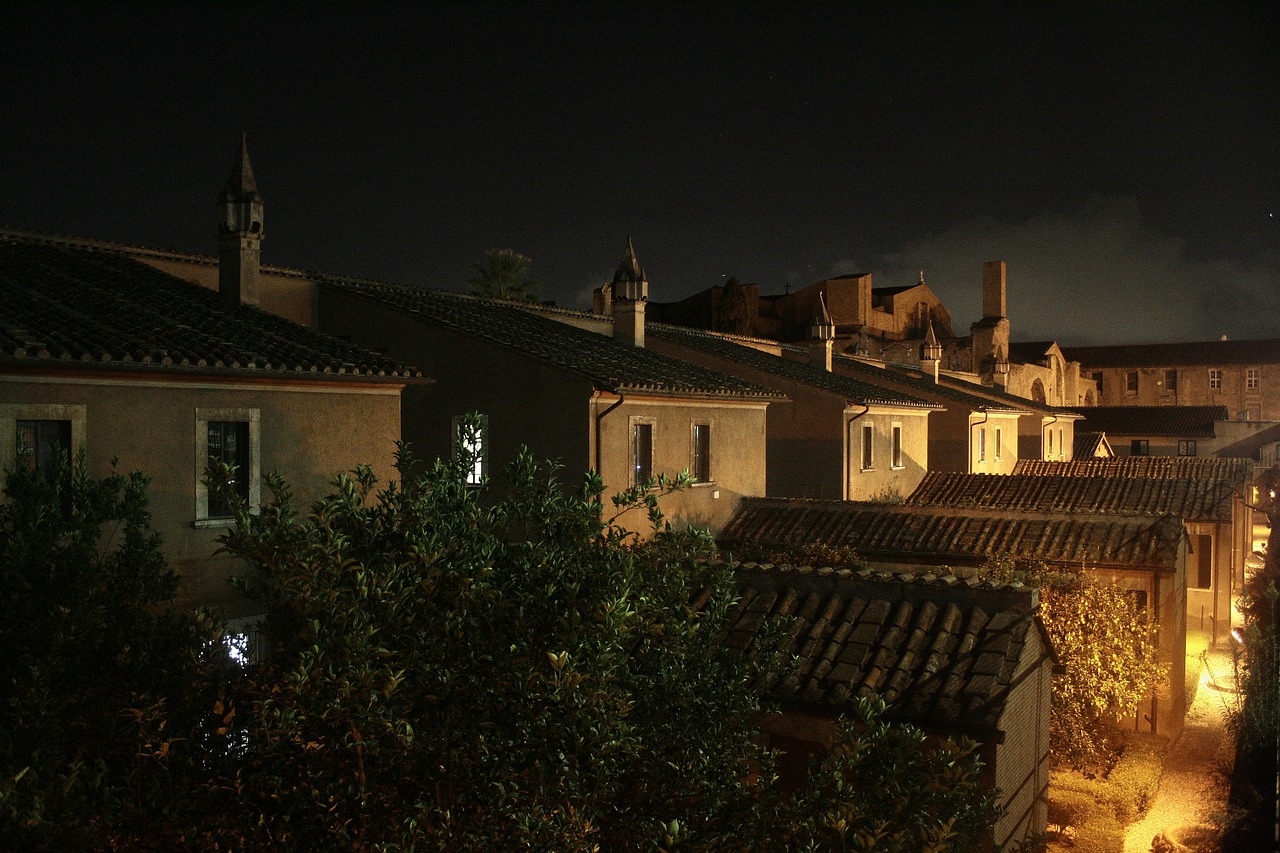
Practical Luxury Rome Itinerary Timing Tickets and Seamless Support in the city
Even the most inspiring cities benefit from structure, and a Practical Luxury Rome itinerary is ultimately about protecting your time. This Rome itinerary, Italy travel, best time to visit Rome, private transfers chapter is your support system: when to come, how to move, what to pre-book, and how to keep your experience calm. Whether it’s your first visit to Rome or your fifth, the goal is the same—create days that feel effortless.
Think of logistics as a form of care. When they’re handled well, you’re free to be present with what you came for: beauty, meaning, and ease.
Best time to visit Rome and how to create calmer days
The best time to visit Rome is spring (April–June) and autumn (September–October). The weather is kinder, and the crowds are more manageable. If you can, build your Italy itinerary around weekday mornings for the major sites, and leave afternoons for slower pleasures—gardens, long lunches, and neighbourhood walks.
For visiting the eternal city in peak summer, we recommend a more Mediterranean rhythm: early starts, a midday pause, and evenings that return you to the streets when the light softens.
Tickets are well in advance costs and getting around
Rome rewards planners. Typical entrance fees are roughly 16–25 euros for major sites, but the real cost is time lost in queues. Secure tickets well in advance, and for peak slots—especially for the Vatican Museum and Borghese—reserve 30 days in advance when possible. For some experiences, even a few days in advance can make the difference between a perfect morning and a compromise.
To move through the city of Rome, use the metro for efficiency on longer hops, taxis for ease, and private transfers for comfort—particularly after a late dinner in Trastevere or an after-hours walk at the Roman Forum. A good concierge can coordinate this seamlessly, so you’re not negotiating logistics on the pavement.
If you’d like inspiration for a wider time in Italy beyond Rome, you can browse our Trip gallery for curated journeys.
Safety and comfort are simple: wear supportive shoes, carry water, and keep valuables close in crowded zones. Be mindful of pickpockets, but travel with confidence—Rome is welcoming, and most interactions are warm and straightforward. Learn a few basic Italian greetings; it’s a small gesture that opens doors.
- Clothing: modest dress for Vatican City and churches—carry a light scarf if needed.
- Energy: schedule big-ticket sites in the morning; save parks and piazzas for later.
- Transport: taxis or a driver at night keep evenings smooth and unhurried.
F.A.Qs: Rome, Italy tourist places
What are the top 4 attractions in Rome?
For most travellers, the top four are the Colosseum, the Vatican Museum (including the Sistine Chapel), St Peter’s Basilica in Vatican City, and the Pantheon. For a more luxurious pace, book timed entry, use expert guides, and choose early mornings or evenings so these icons feel calmer and more personal.
What is the most visited place in Rome?
The Colosseum is widely regarded as the most visited place in Rome. To enjoy it more easily, choose an early time slot, consider arena or upper-level access, and pair the visit with a restful break before exploring nearby ruins, such as the Roman Forum.
What should you not miss in Rome?
Don’t miss the Colosseum for its scale and history, the Vatican Museum and Sistine Chapel for world-class art, and at least one evening moment in the city—such as the Trevi Fountain—when Rome feels softer. Also, make time for a slow walk through a piazza like Piazza Navona to feel everyday Roman life.
What not to do in Italy as an American?
Avoid assuming that everywhere runs on the same pace or follows the same rules as home. Don’t skip reservations for popular sights and restaurants, and don’t dress casually at religious sites—modest clothing is required in Vatican City. Be mindful of pickpockets in crowded areas, keep your voice gentle in churches and museums, and learn simple Italian greetings; small courtesies go a long way.
Final Thought
After the flight home, it isn’t the volume of what you did that stays with you—it’s the texture. The hush inside the Pantheon when the light shifts through the oculus. The glow of the Trevi Fountain at night, when the water seems almost silver, and the city feels briefly quieter than you expected. The sense that ancient Rome is not behind glass, but beneath your steps, threaded through ordinary streets and modern conversations.
What also lingers is how held you can feel in a place so vast. A guide who noticed when you needed a pause and adjusted the pace with quiet assurance. A hotel team that remembered your coffee or offered a simple suggestion that changed the shape of a day. A host in Trastevere who recommended a wine with such genuine pride that you found yourself smiling before you’d even tasted it. These local voices create trust, and trust becomes its own form of luxury.
In the end, Rome isn’t only a collection of tourist places in Rome, Italy. It’s a mood you carry—stone warmed by sun, footsteps on cobbles, a story told well, and the comforting sense that beauty can be both grand and human. You’ll return to Rome not to prove you’ve seen it all, but to rediscover a feeling you still can’t quite name—and to wonder, gently, what it might reveal next time.