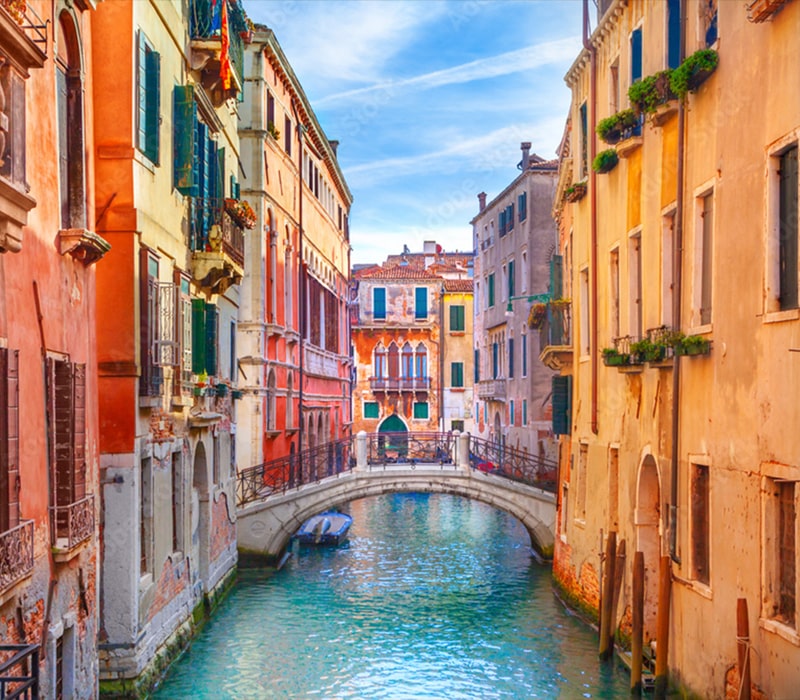
Things to Do in Venice on Your First Day in a Canal City and a Gentle Itinerary
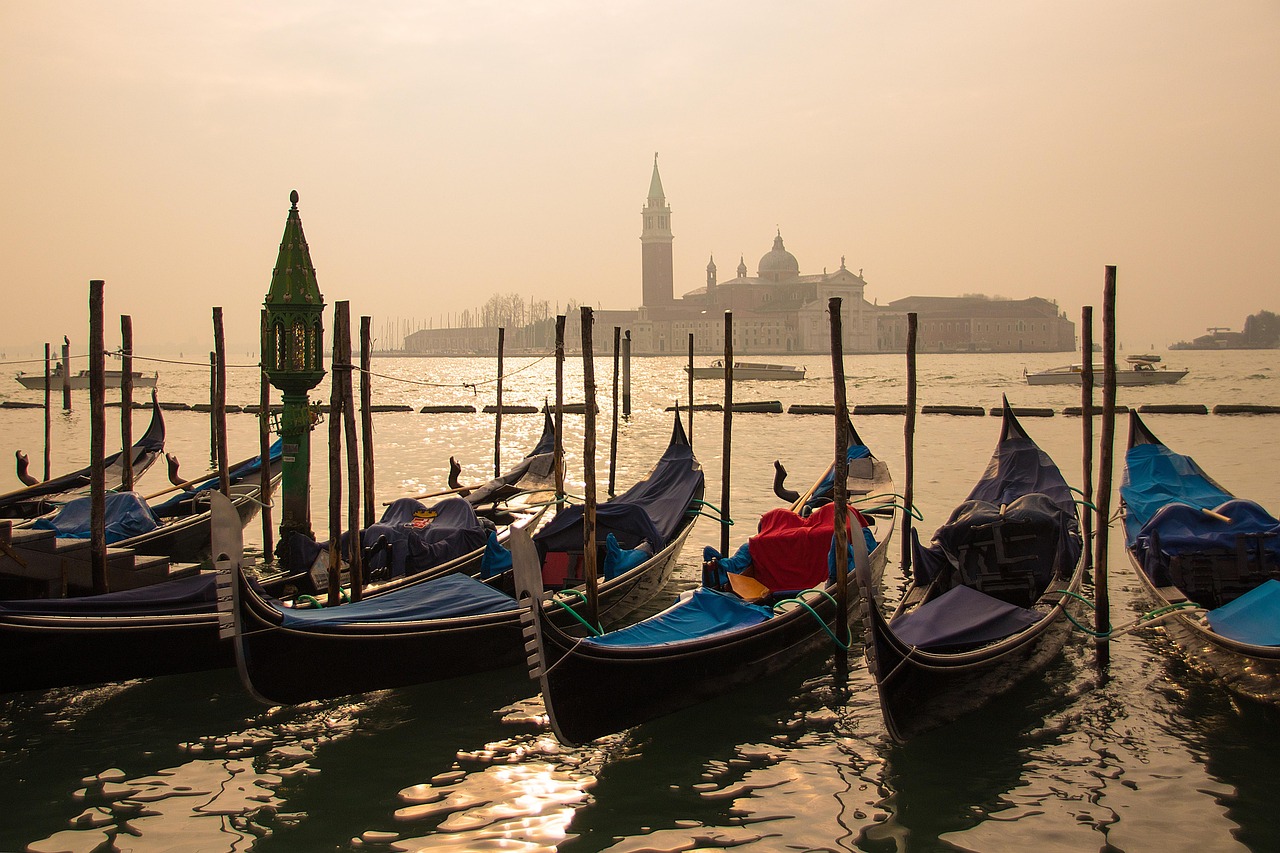
Things to Do in Venice on Your First Day in a Canal City with quiet canals and early light
If you’ve been searching for things to do in Venice, Italy, a first-day itinerary, canal city, the most luxurious answer is often the simplest: arrive, settle, and let the city meet you at walking speed. In this canal city, even a short stroll can feel like a private performance—stone, water, and light composing themselves around you. We design the first hours to be calm, seamless, and quietly thrilling, with room to notice the buildings in Venice rather than rushing past them.
Start with intention: a slow espresso near your hotel, then step out while the lanes are still half-whisper. Choose a part of the city that pulls you towards water straight away—where a narrow canal turns into a wider one, and you begin to trust your own sense of direction. This is how you begin to see Venice, not as a puzzle, but as a place that supports curiosity.
Piazza San Marco early, then drift into quieter canals
Begin at Piazza San Marco early, when the square in Venice feels almost theatrical in its emptiness. The first light softens the façades, and the city of Venice seems to exhale before the day’s tempo builds. From there, allow yourself to drift—away from the busiest pull, into lanes where laundry lines cross overhead and the canal edges gleam like polished slate.
One solo traveller told us that their favourite memory wasn’t an obvious attraction at all, but the serene quietude of early morning walks along lesser-known canals—catching everyday Venetian routines before the crowds arrive. That’s the kind of personal detail we want you to have, because it gives your trip meaning beyond the headline sights.
A high-end rhythm within Venice, with space to notice
We like a “fewer stops, deeper experiences” approach for top Venice days. It builds confidence and is kinder to your energy—especially after travelling to Italy. Let the first day be about orientation and atmosphere: a short walk, one significant landmark, one long lunch, and an unhurried afternoon pause beside water.
- Wear comfortable shoes: Venice is pedestrian-only in many areas, and the stones are uneven—support is the most elegant upgrade you can give yourself.
- Keep your first route simple: choose one direction (towards the waterfront, or towards a favourite museum) and allow gentle detours.
- Built in a rest: a courtyard table or a quiet hotel lounge can reset the whole day.
As you move through alleys that suddenly open onto water, you’ll uncover how Venice rewards patience. Tomorrow can hold the grand set pieces; today is about feeling held by the canal edges and the city’s soft, watchful beauty.




Piazza San Marco Basilica and Palaces of the Venetian Republic as a Venice Attraction
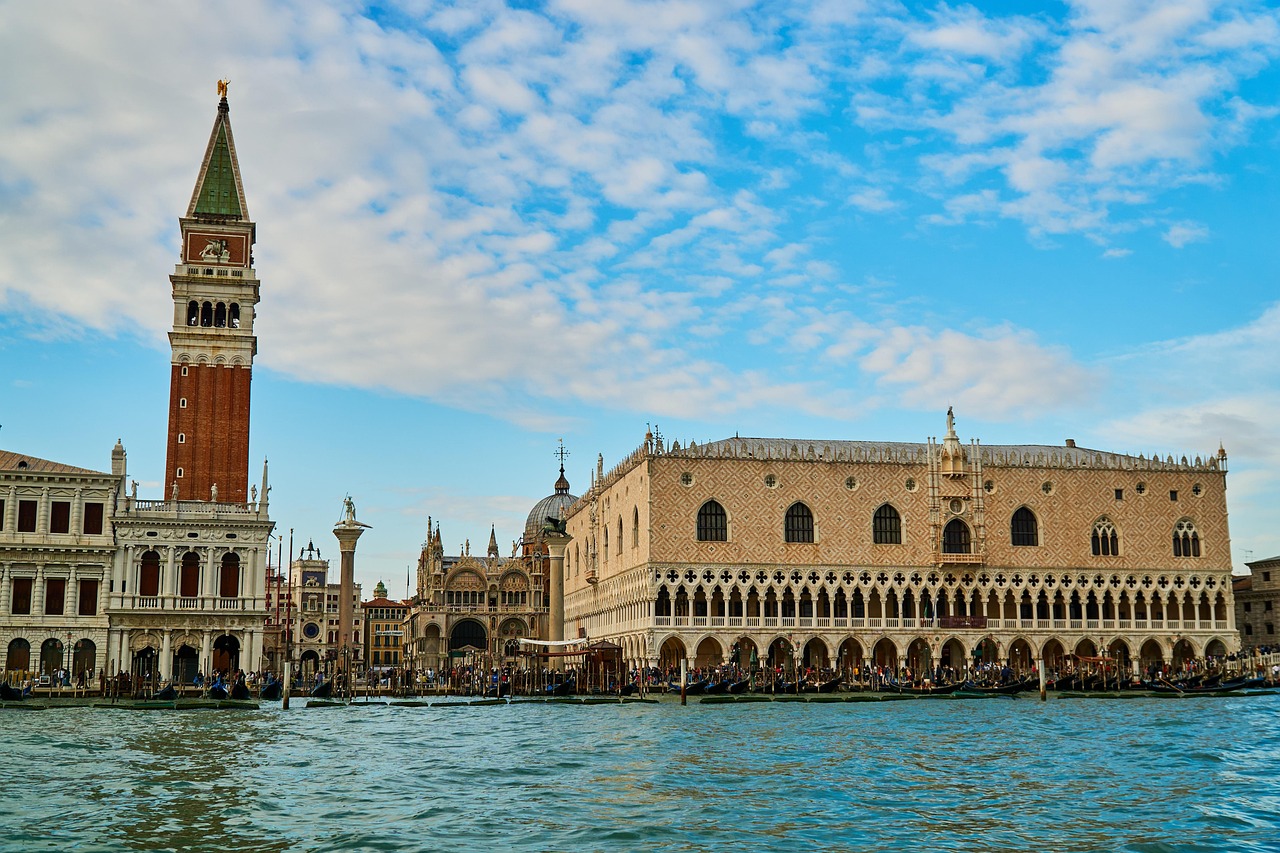
Piazza San Marco Basilica and Palaces of the Venetian Republic with St Mark’s Square grandeur
For many travellers, Piazza San Marco, Basilica di San Marco, Doge’s Palace, and Venice attractions are the defining trio—and it can still feel intimate if you plan it well. Come with an early booking, a steady pace, and a willingness to pause. This is where Venetian power once announced itself to the world, and where the details still speak—if you give them time.
Basilica di San Marco and its mosaic hush
Inside the basilica, the atmosphere changes immediately: sound softens, and your eyes lift. Mark’s Basilica is a place of gold and shadow, where Byzantine splendour becomes something tender. Look for the shifting glow of a single mosaic panel as the light moves—an effect so subtle it feels like the building is breathing.
To keep the experience seamless, aim for timed entry and arrive a few minutes early for your slot. It’s a small act of care that protects your mood. Nearby, several churches are free to enter, while key museum areas and terraces require tickets—worth knowing when you’re balancing spontaneity with ease.
Doge’s Palace, palazzo façades and the Campanile viewpoint
Next, step into Doge’s Palace, a masterpiece of political theatre and ornate Gothic craft. Rather than turning your visit into a lecture on history, hold onto one simple insight: the Venetian Republic built beauty as authority. You’ll feel it in each arch and corridor, and in the palazzo façades that line the edges of the square.
When you’re ready, choose your moment for the campanile. The bell tower view of the city is especially striking once the morning haze lifts—domes, terracotta, and water stitched together. From above, you can spot San Giorgio Maggiore across the water, a calm counterpoint to the busy centre.
Finally, allow a quieter, human note at the Bridge of Sighs. Crossing the Ponte dei Sospiri (or dei sospiri) is a must-see, yes, but it’s also a reminder that every beautiful place has layered stories—some triumphant, some heartbreaking, all deeply Venetian.
Grand Canal Elegance for a Gondola Ride and Ponte di Rialto Views
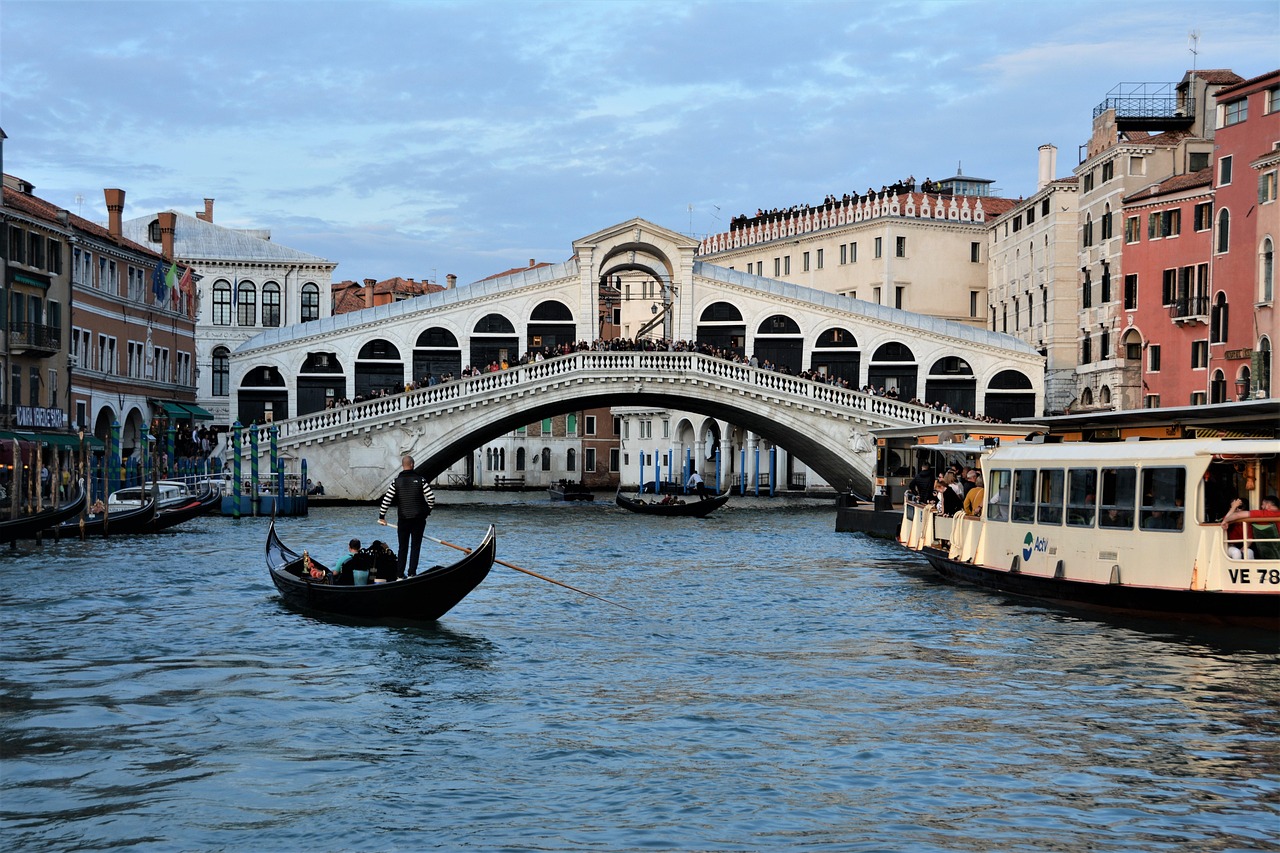
Grand Canal Elegance Gondola Moments and Ponte di Rialto with classic Venice water views
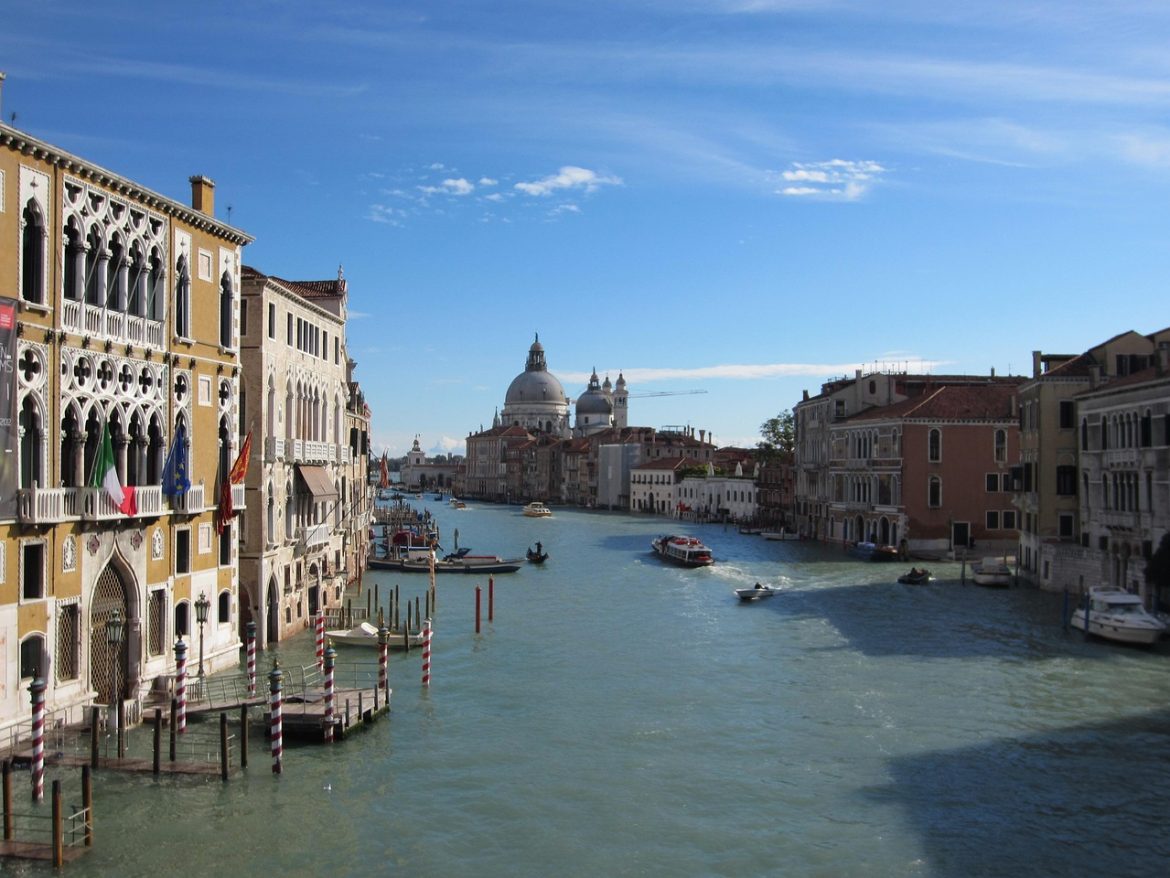
If you’re planning a Grand Canal gondola ride, Ponte di Rialto vaporetto water taxi Venice, think of it as choosing your “camera angle” on the city. Venice reveals itself from the water in a different language: reflections, façades, and the quiet theatre of everyday life. A well-timed boat ride can be the most cinematic part of the city—especially when you design it around light.
Riding along the Grand Canal by vaporetto or water taxi
For many, the first true gasp comes while riding along the Grand Canal. Palaces rise like painted sets, and each bend offers a new composition of windows, moorings, and soft colour. The vaporetto is wonderfully efficient for this—scenic, social, and surprisingly elegant if you travel outside peak hours. If you want privacy and ease (especially with luggage or a tight schedule), a water taxi turns the journey into a floating lounge.
A daily pass can be a good value if you’ll be hopping between neighbourhoods and islands, and it keeps decision-making simple. That said, for a special arrival or a late-night return, a water taxi is an expert choice for seamless comfort.
Gondola twilight and Ponte di Rialto pause
A gondola isn’t just a tradition—it’s a mood. Book a private gondola ride and let your gondolier steer you into smaller waterways where conversation drops and the city feels closer. One traveller described an enchanting twilight canal cruise, when the lights began to shimmer on the water, and it felt like stepping back in time. That story stays with us because it’s exactly the kind of wonder Venice does best.
Then bring your water perspective back to land at the Ponte di Rialto. The Rialto Bridge is the oldest bridge across the Grand Canal in Venice, and it still holds its own as a stage for city life. Step to the side of the bridge for photographs, and notice the small gestures: hands on railings, boat wakes, and the way the stone catches late afternoon light. It’s a single, perfect “bridge in Venice” moment.
- For the Grand Canal: use the vaporetto for a relaxed overview, then upgrade to a water taxi for key transfers.
- For gondola: choose early evening for softer light and fewer interruptions on the narrower canal routes.
- For a crafted pause: plan one rooftop drink with views over the Grand Canal before dinner.
Between the bridges and the waterline, you’ll discover that Venice is as much about transitions as it is about sights—moving from grandeur to hush, and back again, without ever feeling rushed.
Murano Burano Day Trip Venice Lagoon and Local Artisans
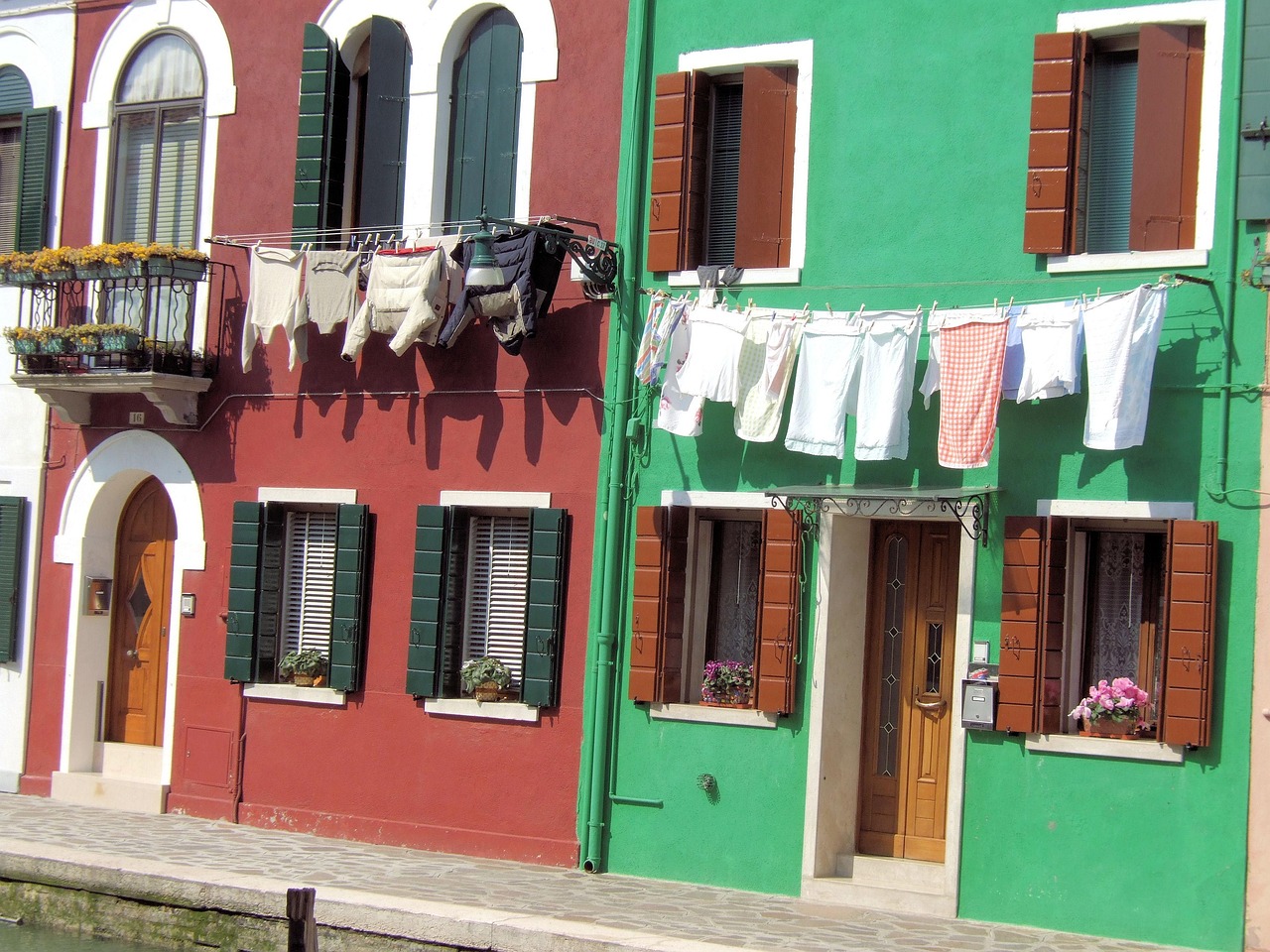
Murano Burano and Local Artistry Across the Lagoon with glass and colour
When you’re ready to step beyond the main island, Murano Burano day trip Venice lagoon local artisans is the classic pairing—and it can feel genuinely exclusive if you time it well. The lagoon air is different: lighter, more open, and a touch salty. It’s a chance to explore around Venice without adding pressure, and to create a half-day that feels like a palate cleanser between museums and meals.
Murano glass with a personal workshop insight
Murano is famous for glass, but the best experiences are less about shopping and more about connection. A visitor once told us how local artisans invited them into a workshop, sharing stories of centuries-old techniques and the discipline behind each piece. That kind of personal invitation is rare—and it’s why we recommend choosing smaller studios where the craft is still central, not staged.
Go earlier in the day to avoid the busiest tourist waves, and give yourself time for conversation. When you watch glass take shape in real time, you don’t just buy an object—you uncover a living tradition, and you carry home a memory with weight and warmth.
Burano colour, known for its lace, and a slower route
Burano is a joy: vivid houses reflected in water, quiet corners made for photography, and a pace that naturally slows you down. It’s also known for its lace. If you’d like something meaningful, prioritise local ateliers over souvenir stalls, and ask about the story behind a pattern rather than hunting for the lowest price.
A gentle sustainability note matters here. Venice is delicate, and responsible tourism helps protect what makes it beautiful: keep voices low in residential lanes, avoid blocking bridges for long photo sessions, and choose makers who produce locally. It’s not about rules—it’s about respect.
To keep the day supportive for high-end travellers, try a simple island pairing: Murano with a quiet café by a canal; Burano with an unhurried stroll and one beautiful purchase. You’ll return to Venice refreshed, with confidence that you’ve experienced something real.
Eat in Venice and Book Teatro La Fenice for Culture After Dark
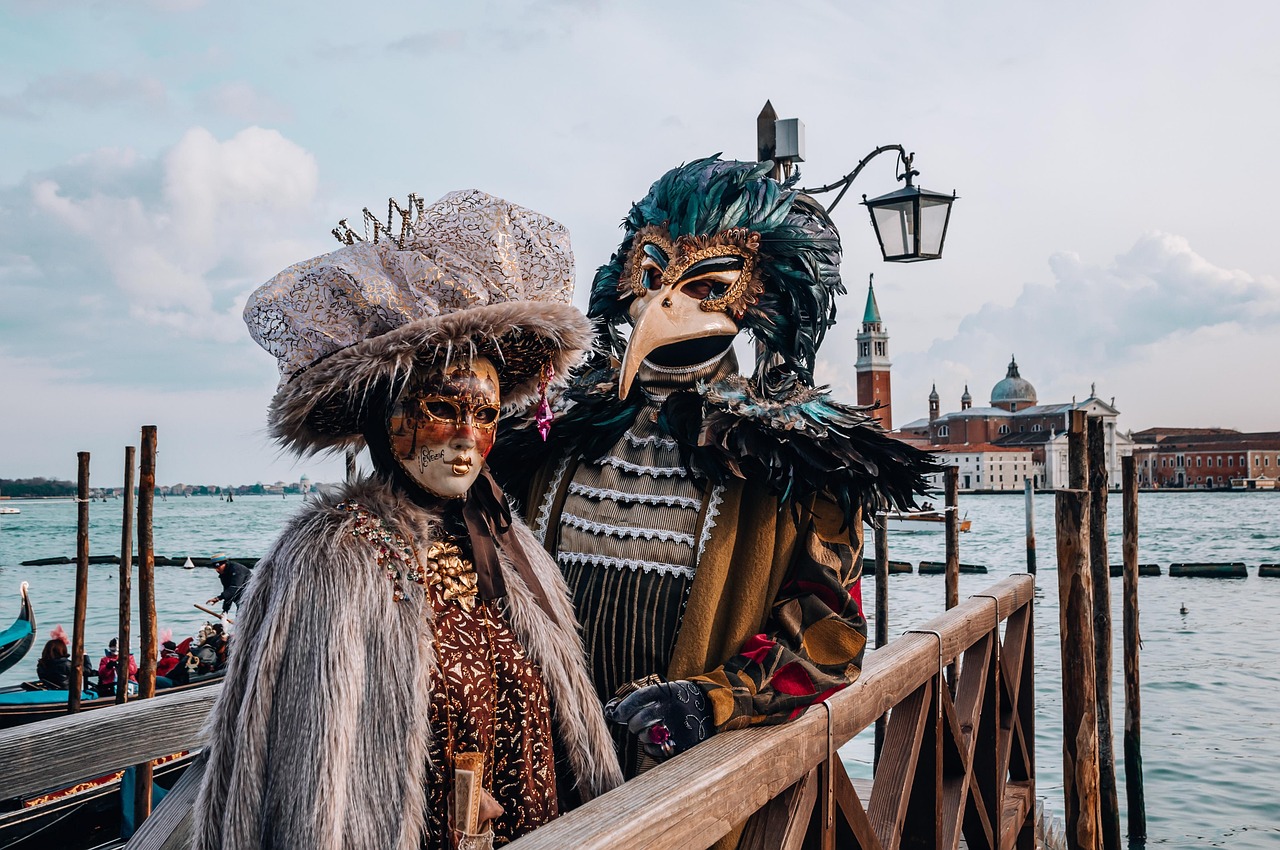
Eat in Venice and Culture After Dark at Teatro La Fenice with an elegant evening mood
For travellers mapping out eating in Venice, Michelin restaurants in Venice, and Teatro La Fenice opera booking, evenings are where the city becomes most romantic and reassuring. The food scene in Venice can be elevated and experimental, or deeply traditional and intimate—and the best nights often combine both. With the right booking strategy, you can move from sunset aperitivo to opera without a single stressful queue.
Restaurants in Venice, from Michelin glamour to hidden courtyards
For a truly high-end experience, choose a Michelin-starred table overlooking the Grand Canal, where service feels calm and precise, and Italian food becomes an art form. It’s a moment to dress well, slow down, and let the city’s elegance carry you. If you prefer something quieter, seek out cicchetti and small plates in a hidden courtyard trattoria—warm light, gentle conversation, and a sense that you’ve slipped into local life.
A couple once shared their intimate experience dining in such a courtyard, savouring traditional cicchetti and local wines recommended by a Venetian chef. The chef didn’t overwhelm them with options; he curated the evening with care, pairing each bite with a glass that made sense. That’s the kind of trust-based hospitality that turns dinner into a memory.
Even with dietary needs, Venice can still feel seamless. Many kitchens handle gluten-free requests beautifully when you mention it during booking, and the best restaurants will guide you with confidence rather than compromise your style.
Teatro La Fenice opera and a seamless night plan
An exclusive performance at Teatro La Fenice is a cultural highlight that lingers long after you leave Venice. Plan your booking early, select seats with a clear view, and keep your evening relaxed by arranging pre-theatre dining nearby. Dress expectations lean elegant—think smart, refined, and comfortable enough to enjoy the full performance.
To help your broader Italy travel planning, Venice pairs beautifully in a week-long Italy itinerary. You might continue into northern Italy for the lakes, Verona, or the Dolomites, then balance the journey with southern Italy later for warmth and coastal ease. Many people lean on travel guides such as Rick Steves for helpful context, but Designer Journeys is the high-touch alternative—crafted planning, expert timing, and human support from first ideas to final curtain call.
- Book ahead: top tables and La Fenice seats reward early planning, especially on weekends.
- Choose one “late” night: it keeps the next day’s museum plans gentle and restorative.
- Keep transfers simple: a short walk or pre-arranged water taxi makes the evening feel effortless.
By night, Venice feels like a beautiful city designed for listening—music, footsteps, water. It’s the perfect counterpoint to the daytime’s visual splendour.
F.A.Qs: What to do in Venice, Italy
What shouldn’t you miss in Venice?
Don’t miss Piazza San Marco and the Basilica di San Marco mosaics, the Doge’s Palace, and time on the Grand Canal—ideally with one vaporetto ride and one private gondola. Add a quieter moment too: an early canal walk or a courtyard cicchetti stop, which often becomes the most personal memory.
What time of year does Venice smell?
Venice can smell more noticeable during the hottest summer weeks, especially in late July and August, when still air and warmer water affect some canals. For a fresher feel and a more comfortable atmosphere, aim for late spring (April to June) or early autumn (September to October).
How many days do you need in Venice, Italy?
Two to three days is ideal for a high-end first visit: one day for Piazza San Marco and the major museums, one day for the Grand Canal, Rialto, and slower neighbourhood wandering, and an optional third day for Murano and Burano. It’s enough to explore without feeling rushed.
Can you walk around Venice in a day?
Yes, you can walk and see Venice in a day, but it will be a curated snapshot rather than a deep immersion. Focus on one main area (San Marco to Rialto), add one museum or basilica, and leave time for a long lunch and a quiet canal detour. Comfortable shoes are essential on the cobblestones.
Final Thought
When it’s time to leave Venice, what remains isn’t a checklist of attractions, but a sensation you can summon at will. The hush of a narrow canal at dawn. The softness of light on worn stone. The way the city seems to float—not as a trick, but as a quiet pact between water and history.
Perhaps you’ll remember Marco early in the morning, when the air felt cool, and the streets were briefly your own, or the first moment you stepped inside San Marco and felt your voice naturally drop. Or maybe it will be a small kindness from a local, a shared glance with someone you travelled with, a confidence that grew because the day was designed with enough space to breathe.
Venice has a way of deepening trust in your own travel instincts. If you came together, you might notice a new ease between you—quieter, steadier, built from simple choices made well. If you travelled alone, you may carry home the comfort of knowing you can navigate beauty without rushing it.
In time, the details will soften, but the feeling will stay: the city’s calm pull, the sense of being gently held by water, and the particular clarity that comes when you slow down. And if one day you find yourself thinking of back to venice, let it be with curiosity rather than urgency—just the faint, reassuring idea that some places remain open in the mind, waiting.
If you’re dreaming up trips to Venice with a more tailored pace, you can browse our Trip gallery for design-led inspiration.