Go to Verona: Essential Tips for a Smooth City Visit and Things to Do
Go to Verona Everything You Need to Know for a Seamless City Break
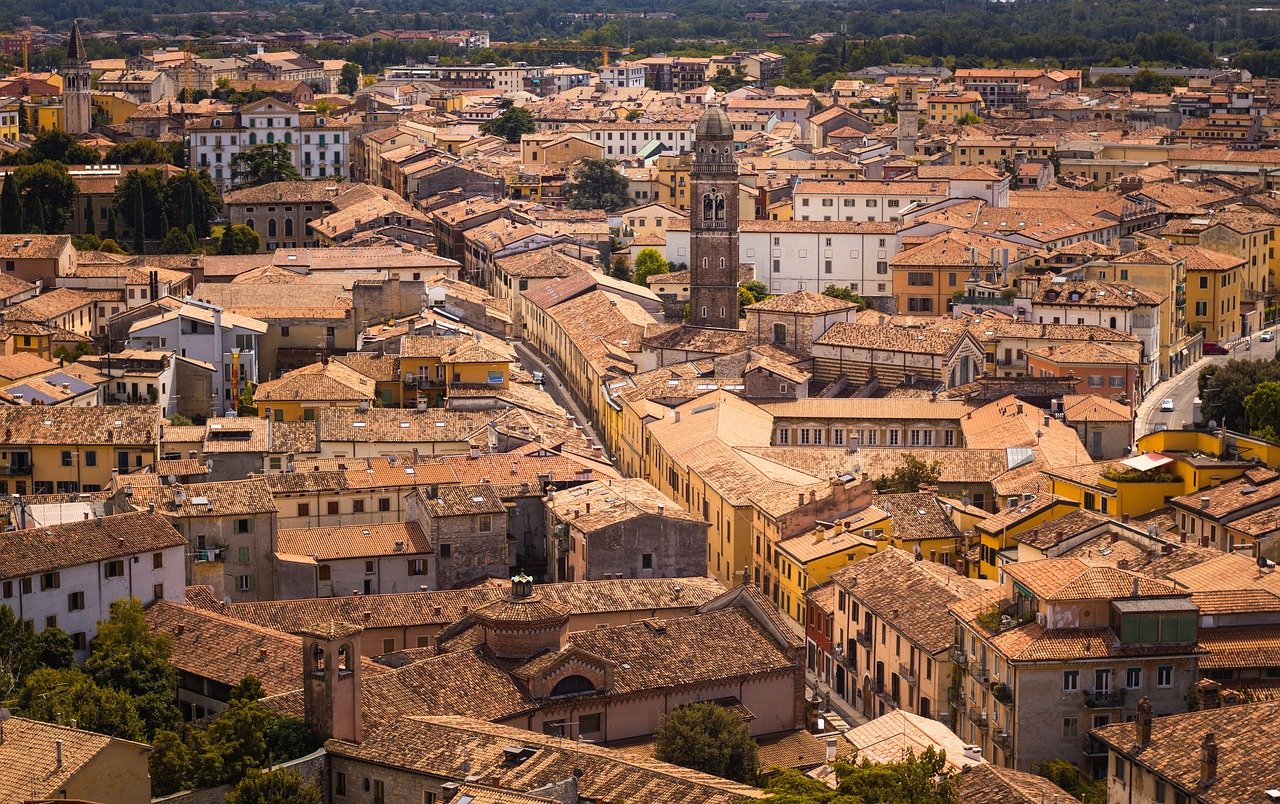
If you’re using a go to Verona, Italy, planning guide for things to do in Verona, the good news is that the city rewards gentle pacing. Verona is a UNESCO World Heritage site, yet it never feels like a museum; it’s an Italian city where daily life and beauty sit comfortably together. With a little pre-planning, you can move through the city centre with calm confidence and still leave room to uncover the local details that make the trip feel truly yours.
Best time to visit Verona and the opera season energy
The best time to visit Verona is May to September, when warm light lingers on old stone and terraces stay open late. From June to August, the opera festival at the Arena shapes the mood of the entire city: you’ll notice an elegant hum in the evenings, a little more formality at restaurants, and a shared anticipation in the streets. If you’re celebrating—an anniversary, a milestone, or simply a long-awaited escape—these months make it easy to design a night that feels cinematic yet effortless.
For those who prefer fewer crowds, late May and September are among my favourite windows: you still get pleasant weather, but the rhythm is softer. Whichever month you choose, build in time for long lunches, a slow aperitivo, and a night walk along the river; Verona’s best moments are often the quiet ones between the landmarks.
How to get there and where to stay in Verona
Verona is well-connected by rail. Arrive at Verona Porta Nuova by direct train from Milan or Venice, then take a short taxi ride into the historic centre. For itinerary ideas, Verona and Venice pair beautifully—opera and architecture in one, lagoon calm in the other—creating a Northern Italy rhythm that feels both varied and seamless.
Where you stay in Verona subtly shapes your experience. High-end travellers often choose between boutique palazzi tucked behind historic façades (for privacy, design, and concierge-level service) and riverfront addresses along the Adige River (for views and a sense of space). “Walkable and compact” is real here: most places in Verona’s core are 10–20 minutes apart on foot, so time in the city is spent exploring Verona rather than commuting through it.
Quick planning notes for a crafted stay
- Opera months: choose accommodation within an easy stroll of Piazza Bra if you want an unhurried return after the performance.
- Quiet luxury: consider the river bend for a calmer feel while staying close to the historic centre.
- Comfort: pack polished shoes for cobbles; the city’s beauty is best enjoyed at a walking pace.
The Verona Card can be an excellent value if you’re planning to visit key attractions in a day in Verona—think Arena entry, a tower view, and a museum. For a longer stay, calculate it more deliberately: if your trip to Verona is opera-led with slow afternoons, you may prefer simply pre-booking individual tickets. Check opening times, reserve timed entry when offered, and book opera tickets early for premium seating.
Safety levels are high, but as in any popular destination, keep an eye on your bag in crowded squares. A private guide can add more than facts: they offer local insight, help you slip into quieter streets, and provide reassuring support if you’re navigating peak season queues.




Arena di Verona opera tickets and top attractions at Verona Arena Piazza Bra.
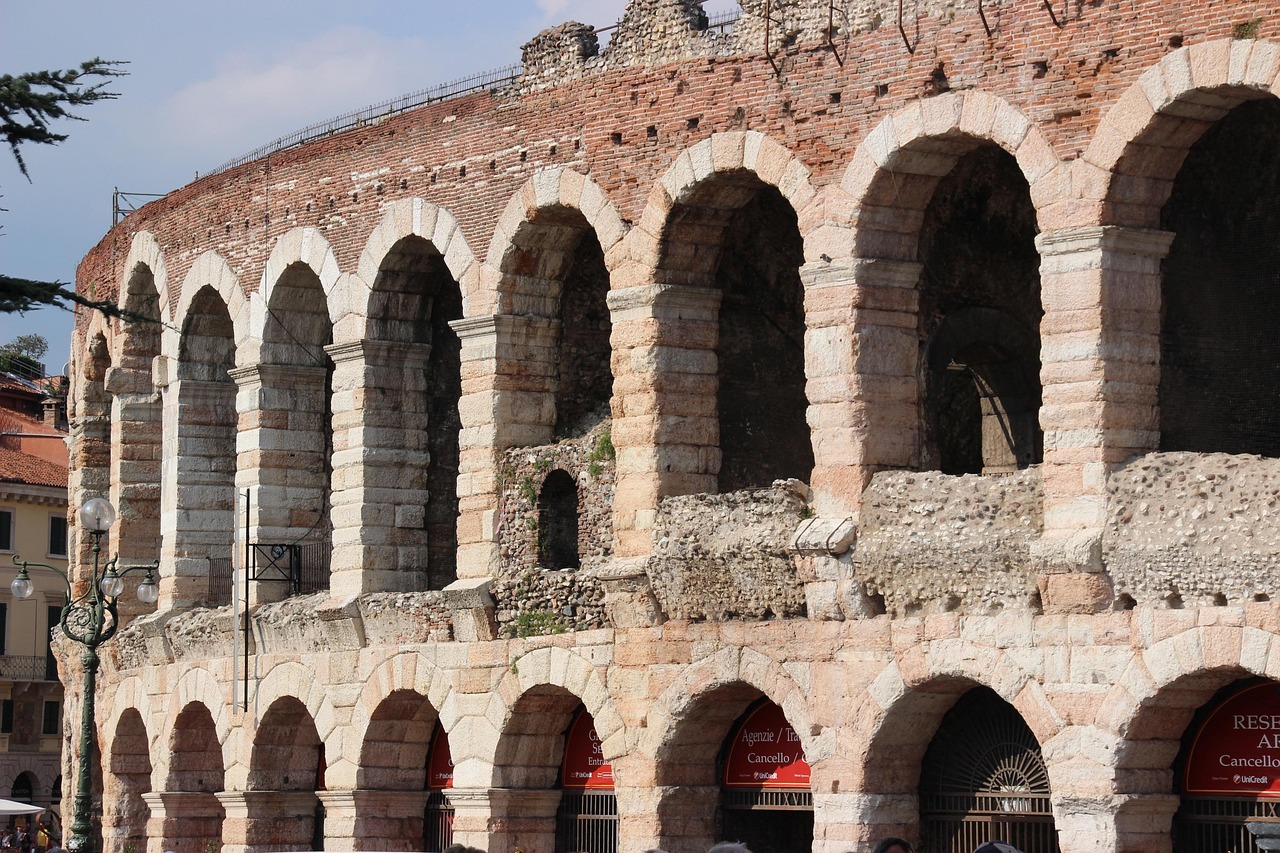
Arena di Verona Verona Arena Opera Nights in Piazza Bra
When people search for Arena di Verona opera tickets, Verona Arena Piazza Bra, they’re usually hoping for a night that feels bigger than the itinerary. The Arena is a Roman amphitheatre built in the 1st century, and still in use today; it’s one of the most famous stages in Europe, and one of the best things to do in Verona. By day, its scale is impressive. By night, under a summer sky, it becomes something quietly unforgettable.
Verona Arena visits and opera ticket tiers
For daytime visits, general entry is around €10, which is excellent value for the chance to explore the tiers and imagine the ancient crowd. For performances, opera ticket tiers vary widely—from stone steps (authentically atmospheric) to numbered seats with better sightlines and comfort. If you’re looking for the best experience with ease, book early and aim for premium seating; it’s the difference between simply attending and feeling truly looked after.
Many high-end travellers choose to add a small layer of craft to the evening: a concierge-arranged transfer, a pre-performance aperitivo reservation, and tickets secured well ahead of the season. It’s a seamless way to step into the event without the usual last-minute friction.
Piazza Bra aperitivo and elegant opera etiquette
Piazza Bra is one of the places where Verona’s glamour feels natural rather than staged. Begin near Palazzo della Gran Guardia, where the wide pavement and city lights create an easy meeting point. Choose a calm aperitivo—something light, so you arrive at your seat comfortably—and allow time to move through security and crowds with care.
Dress elegantly for opera nights; locals lean toward smart tailoring, summer dresses, linen shirts, and polished jackets. If you’re a first-timer, trust that “elegant” doesn’t mean complicated—it means considered. A simple, well-cut look is always appropriate, and it helps you feel at home in the atmosphere.
A personal night that stays with you
A couple once described their anniversary here as “a private world inside a public masterpiece”. They arrived as the sky shifted to deep blue, the upper rings framing a view of the city, and the first notes rose in a hush that felt shared and intimate. Between acts, they looked out at Verona’s rooftops and realised the magic wasn’t only the music—it was the sense of being together, present, and carried by the setting.
Juliet’s House Casa di Giulietta balcony in Verona, a must-see in Verona.
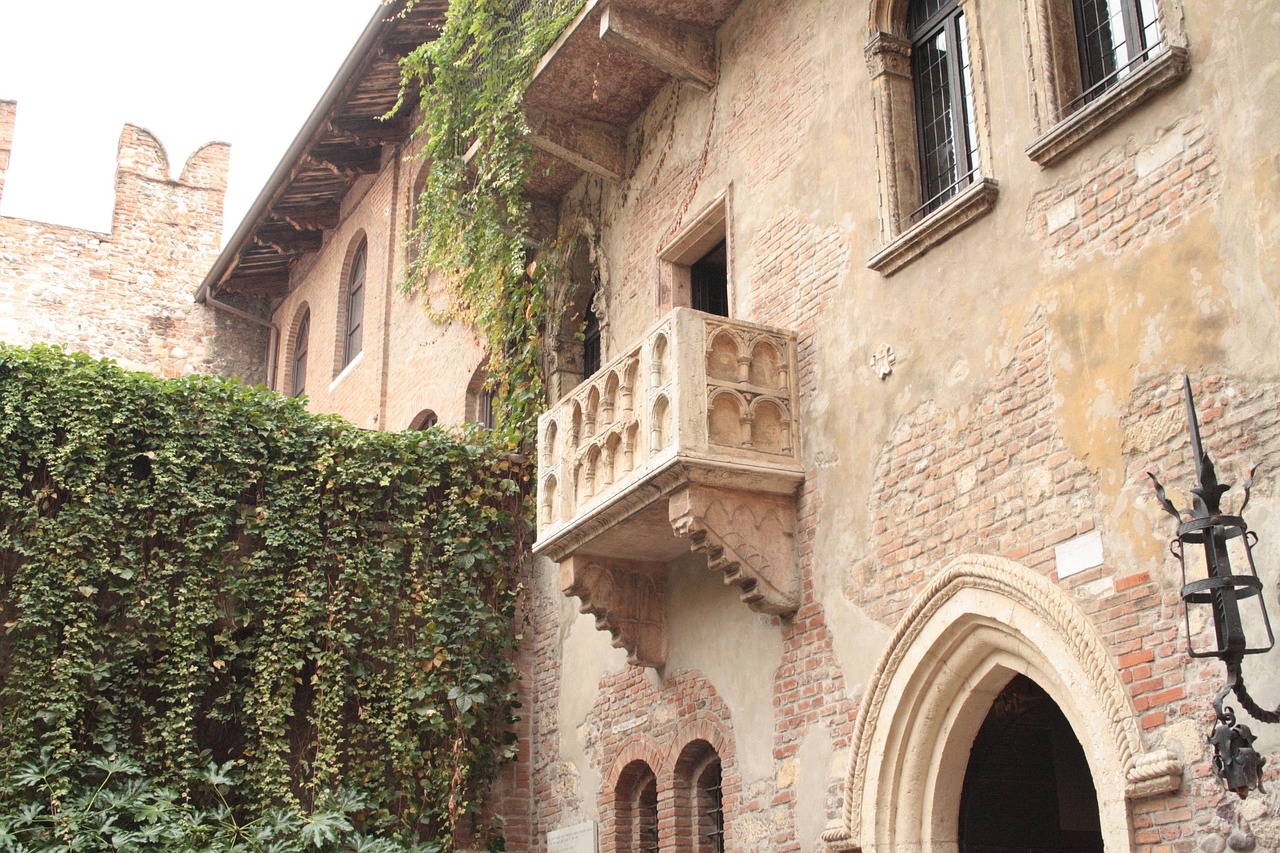
Juliet in Verona Casa di Giulietta Balcony Moments
People arrive at Juliet’s House, Casa di Giulietta, balcony, Romeo and Juliet, Verona in mind—and it helps to set expectations with trust. The story of Romeo and Juliet is a literary legend, and Verona is Juliet’s in the sense that the city has embraced the romance and made space for it. What you’ll see is a beautifully curated experience, but it can still land in a surprisingly personal way, especially when you allow yourself a quieter moment away from the crowd.
Casa di Giulietta courtyard etiquette and timing
The courtyard of the Casa di Giulietta is often busy, particularly mid-morning and early afternoon. If you can, go early or later in the day, when the light softens, and queues are calmer. Inside, you’ll find the statue of Juliet—yes, there are rituals visitors follow—and a series of rooms that blend historical textures with the city’s love of storytelling.
Photo etiquette matters here. Pause, take your shot, and step aside with care; small courtesies keep the experience warm for everyone. If you’re travelling with a private guide, they can often help you approach from a quieter angle, giving you a more unhurried visit in Verona without feeling funnelled through a souvenir corridor.
Juliet’s balcony as a reflective pause
Juliet’s balcony is the moment most people remember—not because it’s grand, but because it invites you to stop. A solo traveller once shared that standing there felt like an unexpected stillness; the balcony wasn’t about reenacting the story of Romeo and Juliet, but about noticing what the story stirred in them. It became a gentle, human pause in the day, a reminder that travel can be both outward and inward at once.
Practical details are simple: there’s a small admission fee, and timed entry may apply in peak periods. Plan it as a short, meaningful stop rather than a long museum visit, then step back into the little city streets around it. This is one of the best things to do if you want to see in Verona how big emotion can live inside intimate spaces.
Piazza delle Erbe, Torre dei Lamberti, Piazza dei Signori a Verona: le migliori cose da fare.
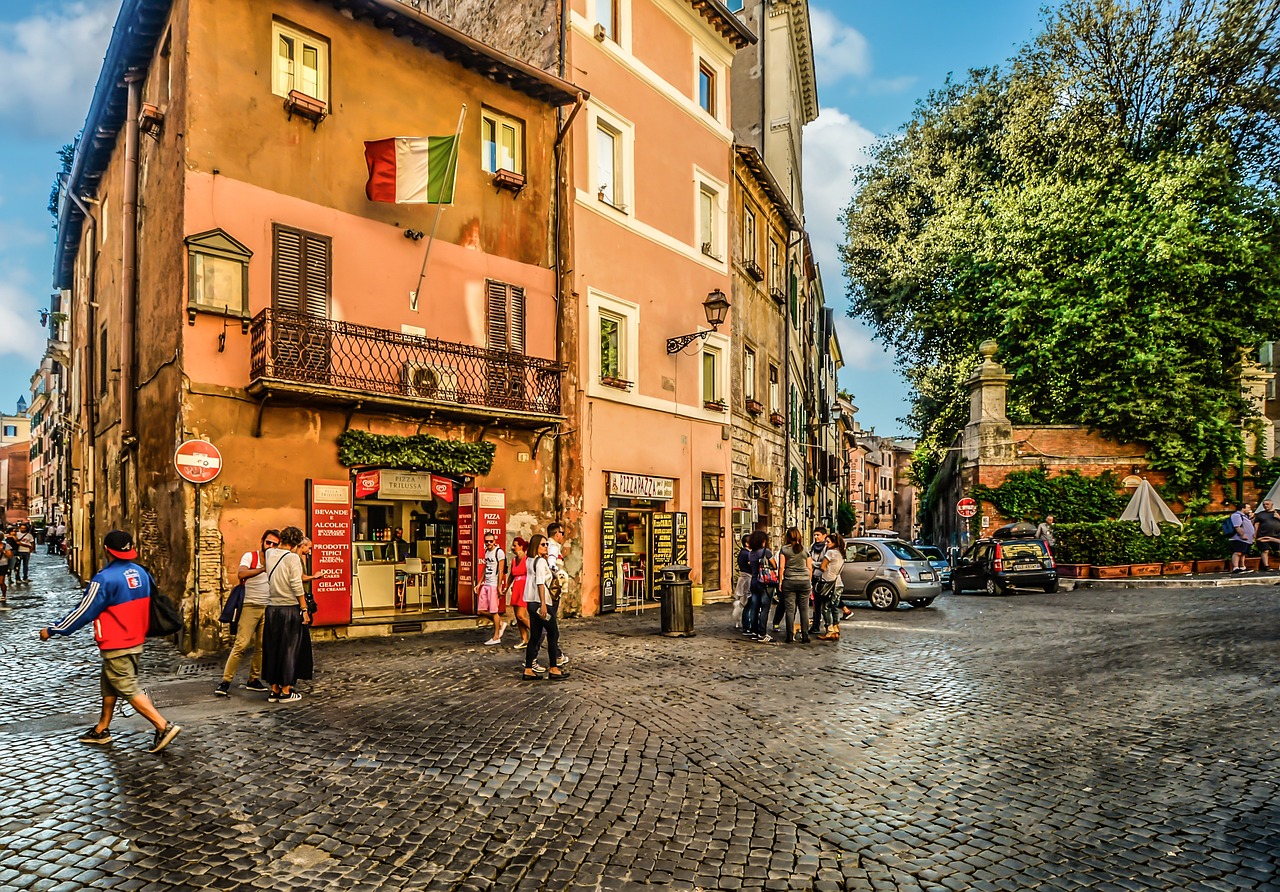
Piazza delle Erbe to Piazza dei Signori Verona’s Living Rooms
If your notes say Piazza delle Erbe, Torre dei Lamberti, Piazza dei Signori, Verona, you’re mapping the city’s living rooms—places to linger, not rush. Piazza delle Erbe is a vibrant market and a square in Verona where everyday life plays out beneath baroque façades. Come for the colour and movement; stay for the café culture that makes you feel immediately part of the scene.
Piazza delle Erbe details to notice and taste
At Piazza delle Erbe, look up as much as you look around. You’ll spot Madonna Verona near the fountain, and elegant façades like Palazzo Maffei watching over the square. The market stalls change with the day, offering seasonal fruit, small gifts, and local snacks—perfect if you want a thoughtful, edible souvenir chosen with care.
Visitors often mention the warm hospitality here: an unhurried espresso, a spritz, and the simple pleasure of people-watching. If you’re travelling with friends, this is where you naturally fall into conversation, letting the afternoon unfold rather than forcing the schedule.
Torre dei Lamberti and the top of the tower
The Torre dei Lamberti is your vertical reset. Plan the top of the tower for golden hour, when the city looks softer, and the rooftops glow. Whether you take the stairs or the lift, arrive with patience; the reward is a calm, expansive perspective that helps you understand Verona’s layout at a glance.
From here, the walk to Piazza dei Signori is short yet mood-shifting. The energy becomes more hushed and elegant, like stepping from a lively salon into a quiet library. It’s a simple route, but it’s beautifully designed by the city itself.
A seamless designer route for the afternoon
- Begin with a late coffee at Piazza delle Erbe, then browse artisanal shops at an unhurried pace.
- Climb Torre dei Lamberti as the light warms, then pause for photos without rushing.
- Finish in Piazza dei Signori for a calmer mood and a moment of architectural appreciation.
Ponte Pietra, Castel San Pietro, Castelvecchio along the Adige, Verona, and Things to Do
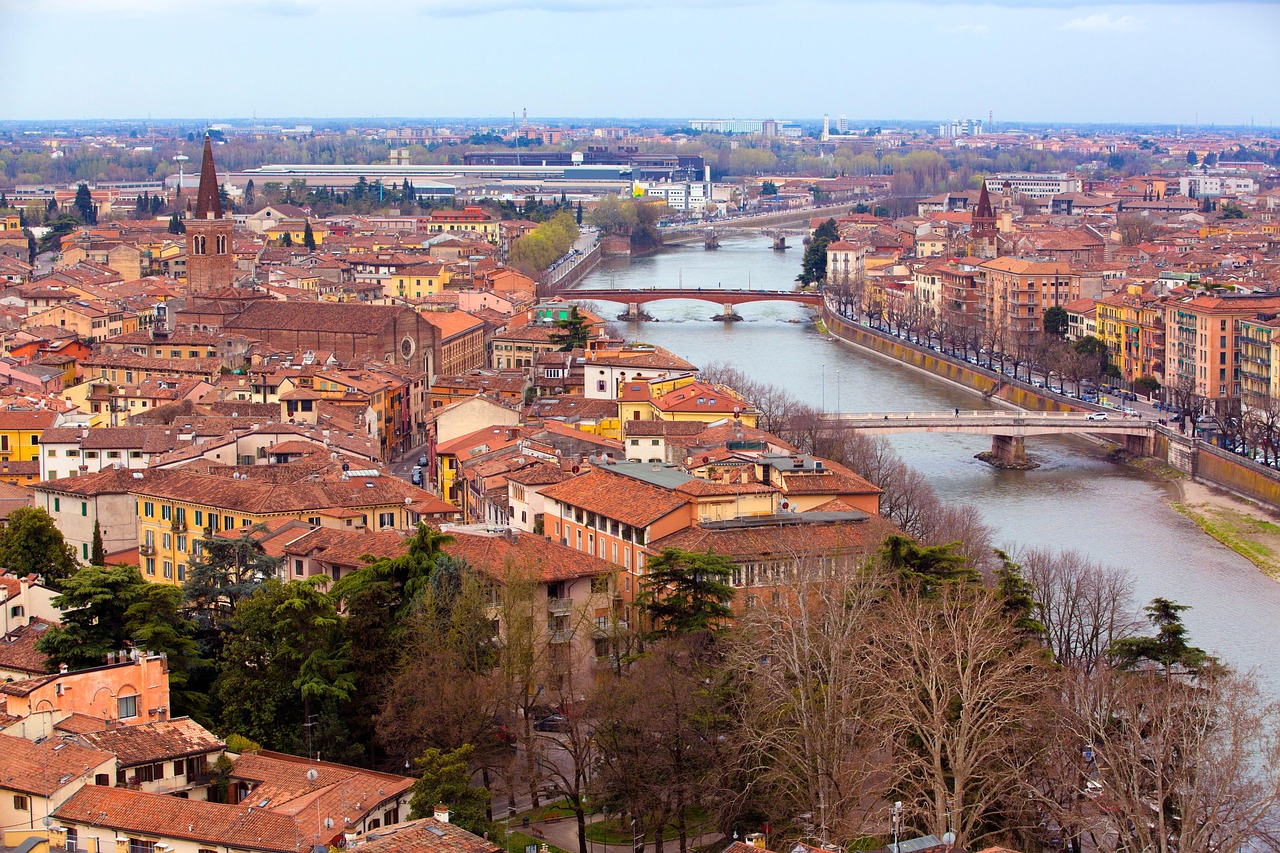
Along the Adige Ponte Pietra Castel San Pietro and Castelvecchio
For travellers searching Ponte Pietra, Castel San Pietro, and Castelvecchio along the Adige River in Verona, think of this as a curated ribbon of beauty. Along the Adige River, the city feels more spacious; the waterline gives you a natural rhythm for exploring, and each stop reveals another layer of history and craft. This is one of the city’s most rewarding walks—quietly grand, never rushed.
Ponte Pietra and a stone bridge atmosphere
Start at Ponte Pietra, a stone bridge with a timeless feel, especially early morning or at dusk. The Ponte is not just a crossing; it’s a viewpoint, a pause, and a place where the city’s reflections do half the storytelling. If you love photography, this stretch offers angles that feel cinematic without having to chase them.
Castel San Pietro viewpoint, overlooking the city
From the bridge, make your way up to Castel San Pietro. Castel San Pietro is one of the most satisfying viewpoints in Verona, offering a sweeping view of Verona that makes you appreciate how compact the historic centre truly is. Time it for late afternoon when the rooftops warm, and you’ll see why artists and filmmakers return here again and again.
For accessibility, take it at your own pace. There are routes that reduce steep climbs, and a private guide can help you choose the smoothest option depending on footwear, weather, and how you want the day to feel. High-end travel is, at its best, about comfort that supports discovery.
Continue back towards Castelvecchio, the fortress that anchors Verona’s medieval spirit. The Castelvecchio Museum combines layered architecture with art and historic weaponry in a castle setting; it’s a place where you can slow down and let the details speak for themselves. For many, this is one of the best things to do because it’s both visually striking and genuinely informative—one of the top sights when you want depth, not just photos.
To deepen the day, add serene contrasts
- Giardino Giusti: a garden in the centre that feels like a secret pause from the city’s theatre.
- Duomo di Verona: step inside for a cool, quiet moment and a sense of continuity.
- Verona Cathedral: a gentle place to slow down and absorb the city’s sacred calm.
If you want a little beaten path feeling without going far, include Santa Maria Antica. The church of Santa Maria Antica and its tomb monuments bring you close to the 13th and 14th centuries, adding texture to your understanding of the Veneto region. Approach with respect—lower your voice, dress appropriately, and allow the atmosphere to do its work. It’s a more contemplative side of Verona that often becomes unexpectedly memorable.
Valpolicella private wine tasting trip from Verona with Amarone and Lake Garda
Valpolicella Day Trip Private Amarone Tastings Near Verona
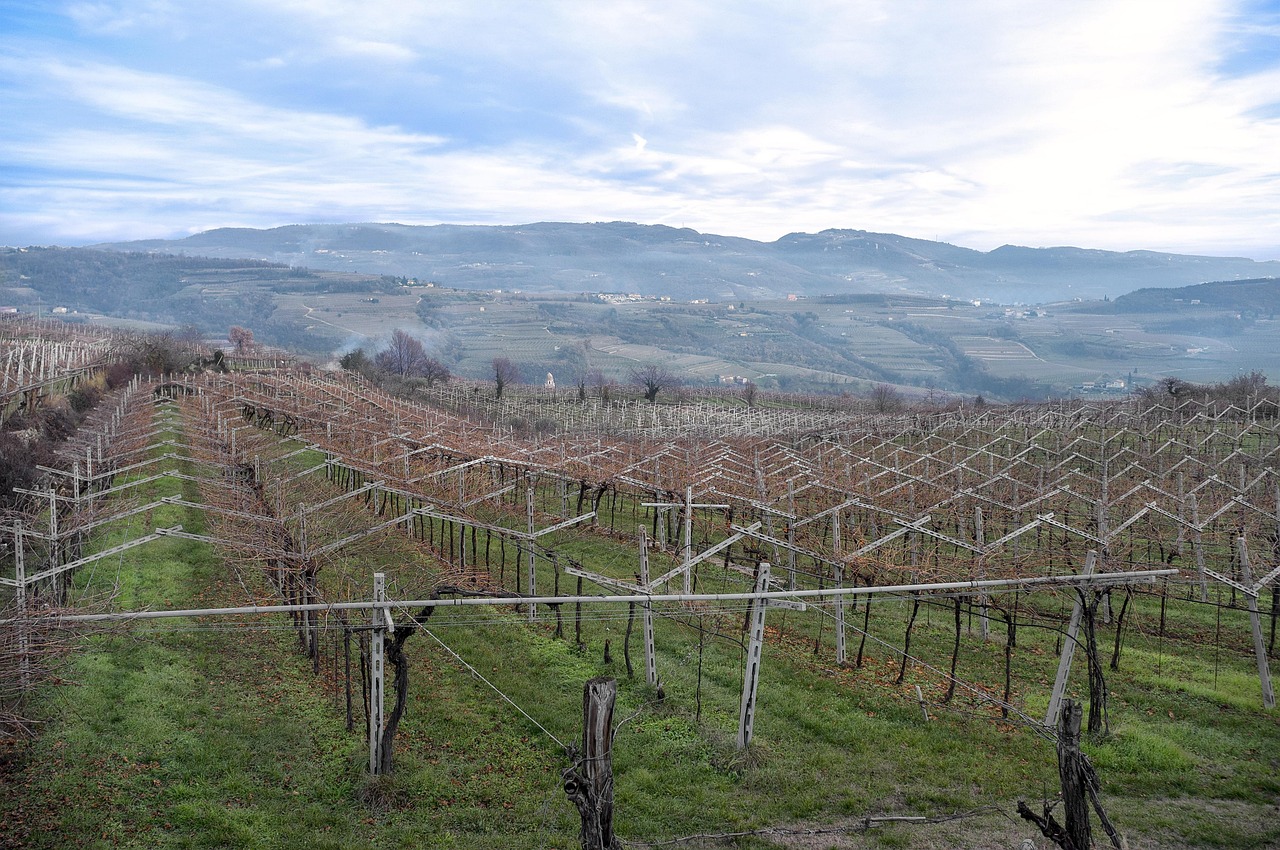
For many high-end travellers, Valpolicella private wine tasting day trip from Verona Amarone is the perfect extension—luxury tradition, close enough to feel effortless. With a private driver, you can create a half-day or full-day experience that stays relaxed: no parking, no tight schedules, just vineyards, cellars, and a table set with quiet pride. It’s a day trip that adds a touch of softness and depth to your Verona stay.
Private tastings and local stories behind Amarone
A group of friends once described their tasting as “the moment we stopped drinking wine and started understanding it”. They met local vintners who spoke with warmth about their craft—drying grapes, watching the seasons, and waiting patiently through ageing. That human element builds trust: you’re not just sampling bottles, you’re connecting to people and place.
Ask gentle, specific questions: what makes Ripasso different from Amarone, how the terroir changes across valleys, and how long a wine rests before release. The most memorable tastings feel like a conversation, not a lecture—and the right host will meet you with care and enthusiasm.
Tasting with confidence and buying responsibly
To taste confidently, take small sips, drink water between pours, and don’t be afraid to pause. If you’re buying, consider what you’ll open soon versus what you’ll cellar, and ask about shipping options so you travel light. A good producer will advise on storage and transport; it’s part of the service, and it keeps the experience seamless.
Vineyards or water, depending on mood
- Choose Valpolicella if you want intimate cellars, storytelling, and a crafted sense of heritage.
- Choose Lake Garda if you want a soft, lakeside counterpoint—light, breezy, and restorative.
Logistics are straightforward: Valpolicella is a short drive from Verona, but summer dates book quickly, especially for private appointments. If you’re travelling during peak season, reserve tastings well in advance. For travellers who value expert planning, concierge-style support can arrange the driver, time the visits, and add a relaxed lunch with views—so your focus stays on discovery. If you’d like inspiration for a wider itinerary beyond Verona and Venice, explore our Trip gallery for carefully designed journeys.
F.A.Qs: Things to do in Verona, Italy
What should you not miss in Verona?
Don’t miss the Verona Arena (ideally an opera night in summer), a stroll through Piazza delle Erbe, and the riverside walk to Ponte Pietra and Castel San Pietro for the most cinematic viewpoints. Add Castelvecchio Museum for medieval depth, and consider Valpolicella for an Amarone tasting if you want a luxury tradition extension.
Is Verona in Italy worth visiting?
Yes—Verona is worth visiting for its rare mix of beauty, ease, and atmosphere. It’s compact and walkable, feels safe, and delivers standout experiences like opera in an ancient amphitheatre, elegant piazzas, and excellent day trips. It suits high-end travellers who want culture with a warm, unhurried pace.
What to do in Verona for a day?
For one day, start at Piazza delle Erbe and climb Torre dei Lamberti, then visit Juliet’s House, and finish with the Verona Arena and an aperitivo in Piazza Bra. If time allows, add a sunset walk along the Adige River to Ponte Pietra for a final view before dinner.
What to do in Verona for 3 days?
Over three days, balance landmarks with slow luxury. Day one: piazzas, Torre dei Lamberti, and Juliet’s House. Day two: Verona Arena (museum by day, opera by night) plus Castelvecchio. Day three: a Valpolicella wine tasting or Lake Garda, and a relaxed riverside walk to Castel San Pietro.
Leaving Verona: What Stayed With You After Italy and Visit Verona Reflections
When you visit Verona, what lingers isn’t a checklist—it’s atmosphere. You may remember warm light settling into the edges of stone, and the way evenings drifted in softly, as if the city was inviting you to slow down. Somewhere in the distance, music carries, and you realise you’ve begun to measure time differently: by feeling rather than by schedule.
Verona becomes personal in its own way. For some, it’s the shared hush of the Arena as the orchestra begins; for others, it’s the quiet weight of a solitary balcony moment, or a local conversation that makes you feel gently welcomed. A glass of wine can hold a story. A glance across the river can feel like a small form of peace. These are not grand revelations—just tender proofs that the journey has shaped you.
And perhaps that is the real gift of this beautiful city: it gives you trust in your own travel rhythm. You don’t need to rush to be moved or to prove anything to anyone. You simply walk, notice, and let the city meet you where you are—leaving you curious about what you might uncover next time, together.