Current time in Florence, Italy
Current time in Florence Italy current local time world time and why it matters
The phrase “current time in Florence, Italy” simply means the time now in Florence, Italy—yet that small detail shapes everything from private guided tours to a rooftop reservation. For high-end travel, the aim is seamless: you arrive a few minutes early, unhurried, with confidence that your timing matches the local rhythm.
To anchor your bearings, Florence is in central Italy (Tuscany) and sits comfortably on most time zone tools you may already use for global work and international planning. A quick glance at the map helps, too: once you place the city relative to Rome and Milan, your day starts to feel designed rather than improvised.
Location map, country and a quick world time approach
If your phone lets you add a second clock, set one to Florence so you can compare at a glance before a chauffeur pick-up or a gallery slot. This is especially reassuring when you’re coordinating together with family, assistants, or a hotel concierge across multiple cities.
- Keep a second clock: Add “Florence” to your world clock list so it’s always visible.
- Check device settings: Ensure “Set time zone automatically” is enabled before you fly.
- Build a buffer: In Florence’s historic centre, a short distance can take longer on cobblestones.
A tiny tool idea using JavaScript in your browser
If you’re building a travel planning page for yourself, a tiny JavaScript snippet can display the current local time in Florence on the page. The key is that your device’s time zone settings must be correct; otherwise, even the neatest tool will show the wrong time.




Florence time zone CET CEST GMT offset dst starts dst ends explained
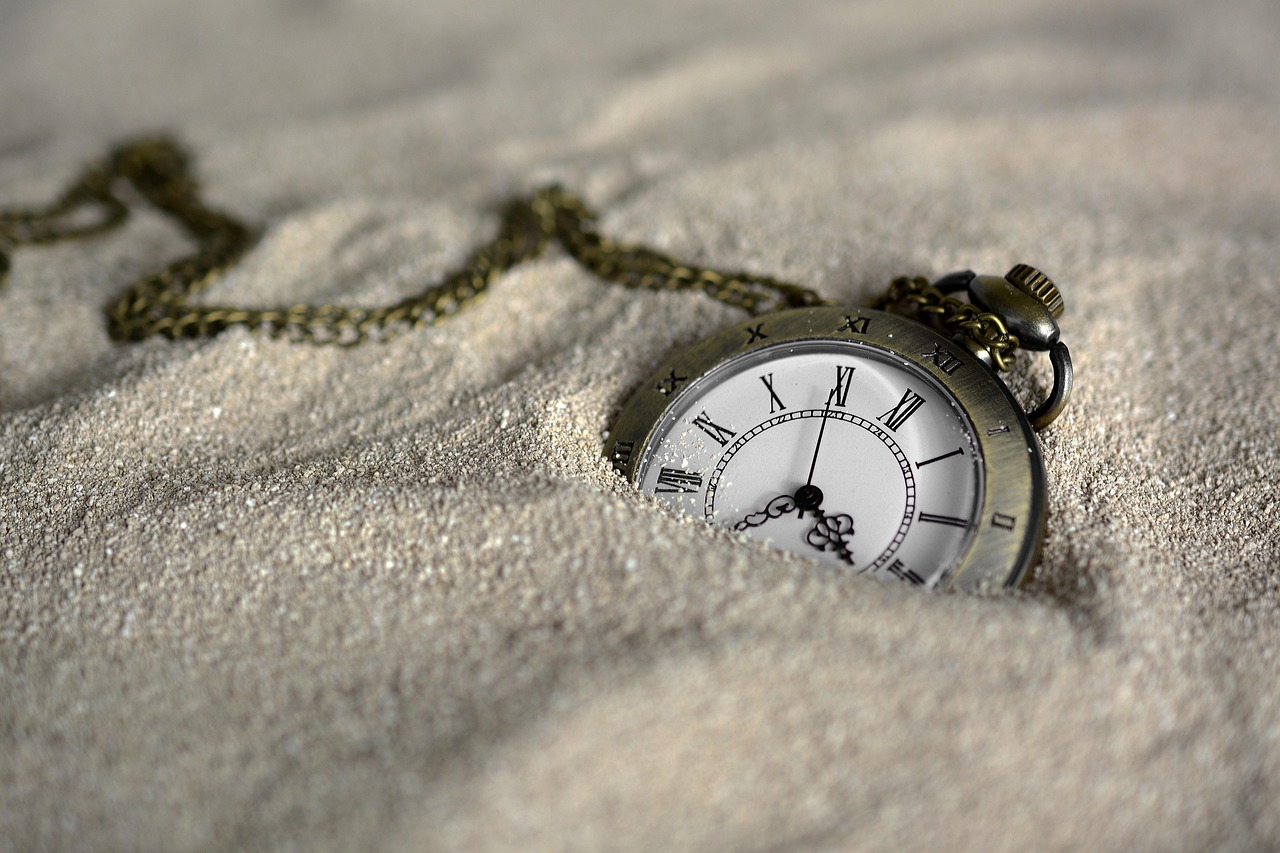
Florence time zone CET CEST GMT offset dst starts dst ends explained
The Florence time zone is straightforward: it follows Central European Time and Central European Summer Time, and the GMT/UTC offset changes with the seasons. In practice, that means your plans feel effortless once you know whether Florence is on CET (winter time) or CEST (summer time).
Italy uses daylight saving time, so the offset shifts when clocks change. If you’ve ever arrived feeling “an hour ahead” or “an hour behind”, it’s usually this seasonal switch—not your judgement—that’s at fault.
How daylight saving time works in Italy
In most years, DST starts in March and ends in October (always confirm the exact weekend on your calendar). This matters for early museum entry times, dawn photography sessions, and flight connections, where a single hour can be the difference between calm and rushed.
- Before a flight: Re-check your itinerary’s time zone label (CET vs CEST).
- Before a private tour: Confirm the meeting time in writing, including “local time”.
- If you’re unsure: Ask your hotel to verify the current local time in Italy for you.
Reassurance if your phone fails to update
Most phones update automatically, but if yours doesn’t, switch the timezone setting to “automatic” and restart. If you’re using a luxury watch set at home, consider keeping Florence as your primary dial and your home city as the secondary—an elegant way to travel with care.
A quick vocabulary note: you’ll see both “time zone” and “timezone” in apps and guides; they mean the same thing, and both are widely used in travel tools.
Time difference compare convert hour time in Florence from the USA UK
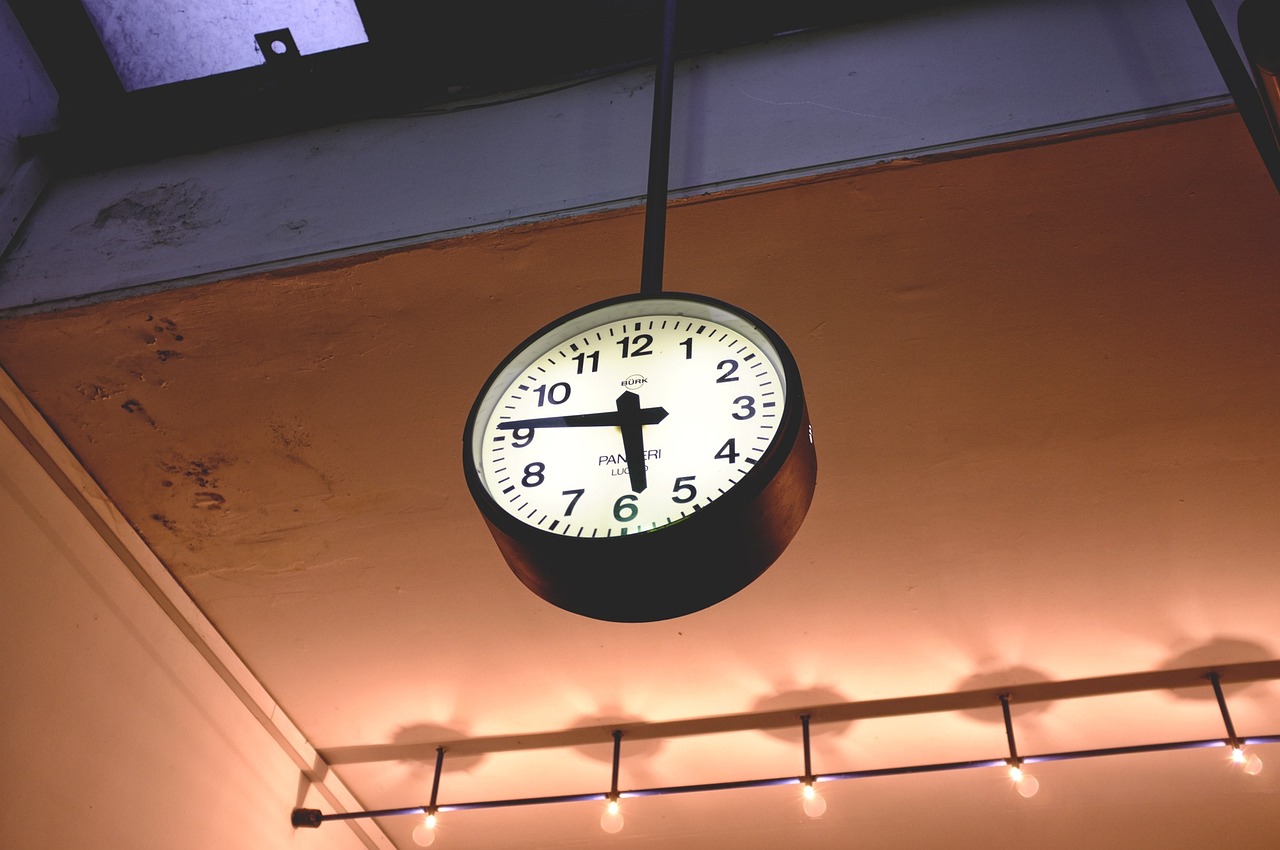
Time difference compare convert hour time in Florence from USA UK
When planning calls, transfers, and confirmations, the practical question is the time difference: how to compare and convert a time in your home city to Florence. Searches like time difference, compare, convert, and hour time in Florence from the USA and the UK are common because a single misread can ripple into missed museum entries or a delayed driver.
The simplest method is to use a world clock app, then put key moments into a calendar invite that locks to Florence time. That small step creates trust across everyone involved—concierge, guide, and guests—so the day stays seamless.
Common planning traps crossing midnight and holiday schedules
Overnight flights can trick you into thinking you “gain a day” or “lose a day” in a way that shifts your energy and arrival time. Also watch for local holidays that change opening hours or for restaurant closures, especially around major Italian dates.
- USA to Florence: Expect a substantial shift; schedule calls for Florence’s late afternoon.
- UK to Florence: Often close, but DST weeks can create brief surprises—double-check.
- Transport notes: Arrive via Florence’s Amerigo Vespucci Airport or by train from Rome or Milan, and confirm the pickup time in local time.
If you’re travelling together as a couple or family, agree on one “master clock” (Florence) for the trip. It removes friction and brings quiet confidence to each transition.
Sunrise, sunset, day length, solar noon in Florence
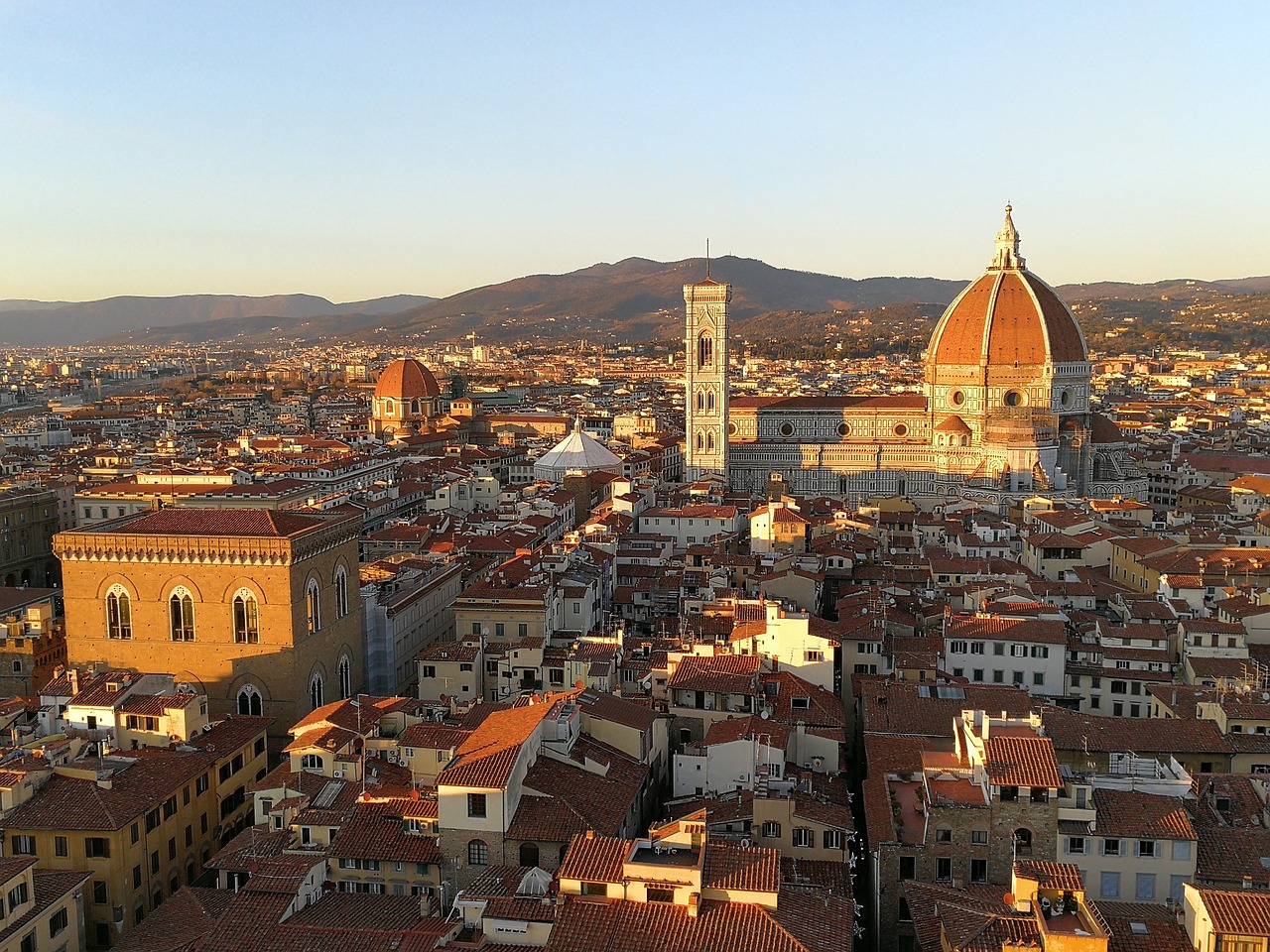
Sunrise sunset day length solar noon Florence Italy planning
Light is Florence’s most flattering accessory, and sunrise, sunset, and day length solar noon in Florence, Italy, help you design each day around it. Spring and early autumn often feel especially balanced, when the day length supports long walks without the intensity of midsummer heat.
For photographers, painters, and anyone who loves atmosphere, it’s worth checking a tool that lists sunrise and sunset times, as well as the moment of solar noon. This isn’t about being technical; it’s about giving yourself permission to be in the right place when the city looks its most timeless.
Solar time and the Duomo at first light
One traveller told us they woke early, long before breakfast, to catch a quiet sunrise over the Duomo. The streets were hushed, the first bell notes seemed to hover, and for a few minutes, Florence felt like it belonged only to those awake with the sun.
That’s the gift of thinking in terms of solar time: you stop chasing, and you start noticing. Even a short walk at dawn can feel more personal than an entire afternoon in the busiest streets.
Moonrise and moonset for evening ambience
If you’re planning a romantic night walk, some astronomy tools also show moonrise and moonset, along with a percentage, such as 74.0, for lunar illumination. It’s a small detail, but it can help you imagine whether the Arno will shimmer under a bright moon or a softer, darker sky.
Florence itinerary, current time plan
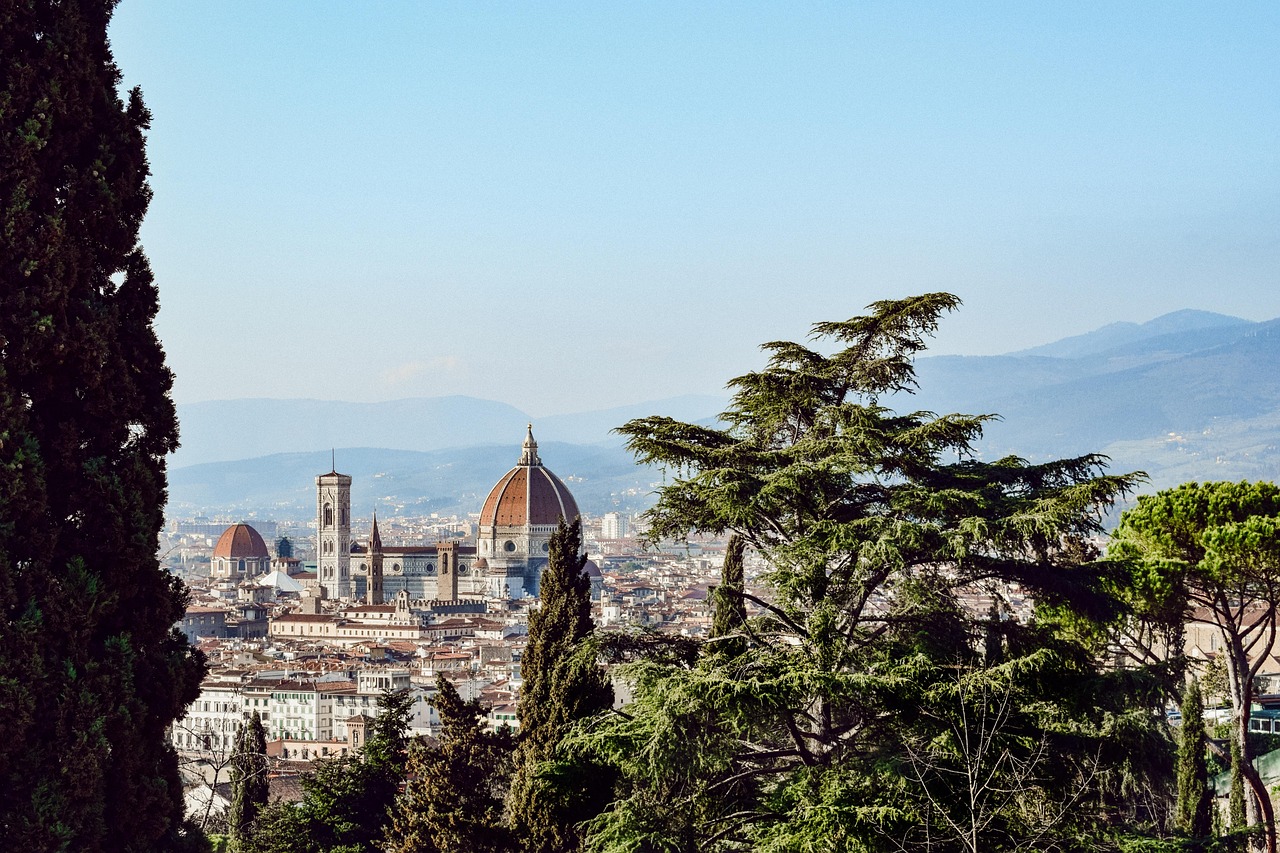
Florence itinerary, current time plan, Duomo, Uffizi Ponte Vecchio and time now in Florence
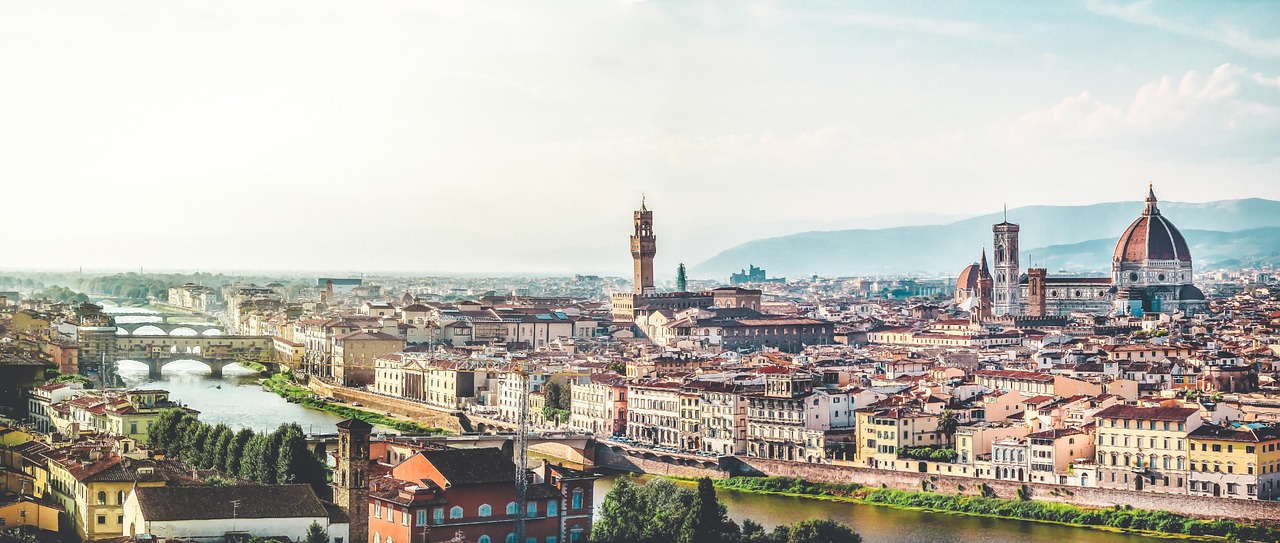
To design a truly high-end day, start with a current-time Florence itinerary plan: Duomo, Uffizi, Ponte Vecchio. Thinking: what time now in Florence best suits each experience? The aim is crafted pacing—early heights, midday masterpieces, and a slow, glowing finish by the river.
When the current time aligns with timed entries and quiet streets, Florence feels less like a checklist and more like a designer journey. If you’d like to browse itinerary inspiration and aesthetics, you can explore our Trip gallery for Italy.
A seamless by-the-clock flow for Duomo, Uffizi, and Ponte Vecchio
Early morning: Begin with the Duomo climb for panoramic views before the crowds gather. Comfortable shoes matter here; the steps are part of the experience, and the reward is the city laid out like a Renaissance map.
Late morning to midday: Move to a private guided visit at the Uffizi Gallery, where Botticelli, Leonardo da Vinci, and Michelangelo feel more intimate when you’re not rushing. Booking well in advance is the best way to avoid queues and secure the timeslot that suits your energy.
- Café pause: Plan a short espresso stop between major visits so the day breathes.
- Meeting points: Confirm on a map and screenshot it—Florence’s lanes can look similar.
- Support: A reputable guide will reconfirm start times and entry details the day before.
Sunset on Ponte Vecchio and soft Arno reflections
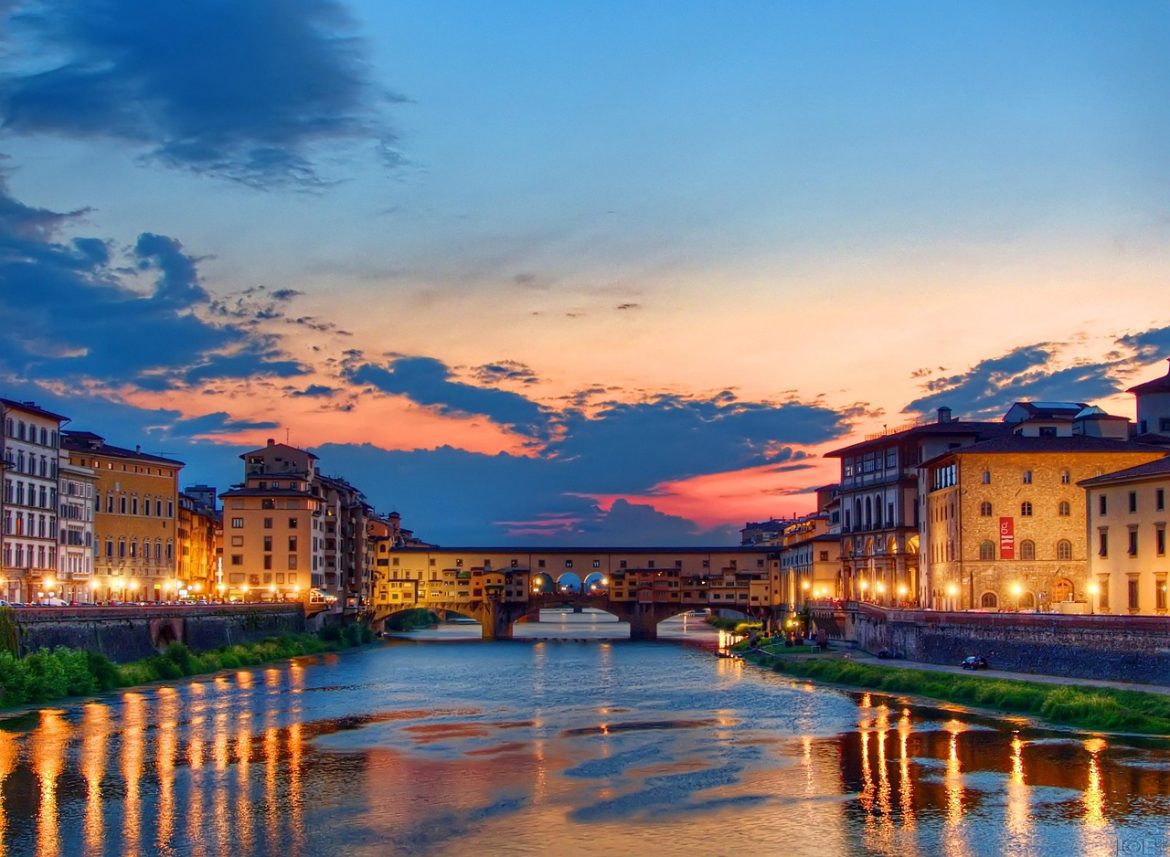
Save Ponte Vecchio for sunset, when boutique jewellery windows glow, and the Arno reflects warm tones. Arrive slightly early, then slow down: the best moments come when you’re not trying to “catch” the light, but letting it unfold.
For trust and care, choose official ticketing platforms or a well-reviewed luxury operator, and always re-check the exact rendezvous point in the city. That’s how the afternoon stays seamless even if Florence gets busy.
Boboli Gardens, Pitti Palace, Florence, time plan, quiet hour and unhurried luxury
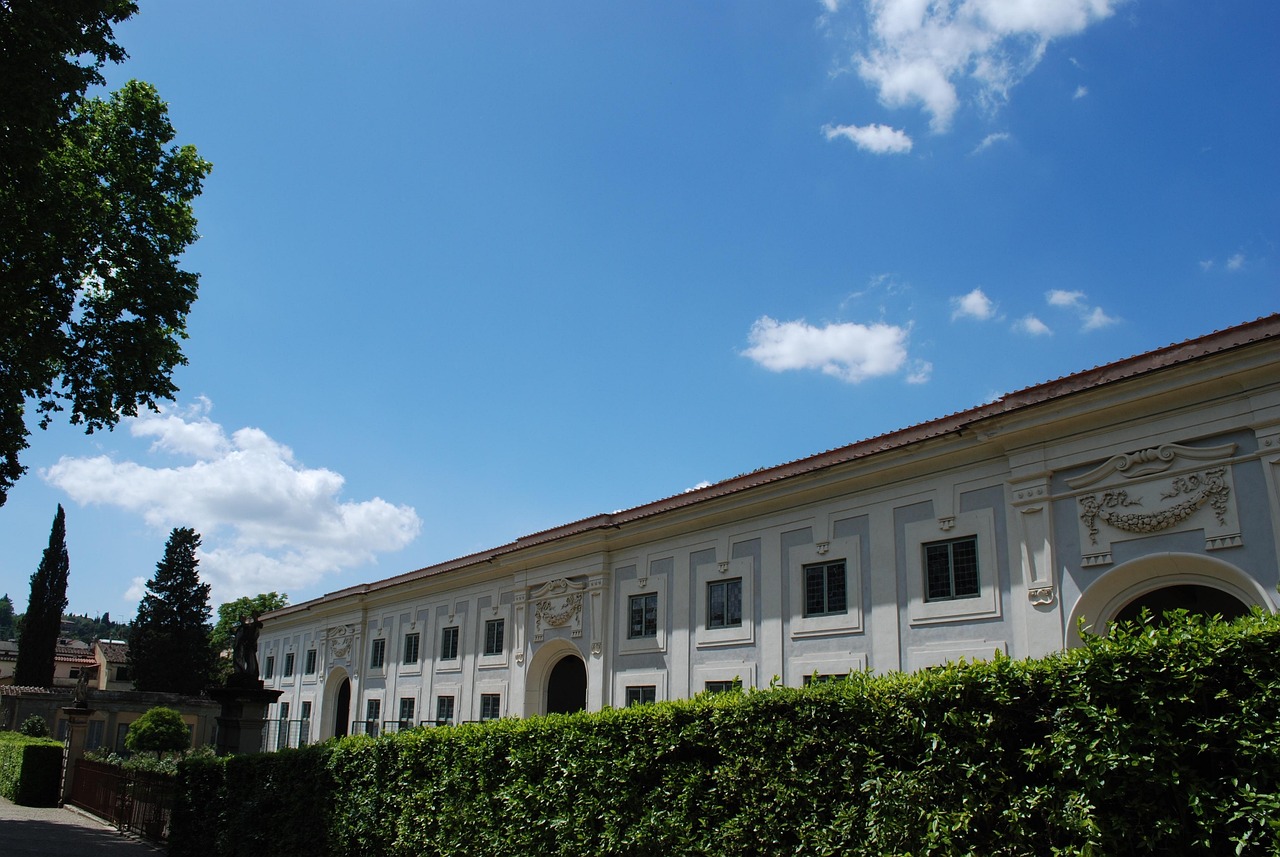
Boboli Gardens Pitti Palace Florence time plan quiet hour and unhurried luxury
If your ideal Florence includes breathing space, Boboli Gardens, Pitti Palace, Florence, a time plan, and a quiet hour is your cue. Late morning or mid-afternoon often feels calmer here, and the gardens offer a soft contrast to museum intensity—green, sculptural, and quietly grand.
Bring comfortable shoes: between cobblestones, gravel paths, and gentle slopes, the garden invites a slower tempo. It’s luxury in the truest sense—time, ease, and the chance to discover details without being hurried.
Slow hours among Renaissance sculptures
A solo traveller once shared how they found a shady spot, opened a sketchbook, and began drawing a statue they’d walked past twice. Surrounded by fountains and centuries-old forms, they felt a rare kind of insight: that Florence doesn’t demand constant movement, only attention.
Allow at least a couple of hours so you can pause, sit, and simply look. Even short rests in the shade can reset your whole day.
- Balance: After the Uffizi, Boboli is an ideal palette cleanser.
- Quiet viewpoints: Look for hedged corridors that open onto unexpected vistas.
- Local details: Notice the texture of stone, water, and clipped greenery—small, personal luxuries.
Florence luxury dining Michelin reservations time in Florence
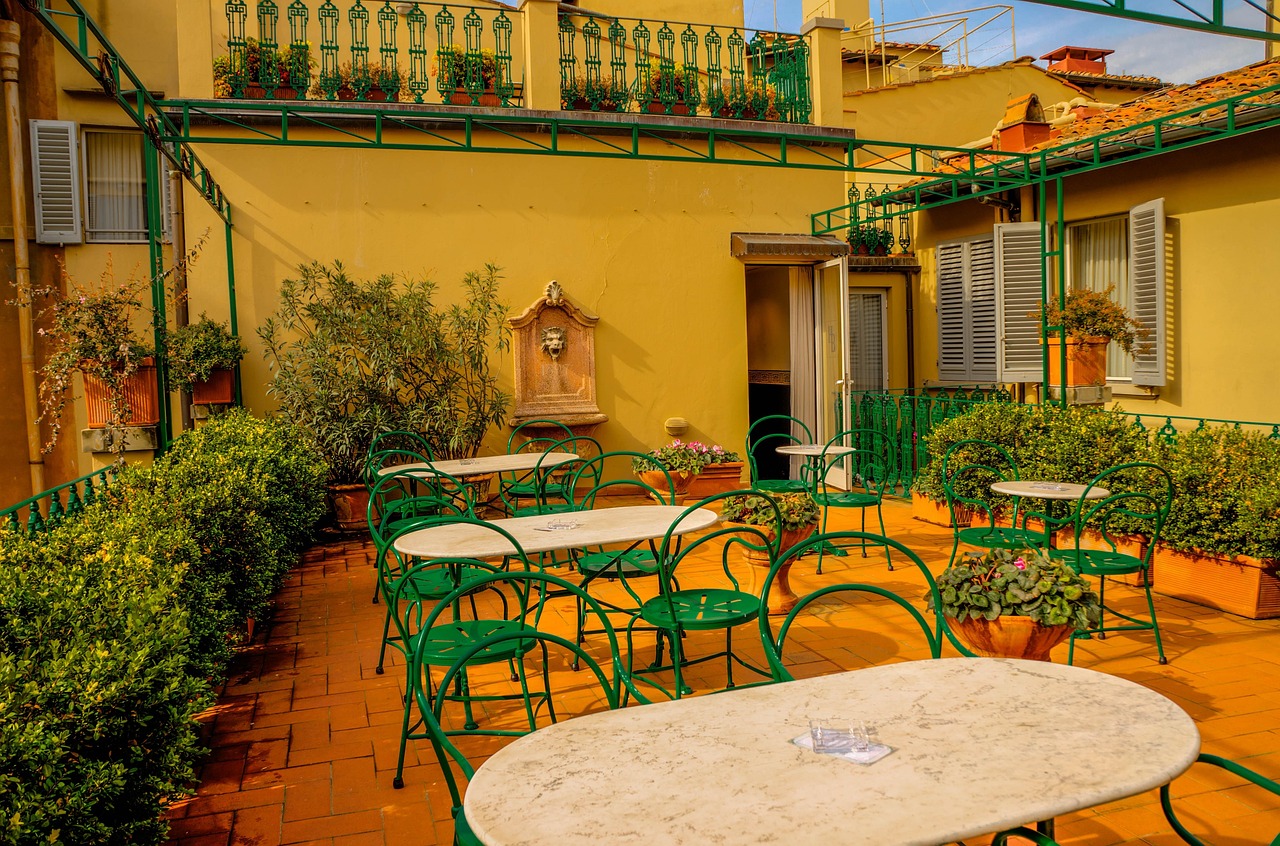
Florence luxury dining Michelin reservations time in Florence Italy by the clock
For evening luxury dining Michelin reservations in Florence, Italy, planning is a quiet superpower. Italian dinners often start later than many travellers expect, and kitchens can open in waves—so you can create a night that feels spacious rather than squeezed.
A gentle rhythm works beautifully: aperitivo, a leisurely meal, then artisanal gelato without rushing. This is where Florence feels most local—when conversation stretches, and the skyline turns deep gold.
Rooftop romance and the reassurance of a reservation
One couple described their anniversary on a rooftop terrace overlooking Florence’s historic silhouette. The light was warm, the service felt personal, and because the reservation was made in advance (with the correct time zone on the confirmation), the whole evening carried an easy sense of care.
For high-end tables, don’t hesitate to ask your concierge for support: share dietary preferences, request the best view, and verify the booking time in writing. It’s a small act of trust that makes the experience feel seamless.
- Timing tip: If you want sunset views, book around golden hour and arrive early for a drink.
- Polite touches: A warm “Buonasera” and “Per favore” often bring service interactions closer.
- Extra planning: Keep a note of the weather and area codes for any last-minute calls or changes.
F.A.Qs: Florence travel style and local tastes
F.A.Qs Florence travel style and local tastes in the heart of Italy
Can you wear jeans in Florence, Italy?
Yes—jeans are perfectly acceptable in Florence, especially for daytime exploring. For churches and certain formal venues, aim for a polished look: darker denim, smart shoes, and shoulders covered when required. High-end restaurants tend to appreciate elegant simplicity, so you may prefer tailored denim or smart trousers in the evening.
What is the best month to go to Florence, Italy?
Many travellers find late spring and early autumn the sweet spot, when the weather is mild, and the city feels more comfortable on foot. These periods often offer a balanced pace for gallery visits and outdoor dining, with fewer extremes than midsummer. Always check your calendar for major events that may affect availability and rates.
What traditional food is Florence known for?
Florence is known for Tuscan classics such as bistecca alla fiorentina, ribollita, and pappa al pomodoro, as well as excellent local olive oil and wines. For a refined experience, you can enjoy these flavours in Michelin-level settings as well as in traditional trattorie. And yes—ending with artisanal gelato is practically a local tradition.
What stayed with us after Florence
Florence time memories, Italy current local time reflection can sound like a planning note, but what lingers is softer than logistics. In Florence, you start measuring time differently—by footsteps on stone, by shadows slipping across a façade, by the hush that arrives just before the city fully wakes.
The Duomo, at first light, has a way of resetting your inner clock, as if the day were new again. Art seen slowly—without the press of crowds—stays with you, not as a list of masterpieces, but as a feeling you can return to whenever you need steadiness.
And perhaps that’s Florence’s real gift: when timing is handled with confidence and care, you stop watching the minutes and start noticing the moment. Somewhere in that gentle shift, you uncover a calmer version of yourself—one that might quietly wonder how these same streets would feel in another season.