Rome for the First Time: A Seamless Luxury Plan for Top Attractions in Rome, Italy, and Things to Do in Rome
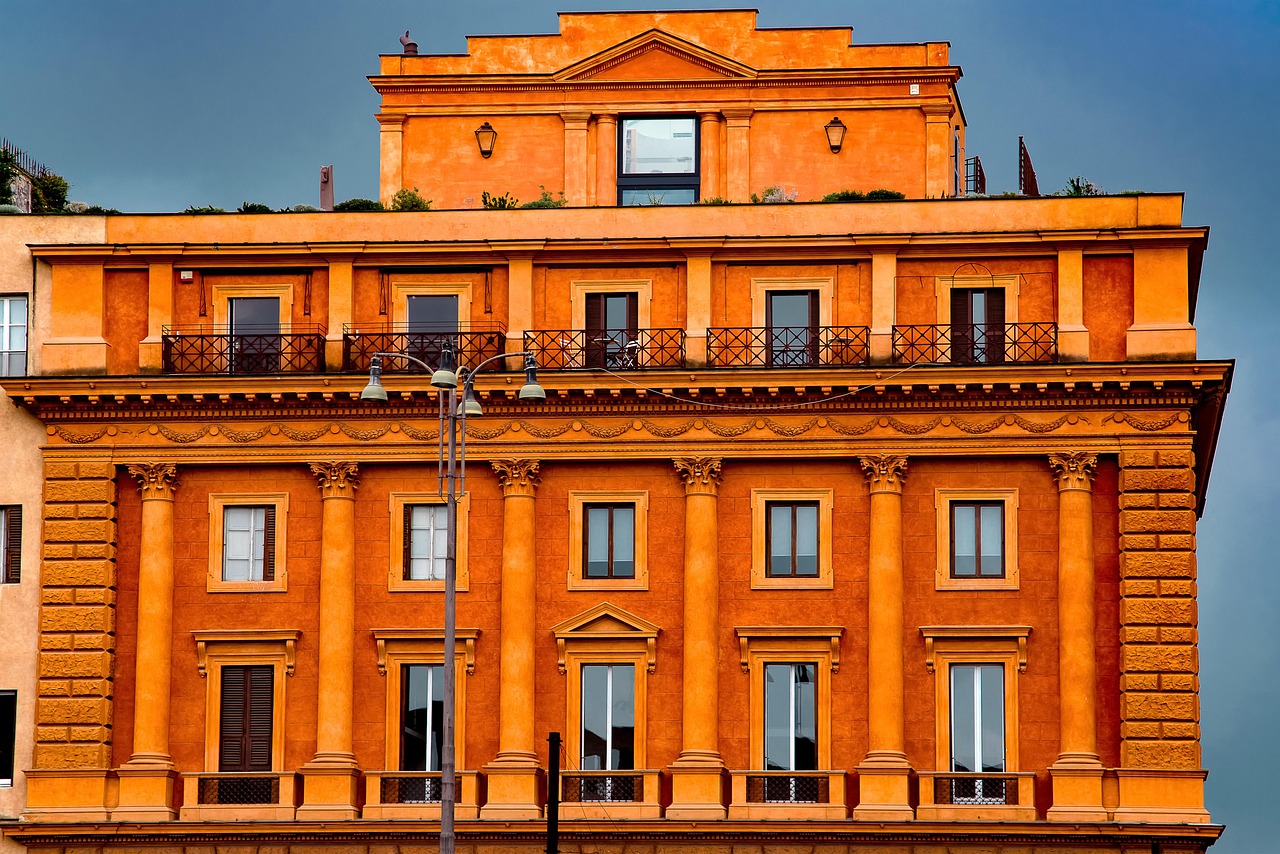
Rome for the first time: designing a seamless luxury rhythm with classic architecture, soft light, and unhurried pacing
If this is your first time in Rome, a luxury itinerary becomes less about doing everything and more about choosing a way to experience Rome that feels calm, curated, and personal. We design “things to do in Rome” days around comfort and discretion, so each attraction feels intentional rather than rushed. You’ll move through each attraction in a sequence that makes sense on foot, and you’ll notice the local details that turn a famous façade into a living story.
Rome rewards travellers who create a gentle daily rhythm. We often design mornings in the centre of Rome for early light and quieter lanes, reserve afternoons for a museum (or two) when the sun is strongest, then drift into a piazza evening that feels naturally celebratory. Even in peak summer, Rome is still a beautiful city, but timing is what keeps it effortless. It’s not about doing less—it’s about doing the best things at the right time, with the right support, so you stay present.
Design days by neighbourhood, walkability, and rhythm to reduce transit time
The city’s beauty is also its challenge: those romantic lanes and uneven stones can drain energy faster than you expect. Designing your route by a neighbourhood in Rome keeps your steps elegant and your schedule seamless, especially when you want time to pause for a coffee, a boutique doorway, or a museum courtyard that catches your eye. A typical flow might be: one architectural highlight, one focused museum visit, and a late-afternoon walk that ends in a candlelit table.
To keep your day feeling crafted rather than crowded, plan in clusters: ancient areas together, Vatican-side experiences together, then a day devoted to piazza life, galleries, and shopping. This is also a smart way to visit Rome when you care about comfort, because you’ll spend more time enjoying the streets and less time in traffic. If you’re browsing ideas visually, you can also explore our Trip gallery for design inspiration.
Timing, comfort, and reservations that protect your calm
For the weather that flatters both photographs and mood, plan your trip to Rome between April and June or September and October. In peak summer, midday heat can make even short walks feel like a workout; in shoulder season, the city feels softer and museum time becomes genuinely enjoyable. For comfort, choose private transfers or a luxury car service between major sites, wear comfortable but polished shoes, and carry a refillable bottle for long walking days—Rome’s public fountains make that easy.
High-end travel here is also a game of reservations. You truly need to book key entries early: book your tickets online, and book tickets in advance whenever VIP time slots are limited. For certain experiences, you’ll need to book tickets weeks in advance, and for some dates you’ll want tickets well in advance to secure the calmest entry windows; it’s wise to book as soon as your dates are firm. “Skip-the-line” usually means a timed entry with a dedicated access point, but it still requires security checks—your guide helps that moment feel smooth rather than stressful.
Finally, a note on value. A certified guided tour isn’t simply narration; it’s pacing, context, and care—someone who can “see the main” masterpieces quickly when you want momentum, or slow down when a museum room deserves quiet attention. That’s how you travel with confidence: trusting the craft behind the day, and letting Rome meet you gently.




Ancient Rome Attractions: Roman Forum and Palatine Hill at Golden Hour with a Private Guided Tour
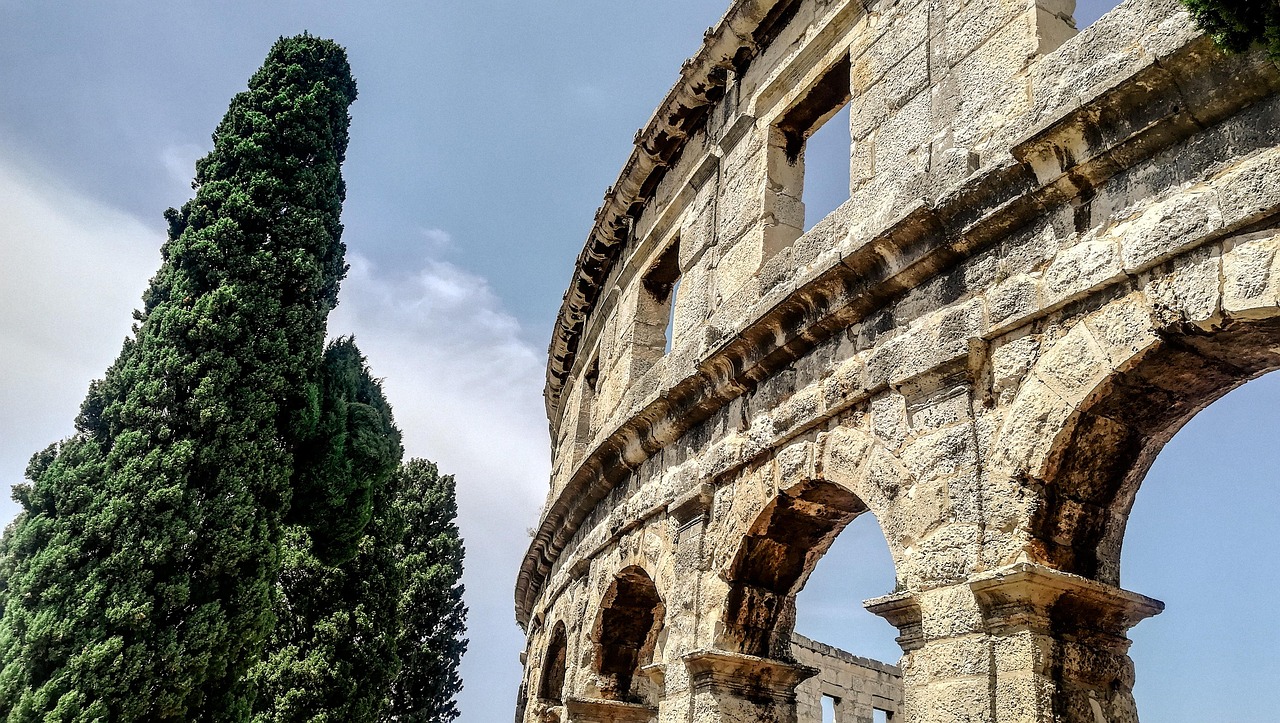
Ancient Rome at sunset: a private guided route through the Forum, hillside viewpoints, and the amphitheatre district
When travellers picture the great tourist attractions of Rome, they often imagine this ancient district—yet the difference between chaotic and extraordinary is how you approach it. Think of this chapter as a crafted private experience: thoughtful timing, a clear route, and a guide who can turn stone into story. You’ll explore an attraction in Rome that feels like one of the true wonders of the world, but you’ll do it with breathing space and comfort.
A private guided tour with expert storytelling and crowd-smart pacing
One traveller told us their most unforgettable moment came as their guide described gladiator rituals while they stood in the arena, and the scale suddenly made emotional sense. It wasn’t theatrical; it was human—and it reframed the site as a living masterpiece of planning and power. A good guide also knows when to step into quieter corridors, share the key context, and let you absorb the atmosphere without feeling pushed.
Security is unavoidable, even with VIP access, so arrive with a small bag and keep liquids to a minimum. Comfortable shoes matter here, but they can still be refined—think a sleek trainer or a supportive loafer. This is also where an expert guide improves everything: they manage the flow, choose the calm corners, and protect you from the “follow-the-flag” crush that turns history into a blur.
Golden hour through the Roman Forum and Palatine Hill for layered ruins
Pair the amphitheatre district with the Roman Forum for a complete sense of ancient Rome, then save the most atmospheric walk for later. A sunset stroll across the Roman Forum and up towards Palatine Hill is the kind of gentle crescendo that makes the day feel designed, not exhausting. The shifting light on columns and broken arches reveals every ruin as a kind of outdoor sculpture, and the view becomes a quiet portrait of Rome. If you enjoy archaeology, notice how one ruin differs from the next—political, religious, and domestic layers in a single walk.
If you have energy to explore further, two nearby sites in Rome add nuance without adding stress. Largo di Torre Argentina offers layers—ancient stone, modern traffic, and a living city wrapped around its past. And the grand altar of the fatherland nearby holds the tomb of the unknown soldier, a monument that still shapes Roman civic identity. Each stop shifts the mood, which keeps the afternoon varied and emotionally balanced.
Vatican City Treasures: VIP Vatican Museum, Sistine Chapel, St Peter’s Basilica, and the Dome View of Rome
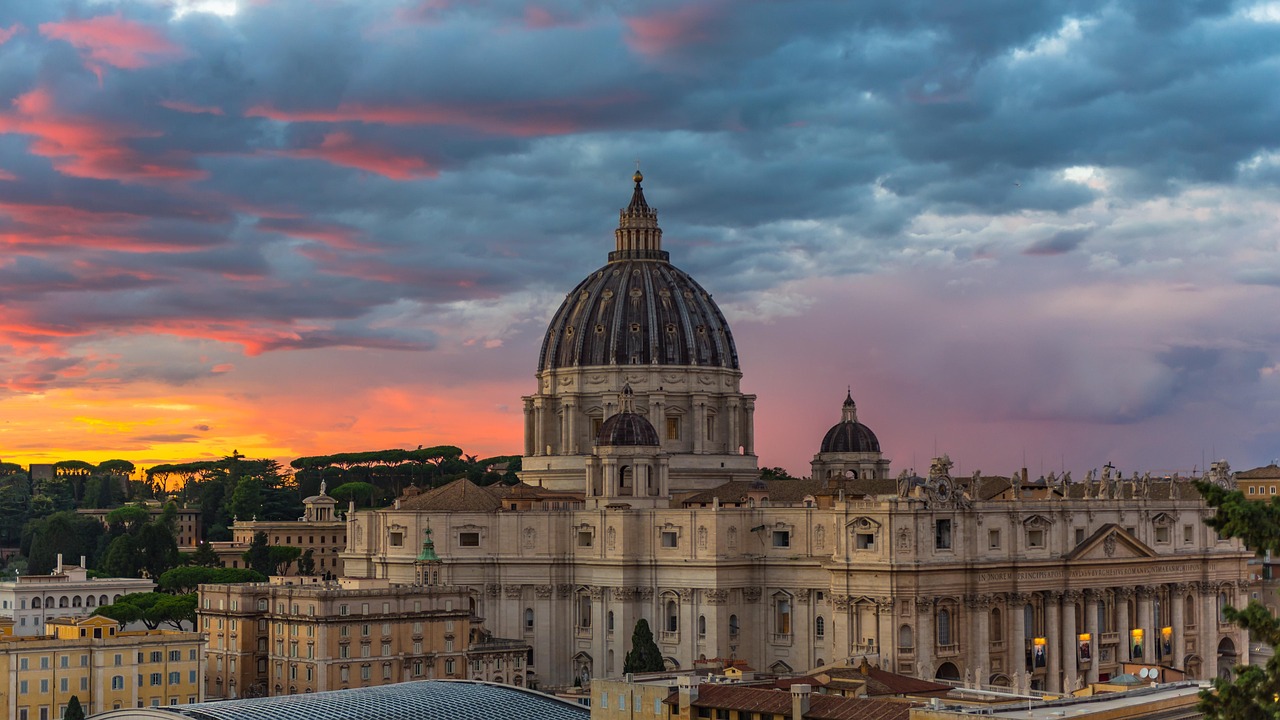
Vatican City treasures: VIP museum access, the Sistine Chapel, and a dome climb for a sweeping rooftop perspective
The Vatican can feel intense if you approach it like a conveyor belt, so we treat it as a centrepiece attraction with a calm pace. This chapter follows VIP logic: timed entry, a focused route through the Vatican Museum, and a guide who offers insight without overwhelm. The aim is to experience the Vatican with reassurance—less noise, more meaning, and a clear sense of what matters.
Vatican Museum highlights with quiet timing and a focused museum strategy
A successful Vatican day begins with a clear route. A VIP schedule can prioritise key galleries in the Vatican Museum rather than covering every corridor, helping high-end travellers avoid museum fatigue and sensory overload. Your guide will point out the signature rooms, explain why certain works are a masterpiece, and still leave space for personal wonder—because even in a museum, silence is part of luxury. When possible, we also balance the Vatican Museum with one smaller museum later in the trip to keep your attention fresh.
Time your entry for early or late afternoon for a gentler flow. If your goal is fewer crowds, consider a weekday and avoid major Catholic holidays. This is one of those tourist attractions where planning is pure care: you’re protecting your attention so you can actually see what you came for, rather than just passing through another museum corridor.
Sistine Chapel, St Peter’s Basilica, and the dome climb for a breathtaking view
Inside the Sistine Chapel, etiquette is part of respect. Keep your voice low, don’t use flash, and let your eyes travel slowly—your guide can prepare you beforehand so you notice the narrative as well as the scale. In the broader Vatican art story, Raphael offers a beautiful counterpoint, and a well-timed pause helps you spot details in a fresco that most visitors miss.
Then comes the basilica experience. Peter’s Basilica is both a sacred space and an artistic treasury, and modest dress matters here—cover shoulders and knees. Whether you call it basilica di san pietro or simply di san pietro, it has a hush that slows your breathing. Look for the references to the apostles Peter and Paul, and notice how the basilica holds grandeur without losing intimacy; it is a spiritual monument as much as an artistic one.
If you’re comfortable with steps, the climb to the dome is a rare, thrilling privilege. That final terrace offers an unforgettable view of Rome, where rooftops, river bends, and distant hills fall into place. It’s the kind of perspective that makes the city feel legible—and personal—especially after a dense museum morning.
To extend the day across the river, Castel Sant’Angelo is a refined add-on. This castle was built as a mausoleum for Emperor Hadrian, later transformed into a fortress, and today it’s part museum, part viewpoint; it was also literally built as a mausoleum before history reshaped its purpose. The upper terraces give you a different angle on the Vatican and the city, and the riverside walk feels like a gentle exhale after masterpieces, museum halls, and basilica grandeur.
Piazzas, Museums, and Trastevere Food Tour: Best Things to See in Rome in Style
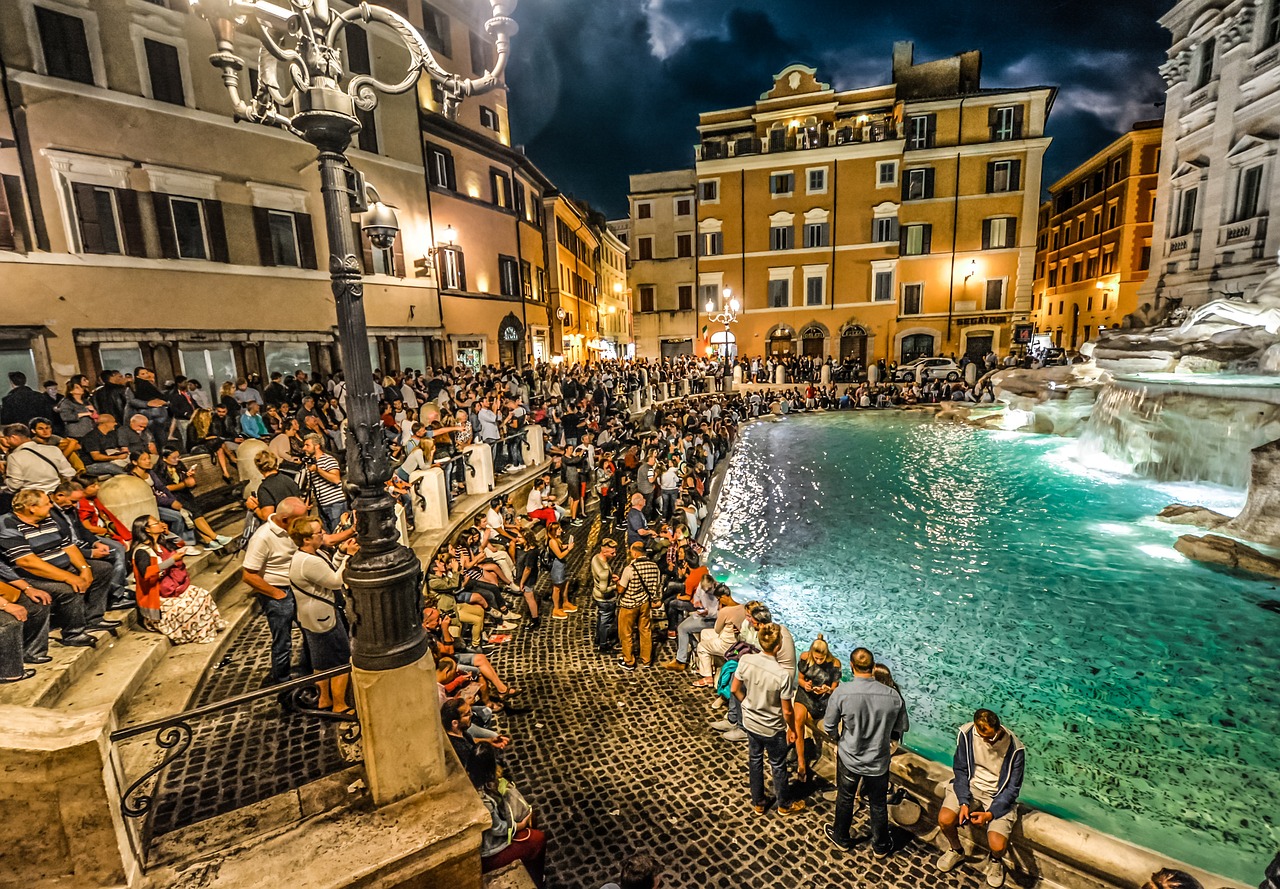
An evening in Rome: piazza life, museum culture, and the Trevi Fountain glow that makes the streets feel cinematic
This chapter is your elegant day of piazza scenes, museum collections, and Trastevere flavour—the one that feels playful, cinematic, and deeply Roman. You’ll move between outdoor beauty and indoor artistry, then let the evening open into Trastevere with a private tasting. It’s designed for travellers who want to discover the city’s culture in many forms: architectural lines, frescoed ceilings, and the way lamplight changes a street. It’s also a smart answer to what to see in Rome when you want variety without rushing.
Classic piazza moments from the Pantheon to the Trevi Fountain
The Pantheon is an architectural miracle that still feels modern, and it’s one of the most rewarding places to revisit at different times of day. Visit the Pantheon in the morning to watch the light shift across the stone, then step back later to feel how the acoustics change as the space fills and empties. Many travellers also like a quick third pass by the Pantheon in the evening, when the atmosphere is calmer, and the square feels like a private salon. As an attraction in Rome, the Pantheon proves that scale and serenity can coexist, and few monuments carry history so lightly.
Next, the trevi fountain—or, in its full name, Fontana dei Trevi—was built in the 18th century, and it’s at its best when you approach strategically. If you want that iconic photo without tossing a coin, come at first light or late evening, stand slightly to the side, and let the crowd flow past you. The trevi fountain is often a quick stop for most visitors; for you, it can be a composed moment of beauty, with the sound of water softening the city. If you love language, note how Romans still use “fontana” with affection here.
From there, aim for Piazza Navona; it’s one of those places where Rome feels like an open-air salon: artists sketching, couples lingering, and the gentle theatre of the street. It’s a piazza that invites you to sit, order something sparkling, and simply watch the city move. If you’re mapping a walking loop, this is also a natural bridge between the Pantheon area and the Lateran Museum.
Spanish Steps, Piazza del Popolo, and museums chosen for taste
For a classic circuit, start at the spanish steps and drift through piazza di spagna. The spanish steps are best enjoyed slowly—pause, look back, and notice the shifting light on stone. Then continue to piazza del popolo, where symmetry and scale make every photograph feel considered; del popolo also sits near galleries, so it’s an easy bridge between outdoor elegance and museum depth.
Now, choose your museum experience with intention. The Borghese Gallery is essential for lovers of Bernini-level sculpture, but it requires strict timed entry—reserve days in advance, and if you can, book tickets well in advance for the calmest slot. Inside this museum, you’ll see how marble can look like skin and fabric; it’s a true masterpiece lesson in movement. For a quieter museum in rome option, doria pamphilj feels like stepping into a private world of portraiture and gilded rooms, while the galleria nazionale d’arte antica offers a refined alternative for 16th and 17th centuries painting in a calmer setting.
To make museum days feel effortless, we recommend one major museum plus one smaller museum, then a long, unhurried meal. Rome has many museums; you don’t need all of them. You need the right museum, at the right time, with enough space to let the work change you—and to leave you energy for an evening piazza stroll.
Villa Borghese, Trastevere, and a private food tour with boutique wineries
After a concentrated museum morning, Villa Borghese is the perfect park in Rome to reset. One visitor described a peaceful afternoon wandering the gardens, during which they stumbled upon a small sculpture exhibition—quietly curated, lightly attended, and unexpectedly intimate. It’s proof that Rome is a city full of small discoveries, especially when you leave room for them. If you’re travelling with friends or family, this is also where a short picnic break can keep the day from feeling too long.
As evening arrives, cross into Trastevere for a private gourmet tasting that feels like a celebration rather than a schedule. A well-designed Rome food tour in Trastevere is a relaxed way to experience local flavours: a few bites, a few stories, and boutique wineries chosen for character. A good guide balances tradition with comfort, ensuring you sit when you need to sit, and that each stop feels personal.
Expect seasonal Roman favourites, excellent olive oil, and pairings that highlight local grapes. Between courses, step into Santa Maria in Trastevere for a moment of calm; the basilica’s atmosphere there is a beautiful contrast to the lively lanes outside. If you’re tempted by shops in Rome, this area has small ateliers and leather goods that feel more individual than the main streets, and the cobblestone streets make even window-shopping feel romantic.
And yes—make time for the best gelato in Rome. The point isn’t a ranking; it’s the ritual. Choose a flavour that matches the season, and take it for a slow walk so the evening becomes its own dessert course.
A capstone opera evening and a rooftop sunset near the Vatican
To close this day in style, dress for the opera with confidence—think a jacket, a silk scarf, or a simple black dress that travels well. Teatro dell’Opera di Roma is the kind of historic setting where the room itself feels like a masterpiece, and an evening here becomes a memory you’ll carry beyond photographs. If you can, choose seats with a clear view of the stage and the orchestra; it’s worth it for the immersive sound.
A couple once told us their most magical Rome-like moment came from pairing music with sunset: they dined in an exclusive rooftop restaurant overlooking the Vatican as the sky turned apricot. The ambience matched the exquisite food, and the city felt tender—like it was hosting their story. It’s not about extravagance; it’s about creating the right frame for connection, together.
F.A.Qs: Top Attractions in Rome, Italy
What shouldn’t you miss in Rome?
Don’t miss the feeling as much as the famous places: a timed Vatican Museum visit, a quiet basilica pause, and an evening piazza wander. Prioritise one major museum, one iconic outdoor scene such as the Pantheon, and one beautifully unhurried meal so the city stays intimate rather than exhausting.
What are the top 4 attractions in Rome?
Most travellers rank the ancient amphitheatre district, the Roman Forum, the Vatican Museums with the Sistine Chapel, and St Peter’s Basilica among the top four. For high-end travellers, the difference comes from VIP timing, a certified guide, and choosing moments when the atmosphere feels calm.
What not to do in Italy as an American?
Avoid turning up without reservations for major sights, and don’t assume “skip-the-line” means skipping security. Dress modestly in religious spaces, keep your voice low in basilica interiors, and don’t underestimate walking time—Rome rewards a slower pace and polite, simple courtesies.
What to do in Rome in 3 days?
Design three days by area: one for Ancient Rome and sunset viewpoints, one for the Vatican and a refined add-on like Castel Sant’Angelo, and one for piazzas, a museum such as the Borghese Gallery, and Trastevere dining. Add private transfers and a guided tour to keep it seamless and restorative.
What Stayed With Us After Visiting Rome: Reflections on High-End Travel and Museums
Long after your days in Rome have slipped behind you, the city returns in quieter ways. You remember the hush inside a basilica, where cool air and candlelight seemed to slow time. You remember how a single masterpiece in a museum made you stop mid-step, and how another museum room surprised you with a detail of light, stone, or a fresco you hadn’t expected.
There’s a particular kind of confidence that comes from travelling with trust. Local voices, expert guidance, and small acts of care—someone timing your entry, choosing the shaded table, anticipating the moment you’ll want to sit—create space for wonder. In Rome, that space matters: it’s where you notice a detail in a fresco, a glance exchanged across a piazza, or the way a basilica ceiling seems to lift the weight from your shoulders.
On my last visit, what surprised me wasn’t a headline sight, but the feeling of being gently held by the city. A museum guard who quietly pointed out a carved figure, a barista who remembered an order, and the way evening light softened a monument, making it look almost painterly. Rome is full of grandeur, yes, but what stays is often the human warmth threaded through it—and the way each museum moment makes you feel more connected than hurried.
When you return to Rome—and many travellers do—it may not be for the same list of places. It might be for a particular bench in a park, a familiar basilica doorway, or the desire to revisit the Pantheon and compare how it feels under a different season’s sky. If you have time, a gentle day trip beyond the city can also reset the senses, making your return to Rome feel even more vivid. The door stays open, and Rome waits in its own time—always worth a visit, and always offering new things to see.